
Nutrition comparison
Octopus vs Shrimp: Nutrition, Cholesterol & Which is Healthier
Compare Octopus vs Shrimp to see which seafood wins for protein, cholesterol, and iron. Learn the health tradeoffs and which is better for your diet.
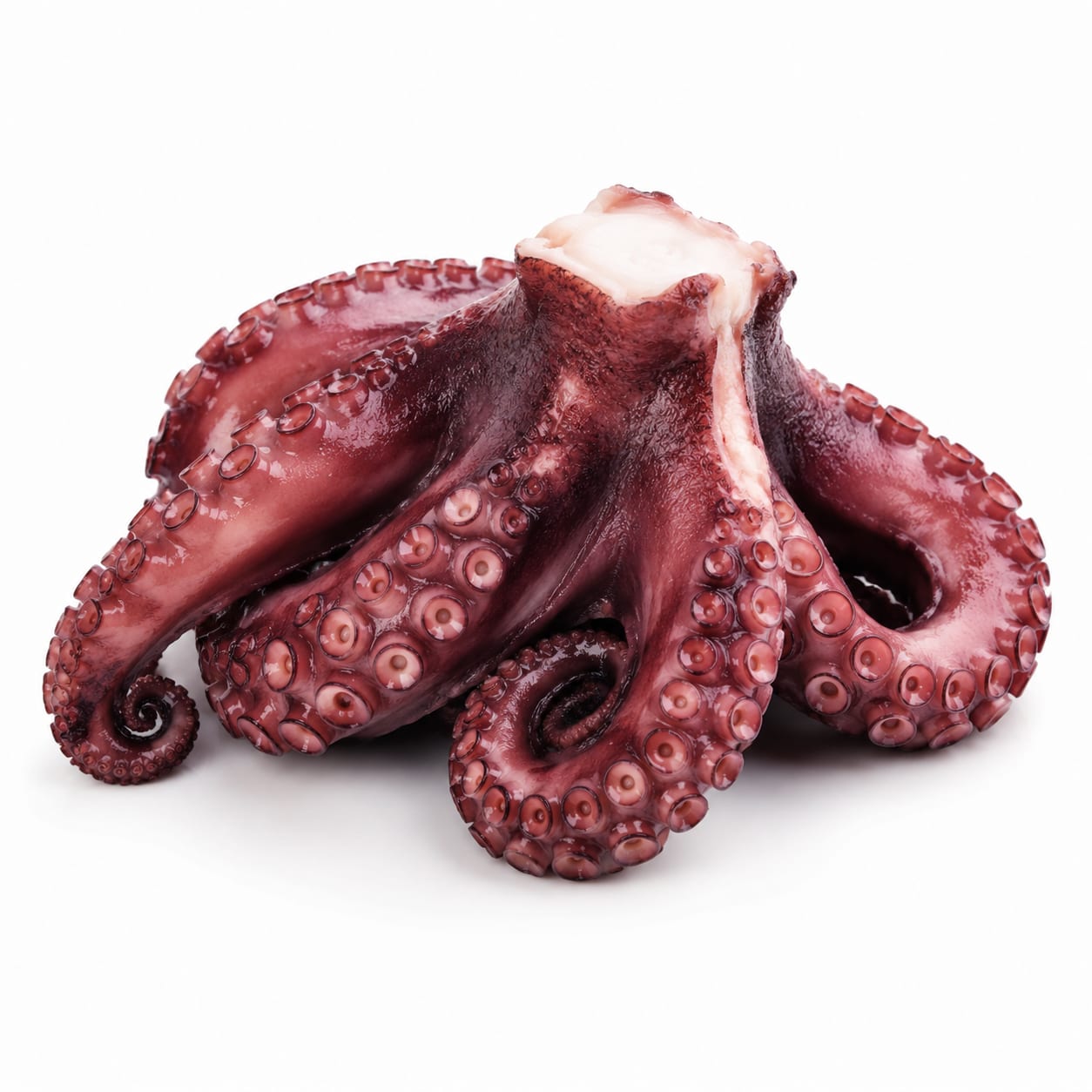
Octopus
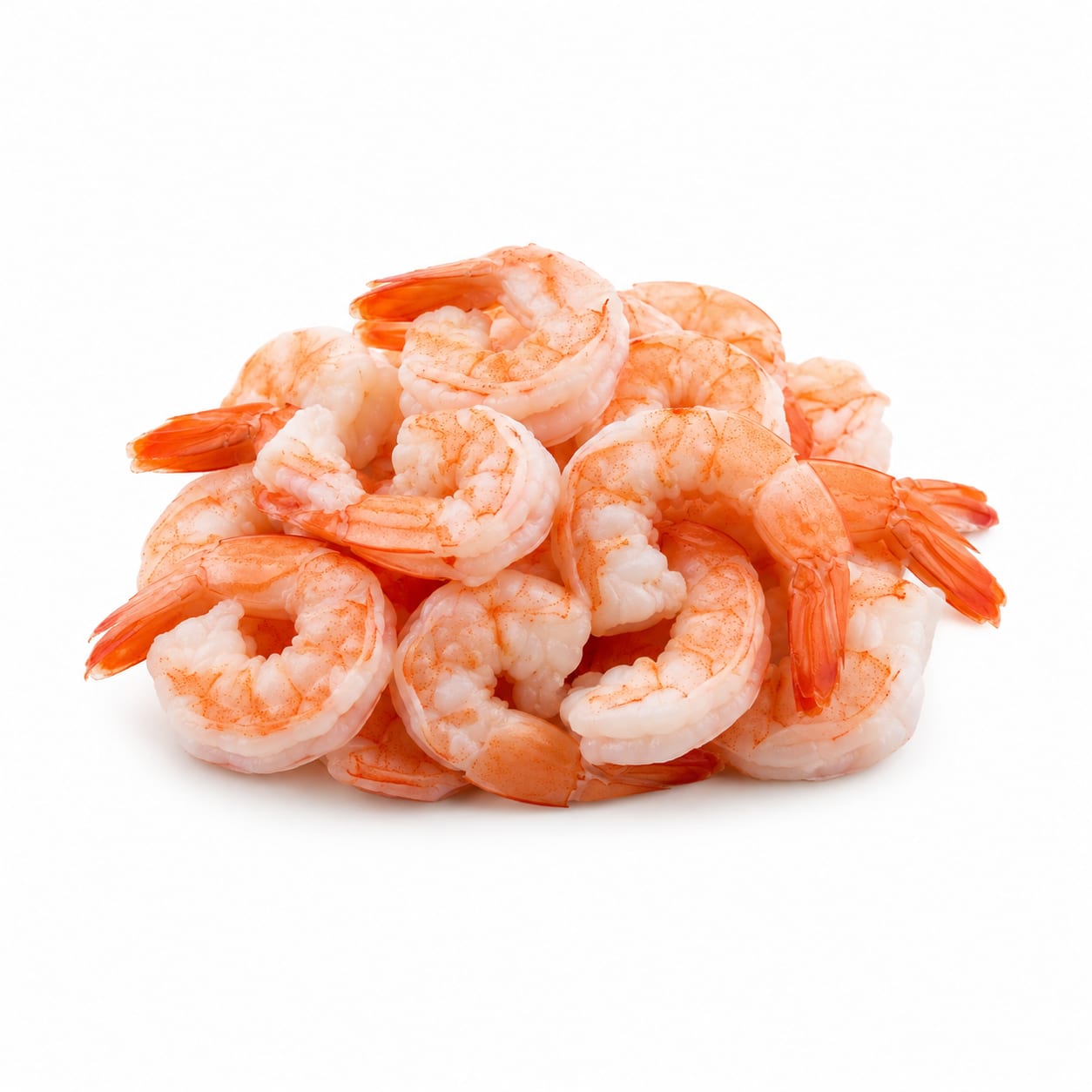
Shrimp
Octopus delivers a massive iron and B12 boost with less cholesterol, while Shrimp offers leaner, quicker-cooking protein with more everyday convenience.
Shrimp slightly edges out Octopus overall due to its unmatched convenience, lower calorie density, and everyday versatility. Octopus wins heavily on specific micronutrients like iron and B12, but its demanding preparation holds it back from a higher overall score.
You trade the superior mineral density and lower cholesterol of Octopus for the culinary ease and lower calorie count of Shrimp.
At a glance
Executive summary
Overall
It depends
Healthier
It depends
More practical
Shrimp
Daily use
Shrimp
Key comparison lenses
Protein quality and muscle support
Both are high-protein seafoods, but their amino acid profiles and digestibility differ significantly.
Micronutrient density, especially iron and B12
Octopus is remarkably high in iron and B12, while Shrimp offers different minerals like iodine and selenium.
Cholesterol and heart health impact
Shrimp is notoriously high in dietary cholesterol, which concerns some users, whereas Octopus is lower.
Convenience and everyday practicality
Shrimp cooks in minutes, while Octopus requires specific techniques to avoid a rubbery texture.
Contaminant and heavy metal exposure
Both seafoods carry distinct risks regarding heavy metals, microplastics, and farming practices.
Best choice for
Octopus
- People needing an iron boost or managing anemia
- Those monitoring their dietary cholesterol
- Mediterranean diet enthusiasts looking for mineral-dense seafood
Shrimp
- Busy home cooks needing a 10-minute protein
- Those tracking calories for weight loss
- People wanting a light, easily digestible post-workout meal
Least suitable for
Octopus
- Impatient cooks or those wanting a quick weeknight dinner
- People who dislike chewy textures unless specifically prepared
Shrimp
- Individuals strictly limiting dietary cholesterol
- Those with severe shellfish allergies
Deep comparison
Dimension by dimension
Each lens scores both foods and breaks down who each option suits.
- Dimension 1 · Priority 90Shrimp
Protein Quality and Satiety
Octopus · 82Shrimp · 88Shrimp provides slightly leaner protein that digests easily, while Octopus offers robust protein but with a denser, chewier bite that takes longer to eat.
Tradeoff
Octopus is more filling due to its chewy texture requiring slower eating, but Shrimp's protein is slightly easier on the stomach post-workout.
Why it matters
Leaner, faster-digesting protein is often preferred for muscle recovery, while slower eating naturally supports portion control.
Real-world impact
A Shrimp dinner feels light and settles quickly, making it great before an evening activity. Octopus feels more like a substantial, lingering meal.
Octopus
- Slower eaters who benefit from built-in portion control
- Heavy chewers seeking a satisfying, meaty texture
Better for
- People wanting quick muscle recovery fuel
- Those with sensitive jaws or dental issues
Worse for
Shrimp
- Athletes needing quick-digesting protein after a workout
- Those wanting a light protein source that won't cause bloating
Better for
- People who find lean protein unsatisfying on its own
- Those prone to overeating because it digests too quickly
Worse for
- Dimension 2 · Priority 88Octopus
Micronutrient Density
Octopus · 94Shrimp · 72Octopus is a micronutrient powerhouse, loaded with iron, zinc, and B12. Shrimp shines with iodine and selenium but falls short on iron.
Tradeoff
You get significantly more blood-building iron and energy-supporting B12 from Octopus, missing out on the thyroid-supporting iodine Shrimp provides.
Why it matters
Iron and B12 are common deficiencies, especially for women and those avoiding red meat. Iodine is crucial but easier to get from iodized salt.
Real-world impact
Eating Octopus can genuinely help fight fatigue and low iron. Shrimp supports metabolism but will not move the needle on iron levels.
Octopus
- Women with heavy menstrual cycles needing iron
- Those avoiding red meat but needing B12 and iron
- Vegans transitioning to seafood who need a mineral boost
Better for
- People with hemochromatosis or iron overload
Worse for
Shrimp
- Those needing thyroid support from natural iodine
- People already meeting iron needs through other foods or supplements
Better for
- Anyone relying on seafood as their primary iron source
Worse for
- Dimension 3 · Priority 82Octopus
Heart Health and Cholesterol
Octopus · 85Shrimp · 68Octopus is surprisingly low in cholesterol, while Shrimp packs a heavy cholesterol punch per serving.
Tradeoff
Choosing Shrimp means accepting a high dietary cholesterol load, though it is low in saturated fat. Octopus keeps cholesterol low while providing heart-friendly omega-3s.
Why it matters
For cholesterol-sensitive individuals, Shrimp can spike LDL levels, whereas Octopus offers a safer profile for cardiovascular health.
Real-world impact
If your doctor told you to watch your cholesterol, Shrimp should be an occasional treat, while Octopus can be enjoyed more freely.
Octopus
- People with familial hypercholesterolemia
- Those actively lowering their LDL cholesterol through diet
Better for
- No specific heart health downside
Worse for
Shrimp
- People whose lipid panels are unaffected by dietary cholesterol
- Those prioritizing extremely low-fat diets
Better for
- Individuals with a history of high cholesterol
Worse for
- Dimension 4 · Priority 78Shrimp
Convenience and Culinary Practicality
Octopus · 45Shrimp · 95Shrimp is the ultimate convenience protein, cooking in minutes. Octopus requires specific techniques to avoid becoming a rubbery disaster.
Tradeoff
You sacrifice the rich, unique flavor and mineral density of Octopus for the effortless, weeknight-friendly cooking of Shrimp.
Why it matters
If a food is hard to cook, you simply will not eat it as often, regardless of its health benefits.
Real-world impact
Shrimp saves you on busy Tuesday nights. Octopus is a weekend project or a restaurant order for most home cooks.
Octopus
- Experienced cooks who enjoy slow braising or grilling
- Those who meal-prep large batches of seafood at once
Better for
- Anyone intimidated by cooking unfamiliar seafood
- People short on time after work
Worse for
Shrimp
- Beginner cooks needing foolproof proteins
- Busy professionals needing dinner in under 15 minutes
Better for
- Culinary enthusiasts who find quick-cooking proteins boring
Worse for
- Dimension 5 · Priority 75Octopus
Contaminants and Safety
Octopus · 78Shrimp · 70Octopus generally carries fewer antibiotic and chemical concerns than Shrimp, though both have heavy metal considerations.
Tradeoff
Octopus may have slightly higher heavy metal accumulation due to its longer lifespan, but Shrimp—especially farmed—carries risks of antibiotics and chemical treatments.
Why it matters
Farmed Shrimp from certain regions are routinely treated with antibiotics, which can contribute to antibiotic resistance.
Real-world impact
Sourcing wild-caught Shrimp mitigates most risks, but Octopus is typically wild-caught by default, making it a safer bet if sourcing information is unclear.
Octopus
- Those worried about antibiotic residues in farmed seafood
- Consumers who cannot easily verify seafood sourcing
Better for
- Those strictly limiting heavy metal exposure during pregnancy
Worse for
Shrimp
- Those who can afford and access verified wild-caught Shrimp
- People more concerned about heavy metals than farming chemicals
Better for
- People regularly buying cheap, unverified farmed Shrimp
Worse for
Timeline
Health impact over time
Short-term
Hours to days
Octopus
- Provides long-lasting satiety due to dense protein and chewy texture
- Can feel heavy in the stomach if not cooked until tender
Shrimp
- Offers quick, light energy that digests rapidly
- May leave you hungry sooner if not paired with fiber or fats
Long-term
Months to years
Octopus
- Excellent for maintaining healthy iron stores and preventing anemia
- Supports red blood cell production and cognitive function via B12
Shrimp
- Supports thyroid health and metabolic rate through iodine and selenium
- Frequent consumption may elevate cholesterol in sensitive individuals
Risk profile
Safety & processing
Both are whole foods in their natural state, but frozen Shrimp is frequently treated with sodium tripolyphosphate (STPP) to retain moisture, which adds unnecessary sodium and a spongy texture. Octopus is rarely treated with such additives.
Octopus
Heavy metal accumulation
mediumAs a longer-lived predator, Octopus can accumulate higher levels of cadmium and mercury, depending on the water source.
Tough texture leading to choking hazard
lowIf improperly cooked, Octopus can be extremely chewy, posing a minor risk for small children or those with swallowing difficulties.
Shrimp
Shellfish allergy
highShrimp is a top allergen that can trigger severe, life-threatening anaphylactic reactions in sensitive individuals.
Antibiotic and chemical residues
mediumImported farmed Shrimp often contains traces of antibiotics and STPP, which can affect gut health and overall safety.
High dietary cholesterol
lowWhile not a pathogen, the high cholesterol content poses a measurable health risk to hyper-responders over time.
Who wins for whom
Audience fit
Same foods, different winners depending on your goal.
children
ShrimpShrimp is easier to chew and swallow, and poses less of a textural challenge, though care must be taken regarding shellfish allergies.
daily consumption
ShrimpShrimp's quick cooking time and mild flavor make it a much more realistic daily staple than the preparation-heavy Octopus.
diabetes
ShrimpBoth have zero carbs, but Shrimp is lighter and digests easily, making it a stress-free protein for blood sugar management.
elderly
ShrimpShrimp is softer and requires far less chewing effort than Octopus, which can be too tough for aging teeth and jaws.
muscle gain
OctopusOctopus offers slightly more protein per serving along with essential B12 and iron, which are crucial for oxygen delivery to muscles during training.
weight loss
ShrimpShrimp is significantly lower in calories and fat, making it easier to fit into a calorie deficit while providing high volume.
Your move
Decision guide
Choose Octopus
- You need a major iron and B12 boost in your diet
- You are watching your cholesterol but still want seafood
- You enjoy cooking and want to master a new culinary skill
Choose Shrimp
- You need a fast, low-calorie protein for busy weeknights
- You want a light, easily digestible post-workout meal
- You are tracking calories and want maximum food volume
Either works if
- You simply want high-quality, zero-carb seafood protein
- You are bored with chicken and want ocean-sourced nutrients
Avoid both if
- You have a known shellfish or mollusk allergy
- You are strictly limiting sodium and cannot control preparation methods
Final recommendation
Keep Shrimp in your regular rotation for its convenience and leanness, but swap in Octopus occasionally when you have the time to cook it right—your iron levels and taste buds will thank you.
Practical
Consumer tips
- 1
Freeze Octopus before cooking; the freezing process helps break down the muscle fibers, guaranteeing a more tender result.
- 2
Always check the ingredient list on frozen Shrimp bags; avoid any that list sodium tripolyphosphate (STPP).
- 3
Simmer Octopus low and slow for about an hour before a quick sear on the grill for the perfect tender-yet-charred texture.
- 4
Buy wild-caught Shrimp whenever possible to avoid the antibiotic and chemical concerns associated with imported farmed varieties.