
Nutrition comparison
Octopus vs Lobster: Nutrition, Taste, and Health Comparison
Discover the nutritional differences between octopus and lobster. Compare protein, cholesterol, sodium, and health benefits to find out which seafood is better for your diet.
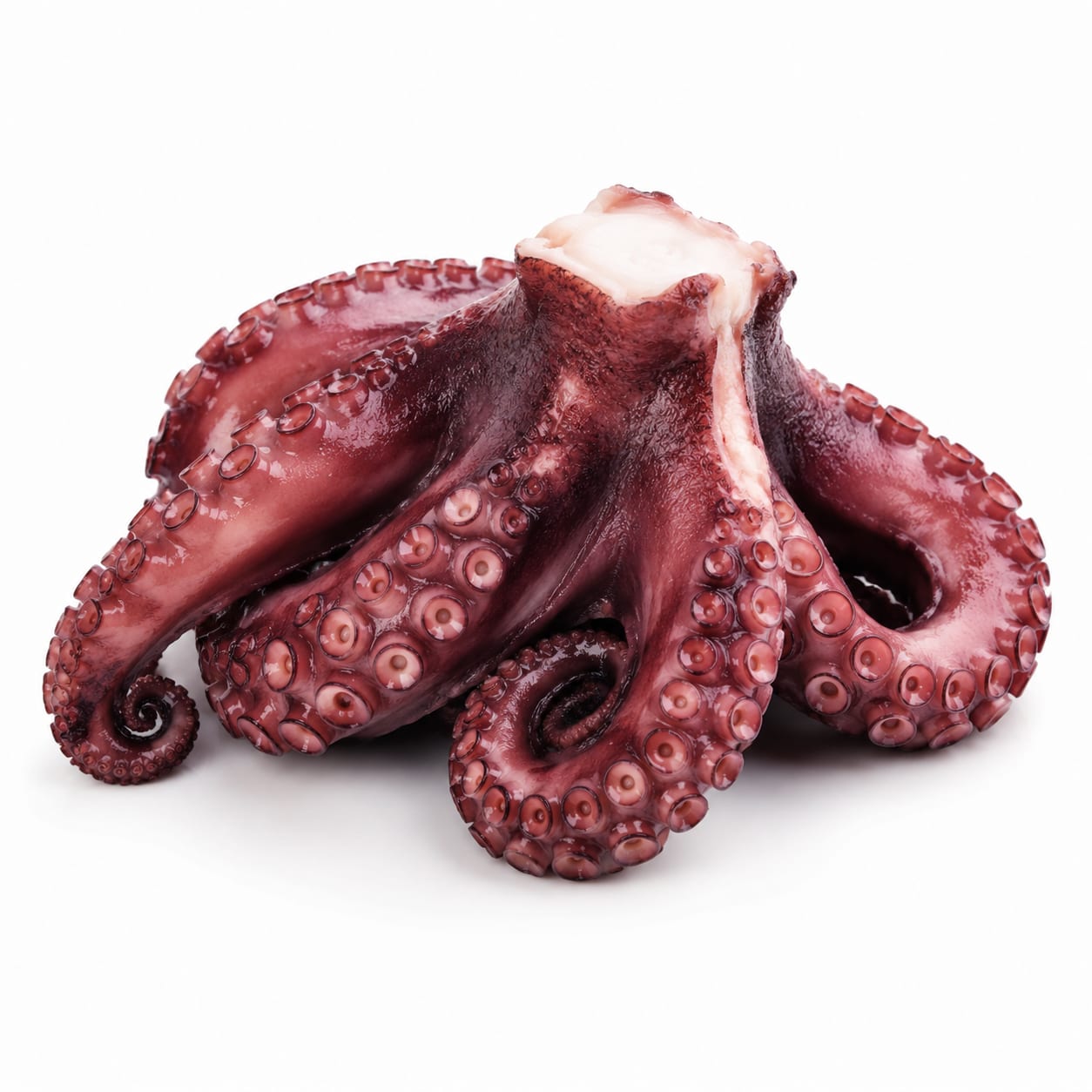
Octopus
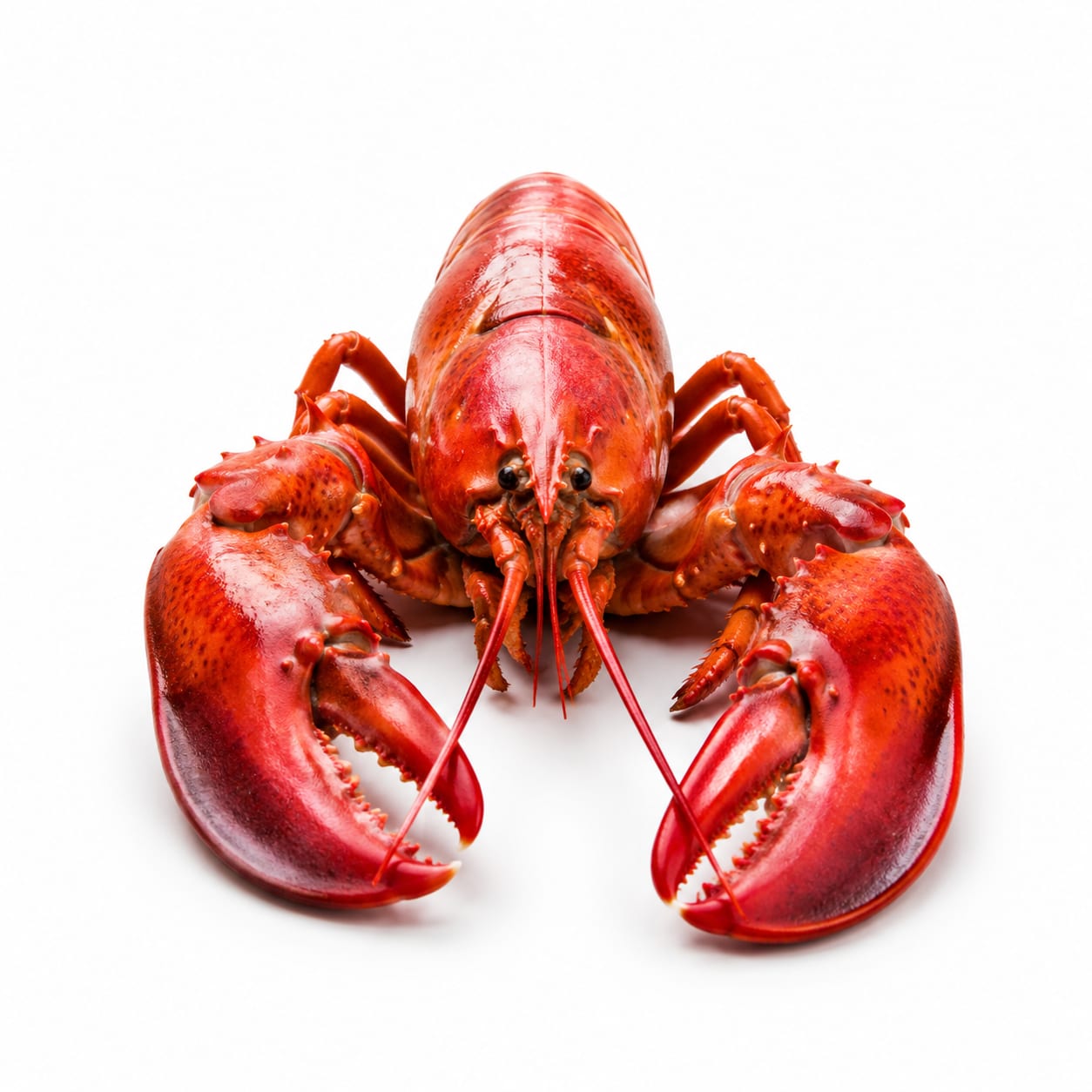
Lobster
Octopus delivers more iron and taurine for fewer calories, while lobster offers easier preparation and a massive selenium boost.
Octopus scores slightly higher due to its superior micronutrient density (especially iron) and lower sodium content, though lobster remains an excellent lean protein choice.
Octopus is significantly more nutrient-dense and lower in sodium, but lobster is far less intimidating to cook and offers superior thyroid support via selenium.
At a glance
Executive summary
Overall
It depends
Healthier
Octopus
More practical
Lobster
Daily use
It depends
Key comparison lenses
Protein quality and lean muscle support
Both are premium animal proteins, often chosen for high-protein diets, making their amino acid profiles and protein density critical.
Cholesterol and heart health impact
Shellfish naturally contain high dietary cholesterol, which is a common concern for users monitoring cardiovascular health.
Heavy metal and contaminant exposure
As longer-lived sea creatures, both accumulate toxins like mercury and microplastics, raising safety questions for frequent consumers.
Culinary practicality and preparation difficulty
Octopus is notoriously tricky to cook without turning rubbery, while lobster requires specific handling, impacting real-world usability.
Best choice for
Octopus
- Boosting iron levels and fighting fatigue
- Strict low-sodium diets
- Mediterranean diet followers
Lobster
- Supporting thyroid function with selenium
- Easier weeknight luxury meals
- Those preferring milder, sweeter seafood
Least suitable for
Octopus
- Impatient or beginner home cooks
- Those strictly limiting dietary cholesterol
Lobster
- Managing high blood pressure due to sodium
- Tight weekly grocery budgets
Deep comparison
Dimension by dimension
Each lens scores both foods and breaks down who each option suits.
- Dimension 1 · Priority 90Octopus
Protein & Caloric Efficiency
Octopus · 92Lobster · 88Octopus provides slightly more protein per calorie than lobster, making it one of the leanest animal proteins available.
Tradeoff
Both are incredibly lean, but lobster's natural sweetness often encourages pairing with high-calorie melted butter, negating its leanness.
Why it matters
Higher protein density means better satiety and muscle support without excess calories.
Real-world impact
Eating octopus keeps you full longer on fewer calories, provided you don't drown lobster in butter.
Octopus
- Strict calorie counters
- Lean muscle building
Better for
- Those who find lean meats unsatisfying without added fats
Worse for
Lobster
- High-protein diets where enjoyment matters
Better for
- People prone to pairing it with heavy, high-calorie sides
Worse for
- Dimension 2 · Priority 85Octopus
Micronutrient Density
Octopus · 90Lobster · 82Octopus is a powerhouse of iron, vitamin B12, and taurine, while lobster shines primarily with selenium and B12.
Tradeoff
Octopus provides the iron and taurine needed for energy and cardiovascular function, whereas lobster is a selenium champion for thyroid and immune health.
Why it matters
Iron deficiency is common, making octopus a functional food for energy, but selenium is crucial for a resilient immune system.
Real-world impact
Choosing octopus can help fight afternoon fatigue, while lobster supports a robust immune response during stressful periods.
Octopus
- Women prone to iron deficiency
- Those needing an energy boost
Better for
- Individuals with hemochromatosis (iron overload)
Worse for
Lobster
- People focusing on thyroid health
- Supporting immune resilience
Better for
- Those relying on seafood as their primary iron source
Worse for
- Dimension 3 · Priority 80Octopus
Heart Health & Sodium
Octopus · 75Lobster · 60Both contain high dietary cholesterol, but lobster naturally packs significantly more sodium than octopus.
Tradeoff
While dietary cholesterol isn't the primary heart risk for most people, lobster's high sodium content is a real concern for blood pressure.
Why it matters
Sodium has a much more direct impact on cardiovascular risk than dietary cholesterol for the general population.
Real-world impact
A lobster dinner can easily deliver half your daily sodium allowance before you even add butter or salt.
Octopus
- Managing hypertension
- Low-sodium dietary protocols
Better for
- People strictly limiting dietary cholesterol
Worse for
Lobster
- Those who tolerate sodium well and prioritize taste
Better for
- Anyone monitoring blood pressure
- Heart disease patients
Worse for
- Dimension 4 · Priority 75It depends
Contaminant & Safety Profile
Octopus · 70Lobster · 70Octopus risks microplastics and heavy metals, while lobster carries a risk of PCBs in its tomalley and moderate mercury.
Tradeoff
Octopus accumulates ocean pollutants in its tissue, whereas lobster concentrates toxins in its liver (tomalley), which must be avoided.
Why it matters
Regular consumption of contaminated seafood can lead to long-term neurological and hormonal issues.
Real-world impact
Eating lobster tomalley is a direct hit of concentrated toxins, while octopus requires trusting your source for clean waters.
Octopus
- Diners who avoid organ meats entirely
Better for
- People eating seafood multiple times a week from unknown sources
Worse for
Lobster
- Those who source from well-regulated fisheries
Better for
- Traditional eaters who consume the tomalley
Worse for
- Dimension 5 · Priority 70Lobster
Culinary Practicality & Preparation
Octopus · 55Lobster · 80Lobster is relatively straightforward to boil or steam, while octopus requires specific tenderizing techniques to avoid a rubbery texture.
Tradeoff
Octopus demands culinary skill and time to tenderize, but lobster's high cost and live-cooking requirements can be emotionally daunting.
Why it matters
A food's health benefits only matter if you can actually cook and enjoy it at home.
Real-world impact
Overcooked octopus feels like chewing on a bouncy ball, ruining an expensive meal, whereas lobster is more forgiving to the average cook.
Octopus
- Adventurous home chefs
- Slow-food cooking enthusiasts
Better for
- Weeknight time-crunched cooks
Worse for
Lobster
- Quick luxury dinners
- Less experienced seafood cooks
Better for
- Those uncomfortable cooking live seafood
Worse for
Timeline
Health impact over time
Short-term
Hours to days
Octopus
- High-quality protein keeps you full for hours
- Rich iron content can provide a noticeable energy lift
Lobster
- Quick, satisfying protein intake
- High sodium might cause temporary water retention or bloating
Long-term
Months to years
Octopus
- Taurine and iron support sustained cardiovascular stamina
- Regular consumption supports healthy red blood cell production
Lobster
- Selenium protects against cellular aging and supports thyroid health
- Frequent consumption may contribute to elevated blood pressure if sodium isn't managed
Risk profile
Safety & processing
When purchased fresh or frozen, both octopus and lobster are whole, single-ingredient foods with no artificial additives.
Octopus
Heavy metals and microplastics
mediumAs bottom-dwellers and predators, octopuses can accumulate ocean pollutants, especially from unregulated waters.
Foodborne illness from undercooking
mediumRequires thorough cooking to eliminate marine parasites and bacteria.
Lobster
Tomalley contamination
highThe lobster's green liver (tomalley) concentrates PCBs, dioxins, and heavy metals, and should never be eaten.
High natural sodium
mediumNaturally high salt content poses a risk for those with hypertension or salt sensitivity.
Who wins for whom
Audience fit
Same foods, different winners depending on your goal.
children
LobsterLobster has a milder, sweeter flavor and softer texture that children usually prefer over the chewier, stronger-tasting octopus.
daily consumption
It dependsNeither is ideal for daily consumption due to cost and potential contaminant buildup, but both can safely be enjoyed 1-2 times per week.
diabetes
OctopusBoth have zero carbs, but octopus has significantly less sodium, reducing the risk of compounding cardiovascular issues common in diabetes.
elderly
OctopusThe high iron and B12 in octopus help combat anemia and cognitive decline, which are common concerns in aging populations.
muscle gain
It dependsBoth provide excellent complete protein, though lobster is often eaten in larger quantities during a single sitting.
weight loss
OctopusOctopus offers more protein per calorie and virtually zero carbs, making it incredibly filling for minimal caloric cost.
Your move
Decision guide
Choose Octopus
- You want to maximize iron and B12 intake
- You are watching your sodium closely
- You enjoy Mediterranean flavors and have the patience to tenderize it properly
Choose Lobster
- You want an easier, quicker luxury meal
- You are focusing on selenium for thyroid support
- You prefer a sweeter, milder-tasting seafood
Either works if
- You need a zero-carb, high-protein centerpiece for a dinner party
- You are cycling through different seafoods to minimize mercury exposure
Avoid both if
- You have a severe shellfish or mollusk allergy
- You are on a strict low-cholesterol diet as advised by a cardiologist
- Your budget limits you to everyday affordable proteins
Final recommendation
Choose octopus when you want a nutrient-dense, low-sodium protein boost and have the time to cook it right. Opt for lobster when you want a more forgiving, celebratory meal with a thyroid-supporting selenium punch, but skip the tomalley and watch the butter.
Practical
Consumer tips
- 1
Never eat the green tomalley in lobster; it filters toxins from the ocean.
- 2
To tenderize octopus, simmer it low and slow for at least 45-60 minutes before searing.
- 3
Limit both to 1-2 servings a week to avoid heavy metal accumulation.
- 4
If buying frozen octopus, know that freezing actually helps break down the muscle fibers for a more tender result.
- 5
Swap melted butter for olive oil and lemon when eating lobster to keep the meal heart-healthy.