
Nutrition comparison
Octopus vs Salmon: Which Seafood Is Healthier for You?
Compare Octopus and Salmon on omega-3s, iron, protein, mercury, cooking ease, and sustainability. Find out which seafood fits your health goals and lifestyle.
Overall winner · Salmon
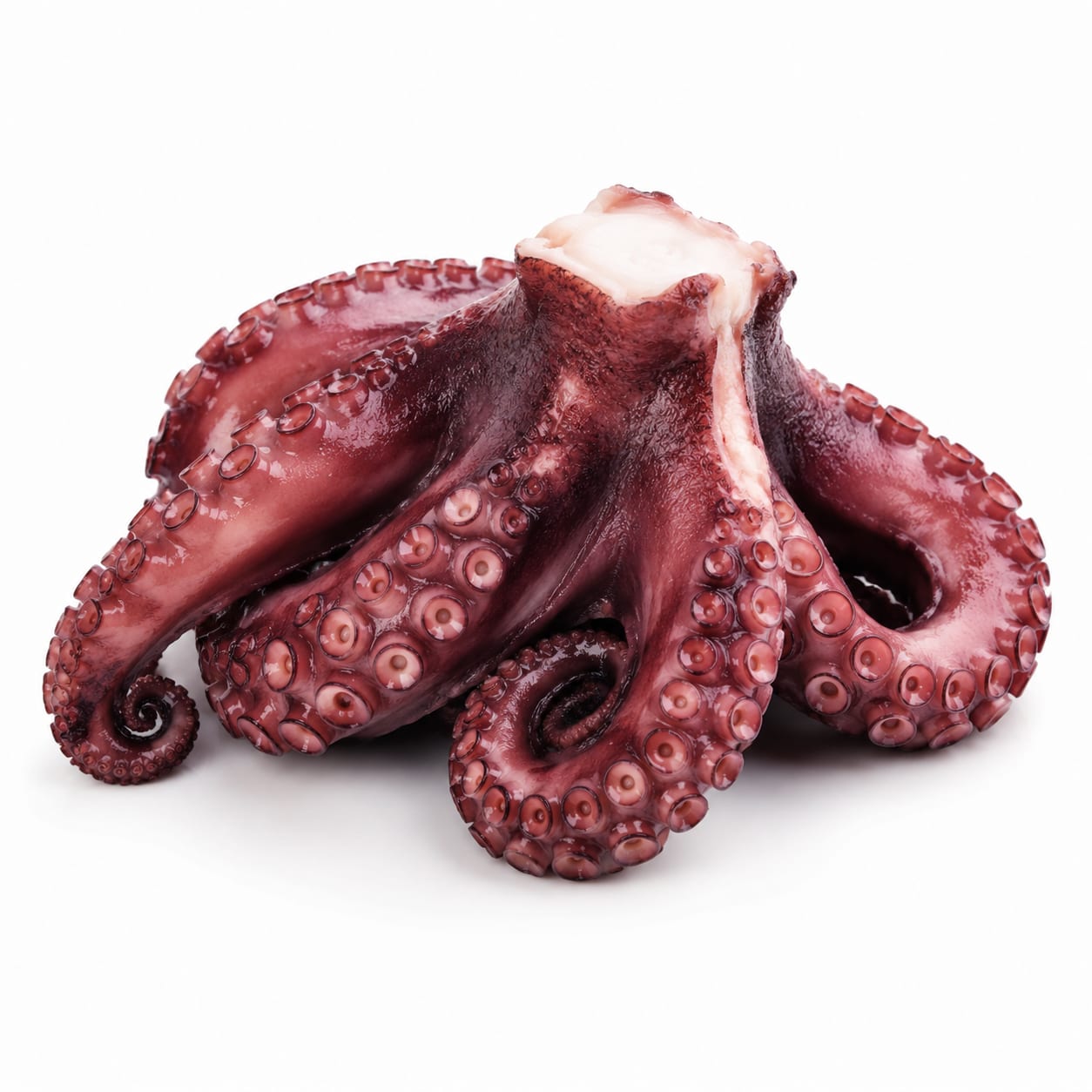
Octopus
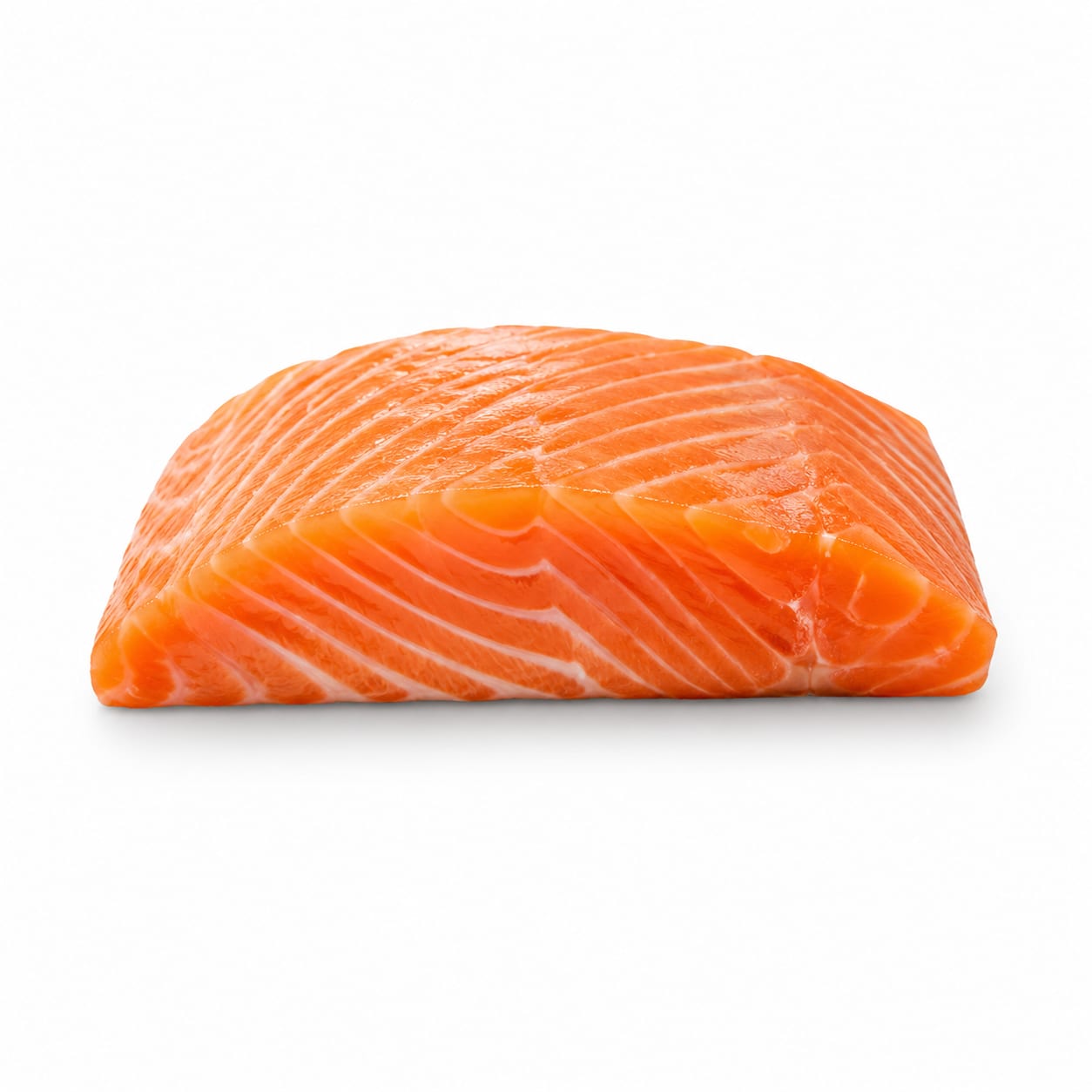
Salmon
Salmon wins for most people most of the time thanks to its omega-3 richness, easier cooking, and broader availability — but Octopus is an iron and B12 powerhouse that beats Salmon in specific nutrients.
Salmon scores notably higher due to its omega-3 dominance, cooking accessibility, and daily usability. Octopus is nutritionally impressive in iron and B12 but loses ground on practicality, omega-3 content, and ease of regular consumption.
You trade Omega-3s and cooking ease for a massive boost in iron, B12, and a leaner protein profile.
At a glance
Executive summary
Overall
Salmon
Healthier
Salmon
More practical
Salmon
Daily use
Salmon
Key comparison lenses
omega-3 and heart health comparison
Salmon is one of the richest omega-3 sources available; Octopus provides minimal omega-3, making this the starkest nutritional difference between the two
protein quality and iron content
Both are high-protein seafoods but Octopus delivers dramatically more iron and B12 per serving, which matters for energy and blood health
mercury and heavy metal safety
Both carry seafood contamination risks but from different sources and at different severity levels, a real concern for regular consumers
preparation difficulty and everyday practicality
Octopus is notoriously difficult to cook well at home while Salmon is beginner-friendly, heavily influencing which one people actually eat regularly
sustainability and environmental impact
Both have sustainability considerations but of very different types — overfishing concerns for Octopus versus aquaculture issues for farmed Salmon
Best choice for
Octopus
- People with iron deficiency or anemia risk
- Those seeking very lean protein with minimal fat
- B12-deficient individuals or older adults needing absorption-friendly B12
- Adventurous home cooks wanting nutrient density over convenience
Salmon
- Anyone prioritizing heart and brain health through omega-3s
- Beginner cooks wanting reliable, forgiving seafood preparation
- People eating seafood 2-3 times per week for anti-inflammatory benefits
- Families needing widely available, kid-friendly fish options
Least suitable for
Octopus
- People who want quick weeknight meals with minimal prep
- Those relying on seafood primarily for omega-3 intake
- Anyone uncomfortable with chewy or unfamiliar textures
- Budget-conscious shoppers in areas where Octopus is expensive or unavailable
Salmon
- People with severe omega-3 allergies or fish oil sensitivities
- Those avoiding all farmed seafood due to antibiotic or dye concerns
- Individuals strictly managing dietary fat intake per serving
Deep comparison
Dimension by dimension
Each lens scores both foods and breaks down who each option suits.
- Dimension 1 · Priority 95Salmon
Omega-3 Fatty Acids
Octopus · 15Salmon · 95Salmon is one of the best omega-3 sources on the planet. Octopus barely registers by comparison.
Tradeoff
Choosing Octopus means missing out on the anti-inflammatory, brain-supporting fats that make Salmon a superfood.
Why it matters
Omega-3s reduce heart disease risk, support mood stability, and lower systemic inflammation — benefits you simply do not get from Octopus.
Real-world impact
Eating Salmon twice a week meaningfully moves the needle on heart and brain health. Eating Octopus twice a week does not deliver the same effect.
Octopus
- Extremely low-fat diets where even healthy fats are restricted
Better for
- Anyone eating seafood specifically for omega-3 benefits
Worse for
Salmon
- Cardiovascular protection
- Brain health and cognitive function
- Joint inflammation reduction
- Mood and mental health support
- Prenatal DHA needs during pregnancy
Better for
- Strict low-fat dietary protocols
Worse for
- Dimension 2 · Priority 88Octopus
Iron and B12 Content
Octopus · 92Salmon · 45Octopus delivers exceptional iron and B12 — far surpassing Salmon in both nutrients per serving.
Tradeoff
If you struggle with low iron or B12, Octopus is the clearly superior choice despite its omega-3 shortfall.
Why it matters
Iron deficiency causes fatigue, brain fog, and weakened immunity. B12 deficiency damages nerve health and energy. Octopus addresses both aggressively.
Real-world impact
A single serving of Octopus can provide over 50% of daily iron needs. Salmon covers roughly 5-10%. This is a dramatic practical difference for anemic individuals.
Octopus
- Women with heavy menstrual cycles needing iron replenishment
- Older adults with B12 absorption decline
- Vegetarians transitioning back to seafood who are iron-depleted
- Athletes with increased iron turnover
Better for
- People with hemochromatosis or iron overload conditions
Worse for
Salmon
- People whose iron stores are already adequate
Better for
- Anyone already borderline iron-deficient
Worse for
- Dimension 3 · Priority 80Octopus
Protein Quality and Leanness
Octopus · 85Salmon · 78Both are excellent protein sources, but Octopus is significantly leaner while delivering slightly more protein per calorie.
Tradeoff
Octopus gives you more protein per bite with almost no fat. Salmon gives you protein bundled with healthy fats that increase calorie density.
Why it matters
For calorie-conscious eaters, Octopus offers a remarkably high protein-to-calorie ratio. For those needing satiety, Salmon's fat content keeps you fuller longer.
Real-world impact
A 3-ounce serving of Octopus delivers about 25g protein and roughly 140 calories. The same Salmon portion has 22g protein but 200+ calories due to its fat content.
Octopus
- Cutting phases where calorie density matters
- Lean bulking with minimal fat intake
- Post-workout meals where pure protein is the priority
Better for
- People who find lean proteins unsatisfying on their own
Worse for
Salmon
- Meals where staying full for hours matters more than calorie minimization
- Keto or moderate-fat dietary approaches
Better for
- Strict calorie counters watching every gram of fat
Worse for
- Dimension 4 · Priority 78Salmon
Preparation and Cooking Ease
Octopus · 25Salmon · 88Salmon is one of the easiest proteins to cook well. Octopus is one of the hardest.
Tradeoff
Salmon forgives timing errors and still tastes good. Octopus punishes mistakes with rubbery, unchewable results.
Why it matters
The best nutrition plan is the one you actually follow. If cooking feels like a chore or experiment, Octopus becomes a meal you skip.
Real-world impact
Salmon can be pan-seared in 10 minutes by a complete beginner. Octopus often requires 45-90 minutes of braising or specialized technique to become tender.
Octopus
- Experienced cooks who enjoy challenging preparations
- People with access to pre-cooked or frozen tenderized Octopus
Better for
- Anyone intimidated by seafood preparation
- Busy professionals with 20-minute dinner windows
Worse for
Salmon
- Weeknight dinners with limited time
- Cooking beginners building confidence with seafood
- Meal prep scenarios requiring consistency
- Parents cooking for picky eaters
Better for
- People who find Salmon boring and want culinary variety
Worse for
- Dimension 5 · Priority 75It depends
Contamination and Safety Risks
Octopus · 60Salmon · 65Both carry seafood-specific risks but of different types. Salmon faces concerns about farmed fish contaminants; Octopus faces mercury and parasite issues.
Tradeoff
Wild Salmon is cleaner but expensive. Farmed Salmon is affordable but carries PCB and antibiotic concerns. Octopus has moderate mercury but parasite risks if undercooked.
Why it matters
If you eat seafood regularly, cumulative contaminant exposure matters more than any single meal.
Real-world impact
Choosing wild Salmon and cooking Octopus thoroughly resolves most safety concerns for both. The real risk is eating farmed Salmon frequently or undercooking Octopus.
Octopus
- Avoiding PCBs and dioxins found in farmed Salmon
- People who cook seafood thoroughly anyway
Better for
- People who prefer raw or lightly cooked seafood preparations
- Frequent consumers accumulating moderate mercury over time
Worse for
Salmon
- Avoiding parasite risks from undercooked cephalopods
- Wild Salmon eaters who skip the farmed variety entirely
Better for
- People eating farmed Salmon multiple times per week
- Those concerned about antibiotic residues in aquaculture
Worse for
- Dimension 6 · Priority 68It depends
Sustainability and Environmental Impact
Octopus · 55Salmon · 62Neither is a clear sustainability winner. Octopus faces overfishing pressure; farmed Salmon has well-documented environmental costs.
Tradeoff
Wild-caught Octopus depletes ocean stocks. Farmed Salmon pollutes local ecosystems. The least harmful choice depends entirely on sourcing.
Why it matters
Your purchasing decisions shape which fishing and farming practices survive economically.
Real-world impact
Seeking out sustainably certified options — MSC for wild Salmon, responsible farms for farmed — matters more than which species you pick.
Octopus
- Sustainably harvested Octopus from well-managed fisheries
Better for
- Octopus from overfished Mediterranean or Asian stocks
Worse for
Salmon
- MSC-certified wild Alaskan Salmon
- Land-based closed-containment farmed Salmon
Better for
- Open-net pen farmed Salmon from poorly regulated operations
Worse for
Timeline
Health impact over time
Short-term
Hours to days
Octopus
- High protein and iron content provides sustained energy without a heavy feeling
- Very low fat means less post-meal fullness — you may feel hungry sooner
- Risk of digestive discomfort if Octopus is undercooked or poorly prepared
Salmon
- Omega-3s and healthy fats create strong satiety that lasts for hours
- Rich mouthfeel and fat content feel satisfying and comforting immediately
- Easier digestion due to softer texture and familiar protein structure
Long-term
Months to years
Octopus
- Consistent iron and B12 intake supports blood health and prevents anemia
- Lack of omega-3s means missing anti-inflammatory and cardiovascular benefits
- Moderate mercury accumulation possible with very frequent consumption
Salmon
- Regular omega-3 intake reduces cardiovascular disease risk meaningfully
- Anti-inflammatory effects benefit joints, skin, and cognitive function over decades
- Farmed Salmon eaten frequently may increase exposure to persistent organic pollutants
Risk profile
Safety & processing
Both are whole, minimally processed foods in their natural form. However, farmed Salmon may contain artificial colorants added to feed to produce the characteristic pink color, and some preparations include added sodium or preservatives. Fresh or frozen Octopus is typically sold without additives.
Octopus
Parasitic infection from undercooked meat
mediumOctopus can carry Anisakis parasites. Thorough cooking eliminates this risk entirely, but raw or lightly seared preparations are dangerous.
Moderate mercury accumulation
lowOctopus has moderate mercury levels — lower than large predatory fish but higher than small seafood like sardines. Fine in moderation, worth monitoring if eaten weekly.
Choking hazard from suction cups and beak
lowImproperly cleaned Octopus can retain hard beak pieces or tough suction cups that pose choking risks, especially for children.
Salmon
PCBs and dioxins in farmed Salmon
mediumFarmed Salmon consistently shows higher levels of persistent organic pollutants than wild Salmon. These accumulate over time with frequent consumption.
Antibiotic residues in some farmed Salmon
mediumAquaculture operations in certain countries use antibiotics more liberally. Residue levels vary widely by source and regulation quality.
Parasites in raw wild Salmon
lowWild Salmon can carry parasites, but proper freezing protocols used for sushi-grade fish eliminate this. Home preparation of raw wild Salmon without freezing carries risk.
Who wins for whom
Audience fit
Same foods, different winners depending on your goal.
children
SalmonSalmon is softer, easier to chew, more familiar, and provides DHA critical for developing brains. Octopus's chewy texture and preparation difficulty make it less practical for kids.
daily consumption
SalmonSalmon's ease of preparation, broad availability, and omega-3 benefits make it realistic as a regular dietary staple. Octopus is better as an occasional nutrient boost.
diabetes
SalmonSalmon's healthy fats slow glucose absorption and improve insulin sensitivity. Octopus is also fine but lacks the metabolic benefits that omega-3s provide for blood sugar regulation.
elderly
SalmonSalmon's soft texture is easier to chew, and its omega-3s support cognitive health and joint function. Octopus's B12 is valuable but its toughness poses eating difficulties for some older adults.
muscle gain
SalmonSalmon's combination of high-quality protein and anti-inflammatory omega-3s supports recovery and growth better than the leaner but less recovery-friendly Octopus profile.
weight loss
OctopusOctopus provides more protein per calorie with virtually no fat, making it easier to stay in a calorie deficit while maintaining muscle mass.
Your move
Decision guide
Choose Octopus
- You have diagnosed iron deficiency or are at high risk for anemia
- You want maximum protein with minimal calories and fat
- You enjoy cooking and want to master an impressive, challenging ingredient
- You eat Salmon or other omega-3 fish regularly and want variety
Choose Salmon
- Heart and brain health are your top nutritional priorities
- You want seafood that is easy to prepare on busy weeknights
- You are feeding a family and need a crowd-pleasing, accessible protein
- You do not eat other omega-3 sources and need Salmon to fill that gap
Either works if
- You already eat a diverse seafood rotation and want to alternate both
- You are meeting omega-3 needs through supplements and want whole-food protein variety
- Both are available fresh and sustainably sourced in your area
Avoid both if
- You have a seafood allergy
- You are strictly limiting mercury exposure due to pregnancy or breastfeeding without consulting a doctor
- You lack reliable access to fresh or properly frozen seafood
Final recommendation
Make Salmon your default seafood choice for its omega-3s, ease, and daily usability. Add Octopus occasionally as an iron and B12 boost, especially if you are prone to anemia or want lean protein variety. Think of Salmon as your daily driver and Octopus as your specialty vehicle — both valuable, but serving different purposes.
Practical
Consumer tips
- 1
If cooking Octopus at home, braise it for at least 45 minutes or use a pressure cooker to guarantee tenderness — there is no shortcut for this.
- 2
Choose wild-caught Salmon when budget allows. The omega-3 profile is slightly better and contaminant levels are meaningfully lower.
- 3
Pre-cooked frozen Octopus is a practical middle ground — it saves you the toughest part of preparation while retaining most nutrients.
- 4
For Octopus, a quick sear after braising creates a beautiful crust without risking rubbery texture. Never start with high heat.
- 5
Canned Salmon with bones is an affordable, calcium-rich alternative that beats most fresh options for nutrient density per dollar.
- 6
If you eat either more than twice per week, vary your seafood choices to minimize cumulative mercury and contaminant exposure.