
Nutrition comparison
Octopus vs Clams: Nutrition, Protein, and Health Comparison
Discover the key nutritional differences between octopus and clams. Learn which seafood is better for protein, iron, B12, and everyday cooking.
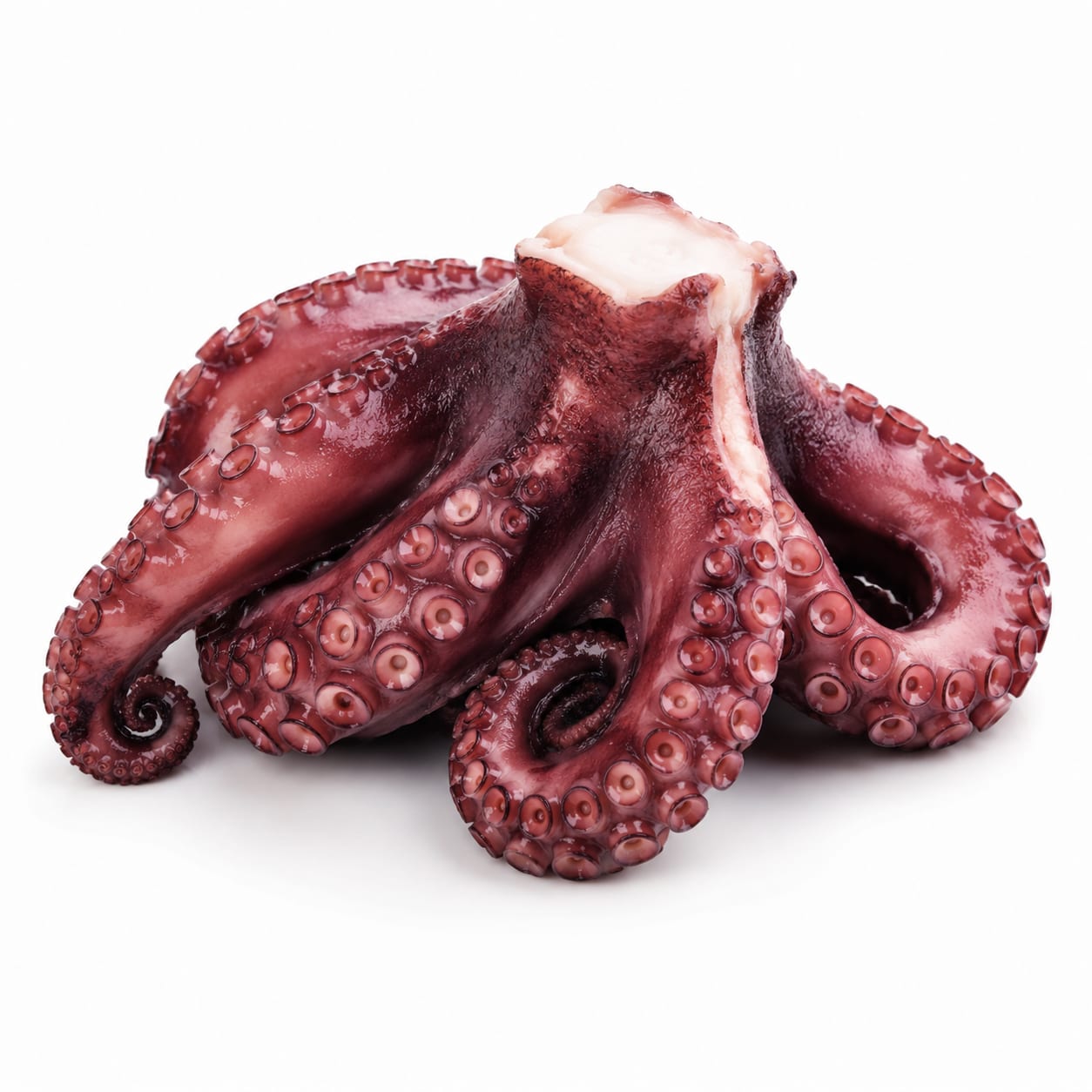
Octopus
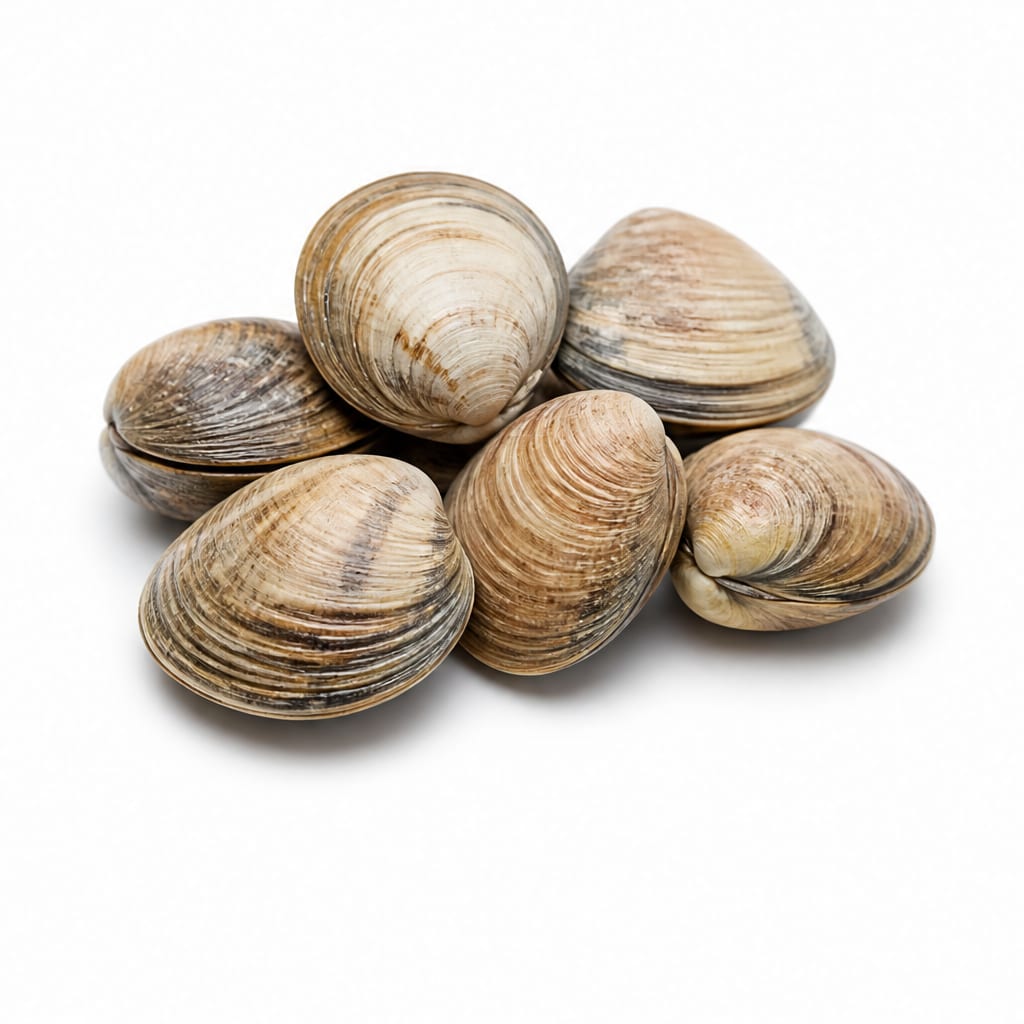
Clams
Octopus wins for pure protein power, but clams are an unmatched powerhouse for iron and B12.
Clams score slightly higher due to their extraordinary micronutrient density and everyday practicality, though octopus remains an excellent lean protein choice.
You trade the high-protein, meaty satisfaction of octopus for the quick-cooking, energy-boosting micronutrients of clams.
At a glance
Executive summary
Overall
It depends
Healthier
Clams
More practical
Clams
Daily use
Clams
Key comparison lenses
Micronutrient density for energy and blood health
Clams are extraordinarily rich in vitamin B12 and iron, crucial for preventing anemia and sustaining energy.
Protein and muscle-building potential
Octopus is significantly higher in protein, making it a staple for lean muscle diets, while clams offer moderate protein.
Seafood safety and contamination risk
Both are ocean-derived, but clams are filter feeders which increases biotoxin risks, whereas octopus faces heavy metal concerns.
Culinary practicality and cooking ease
Octopus requires skill and time to tenderize, while clams cook in minutes but need careful purging.
Best choice for
Octopus
- Athletes needing high protein with minimal calories
- People following a Mediterranean or high-protein diet
- Home cooks wanting a hearty, meaty seafood centerpiece
Clams
- Women or individuals prone to iron-deficiency anemia
- Older adults needing B12 for nerve health and energy
- Busy cooks wanting a fast, flavorful weeknight meal
Least suitable for
Octopus
- Impatient cooks or those seeking 15-minute meals
- People highly sensitive to dietary cholesterol
- Those on a tight grocery budget
Clams
- People with compromised immune systems (if eating raw)
- Diners who dislike gritty or strongly oceanic flavors
- Anyone allergic to bivalves
Deep comparison
Dimension by dimension
Each lens scores both foods and breaks down who each option suits.
- Dimension 1 · Priority 90Octopus
Protein Content & Satiety
Octopus · 95Clams · 72Octopus delivers nearly double the protein per calorie compared to clams, making it far more filling.
Tradeoff
You get much more muscle-fueling protein from octopus, but it takes longer to cook and chew.
Why it matters
Higher protein keeps you full longer and stabilizes blood sugar, preventing afternoon energy crashes.
Real-world impact
A serving of octopus will keep you satisfied for hours, while clams might leave you looking for a snack sooner.
Octopus
- Post-workout muscle recovery
- Staying full until your next meal
Better for
- Quick meals when you are starving now
Worse for
Clams
- Lighter meals where you don't want to feel heavy
Better for
- Satiety if eaten as a main course without pasta or bread
Worse for
- Dimension 2 · Priority 95Clams
Vitamin & Mineral Density
Octopus · 68Clams · 98Clams are one of the most nutrient-dense foods on the planet, specifically for brain-boosting B12 and blood-building iron.
Tradeoff
Clams offer life-sustaining micronutrients that are hard to find elsewhere, while octopus provides more selenium and copper but falls short on iron.
Why it matters
B12 and iron deficiencies cause fatigue, brain fog, and weakness—issues clams actively prevent.
Real-world impact
Eating clams can literally feel energizing if you have been running low on iron or B12, improving focus and stamina.
Octopus
- Boosting antioxidant intake via selenium
Better for
- Correcting an iron deficiency
Worse for
Clams
- Fighting anemia and chronic fatigue
- Supporting brain health and nerve function
Better for
- Getting high amounts of dietary selenium
Worse for
- Dimension 3 · Priority 85Octopus
Contamination & Safety Risk
Octopus · 78Clams · 62Octopus generally carries lower risk of acute food poisoning, while clams' filter-feeding nature makes them vulnerable to biotoxins and bacteria.
Tradeoff
Octopus may accumulate heavy metals over its lifespan, but clams carry a more immediate risk of acute illness if not sourced carefully.
Why it matters
A bad batch of clams can cause immediate, severe food poisoning, ruining your week or worse.
Real-world impact
You can eat octopus with relative peace of mind at a restaurant, but clams require trusting the source completely.
Octopus
- Dining out with lower fear of foodborne illness
- People with sensitive digestion
Better for
- Avoiding heavy metals if eaten excessively
Worse for
Clams
- Getting omega-3s from a smaller, shorter-lived sea creature
Better for
- Eating raw or undercooked from unknown waters
Worse for
- Dimension 4 · Priority 80Clams
Culinary Practicality
Octopus · 45Clams · 88Clams cook in minutes and easily impart flavor to quick dishes, whereas octopus requires skill, time, or a pressure cooker to become tender.
Tradeoff
Octopus offers a meaty, steak-like eating experience, but you pay for it with significantly more prep and cook time.
Why it matters
If a food is hard to cook well, you are less likely to make it at home, no matter how healthy it is.
Real-world impact
Clams can save a weeknight dinner in 10 minutes; octopus is usually a weekend project or restaurant order.
Octopus
- Meal prepping large batches of protein
- Grilling or bbq gatherings
Better for
- Last-minute meal emergencies
Worse for
Clams
- Fast weeknight pasta or stews
- Minimal cooking effort after a long day
Better for
- Creating a substantial, meat-focused entree
Worse for
Timeline
Health impact over time
Short-term
Hours to days
Octopus
- High protein keeps hunger at bay for hours
- Heavy meal if portion is large, potentially causing sluggishness
Clams
- Rapid iron and B12 absorption can provide a noticeable energy lift
- Light meal that digests quickly
Long-term
Months to years
Octopus
- Supports lean muscle mass maintenance over time
- Consistent selenium intake supports thyroid and immune function
Clams
- Protects against anemia and B12 deficiency, especially in older adults
- Supports cardiovascular health via omega-3 intake
Risk profile
Safety & processing
Both octopus and clams are whole, natural seafood typically sold fresh or frozen without additives, though canned clams may contain added sodium.
Octopus
Heavy metal accumulation
mediumAs longer-lived predators, octopus can accumulate cadmium and lead, especially in polluted waters.
Parasites
lowRaw octopus can carry parasites; freezing or cooking eliminates this risk.
Clams
Biotoxins (Red Tide)
highClams are filter feeders and can concentrate paralytic shellfish poisoning toxins, which cooking does not destroy.
Vibrio bacteria
mediumRaw or undercooked clams can harbor Vibrio vulnificus, a dangerous bacteria for immunocompromised individuals.
Grit and sand
lowImproperly purged clams can ruin the eating experience with gritty texture.
Who wins for whom
Audience fit
Same foods, different winners depending on your goal.
children
OctopusOctopus has a lower risk of acute biotoxin contamination and is easier to ensure is fully cooked, though it must be cut into safe, bite-sized pieces.
daily consumption
ClamsCanned or frozen clams are far more accessible and easier to incorporate into daily quick meals than octopus.
diabetes
It dependsBoth are zero-carb foods that will not spike blood sugar, making them equally excellent choices for diabetic diets.
elderly
ClamsClams are easier to chew and provide massive amounts of B12 and iron, nutrients critically important for preventing age-related anemia and cognitive decline.
muscle gain
OctopusWith nearly double the protein content, octopus provides more of the raw material needed for muscle repair and growth.
weight loss
OctopusOctopus offers significantly more protein per calorie, which boosts metabolism and keeps you full longer on fewer calories.
Your move
Decision guide
Choose Octopus
- You want a high-protein, low-calorie centerpiece for your meal
- You are meal-prepping lean proteins for the week
- You are grilling outdoors and want a impressive seafood dish
Choose Clams
- You need a quick-cooking protein for a weeknight dinner
- You are prone to low iron or B12 deficiency
- You want a lighter seafood that pairs well with pasta or broths
Either works if
- You are following a low-carb or keto lifestyle
- You want to boost your omega-3 intake without eating fish
- You need a zero-sugar source of high-quality protein
Avoid both if
- You have a severe shellfish or seafood allergy
- You are highly cautious about dietary cholesterol
- You are pregnant and unsure about seafood sourcing safety
Final recommendation
Let your goals guide you: choose octopus when you need serious protein and a meaty bite, but reach for clams when you want a quick, energizing meal packed with brain-boosting nutrients.
Practical
Consumer tips
- 1
If cooking octopus, simmer it low and slow or use a pressure cooker to guarantee tenderness—tough, rubbery octopus is easily avoided.
- 2
Always buy clams from reputable sources and discard any that remain open before cooking or closed after cooking.
- 3
Canned clams are a convenient, budget-friendly pantry staple that retain most of their B12 and iron, perfect for quick chowders.
- 4
Freezing octopus before cooking actually helps break down the muscle fibers, resulting in a more tender final dish.