
Nutrition comparison
Octopus vs Tuna: Mercury, Protein, and Which Seafood Is Safer to Eat Regularly
Compare octopus and tuna on mercury levels, protein quality, omega-3s, and safety. Find out which seafood is better for daily consumption, pregnancy, and athletic performance.
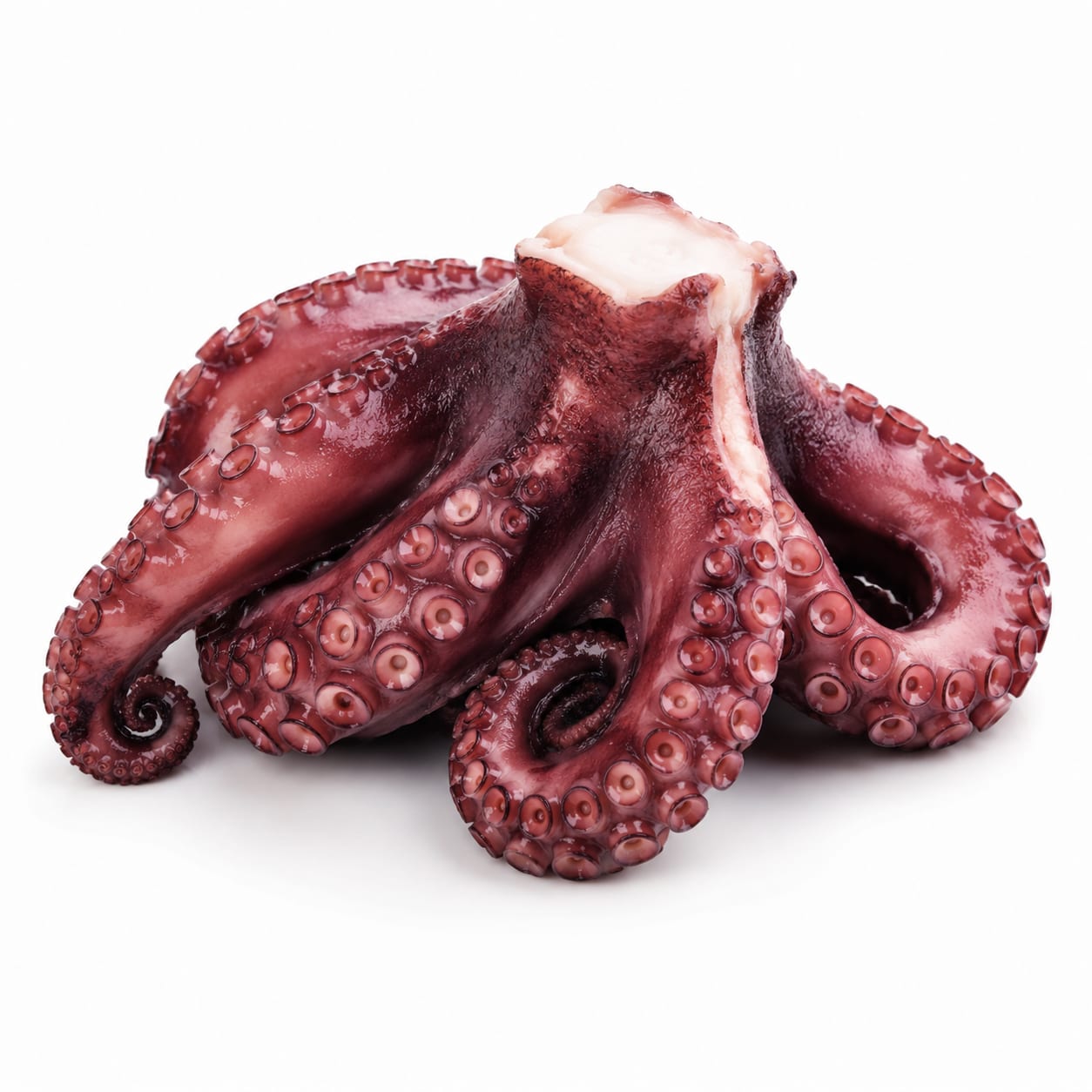
Octopus
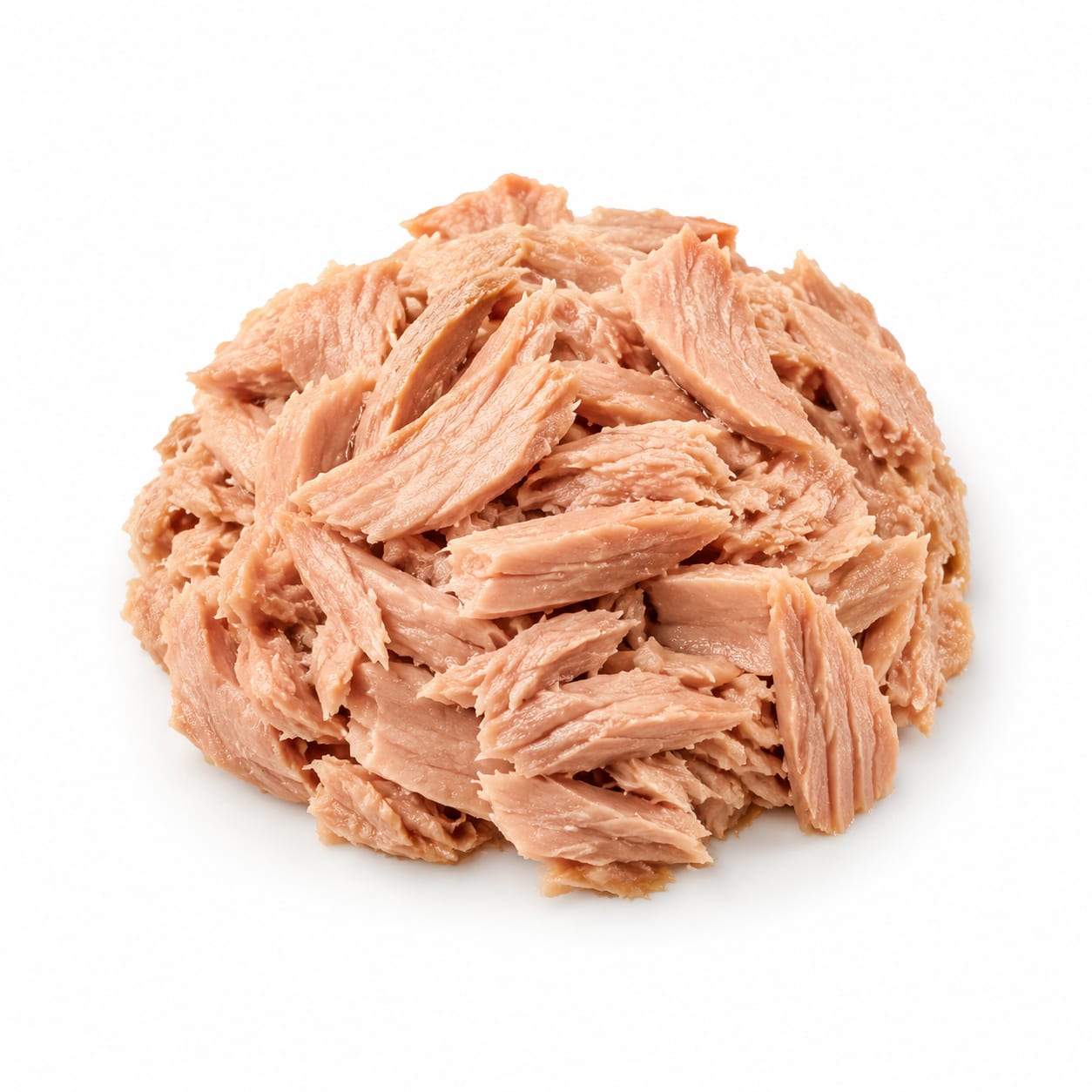
Tuna
Octopus is the safer long-term choice due to dramatically lower mercury, but Tuna wins on convenience, omega-3s, and protein per dollar.
Octopus scores higher primarily due to significantly lower mercury and richer micronutrient diversity. Tuna loses ground on safety for frequent consumption but remains strong on protein, omega-3s, and practicality.
You trade mercury safety for omega-3 potency and everyday accessibility.
At a glance
Executive summary
Overall
It depends
Healthier
Octopus
More practical
Tuna
Daily use
Octopus
Key comparison lenses
mercury and heavy metal safety
Mercury contamination is the single biggest differentiator between seafood choices and directly impacts long-term health decisions
protein quality for athletic performance
Both foods are prized protein sources, so understanding which delivers better muscle-building value matters
omega-3 and heart health benefits
Seafood is primarily consumed for omega-3s, making this a core comparison point
everyday practicality and availability
Tuna is a pantry staple while octopus is specialty, affecting real-world dietary choices
sustainability and environmental ethics
Both face overfishing concerns but from different angles that conscious consumers weigh
Best choice for
Octopus
- Pregnant women and children who need low-mercury seafood
- Anyone eating seafood 3+ times per week
- People managing heavy metal exposure concerns
- Adventurous home cooks seeking nutrient density
Tuna
- Budget-conscious consumers needing affordable protein
- Athletes wanting quick post-workout protein
- People who need shelf-stable pantry options
- Anyone prioritizing omega-3 intake on a tight budget
Least suitable for
Octopus
- Busy weeknight cooks needing fast meals
- People unfamiliar with preparing seafood beyond basic fillets
- Those on very tight food budgets
Tuna
- Pregnant women (especially albacore)
- Children under 6
- Anyone already consuming high-mercury fish regularly
- People with heavy metal sensitivity concerns
Deep comparison
Dimension by dimension
Each lens scores both foods and breaks down who each option suits.
- Dimension 1 · Priority 95Octopus
Mercury & Heavy Metal Safety
Octopus · 88Tuna · 42Octopus has roughly 3-5x less mercury than canned albacore tuna, making it far safer for regular consumption.
Tradeoff
Tuna delivers more omega-3s but carries a real cumulative mercury burden that limits how often you should eat it.
Why it matters
Mercury accumulates over time and affects neurological health, especially in developing brains and frequent fish eaters.
Real-world impact
Eating tuna several times a week can push mercury levels into concerning territory within months. Octopus lets you enjoy seafood frequently without that worry.
Octopus
- Pregnant and breastfeeding women
- Children
- Anyone eating seafood 4+ times weekly
Better for
Tuna
- Frequent tuna eaters already near mercury limits
- Households with young kids
- Anyone with known heavy metal sensitivity
Worse for
- Dimension 2 · Priority 85Tuna
Protein Quality & Content
Octopus · 74Tuna · 86Tuna delivers more protein per ounce and per calorie, with excellent leucine content for muscle synthesis.
Tradeoff
Octopus still provides solid protein but with slightly lower density and a chewier texture that makes consuming large portions less appealing.
Why it matters
For athletes and anyone tracking protein intake, getting more from less food matters for meal planning and satiety.
Real-world impact
A single can of tuna easily delivers 25g+ of protein in a quick serving. Octopus requires more preparation and yields less protein per bite.
Octopus
- Bodybuilders needing high protein volume
Worse for
Tuna
- Athletes in bulking phases
- Anyone counting macros precisely
- Post-workout recovery meals
Better for
- Dimension 3 · Priority 80Tuna
Omega-3 Fatty Acids
Octopus · 55Tuna · 82Tuna, especially fresh or canned with oil, provides substantially more EPA and DHA omega-3s than octopus.
Tradeoff
The omega-3 advantage comes with the mercury tradeoff, so you must balance dose with frequency.
Why it matters
Omega-3s are the primary reason health experts recommend seafood, supporting heart, brain, and inflammatory health.
Real-world impact
Two servings of tuna per week can meaningfully move your omega-3 intake. Octopus contributes but won't move the needle as much.
Octopus
- Those relying solely on food for omega-3s
Worse for
Tuna
- Heart health optimization
- Anti-inflammatory diets
- People not taking fish oil supplements
Better for
- Dimension 4 · Priority 75Octopus
Micronutrient Density
Octopus · 84Tuna · 72Octopus delivers more iron, vitamin B12, selenium, and copper per serving, with a broader mineral profile overall.
Tradeoff
Tuna still has strong B12 and selenium but less iron and trace mineral diversity.
Why it matters
Micronutrient density determines how much nutritional value you get beyond just protein and fat.
Real-world impact
Octopus is particularly valuable for anyone prone to iron deficiency or wanting to maximize nutrient intake from fewer calories.
Octopus
- Women with higher iron needs
- Anyone eating in a calorie deficit
- People wanting maximum nutrition per bite
Better for
Tuna
- Those specifically seeking iron-rich seafood
Worse for
- Dimension 5 · Priority 70Tuna
Practicality & Accessibility
Octopus · 35Tuna · 90Tuna is one of the most accessible proteins on earth—shelf-stable, cheap, and ready in seconds. Octopus requires specialty sourcing and considerable cooking skill.
Tradeoff
Convenience comes with the mercury cost, and canned tuna is more processed than fresh octopus.
Why it matters
The best nutritional choice only works if you actually eat it. Accessibility determines real-world compliance.
Real-world impact
Tuna is a 30-second lunch. Octopus is a weekend project or restaurant order. This gap matters for daily habits.
Octopus
- Weeknight dinner crunch
- Meal prep beginners
- Rural areas with limited seafood access
Worse for
Tuna
- Busy professionals
- Students on a budget
- Anyone stocking a pantry for quick meals
- People who dislike cooking fish
Better for
- Dimension 6 · Priority 65It depends
Sustainability & Environmental Impact
Octopus · 58Tuna · 52Both have sustainability concerns. Tuna faces overfishing and bycatch issues; octopus farming is problematic and wild populations are less monitored.
Tradeoff
Neither is a clear environmental winner. Source matters more than species choice here.
Why it matters
Ethical seafood consumption requires looking beyond the species to the specific fishery and catch method.
Real-world impact
Choosing pole-caught tuna or locally sourced octopus can reduce impact significantly regardless of which you pick.
Octopus
- Regions with sustainable octopus fisheries
Better for
- Imported octopus from unregulated fisheries
Worse for
Tuna
- Areas with well-managed tuna fisheries (pole-and-line caught)
Better for
- Longline or purse-seine caught tuna
Worse for
Timeline
Health impact over time
Short-term
Hours to days
Octopus
- High protein content supports satiety and stable blood sugar after meals
- Iron and B12 provide noticeable energy support, especially for deficient individuals
- Tender preparation required—poorly cooked octopus can be rubbery and less digestible
Tuna
- Quick protein hit that satisfies hunger efficiently
- Omega-3s may support post-meal cognitive clarity
- Canned varieties can cause bloating due to sodium content
Long-term
Months to years
Octopus
- Low mercury allows safe frequent consumption without cumulative risk
- Consistent iron and B12 intake supports energy metabolism and prevents anemia
- Copper and selenium contribute to antioxidant defense over decades
Tuna
- Regular consumption of high-mercury tuna increases neurological risk over time
- Strong omega-3 intake supports cardiovascular and cognitive health if portioned carefully
- Chronic high sodium from canned tuna may affect blood pressure in sensitive individuals
Risk profile
Safety & processing
Fresh or frozen octopus is typically sold whole with minimal intervention. Canned tuna often contains added sodium, vegetable broth, or oil, making it more processed. Fresh tuna steaks are closer to whole food but are less commonly consumed than the canned form.
Octopus
Foodborne illness from undercooking
mediumOctopus must be cooked thoroughly. Undercooked octopus can harbor parasites and bacteria common to cephalopods.
Allergic reactions
lowShellfish and mollusk allergies can include octopus. Cross-reactivity with squid and cuttlefish is common.
Microplastic exposure
mediumCephalopods ingest microplastics at notable rates. While cooking reduces some risk, residual exposure is documented.
Tuna
Mercury accumulation
highAlbacore tuna contains roughly 0.35 ppm mercury. Frequent consumption is the leading dietary mercury source for most people. Canned light tuna is lower but still significant.
Scombroid poisoning
lowImproperly stored fresh tuna can produce histamine, causing allergic-like reactions. Rare with canned products.
BPA from can linings
mediumMany canned tuna products use BPA-lined cans. Look for BPA-free brands to reduce endocrine disruption risk.
Who wins for whom
Audience fit
Same foods, different winners depending on your goal.
children
OctopusDramatically lower mercury makes octopus the clearly safer choice for developing nervous systems. Tuna should be strictly limited for children under 6.
daily consumption
OctopusLow mercury allows daily consumption without cumulative risk. Tuna should be limited to 2-3 servings per week maximum.
diabetes
OctopusBoth are essentially zero-carb, but octopus has lower sodium and no mercury-related neurological concerns that compound diabetic neuropathy risk.
elderly
It dependsTuna's omega-3s support cognitive and cardiovascular health in aging, but mercury accumulation is more concerning with slower detoxification. Moderate tuna with octopus as a safer frequent option.
muscle gain
TunaMore protein per serving and better leucine content support muscle protein synthesis more efficiently.
weight loss
TunaTuna's higher protein density and lower calorie count per gram of protein make it more effective for calorie-controlled diets, especially canned in water.
Your move
Decision guide
Choose Octopus
- You eat seafood more than twice a week and worry about mercury
- You're pregnant, breastfeeding, or feeding young children
- You enjoy cooking and want a nutrient-dense culinary adventure
- Iron deficiency is a personal concern
- You want a seafood you can eat freely without tracking frequency
Choose Tuna
- You need affordable, shelf-stable protein for busy weeks
- Omega-3 intake is your top priority and you eat fish only 1-2 times weekly
- You're an athlete needing quick post-workout protein
- Budget constraints make fresh seafood impractical
- You want something that requires zero cooking skill
Either works if
- You're building a varied seafood rotation and eat fish 1-2 times per week
- You want high-quality protein without red meat
- Both are available fresh and you're choosing based on the recipe
Avoid both if
- You have a diagnosed seafood or mollusk allergy
- You're following a strict low-purine diet for gout management
- You're highly sensitive to dietary sodium and only have access to canned tuna
Final recommendation
Use octopus as your frequent seafood and tuna as your occasional omega-3 booster. This split gives you the safety of low mercury most days while still capturing tuna's omega-3 benefits in controlled doses. If you only eat seafood once a week, tuna is the stronger single-serving choice. If you eat it daily, octopus is the only responsible option between the two.
Practical
Consumer tips
- 1
Choose skipjack or canned light tuna over albacore to cut mercury by roughly 60%
- 2
Look for pole-and-line caught tuna to reduce bycatch and support sustainable fisheries
- 3
If buying octopus, frozen is often more tender than fresh because the freezing process breaks down tough muscle fibers
- 4
Rinse canned tuna to remove roughly 20-30% of the sodium
- 5
Limit albacore tuna to one serving per week if you're an adult, and avoid it entirely if pregnant
- 6
Boil octopus with a cork in the water—it's an old trick that helps tenderize the meat
- 7
Check Seafood Watch recommendations for your specific region before purchasing either option