
Nutrition comparison
Octopus vs Chicken Breast: Nutrition, Protein, and Health Comparison
Compare octopus and chicken breast nutrition including protein content, iron, B12, safety risks, and which lean protein is better for your goals. Expert analysis with practical recommendations.
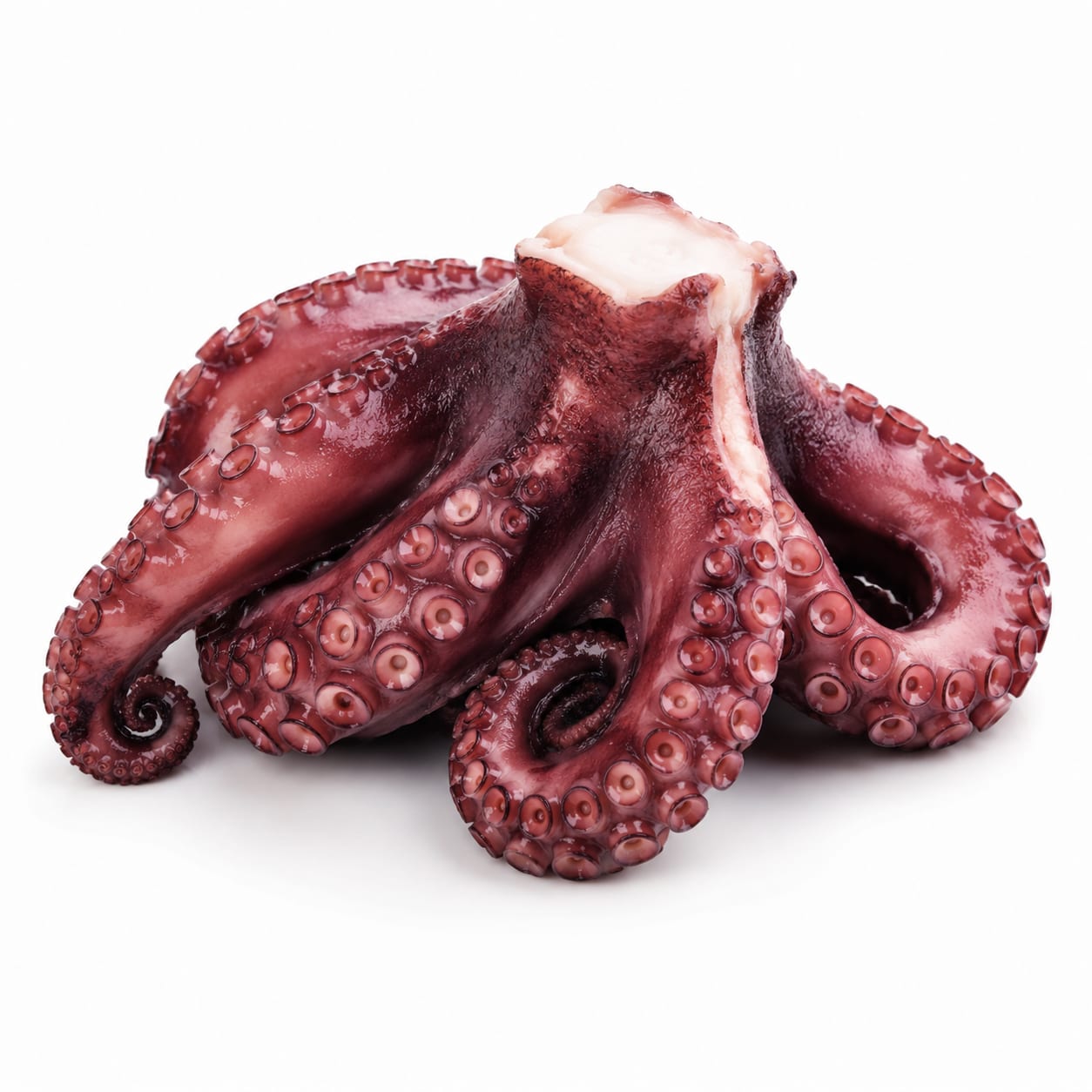
Octopus
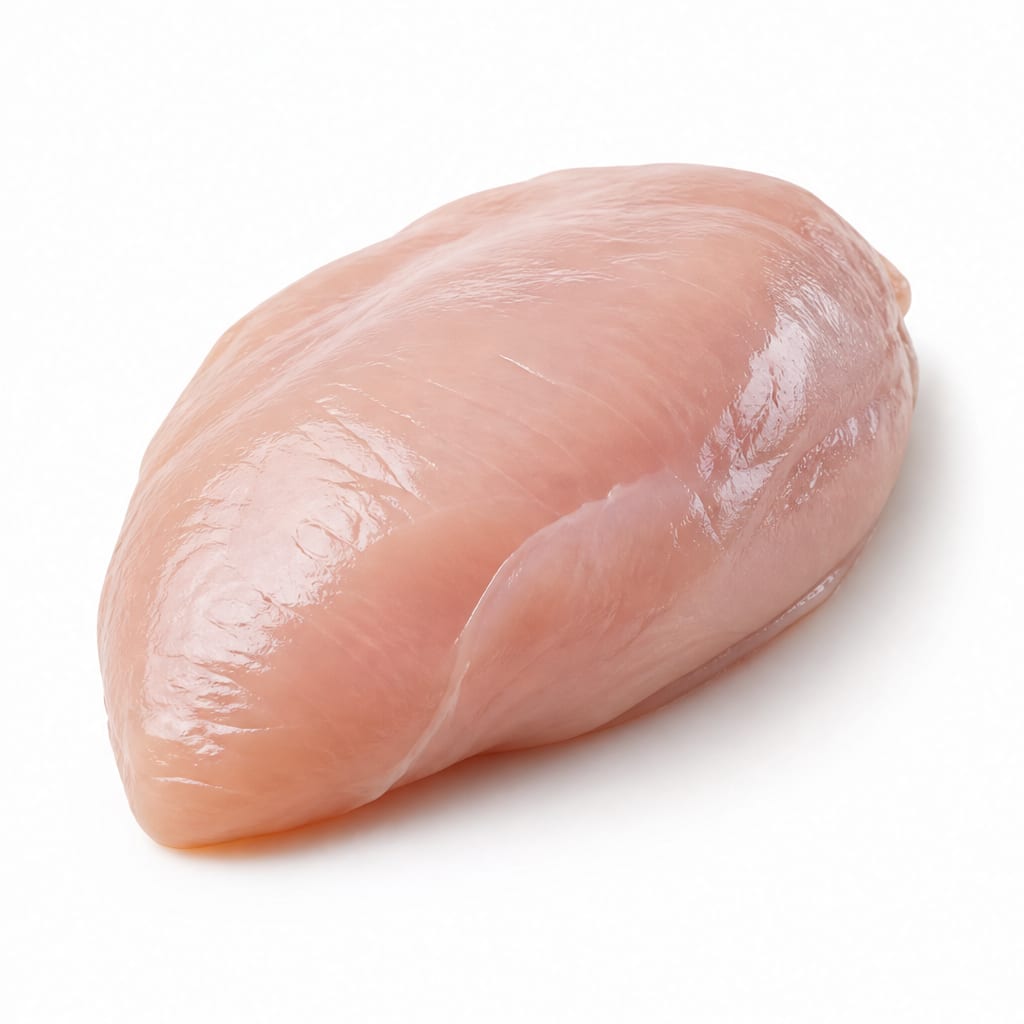
Chicken Breast
Chicken breast wins on practicality and daily usability, while octopus delivers superior micronutrients especially iron and B12 that chicken cannot match.
Chicken breast scores higher overall due to unmatched practicality, affordability, and daily usability. Octopus earns strong marks for micronutrient density but loses ground on accessibility, cost, and contamination concerns that limit regular consumption.
Convenience and affordability versus exceptional mineral density and unique nutritional benefits
At a glance
Executive summary
Overall
It depends
Healthier
It depends
More practical
Chicken Breast
Daily use
Chicken Breast
Key comparison lenses
lean protein source selection
Both are high-protein, low-fat options commonly chosen for fitness and weight management goals
micronutrient density comparison
Octopus offers dramatically different mineral and vitamin profiles compared to chicken breast, especially iron and B12
everyday practicality and accessibility
Chicken breast is a staple protein while octopus is specialty seafood with limited availability and higher cost
contamination and food safety concerns
Seafood carries heavy metal risks while conventional chicken carries antibiotic and salmonella concerns
dietary variety and sustainability
Users may want to know if rotating in octopus provides meaningful nutritional diversity beyond standard poultry
Best choice for
Octopus
- People with iron deficiency or anemia risk
- Those seeking B12 boost beyond what poultry offers
- Pescatarian or Mediterranean diet followers
- Anyone wanting mineral-dense protein variety
- People tired of eating chicken daily
Chicken Breast
- Meal preppers needing affordable bulk protein
- Athletes requiring consistent daily protein intake
- Families on a grocery budget
- Anyone wanting foolproof weeknight cooking
- People new to cooking lean protein
Least suitable for
Octopus
- People with shellfish or mollusk allergies
- Those concerned about heavy metal exposure
- Budget-conscious shoppers
- Anyone uncomfortable cooking unfamiliar seafood
- People who need quick 15-minute meals
Chicken Breast
- Those with poultry allergies
- People avoiding conventionally farmed meat
- Anyone bored with bland lean protein
- Those seeking iron-rich alternatives to red meat
- People wanting omega-3 fatty acids from protein sources
Deep comparison
Dimension by dimension
Each lens scores both foods and breaks down who each option suits.
- Dimension 1 · Priority 95Chicken Breast
Protein Quality and Content
Octopus · 82Chicken Breast · 90Both deliver excellent lean protein, but chicken breast offers slightly more protein per calorie with a more complete amino acid profile for muscle building.
Tradeoff
Octopus provides decent protein but with more cholesterol and slightly less protein density per serving compared to chicken breast.
Why it matters
For anyone tracking protein macros, chicken breast gives you more usable protein per bite with fewer tradeoffs.
Real-world impact
A 4oz chicken breast delivers about 35g protein with minimal fat. The same amount of octopus gives roughly 25g protein with more cholesterol to manage.
Octopus
- People who want protein alongside unique minerals
- Those eating Mediterranean-style who already avoid poultry
Better for
- Strict macro counters needing maximum protein per calorie
Worse for
Chicken Breast
- Bodybuilders hitting daily protein targets
- Anyone counting macros precisely
- Post-workout recovery meals
Better for
- People who find plain chicken breast monotonous over time
Worse for
- Dimension 2 · Priority 90Octopus
Micronutrient Density
Octopus · 92Chicken Breast · 65Octopus dramatically outperforms chicken breast on iron, B12, zinc, and selenium, making it a micronutrient powerhouse.
Tradeoff
You gain exceptional mineral intake with octopus but sacrifice the easy daily availability that makes chicken a reliable staple.
Why it matters
Iron and B12 deficiencies are surprisingly common, and octopus delivers these in amounts chicken breast simply cannot match.
Real-world impact
A single serving of octopus provides over 500% of daily B12 needs and significant heme iron. Chicken breast offers modest B vitamins but almost no iron.
Octopus
- Women with heavy menstrual cycles needing iron
- Vegans transitioning back to animal protein who depleted B12 stores
- Anyone with diagnosed mineral deficiencies
Better for
- People with hemochromatosis who must limit iron intake
Worse for
Chicken Breast
- People already meeting micronutrient needs through supplements or varied diet
- Those who primarily need B6 and niacin
Better for
- Anyone relying on a single protein source for minerals
Worse for
- Dimension 3 · Priority 88Chicken Breast
Practicality and Convenience
Octopus · 35Chicken Breast · 92Chicken breast is one of the most convenient proteins available worldwide. Octopus requires specialty sourcing, careful cooking, and culinary skill.
Tradeoff
Chicken breast can be cooked in 15 minutes with minimal technique. Octopus often needs tenderizing, long cooking times, or braising to avoid rubbery texture.
Why it matters
The best protein source is the one you actually eat consistently. Convenience drives consistency.
Real-world impact
Chicken breast is available at every grocery store, easy to meal prep, and forgiving to cook. Octopus requires finding a fishmonger, learning technique, and accepting higher cost per meal.
Octopus
- Adventurous home cooks who enjoy preparing seafood
- Special occasion meals where uniqueness matters
Better for
- Anyone who needs dinner ready in under 30 minutes
- People living in areas without seafood availability
Worse for
Chicken Breast
- Busy professionals needing quick weeknight dinners
- Meal preppers cooking in bulk on Sundays
- Anyone with limited access to specialty seafood markets
Better for
- Cooks who find chicken breast boring to prepare repeatedly
Worse for
- Dimension 4 · Priority 82Chicken Breast
Cost and Accessibility
Octopus · 30Chicken Breast · 88Chicken breast is among the most affordable protein sources globally. Octopus is a premium seafood item with limited availability.
Tradeoff
You pay a significant premium for the nutritional uniqueness of octopus, while chicken breast delivers reliable protein at a fraction of the cost.
Why it matters
Budget constraints determine what people actually eat daily, not just what would be theoretically optimal.
Real-world impact
Chicken breast typically costs $3-5 per pound in the US. Octopus can run $15-30 per pound and may require visiting specialty stores or ordering online.
Octopus
- People who prioritize nutritional quality over cost
- Coastal residents with access to fresh affordable octopus
Better for
- Anyone on a tight grocery budget
- People in landlocked areas with no seafood access
Worse for
Chicken Breast
- Families feeding multiple people on a budget
- Students and young adults with limited grocery money
- Anyone buying protein in bulk quantities
Better for
- Those willing to pay more for dietary variety and unique nutrients
Worse for
- Dimension 5 · Priority 78Chicken Breast
Safety and Contamination Risk
Octopus · 55Chicken Breast · 72Both carry risks but of different types. Octopus accumulates heavy metals from ocean waters, while conventional chicken carries antibiotic and salmonella concerns.
Tradeoff
Chicken risks are more manageable through proper cooking and sourcing choices. Octopus contamination is invisible and cannot be cooked away.
Why it matters
Long-term accumulation of heavy metals from frequent seafood consumption is a real concern that limits how often octopus should be eaten.
Real-world impact
You can eliminate chicken risks by cooking thoroughly and buying organic. With octopus, you absorb whatever contaminants existed in its environment regardless of preparation.
Octopus
- People who source from trusted clean-water fisheries
- Those eating octopus only occasionally rather than daily
Better for
- Pregnant women concerned about heavy metal exposure
- Children more vulnerable to contaminant accumulation
Worse for
Chicken Breast
- Anyone eating protein multiple times daily who needs a safe staple
- People who can choose organic or antibiotic-free chicken
Better for
- People worried about antibiotic-resistant bacteria in conventional poultry
Worse for
- Dimension 6 · Priority 75Chicken Breast
Satiety and Fullness
Octopus · 70Chicken Breast · 82Chicken breast keeps you fuller for longer due to higher protein density and the satisfying texture of meat fiber compared to the chewier, denser octopus.
Tradeoff
Octopus is filling in a different way due to its dense chewy texture, but the smaller typical portion sizes mean less total satiety per meal.
Why it matters
Protein that keeps you full reduces snacking and helps maintain dietary adherence without willpower struggles.
Real-world impact
A chicken breast meal leaves most people satisfied for 4-5 hours. Octopus portions tend to be smaller, and the meal may feel less substantial unless paired with filling sides.
Octopus
- People who eat slowly and find chewy textures satisfying
- Those who pair protein with generous vegetable portions
Better for
- Fast eaters who may not feel satisfied by smaller portions
Worse for
Chicken Breast
- Big eaters who need substantial volume to feel full
- Anyone using protein to bridge long gaps between meals
Better for
- People who find lean chicken breast too dry to enjoy fully
Worse for
- Dimension 7 · Priority 70Octopus
Dietary Variety and Enjoyment
Octopus · 85Chicken Breast · 55Octopus brings exciting culinary diversity that breaks the monotony of standard meal prep. Chicken breast is functional but rarely exciting.
Tradeoff
Eating octopus makes your diet more interesting and nutritionally diverse, but you cannot rely on it as a daily staple the way chicken allows.
Why it matters
Dietary boredom is a major reason people abandon healthy eating. Novel proteins can reignite interest in nutritious meals.
Real-world impact
Grilled octopus with olive oil and lemon feels like restaurant-quality dining. Another chicken breast meal feels like obligation eating for many people.
Octopus
- Food lovers who enjoy cooking and eating as an experience
- Anyone stuck in a chicken-and-rice rut needing excitement
- People who value Mediterranean culinary traditions
Better for
- Picky eaters uncomfortable with seafood texture
- Anyone who needs predictable meal consistency
Worse for
Chicken Breast
- Those who view food primarily as fuel
- People who prefer familiar flavors and textures
Better for
- People prone to dietary burnout from repetitive meals
Worse for
Timeline
Health impact over time
Short-term
Hours to days
Octopus
- Provides an immediate boost in B12 and iron that may improve energy levels within days
- Dense chewy texture promotes slower eating and better digestion signaling
- High cholesterol content per serving may concern those monitoring lipid levels short-term
Chicken Breast
- Delivers fast-digesting lean protein ideal for post-workout muscle recovery
- Very gentle on the stomach when baked or grilled, easy to digest
- May leave you hungry sooner if eaten without adequate fat or fiber accompaniment
Long-term
Months to years
Octopus
- Regular consumption provides exceptional mineral intake that supports blood health and immune function
- Heavy metal accumulation risk increases with frequent consumption, especially from polluted waters
- Dietary variety from including octopus may improve overall diet adherence and satisfaction
Chicken Breast
- Consistent lean protein intake supports muscle maintenance and metabolic health over decades
- Risk of dietary monotony leading to unhealthy food cravings or abandoning meal plans
- Conventionally farmed chicken may contribute to antibiotic resistance concerns with long-term regular consumption
Risk profile
Safety & processing
Both octopus and chicken breast are whole foods typically sold without additives. Fresh or frozen octopus is usually just octopus. Chicken breast may contain added sodium solutions in some commercial packaging, so check labels for plumped or enhanced products.
Octopus
Heavy metal contamination
mediumOctopus can accumulate cadmium, lead, and other heavy metals from ocean environments. Risk varies significantly by source waters and species.
Microplastic exposure
mediumAs bottom-dwelling marine creatures, octopus ingest microplastics which may transfer to consumers. Long-term health effects are still being studied.
Foodborne illness from improper handling
lowFresh seafood requires careful refrigeration and prompt cooking. Spoiled octopus can cause typical seafood poisoning symptoms.
Chicken Breast
Salmonella contamination
mediumRaw chicken commonly carries salmonella. Proper cooking to 165°F eliminates this risk, but cross-contamination in the kitchen remains a concern.
Antibiotic residues in conventional farming
mediumConventionally raised chicken may contain antibiotic residues contributing to resistance concerns. Organic or antibiotic-free options reduce this risk.
Added sodium in enhanced products
lowSome commercial chicken breast is injected with sodium solutions. Check labels to avoid unintended high sodium intake.
Who wins for whom
Audience fit
Same foods, different winners depending on your goal.
children
Chicken BreastChicken breast is safer for children due to lower contamination risks, milder flavor acceptance, and easier texture for young eaters.
daily consumption
Chicken BreastChicken breast can be safely eaten daily with minimal concern. Octopus should be limited to a few times per month due to heavy metal accumulation risks.
diabetes
Chicken BreastBoth have zero carbohydrates, but chicken breast is easier to eat consistently as a daily staple without the cholesterol load of frequent octopus consumption.
elderly
It dependsOctopus provides B12 and iron that elderly people often lack, but chicken breast is easier to chew and digest for those with dental or digestive concerns.
muscle gain
Chicken BreastHigher protein density, more complete amino acid profile, and easier consumption in the large quantities needed for muscle building.
weight loss
Chicken BreastChicken breast provides more protein per calorie, better satiety, and easier portion control for daily caloric deficit management.
Your move
Decision guide
Choose Octopus
- You want to dramatically boost iron and B12 intake without supplements
- You follow a Mediterranean diet and want authentic protein variety
- You enjoy cooking seafood and want a restaurant-quality meal at home
- You are bored with standard protein sources and need culinary excitement
- You eat red meat rarely and need alternative heme iron sources
Choose Chicken Breast
- You need reliable affordable protein for daily meal prep
- You are an athlete hitting specific protein macro targets
- You want a lean protein that is easy to cook and nearly impossible to ruin
- You are feeding a family on a budget
- You value consistency and convenience above novelty
Either works if
- You simply need a zero-carb lean protein source for a meal
- You are building a varied weekly meal plan that rotates proteins
- You have no budget constraints and access to quality versions of both
Avoid both if
- You have gout and need to limit purine intake, as both are moderate-to-high purine foods
- You require plant-based protein sources exclusively
- You have severe kidney disease requiring strict protein restriction
Final recommendation
Use chicken breast as your daily protein foundation and treat octopus as a nutritional supplement you enjoy once or twice monthly. This gives you the practical reliability of chicken with the exceptional mineral boost and culinary joy that octopus provides. The best diet includes both consistency and variety.
Practical
Consumer tips
- 1
If buying octopus, choose frozen over fresh unless you live near a trusted fishmonger, as freezing actually helps tenderize the meat
- 2
Look for octopus sourced from cleaner waters like Spain, Portugal, or Greece for lower contamination risk
- 3
Buy organic or antibiotic-free chicken breast whenever budget allows to reduce long-term exposure concerns
- 4
Slow-cook or braise octopus for 45-60 minutes before grilling to achieve tender texture instead of rubbery results
- 5
Marinate chicken breast in olive oil and herbs before cooking to prevent dryness and improve satisfaction
- 6
Limit octopus to 2-3 servings per month to minimize heavy metal accumulation while still gaining nutritional benefits
- 7
If you have iron deficiency, pair octopus with vitamin C rich foods like bell peppers to maximize iron absorption
- 8
Avoid chicken breast labeled as 'enhanced' or 'injected with solution' to dodge hidden sodium and additives