
Nutrition comparison
Octopus vs Scallops: Nutrition, Safety, and Which Seafood to Eat More Often
Compare octopus and scallops on protein, iron, heavy metals, cooking ease, and daily safety. Find out which lean seafood fits your health goals and lifestyle.
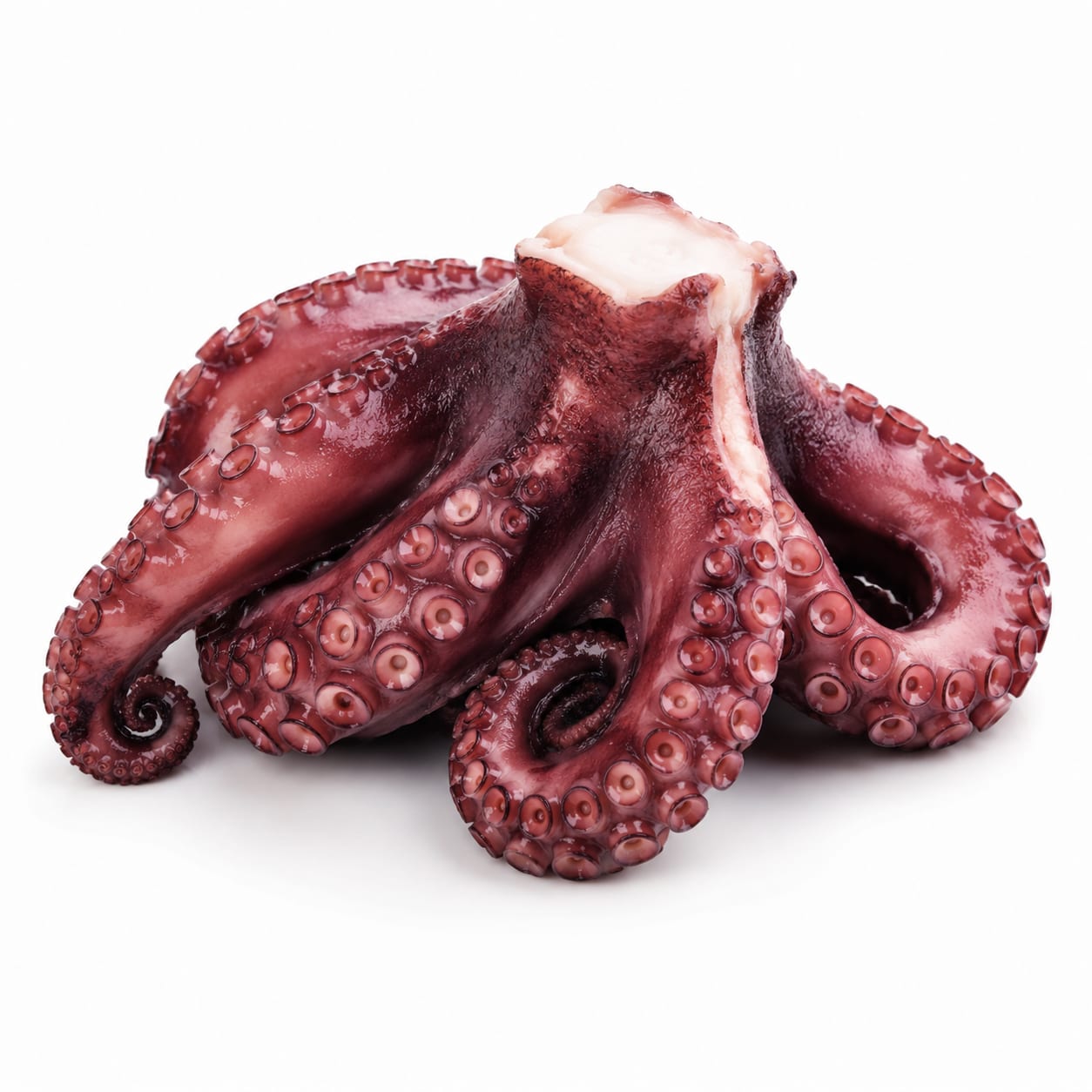
Octopus
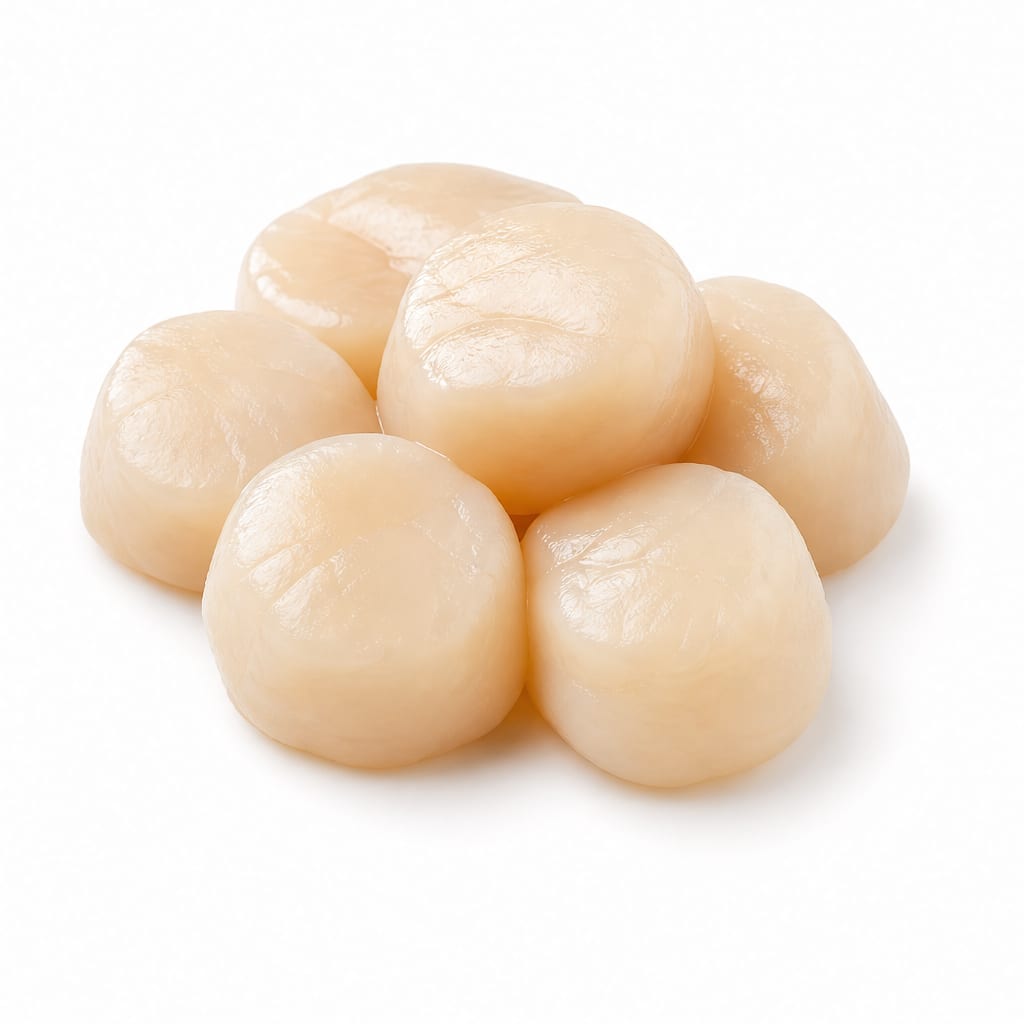
Scallops
Octopus wins on minerals and satiety; scallops win on ease, tenderness, and lower contamination risk.
Scallops edge ahead due to easier preparation, better digestibility, and lower contamination risk for regular use. Octopus scores slightly lower because its toughness and heavier metal profile make it harder to recommend for daily eating, despite superior mineral content.
Octopus delivers far more iron and zinc but demands skill to cook and carries higher heavy metal exposure. Scallops are quicker, gentler on digestion, and safer for frequent eating but less nutrient-dense.
At a glance
Executive summary
Overall
It depends
Healthier
It depends
More practical
Scallops
Daily use
Scallops
Key comparison lenses
protein quality and density for lean seafood choices
Both are high-protein, low-fat seafood — users are likely comparing them for muscle maintenance or weight management
heavy metal and contamination safety
Octopus and scallops carry different contamination profiles that matter for regular consumption decisions
cooking practicality and weeknight feasibility
Octopus is notoriously tricky to cook well; scallops are faster and more forgiving — this shapes real-world use
mineral density and micronutrient value
Octopus is significantly richer in iron and zinc, which matters for anemia-prone or plant-adjacent eaters
digestibility and texture tolerance
Octopus can be rubbery and challenging; scallops are tender and easier on the stomach for many people
Best choice for
Octopus
- People with iron deficiency or low ferritin
- Those seeking maximum mineral density per calorie
- Mediterranean diet enthusiasts wanting traditional protein
- Adventurous home cooks who enjoy technique-driven meals
Scallops
- Busy professionals needing fast weeknight protein
- Older adults with chewing or digestion concerns
- Pregnant women seeking lower-mercury seafood
- Anyone wanting delicate, restaurant-quality seafood at home
Least suitable for
Octopus
- Impatient cooks or beginners
- People with heavy metal exposure concerns who eat seafood daily
- Those with texture aversions to chewy seafood
- Young children who struggle with tough textures
Scallops
- People watching sodium closely (if treated with STPP)
- Budget-conscious shoppers (scallops are often expensive)
- Those seeking high iron from seafood specifically
Deep comparison
Dimension by dimension
Each lens scores both foods and breaks down who each option suits.
- Dimension 1 · Priority 92Octopus
Protein Quality and Density
Octopus · 88Scallops · 82Octopus provides slightly more protein per serving with a richer amino acid profile, including more taurine.
Tradeoff
Scallops still offer excellent protein but with less iron and taurine per bite.
Why it matters
For anyone relying on seafood as a primary protein source, the extra protein and taurine in octopus support muscle recovery and cardiovascular function more effectively.
Real-world impact
After a workout, octopus gives you a bit more rebuilding material per calorie, but scallops are still a solid choice that digests faster.
Octopus
- Post-workout recovery meals
- High-protein low-calorie diets
Better for
- Quick post-gym meals when you need food fast
Worse for
Scallops
- Lighter meals where fast digestion matters
- Pre-workout protein that won't sit heavy
Better for
- Situations where maximizing iron intake matters
Worse for
- Dimension 2 · Priority 88Octopus
Mineral Density
Octopus · 93Scallops · 65Octopus dramatically outperforms scallops in iron, zinc, and copper — delivering roughly 5x more iron per serving.
Tradeoff
Scallops provide decent selenium and phosphorus but cannot compete with octopus on iron and zinc.
Why it matters
Iron deficiency is the most common nutrient deficiency worldwide. Octopus is one of the best seafood sources available.
Real-world impact
If you're borderline anemic or menstruating regularly, octopus a few times a month can meaningfully move your ferritin levels. Scallops won't move the needle much.
Octopus
- Women with heavy menstrual cycles
- Plant-based eaters adding occasional seafood
- Anyone with diagnosed iron deficiency
Better for
- People with hemochromatosis or iron overload
Worse for
Scallops
- People who already have adequate iron stores
- Those focused on selenium for thyroid support
Better for
- Anyone counting on seafood as their main iron source
Worse for
- Dimension 3 · Priority 86Scallops
Contamination and Heavy Metal Risk
Octopus · 62Scallops · 80Scallops are among the lower-mercury shellfish options. Octopus, as a longer-lived predator, accumulates more heavy metals including cadmium.
Tradeoff
Octopus offers more nutrients but carries a heavier contamination load, especially from cadmium in the tentacles.
Why it matters
If you eat seafood multiple times per week, cumulative heavy metal exposure becomes a real concern, particularly for brain health.
Real-world impact
Eating scallops twice a week is low-risk. Eating octopus that often could meaningfully increase your cadmium and mercury intake over time.
Octopus
- Occasional consumption (1-2 times per month)
Better for
- Daily or near-daily seafood eaters
- Pregnant women
Worse for
Scallops
- Regular weekly seafood consumption
- Pregnant and breastfeeding women
- Children's seafood introductions
Better for
- Situations where sodium from STPP treatment is a concern
Worse for
- Dimension 4 · Priority 85Scallops
Cooking Ease and Practicality
Octopus · 40Scallops · 88Scallops cook in 3-5 minutes with minimal technique. Octopus requires long braising or tenderizing and is easy to ruin.
Tradeoff
Octopus rewards patience with deep flavor, but most home cooks lack the time or confidence to prepare it well.
Why it matters
The best protein for you is the one you'll actually cook. Difficulty becomes a real barrier to consistent healthy eating.
Real-world impact
On a Tuesday night, scallops go from fridge to plate in under 10 minutes. Octopus is a weekend project or restaurant order for most people.
Octopus
- Weekend cooking projects
- Slow-cooked stew or braised dishes
Better for
- Any night you're tired and hungry
- Cooking for picky eaters unfamiliar with the texture
Worse for
Scallops
- Weeknight dinners under 15 minutes
- Date-night cooking that feels impressive without stress
- Meal prep that needs to be fast
Better for
- Slow-cooked seafood stews where octopus holds shape better
Worse for
- Dimension 5 · Priority 78Scallops
Digestibility and Texture
Octopus · 55Scallops · 90Scallops are soft, tender, and easy to digest. Octopus can be rubbery and challenging, especially when overcooked.
Tradeoff
Octopus's chewiness slows eating and may increase satiety, but it can be uncomfortable for sensitive stomachs or dental issues.
Why it matters
Digestive comfort determines whether a food becomes a staple or a one-time experiment.
Real-world impact
An older adult or someone with dental work will find scallops effortless. Octopus requires strong teeth and patience at the table.
Octopus
- People who benefit from slower eating pace
- Those who find soft foods less satisfying
Better for
- Anyone with jaw or dental issues
- People prone to indigestion from tough proteins
Worse for
Scallops
- Older adults with dental concerns
- People with sensitive digestion
- Post-surgical soft food diets
Better for
- Those who find delicate textures unsatisfying
Worse for
- Dimension 6 · Priority 75Scallops
Calorie Efficiency
Octopus · 80Scallops · 86Both are very lean, but scallops are slightly lower in calories per gram of protein, making them marginally more efficient for cutting.
Tradeoff
The calorie difference is small; octopus compensates with more micronutrients per calorie.
Why it matters
For strict calorie counting, every small advantage compounds over weeks of consistent eating.
Real-world impact
In a calorie deficit, scallops let you eat slightly larger portions for the same calories, which helps psychologically.
Octopus
- Diets where nutrient density matters more than strict calorie limits
Better for
- Very low-calorie diets where portion size matters psychologically
Worse for
Scallops
- Aggressive calorie-cutting phases
- Competition prep where every calorie counts
Better for
- Situations where you need more micronutrients per calorie
Worse for
Timeline
Health impact over time
Short-term
Hours to days
Octopus
- High satiety from chewy texture and protein density keeps you full for hours
- Taurine content may support alertness and vascular tone shortly after eating
- Risk of digestive discomfort if undercooked or overcooked
Scallops
- Quick-digesting protein feels light and won't cause post-meal sluggishness
- Gentle on the stomach — ideal before physical activity or late dinners
- Possible bloating if treated with sodium tripolyphosphate (STPP)
Long-term
Months to years
Octopus
- Superior iron and zinc intake supports immune resilience and oxygen transport over time
- Cadmium accumulation is a real concern with frequent consumption — limit to a few times monthly
- Taurine and B12 contribute to cardiovascular and neurological health with regular intake
Scallops
- Low mercury and cadmium make scallops sustainable as a frequent seafood choice
- Consistent selenium intake supports thyroid function and antioxidant defenses
- Lower iron contribution means scallops alone won't prevent deficiency if you lack other iron sources
Risk profile
Safety & processing
Both are whole, minimally processed seafood. However, many commercial scallops are treated with sodium tripolyphosphate (STPP) to retain moisture, which adds sodium and alters texture. Octopus is typically sold without additives. Choose dry-packed scallops when possible to avoid STPP.
Octopus
Cadmium accumulation
mediumOctopus tentacles can concentrate cadmium from ocean sediments. Frequent consumption increases body burden over time, potentially affecting kidneys.
Mercury exposure
lowModerate mercury levels compared to large predatory fish, but higher than scallops. Not a concern for occasional eating.
Foodborne illness from undercooking
mediumOctopus must be cooked thoroughly. Undercooked octopus can harbor parasites common in cephalopods.
Scallops
Sodium tripolyphosphate (STPP) exposure
lowWet-packed scallops are soaked in STPP, adding sodium and creating a spongy texture. Not dangerous but undesirable for sodium-sensitive individuals.
Vibrio contamination
lowRaw or undercooked scallops can carry Vibrio bacteria, especially in warm-water harvests. Cooking eliminates this risk.
Allergen cross-reactivity
lowShellfish allergies may react to scallops. Less cross-reactive than crustaceans but still a concern for sensitive individuals.
Who wins for whom
Audience fit
Same foods, different winners depending on your goal.
children
ScallopsScallops are soft, easy to chew, and lower in heavy metals. Octopus texture is challenging for kids and cadmium exposure is more concerning for developing bodies.
daily consumption
ScallopsLower heavy metal load and easier preparation make scallops viable for regular eating. Octopus is best limited to a few times per month due to cadmium concerns.
diabetes
ScallopsBoth have zero carbs and minimal glycemic impact. Scallops win on lower sodium risk (if dry-packed) and easier regular consumption without heavy metal accumulation.
elderly
ScallopsTender texture, easy digestion, and lower contamination risk make scallops the safer default. Octopus's chewiness and cadmium content are drawbacks for older adults.
muscle gain
OctopusOctopus provides more protein and significantly more iron and zinc per serving, both critical for muscle oxygenation and recovery.
weight loss
ScallopsScallops are slightly lower in calories, faster to prepare, and their tender texture makes portion control easier. You're more likely to cook them consistently.
Your move
Decision guide
Choose Octopus
- You want to boost iron and zinc intake meaningfully
- You enjoy slow cooking and technique-driven recipes
- You eat seafood only occasionally and want maximum nutrient density when you do
- You follow a Mediterranean dietary pattern and want traditional protein variety
Choose Scallops
- You need fast weeknight meals with minimal cleanup
- You eat seafood multiple times per week and want a safer regular option
- You or your family members prefer tender, mild-flavored seafood
- You're pregnant, breastfeeding, or cooking for young children
Either works if
- You want lean, high-quality protein with minimal fat
- You're looking for B12-rich foods to support energy and nerve health
- You're building a seafood rotation and want variety
Avoid both if
- You have a diagnosed shellfish or mollusk allergy
- You need to restrict purine intake due to gout — both are moderately high in purines
- You live in an area where fresh seafood is unavailable and frozen quality is poor
Final recommendation
Make scallops your everyday seafood and treat octopus as a monthly nutritional powerhouse. Scallops give you reliable, safe, easy protein you'll actually cook. Octopus delivers an iron and zinc boost that's worth seeking out occasionally — especially if you're prone to deficiency — but its cadmium risk and cooking difficulty make it a poor daily staple. Rotate both for the best of both worlds.
Practical
Consumer tips
- 1
Buy dry-packed scallops whenever possible — they sear properly and contain far less sodium than wet-packed
- 2
If scallops look too white and plump, they're likely STPP-treated; natural scallops are slightly ivory and translucent
- 3
Braise octopus low and slow (60-90 minutes) before searing — this guarantees tenderness instead of rubber
- 4
Freeze octopus before cooking; freezing actually helps break down muscle fibers for a more tender result
- 5
Limit octopus to 2-3 servings per month to keep cadmium exposure well within safe limits
- 6
Both pair well with garlic, lemon, and olive oil — a simple preparation that lets the seafood quality shine
- 7
Ask your fishmonger about harvest location for both — cleaner waters mean lower contamination regardless of species