
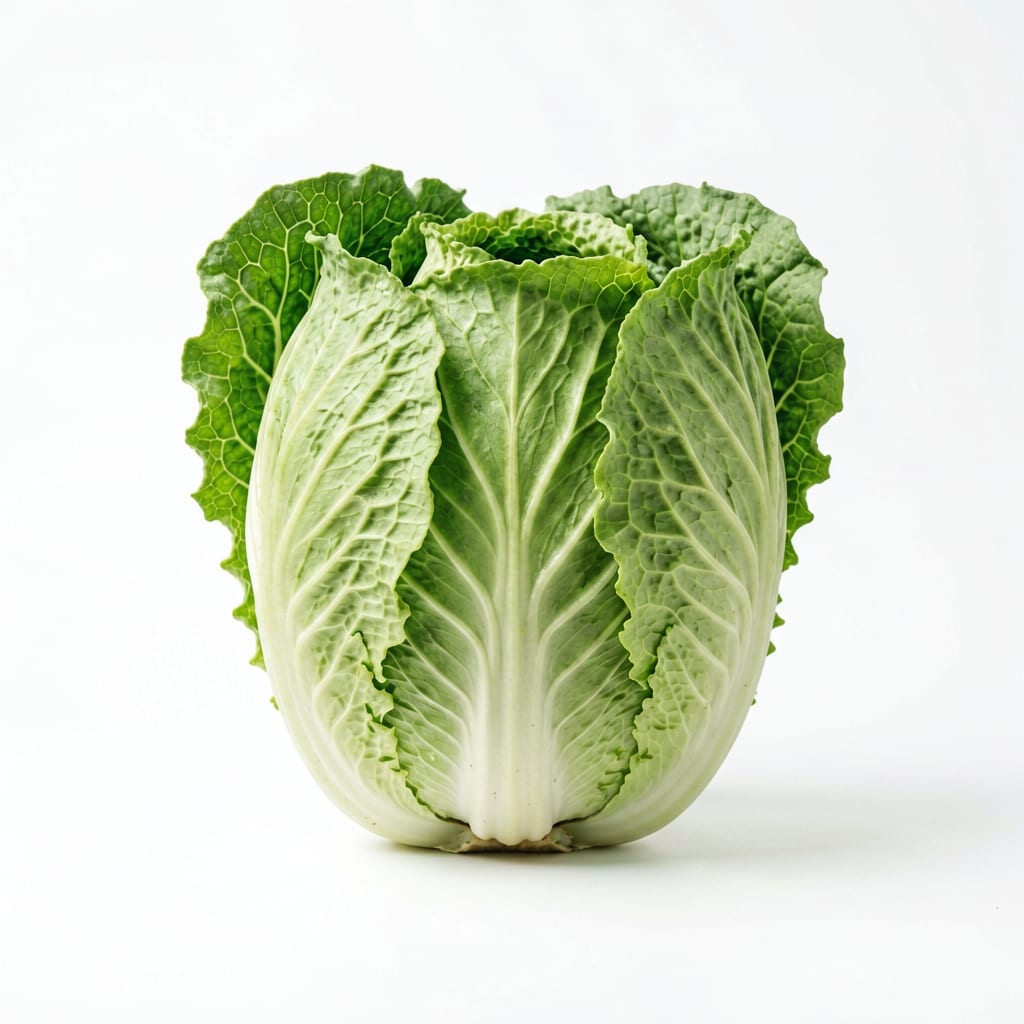
Vegetable
Napa Cabbage
Napa cabbage is a mild, tender cruciferous vegetable known for its high water content and extremely low calorie count, making it ideal for volume eating.
Napa cabbage, also known as Chinese cabbage, is a pale green, crinkly-leafed cruciferous vegetable with a mild, slightly sweet flavor and crisp texture, widely used in East Asian cuisine.
high-volume low-calorie cruciferous vegetable
Typical serving · 100g
Common varieties · Michihili, Won Bok, Blues
Overall context score across nutrition, safety, and diet fit
At a glance
Quick facts
Simple indicators based on nutrition, processing, and diet fit.
The story
What makes it unique
Napa cabbage digests rapidly due to its exceptionally high water content and relatively low fiber density. It provides minimal macronutrients, resulting in low absolute satiety, though its physical volume promotes gastric stretch. As a raw cruciferous vegetable, it requires no processing and retains glucosinolates which may support cellular health.
Varieties: Michihili · Won Bok · Blues
Per 100g
Nutrition breakdown
Macro balance and key metrics at a glance.
Energy
Density 0.16 kcal/g
Protein
Carbs
Fat
Fiber
Sugar
1.4 g
Sodium
9 mg
Potassium
170 mg
Glycemic index
15
Glycemic load
0
Water content
94%
Standout compounds
Nutrient highlights
Vitamin K
moderateEssential for blood clotting and bone metabolism
Vitamin C
moderateSupports immune function and collagen synthesis
Folate
moderateImportant for cell division and DNA synthesis
Glucosinolates
moderateSulfur-containing compounds that support cellular detoxification
Wellness map
Health scores & processing
NOVA processing scale
unprocessed · Whole food
Raw napa cabbage is a whole, unprocessed food that requires no alteration from its natural state before consumption.
Diet compatibility
- Weight loss
- Muscle gain
- Diabetes
- Gut health
- Low carb
- High protein
- Heart health
Relative standing
Food rankings
Qualitative ranks compared to similar whole foods.
- Satietygood
- Blood sugarexcellent
- Nutrient densitygood
- Fitness fuelpoor
- Processing qualityexcellent
Eat with confidence
Food safety profile
Napa cabbage generally poses low risk but leafy vegetables can retain pesticide residues and harbor soil microbes. Thorough washing is essential before raw consumption.
Evidence confidence 90%
- Pesticidesmoderate
- Antibioticslow
- Heavy metalslow
- Contaminationmoderate
Watch for
- pesticide residues
- soil-borne bacteria
- parasitic cysts
Safer choices
Organic napa cabbage reduces pesticide exposure risk significantly.
Prep tips
Separate the leaves and soak in cold water, then rinse thoroughly. Adding a splash of vinegar to the soak can help remove surface contaminants.
Leafy greens are frequently monitored for pesticide residues and microbial contamination from irrigation water.
Deep dive
Health analysis
How this food may fit different goals and preparation choices.
Weight loss
Extremely low energy density allows large portion sizes with minimal caloric intake, supporting calorie restriction through volume eating.
Blood sugar
Negligible carbohydrate content and high water volume prevent blood sugar spikes, making it highly safe for glucose management.
Fitness & energy
Provides no significant fuel for exercise but can be used to add bulk to pre-workout meals without causing sluggishness.
Gut health
Contains mild fiber and glucosinolates that support digestive regularity and gut lining integrity. Easier to digest raw than green cabbage due to tender cell walls.
Processing quality
A whole, unprocessed food with maximum micronutrient retention when consumed raw or lightly cooked.
Food safety
Standard produce safety applies; leafy structures can trap dirt and agrichemicals requiring diligent washing.
Common mistakes
Overcooking until mushy destroys the crisp texture and water-soluble vitamins like vitamin C. Boiling leaches nutrients into the cooking water.
Best preparation
Raw in salads, quick stir-frying, or fermenting into kimchi to preserve texture and enhance probiotic content.
Practical guide
Best use cases
When and how this food fits real eating patterns.
High-volume low-calorie eating
Use napa cabbage as a base for massive salads or soups to feel physically full without exceeding calorie limits.
Kimchi fermentation
The tender yet sturdy leaves are the traditional and optimal choice for making probiotic-rich fermented kimchi.
Low-carb wrap alternative
Use large outer leaves as a low-carb, low-calorie substitute for tortillas or buns in wraps and sandwiches.
Balance sheet
Pros & cons
Upsides
- Extremely low in calories for high volume eating
- Mild flavor and tender texture suitable for raw consumption
- Easier to digest than standard green cabbage
- Rich in hydrating water content and gentle fiber
Trade-offs
- Low in protein and dietary fat, requiring food pairing for satiety
- Less nutrient-dense compared to darker leafy greens
- High surface area traps dirt and requires thorough washing
- Wilts quickly and has a shorter fridge life than dense cabbage
Fit check
Who is it for?
Great match
- high-volume eating
- low-carb diets
- blood sugar management
- kimchi making
- raw salads
Consider alternatives
- high-protein diets
- calorie-dense meal prep
- strict ketogenic fat ratios
- long-term storage without fermentation
Side by side
How it compares
Open the full head-to-head analysis for nutrition, safety, and practical tradeoffs.
This food
Napa Cabbage
VS90% alike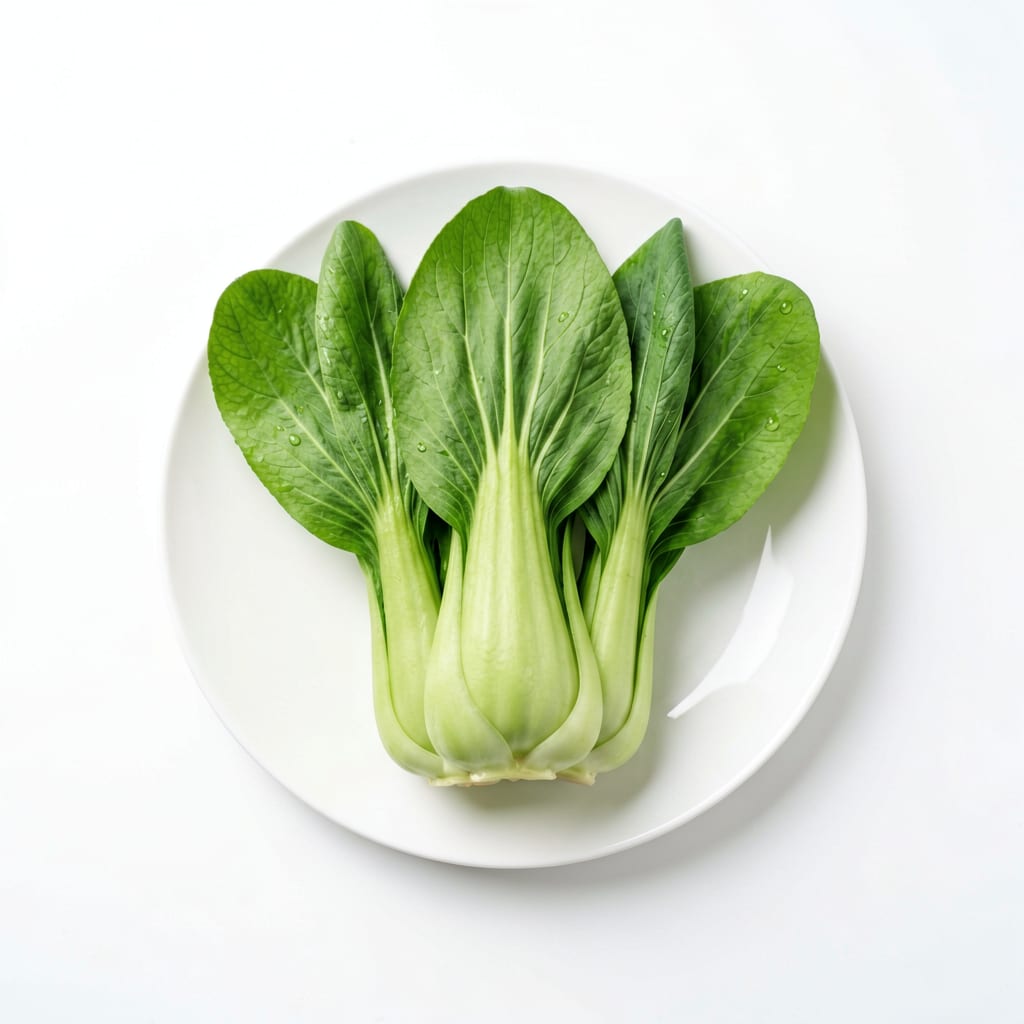
Compare with
Bok Choy
Bok choy has darker leaves and higher vitamin A and C content, while napa cabbage is milder, more tender, and better for raw salads or wraps.
Bok choy provides more vitamin A and C, while napa cabbage offers more volume and a milder crunch for raw dishes.
This food
Napa Cabbage
VS85% alike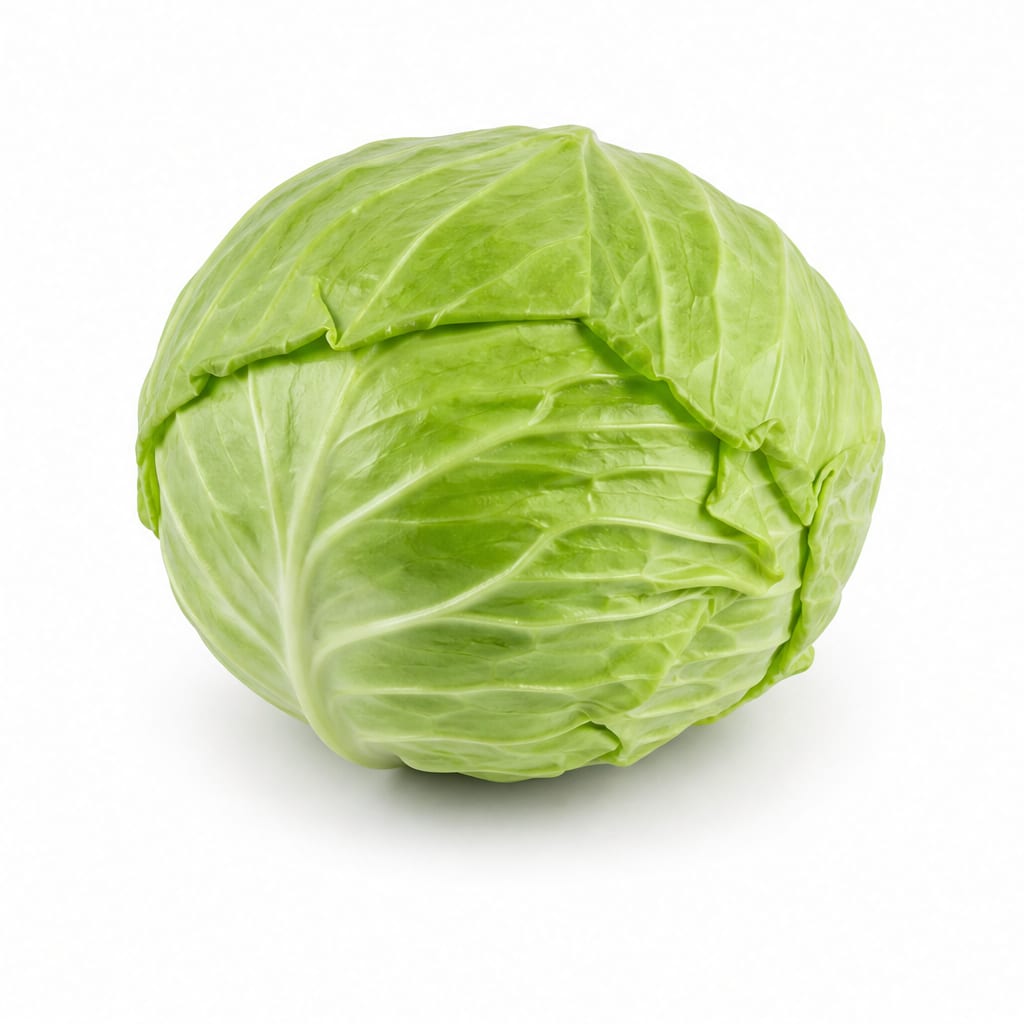
Compare with
Green Cabbage
Green cabbage is denser, tougher, and slightly higher in vitamin C and fiber, while napa cabbage is more tender, mild, and easier to digest raw.
Napa cabbage is milder and better for raw salads, while green cabbage is tougher, slightly higher in fiber, and better for slaws and braising.
This food
Napa Cabbage
VS75% alike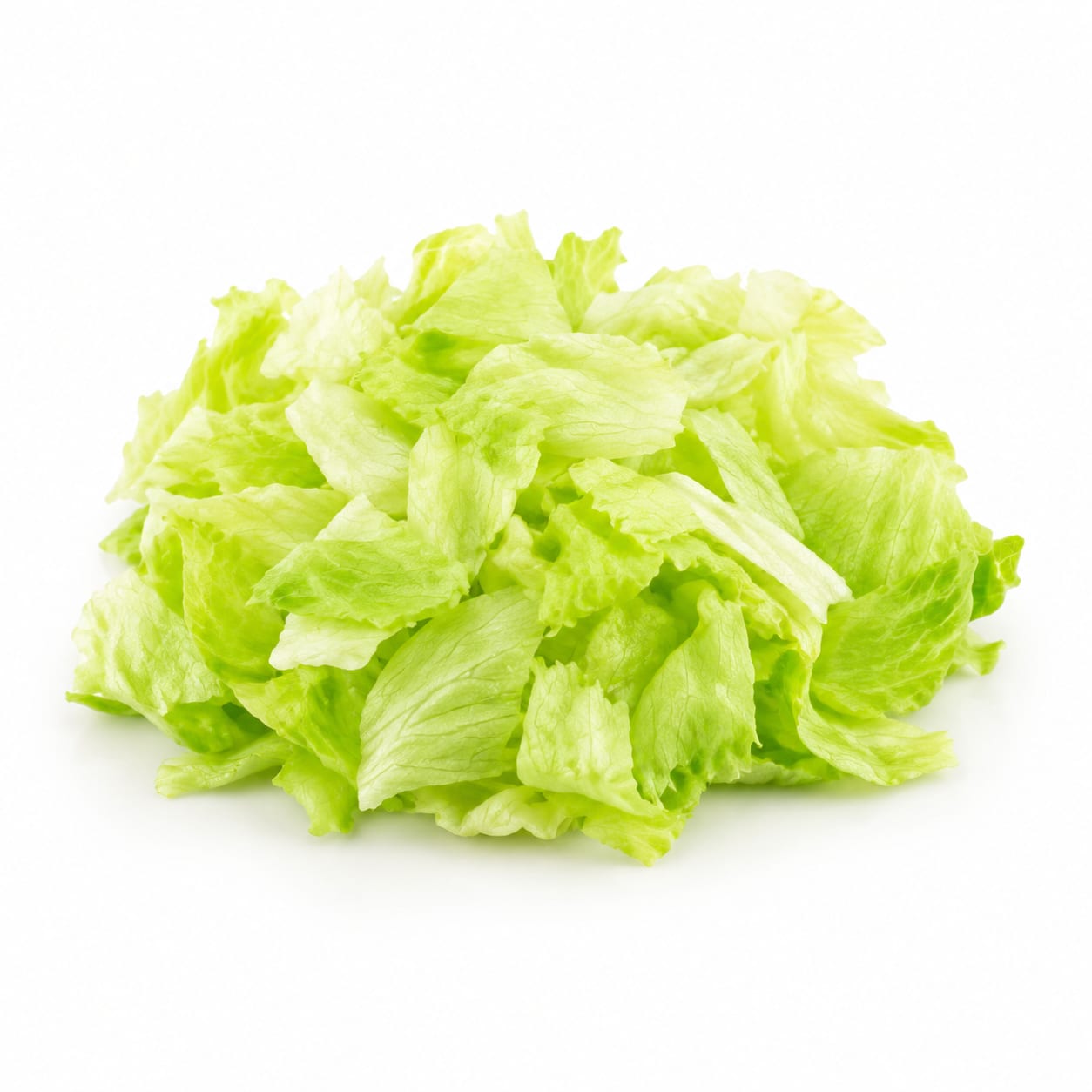
Compare with
Iceberg Lettuce
Napa cabbage is nutritionally superior with more vitamin C, K, and beneficial glucosinolates, while iceberg lettuce is slightly crisper but mostly water.
Napa cabbage beats iceberg lettuce on nutrients and gut-friendly compounds, offering a similar crisp, refreshing crunch with more health benefits.
This food
Napa Cabbage
VS70% alike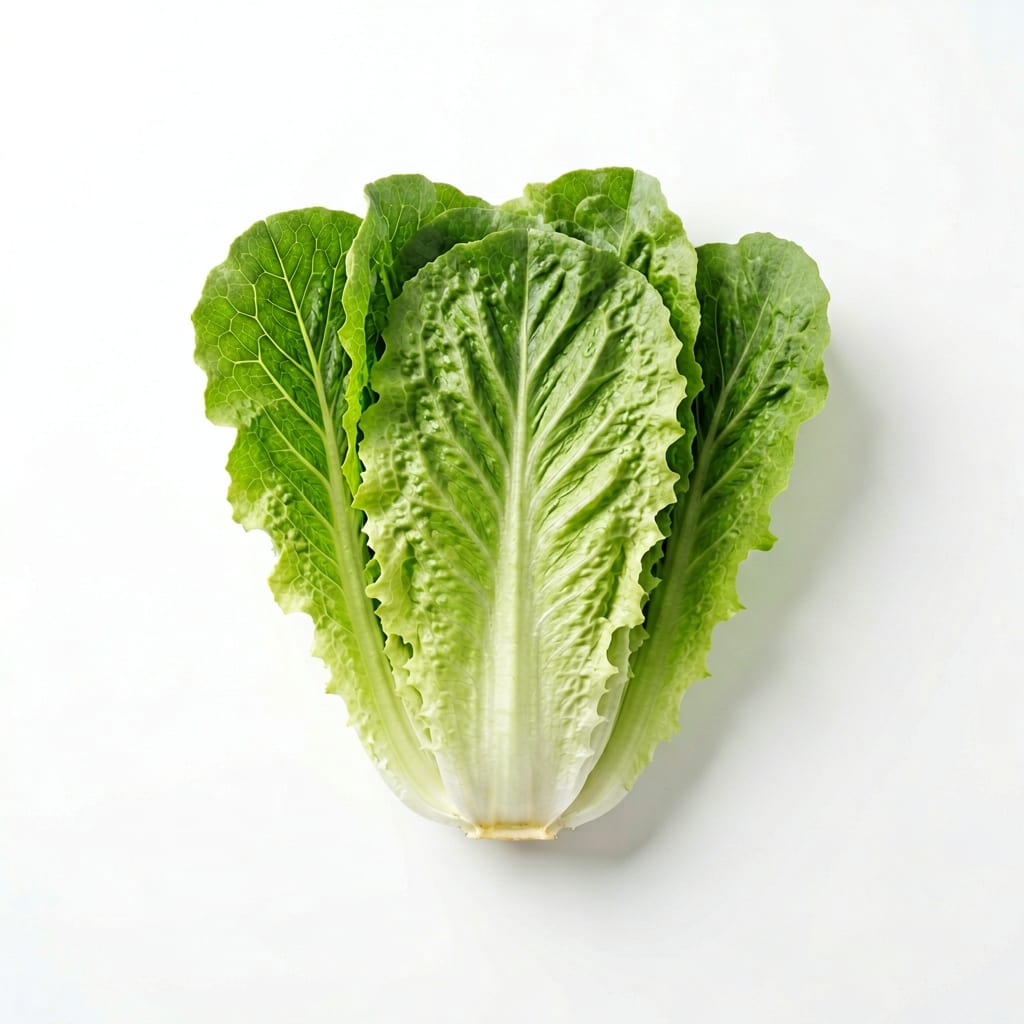
Compare with
Romaine Lettuce
Romaine is darker and richer in folate and vitamin A, while napa cabbage provides glucosinolates and a slightly sweeter, more tender crunch.
Romaine lettuce offers more vitamin A and folate, while napa cabbage provides unique cruciferous compounds and a more versatile cooked texture.
This food
Napa Cabbage
VS80% alike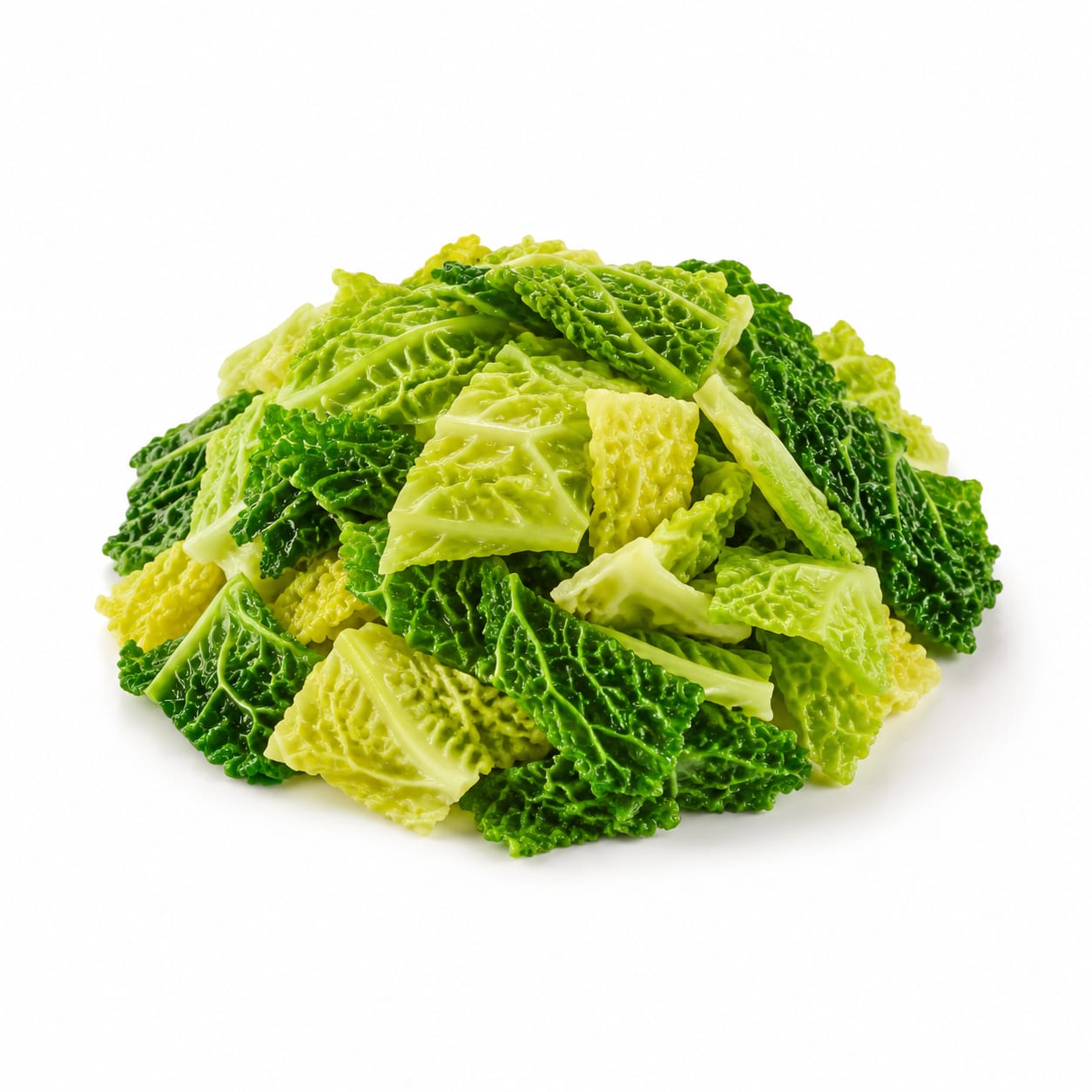
Compare with
Savoy Cabbage
Savoy cabbage has a stronger flavor and holds up better to roasting, while napa is more hydrating, delicate, and suited for quick stir-fries or raw wraps.
Savoy cabbage is heartier and more flavorful for cooking, while napa cabbage is lighter, milder, and better for raw wraps.
This food
Napa Cabbage
VS60% alike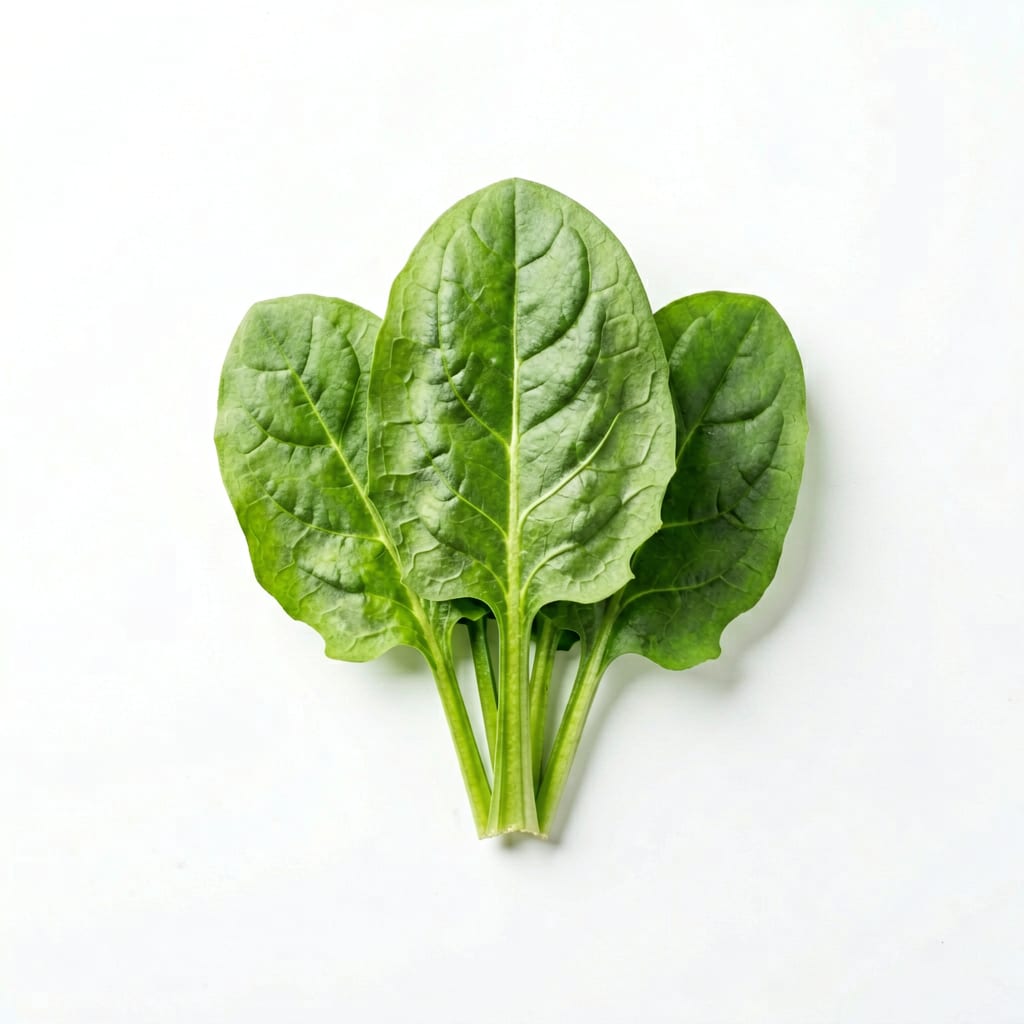
Compare with
Spinach
Spinach is vastly superior in iron, folate, and vitamin K, whereas napa cabbage provides more physical volume and crunch per calorie.
Spinach is far more nutrient-dense with higher iron and vitamins, while napa cabbage offers more filling volume and a satisfying crunch.
This food
Napa Cabbage
VS55% alike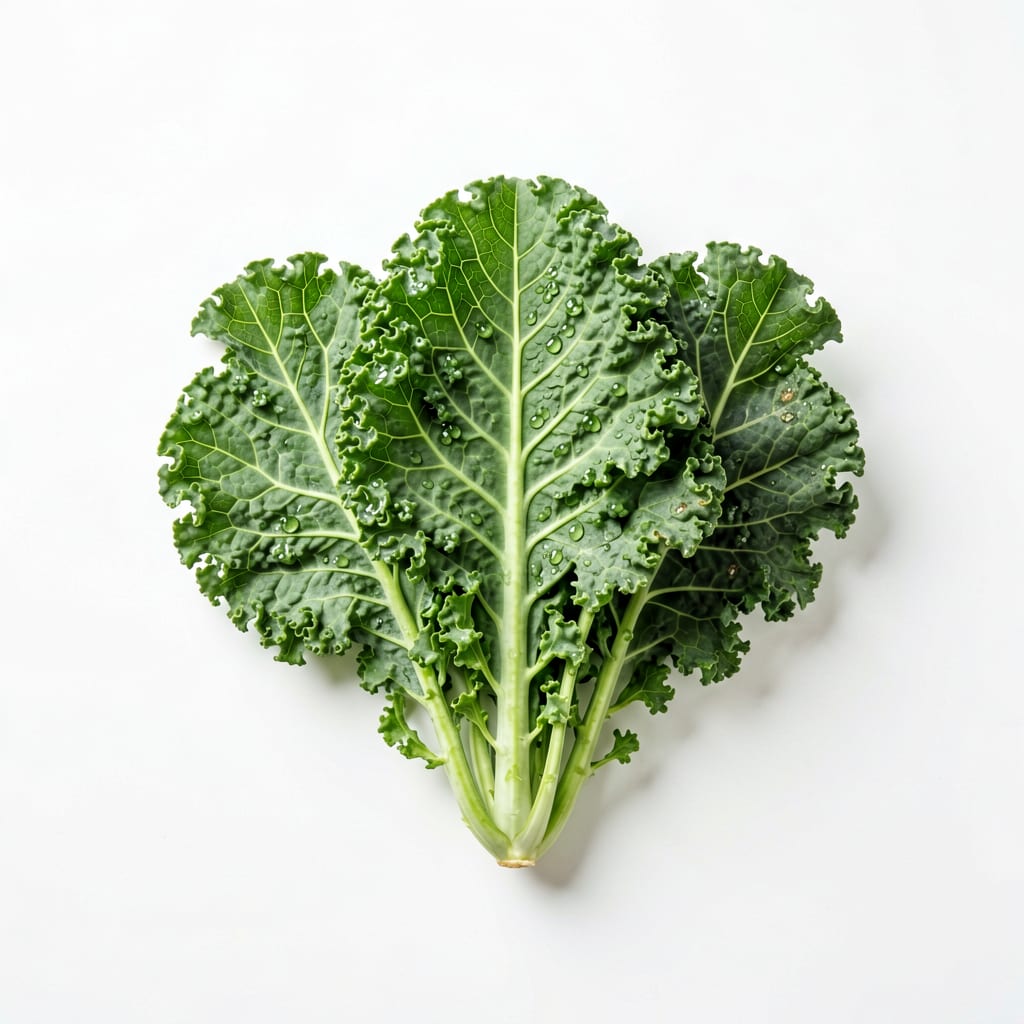
Compare with
Kale
Kale is a nutrient powerhouse with massive vitamin K, A, and C amounts, while napa cabbage is much lower in nutrients but far easier to eat raw in large quantities.
Kale is significantly higher in vitamins and antioxidants, while napa cabbage is much milder, easier to digest, and better for high-volume eating.
This food
Napa Cabbage
VS70% alike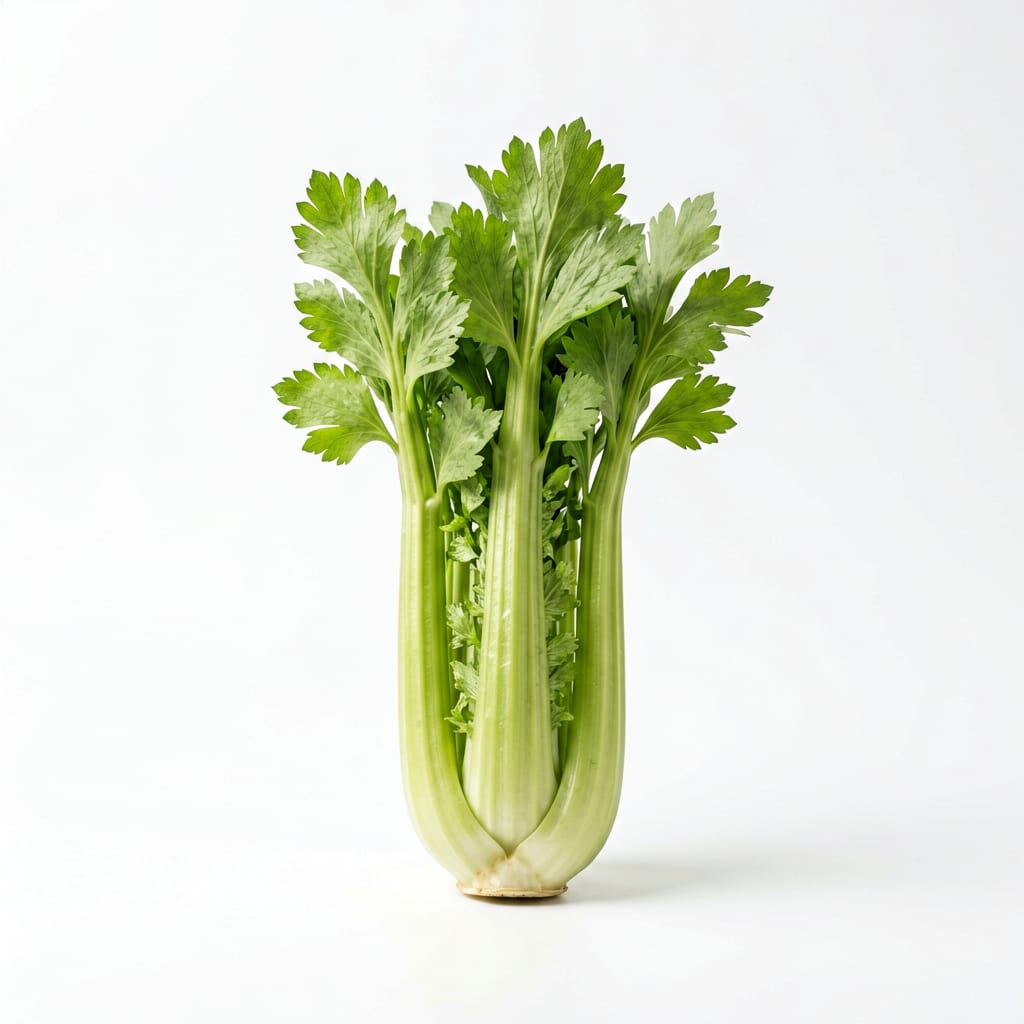
Compare with
Celery
Both are extremely low in calories, but napa cabbage offers more vitamin C and glucosinolates, while celery provides slightly more sodium and a distinct crunch.
Napa cabbage and celery are both ultra-low calorie volume foods, but napa offers more vitamin C and versatility in cooking.
This food
Napa Cabbage
VS55% alike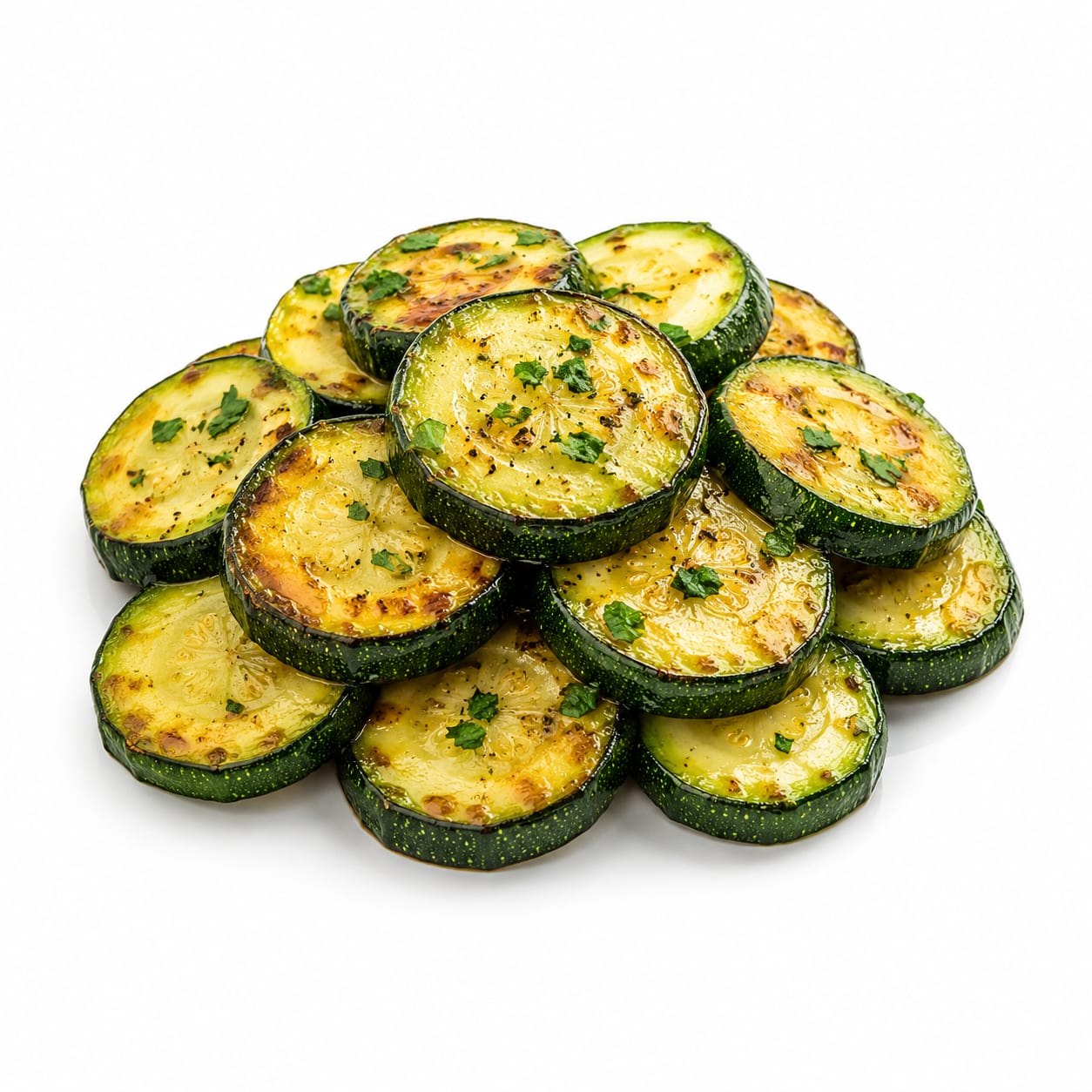
Compare with
Zucchini
Zucchini is slightly higher in carbohydrates and potassium, while napa cabbage is lower in calories and better suited for raw fermentation and wraps.
Zucchini provides more potassium and mild carbs for cooking, while napa cabbage is lower in calories and ideal for raw dishes or kimchi.
This food
Napa Cabbage
VS50% alike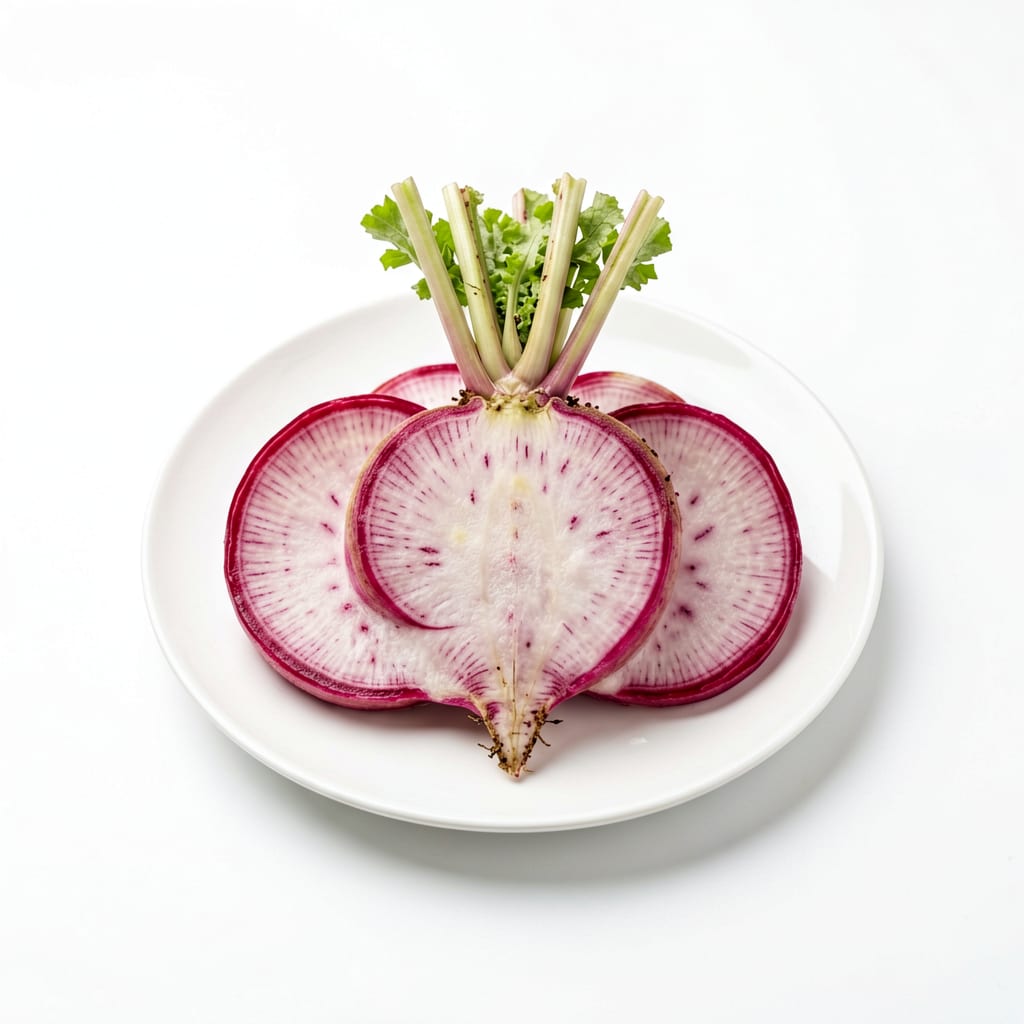
Compare with
Radish
Radishes provide a spicy bite and more vitamin C per gram, while napa cabbage offers bulk, mild sweetness, and large leaves for wrapping.
Radishes deliver a spicy crunch and high vitamin C, while napa cabbage provides mild, hydrating bulk perfect for soups and wraps.
Common questions
FAQ
Answers aligned with how people search for this food.
Is napa cabbage good for weight loss?
Yes, napa cabbage is excellent for weight loss. It contains only 16 calories per 100g and is 94% water, allowing you to eat large volumes to feel full without consuming excess calories.
Can diabetics eat napa cabbage?
Yes, napa cabbage is very safe for diabetics. It has a glycemic index of 15 and a glycemic load of essentially zero, meaning it will not spike blood sugar levels.
Is napa cabbage hard to digest?
No, napa cabbage is actually easier to digest than regular green cabbage. Its cell walls are more tender and it contains less tough fiber, making it gentler on the digestive tract even when eaten raw.
Do you eat napa cabbage raw?
Yes, napa cabbage can be eaten raw. Its mild, slightly sweet flavor and crisp texture make it an excellent base for salads and slaws, unlike tougher green cabbage which usually requires cooking.
What is the difference between napa cabbage and regular cabbage?
Napa cabbage is elongated with crinkly, pale green leaves and a mild, sweet flavor, while regular cabbage is round with smooth, dark green or red leaves and a stronger, more peppery taste. Napa is also more tender and easier to digest raw.
Is napa cabbage a cruciferous vegetable?
Yes, napa cabbage belongs to the Brassica family, making it a cruciferous vegetable alongside broccoli, kale, and Brussels sprouts. It contains beneficial glucosinolates that support cellular health.
Does napa cabbage have a lot of fiber?
Napa cabbage provides a moderate amount of fiber at 1 gram per 100g serving. While not a high-fiber powerhouse, it contributes to daily intake and is very gentle on the digestive system.
What are the benefits of eating napa cabbage?
Benefits include hydration due to high water content, blood sugar control from low carbs, cellular health support from glucosinolates, and easy weight management due to its extremely low calorie count.
Transparency
Data confidence
Estimated confidence for nutrition data, interpretation, safety notes, and comparisons.
Nutrition data
Health analysis
Food safety
Comparisons