
Nutrition comparison
Napa Cabbage vs Kale: Which Green Is Better?
Compare Napa Cabbage and Kale to see which is better for digestion, nutrient density, and daily meals. Learn the tradeoffs between these healthy greens.
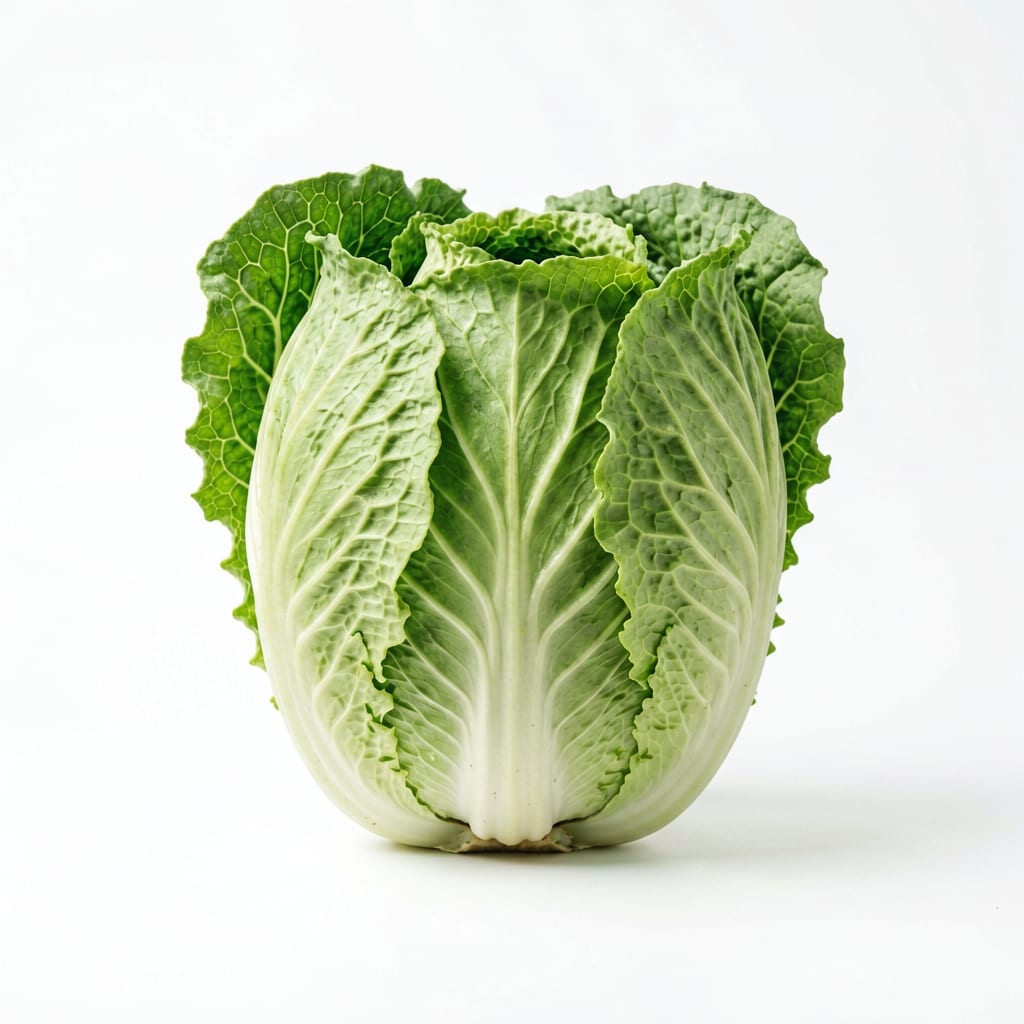
Napa Cabbage
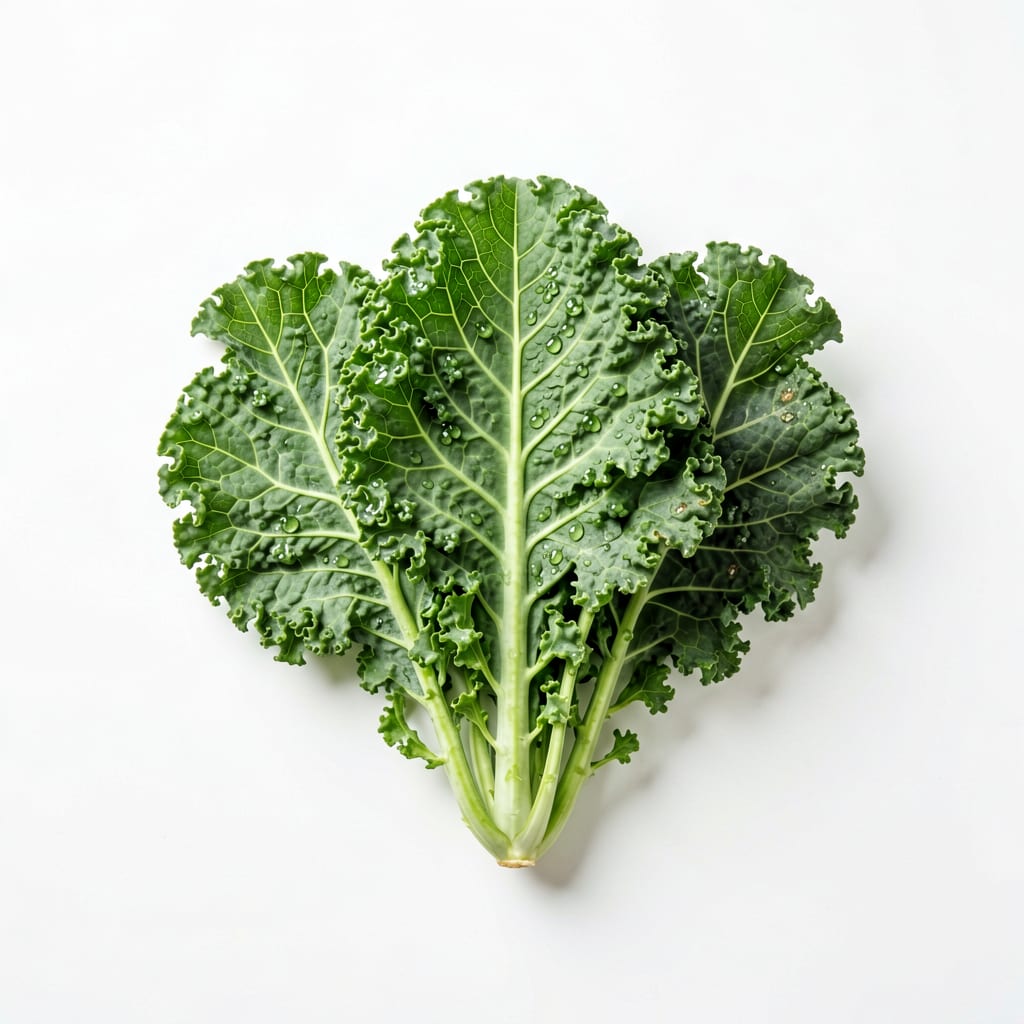
Kale
Kale packs more vitamins per bite, but Napa Cabbage is far easier to digest and cook with.
Kale scores higher due to its exceptional vitamin and antioxidant profile, but Napa Cabbage remains a strong choice for its gut-friendly nature and ease of use.
Maximum nutrient density versus gentle digestion and culinary flexibility.
At a glance
Executive summary
Overall
It depends
Healthier
Kale
More practical
Napa Cabbage
Daily use
Napa Cabbage
Key comparison lenses
Nutrient density vs digestibility
Kale is famously nutrient-dense but tough to digest, while Napa Cabbage offers gentler nutrition at a higher volume.
Culinary versatility and ease of prep
Kale requires massaging or long cooking, whereas Napa Cabbage cooks in minutes and is extremely versatile.
Thyroid and digestive sensitivity
Both are cruciferous vegetables containing goitrogens, but Kale's raw consumption poses a higher risk for sensitive individuals.
Best choice for
Napa Cabbage
- Sensitive stomachs and IBS
- Quick weeknight cooking
- Fermented food lovers
Kale
- Nutrient density maximizers
- Smoothie boosters
- Antioxidant seekers
Least suitable for
Napa Cabbage
- Those needing massive Vitamin K from greens
- Very low-carb dieters seeking dense greens
Kale
- People with thyroid issues (if consumed raw)
- Those prone to bloating from tough fiber
Deep comparison
Dimension by dimension
Each lens scores both foods and breaks down who each option suits.
- Dimension 1 · Priority 95Kale
Nutrient Density
Napa Cabbage · 65Kale · 95Kale is a nutritional powerhouse, delivering massive amounts of Vitamins K, A, and C per calorie.
Tradeoff
You get far more vitamins with Kale, but it comes in a tougher, denser package.
Why it matters
If you are trying to fill nutritional gaps, Kale gets the job done with fewer bites.
Real-world impact
A single serving of Kale covers your daily Vitamin K needs, while Napa Cabbage only provides a fraction.
Napa Cabbage
- Maintaining hydration while getting mild nutrition
Better for
- Correcting vitamin deficiencies quickly
Worse for
Kale
- Filling nutritional gaps
- Boosting bone health with Vitamin K
Better for
- Avoiding excessive Vitamin K intake
Worse for
- Dimension 2 · Priority 90Napa Cabbage
Digestive Comfort
Napa Cabbage · 92Kale · 55Napa Cabbage is incredibly gentle on the gut, while raw Kale is notoriously difficult to break down.
Tradeoff
Kale offers more fiber for gut motility, but Napa Cabbage causes significantly less bloating.
Why it matters
Eating the healthiest vegetable does no good if it causes you discomfort or gas.
Real-world impact
Napa Cabbage feels light and refreshing in a salad, whereas a raw Kale salad can sit heavy and cause stomach puffiness.
Napa Cabbage
- People with IBS
- Those who get bloated from raw greens
Better for
- Feeling physically full and satiated after a small portion
Worse for
Kale
- Building robust gut motility if you tolerate fiber well
Better for
- Sensitive stomachs
- People prone to gas from cruciferous veggies
Worse for
- Dimension 3 · Priority 85Napa Cabbage
Culinary Versatility and Prep
Napa Cabbage · 90Kale · 70Napa Cabbage cooks in minutes and requires no special prep, unlike Kale which needs massaging or long cooking times.
Tradeoff
Kale holds up better in hearty soups and meal-prep bowls, while Napa Cabbage wilts down quickly.
Why it matters
The easier a vegetable is to cook, the more likely you are to actually eat it during a busy week.
Real-world impact
Napa Cabbage can be tossed into a stir-fry at the last minute for a satisfying crunch, whereas Kale needs time to soften.
Napa Cabbage
- Quick weeknight dinners
- Soups and stir-fries
- Raw salads without massaging
Better for
- Making dense green smoothies (too watery)
Worse for
Kale
- Hearty meal-prep salads
- Smoothie nutrient boosts
- Baking into crispy chips
Better for
- Rushed weeknight cooking (takes longer to soften)
Worse for
- Dimension 4 · Priority 80Kale
Antioxidant Power
Napa Cabbage · 60Kale · 93Kale is loaded with potent antioxidants like quercetin and kaempferol, far outpacing Napa Cabbage.
Tradeoff
You get superior cellular protection from Kale, but you have to manage its stronger, more bitter taste.
Why it matters
Antioxidants help your body handle daily stress and reduce long-term inflammation.
Real-world impact
Regularly eating Kale can help with joint stiffness and post-workout recovery due to its anti-inflammatory properties.
Napa Cabbage
- Mild anti-inflammatory support without strong flavors
Better for
- Fighting chronic inflammation aggressively
Worse for
Kale
- Reducing oxidative stress
- Supporting eye health with lutein
Better for
- Those who dislike bitter flavors
Worse for
Timeline
Health impact over time
Short-term
Hours to days
Napa Cabbage
- Light, hydrating feeling after eating
- Easy digestion with minimal bloating
- Quick satisfaction from volume eating
Kale
- High feeling of physical fullness
- Potential for gas or stomach heaviness if eaten raw
- Sustained energy from dense nutrients
Long-term
Months to years
Napa Cabbage
- Supports a healthy gut microbiome, especially when fermented into kimchi
- Gentle hydration and steady fiber intake
Kale
- Stronger bone density from high Vitamin K
- Better eye health and reduced oxidative stress from lutein
- Potential thyroid issues if consumed raw in extreme excess
Risk profile
Safety & processing
Both Napa Cabbage and Kale are whole, natural vegetables with virtually no additive concerns when purchased fresh.
Napa Cabbage
Pesticide residue
mediumWhile not on the Dirty Dozen list, the outer leaves of Napa Cabbage can hold pesticides; washing thoroughly is important.
Foodborne illness
lowThe tight inner leaves are generally well protected, making contamination less likely than with loose-leaf greens.
Kale
Pesticide residue
highKale is consistently featured on the EWG's Dirty Dozen list due to high pesticide detection, making organic a smart choice.
Goitrogenic compounds
mediumRaw Kale contains goitrogens that can interfere with thyroid function in susceptible individuals; cooking reduces this risk significantly.
Who wins for whom
Audience fit
Same foods, different winners depending on your goal.
children
Napa CabbageThe milder, slightly sweet taste and softer texture of Napa Cabbage make it far easier to sneak into kids' meals.
daily consumption
Napa CabbageBecause it is so easy to digest and quick to prepare, Napa Cabbage is a more sustainable daily habit for most people.
diabetes
KaleKale's higher fiber density and lower natural sugar content provide a more stable blood sugar response.
elderly
Napa CabbageEasier to chew and gentler on aging digestive systems, Napa Cabbage is a safer daily green for older adults.
muscle gain
KaleKale provides more Vitamin C and antioxidants per serving, which helps reduce exercise-induced oxidative stress and supports recovery.
weight loss
Napa CabbageNapa Cabbage allows you to eat a massive volume of food for very few calories, creating a feeling of fullness without density.
Your move
Decision guide
Choose Napa Cabbage
- You want a gentle green that will not bloat your stomach
- You need a quick-cooking vegetable for stir-fries and soups
- You are sensitive to bitter flavors or tough textures
Choose Kale
- You want to maximize your vitamin intake per calorie
- You enjoy making green smoothies or hearty salads
- You are focused on boosting bone and eye health
Either works if
- You just need a healthy cruciferous vegetable for dinner
- You are meal-prepping a soup that will cook for a long time
Avoid both if
- You are on strict blood-thinning medications and must maintain a consistent, low Vitamin K intake
Final recommendation
Keep both in your rotation. Use Kale when you need a nutrient-dense boost in smoothies or massaged salads, and rely on Napa Cabbage for everyday cooking, gut comfort, and quick meals.
Practical
Consumer tips
- 1
Massage raw Kale with olive oil and salt for five minutes to break down tough fibers and improve digestion.
- 2
Ferment Napa Cabbage into homemade kimchi for a massive probiotic upgrade.
- 3
Buy organic Kale whenever possible to avoid high pesticide residues.
- 4
Cook both vegetables if you have thyroid concerns, as heat deactivates goitrogens.