
Nutrition comparison
Napa Cabbage vs Green Cabbage: Nutrition, Digestion, and Which to Buy
Compare Napa Cabbage and Green Cabbage on fiber, vitamins, shelf life, and digestive comfort. Find out which cabbage fits your cooking style and health goals.
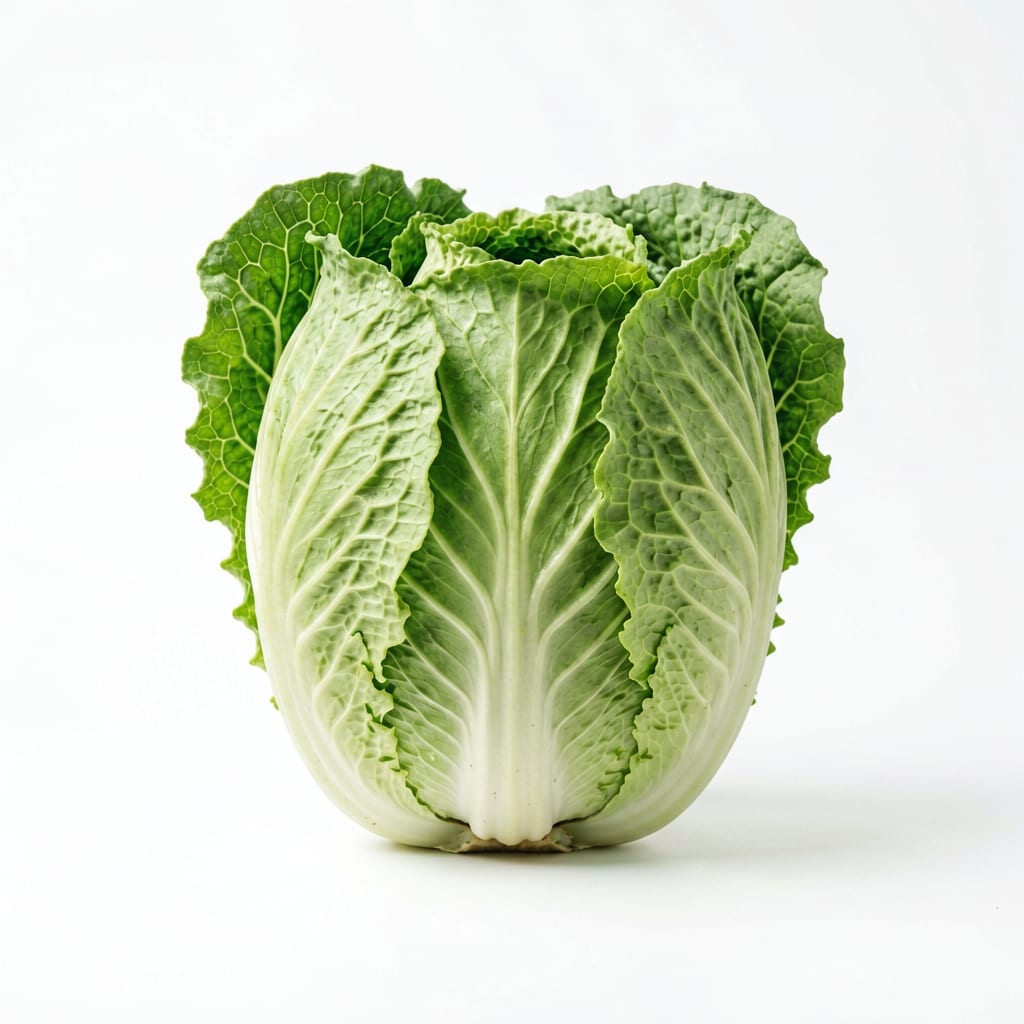
Napa Cabbage
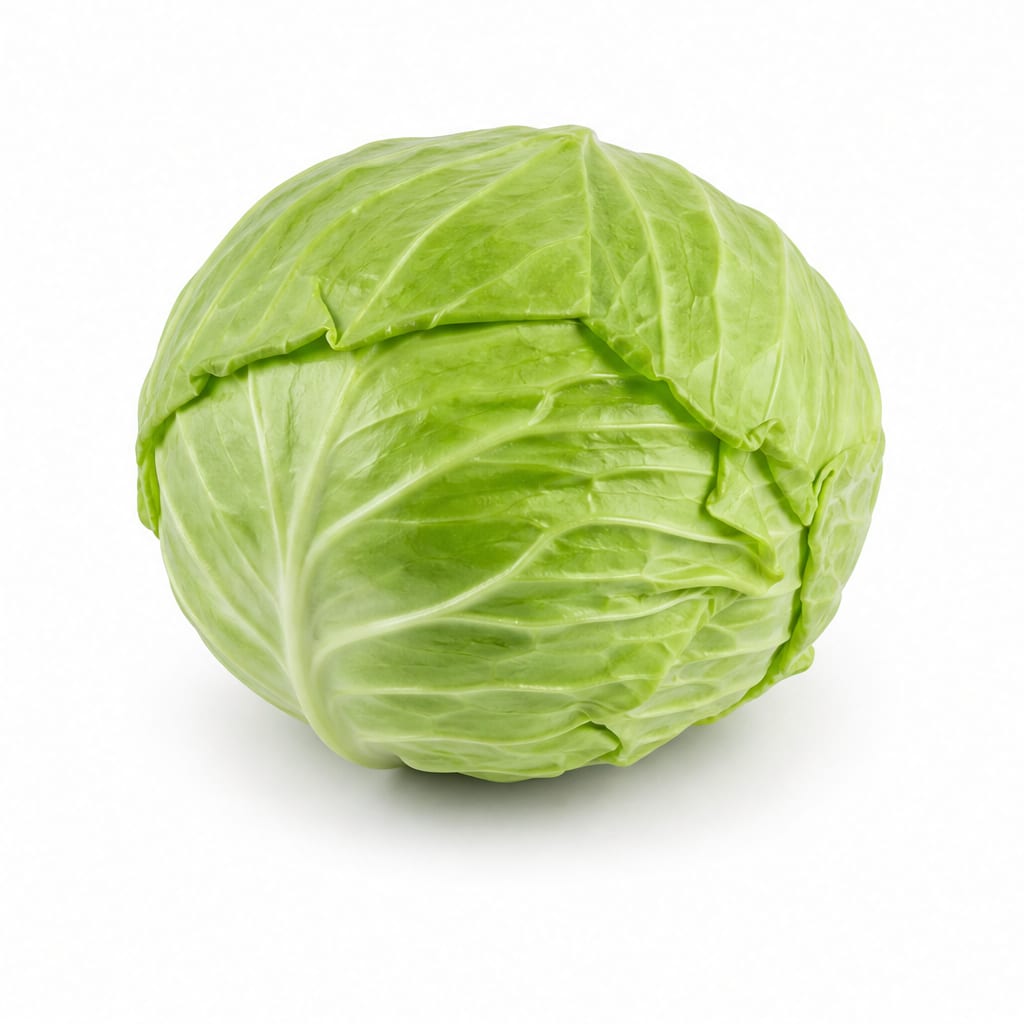
Green Cabbage
Green Cabbage is more nutrient-dense and lasts longer in the fridge, while Napa Cabbage is gentler on digestion and more versatile for raw dishes.
Green Cabbage scores higher due to superior fiber content, longer shelf life, and slightly better overall nutrient density. Napa Cabbage remains competitive because of its digestibility and culinary lightness, but the practical and nutritional edge goes to Green Cabbage.
Durability and fiber versus tenderness and digestibility — Green Cabbage stores for weeks and fills you up more, but Napa Cabbage is lighter and easier to eat raw or lightly cooked.
At a glance
Executive summary
Overall
It depends
Healthier
Green Cabbage
More practical
Green Cabbage
Daily use
It depends
Key comparison lenses
digestive comfort and raw eating suitability
Napa Cabbage is significantly more tender and easier to digest raw, which is a major everyday decision factor
nutritional density per calorie
Both are very low-calorie vegetables, so small differences in vitamin and fiber content matter more
shelf life and meal prep practicality
Green Cabbage stores far longer, making it more practical for weekly meal planning
fermentation and gut health
Both are popular for fermented foods like kimchi and sauerkraut, but perform differently
cooking versatility across cuisines
Each cabbage shines in different culinary traditions, affecting how easily people incorporate them
Best choice for
Napa Cabbage
- People with sensitive digestion who want raw vegetable options
- Anyone making Asian soups, stir-fries, or kimchi
- Those who prefer softer textures in salads and wraps
- Meal preppers who cook daily and want lighter dishes
Green Cabbage
- Budget-conscious shoppers wanting maximum nutrition per dollar
- People who shop infrequently and need long-lasting produce
- Anyone focused on fiber intake and gut regularity
- Fans of coleslaw, sauerkraut, and hearty braised dishes
Least suitable for
Napa Cabbage
- People wanting a single vegetable that stores for weeks
- Those who prefer firm, crunchy textures in salads
- Anyone looking for maximum fiber per serving
Green Cabbage
- People with IBS or sensitive stomachs who struggle with raw cruciferous vegetables
- Anyone wanting a delicate leaf for wraps or quick-wilt cooking
- Those who find traditional cabbage too strong or tough
Deep comparison
Dimension by dimension
Each lens scores both foods and breaks down who each option suits.
- Dimension 1 · Priority 90Green Cabbage
fiber and satiety
Napa Cabbage · 55Green Cabbage · 80Green Cabbage delivers roughly double the fiber per serving, making it noticeably more filling and better for digestive regularity.
Tradeoff
That extra fiber can cause bloating in sensitive people, especially when raw. Napa Cabbage is gentler but less satisfying on its own.
Why it matters
Fiber is the main reason cabbage feels like a substantive vegetable. If you rely on it to keep you full, Green Cabbage does the job better.
Real-world impact
A Green Cabbage slaw will keep you satisfied longer than a Napa Cabbage salad, but the Napa version sits lighter if you are eating before activity.
Napa Cabbage
- Pre-workout meals where you want light digestion
- Anyone who gets bloated from high-fiber raw vegetables
Better for
- Using as a standalone filling side dish
Worse for
Green Cabbage
- Weight loss meals where volume and fullness matter
- Improving gut regularity without supplements
Better for
- Eating large raw portions with a sensitive stomach
Worse for
- Dimension 2 · Priority 85Green Cabbage
vitamin and mineral density
Napa Cabbage · 65Green Cabbage · 78Green Cabbage packs more vitamin C, vitamin K, and folate per calorie. Napa Cabbage is no slouch but is slightly diluted by its higher water content.
Tradeoff
Napa Cabbage is more hydrating and contains decent nutrients in a gentler package, but you get less nutritional bang per bite.
Why it matters
When calories are nearly identical, the vegetable that delivers more vitamins per serving wins for everyday health maintenance.
Real-world impact
A cup of Green Cabbage covers about 30% more of your daily vitamin C than the same amount of Napa Cabbage.
Napa Cabbage
- Staying hydrated in hot weather through food
- Adding bulk to soups without overwhelming other flavors
Better for
- Being a primary vitamin C source
Worse for
Green Cabbage
- Boosting immune support during cold season
- Maximizing nutrient intake on a calorie budget
Better for
- Providing gentle hydration in broth-based dishes
Worse for
- Dimension 3 · Priority 88Napa Cabbage
digestive comfort
Napa Cabbage · 88Green Cabbage · 55Napa Cabbage is significantly easier to digest, especially raw. Its tender leaves break down faster and produce less gas.
Tradeoff
The softer texture means less satisfying crunch and less fiber-driven gut health benefits. Green Cabbage is tougher but feeds gut bacteria better long-term.
Why it matters
For anyone with IBS, sensitive digestion, or who simply dislikes feeling heavy after a salad, this difference is immediately noticeable.
Real-world impact
You can eat a large Napa Cabbage salad and feel light afterward. The same portion of raw Green Cabbage may leave you bloated for hours.
Napa Cabbage
- Raw salads for sensitive stomachs
- Light lunches before afternoon work or exercise
Better for
- Building long-term gut microbiome diversity through resistant fiber
Worse for
Green Cabbage
- Feeding beneficial gut bacteria through fermentation
- Hearty meals where digestive robustness is not a concern
Better for
- Comfortable raw eating for people with GI issues
Worse for
- Dimension 4 · Priority 82Green Cabbage
shelf life and practicality
Napa Cabbage · 50Green Cabbage · 92Green Cabbage is one of the longest-lasting fresh vegetables, often staying good for 3-4 weeks refrigerated. Napa Cabbage wilts within a week.
Tradeoff
Green Cabbage takes more effort to prepare due to its density, while Napa Cabbage cooks in minutes but must be used quickly.
Why it matters
If you grocery shop once a week or less, Green Cabbage is far more reliable. Napa Cabbage demands prompt use or it goes to waste.
Real-world impact
A head of Green Cabbage bought on Sunday can still be used the following weekend. Napa Cabbage needs to be eaten within 5-7 days.
Napa Cabbage
- Quick-cooking weeknight meals with no prep hassle
- Recipes where you want the vegetable to wilt down fast
Better for
- Anyone who shops infrequently or wastes produce often
Worse for
Green Cabbage
- Weekly meal prep and batch cooking
- Emergency vegetable that waits in the crisper until you need it
Better for
- Last-minute quick cooking where chopping firm leaves is annoying
Worse for
- Dimension 5 · Priority 75It depends
culinary versatility
Napa Cabbage · 78Green Cabbage · 78Both are versatile but in different culinary worlds. Napa Cabbage excels in Asian dishes, soups, and wraps. Green Cabbage dominates in slaws, braises, and fermented sides.
Tradeoff
Neither substitutes perfectly for the other. Kimchi made with Green Cabbage tastes wrong. Coleslaw made with Napa Cabbage turns soggy.
Why it matters
Your cooking style should dictate your choice more than nutrition alone. The wrong cabbage can ruin a dish's texture.
Real-world impact
If you cook stir-fries three nights a week, Napa Cabbage is your workhorse. If you make big batches of soup and slaw, Green Cabbage earns its spot.
Napa Cabbage
- Hot pot, wonton soup, and stir-fried noodle dishes
- Using raw leaves as dumpling or taco wrappers
Better for
- Classic American slaw — too watery and soft
Worse for
Green Cabbage
- Coleslaw, sauerkraut, and corned beef bakes
- Hearty stews and roasted vegetable medleys
Better for
- Delicate Asian soups — too tough and strong-flavored
Worse for
- Dimension 6 · Priority 70Green Cabbage
antioxidant and anti-inflammatory profile
Napa Cabbage · 62Green Cabbage · 75Green Cabbage contains more glucosinolates and vitamin C, both of which support anti-inflammatory pathways. Napa Cabbage has antioxidants but in lower concentrations.
Tradeoff
Cooking reduces glucosinolate content in both, but fermented preparations preserve and even enhance these compounds. Green Cabbage ferments better for Western-style ferments.
Why it matters
For long-term disease risk reduction, consistent intake of cruciferous antioxidants matters, and Green Cabbage delivers more per serving.
Real-world impact
Regular sauerkraut consumption from Green Cabbage may offer more anti-inflammatory benefit than occasional Napa Cabbage dishes.
Napa Cabbage
- Getting some antioxidant benefit with easier digestibility
Better for
- Being a top-tier cruciferous antioxidant source
Worse for
Green Cabbage
- Maximizing glucosinolate intake for cancer risk reduction
- Long-term anti-inflammatory eating patterns
Better for
- Providing antioxidants in a form sensitive stomachs can tolerate raw
Worse for
Timeline
Health impact over time
Short-term
Hours to days
Napa Cabbage
- Eating Napa Cabbage raw provides a light, hydrating crunch without bloating
- Quick-cooking in soups preserves more heat-sensitive nutrients like vitamin C
- The high water content helps with hydration and feeling refreshed after meals
Green Cabbage
- Raw Green Cabbage can cause gas and bloating, especially in large portions
- The firm fiber creates immediate satiety, helping reduce overeating at meals
- Juicing or cooking breaks down tough fibers, making it easier on digestion
Long-term
Months to years
Napa Cabbage
- Regular consumption supports gentle fiber intake without overwhelming the GI tract
- Consistent vitamin K intake contributes to bone health over time
- The mildness makes it easier to sustain as a daily vegetable habit
Green Cabbage
- Higher glucosinolate intake is associated with reduced cancer risk in epidemiological studies
- Superior fiber content supports long-term gut microbiome diversity and bowel regularity
- The long shelf life reduces food waste, indirectly supporting consistent vegetable consumption
Risk profile
Safety & processing
Both Napa Cabbage and Green Cabbage are whole, unprocessed vegetables sold in their natural state. Neither carries meaningful additive concerns when purchased fresh.
Napa Cabbage
Pesticide residue on outer leaves
mediumNapa Cabbage has broad, layered leaves that can trap pesticide spray. Removing the outermost 2-3 layers and washing thoroughly reduces exposure significantly.
Shorter shelf life leading to spoilage
lowNapa Cabbage wilts and browns within a week. Spoiled areas should be trimmed away, but the risk of eating compromised portions is low if you inspect before use.
Green Cabbage
Pesticide residue on outer leaves
mediumGreen Cabbage is actually on the Clean Fifteen list most years because the tight head protects inner leaves. Discarding outer layers removes most residue.
Goitrogenic compounds with excessive raw intake
lowRaw cruciferous vegetables contain goitrogens that can interfere with thyroid function in very large amounts. Cooking largely neutralizes this concern. Normal intake is safe for most people.
Who wins for whom
Audience fit
Same foods, different winners depending on your goal.
children
Napa CabbageNapa Cabbage is softer, milder, and less bitter, making it more appealing and easier for kids to chew. It slips into soups and stir-fries without strong pushback.
daily consumption
It dependsGreen Cabbage wins for nutrition and shelf life, but Napa Cabbage wins for digestive comfort and ease of preparation. The best daily choice depends on which barrier matters more to you.
diabetes
Green CabbageGreen Cabbage has slightly more fiber per serving, which helps slow glucose absorption. Both have negligible impact on blood sugar, so the difference is small.
elderly
Napa CabbageThe tender texture of Napa Cabbage is easier to chew and digest, which matters for older adults with dental concerns or slower digestion.
muscle gain
It dependsNeither is a significant protein source. Both work as low-calorie sides for muscle-building meals. Green Cabbage pairs better with hearty meat dishes, while Napa Cabbage fits lighter protein plates.
weight loss
Green CabbageGreen Cabbage provides more fiber and satiety per calorie, making it easier to eat large volumes that fill you up without overconsuming calories.
Your move
Decision guide
Choose Napa Cabbage
- You have a sensitive stomach and want to eat more raw vegetables comfortably
- You cook Asian-inspired dishes regularly and want authentic texture
- You prefer quick-cooking vegetables that wilt in minutes
- You eat small amounts throughout the week and do not need long storage
- You are feeding children or elderly family members who need softer textures
Choose Green Cabbage
- You want maximum nutrition and fiber per dollar spent
- You shop once a week and need vegetables that last
- You enjoy making slaws, sauerkraut, or braised cabbage dishes
- You have no digestive issues with cruciferous vegetables
- You want a reliable emergency vegetable that waits in the fridge
Either works if
- You are making a cooked soup where both will work fine
- You simply want more vegetables in your diet and enjoy both textures
- You are fermenting and willing to adapt your recipe to whichever you have
Avoid both if
- You are on a strict low-FODMAP diet during the elimination phase, as both contain fermentable carbohydrates that can trigger symptoms
Final recommendation
Keep Green Cabbage as your staple for its durability, fiber, and nutritional density. Add Napa Cabbage when you want something lighter, quicker, or gentler on digestion. Having both in your rotation gives you the best of both worlds — hearty reliability from Green Cabbage and tender versatility from Napa Cabbage.
Practical
Consumer tips
- 1
Remove and discard the outer 2-3 leaves of either cabbage to reduce pesticide exposure significantly
- 2
Store Green Cabbage whole and uncut in the crisper — it lasts weeks this way. Cut heads lose freshness faster.
- 3
Wrap Napa Cabbage loosely in paper towels inside a plastic bag and use within 5-7 days for best quality
- 4
If raw Green Cabbage bothers your stomach, try massaging chopped leaves with salt and lemon juice for 5 minutes — this breaks down fibers and makes it much easier to digest
- 5
Napa Cabbage leaves make excellent natural wrappers for dumplings, tacos, or lettuce cups — far easier to fold than Green Cabbage leaves
- 6
Freeze shredded Green Cabbage if you cannot finish it — it works perfectly in soups and stews later, though texture changes make it unsuitable for raw use