
Nutrition comparison
Napa Cabbage vs Bok Choy: Nutrition, Taste, and Which to Choose
Compare Napa Cabbage and Bok Choy side by side. Learn which has more calcium, vitamin A, and fiber, and which is better for stir-fries, kimchi, and daily meals.
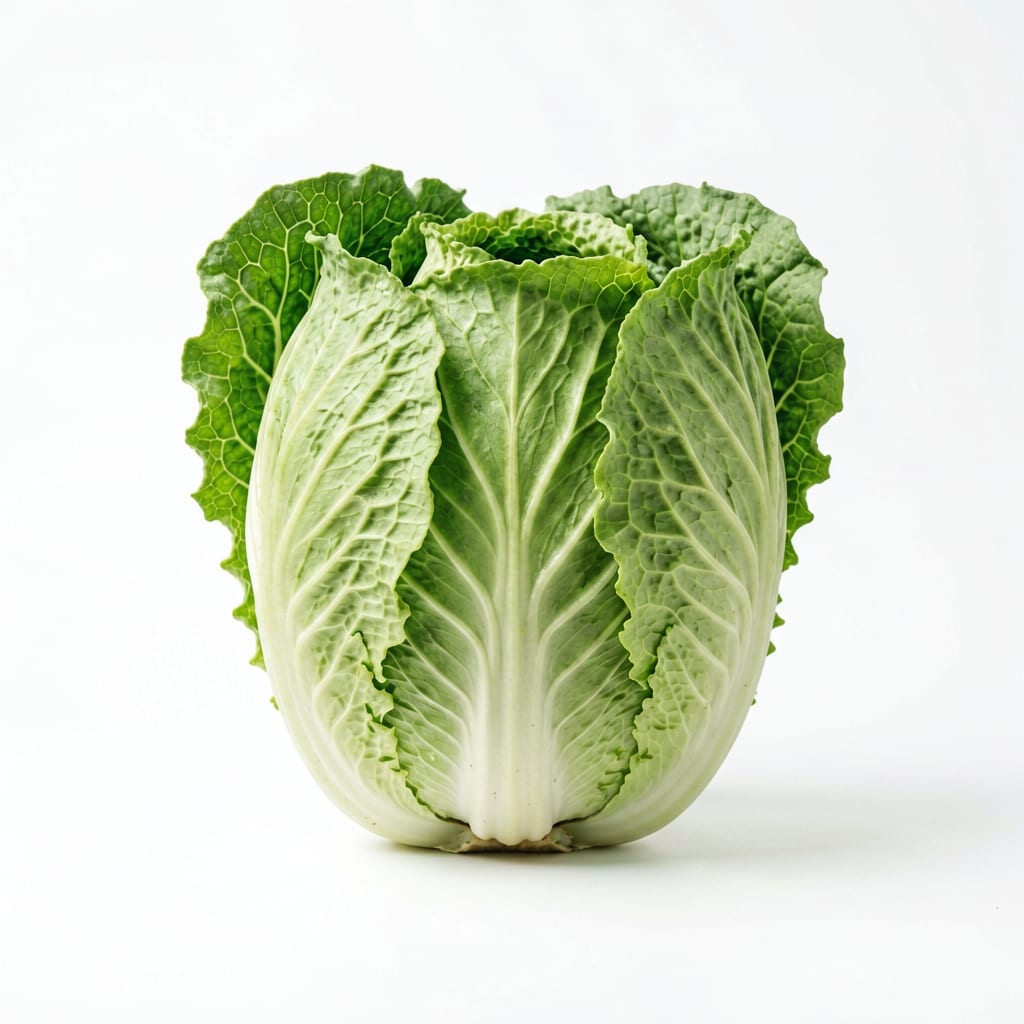
Napa Cabbage
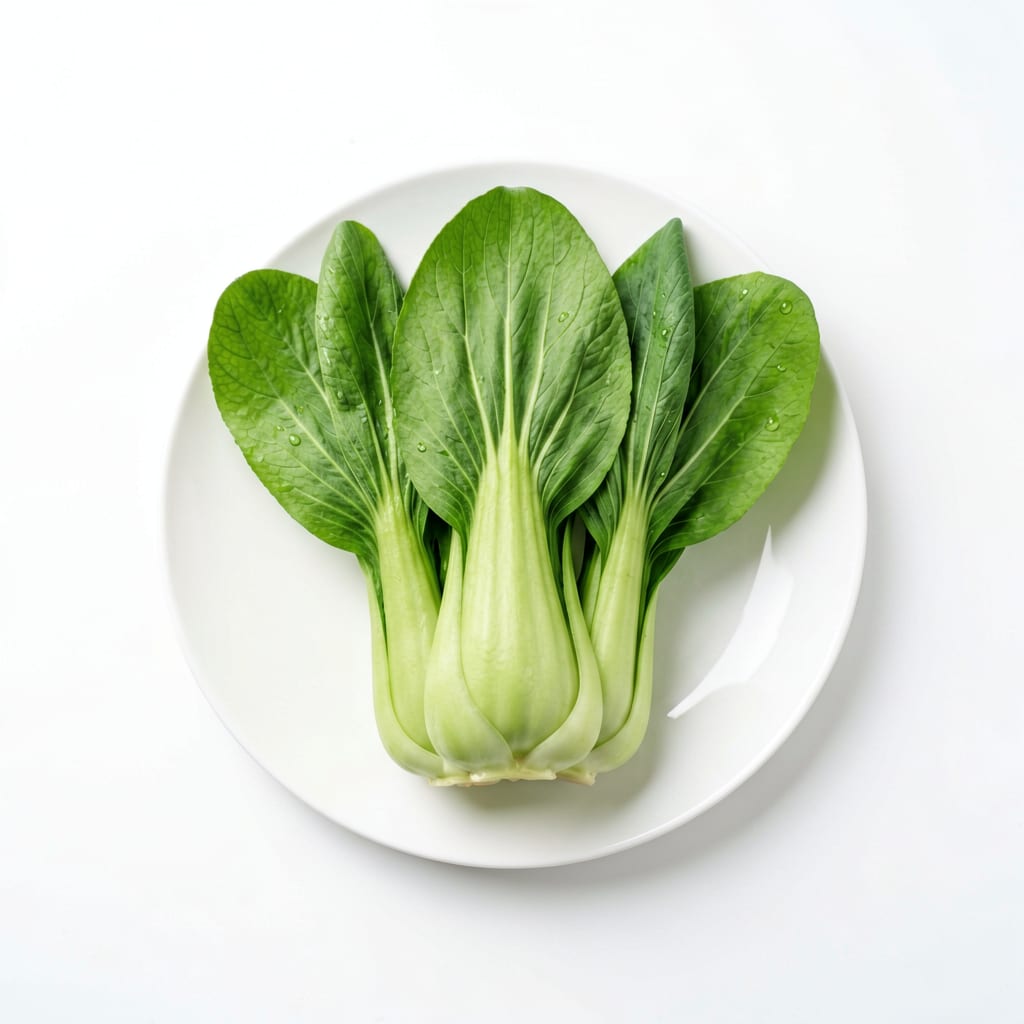
Bok Choy
Bok Choy delivers more nutrients per calorie, especially vitamin A and calcium, while Napa Cabbage offers more culinary flexibility and bulk for less money.
Bok Choy scores higher due to superior micronutrient density, especially vitamin A and calcium. Napa Cabbage stays competitive through versatility, affordability, and culinary adaptability. The gap is moderate because both are excellent low-calorie vegetables.
Nutrient density versus versatility and value — Bok Choy is the micronutrient powerhouse, Napa Cabbage is the workhorse ingredient.
At a glance
Executive summary
Overall
It depends
Healthier
Bok Choy
More practical
Napa Cabbage
Daily use
Napa Cabbage
Key comparison lenses
nutrient density per calorie
Both are extremely low-calorie cruciferous vegetables, so the real question is which packs more nutrition per bite
cooking versatility and culinary role
These vegetables serve different roles in the kitchen — one is a bulk ingredient, the other is a quick-cooking green
bone health mineral support
Bok Choy is notably rich in calcium and vitamin K, making bone health a key differentiator
digestive tolerance and gut friendliness
Both are cruciferous and can cause bloating, but their fiber profiles and cooking behaviors differ
everyday affordability and accessibility
Napa Cabbage is typically cheaper per pound and more widely available year-round
Best choice for
Napa Cabbage
- Budget-conscious meal prep
- Fermented food enthusiasts making kimchi
- Large-batch cooking like soups and stews
- People wanting mild flavor that absorbs seasonings
- Raw salads and slaws
Bok Choy
- Bone health and calcium needs
- Quick stir-fries and weeknight dinners
- Vitamin A and eye health support
- Those eating small portions who need maximum nutrients per bite
- Low-sodium diets needing natural flavor
Least suitable for
Napa Cabbage
- Those needing concentrated calcium from greens
- Quick 2-minute side dishes
- Vitamin A-focused nutrition plans
Bok Choy
- Bulk cooking on a tight budget
- Fermentation projects like kimchi
- Raw slaws where a mild crunch is preferred
Deep comparison
Dimension by dimension
Each lens scores both foods and breaks down who each option suits.
- Dimension 1 · Priority 95Bok Choy
Micronutrient Density
Napa Cabbage · 58Bok Choy · 89Bok Choy delivers significantly more vitamin A, calcium, and potassium per calorie than Napa Cabbage.
Tradeoff
Napa Cabbage provides more folate and vitamin C, but Bok Choy wins on the minerals and beta-carotene that most people lack.
Why it matters
If you are eating greens partly for their vitamin and mineral payload, Bok Choy gives you more per bite — especially calcium for bone health.
Real-world impact
A single cup of cooked Bok Choy covers over 50% of your daily vitamin A needs and provides meaningful calcium. Napa Cabbage would require several cups to match that.
Napa Cabbage
- Folate intake during pregnancy
Better for
- Those relying on greens as a primary calcium source
Worse for
Bok Choy
- Bone health and calcium absorption
- Eye health via beta-carotene
- Blood pressure support through potassium
Better for
- Those specifically seeking high folate from vegetables
Worse for
- Dimension 2 · Priority 88Napa Cabbage
Culinary Versatility
Napa Cabbage · 86Bok Choy · 68Napa Cabbage works raw, fermented, braised, or in soups. Bok Choy is best suited for quick cooking methods.
Tradeoff
Napa Cabbage is a shape-shifter in the kitchen. Bok Choy excels at what it does but has a narrower range.
Why it matters
If you want one vegetable that can star in kimchi, slaw, soup, and stir-fry across the whole week, Napa Cabbage adapts more readily.
Real-world impact
Napa Cabbage can be shredded raw for a crunchy slaw on Monday, fermented into kimchi by Friday, and braised in soup on Sunday. Bok Choy is best sautéed or steamed and eaten within a day or two.
Napa Cabbage
- Meal preppers who cook in large batches
- Home fermenters making kimchi or sauerkraut-style dishes
- Raw salad and slaw preparations
Better for
- Dishes requiring a tender-cook in under 3 minutes
Worse for
Bok Choy
- Quick weeknight stir-fries
- Steamed side dishes with minimal prep
Better for
- Fermentation projects
- Raw crunchy salads
Worse for
- Dimension 3 · Priority 78Napa Cabbage
Digestive Tolerance
Napa Cabbage · 74Bok Choy · 65Napa Cabbage is slightly gentler on digestion due to its higher water content and softer fiber when cooked.
Tradeoff
Both are cruciferous and can cause gas in sensitive people, but Napa Cabbage's texture breaks down more easily with cooking.
Why it matters
If you have IBS or are sensitive to cruciferous vegetables, Napa Cabbage cooked long and slow is usually better tolerated than Bok Choy.
Real-world impact
A long-braised Napa Cabbage dish is less likely to cause bloating than a quick stir-fried Bok Choy, where the fibrous stems may remain partially intact.
Napa Cabbage
- People with sensitive digestion who tolerate well-cooked greens
- Those introducing cruciferous vegetables slowly into their diet
Better for
- Eating large amounts raw may still cause gas
Worse for
Bok Choy
- Those who prefer lightly cooked vegetables and tolerate fiber well
Better for
- Sensitive digesters may find the crisp stems harder to break down
Worse for
- Dimension 4 · Priority 72Napa Cabbage
Value and Accessibility
Napa Cabbage · 88Bok Choy · 62Napa Cabbage is typically cheaper per pound, stores longer, and is more widely available in standard grocery stores.
Tradeoff
You get more edible volume for your dollar with Napa Cabbage, even if Bok Choy delivers more nutrients per gram.
Why it matters
For families or anyone cooking on a budget, Napa Cabbage provides more meals per dollar and keeps longer in the crisper drawer.
Real-world impact
A single large Napa Cabbage head can stretch across 3-4 meals for under $3. Bok Choy often costs more per pound and wilts faster.
Napa Cabbage
- Budget meal planning
- Bulk cooking and batch prep
- Rural areas with limited Asian grocery access
Better for
- Not applicable — Napa Cabbage wins value clearly
Worse for
Bok Choy
- Those who prioritize nutrient quality over quantity
Better for
- Cost-conscious shoppers who need volume
Worse for
- Dimension 5 · Priority 82Bok Choy
Antioxidant and Cancer-Fighting Potential
Napa Cabbage · 66Bok Choy · 84Both contain glucosinolates, but Bok Choy's darker green leaves deliver more beta-carotene and total antioxidant capacity.
Tradeoff
Bok Choy's pigmented leaves signal higher antioxidant content. Napa Cabbage still offers glucosinolates but with less colorful phytochemical diversity.
Why it matters
For long-term disease prevention, the richer antioxidant profile of Bok Choy gives it a meaningful edge.
Real-world impact
Regularly eating Bok Choy contributes more vitamin A antioxidants that protect cells from oxidative damage, supporting immune function and skin health over time.
Napa Cabbage
- Still provides glucosinolates for detoxification support
Better for
- Less antioxidant diversity due to pale color
Worse for
Bok Choy
- Higher beta-carotene for immune and skin health
- Broader spectrum of antioxidant pigments
- Stronger glucosinolate profile per serving
Better for
- Not applicable — Bok Choy wins this dimension
Worse for
Timeline
Health impact over time
Short-term
Hours to days
Napa Cabbage
- Very low calorie intake supports light, non-sluggish meals
- High water content helps hydration
- Raw consumption may cause mild bloating in sensitive individuals
Bok Choy
- Quick nutrient boost, especially vitamin A and calcium, in small servings
- Cruciferous compounds may cause gas if eaten in large quantities raw
- Contributes to feeling satisfied without heaviness
Long-term
Months to years
Napa Cabbage
- Consistent folate intake supports cellular repair and healthy pregnancy
- Glucosinolates contribute to long-term cancer risk reduction
- Very low caloric density supports healthy weight maintenance
Bok Choy
- Superior calcium and vitamin K intake supports bone density over decades
- High beta-carotene intake protects vision and immune function with age
- Regular glucosinolate consumption linked to reduced cancer risk
Risk profile
Safety & processing
Both Napa Cabbage and Bok Choy are whole, unprocessed vegetables typically sold fresh. Neither carries meaningful additive concerns unless purchased pre-cut in bagged mixes with preservatives.
Napa Cabbage
Pesticide residue
mediumNapa Cabbage frequently appears on produce lists with moderate pesticide residue. Washing thoroughly or choosing organic reduces exposure.
Foodborne illness from raw consumption
lowWhen eaten raw in slaws, unwashed Napa Cabbage can carry bacteria. Rinse leaves individually before eating uncooked.
Bok Choy
Pesticide residue
mediumBok Choy's cupped leaves can trap pesticide spray. Soak and rinse thoroughly, especially between the stems and leaves.
Goitrogenic compounds
lowLike all cruciferous vegetables, Bok Choy contains goitrogens that may affect thyroid function if consumed raw in extreme quantities. Cooking largely neutralizes this concern.
Who wins for whom
Audience fit
Same foods, different winners depending on your goal.
children
Napa CabbageNapa Cabbage's milder flavor and softer texture when cooked make it more kid-friendly. It hides easily in soups and noodle dishes without strong vegetable taste.
daily consumption
Napa CabbageNapa Cabbage's affordability, longer storage life, and culinary flexibility make it easier to eat every day without fatigue or budget strain.
diabetes
Bok ChoyBok Choy's slightly higher fiber and mineral content per calorie gives it a small edge for blood sugar stability, though both are excellent very-low-carb choices.
elderly
Bok ChoyBok Choy's superior calcium and vitamin K content directly supports bone health, a critical concern for older adults. Its quick cooking time also suits smaller appetites.
muscle gain
It dependsNeither is a protein source. Bok Choy provides slightly more calcium and potassium which support muscle function, but the difference is minor. Both serve as low-calorie sides alongside protein-rich mains.
weight loss
It dependsBoth are extremely low in calories. Napa Cabbage offers more volume per calorie for larger portions, while Bok Choy provides more satiating nutrients per bite. Choose based on whether you prefer bigger portions or denser nutrition.
Your move
Decision guide
Choose Napa Cabbage
- You cook in large batches and want a vegetable that stretches across multiple meals
- You make kimchi or other fermented foods at home
- You prefer milder flavors that absorb sauces and seasonings
- You are feeding picky eaters or children who resist strong vegetable tastes
- Budget is a primary concern and you need maximum volume per dollar
Choose Bok Choy
- You want maximum vitamins and minerals per calorie, especially calcium and vitamin A
- You typically cook quick stir-fries or steamed sides on weeknights
- Bone health is a priority for you
- You eat smaller portions and want every bite to count nutritionally
- You enjoy the slightly peppery, mustard-like flavor of dark leafy greens
Either works if
- You simply want more cruciferous vegetables in your diet
- You are looking for very-low-calorie meal fillers
- You want glucosinolate benefits for long-term cancer risk reduction
- You are building Asian-inspired dishes and both fit the cuisine
Avoid both if
- You have severe thyroid issues and were advised to limit raw cruciferous vegetables
- You are on a very low-fiber diet for digestive recovery
- You have a known cruciferous allergy or sensitivity
Final recommendation
Keep both in rotation. Bok Choy is your nutrient-dense quick-cook green for stir-fries and side dishes. Napa Cabbage is your versatile bulk ingredient for soups, slaws, and fermentation. If you must pick one, choose Bok Choy for maximum health payoff per bite, or Napa Cabbage for everyday practicality and value.
Practical
Consumer tips
- 1
Soak Bok Choy leaves in cold water for 5 minutes before cooking to release trapped dirt and reduce pesticide residue
- 2
Choose Napa Cabbage heads that feel heavy for their size with crisp, tightly packed leaves — lighter heads may be dried out
- 3
Store both vegetables unwashed in a loosely closed bag in the crisper drawer; Napa Cabbage keeps up to 2 weeks, Bok Choy about 5-7 days
- 4
If Bok Choy wilts before you use it, trim the bases and stand them in water for 30 minutes to revive crispness
- 5
Freeze Napa Cabbage leaves flat on a sheet pan before bagging for later use in soups — texture changes but flavor holds well
- 6
Buy organic for either vegetable if possible, especially Bok Choy, since the leaf structure traps more spray residue