
Nutrition comparison
Napa Cabbage vs Savoy Cabbage: Nutrition, Digestion, and Best Uses
Compare Napa Cabbage vs Savoy Cabbage to find out which is better for digestion, cooking, and nutrients. Learn the key differences between these two healthy cabbages.
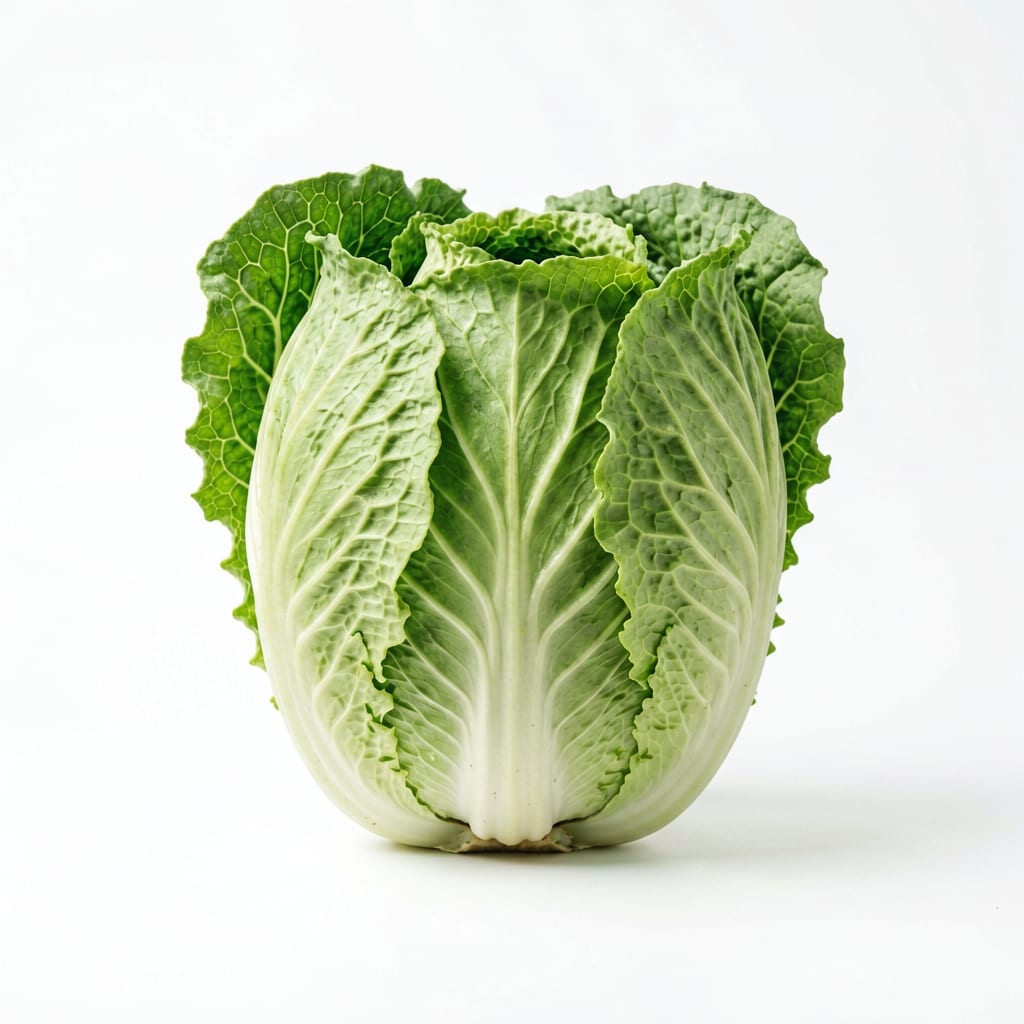
Napa Cabbage
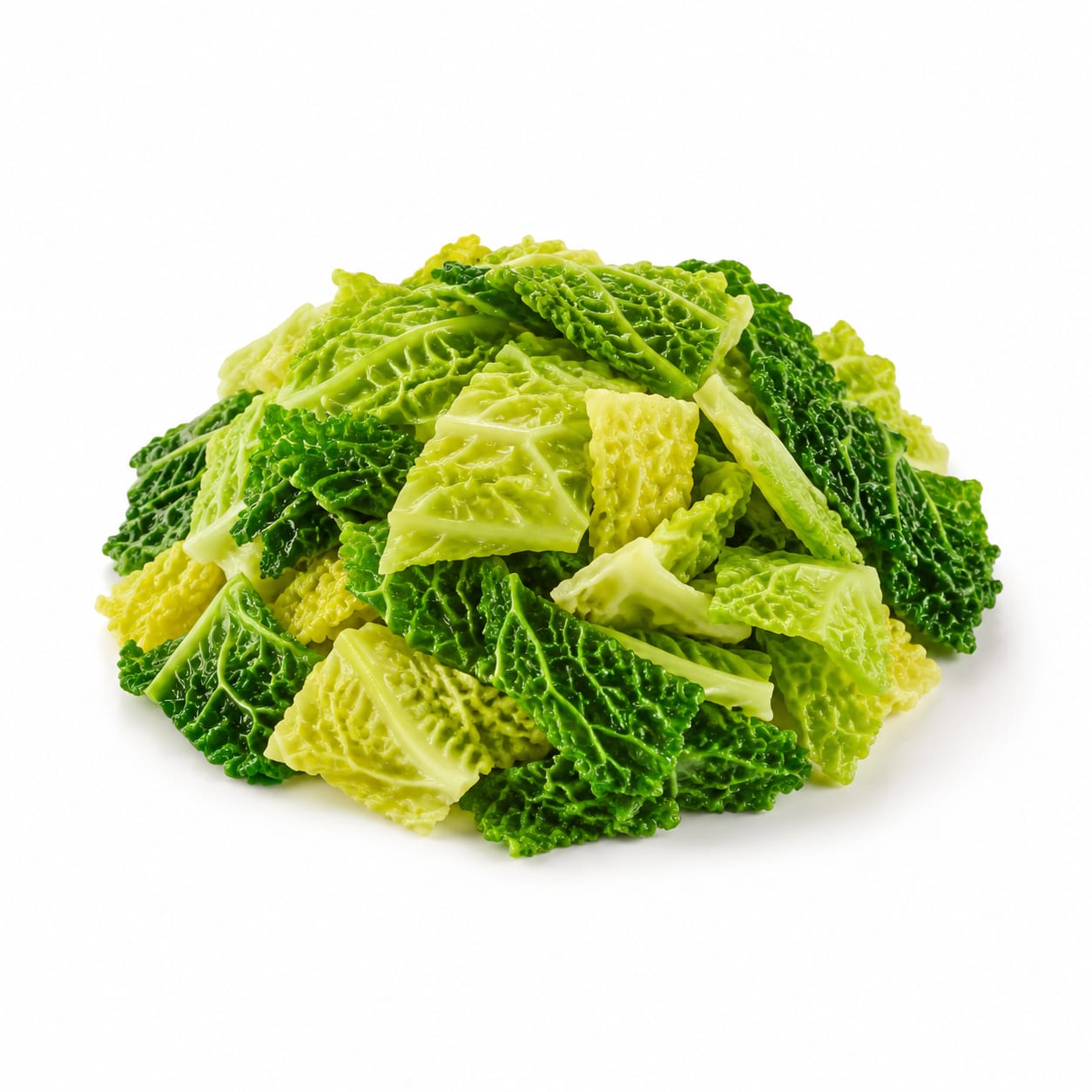
Savoy Cabbage
Choose Savoy Cabbage for stews, soups, and higher nutrient density; choose Napa Cabbage for stir-fries, slaws, and gentler digestion.
Savoy Cabbage edges ahead slightly due to higher nutrient density and fiber, but Napa Cabbage remains excellent for quick cooking and raw dishes, making them highly complementary rather than strictly competitive.
Robust flavor and higher antioxidants in Savoy Cabbage versus the tender, mild, and faster-cooking nature of Napa Cabbage.
At a glance
Executive summary
Overall
It depends
Healthier
Savoy Cabbage
More practical
Napa Cabbage
Daily use
It depends
Key comparison lenses
Culinary application and texture preference
The two cabbages behave very differently in cooking; Napa Cabbage wilts fast while Savoy Cabbage holds its shape, making them suited for entirely different dishes.
Digestive comfort and raw consumption
Napa Cabbage is much softer and significantly easier to eat raw or lightly cooked than the denser, tougher Savoy Cabbage.
Nutrient density and antioxidant intake
Savoy Cabbage has darker, crinkly leaves that pack more vitamins A and K compared to the paler Napa Cabbage.
Best choice for
Napa Cabbage
- Quick stir-fries
- Raw salads and slaws
- People with sensitive stomachs
- Making homemade kimchi
Savoy Cabbage
- Hearty soups and stews
- Maximizing vitamin intake
- Braising and roasting
- Filling, high-fiber meals
Least suitable for
Napa Cabbage
- Long-simmering soups where you want texture retention
- High-fiber diet needs
Savoy Cabbage
- Delicate raw salads
- Quick 5-minute cooking
Deep comparison
Dimension by dimension
Each lens scores both foods and breaks down who each option suits.
- Dimension 1 · Priority 85Savoy Cabbage
Nutrient Density & Antioxidants
Napa Cabbage · 70Savoy Cabbage · 88Savoy Cabbage delivers more vitamins A, C, and K per cup due to its darker, pigment-rich leaves.
Tradeoff
You get more antioxidants with Savoy Cabbage, but Napa Cabbage provides slightly more hydration and folate.
Why it matters
Darker leafy greens generally offer more protective compounds for long-term cellular health.
Real-world impact
Eating Savoy Cabbage regularly gives your immune system and bones a slightly bigger nutritional boost.
Napa Cabbage
- Hydration and folate intake
Better for
- Maximizing vitamin density per calorie
Worse for
Savoy Cabbage
- Vitamin K and beta-carotene intake
- Antioxidant protection
Better for
- Getting a quick folate boost
Worse for
- Dimension 2 · Priority 80Napa Cabbage
Digestive Tolerance & Gentleness
Napa Cabbage · 90Savoy Cabbage · 72Napa Cabbage is softer, less fibrous, and significantly easier to digest, especially when eaten raw.
Tradeoff
Napa Cabbage is gentler on the stomach, while Savoy Cabbage's tougher fiber can cause bloating if you aren't used to cruciferous vegetables.
Why it matters
Cruciferous vegetables are notorious for causing gas; choosing the right one can prevent afternoon discomfort.
Real-world impact
If raw salads usually make you bloated, Napa Cabbage is a much safer bet for your lunch bowl.
Napa Cabbage
- Sensitive stomachs
- Raw consumption
- Easier digestion
Better for
- Providing roughage to stimulate digestion
Worse for
Savoy Cabbage
- Feeding gut microbiome with resistant fiber
Better for
- Comfortable raw eating
- Irritable bowel syndrome friendly meals
Worse for
- Dimension 3 · Priority 90It depends
Cooking Versatility & Texture
Napa Cabbage · 85Savoy Cabbage · 85Napa Cabbage excels in fast, high-heat cooking and raw prep, while Savoy Cabbage shines in slow, low-heat dishes.
Tradeoff
Napa Cabbage wilts down instantly for quick weeknight meals, whereas Savoy Cabbage holds its satisfying bite during long simmers.
Why it matters
Texture dictates the dish; using the wrong cabbage can ruin a soup or a stir-fry.
Real-world impact
Use Napa Cabbage for a 5-minute garlic stir-fry, and Savoy Cabbage for a 45-minute winter braise.
Napa Cabbage
- Stir-fries
- Steamed wraps
- Quick slaws
Better for
- Dishes requiring structural integrity over long cooking
Worse for
Savoy Cabbage
- Hearty soups
- Braised dishes
- Stuffed cabbage rolls
Better for
- Fast weeknight cooking where quick tenderness is needed
Worse for
- Dimension 4 · Priority 75Savoy Cabbage
Satiety & Fiber
Napa Cabbage · 68Savoy Cabbage · 85Savoy Cabbage is denser and packs more fiber per serving, keeping you full longer.
Tradeoff
Savoy Cabbage offers more staying power, while Napa Cabbage is lighter and less filling.
Why it matters
Higher fiber meals prevent snacking and stabilize blood sugar over the afternoon.
Real-world impact
A Savoy Cabbage side dish will keep you full until dinner; a Napa Cabbage salad might leave you hungry an hour later.
Napa Cabbage
- Light, refreshing meals
Better for
- Staying full for hours
Worse for
Savoy Cabbage
- Sustained fullness
- Weight management
- Blood sugar stability
Better for
- Eating a light pre-workout meal
Worse for
Timeline
Health impact over time
Short-term
Hours to days
Napa Cabbage
- Quick hydration due to high water content
- Gentle on the digestive tract
- Fast-cooking energy-sustaining meals
Savoy Cabbage
- Immediate fullness from dense fiber
- Potential gas or bloating if eaten raw in large amounts
- Steadier blood sugar after meals
Long-term
Months to years
Napa Cabbage
- Consistent gentle fiber intake supports regularity
- Lower antioxidant exposure compared to darker greens
Savoy Cabbage
- Higher antioxidant intake supports cellular health
- Robust fiber supports a diverse gut microbiome
- Vitamin K supports long-term bone density
Risk profile
Safety & processing
Both Napa Cabbage and Savoy Cabbage are whole, unprocessed vegetables with no artificial additives when bought fresh.
Napa Cabbage
Pesticide residue
mediumNapa Cabbage often appears on the Dirty Dozen list due to pesticide retention in its tightly wrapped leaves; buying organic is a smart choice.
Savoy Cabbage
Pesticide residue
mediumSavoy Cabbage's crinkly leaves can trap pests and pesticides, requiring thorough washing, though it is generally less notorious than Napa Cabbage.
Who wins for whom
Audience fit
Same foods, different winners depending on your goal.
children
Napa CabbageNapa Cabbage is milder, sweeter, and much softer, making it far easier for kids to chew and enjoy without complaint.
daily consumption
It dependsRotating both is ideal; Napa Cabbage for lighter meals and Savoy Cabbage for nutrient-dense, hearty dishes.
diabetes
Savoy CabbageSavoy Cabbage's denser fiber slows glucose absorption more effectively than the watery composition of Napa Cabbage.
elderly
Napa CabbageThe tender texture of Napa Cabbage is easier to chew and gentler on aging digestive systems.
muscle gain
It dependsNeither is a significant protein source, but both add volume and micronutrients to muscle-building meals without adding excess calories.
weight loss
Savoy CabbageSavoy Cabbage's higher fiber and lower water content provide more satiety per calorie, helping control overall intake.
Your move
Decision guide
Choose Napa Cabbage
- You want a mild, sweet flavor for raw salads or slaws.
- You are making a quick stir-fry or Asian-inspired soup.
- You have a sensitive stomach or struggle with cruciferous vegetables.
- You are making homemade kimchi.
Choose Savoy Cabbage
- You are making a long-simmering stew, braise, or soup.
- You want to maximize your vitamin K and antioxidant intake.
- You need a sturdy leaf for cabbage rolls.
- You want a more filling, high-fiber side dish.
Either works if
- You just need a nutritious green vegetable for a general weeknight dinner.
- You are making a blended green smoothie where texture differences disappear.
Avoid both if
- You are on a strict low-FODMAP diet and are highly sensitive to cruciferous vegetables.
Final recommendation
Keep both in your kitchen rotation. Use Napa Cabbage when you need speed, tenderness, or a raw crunch, and lean on Savoy Cabbage when you want robust texture, deeper flavor, and a heavier nutrient punch.
Practical
Consumer tips
- 1
For Napa Cabbage, buy organic when possible, as it frequently retains higher pesticide levels.
- 2
Wash Savoy Cabbage thoroughly by separating the crinkly leaves to remove hidden dirt and pests.
- 3
Napa Cabbage wilts down to almost nothing in a pan—use more raw volume than you think you need.
- 4
Savoy Cabbage leaves peel off easily whole, making them perfect for stuffing with meats or grains.