
Nutrition comparison
Napa Cabbage vs Zucchini: Which Low-Calorie Vegetable Is Better for You?
Compare napa cabbage and zucchini on nutrition, digestion, weight loss, and cooking versatility. Find out which vegetable fits your health goals and kitchen routine.
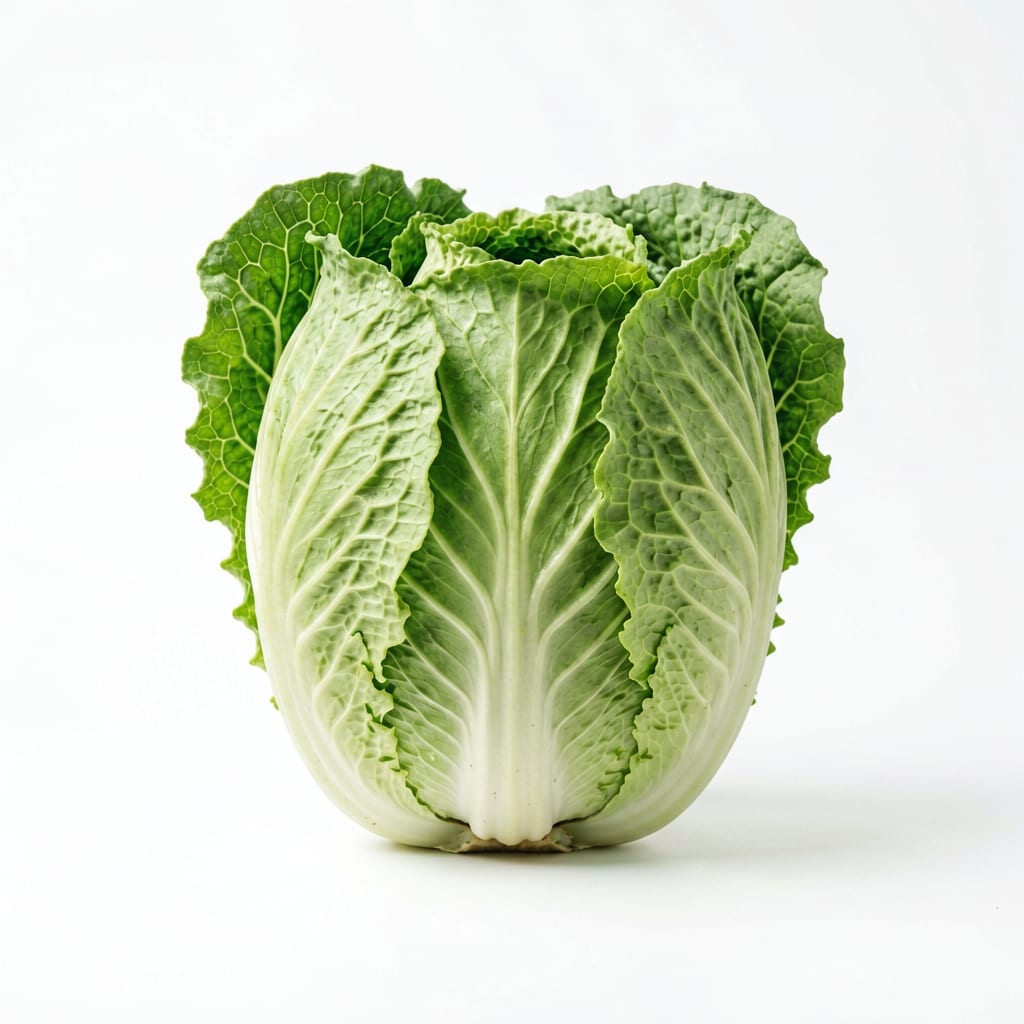
Napa Cabbage
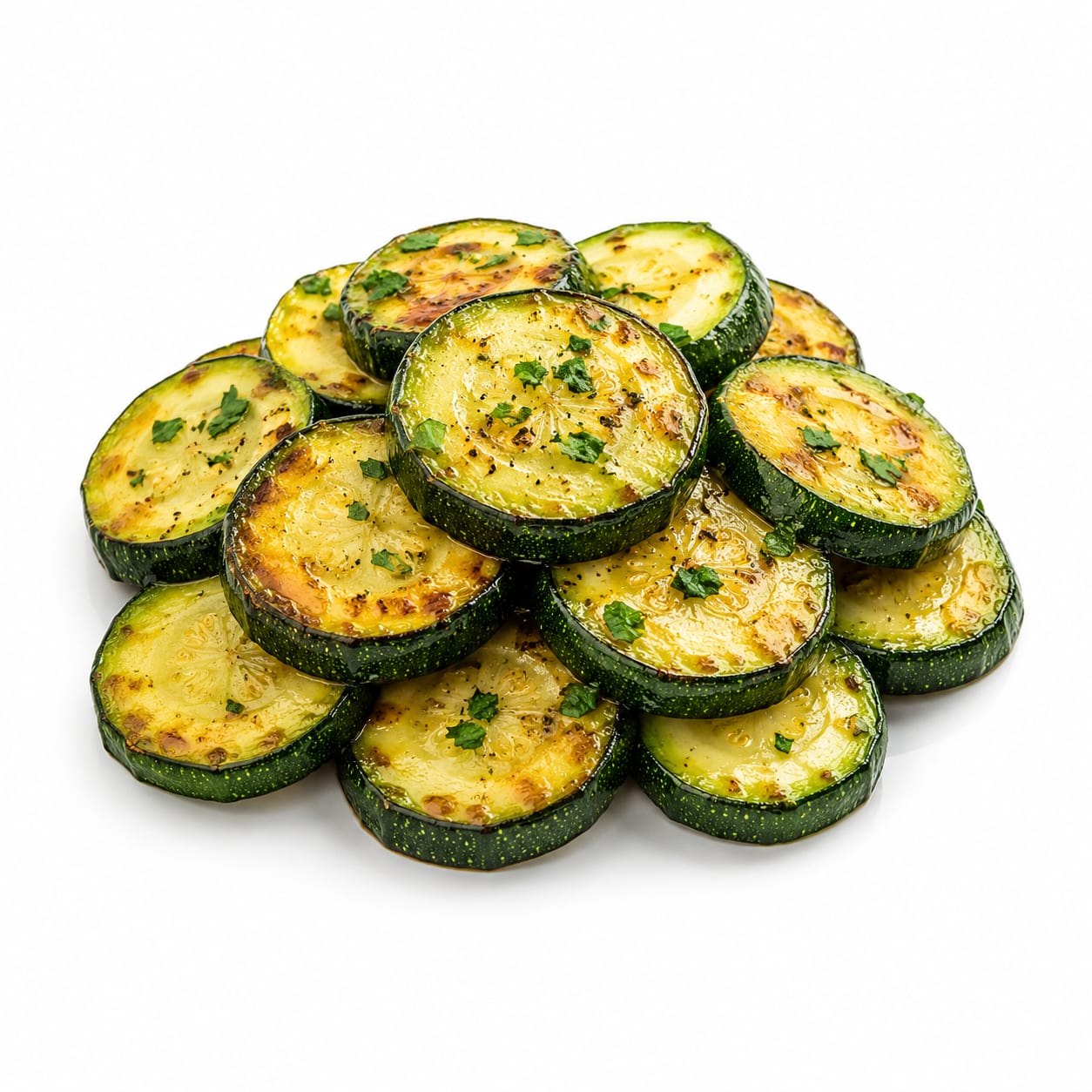
Zucchini
Napa cabbage wins on nutrient density and disease-fighting compounds, while zucchini wins on culinary flexibility and digestive gentleness.
Napa cabbage scores slightly higher due to superior micronutrient density and unique glucosinolate compounds, but zucchini stays competitive thanks to unmatched versatility and broader digestive tolerance. The close scores reflect that both are excellent choices with different strengths.
Cruciferous cancer-fighting power versus kitchen versatility and stomach-friendly simplicity.
At a glance
Executive summary
Overall
It depends
Healthier
Napa Cabbage
More practical
Zucchini
Daily use
It depends
Key comparison lenses
nutrient density per calorie
Both are ultra-low-calorie vegetables, so users want to know which delivers more nutrition per bite
gut health and digestion
Napa cabbage offers prebiotic fiber and fermentation potential while zucchini is gentler on sensitive stomachs
culinary versatility and meal integration
Zucchini can be spiralized, grilled, baked, or riced while napa cabbage shines in soups, stir-fries, and ferments
weight management effectiveness
Both are diet staples but satiety mechanisms differ significantly
antioxidant and disease prevention
Napa cabbage contains glucosinolates unique to cruciferous vegetables that zucchini lacks
Best choice for
Napa Cabbage
- People seeking maximum micronutrients per calorie
- Anyone wanting cruciferous vegetable benefits without the toughness of kale or broccoli
- Fermentation enthusiasts making kimchi or sauerkraut
- Those prioritizing vitamin K and immune-supporting vitamin C
- Cooking Asian-inspired dishes where napa cabbage is foundational
Zucchini
- People with sensitive digestion who find cruciferous vegetables bloating
- Home cooks wanting a versatile low-carb substitute for pasta or rice
- Anyone meal-prepping since zucchini stores and reheats well
- Parents sneaking vegetables into family meals
- Those who want a mild-flavored vegetable that absorbs seasonings
Least suitable for
Napa Cabbage
- People on blood thinners who must limit vitamin K intake
- Those with severe IBS who react to cruciferous vegetables
- Anyone wanting a neutral-tasting vegetable that disappears in dishes
Zucchini
- People seeking high vitamin K or glucosinolate intake
- Those wanting a vegetable with assertive nutritional character
- Anyone looking for fermentation-friendly produce
Deep comparison
Dimension by dimension
Each lens scores both foods and breaks down who each option suits.
- Dimension 1 · Priority 92Napa Cabbage
micronutrient_density
Napa Cabbage · 82Zucchini · 58Napa cabbage delivers significantly more vitamin K, vitamin C, and folate per calorie than zucchini.
Tradeoff
You get more vitamins with napa cabbage but less potassium and magnesium than zucchini offers.
Why it matters
When eating very low-calorie foods, maximizing the nutrients per bite becomes the whole point.
Real-world impact
A single cup of napa cabbage covers roughly half your daily vitamin K needs, while zucchini covers closer to 5%.
Napa Cabbage
- Vitamin K needs for bone and blood health
- Vitamin C for immune support
- Folate intake during pregnancy
Better for
- Potassium intake compared to zucchini
Worse for
Zucchini
- Potassium for blood pressure regulation
- Magnesium for muscle and nerve function
Better for
- Overall vitamin density per calorie
Worse for
- Dimension 2 · Priority 85Zucchini
digestive_tolerance
Napa Cabbage · 55Zucchini · 85Zucchini is significantly gentler on the digestive system, especially for those prone to bloating.
Tradeoff
Napa cabbage offers more gut-loving fiber and fermentation benefits but can trigger gas in sensitive people.
Why it matters
The healthiest vegetable only works if your body actually tolerates it comfortably.
Real-world impact
People with IBS often enjoy zucchini without issues but experience bloating from napa cabbage due to its cruciferous fiber.
Napa Cabbage
- Feeding beneficial gut bacteria through prebiotic fiber
- Supporting microbiome diversity when fermented as kimchi
Better for
- FODMAP-sensitive individuals
- People prone to cruciferous gas and bloating
Worse for
Zucchini
- Sensitive stomachs and IBS flare-ups
- Post-surgical or recovery diets requiring gentle foods
- Introducing vegetables to people with low fiber tolerance
Better for
- Those wanting maximum prebiotic fiber intake
Worse for
- Dimension 3 · Priority 80Zucchini
culinary_versatility
Napa Cabbage · 62Zucchini · 88Zucchini transforms into noodles, rice, boats, and baked goods, while napa cabbage has a narrower culinary range.
Tradeoff
Zucchini adapts to virtually any cuisine or diet style, but napa cabbage delivers more authentic flavor in specific dishes.
Why it matters
A vegetable you can cook ten ways gets eaten far more often than one with two uses.
Real-world impact
Zucchini noodles let pasta lovers cut carbs effortlessly; napa cabbage mainly shines in soups, stir-fries, and wraps.
Napa Cabbage
- Asian soups and hot pot dishes
- Fresh wraps and spring rolls
- Fermented condiments and kimchi
Better for
- Raw salad applications beyond Asian-style slaws
- Low-carb pasta replacement
Worse for
Zucchini
- Low-carb pasta alternatives
- Grilled or roasted side dishes
- Baking into muffins or breads
- Riced as a grain substitute
Better for
- Authentic Asian cuisine where napa cabbage is irreplaceable
Worse for
- Dimension 4 · Priority 78Napa Cabbage
disease_fighting_compounds
Napa Cabbage · 85Zucchini · 50Napa cabbage contains glucosinolates and isothiocyanates linked to cancer prevention, which zucchini simply lacks.
Tradeoff
These powerful compounds come with the digestive challenges common to cruciferous vegetables.
Why it matters
Long-term disease prevention is the hidden payoff of regularly eating cruciferous vegetables.
Real-world impact
Populations eating more cruciferous vegetables like napa cabbage show lower rates of certain cancers in large studies.
Napa Cabbage
- Glucosinolate-derived cancer-fighting compounds
- Anti-inflammatory isothiocyanates
- Cruciferous vegetable benefits without the bitterness of kale
Better for
- People who cannot tolerate cruciferous compounds
Worse for
Zucchini
- Carotenoid antioxidants like lutein in the skin
Better for
- Anyone specifically seeking glucosinolate benefits
Worse for
- Dimension 5 · Priority 75Napa Cabbage
satiety_and_weight_management
Napa Cabbage · 72Zucchini · 65Napa cabbage fills you up slightly more per calorie thanks to its crunch and higher fiber density.
Tradeoff
Zucchini cooks down dramatically, meaning a large raw zucchini becomes a small portion when cooked.
Why it matters
Volume eating works best when the food maintains its bulk through the eating experience.
Real-world impact
A big napa cabbage salad stays voluminous and satisfying, while cooked zucchini vanishes on the plate.
Napa Cabbage
- Raw salads where volume and crunch matter
- Meals where you want physical fullness with minimal calories
Better for
- Cooked applications where it wilts significantly
Worse for
Zucchini
- Cooked dishes where you want the vegetable to blend in
- Sneaking nutrition into smoothies or baked goods
Better for
- Raw preparations where wateriness is unappealing
Worse for
- Dimension 6 · Priority 60Zucchini
hydration_and_lightness
Napa Cabbage · 70Zucchini · 78Both are over 95% water, but zucchini feels lighter and more refreshing, especially when eaten raw.
Tradeoff
Extreme lightness means neither food provides lasting energy on its own.
Why it matters
Hot weather and post-workout meals benefit from water-rich foods that hydrate while they nourish.
Real-world impact
Raw zucchini sticks feel like a refreshing snack on a summer afternoon; napa cabbage feels more like a salad base.
Napa Cabbage
- Soups where the broth carries hydration
- Hot pot and stew applications
Better for
- Casual raw snacking
Worse for
Zucchini
- Raw snacking with dip
- Light summer meals
- Post-workout hydration snacks
Better for
- Hearty winter meals
Worse for
Timeline
Health impact over time
Short-term
Hours to days
Napa Cabbage
- May cause gas or bloating within hours if you are sensitive to cruciferous fiber
- Vitamin K can temporarily affect blood clotting if you are on warfarin
- High water content supports immediate hydration
Zucchini
- Very gentle on the stomach with minimal bloating risk
- Mild diuretic effect from potassium content
- Quick-digesting, making it suitable before or after workouts
Long-term
Months to years
Napa Cabbage
- Regular cruciferous intake associated with lower cancer risk in large population studies
- Consistent vitamin K intake supports bone density over decades
- Fermented forms like kimchi add probiotic benefits for gut microbiome diversity
Zucchini
- Sustained potassium intake supports healthy blood pressure long-term
- Lutein from the skin contributes to eye health with regular consumption
- Easy digestibility makes it sustainable for people who abandon harder-to-digest vegetables
Risk profile
Safety & processing
Both vegetables are whole foods typically eaten in their natural state. Napa cabbage sometimes appears in fermented products with added salt, but fresh napa cabbage and fresh zucchini are equally clean choices.
Napa Cabbage
Pesticide residue on outer leaves
mediumThe layered leaves can trap pesticides. Discard the outermost leaves and wash thoroughly, or choose organic.
Bacterial contamination in raw preparations
lowLike all leafy greens, napa cabbage can harbor bacteria in its crevices. Wash each leaf individually for raw use.
Zucchini
Bitter tasting cucurbitacins in rare cases
mediumOccasionally zucchini develops toxic cucurbitacins that cause extreme bitterness. If it tastes unusually bitter, spit it out immediately and discard.
Pesticide residue on skin
lowZucchini skin can carry pesticide residue. Peeling removes most of it but also removes lutein and fiber.
Who wins for whom
Audience fit
Same foods, different winners depending on your goal.
children
ZucchiniZucchini's mild flavor and ability to hide in pasta, muffins, and smoothies makes it far easier to feed to picky eaters.
daily consumption
It dependsZucchini is easier to eat daily without digestive issues, but napa cabbage provides more cumulative disease-fighting benefits if tolerated well.
diabetes
Napa CabbageBoth have negligible impact on blood sugar, but napa cabbage's slightly higher fiber content provides marginally better glycemic stability.
elderly
ZucchiniZucchini is softer when cooked and gentler on aging digestive systems that may struggle with cruciferous vegetables.
muscle gain
It dependsNeither is a muscle-building food. Zucchini pairs better with protein dishes due to its neutral flavor, while napa cabbage offers slightly more vitamin C which supports collagen and tissue repair.
weight loss
Napa CabbageNapa cabbage provides more nutrients and slightly more satiety per calorie, making calorie restriction feel less depriving.
Your move
Decision guide
Choose Napa Cabbage
- You want maximum nutritional payoff from every calorie you eat
- You enjoy or want to explore Asian cooking and fermentation
- Your digestion handles cruciferous vegetables without discomfort
- You are focused on cancer-prevention dietary patterns
- You need more vitamin K in your diet
Choose Zucchini
- You have a sensitive stomach or IBS and need gentle foods
- You want a low-carb pasta or rice substitute that actually works
- You are feeding a family with picky eaters
- You meal-prep and need a vegetable that stores and reheats well
- You want a vegetable that disappears into smoothies, bakes, and sauces
Either works if
- You simply want more vegetables in your diet regardless of type
- You are bulking up soups and stews where both work well
- You are counting calories and both fit easily
- You rotate vegetables weekly for microbiome diversity
Avoid both if
- You need calorie-dense foods for weight gain or recovery
- You are looking for significant protein or fat intake from vegetables
- You have a severe oral allergy syndrome triggered by raw vegetables
Final recommendation
Eat both regularly since they complement each other perfectly. Use napa cabbage when you want nutrient density and cruciferous benefits, and zucchini when you need versatility and digestive comfort. If forced to pick one for daily use, choose zucchini for sustainability and napa cabbage for maximum health impact.
Practical
Consumer tips
- 1
Remove the outermost leaves of napa cabbage to reduce pesticide exposure while keeping most of the nutrients
- 2
If zucchini tastes unusually bitter, discard it immediately as this signals toxic cucurbitacins
- 3
Try fermenting napa cabbage into homemade kimchi for probiotic benefits that zucchini cannot replicate
- 4
Leave zucchini skin on for maximum lutein and fiber, but choose organic if you eat the skin regularly
- 5
Shred zucchini into muffins or oatmeal for invisible nutrition that even picky eaters will not notice
- 6
Napa cabbage wilts fast in the fridge, so use it within 3 to 4 days for best texture and nutrition
- 7
Zucchini noodles are best salted and patted dry before saucing to avoid watery dishes