
Nutrition comparison
Napa Cabbage vs Spinach: Nutrient Density, Oxalates, and Best Uses
Compare Napa Cabbage and Spinach to find out which green is better for kidney health, mineral absorption, and cooking. Learn the real tradeoffs between oxalates and nutrient density.
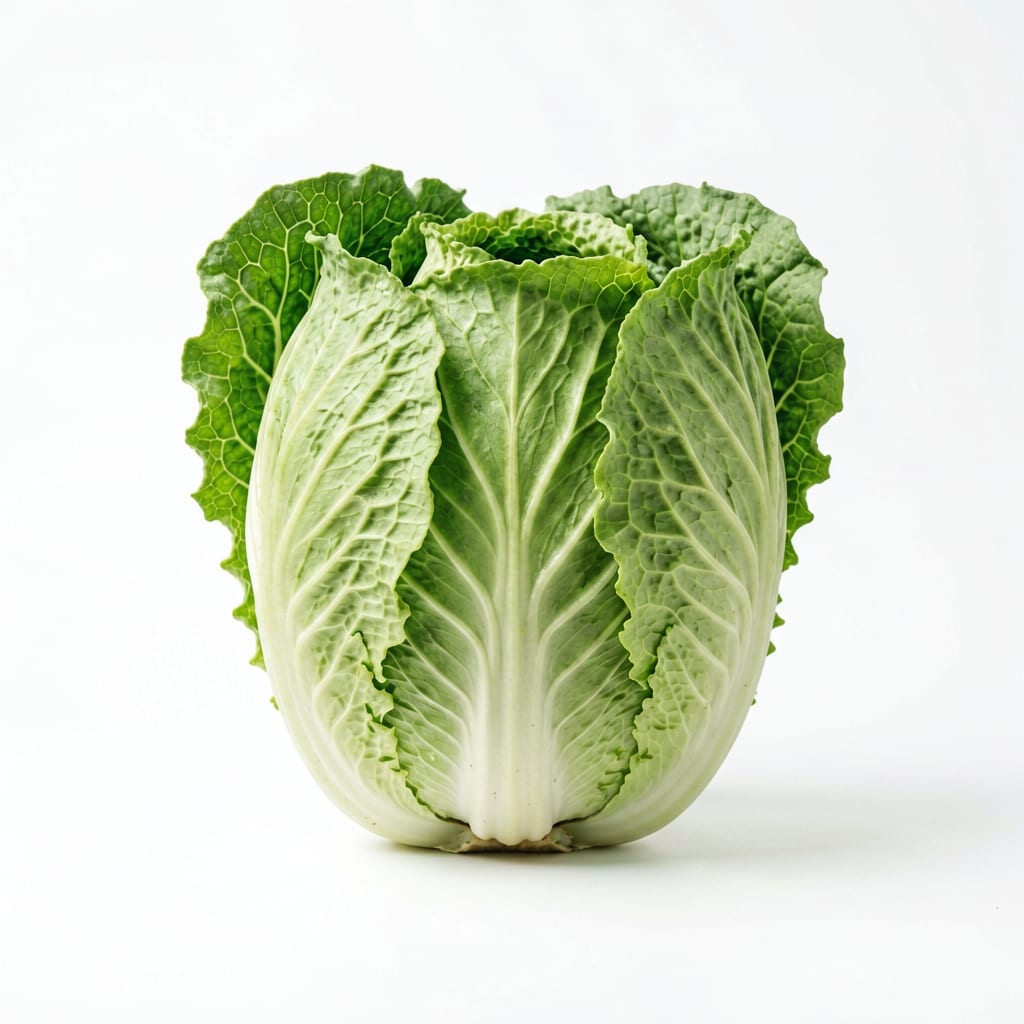
Napa Cabbage
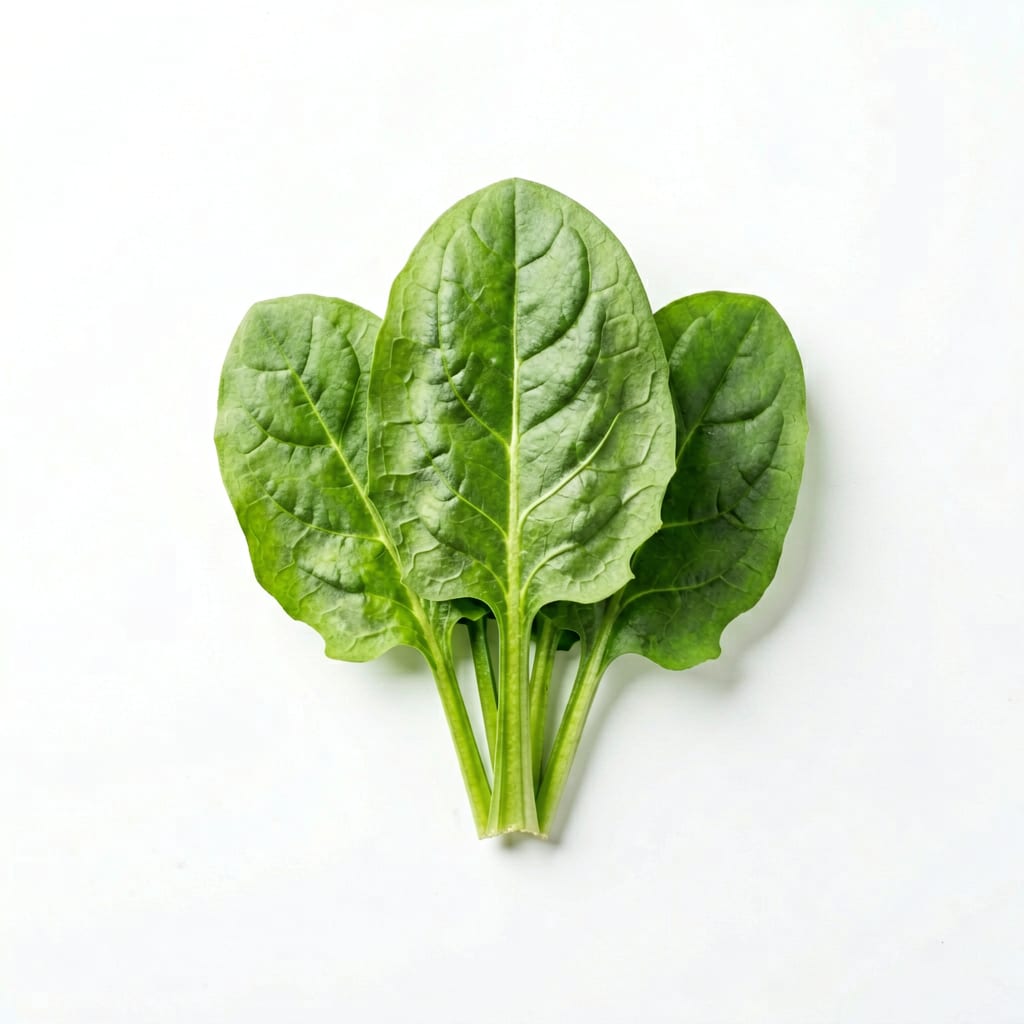
Spinach
Spinach delivers a heavier punch of vitamins and minerals per bite, but Napa Cabbage is far gentler on your kidneys and allows your body to actually absorb the minerals you eat.
Spinach scores slightly higher overall due to its exceptional vitamin and mineral density, but Napa Cabbage stays highly competitive because its nutrients are more bioavailable and it carries zero kidney stone risk.
Maximum micronutrient density versus low oxalate risk and better real-world mineral absorption.
At a glance
Executive summary
Overall
It depends
Healthier
It depends
More practical
Spinach
Daily use
Napa Cabbage
Key comparison lenses
Nutrient density versus anti-nutrient load
Spinach is famously nutrient-dense but high in oxalates, which block mineral absorption, while Napa Cabbage offers gentler nutrition with far fewer anti-nutrients.
Kidney stone risk and mineral absorption
Oxalates in Spinach are a major concern for kidney stones and calcium uptake, making Napa Cabbage a safer everyday choice for susceptible individuals.
Volume eating and satiety
Both are incredibly low in calories, but Napa Cabbage provides a satisfying crunch and bulk that works beautifully in large meals.
Culinary versatility and cooking behavior
Spinach wilts down dramatically and works raw or cooked, while Napa Cabbage holds its texture, making it ideal for soups, stir-fries, and fermented dishes like kimchi.
Best choice for
Napa Cabbage
- People prone to calcium oxalate kidney stones
- Anyone needing reliable calcium and iron absorption
- Those who prefer volume eating with a satisfying crunch
- Individuals with sensitive stomachs who struggle with raw greens
Spinach
- People needing a concentrated boost in iron, folate, and magnesium
- Salad lovers looking for tender, leafy greens
- Those seeking maximum vitamin K for bone health
- Anyone wanting a green that melts easily into smoothies or eggs
Least suitable for
Napa Cabbage
- People trying to maximize nutrient intake in very small portions
- Those looking for a quick-cooking green that wilts down fast
Spinach
- Anyone with a history of kidney stones
- People concerned about mineral absorption interference from oxalates
Deep comparison
Dimension by dimension
Each lens scores both foods and breaks down who each option suits.
- Dimension 1 · Priority 95Spinach
Micronutrient Density
Napa Cabbage · 65Spinach · 92Spinach is a nutritional powerhouse, offering significantly more iron, folate, magnesium, and vitamin K per serving than Napa Cabbage.
Tradeoff
You get more raw nutrients in Spinach, but the high oxalate content means your body absorbs far less of the iron and calcium than the label suggests.
Why it matters
Eating nutrients only matters if you absorb them; Spinach looks better on paper but delivers less usable calcium and iron than Napa Cabbage.
Real-world impact
If you are relying on greens to fix an iron deficiency, pairing Spinach with vitamin C helps, but Napa Cabbage gives you a more honest, absorbable nutrient profile.
Napa Cabbage
- Bioavailable calcium intake
- Predictable nutrient absorption
Better for
- Total vitamin and mineral volume per serving
Worse for
Spinach
- Raw folate and magnesium intake
- Vitamin K density
Better for
- Actual absorbed iron and calcium due to oxalates
Worse for
- Dimension 2 · Priority 90Napa Cabbage
Kidney Health & Oxalate Load
Napa Cabbage · 95Spinach · 30Napa Cabbage is extremely low in oxalates, making it incredibly safe for your kidneys, whereas Spinach is one of the highest-oxalate foods you can eat.
Tradeoff
Choosing Spinach means accepting a significant oxalate load, which can crystallize in the body and form painful kidney stones in susceptible people.
Why it matters
If you have ever had a kidney stone, Spinach is one of the worst foods you can eat, while Napa Cabbage is a safe, worry-free alternative.
Real-world impact
Eating Spinach daily can drastically increase kidney stone risk for prone individuals, while Napa Cabbage can be eaten freely without concern.
Napa Cabbage
- Preventing calcium oxalate kidney stones
- Long-term renal safety
- Unrestricted daily consumption
Better for
Spinach
- Kidney stone formation
- Mineral crystallization in urine
Worse for
- Dimension 3 · Priority 75Napa Cabbage
Digestive Tolerance
Napa Cabbage · 85Spinach · 65Napa Cabbage is gentle on the digestive tract and easier to break down, while raw Spinach can cause bloating or stomach upset due to its tough fiber and oxalate content.
Tradeoff
Spinach offers slightly more fiber per serving, but Napa Cabbage is less likely to cause gas or irritation when eaten in large quantities.
Why it matters
If you have a sensitive gut or IBS, large salads made with raw Spinach can be uncomfortable, whereas Napa Cabbage feels lighter and easier to digest.
Real-world impact
A big bowl of Napa Cabbage slaw sits comfortably, while a massive raw Spinach salad might leave you feeling overly full or bloated.
Napa Cabbage
- Sensitive stomachs
- Easy digestion in large volumes
- Comfortable gut feelings
Better for
Spinach
- Slightly higher total fiber intake
Better for
- Potential bloating from raw consumption
- Irritation from oxalic acid
Worse for
- Dimension 4 · Priority 70It depends
Culinary Versatility & Volume
Napa Cabbage · 80Spinach · 80Spinach is the ultimate quick-cooking or raw green, while Napa Cabbage excels at holding texture in soups, stir-fries, and fermented dishes.
Tradeoff
Spinach vanishes when cooked, making it great for hiding greens, while Napa Cabbage retains crunch and bulk, making it more filling in hot meals.
Why it matters
Your cooking method should dictate your choice; quick sautés and smoothies favor Spinach, while robust hot pots and slaws favor Napa Cabbage.
Real-world impact
A handful of Spinach melts into a morning omelet seamlessly, but Napa Cabbage provides the satisfying crunch needed for a filling stir-fry dinner.
Napa Cabbage
- Soups and stews
- Stir-fries and hot pots
- Fermentation and kimchi
- Crunchy raw slaws
Better for
- Dishes where you want greens to disappear
Worse for
Spinach
- Green smoothies
- Quick wilting in pasta or eggs
- Tender raw salads
Better for
- Dishes where you need structural integrity and crunch
Worse for
Timeline
Health impact over time
Short-term
Hours to days
Napa Cabbage
- Light, comfortable fullness without bloating
- Gentle hydration from high water content
Spinach
- Quick nutrient boost, especially in vitamins A and K
- Potential stomach discomfort or bloating if eaten raw in large amounts
Long-term
Months to years
Napa Cabbage
- Sustained, safe daily fiber intake without kidney risks
- Reliable calcium absorption for bone health
Spinach
- Excellent support for blood health and energy due to high folate and iron
- Increased risk of kidney stones if consumed excessively without calcium pairing
Risk profile
Safety & processing
Both Napa Cabbage and Spinach are whole, natural vegetables with minimal processing concerns when purchased fresh.
Napa Cabbage
Pesticide residue
mediumNapa Cabbage can retain pesticides on its outer leaves; removing the outermost layers and washing thoroughly reduces this risk significantly.
Spinach
High pesticide residue
highSpinach consistently ranks on the EWG's Dirty Dozen list due to high pesticide detection; buying organic is strongly recommended.
Oxalate accumulation
highRegular, large consumption of raw Spinach can lead to oxalate buildup, significantly increasing the risk of painful kidney stones in susceptible individuals.
Who wins for whom
Audience fit
Same foods, different winners depending on your goal.
children
Napa CabbageNapa Cabbage is milder, easier to digest, and lacks the oxalate risk that makes large servings of Spinach concerning for small bodies.
daily consumption
Napa CabbageBecause you can eat large amounts of Napa Cabbage daily without worrying about oxalate buildup or mineral absorption interference, it is a safer everyday green.
diabetes
SpinachSpinach has a slightly higher magnesium content, which is linked to better blood sugar regulation, but both have essentially zero impact on blood sugar.
elderly
Napa CabbageOlder adults are more prone to kidney stones and often need reliable calcium absorption, making low-oxalate Napa Cabbage a safer daily staple.
muscle gain
SpinachSpinach provides more magnesium and folate, which support muscle function and recovery, though neither is a primary protein source.
weight loss
SpinachSpinach offers slightly more fiber and nutrients per calorie, keeping you satisfied on fewer calories, though both are exceptional choices for weight loss.
Your move
Decision guide
Choose Napa Cabbage
- You have a history of kidney stones or want to prevent them
- You want a crunchy, satisfying vegetable that holds up in soups and stir-fries
- You are focusing on maximizing calcium and iron absorption from your greens
- You have a sensitive stomach and find raw Spinach hard to digest
Choose Spinach
- You want the most nutrient-dense leafy green for salads and smoothies
- You have no history of kidney stones and want a major boost in folate and iron
- You prefer a tender green that wilts down quickly into hot dishes
- You are looking to increase your vitamin K intake for bone health
Either works if
- You just need a low-calorie, high-fiber vegetable to round out a meal
- You are meal-prepping a mixed greens dish where both can coexist
Avoid both if
- You are on a strict vitamin K-restricted diet due to blood-thinning medications like Warfarin
Final recommendation
Rotate both for the best balance: use Spinach when you want a nutrient-dense punch in salads or smoothies, and rely on Napa Cabbage for daily cooking, volume eating, and protecting your kidneys from oxalate overload.
Practical
Consumer tips
- 1
If you eat Spinach, pair it with a vitamin C source like lemon juice to significantly boost iron absorption.
- 2
Boiling Spinach and discarding the water can reduce its oxalate content by up to 87%, making it safer for your kidneys.
- 3
Always buy organic Spinach when possible to avoid high pesticide exposure.
- 4
Use Napa Cabbage as a low-calorie volume extender in soups and stews to feel physically full without adding calories.
- 5
Remove the outermost leaves of Napa Cabbage to reduce pesticide residue before cooking.