
Nutrition comparison
Napa Cabbage vs Romaine Lettuce: Nutrition, Safety, & Best Uses
Comparing Napa Cabbage and Romaine Lettuce? Discover which leafy green is healthier, safer from recalls, and better for salads or cooking.
Overall winner · Napa Cabbage
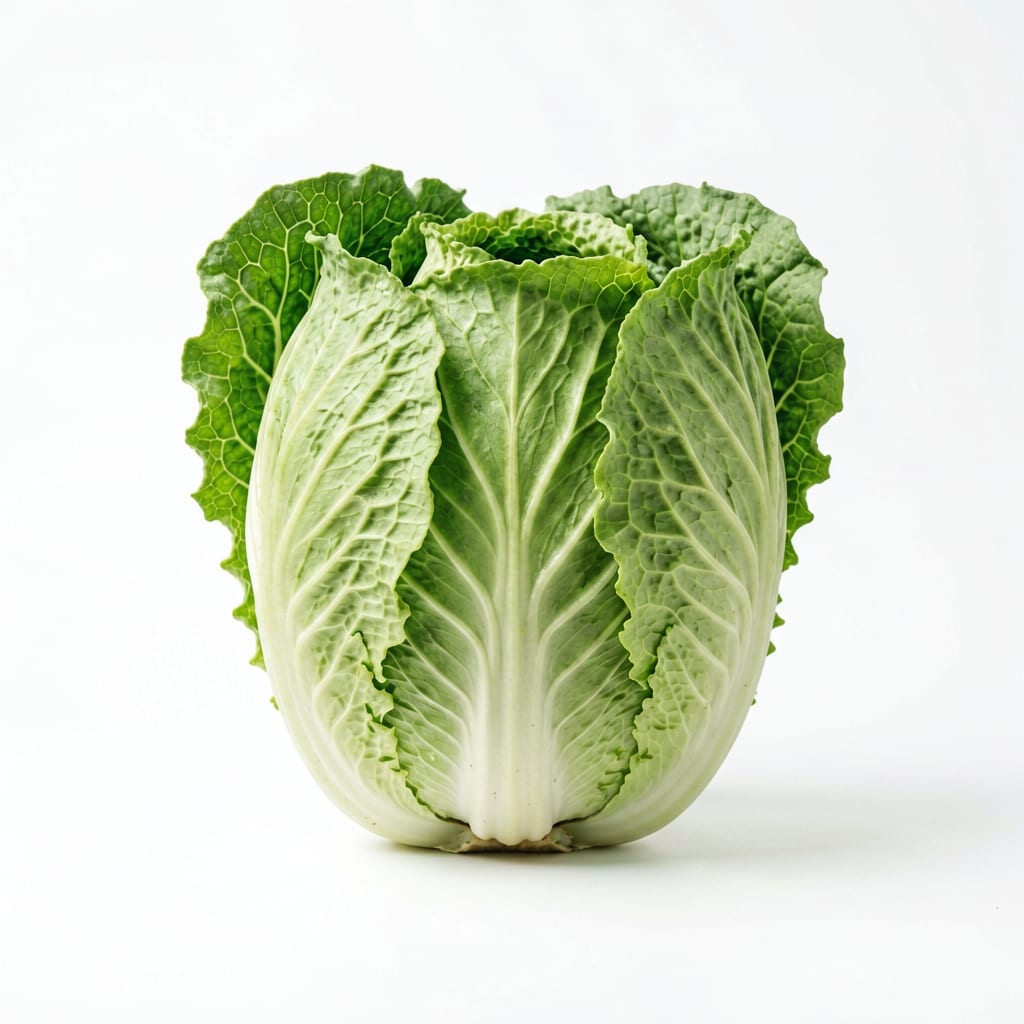
Napa Cabbage
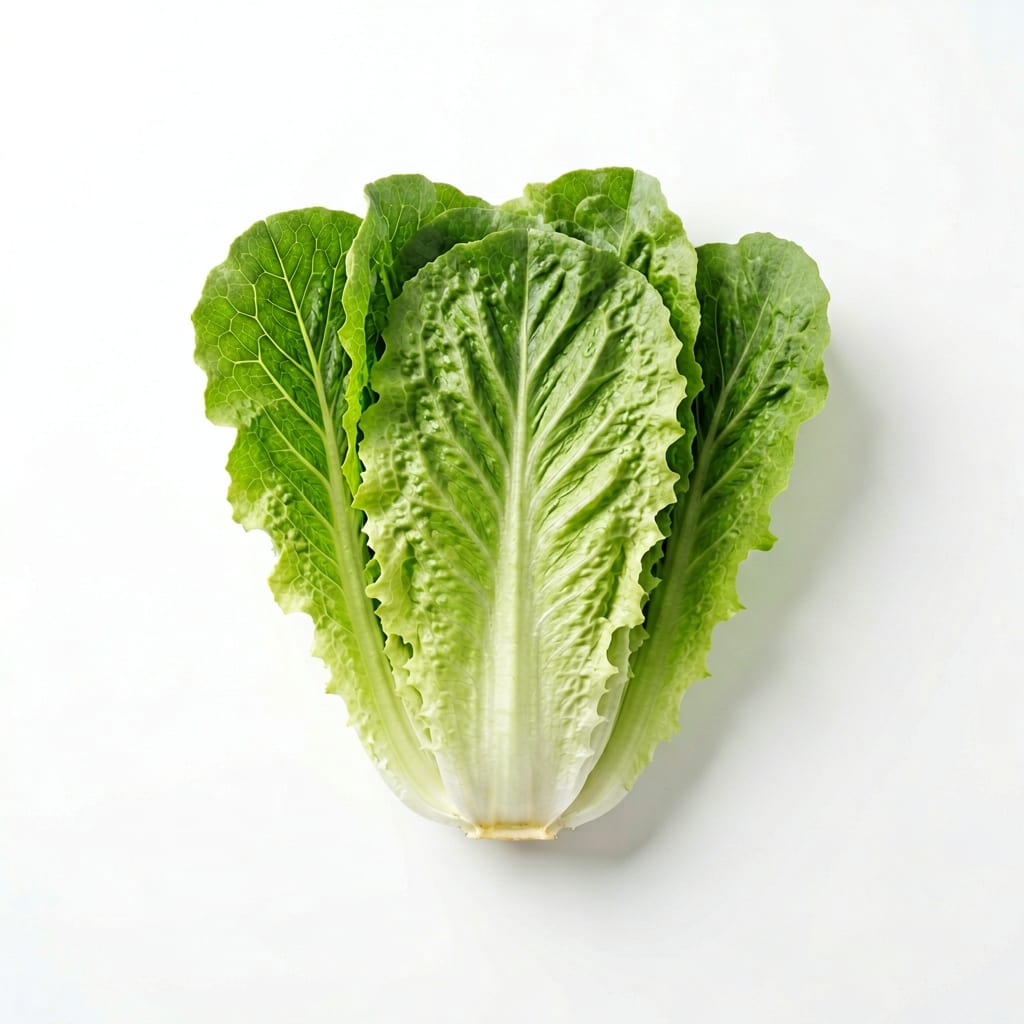
Romaine Lettuce
Napa Cabbage offers more nutritional depth, better cooking versatility, and a stronger safety profile than Romaine Lettuce.
Napa Cabbage scores higher due to its superior micronutrient density, glucosinolate content, culinary versatility, and safer track record. Romaine remains a solid choice for raw salads but lacks the depth and flexibility of Napa Cabbage.
You trade the classic, sturdy crunch of Romaine for the broader nutrient profile and culinary flexibility of Napa Cabbage.
At a glance
Executive summary
Overall
Napa Cabbage
Healthier
Napa Cabbage
More practical
Romaine Lettuce
Daily use
Napa Cabbage
Key comparison lenses
Nutritional superiority in leafy greens
Users often want to know which salad base actually provides more health benefits beyond just low calories.
Raw vs cooked culinary versatility
Napa Cabbage excels in cooked dishes and ferments, while Romaine is strictly a raw salad staple.
Food safety and contamination risk
Romaine Lettuce has a well-documented history of E. coli outbreaks, making safety a major deciding factor.
Digestive tolerance and gut health
Cruciferous vegetables like Napa Cabbage offer unique gut-healing compounds, while Romaine provides simple roughage.
Best choice for
Napa Cabbage
- Gut health and digestion support
- Cooked dishes like stir-fries and soups
- Fermented foods like kimchi
- Maximizing micronutrient intake per calorie
Romaine Lettuce
- Classic cold salads and Caesar salads
- Low-calorie volume eating
- Sturdy lettuce wraps
- Quick, no-prep raw side dishes
Least suitable for
Napa Cabbage
- A traditional crunchy Caesar salad
- People who dislike slightly sweet, mild cooked greens
Romaine Lettuce
- Cooked or warm dishes
- Those highly concerned about recurrent produce recalls
Deep comparison
Dimension by dimension
Each lens scores both foods and breaks down who each option suits.
- Dimension 1 · Priority 95Napa Cabbage
Nutrient Density & Micronutrients
Napa Cabbage · 88Romaine Lettuce · 72Napa Cabbage delivers more vitamin C, vitamin K, and unique cancer-fighting compounds, while Romaine leads heavily in vitamin A and folate.
Tradeoff
Romaine is a vitamin A powerhouse for eye health, but Napa Cabbage provides a wider spectrum of defensive phytonutrients.
Why it matters
Cruciferous vegetables like Napa Cabbage contain glucosinolates, which actively support cellular detoxification and long-term disease defense.
Real-world impact
Eating Napa Cabbage regularly gives your immune system and cellular health a quieter, deeper upgrade compared to the hydration-focused profile of Romaine.
Napa Cabbage
- Immune support via vitamin C
- Cellular detox and cancer defense
- Bone health via vitamin K
Better for
- Lower raw vitamin A content
Worse for
Romaine Lettuce
- Eye health and vision via vitamin A
- Healthy pregnancy support via folate
Better for
- Lacks cruciferous disease-fighting compounds
Worse for
- Dimension 2 · Priority 85Napa Cabbage
Culinary Versatility
Napa Cabbage · 92Romaine Lettuce · 55Napa Cabbage shines raw, cooked, and fermented. Romaine is essentially limited to raw applications.
Tradeoff
If you only eat raw salads, Romaine offers a better crunch. If you cook at all, Napa Cabbage is vastly more useful.
Why it matters
A food you can cook with stays in your kitchen rotation longer, reducing food waste and expanding your meal options.
Real-world impact
Napa Cabbage can be thrown into a stir-fry, simmered in soup, or fermented into kimchi. Romaine turns slimy and bitter when heated.
Napa Cabbage
- Stir-fries and sautés
- Soups and stews
- Fermentation and kimchi
- Braised side dishes
Better for
- Less rigid structure for heavy lettuce wraps
Worse for
Romaine Lettuce
- Cold, crunchy salads
- Lettuce wraps for tacos or burgers
Better for
- Completely unusable in cooked dishes
Worse for
- Dimension 3 · Priority 80Napa Cabbage
Food Safety & Contamination Risk
Napa Cabbage · 90Romaine Lettuce · 55Romaine Lettuce has been subject to frequent, high-profile E. coli recalls, whereas Napa Cabbage has a much cleaner safety track record.
Tradeoff
Romaine's farm-to-table supply chain is more vulnerable to contamination, making Napa Cabbage a safer bet for vulnerable populations.
Why it matters
Foodborne illness can be severe or even life-threatening, especially for children, the elderly, or immunocompromised individuals.
Real-world impact
If you want peace of mind when meal-prepping salads for the week, Napa Cabbage carries less anxiety and risk than Romaine.
Napa Cabbage
- Safer for meal-prepping
- Lower risk of bacterial outbreaks
- Better peace of mind for vulnerable groups
Better for
Romaine Lettuce
- Higher risk of E. coli and Salmonella outbreaks
- Requires more vigilant washing
Worse for
- Dimension 4 · Priority 70Napa Cabbage
Satiety & Digestive Tolerance
Napa Cabbage · 80Romaine Lettuce · 70Napa Cabbage is easier on the stomach when cooked and offers more fiber variety, while Romaine provides high-volume crunch that fills you up raw.
Tradeoff
Raw Romaine can be tough to digest for sensitive stomachs, whereas cooked Napa Cabbage becomes deeply soothing and gentle.
Why it matters
If you experience bloating from raw greens, switching to cooked Napa Cabbage can keep your fiber intake high without the discomfort.
Real-world impact
A bowl of cooked Napa Cabbage feels comforting and settling, while a massive Romaine salad might leave you feeling overly full but oddly bloated.
Napa Cabbage
- Sensitive stomachs when cooked
- Gut microbiome support via diverse fiber
- Soothing for the digestive tract
Better for
- Less satisfying raw crunch volume
Worse for
Romaine Lettuce
- High-volume crunch for low calories
- Raw food diet compliance
Better for
- Can cause gas or bloating in IBS sufferers
Worse for
Timeline
Health impact over time
Short-term
Hours to days
Napa Cabbage
- Provides gentle, hydrating fiber that keeps digestion moving smoothly
- Lightly energizing without any blood sugar spikes
Romaine Lettuce
- High water content offers rapid hydration
- Crunchy texture increases satiety quickly before main courses
Long-term
Months to years
Napa Cabbage
- Glucosinolates support cellular defense and lower cancer risk over time
- Consistent fiber intake builds a robust, diverse gut microbiome
Romaine Lettuce
- High vitamin A intake protects long-term vision and skin health
- Low calorie density aids in sustainable weight maintenance
Risk profile
Safety & processing
Both Napa Cabbage and Romaine Lettuce are whole, unprocessed vegetables. The main concern is agricultural residue rather than artificial additives.
Napa Cabbage
Pesticide residue
mediumThe layered leaves can trap pesticides; removing the outer leaves and washing thoroughly reduces this significantly.
Romaine Lettuce
E. coli and Salmonella contamination
highRomaine has been linked to multiple multi-state E. coli outbreaks due to its growing conditions and central processing, making thorough washing essential.
Pesticide residue
mediumThe open, cup-like leaves trap dirt and spray; requires careful leaf-by-leaf washing.
Who wins for whom
Audience fit
Same foods, different winners depending on your goal.
children
Romaine LettuceKids often prefer the mild, watery crunch of Romaine over the slightly sweeter, softer texture of Napa Cabbage.
daily consumption
Napa CabbageThe culinary flexibility of Napa Cabbage makes it easier to eat daily without getting bored, plus it avoids the safety anxieties linked to daily Romaine consumption.
diabetes
Napa CabbageNapa Cabbage has slightly more fiber and cruciferous compounds that help reduce systemic inflammation, a key factor in insulin resistance.
elderly
Napa CabbageCooked Napa Cabbage is extremely easy to chew and digest, making it ideal for aging digestive systems and dental concerns.
muscle gain
It dependsNeither is a significant protein source, but both provide the roughage and micronutrients needed to support a high-protein diet.
weight loss
It dependsBoth are extremely low in calories. Romaine offers more raw volume, while Napa Cabbage offers more cooked volume, both filling you up for minimal calories.
Your move
Decision guide
Choose Napa Cabbage
- You want a green that works just as well in a soup or stir-fry as it does in a salad
- You are concerned about foodborne illness and produce recalls
- You want to maximize cancer-fighting compounds in your daily diet
- You have a sensitive stomach and prefer cooked vegetables
Choose Romaine Lettuce
- You are making a classic Caesar salad or wedge-style dish
- You need a sturdy, crunchy leaf for lettuce wraps
- You prefer eating your greens completely raw
- You want maximum crunch per calorie
Either works if
- You just need a low-calorie, hydrating base for a mixed green salad
- You are trying to increase your daily vegetable volume regardless of cooking method
Avoid both if
- You are looking for a significant source of protein or healthy fats to serve as a main dish
Final recommendation
Keep Napa Cabbage as your primary leafy green for its nutritional depth, cooking versatility, and safety profile. Use Romaine Lettuce strategically when you specifically need its unbeatable raw crunch for salads and wraps.
Practical
Consumer tips
- 1
Always discard the outermost leaves of both Napa Cabbage and Romaine Lettuce to reduce pesticide exposure.
- 2
Wash Romaine leaf-by-leaf under running water, paying special attention to the base where dirt and bacteria hide.
- 3
If Romaine makes you bloated, try lightly wilting Napa Cabbage in a pan with olive oil—it is much easier on the gut.
- 4
Buy whole heads of Romaine instead of pre-chopped bags to lower the risk of bacterial contamination from processing facilities.
- 5
Use Napa Cabbage as a bed for protein bowls; it holds up well to warm dressings without wilting into mush.