
Nutrition comparison
Napa Cabbage vs Radish: Nutrition, Versatility, and Health Comparison
Compare Napa Cabbage vs Radish to see which low-calorie vegetable is better for weight loss, digestion, and daily meals. Learn the nutritional tradeoffs.
Overall winner · Napa Cabbage
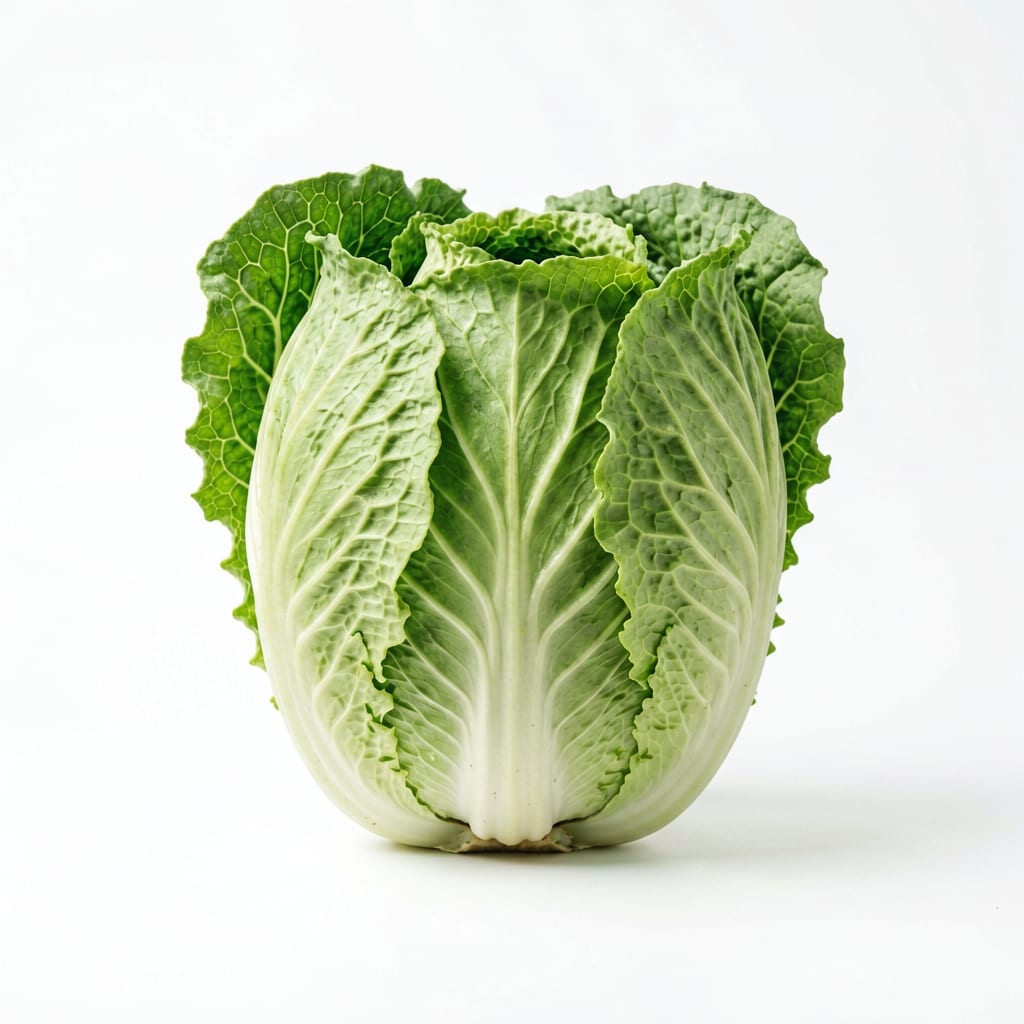
Napa Cabbage
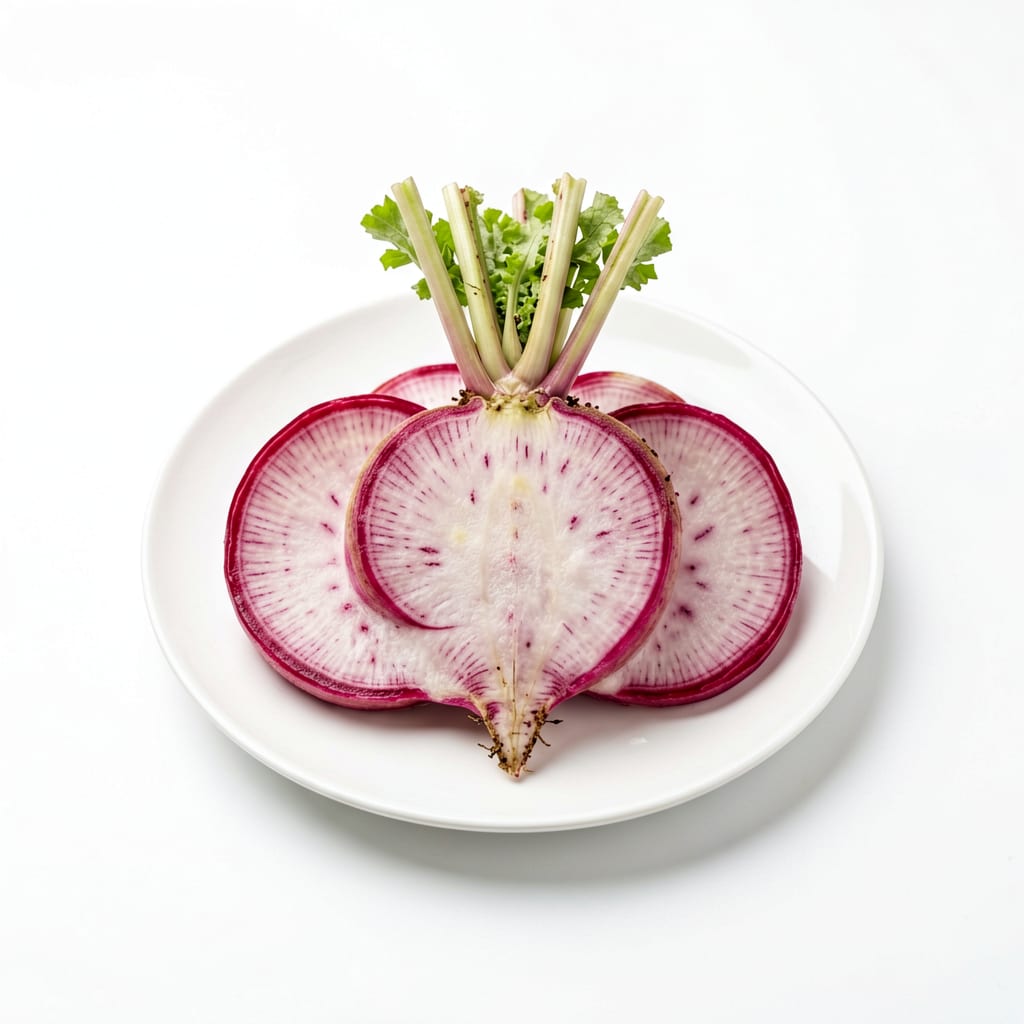
Radish
Napa Cabbage wins for everyday versatility and volume, while radish shines as a low-calorie flavor booster.
Napa Cabbage scores higher due to its unmatched versatility as a meal foundation and superior satiety per calorie. Radish is excellent but limited by its role as a garnish rather than a primary ingredient.
Bulk and mildness versus crunch and peppery bite.
At a glance
Executive summary
Overall
Napa Cabbage
Healthier
Napa Cabbage
More practical
Napa Cabbage
Daily use
Napa Cabbage
Key comparison lenses
Low-calorie volume eating
Both foods are diet staples for filling up without calories, but Napa Cabbage offers much more volume per serving.
Digestive health
Napa Cabbage provides gentle fiber while radishes offer digestive enzymes and a stimulating effect on digestion.
Culinary role and versatility
Napa Cabbage acts as a meal base, whereas radish serves as a crunchy accent or garnish.
Micronutrient profile
Users often compare cruciferous vegetables for their vitamin and antioxidant differences.
Best choice for
Napa Cabbage
- Volume eaters wanting large, satisfying meals
- Meal preppers needing a versatile cooking base
- People with sensitive palates who dislike spicy or bitter flavors
Radish
- Those seeking a crunchy, salty snack alternative to chips
- People wanting to stimulate digestion before a heavy meal
- Salad lovers needing a peppery flavor accent
Least suitable for
Napa Cabbage
- Anyone craving a crunchy, raw snack
- People looking for bold, intense flavors without seasoning
Radish
- Making a large, filling meal base
- People with sensitive stomachs who react to spicy or pungent foods
Deep comparison
Dimension by dimension
Each lens scores both foods and breaks down who each option suits.
- Dimension 1 · Priority 90Napa Cabbage
Satiety and Volume
Napa Cabbage · 92Radish · 55Napa Cabbage lets you eat a massive bowl of food for almost no calories, while radishes disappear quickly.
Tradeoff
You get far more physical fullness from Napa Cabbage, but radishes provide a satisfying crunch that leafy greens lack.
Why it matters
Feeling full on fewer calories is the hardest part of weight loss. Volume eating makes it sustainable.
Real-world impact
A huge Napa Cabbage salad or stir-fry feels like a real meal; eating the same weight in radishes would be overwhelming and uncomfortable.
Napa Cabbage
- Replacing pasta or rice in stir-fries
- Making large, low-calorie salads
Better for
- Satisfying a craving for something crispy
Worse for
Radish
- Crunching instead of mindlessly eating chips
Better for
- Creating a filling dinner plate
Worse for
- Dimension 2 · Priority 85It depends
Digestive Tolerance and Health
Napa Cabbage · 82Radish · 80Napa Cabbage offers gentle, steady fiber for regularity, while radishes stimulate digestion with natural enzymes.
Tradeoff
Cabbage is softer on the stomach when cooked, but raw radishes can kickstart sluggish digestion better.
Why it matters
Good digestion determines whether you absorb nutrients and feel comfortable after eating.
Real-world impact
A bowl of cooked Napa Cabbage soup is comforting when your stomach is upset; a few sliced radishes can cut through a feeling of heaviness after a rich meal.
Napa Cabbage
- Soothing an irritated digestive tract when cooked
- Providing prebiotic fiber for gut bacteria
Better for
- Causing gas if consumed in extreme raw quantities
Worse for
Radish
- Stimulating appetite and bile production
- Relieving bloating from heavy, fatty meals
Better for
- Irritating sensitive stomachs with its peppery compounds
Worse for
- Dimension 3 · Priority 80Napa Cabbage
Culinary Versatility
Napa Cabbage · 95Radish · 60Napa Cabbage is a culinary chameleon that works raw, fermented, or cooked; radish is mostly a raw garnish.
Tradeoff
Cabbage adapts to any cooking method, but radish delivers a unique spicy crunch that cabbage cannot replicate.
Why it matters
A versatile ingredient prevents diet boredom and reduces the need for multiple grocery items.
Real-world impact
You can use Napa Cabbage in soups, stir-fries, wraps, and kimchi. Radishes are mostly limited to salads, tacos, and snacking.
Napa Cabbage
- Building a main dish around it
- Meal prepping for the week
Better for
- Providing a sharp, raw crunch to a cold dish
Worse for
Radish
- Adding a quick finishing touch to tacos or avocado toast
Better for
- Cooking into a warm, comforting meal
Worse for
- Dimension 4 · Priority 70Napa Cabbage
Micronutrient Density
Napa Cabbage · 78Radish · 72Napa Cabbage delivers more bone-supporting Vitamin K and folate, while radishes provide solid Vitamin C and potassium.
Tradeoff
Cabbage supports cellular repair and bone health better, but radishes hold their own with immune-supporting Vitamin C.
Why it matters
Eating low-calorie foods only works if those foods actually deliver essential vitamins.
Real-world impact
Regularly eating Napa Cabbage contributes noticeably to your daily Vitamin K needs, which is crucial for blood clotting and bone density.
Napa Cabbage
- Supporting bone health and cellular repair
- Pregnant women needing more folate
Better for
- Providing potassium for muscle cramps
Worse for
Radish
- Boosting Vitamin C intake for immune support
Better for
- Contributing to daily folate requirements
Worse for
Timeline
Health impact over time
Short-term
Hours to days
Napa Cabbage
- Quick physical fullness from water and fiber content
- Mild blood sugar stabilization when eaten with carbs
Radish
- Immediate digestive stimulation after eating
- Rapid hydration from high water content
Long-term
Months to years
Napa Cabbage
- Improved bowel regularity from consistent fiber intake
- Better bone density from high Vitamin K levels
Radish
- Improved gallbladder function from regular bile stimulation
- Lower oxidative stress from anthocyanins in red varieties
Risk profile
Safety & processing
Both Napa Cabbage and radishes are whole, raw vegetables with no artificial additives when purchased fresh.
Napa Cabbage
Pesticide residue
mediumLeafy greens often retain pesticides on their outer layers; washing thoroughly or buying organic mitigates this.
Goitrogenic compounds
lowRaw cruciferous vegetables contain goitrogens that can interfere with thyroid function, but cooking neutralizes them and the risk is low unless you eat massive amounts raw with existing thyroid issues.
Radish
Pesticide residue
mediumRoot vegetables can absorb soil chemicals; peeling or choosing organic reduces exposure.
Contamination in leafy tops
lowIf sold with greens attached, the leaves can harbor dirt and bacteria requiring careful washing.
Who wins for whom
Audience fit
Same foods, different winners depending on your goal.
children
Napa CabbageNapa Cabbage has a milder, slightly sweet flavor and softens easily when cooked, making it far more kid-friendly than spicy radishes.
daily consumption
Napa CabbageIt is much easier to eat Napa Cabbage every day as a dietary staple due to its mild flavor and cooking flexibility.
diabetes
It dependsBoth have essentially zero impact on blood sugar, making them equally excellent choices for diabetic meals.
elderly
Napa CabbageCooked Napa Cabbage is extremely easy to chew and gentle on aging digestive systems, whereas raw radishes can be too hard or pungent.
muscle gain
It dependsNeither is a significant protein source, but Napa Cabbage offers more volume to accompany protein portions in a meal.
weight loss
Napa CabbageNapa Cabbage allows for massive portion sizes with minimal calories, making it easier to sustain a calorie deficit without feeling deprived.
Your move
Decision guide
Choose Napa Cabbage
- You want a low-calorie base for stir-fries, soups, or salads
- You need a mild vegetable that absorbs flavors well
- You are meal prepping and need a versatile vegetable
Choose Radish
- You want a crunchy, peppery snack without the calories
- You need a palate cleanser or digestive stimulant
- You are topping tacos, sandwiches, or avocado toast
Either works if
- You need a hydrating, low-calorie vegetable for weight loss
- You want to add more cruciferous vegetables to your diet for cancer-fighting compounds
Avoid both if
- You are strictly limiting fiber intake due to a severe digestive flare-up
Final recommendation
Keep both in your kitchen, but rely on Napa Cabbage as your dietary workhorse for meals, and use radishes as your crunchy, peppery accent to keep things interesting.
Practical
Consumer tips
- 1
Massage raw Napa Cabbage with a little olive oil and salt to soften it for salads without cooking.
- 2
If radishes taste too sharp, soak them in ice water for 10 minutes to mellow the peppery bite.
- 3
Don't throw away radish greens; they are edible and make a great peppery addition to pesto or sautés.
- 4
Store Napa Cabbage wrapped tightly in the fridge to prevent it from drying out and losing its crunch.