
Nutrition comparison
Napa Cabbage vs Celery: Nutrition, Gut Health, and Versatility Compared
Discover whether Napa Cabbage or Celery is better for weight loss, digestion, and daily meals. Compare their nutrients, culinary uses, and health benefits.
Overall winner · Napa Cabbage
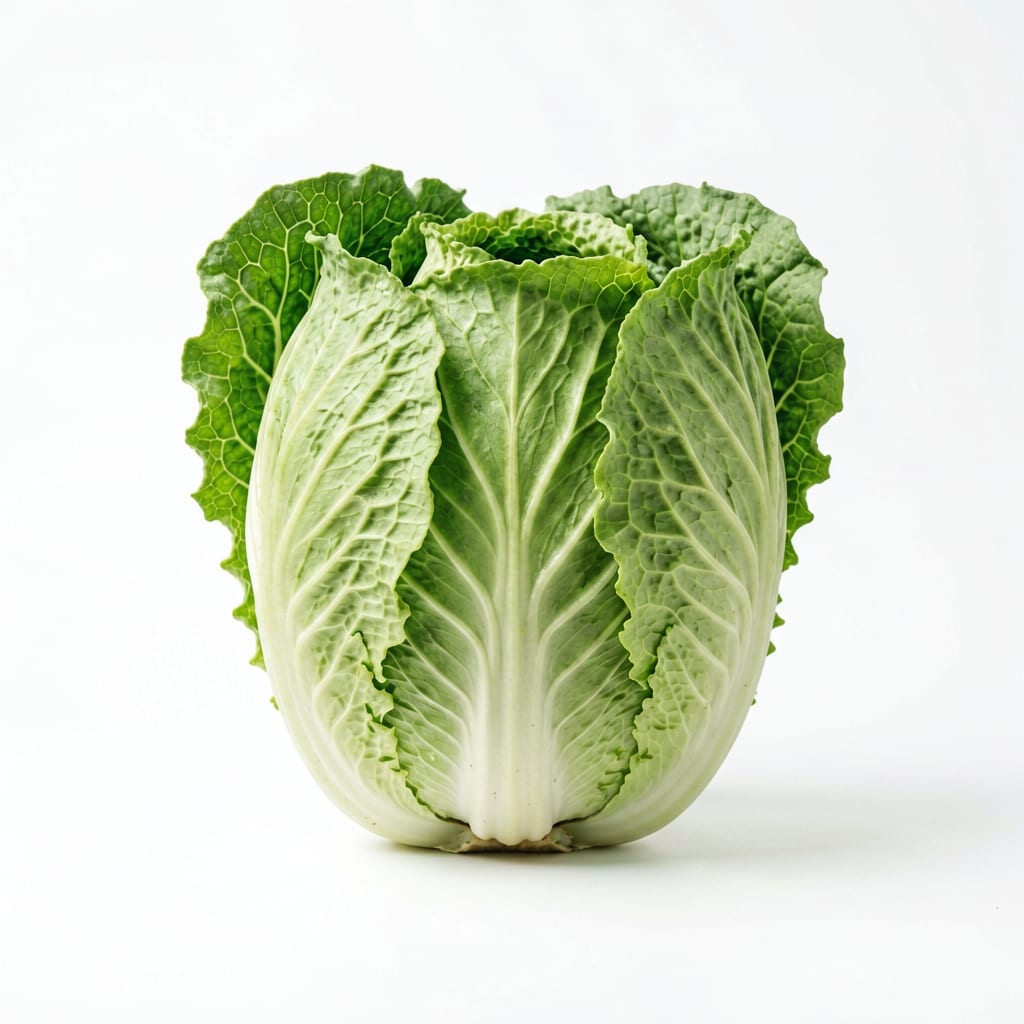
Napa Cabbage
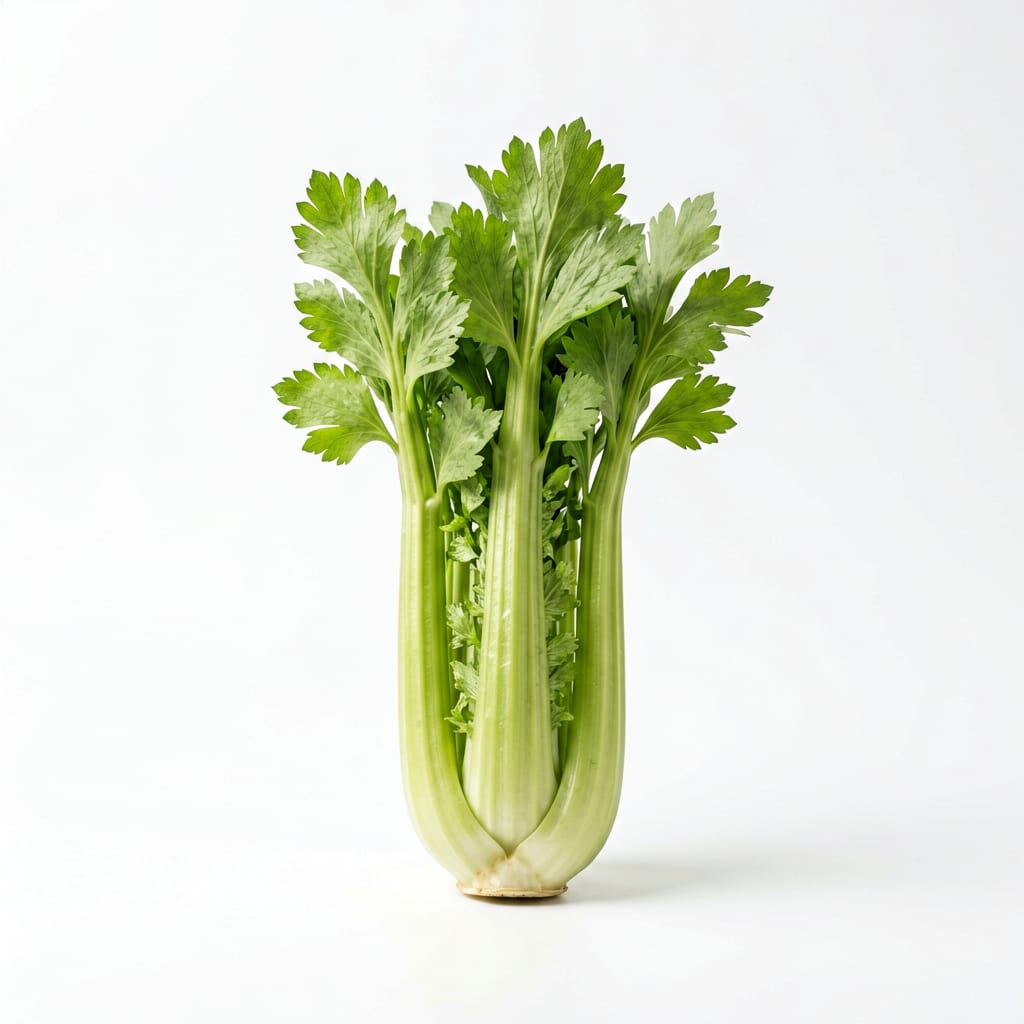
Celery
Napa Cabbage offers more nutritional value and culinary flexibility, while Celery provides unmatched crunch and convenience for raw snacking.
Napa Cabbage scores higher due to its superior micronutrient profile and versatility in cooked dishes, though both are excellent low-calorie choices.
Napa Cabbage gives you more vitamins and cooking options, but Celery delivers instant grab-and-go crunch without any prep.
At a glance
Executive summary
Overall
Napa Cabbage
Healthier
Napa Cabbage
More practical
Celery
Daily use
Napa Cabbage
Key comparison lenses
Low-calorie volume eating and weight loss
Both foods are diet staples known for high water content and minimal calories, but they serve very different roles in meals.
Digestive comfort and gut health
Celery's stringy texture can irritate sensitive stomachs, while Napa Cabbage is soft and ferments easily for gut benefits.
Culinary versatility
Napa Cabbage can be eaten raw, cooked, or fermented, whereas Celery is mostly limited to raw snacking or aromatics.
Pesticide exposure and safety
Celery is notoriously high on the Dirty Dozen list for pesticide residues, requiring careful sourcing.
Best choice for
Napa Cabbage
- Bulk cooking and meal prep
- Gut health and fermented foods
- Vitamin C and folate boost
Celery
- Quick raw snacking
- Low-calorie crunch
- Hydration on the go
Least suitable for
Napa Cabbage
- Grab-and-go snacking without prep
- People wanting a crunchy texture raw
Celery
- Large hot meals as a main ingredient
- People with sensitive digestion to stringy fiber
Deep comparison
Dimension by dimension
Each lens scores both foods and breaks down who each option suits.
- Dimension 1 · Priority 88Napa Cabbage
Nutrient Density
Napa Cabbage · 82Celery · 65Napa Cabbage packs significantly more vitamin C, folate, and vitamin B6 per calorie compared to Celery.
Tradeoff
You get more immune-boosting vitamins with Napa Cabbage, but Celery still provides a solid dose of vitamin K.
Why it matters
Better nutrient density means you get more health benefits per bite, supporting energy and immunity.
Real-world impact
Eating Napa Cabbage helps you hit your vitamin targets easier without adding calories.
Napa Cabbage
- Boosting immune function
- Prenatal nutrition due to folate
- Increasing vitamin intake on a cut
Better for
- Getting a quick vitamin K hit without chewing much
Worse for
Celery
- Vitamin K focused intake
Better for
- Broad spectrum micronutrient needs
Worse for
- Dimension 2 · Priority 85Napa Cabbage
Digestive Comfort & Gut Health
Napa Cabbage · 85Celery · 60Napa Cabbage is gentle on the gut and ferments beautifully into kimchi, whereas Celery's tough strings can irritate sensitive stomachs.
Tradeoff
Napa Cabbage supports a healthier gut microbiome, while Celery can cause bloating or discomfort if not chewed well.
Why it matters
A happy gut means less bloating and better nutrient absorption overall.
Real-world impact
Choosing Napa Cabbage means smoother digestion and less post-meal heaviness.
Napa Cabbage
- Sensitive stomachs
- Fermented food enthusiasts
- Avoiding stringy fiber irritation
Better for
- Needing a quick digestion stimulant
Worse for
Celery
- Promoting bowel motility through roughage
Better for
- Irritable bowel syndrome
- Sensitive digestion
Worse for
- Dimension 3 · Priority 82Napa Cabbage
Culinary Versatility & Satiety
Napa Cabbage · 88Celery · 70Napa Cabbage shines in soups, stir-fries, and wraps, shrinking down to create voluminous, satisfying meals. Celery is mostly limited to raw snacking or mirepoix.
Tradeoff
Napa Cabbage fills you up more in cooked dishes, but Celery requires zero cooking to be enjoyable.
Why it matters
Foods that can be cooked into large, low-calorie volumes make dieting much easier.
Real-world impact
A huge bowl of Napa Cabbage soup feels like a real meal; celery sticks are just a side.
Napa Cabbage
- Meal preppers
- Hot comfort food cravings
- Volume eating for weight loss
Better for
- No-cook situations
Worse for
Celery
- Pairing with dips like hummus
- Cold refreshing snacks
Better for
- Creating a filling main dish
Worse for
- Dimension 4 · Priority 75Celery
Hydration & Convenience
Napa Cabbage · 70Celery · 90Celery is the ultimate grab-and-go hydration stick, requiring no washing of leaves or chopping for a quick snack.
Tradeoff
Celery wins on instant convenience and water content, while Napa Cabbage requires at least some prep.
Why it matters
When you are busy or tired, convenience determines whether you reach for a healthy snack or junk food.
Real-world impact
Keeping Celery in the fridge makes healthy snacking effortless on busy afternoons.
Napa Cabbage
- Adding water bulk to cooked meals
Better for
- Instant grab-and-go snacking
Worse for
Celery
- Quick hydration
- Office snacking
- No-prep crunch
Better for
- Cooking as a primary ingredient
Worse for
Timeline
Health impact over time
Short-term
Hours to days
Napa Cabbage
- Gentle digestion
- Light fullness from cooked volume
Celery
- Quick hydration
- Potential bloating from stringy fibers if eaten fast
Long-term
Months to years
Napa Cabbage
- Better gut microbiome from fermentation options
- Stronger immunity from vitamin C
Celery
- Consistent hydration
- Healthy blood clotting from vitamin K
Risk profile
Safety & processing
Both Napa Cabbage and Celery are whole, natural vegetables with virtually no additive concerns when purchased fresh.
Napa Cabbage
Pesticide residue
mediumLeafy vegetables like Napa Cabbage can trap pesticides in their layered leaves; washing thoroughly is important.
Foodborne illness
lowAs a raw agricultural product, it can carry bacteria, but cooking eliminates this risk easily.
Celery
Pesticide residue
highCelery consistently ranks on the EWG's Dirty Dozen list for high pesticide residue; buy organic if possible.
Who wins for whom
Audience fit
Same foods, different winners depending on your goal.
children
CeleryCelery sticks with peanut butter or ranch are often more appealing and easier for kids to handle than leafy cabbage.
daily consumption
Napa CabbageIts versatility in both raw and cooked forms makes it easier to incorporate into daily meals without getting bored.
diabetes
Napa CabbageNapa Cabbage has slightly more fiber and a lower glycemic impact when eaten as a cooked vegetable base.
elderly
Napa CabbageNapa Cabbage is softer when cooked, making it easier to chew and digest for aging teeth and sensitive stomachs.
muscle gain
It dependsNeither is a significant protein source, but both add volume to muscle-building meals without excess calories.
weight loss
Napa CabbageNapa Cabbage can be cooked down into massive, low-calorie meals that are more filling than celery sticks.
Your move
Decision guide
Choose Napa Cabbage
- You want to cook large, satisfying, low-calorie meals
- You have a sensitive stomach or IBS
- You want to make homemade kimchi or fermented foods
- You need more vitamin C and folate in your diet
Choose Celery
- You want a quick, crunchy, no-cook snack
- You need something to pair with hummus or nut butters
- You are looking for maximum hydration on the go
- You prefer raw vegetables over cooked ones
Either works if
- You just need a low-calorie way to add bulk to your diet
- You want a neutral-flavored vegetable for a detox soup
Avoid both if
- You are looking for a high-protein or high-calorie food for energy
- You need a food that stays fresh for weeks without refrigeration
Final recommendation
Keep both in your kitchen, but lean on Napa Cabbage for meal prep and hot dinners, and save Celery for quick afternoon snacking and hydration.
Practical
Consumer tips
- 1
Soak Napa Cabbage leaves in water for a few minutes to easily remove dirt and pesticides trapped inside.
- 2
Buy organic Celery whenever possible, as it is one of the most pesticide-heavy vegetables.
- 3
Use Napa Cabbage as a low-carb wrap substitute for tacos or sandwiches.
- 4
Chew Celery thoroughly to avoid the stringy fibers causing digestive discomfort.