
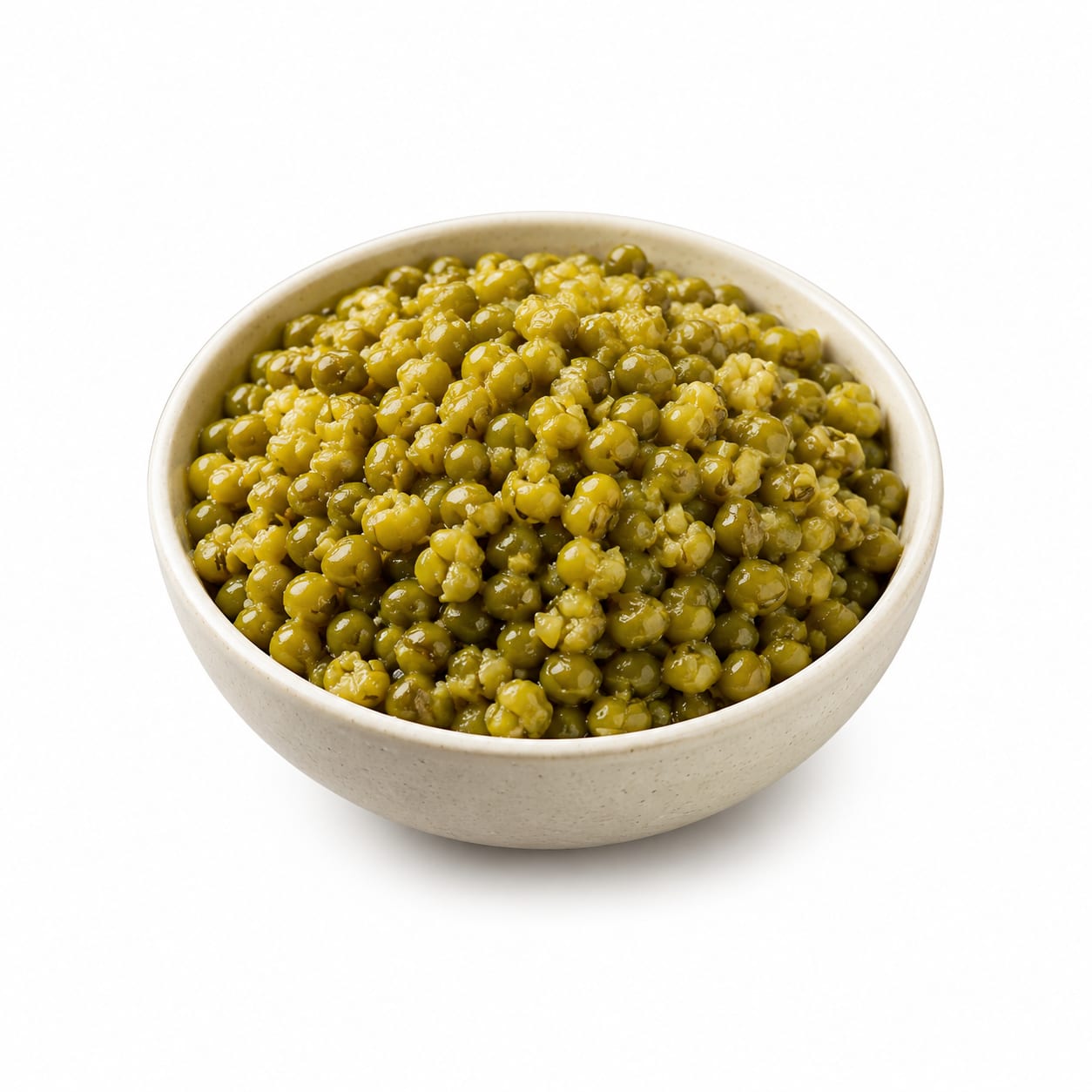
Legumes
Mung Bean
A nutrient-dense, high-protein legume with exceptional fiber content and a low glycemic index.
Small, green legumes belonging to the Fabaceae family, widely consumed globally for their high plant-based protein and dietary fiber content, often used in soups, curries, and as sprouts.
high-fiber plant-based protein source
Typical serving · 100g
Common varieties · whole green mung bean, split mung bean (moong dal), mung bean sprouts, yellow mung bean
Overall context score across nutrition, safety, and diet fit
At a glance
Quick facts
Simple indicators based on nutrition, processing, and diet fit.
The story
What makes it unique
Mung beans are slowly digested due to high fiber and protein content, resulting in prolonged satiety and minimal blood sugar spikes. They contain resistant starch and oligosaccharides that act as prebiotics, supporting gut microbiome diversity. The macronutrient profile is dominated by complex carbohydrates and protein with minimal fat. Unprocessed whole mung beans retain their natural phytochemicals and nutrient density.
Varieties: whole green mung bean · split mung bean (moong dal) · mung bean sprouts · yellow mung bean
Per 100g
Nutrition breakdown
Macro balance and key metrics at a glance.
Energy
Density 3.47 kcal/g
Protein
Carbs
Fat
Fiber
Sugar
7 g
Sodium
15 mg
Potassium
1246 mg
Glycemic index
31
Glycemic load
5
Water content
9%
Standout compounds
Nutrient highlights
Folate
highEssential for DNA synthesis and cell division, critical during early pregnancy.
Magnesium
moderateSupports muscle and nerve function, blood pressure regulation, and bone health.
Potassium
highHelps maintain fluid balance, nerve signals, and counteracts sodium to lower blood pressure.
Resistant Starch
highEscapes digestion to feed gut bacteria and improves insulin sensitivity.
Iron
moderateCrucial for oxygen transport in the blood and energy production.
Wellness map
Health scores & processing
NOVA processing scale
minimally processed · Whole food
Raw whole mung beans are unprocessed agricultural commodities. Split or dried variations remain minimally processed without added ingredients.
Diet compatibility
- Weight loss
- Muscle gain
- Diabetes
- Gut health
- Low carb
- High protein
- Heart health
Relative standing
Food rankings
Qualitative ranks compared to similar whole foods.
- Satietyexcellent
- Blood sugarexcellent
- Nutrient densityexcellent
- Fitness fuelgood
- Processing qualityexcellent
Eat with confidence
Food safety profile
Whole dried mung beans are very safe. Mung bean sprouts require careful handling and washing, as raw sprouts are a known vector for foodborne illness.
Evidence confidence 90%
- Pesticideslow
- Antibioticslow
- Heavy metalslow
- Contaminationmoderate
Watch for
- Salmonella
- E. coli
Safer choices
Cooked mung beans or cooked sprouts eliminate bacterial risks.
Prep tips
Rinse dried beans thoroughly before cooking. If sprouting at home, use sanitized equipment and consume quickly. Cook sprouts thoroughly for highest safety.
Sprouted mung beans carry a higher risk of bacterial contamination due to warm, humid sprouting conditions.
Deep dive
Health analysis
How this food may fit different goals and preparation choices.
Weight loss
High fiber and protein create strong satiety, reducing overall calorie intake. Low energy-to-satiety ratio helps control hunger.
Blood sugar
Low glycemic index and high fiber slow glucose absorption, preventing blood sugar spikes and improving insulin sensitivity.
Fitness & energy
Provides sustained complex carbohydrate energy and plant protein for muscle repair, making it effective for endurance and recovery.
Gut health
Rich in prebiotic fiber and resistant starch that promote beneficial gut bacteria and support healthy bowel movements.
Processing quality
Whole mung beans are unprocessed, retaining all natural micronutrients and phytochemicals without additives.
Food safety
Safe when cooked. Raw sprouts pose a moderate foodborne illness risk and should be avoided by immunocompromised individuals.
Common mistakes
Assuming mung bean sprouts are safer raw; they actually require more caution than the cooked beans.
Best preparation
Boiling, pressure cooking, or sprouting followed by light cooking to maximize nutrient absorption and kill potential pathogens.
Practical guide
Best use cases
When and how this food fits real eating patterns.
Post-workout recovery meal
Provides a combination of plant protein for muscle repair and complex carbohydrates to replenish glycogen stores.
High-volume low-calorie eating
Cooked mung beans absorb water and expand, allowing for large, filling portions with controlled calories.
Blood sugar friendly carb source
Replaces higher glycemic carbohydrates like white rice or potatoes to stabilize post-meal glucose levels.
Gut microbiome support
The prebiotic fiber and resistant starch feed beneficial intestinal bacteria, promoting a healthy gut environment.
Balance sheet
Pros & cons
Upsides
- Very high in plant-based protein and fiber
- Low glycemic index prevents blood sugar spikes
- Rich in prebiotics that support gut microbiome health
- Naturally gluten-free and easy to digest when split or soaked
- High in folate and potassium for cardiovascular health
- Versatile ingredient for both savory and sweet dishes
Trade-offs
- Raw sprouts pose a foodborne illness risk for vulnerable populations
- Contains phytic acid which can reduce mineral absorption if not properly prepared
- High carbohydrate content may not suit strict ketogenic diets
- Can cause flatulence or bloating if consumed in large quantities without gradual adaptation
Fit check
Who is it for?
Great match
- plant-based dieters seeking protein
- blood sugar management
- weight loss and appetite control
- post-workout carbohydrate refueling
- improving gut microbiome diversity
Consider alternatives
- strict low-carb or ketogenic diets
- individuals with severe legume allergies
- immunocompromised individuals eating raw sprouts
- those highly sensitive to dietary fiber without gradual introduction
Side by side
How it compares
Open the full head-to-head analysis for nutrition, safety, and practical tradeoffs.
This food
Mung Bean
VS90% alike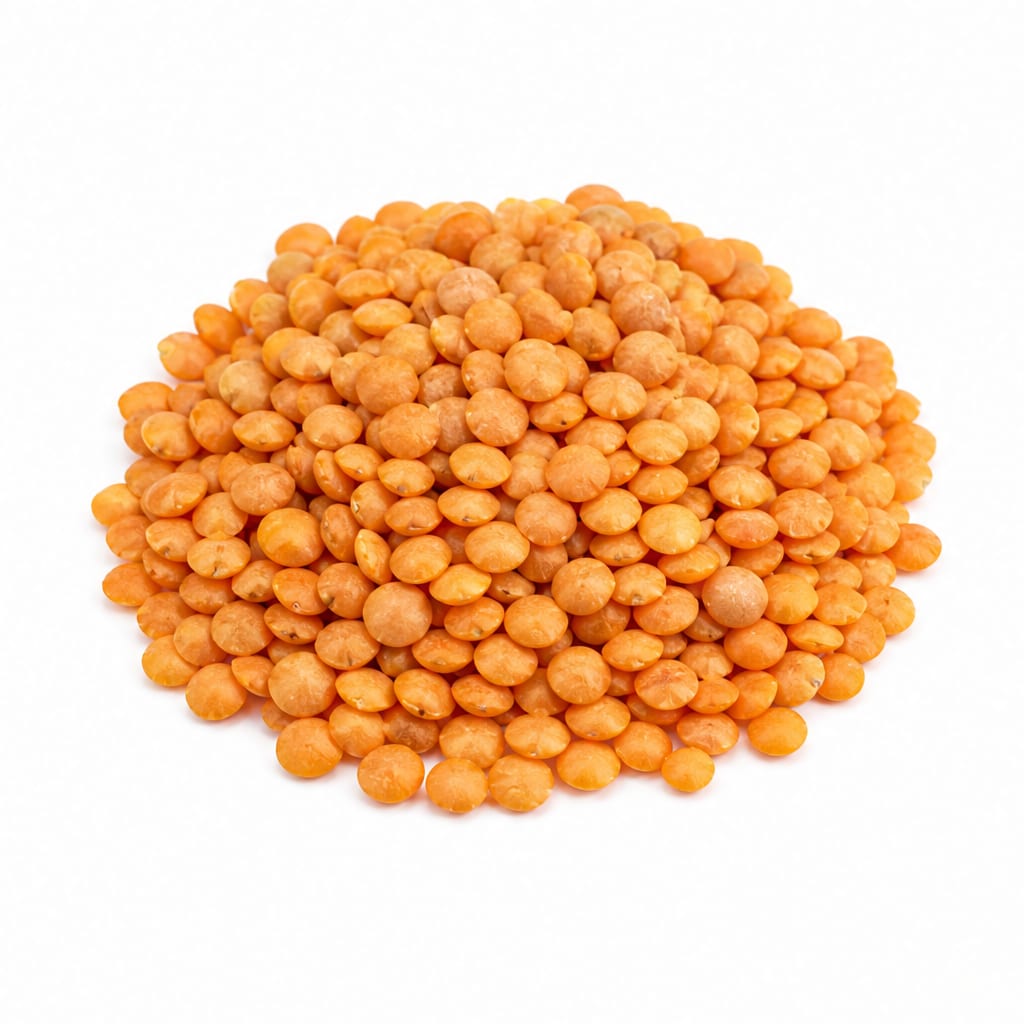
Compare with
Lentils
Lentils cook slightly faster and have marginally more iron, while mung beans are easier to digest and slightly lower in calories.
Mung beans are easier to digest and slightly better for blood sugar, while lentils offer more iron and slightly higher satiety.
This food
Mung Bean
VS85% alike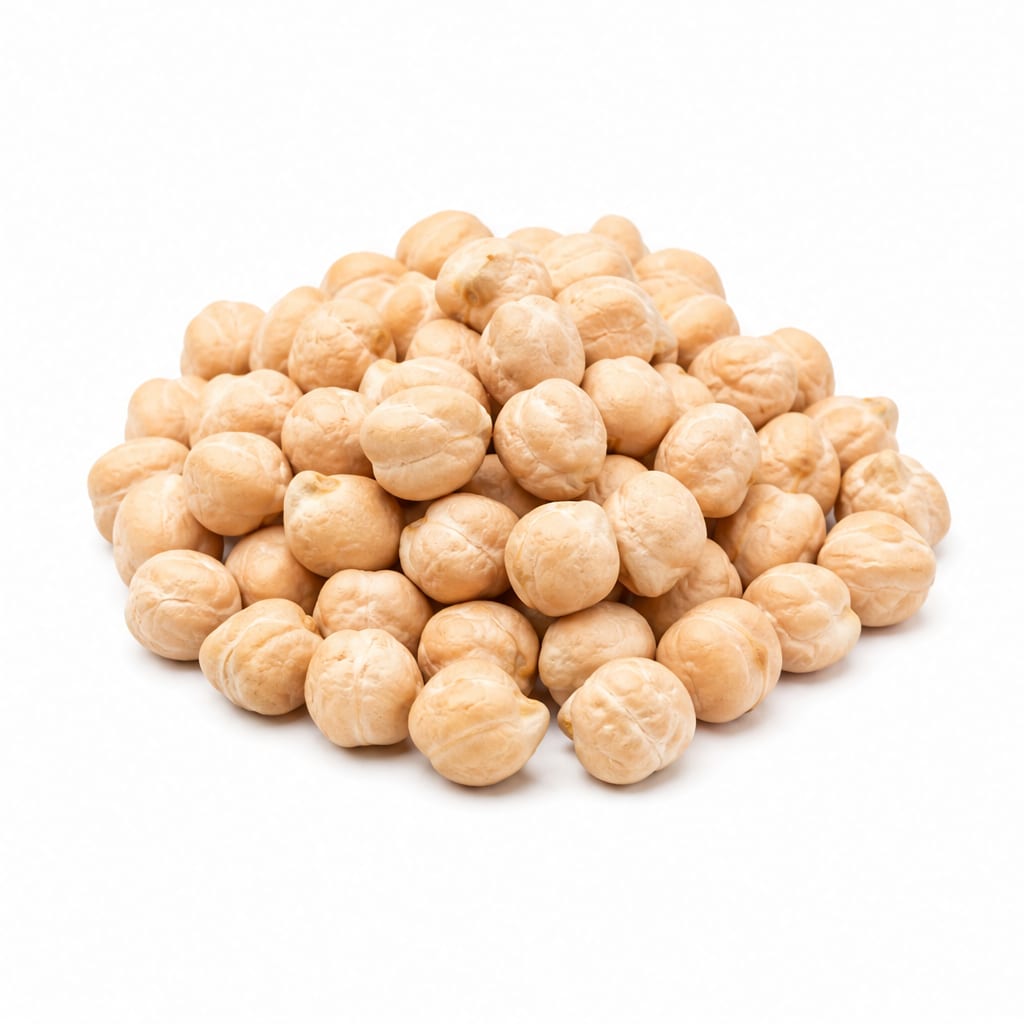
Compare with
Chickpeas
Chickpeas are higher in fat and calories, while mung beans provide more protein per calorie and digest easier.
Mung beans are lower in calories and higher in protein per gram, while chickpeas are creamier and higher in healthy fats.
This food
Mung Bean
VS85% alike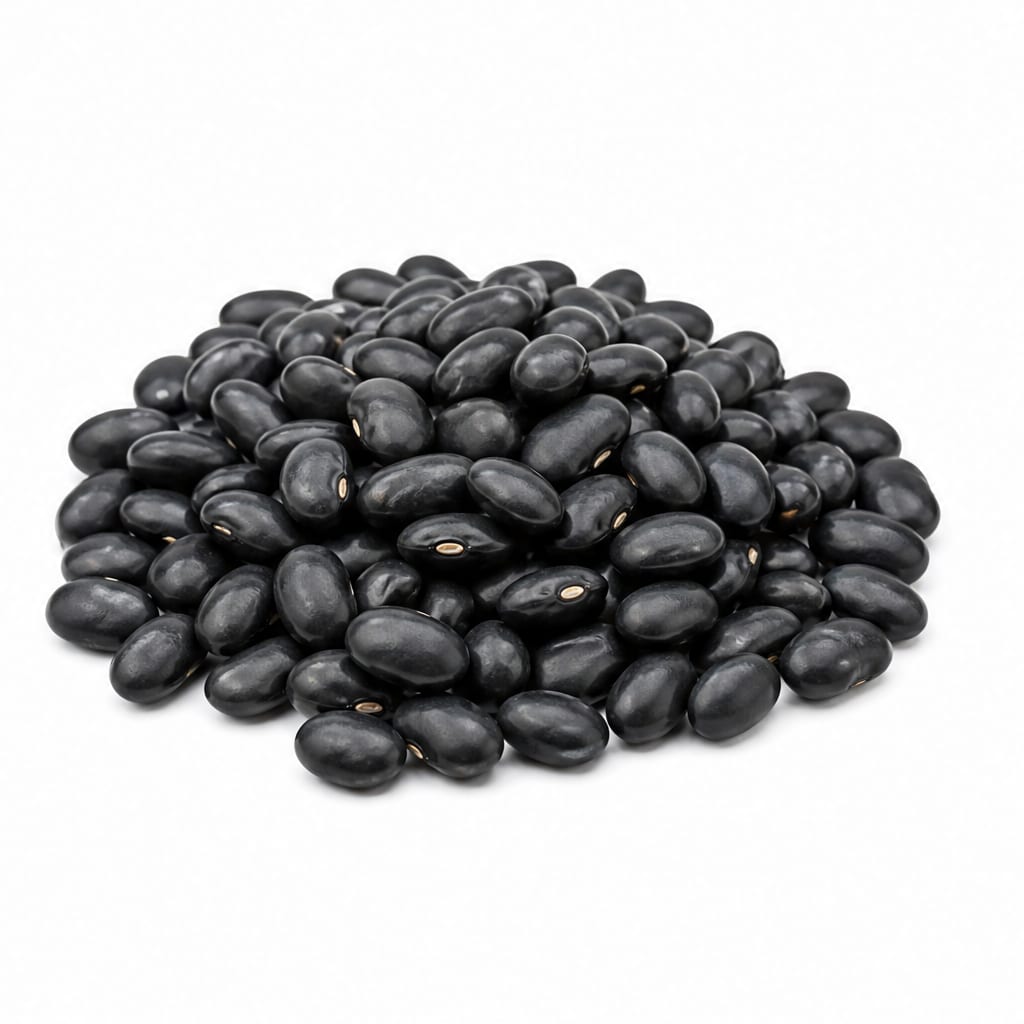
Compare with
Black Beans
Black beans are slightly higher in fiber and antioxidants, while mung beans have a lower glycemic index and are gentler on digestion.
Black beans offer more fiber and antioxidants, but mung beans win for blood sugar control and digestibility.
This food
Mung Bean
VS95% alike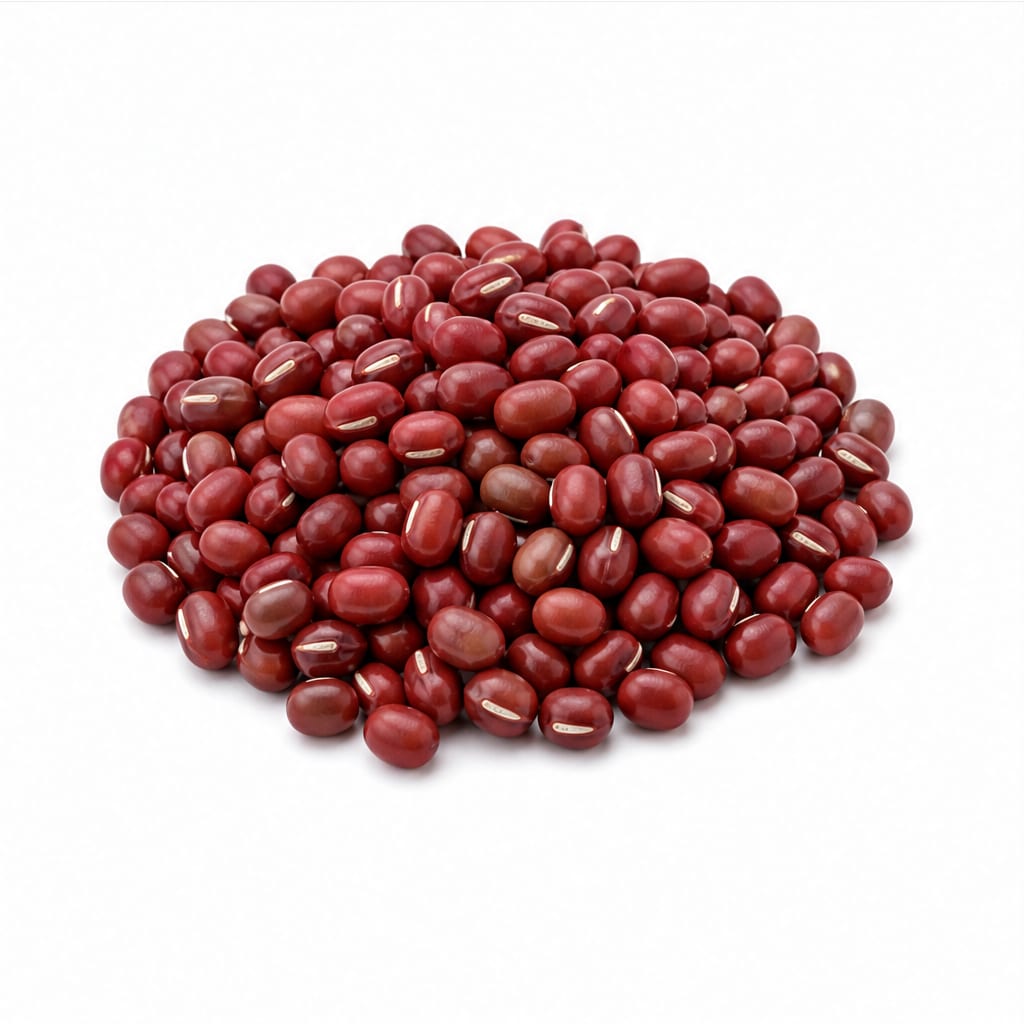
Compare with
Adzuki Beans
Adzuki beans are slightly sweeter and higher in folate, while mung beans are lower in calories and higher in protein.
Mung beans provide more protein and fewer calories, whereas adzuki beans are slightly sweeter and richer in folate.
This food
Mung Bean
VS80% alike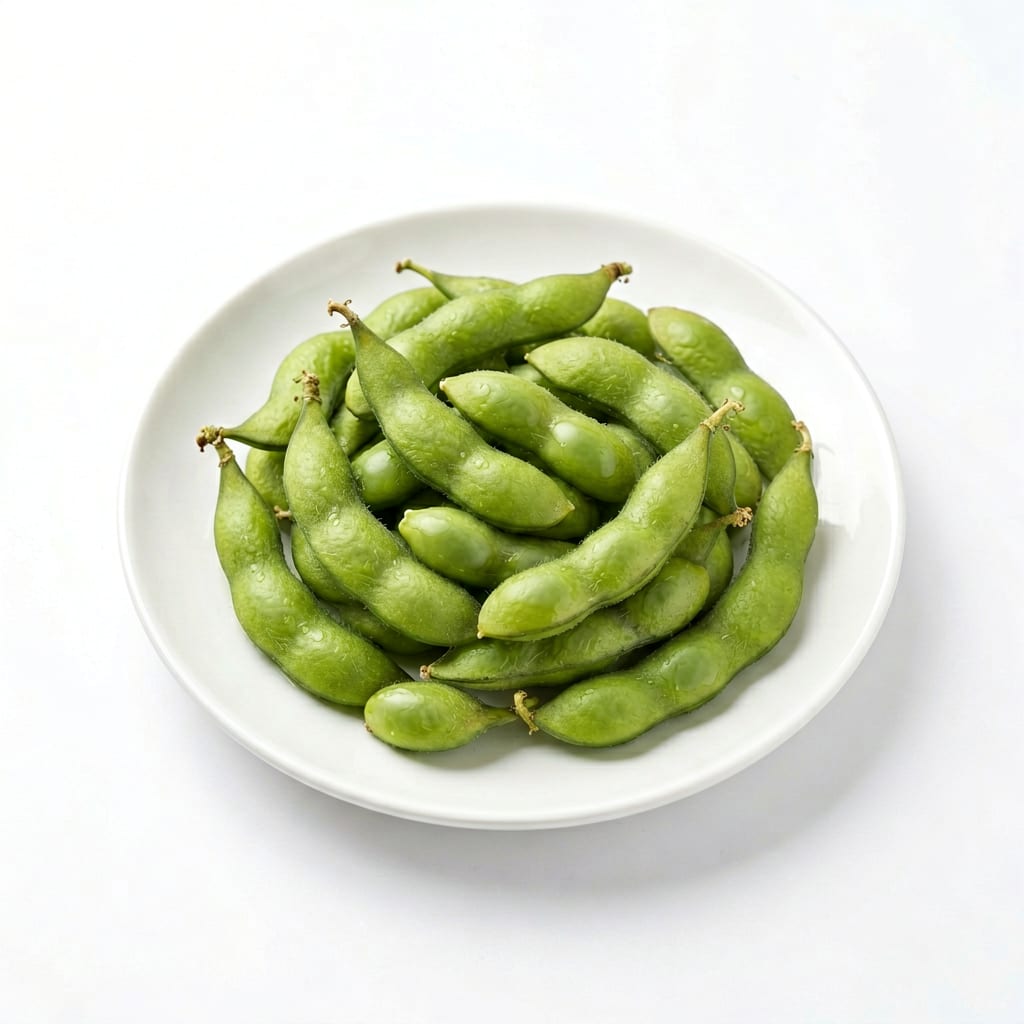
Compare with
Edamame
Edamame is a complete protein with higher fat, while mung beans are a complex carb-focused legume with more fiber.
Edamame provides complete protein and healthy fats, while mung beans offer more fiber and complex carbohydrates for sustained energy.
This food
Mung Bean
VS80% alike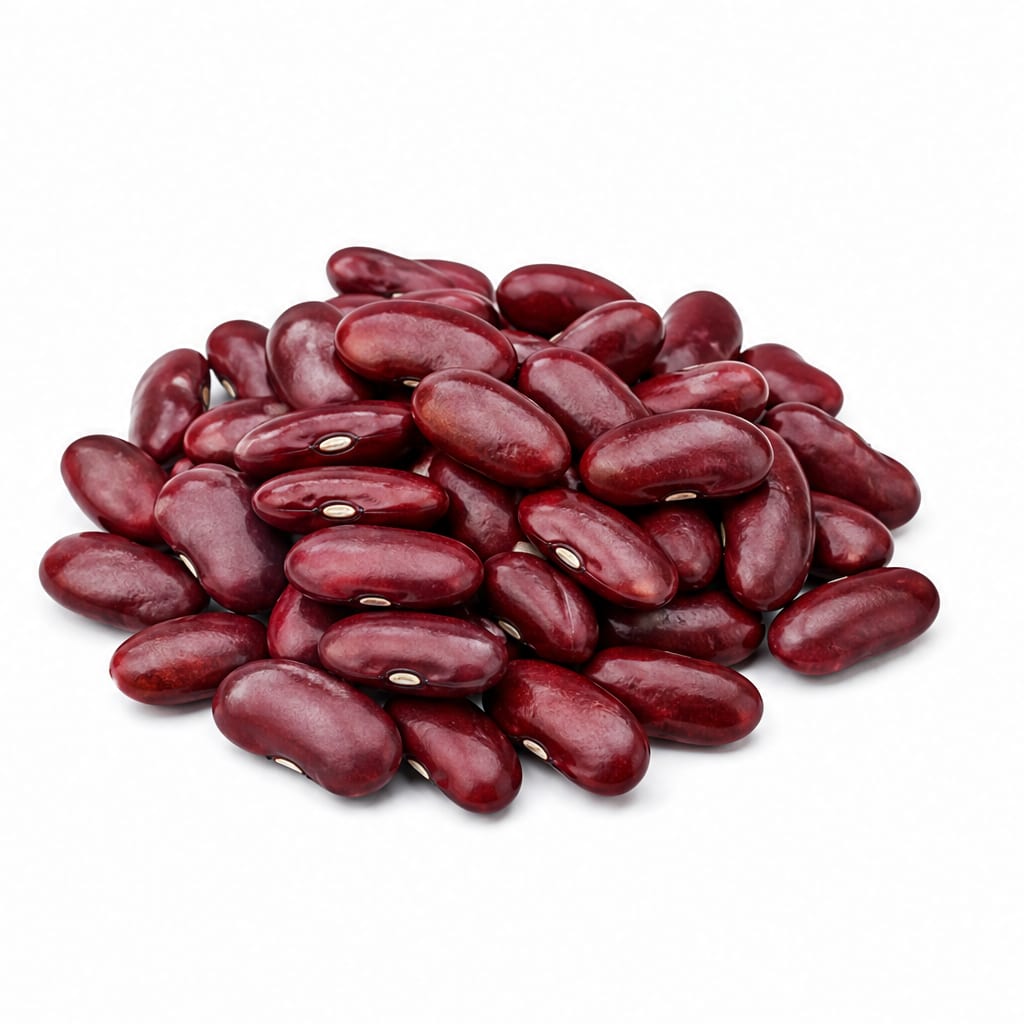
Compare with
Kidney Beans
Kidney beans are larger with a higher carb count, while mung beans are lower in calories and easier to digest.
Mung beans are lighter on digestion and lower in calories, while kidney beans are denser and slightly more filling.
This food
Mung Bean
VS80% alike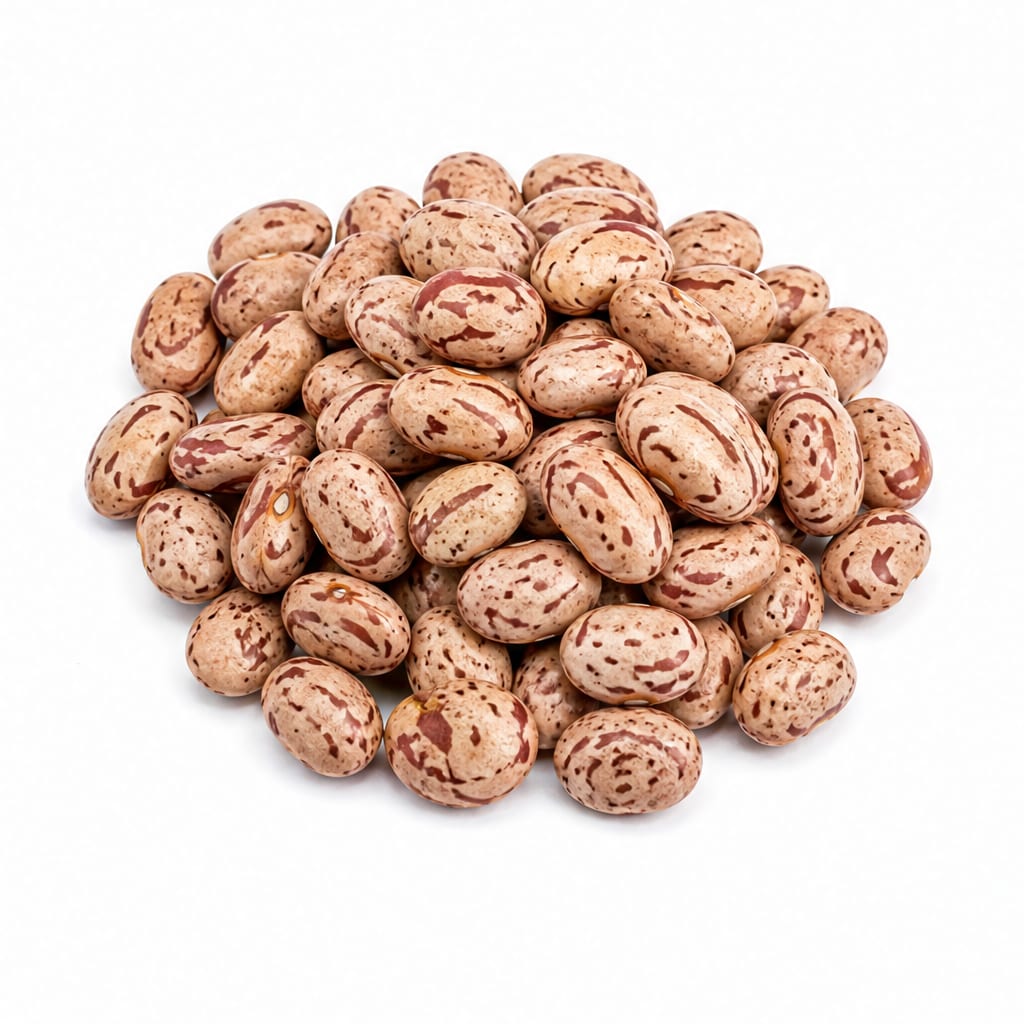
Compare with
Pinto Beans
Pinto beans are higher in carbohydrates and calories, while mung beans offer a leaner protein profile.
Mung beans are leaner and better for blood sugar, while pinto beans are creamier and higher in carbs.
This food
Mung Bean
VS90% alike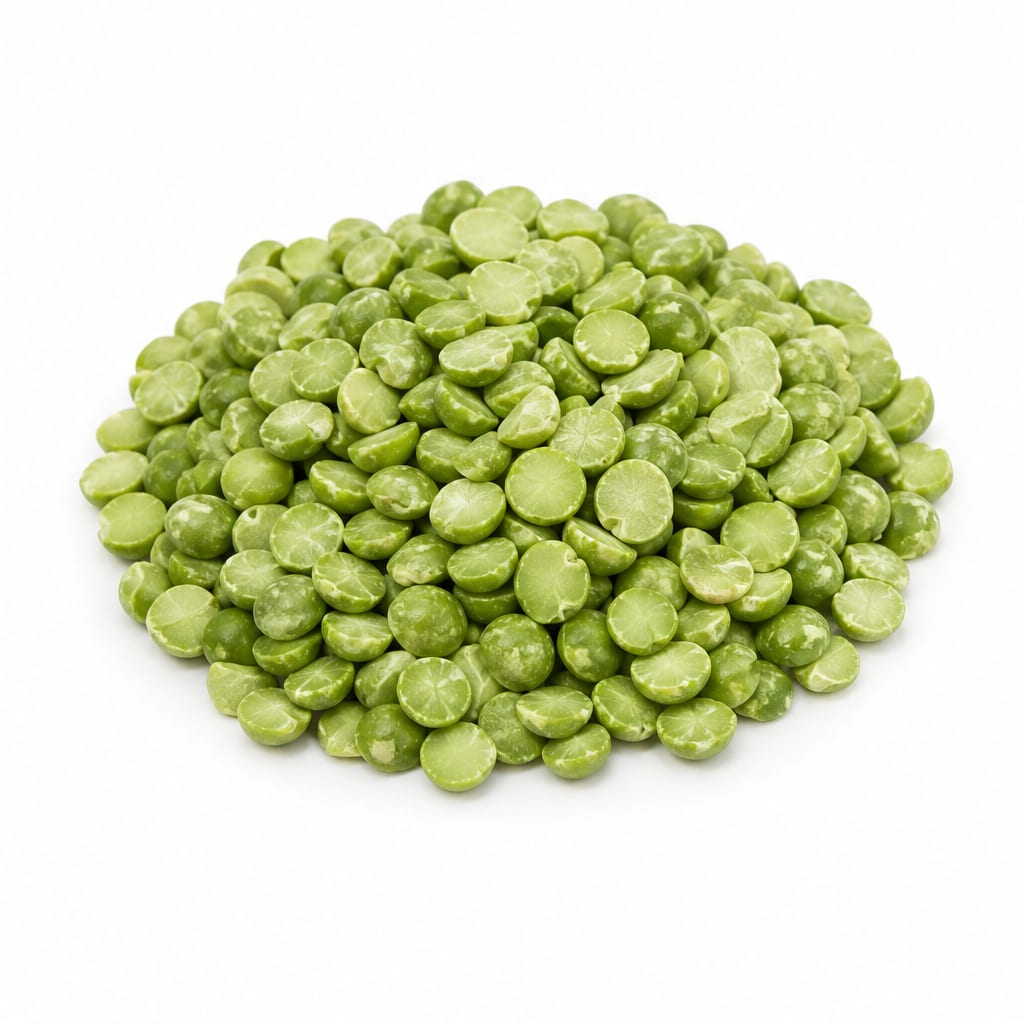
Compare with
Split Peas
Split peas have slightly more fiber, but mung beans are gentler on the stomach and have a lower glycemic load.
Mung beans are easier to digest and better for blood sugar, while split peas offer slightly more fiber per serving.
This food
Mung Bean
VS75% alike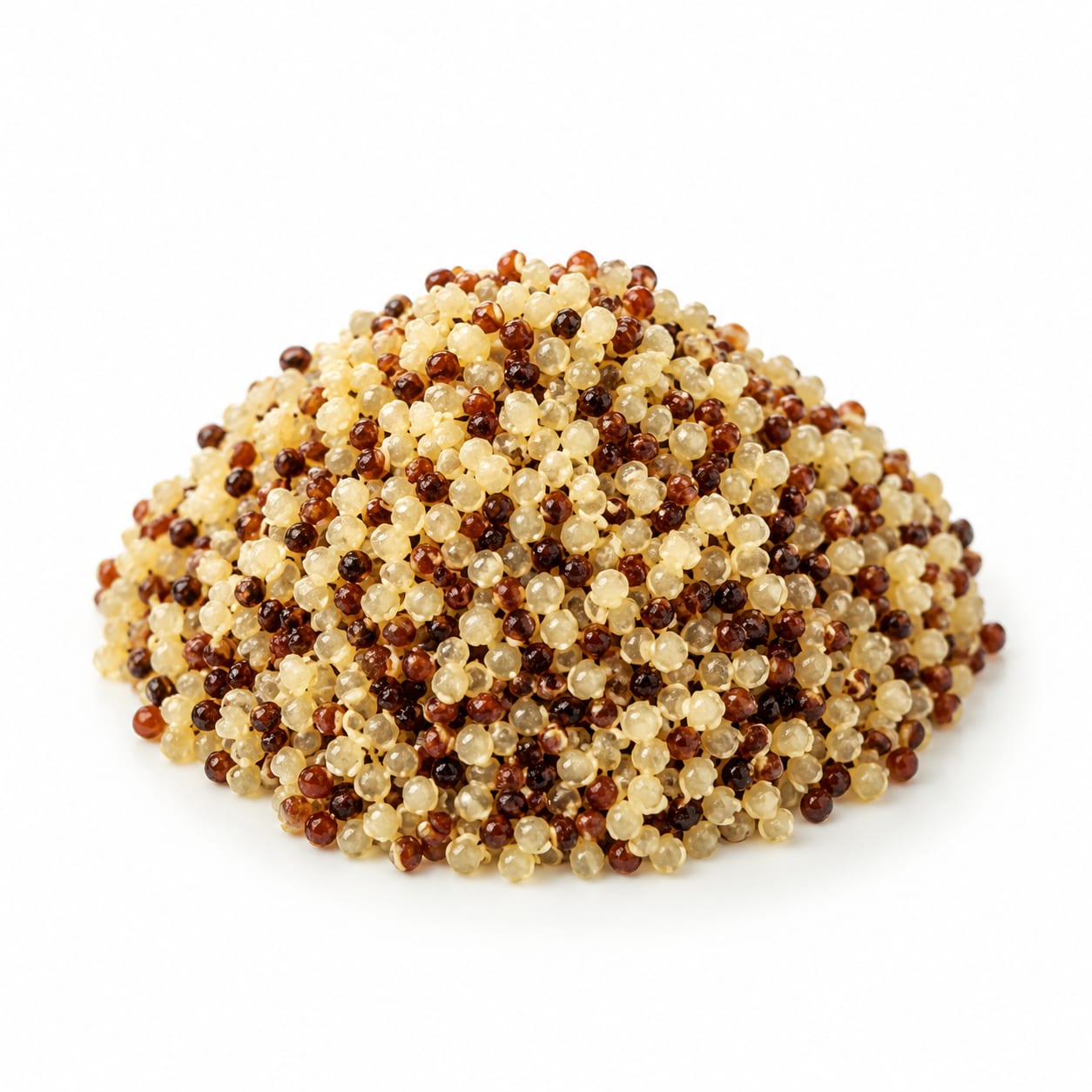
Compare with
Quinoa
Quinoa is a complete protein grain, while mung beans provide more protein, more fiber, and a lower glycemic index.
Mung beans offer double the protein and fiber of quinoa, making them better for satiety, while quinoa provides a complete amino acid profile.
This food
Mung Bean
VS70% alike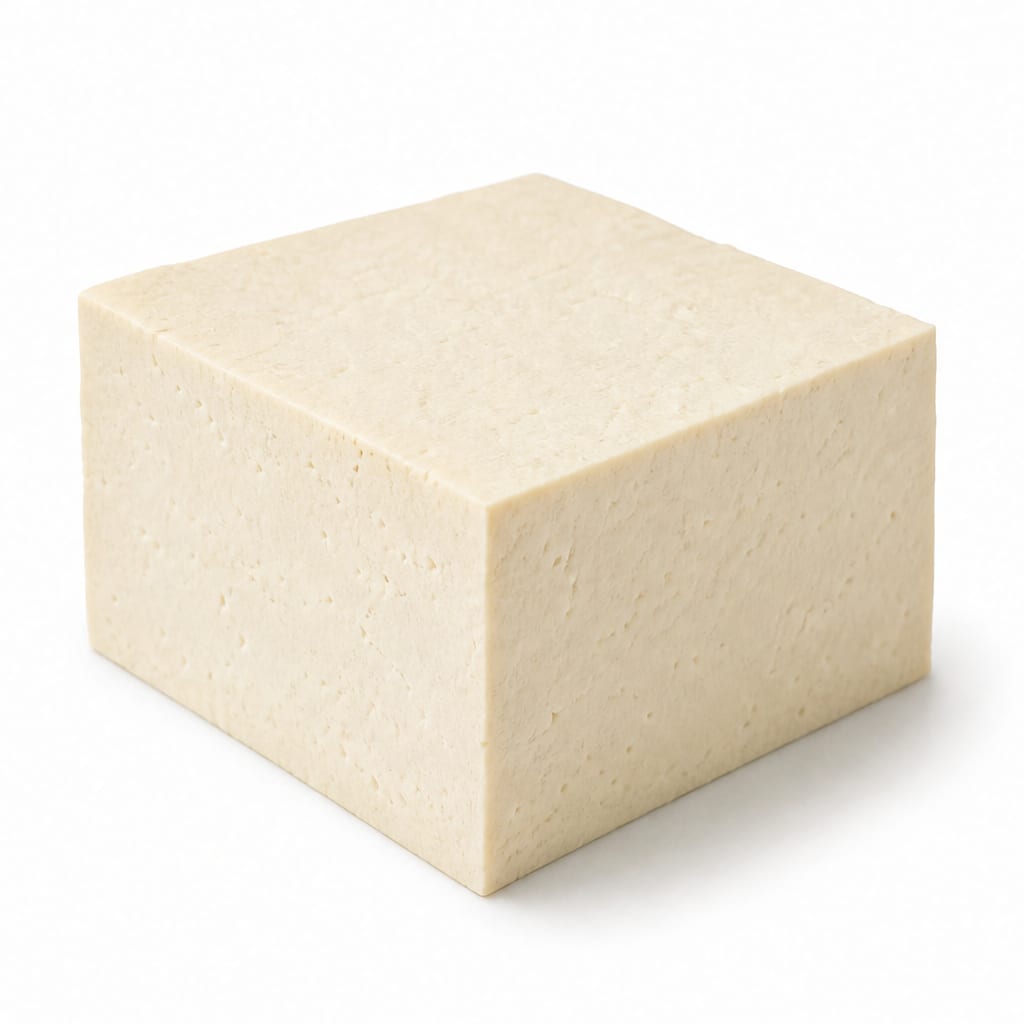
Compare with
Tofu
Tofu is a high-fat, low-carb protein, while mung beans are a high-carb, high-fiber protein source.
Tofu is better for low-carb diets with its high protein and fat, while mung beans provide sustained energy via complex carbs and fiber.
Common questions
FAQ
Answers aligned with how people search for this food.
Are mung beans good for weight loss?
Yes, mung beans are excellent for weight loss. Their high protein and fiber content significantly increases satiety, helping you feel full longer while consuming fewer calories overall.
Do mung beans spike blood sugar?
No, mung beans have a low glycemic index of around 31. Their high fiber content slows down carbohydrate digestion, resulting in a steady release of glucose into the bloodstream.
Are mung bean sprouts safe to eat raw?
Raw mung bean sprouts carry a moderate risk of bacterial contamination like Salmonella or E. coli due to the warm, humid conditions required for sprouting. Cooking them thoroughly eliminates this risk.
How much protein is in mung beans?
Cooked mung beans provide about 7 grams of protein per 100 grams, while raw dried mung beans contain approximately 24 grams of protein per 100 grams.
Are mung beans hard to digest?
Whole mung beans can cause gas or bloating in some people due to oligosaccharides. Soaking them overnight and cooking them thoroughly, or choosing split mung beans (moong dal), makes them much easier to digest.
Can diabetics eat mung beans?
Yes, mung beans are highly recommended for diabetics. Their low glycemic index and high fiber help regulate blood sugar levels and improve insulin sensitivity.
Do mung beans have complete protein?
Mung beans are not a complete protein on their own as they are slightly low in methionine. However, pairing them with grains like rice or wheat creates a complete amino acid profile.
What is the difference between mung beans and lentils?
While both are nutritious legumes, mung beans are smaller, rounder, and green, while lentils are typically lens-shaped and come in various colors. Mung beans are generally easier to digest and have a slightly lower glycemic index than some lentil varieties.
Transparency
Data confidence
Estimated confidence for nutrition data, interpretation, safety notes, and comparisons.
Nutrition data
Health analysis
Food safety
Comparisons