
Nutrition comparison
Mung Beans vs Edamame: Nutrition, Protein, and Which Is Better for You
Compare Mung Beans and Edamame on protein quality, calories, digestion, soy concerns, and cost. Find out which legume fits your health goals and lifestyle better.
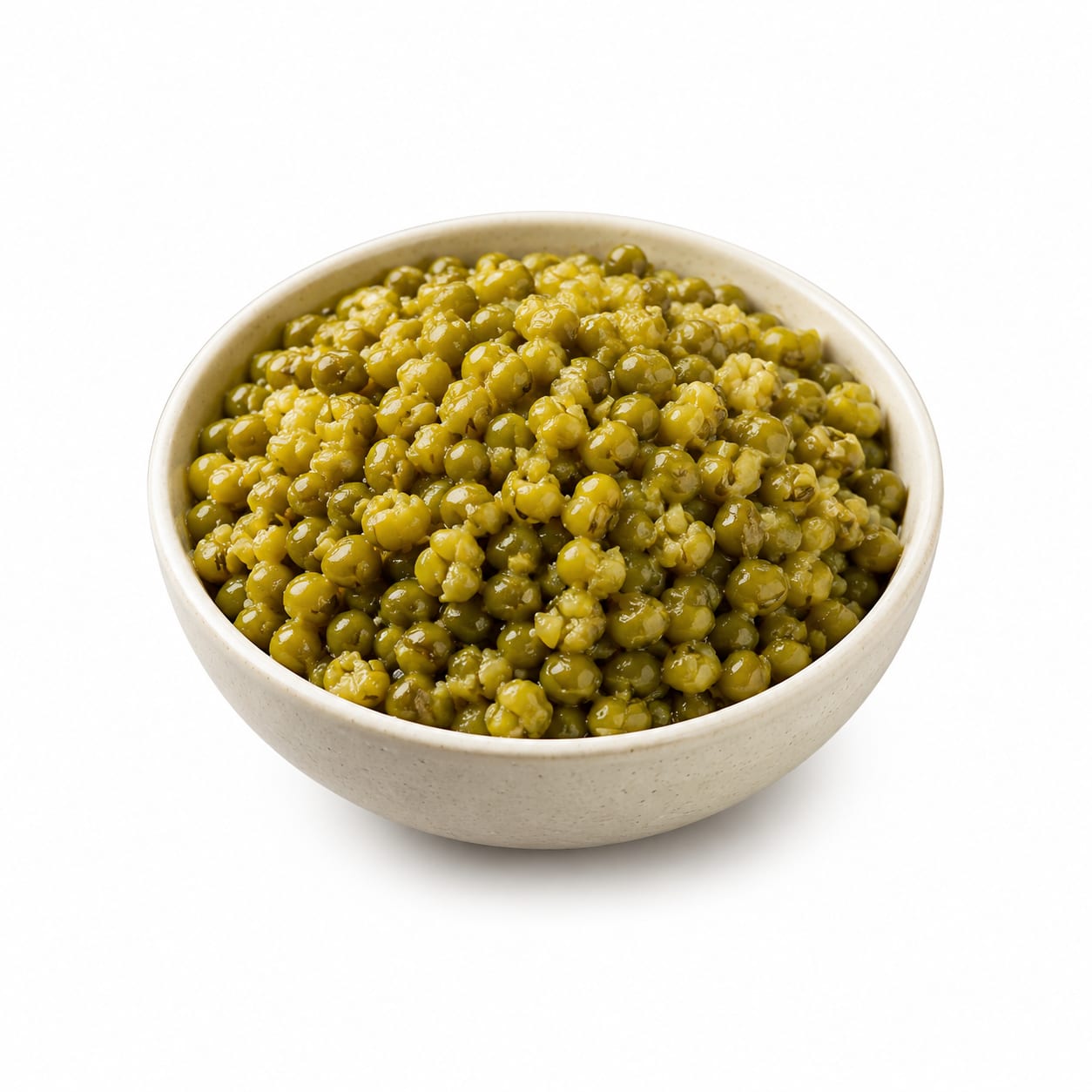
Mung Bean
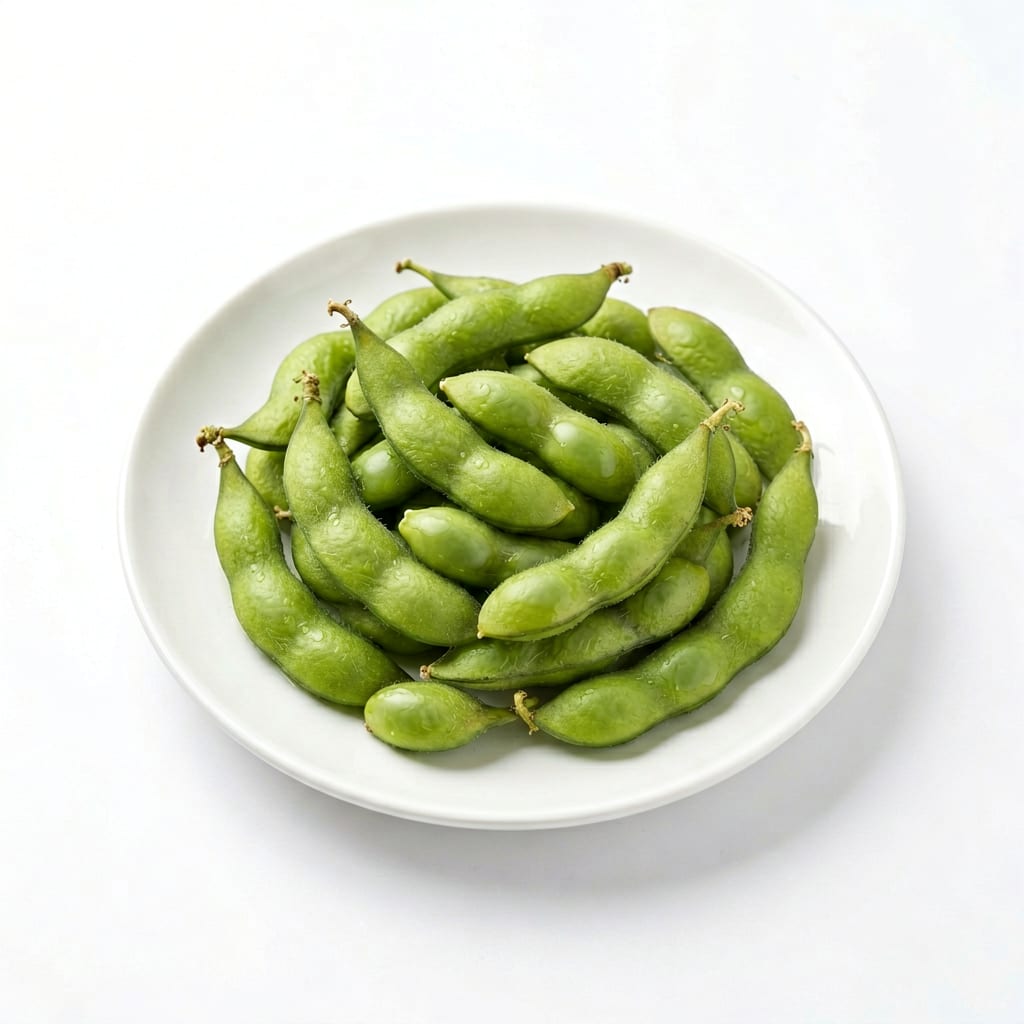
Edamame
Edamame delivers more complete protein and healthy fats in a convenient package, while Mung Beans offer lighter calories, gentler digestion, and zero soy concerns at a fraction of the cost.
Edamame edges ahead on protein quality, convenience, and healthy fat content, but Mung Beans stay competitive through lower calories, better affordability, and broader digestive tolerance. The gap is small because both are genuinely nutritious whole foods.
Protein punch and convenience versus calorie efficiency and digestive simplicity.
At a glance
Executive summary
Overall
It depends
Healthier
It depends
More practical
Edamame
Daily use
Mung Bean
Key comparison lenses
plant protein quality and completeness
Both are legume protein sources but differ significantly in amino acid profile and protein density
weight management and calorie efficiency
Mung Beans are much lower in calories per serving while Edamame carries more fat and calories
convenience and meal preparation practicality
Edamame is ready in minutes from frozen while dried Mung Beans require soaking and longer cooking
soy allergen and phytoestrogen concerns
Edamame is a soy product carrying allergen and hormonal considerations that Mung Beans avoid entirely
blood sugar and energy stability
Both are low-glycemic but their different macronutrient ratios affect how steadily energy is released
Best choice for
Mung Bean
- People avoiding soy due to allergy or phytoestrogen sensitivity
- Those tracking calories closely for weight loss
- Anyone prone to digestive discomfort from higher-fat legumes
- Budget-conscious meal preppers feeding a family
- People with thyroid conditions who limit soy intake
Edamame
- Athletes and lifters needing complete protein after workouts
- Busy people who want a ready-in-minutes high-protein snack
- Anyone falling short on healthy fat intake
- Vegetarians and vegans seeking a satisfying protein source
- Those who want a finger-food snack straight from the pod
Least suitable for
Mung Bean
- People who need quick meals with minimal prep time
- Anyone struggling to hit protein targets without supplements
- Those who find bland flavors hard to stick with long-term
- People looking for a grab-and-go snack option
Edamame
- Anyone with a soy allergy or sensitivity
- People strictly monitoring calorie intake
- Those with thyroid conditions advised to limit soy
- Budget-limited households needing affordable staples
Deep comparison
Dimension by dimension
Each lens scores both foods and breaks down who each option suits.
- Dimension 1 · Priority 95Edamame
Protein Quality and Density
Mung Bean · 58Edamame · 88Edamame provides roughly 50% more protein per cooked cup and delivers all nine essential amino acids in adequate ratios, making it a complete protein. Mung Beans are respectable but fall short on methionine.
Tradeoff
You get more and better protein from Edamame but it comes with more calories and fat per serving.
Why it matters
Complete proteins matter more for vegans and vegetarians who lack animal sources. If you eat meat or dairy regularly, this gap shrinks in practical importance.
Real-world impact
A cup of Edamame after a workout gives you about 17g of complete protein versus 14g of incomplete protein from Mung Beans. The difference adds up over weeks of training.
Mung Bean
- Lighter meals where protein is not the priority
- Combining with grains to form complete amino acid profiles cheaply
Better for
- Sole protein source in a vegan diet without complementary grains
- Muscle-building phases where every gram of protein counts
Worse for
Edamame
- Post-workout recovery meals
- Vegans needing reliable complete protein sources
- Replacing meat in a main dish
Better for
- Low-calorie meal plans where the extra fat calories are unwelcome
- People who find high-protein meals too heavy before activity
Worse for
- Dimension 2 · Priority 88Mung Bean
Calorie Efficiency and Weight Management
Mung Bean · 85Edamame · 62A cooked cup of Mung Beans delivers solid nutrition for roughly 210 calories, while the same volume of Edamame runs closer to 370 calories due to its higher fat content.
Tradeoff
Mung Beans let you eat more volume for fewer calories, but Edamame's fat content makes it more satiating per bite.
Why it matters
If you are actively cutting calories, Mung Beans give you more plate coverage per calorie. If you struggle with hunger between meals, Edamame's fat keeps you fuller longer.
Real-world impact
Choosing Mung Beans over Edamame at dinner saves you about 160 calories per cup. Over a week of daily swaps, that is over 1100 calories without changing portion sizes.
Mung Bean
- Calorie-counted meal plans
- Larger-volume meals that feel satisfying without overeating
- Evening meals where lighter fare sits better
Better for
- Situations where you need concentrated calories in a small portion
- Active individuals struggling to eat enough
Worse for
Edamame
- Smaller meals that need to keep you full for hours
- Snacks where a small amount must carry you to the next meal
Better for
- Anyone who finds it easy to overeat calorie-dense foods
- Late-night snacking where excess calories accumulate
Worse for
- Dimension 3 · Priority 82Edamame
Convenience and Preparation
Mung Bean · 45Edamame · 82Frozen Edamame steams in 3-5 minutes and can even be microwaved. Dried Mung Beans require rinsing, soaking, and 30-60 minutes of cooking. Sprouted Mung Beans take 2-3 days of advance planning.
Tradeoff
Edamame trades some shelf stability and cost for near-instant readiness. Mung Beans reward patience with cheaper per-serving costs and longer storage.
Why it matters
The best healthy food is the one you actually prepare. If cooking dried legumes feels like a chore, you will skip them entirely.
Real-world impact
Coming home tired at 7pm, Edamame is on your plate by 7:10. Mung Beans mean either planning ahead or opening a can, which adds sodium and cost.
Mung Bean
- Batch cooking on weekends for the whole week
- Slow-cooker soups and stews where cook time does not matter
Better for
- Last-minute meals when you have zero prep time
- People who dislike kitchen time and avoid cooking
Worse for
Edamame
- Quick weeknight dinners
- Office lunches needing minimal prep
- Travel snacks kept in a cooler bag
Better for
- Off-grid or camping situations without freezer access
- Long-term emergency food storage
Worse for
- Dimension 4 · Priority 78Mung Bean
Digestive Tolerance and Gut Comfort
Mung Bean · 80Edamame · 62Mung Beans are among the easiest legumes to digest, producing less gas than most beans. Edamame's higher fat and protein content can feel heavier, and soy is a common mild irritant for sensitive stomachs.
Tradeoff
Mung Beans are gentler on the gut but lower in protein. Edamame is more nutritious per bite but can cause bloating in sensitive people.
Why it matters
If legumes normally make you uncomfortable, Mung Beans are the safer starting point. They are often the first bean recommended during digestive recovery diets.
Real-world impact
Eating Mung Bean soup for lunch feels light and comfortable for most people. A large Edamame bowl might leave you feeling stuffed and slightly bloated an hour later.
Mung Bean
- People with IBS or sensitive digestion
- Reintroducing legumes after a gut reset
- Light meals before physical activity
Better for
- Situations where you want a meal to feel substantial and filling
Worse for
Edamame
- Those with iron stomachs who tolerate soy well
- Heavier meals where density is welcome
Better for
- Anyone with soy sensitivity or general bloating tendencies
- Meals eaten close to exercise or sleep
Worse for
- Dimension 5 · Priority 78Mung Bean
Soy Allergen and Hormonal Considerations
Mung Bean · 95Edamame · 40Mung Beans carry zero soy allergen risk and no phytoestrogen load. Edamame is a whole soy food containing isoflavones that can mimic estrogen weakly, which is beneficial for some but concerning for others.
Tradeoff
Edamame's isoflavones may support bone health and menopause symptoms, but they are inappropriate for people with soy allergies or certain hormone-sensitive conditions.
Why it matters
Soy is one of the top eight allergens. Even if you are not allergic, some people prefer to limit phytoestrogen intake as a precaution.
Real-world impact
If you have a soy allergy, Edamame is completely off the table. If you have a thyroid condition, your doctor may advise limiting soy. Mung Beans sidestep both concerns entirely.
Mung Bean
- Soy-allergic individuals
- People with hypothyroidism on medical advice
- Those who prefer to avoid phytoestrogens
- Pregnant women advised to limit soy intake
Better for
- Anyone specifically seeking isoflavone benefits
Worse for
Edamame
- Postmenopausal women who may benefit from isoflavones
- People seeking natural bone-density support
Better for
- Soy-allergic individuals who must avoid it completely
- People with hormone-sensitive conditions under medical monitoring
Worse for
- Dimension 6 · Priority 72Mung Bean
Cost and Accessibility
Mung Bean · 90Edamame · 58Dried Mung Beans cost roughly $2-4 per pound and expand significantly when cooked, yielding many servings. Frozen Edamame typically runs $4-8 per pound with less yield per dollar.
Tradeoff
Mung Beans are dramatically cheaper per serving but require more time investment. Edamame costs more but saves you 30-60 minutes of cooking.
Why it matters
For families or individuals on tight budgets, the cost difference is substantial over months of regular consumption.
Real-world impact
Feeding a family of four Mung Bean-based meals three times a week might cost $5-8 weekly. The same frequency with Edamame could run $12-20 weekly.
Mung Bean
- Household grocery budgets under constraint
- Bulk meal prepping for cost efficiency
- Developing countries or food-insecure settings
Better for
- Situations where time is scarcer than money
Worse for
Edamame
- Time-rich, budget-flexible households
- Quick meals where convenience justifies the premium
Better for
- Large families needing affordable protein staples
- Students or low-income individuals
Worse for
- Dimension 7 · Priority 70Edamame
Healthy Fat Content
Mung Bean · 30Edamame · 85Edamame provides roughly 12g of mostly unsaturated fat per cooked cup, including omega-3 and omega-6 fatty acids. Mung Beans contain less than 1g of fat per serving.
Tradeoff
Edamame's fat supports hormone health and nutrient absorption but adds significant calories. Mung Beans are nearly fat-free, which is great for low-fat diets but means you need fat from elsewhere.
Why it matters
Your body needs dietary fat for hormone production, brain function, and absorbing fat-soluble vitamins. A fat-free legume means you must pair it with a fat source.
Real-world impact
Eating Mung Beans with a drizzle of olive oil or avocado fixes the fat gap easily. Edamame already has this covered, making it a more self-contained meal component.
Mung Bean
- Very low-fat diet protocols under medical guidance
- Meals where fat comes from other components like avocado or dressing
Better for
- Meals that need to be nutritionally complete on their own
Worse for
Edamame
- Standalone snacks needing no additions
- Balanced meals where the fat source is built in
- Vegans who struggle to get enough healthy fat
Better for
- Low-fat dietary approaches prescribed by a doctor
Worse for
Timeline
Health impact over time
Short-term
Hours to days
Mung Bean
- Light, comfortable fullness without heaviness
- Steady energy without blood sugar spikes
- Minimal bloating compared to other legumes
- May feel less satisfied if eaten alone without fat or protein companions
Edamame
- Strong satiety from combined protein and fat content
- Slight bloating possible if you are sensitive to soy
- More immediate feeling of having eaten a substantial meal
- Salty preparation can increase thirst if heavily seasoned
Long-term
Months to years
Mung Bean
- Consistent low-calorie nutrition supports gradual healthy weight management
- Excellent digestive regularity from gentle fiber content
- Zero soy exposure eliminates long-term phytoestrogen questions
- May require conscious pairing with fat and protein sources to avoid nutrient gaps
Edamame
- Isoflavones may support bone mineral density in postmenopausal women
- Complete protein intake helps preserve lean muscle with aging
- Soy consumption correlates with modest cardiovascular benefits in population studies
- Long-term heavy soy intake remains debated for hormone-sensitive individuals
Risk profile
Safety & processing
Both foods are whole, minimally processed legumes. Dried Mung Beans are simply harvested and dried. Frozen Edamame is typically just steamed and frozen, though some brands add salt or preservatives to the pod, so check labels if eating the beans directly.
Mung Bean
Bacterial contamination during sprouting
mediumHome-sprouted Mung Beans can harbor Salmonella or E. coli if hygiene is poor. Commercial sprouts carry similar risks. Cooking eliminates this concern entirely.
Lectin content in undercooked beans
lowRaw Mung Beans contain lectins that can cause nausea, but thorough cooking neutralizes them completely. This is only a risk if eating raw or severely undercooked beans.
Edamame
Soy allergy reactions
highSoy is a top eight allergen. Reactions range from mild hives to anaphylaxis. Anyone with a diagnosed soy allergy must avoid Edamame entirely.
Pesticide residue on conventional soy
mediumSoy is a heavily pesticide-treated crop in conventional farming. Choosing organic Edamame significantly reduces this concern.
GMO exposure with conventional varieties
mediumMost conventional soy grown in the US is genetically modified. If avoiding GMOs matters to you, choose organic or explicitly non-GMO verified Edamame.
Who wins for whom
Audience fit
Same foods, different winners depending on your goal.
children
EdamameEdamame's fun finger-food format and milder sweeter taste appeal more to kids, and its complete protein supports growing bodies. Just monitor for soy allergy.
daily consumption
Mung BeanMung Beans' lighter calorie load, easier digestion, and absence of soy concerns make them more sustainable as a daily staple without second-guessing.
diabetes
Mung BeanBoth are low-glycemic, but Mung Beans' lower fat and calorie density makes portion management easier for blood sugar control alongside weight management.
elderly
Mung BeanMung Beans are gentler on aging digestive systems and avoid soy-related concerns that may interact with medications common in older adults.
muscle gain
EdamameEdamame's complete protein and higher overall protein content per serving better supports muscle repair and growth.
weight loss
Mung BeanMung Beans provide more food volume per calorie, making it easier to maintain a calorie deficit without feeling deprived.
Your move
Decision guide
Choose Mung Bean
- You are avoiding soy for allergy, thyroid, or personal reasons
- Calorie efficiency is your top priority for weight management
- You want an affordable staple you can batch-cook weekly
- You have a sensitive stomach and need the gentlest legume option
- You are meal-prepping soups, stews, or curries in bulk
Choose Edamame
- You need a quick high-protein snack with minimal prep
- You are vegan and want a complete protein source
- You are an athlete or lifter prioritizing muscle recovery
- You want a satisfying standalone food that needs no companions
- You enjoy the taste and experience of eating from the pod
Either works if
- You simply want more legume variety in your diet
- You are eating a balanced diet with other protein and fat sources
- You rotate between them based on what meal you are preparing
- You have no soy allergy or sensitivity concerns
Avoid both if
- You have a general legume intolerance that causes severe digestive distress
- You are on a very strict low-fiber diet for a medical procedure
- You are allergic to both soy and other legumes, which is rare but possible
Final recommendation
Keep both in your rotation. Use Mung Beans as your affordable, digestible daily staple for soups and bowls. Reach for Edamame when you need quick protein, a satisfying snack, or a complete amino acid profile. They complement each other beautifully rather than competing.
Practical
Consumer tips
- 1
Buy dried Mung Beans in bulk and cook a large batch weekly to solve the convenience gap
- 2
Choose organic Edamame to avoid pesticide residue and GMO concerns
- 3
If Edamame causes bloating, try smaller portions alongside Mung Beans to ease into soy gradually
- 4
Sprout Mung Beans at home for a raw crunch, but follow strict hygiene to avoid bacterial contamination
- 5
Pair Mung Beans with a fat source like olive oil, coconut milk, or avocado to make the meal more nutritionally complete
- 6
Season Mung Beans boldly with spices and herbs since they are quite bland on their own
- 7
Keep frozen Edamame in your freezer as a backup protein source for days when cooking feels like too much effort
- 8
Rinse canned Mung Beans to reduce sodium if using them as a shortcut over dried