
Nutrition comparison
Mung Bean vs Chickpeas: Digestion, Protein, and Health Comparison
Mung beans are easier to digest and lighter, while chickpeas offer more protein and satiety. Discover which legume fits your health goals best.
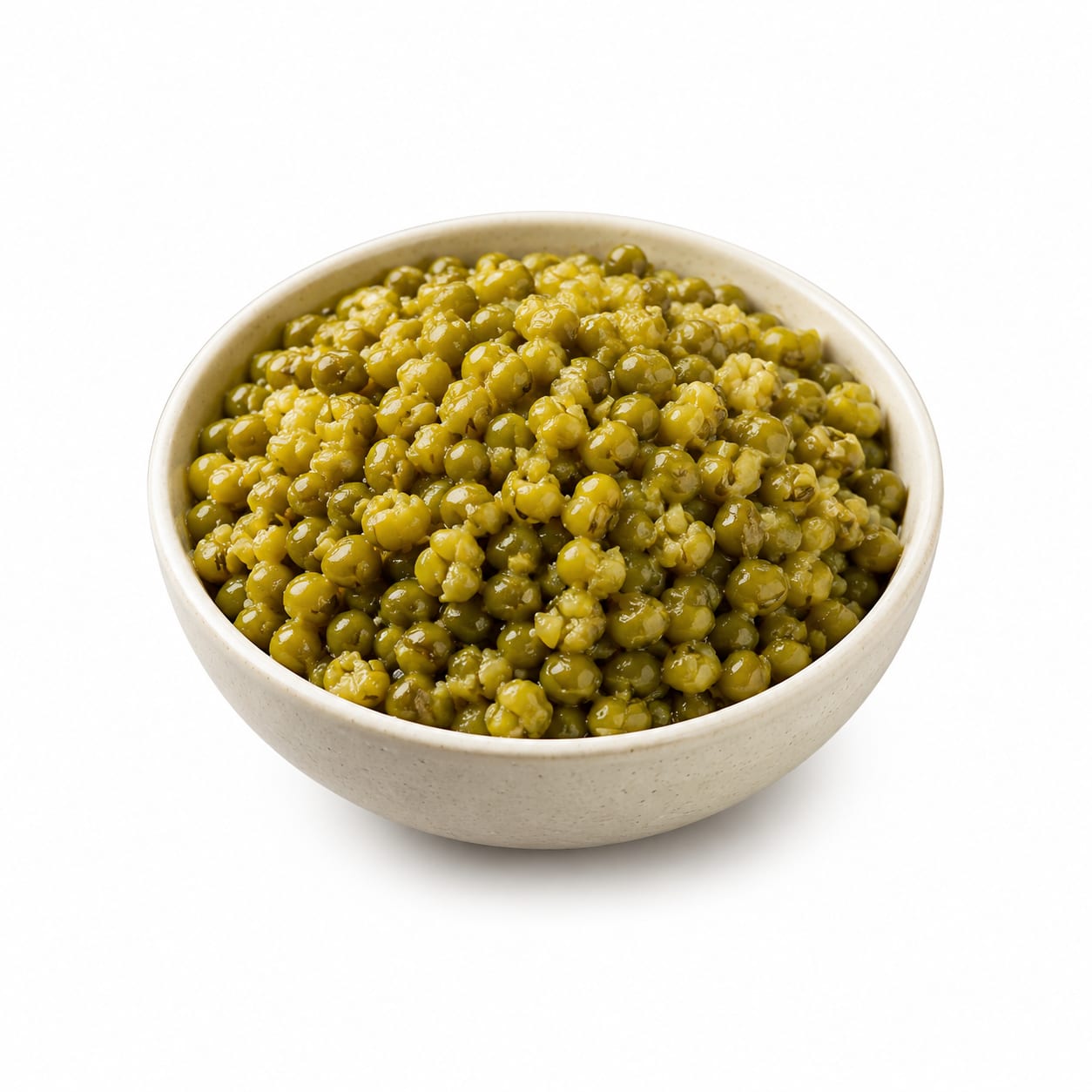
Mung Bean
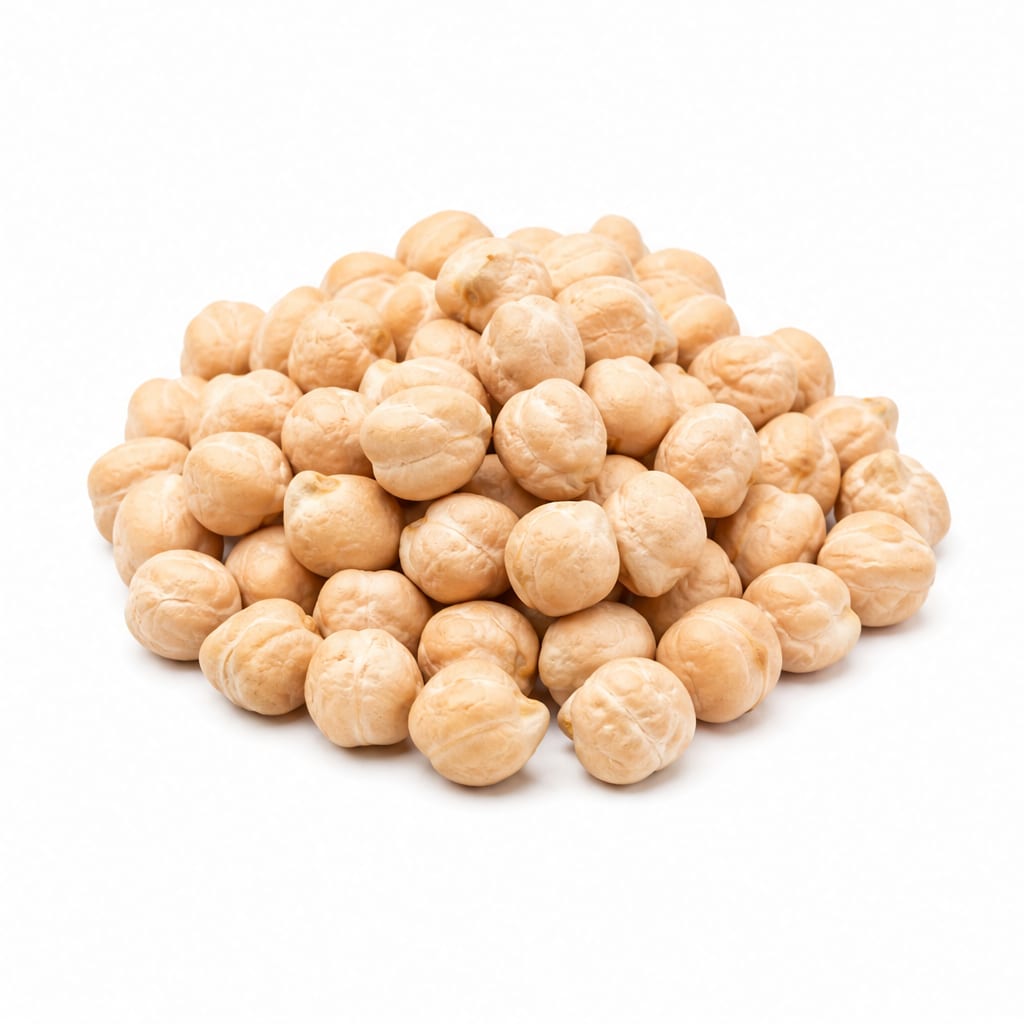
Chickpeas
Chickpeas win for protein and meal-size satisfaction, but mung beans are the clear winner for gentle digestion and lighter meals.
Chickpeas score slightly higher overall due to superior protein and micronutrient density, but mung beans remain an elite choice for digestibility and blood sugar control.
Heavier satiety and higher protein from chickpeas versus the easy-to-digest, lighter comfort of mung beans.
At a glance
Executive summary
Overall
It depends
Healthier
It depends
More practical
Chickpeas
Daily use
It depends
Key comparison lenses
digestive tolerance
Mung beans are famously easy to digest while chickpeas are notorious for causing bloating and gas in sensitive individuals
protein and satiety
Chickpeas offer a denser protein punch and heavier fullness, making them a staple for plant-based meals
blood sugar management
Both are low-glycemic, but mung beans have a slight edge for steadier blood sugar due to their lower carbohydrate density
culinary versatility
Chickpeas dominate in hummus, roasting, and salads, while mung beans shine in soups and sprouts
Best choice for
Mung Bean
- People with IBS or sensitive stomachs
- Those wanting a light, comforting soup
- Anyone prone to bloating from beans
- Blood sugar management focus
Chickpeas
- Plant-based eaters needing more protein
- Athletes seeking post-workout recovery meals
- People wanting a hearty, filling salad base
- Those needing an iron and folate boost
Least suitable for
Mung Bean
- Bodybuilders in a heavy bulking phase
- People who find the texture of sprouts unappealing
- Those seeking a dense, high-calorie base for meals
Chickpeas
- People with severe digestive bloating issues
- Those wanting a light meal before a workout
- Individuals looking for quick-cooking legumes
Deep comparison
Dimension by dimension
Each lens scores both foods and breaks down who each option suits.
- Dimension 1 · Priority 92Mung Bean
Digestive Comfort
Mung Bean · 95Chickpeas · 60Mung beans are famously gentle on the gut, while chickpeas are a common trigger for gas and bloating.
Tradeoff
You get more protein density with chickpeas, but at the cost of potential digestive discomfort.
Why it matters
If you avoid beans because they make you bloated, mung beans are the easiest entry point back into eating legumes.
Real-world impact
Eating mung beans means less post-meal belly bloat and no need for enzyme supplements like Beano.
Mung Bean
- Sensitive stomachs
- IBS-prone individuals
- Easy weeknight dinners
Better for
- Situations requiring maximum calorie density
Worse for
Chickpeas
- Those with ironclad digestion
- Heavy meal prep days
Better for
- Date nights or office lunches where bloating is a concern
Worse for
- Dimension 2 · Priority 88Chickpeas
Protein and Satiety
Mung Bean · 72Chickpeas · 90Chickpeas deliver more protein per serving and keep you full for longer, making them a plant-based staple.
Tradeoff
Chickpeas are heavier and more filling, which is great for a main meal but might feel too dense for a light snack.
Why it matters
If you rely on legumes as a primary protein source, chickpeas get you closer to your daily target with less volume.
Real-world impact
A chickpea bowl will keep you full from lunch until dinner, while a mung bean soup might leave you hunting for a snack by 3 PM.
Mung Bean
- Light dinners
- When you want comfort without heaviness
Better for
- Recovering from heavy weightlifting
Worse for
Chickpeas
- Post-workout recovery
- Main course plant-based meals
- Sustained energy for long workdays
Better for
- Hot summer days when you want a light meal
Worse for
- Dimension 3 · Priority 85Mung Bean
Blood Sugar Stability
Mung Bean · 92Chickpeas · 85Both are excellent for blood sugar, but mung beans have a slightly lower glycemic load and are easier to portion control.
Tradeoff
Chickpeas are still great for blood sugar, but their higher carbohydrate content requires a bit more mindful pairing with fats and proteins.
Why it matters
For diabetics or those managing energy crashes, mung beans offer a slightly safer, steadier energy curve.
Real-world impact
Mung beans are less likely to cause that subtle afternoon energy dip that sometimes follows a heavier carb meal.
Mung Bean
- Diabetics seeking low-glycemic foods
- Those prone to afternoon energy crashes
Better for
- Endurance athletes needing quick glycogen reload
Worse for
Chickpeas
- Active individuals needing carb replenishment
Better for
- Sedentary evenings where heavy carbs are unnecessary
Worse for
- Dimension 4 · Priority 80Chickpeas
Micronutrient Density
Mung Bean · 78Chickpeas · 88Chickpeas are richer in iron, folate, and zinc, while mung beans offer more potassium and magnesium.
Tradeoff
Chickpeas are better for preventing anemia and supporting immunity, while mung beans are slightly better for hydration and muscle relaxation.
Why it matters
Women of reproductive age often benefit more from the iron and folate in chickpeas.
Real-world impact
Regular chickpea consumption can noticeably improve energy levels if you are borderline anemic.
Mung Bean
- Muscle cramp prevention
- Blood pressure management
Better for
- Iron-deficiency anemia management
Worse for
Chickpeas
- Pregnancy nutrition
- Vegetarians needing iron
Better for
- Those already taking iron supplements who don't need excess
Worse for
- Dimension 5 · Priority 75Chickpeas
Culinary Versatility and Convenience
Mung Bean · 70Chickpeas · 88Chickpeas are the Swiss army knife of legumes, working in everything from hummus to roasted snacks to curries.
Tradeoff
Mung beans are more niche, excelling in soups and sprouts, but they lack the broad appeal of chickpeas in Western recipes.
Why it matters
You are more likely to eat a food regularly if it fits easily into your existing recipe rotation.
Real-world impact
Canned chickpeas can be tossed into a salad in 30 seconds; mung beans usually require more specific recipe planning.
Mung Bean
- Asian-inspired soups and stews
- Home sprouting projects
Better for
- Making a quick hummus-like dip
Worse for
Chickpeas
- Quick salad toppers
- Dips and spreads
- Roasted crunchy snacks
Better for
- Traditional Asian congee or sweet soups
Worse for
Timeline
Health impact over time
Short-term
Hours to days
Mung Bean
- Light, comfortable fullness without bloating
- Steady energy without a carb crash
- Gentle on the digestive tract
Chickpeas
- Heavy, lasting satiety that can border on feeling stuffed
- Potential for gas and digestive discomfort if not cooked well
- Sustained energy for physical labor or long days
Long-term
Months to years
Mung Bean
- Improved digestive regularity with minimal discomfort
- Better blood sugar management over time
- Consistent, light energy levels supporting active lifestyles
Chickpeas
- Improved iron status and reduced anemia risk
- Stronger satiety signaling aiding weight management
- Robust gut microbiome diversity from high resistant starch
Risk profile
Safety & processing
Both foods are whole, minimally processed legumes when bought dry or canned with just water and salt. Canned versions may have added sodium, so rinsing is recommended.
Mung Bean
Sprout contamination
mediumRaw mung bean sprouts are a known vector for Salmonella and E. coli if not grown in sanitary conditions; cooking eliminates this risk.
Chickpeas
Canned BPA exposure
lowCanned chickpeas often sit in acidic water inside BPA-lined cans; choosing tetra-paks or dried mitigates this.
Who wins for whom
Audience fit
Same foods, different winners depending on your goal.
children
Mung BeanMung beans are much easier on a child's developing digestive system and are less likely to cause uncomfortable gas.
daily consumption
It dependsChickpeas are better if you need the protein and iron daily; mung beans are better if daily chickpeas cause you digestive distress.
diabetes
Mung BeanMung beans have a slightly lower glycemic index and carb load, making blood sugar spikes less likely.
elderly
Mung BeanOlder adults often have slower digestion; mung beans provide necessary fiber without the heavy bloating of chickpeas.
muscle gain
ChickpeasChickpeas provide more protein per calorie, which is critical for muscle repair and growth.
weight loss
It dependsMung beans are better for low-calorie volume eating, while chickpeas are better for high-satiety portion control.
Your move
Decision guide
Choose Mung Bean
- You regularly experience bloating or gas from other beans
- You want a comforting, light soup or stew base
- You are focused on steady blood sugar without heaviness
- You enjoy sprouting your own fresh greens
Choose Chickpeas
- You are plant-based and need a dense, reliable protein source
- You want to make hummus, falafel, or roasted snacks
- You have no issues digesting beans and want maximum fullness
- You need a boost in iron and folate
Either works if
- You want a fiber-rich base for a grain bowl
- You are meal-prepping healthy lunches for the week
- You are looking for affordable, shelf-stable plant protein
Avoid both if
- You are on a strict very-low-carb or keto diet
- You have a severe legume allergy
Final recommendation
Keep both in your pantry. Use chickpeas when you need a hearty, protein-packed meal that sticks to your ribs, and reach for mung beans when your stomach needs a break or you want something light and comforting.
Practical
Consumer tips
- 1
If chickpeas make you bloated, try soaking them longer with a pinch of baking soda before cooking, or switch to mung beans.
- 2
Rinsing canned chickpeas removes up to 40% of the sodium and reduces the oligosaccharides that cause gas.
- 3
If you want the protein of chickpeas but the digestibility of mung beans, try mixing them together in a light curry.
- 4
Always cook mung bean sprouts if you are pregnant or immunocompromised to eliminate any bacterial risk.