
Nutrition comparison
Mung Beans vs Tofu: Which Plant Protein Is Better for You?
Compare mung beans and tofu on protein, fiber, blood sugar impact, processing, and convenience. Find out which plant protein fits your health goals and lifestyle.
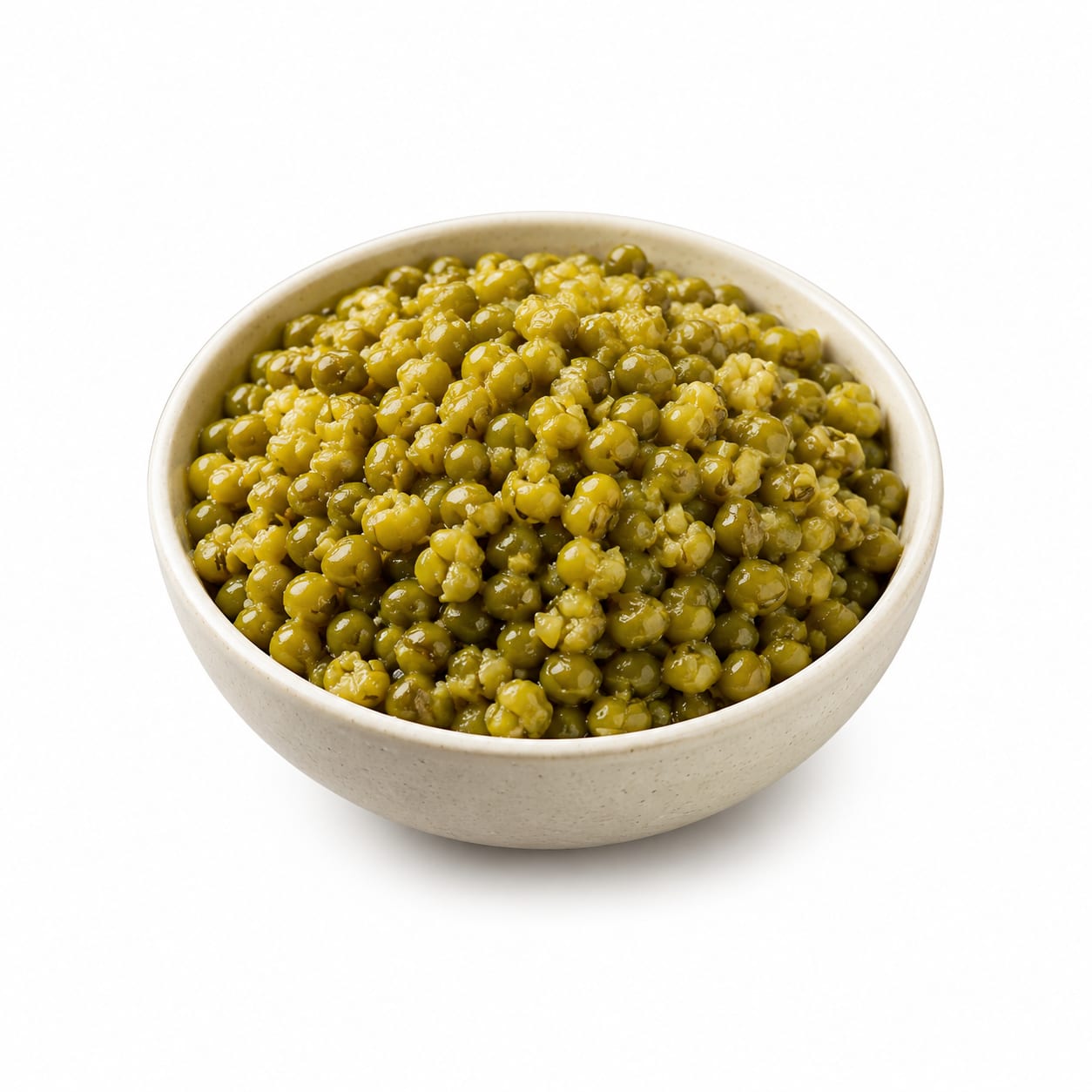
Mung Bean
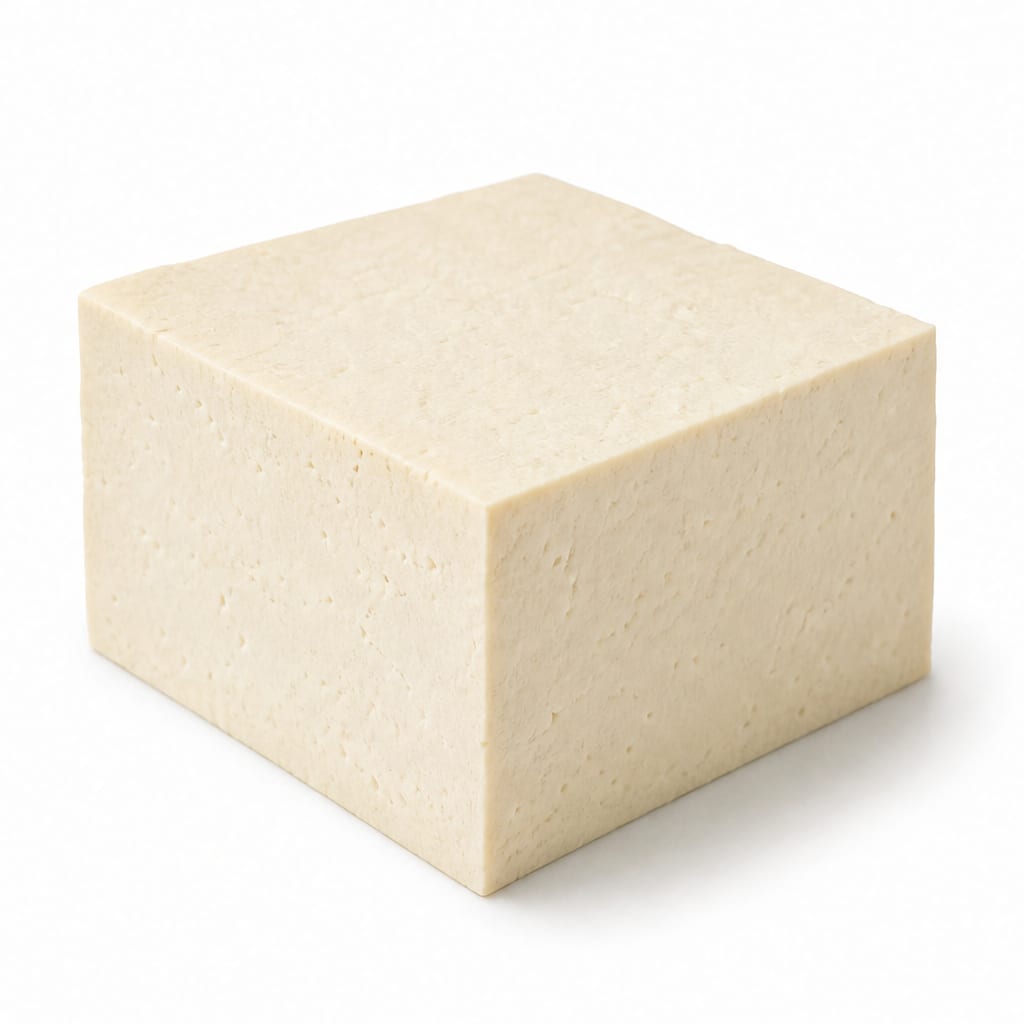
Tofu
Mung beans win on fiber, blood sugar control, and whole-food purity. Tofu wins on protein density, convenience, and versatility. Your pick depends on what gap you're filling.
Nearly tied because they serve different purposes. Mung beans edge ahead on whole-food quality and fiber; tofu edges ahead on protein density and convenience. The small gap reflects that neither dominates across all dimensions.
Whole-food satiety and slow energy versus concentrated protein that's ready in seconds.
At a glance
Executive summary
Overall
It depends
Healthier
It depends
More practical
Tofu
Daily use
It depends
Key comparison lenses
plant protein source selection
Both are top plant proteins but differ dramatically in density, fiber, and convenience
minimally processed vs convenient protein
Mung beans are whole food; tofu requires processing, which affects naturalness and additive exposure
blood sugar and satiety management
Fiber-rich mung beans stabilize energy differently than low-fiber tofu
digestive tolerance and gut health
Fiber and oligosaccharides affect digestion differently; soy sensitivities are common
soy concern avoidance
Some users avoid soy due to phytoestrogens, GMOs, or allergies; mung beans offer a soy-free alternative
Best choice for
Mung Bean
- People managing blood sugar or insulin resistance
- Those avoiding soy entirely
- Anyone prioritizing whole-food, minimally processed diets
- Meal preppers who cook in batches
- People seeking steady, long-lasting energy
Tofu
- People needing high protein in a small portion
- Busy individuals who want ready-to-eat protein
- Older adults who need easy-to-chew, digestible protein
- Stir-fry and quick meal makers
- Those who want calcium from a plant source
Least suitable for
Mung Bean
- People who need quick, no-cook protein
- Those with severe legume intolerance or FODMAP sensitivities
- Anyone short on meal prep time
Tofu
- People with soy allergies or sensitivities
- Those avoiding processed foods strictly
- Individuals concerned about phytoestrogen exposure
Deep comparison
Dimension by dimension
Each lens scores both foods and breaks down who each option suits.
- Dimension 1 · Priority 95Tofu
Protein Quality and Density
Mung Bean · 60Tofu · 88Tofu delivers roughly twice the protein per calorie, making it far more efficient for hitting protein targets.
Tradeoff
You get more protein per bite with tofu, but mung beans pair protein with fiber that tofu completely lacks.
Why it matters
If you're tracking protein for muscle, recovery, or satiety, portion efficiency matters a lot.
Real-world impact
A single block of tofu covers nearly half your daily protein need. You'd need a large bowl of mung beans to match it.
Mung Bean
- Meals where you want protein plus fiber together
- Plant-based eaters who spread protein across many foods
Better for
- Situations where you need high protein in a small volume
Worse for
Tofu
- Post-workout meals needing concentrated protein
- Anyone struggling to hit protein goals on a plant-based diet
- Small appetites that need nutrient density
Better for
- Meals where fiber is already low and you need more
Worse for
- Dimension 2 · Priority 90Mung Bean
Fiber and Satiety
Mung Bean · 92Tofu · 30Mung beans are loaded with fiber that keeps you full for hours. Tofu has almost none.
Tradeoff
Mung beans keep you satisfied longer but require a bigger portion. Tofu is lighter and less filling, which can be good or bad depending on your goals.
Why it matters
Fiber is the single biggest predictor of natural portion control and steady energy.
Real-world impact
A bowl of mung beans at lunch can prevent the 3pm snack attack. Tofu alone may leave you hungry again within two hours.
Mung Bean
- Weight management through natural fullness
- Preventing afternoon energy crashes
- Gut health and regular digestion
Better for
- Right before intense exercise when you need light digestion
Worse for
Tofu
- Light meals before exercise when you don't want to feel heavy
- People who need to eat frequently and don't want excessive fullness
Better for
- As a standalone meal when you need lasting energy
Worse for
- Dimension 3 · Priority 88Mung Bean
Blood Sugar Stability
Mung Bean · 85Tofu · 65Mung beans release energy slowly thanks to fiber and complex carbs. Tofu has minimal carbs, so it won't spike blood sugar, but it also won't sustain energy on its own.
Tradeoff
Mung beans actively stabilize blood sugar over hours. Tofu avoids spikes but doesn't provide the same sustained fuel.
Why it matters
Steady blood sugar means fewer cravings, better focus, and more consistent energy throughout the day.
Real-world impact
Mung beans are a better anchor food for a meal. Tofu works better as a protein add-on to a balanced plate.
Mung Bean
- People with insulin resistance or prediabetes
- Anyone tired of energy roller coasters
- Breakfast or lunch meals that need to last
Better for
- Very low-carb diets where carb intake must be minimal
Worse for
Tofu
- Low-carb meal plans
- People who already have stable blood sugar and just need protein
Better for
- Meals where tofu is the only substantial food and sustained energy is needed
Worse for
- Dimension 4 · Priority 82Mung Bean
Processing and Naturalness
Mung Bean · 95Tofu · 55Mung beans are a whole food you cook from dry. Tofu is processed from soybeans through grinding, coagulation, and pressing.
Tradeoff
You get purity and simplicity with mung beans but sacrifice convenience. Tofu saves time but introduces processing steps and potential additives.
Why it matters
Less processing generally means more intact nutrients, fewer additives, and better alignment with whole-food diets.
Real-world impact
If you read ingredient labels and prefer short lists, mung beans are just mung beans. Tofu may contain coagulants like calcium sulfate or nigari, and sometimes preservatives.
Mung Bean
- Clean-eating and whole-food advocates
- People avoiding all processed foods
- Those concerned about hidden additives
Better for
- Situations where cooking from scratch is impossible
Worse for
Tofu
- Pragmatic eaters who accept moderate processing for convenience
- Anyone who values ready-to-use protein over purity
Better for
- Strict whole-food diets like WFPB or clean eating challenges
Worse for
- Dimension 5 · Priority 80Tofu
Convenience and Practicality
Mung Bean · 40Tofu · 90Tofu is ready in minutes straight from the package. Dry mung beans need soaking and long cooking times.
Tradeoff
Tofu trades some naturalness for massive time savings. Mung beans require planning ahead or batch cooking.
Why it matters
The best food for you is the one you'll actually eat consistently. Convenience often wins in real life.
Real-world impact
You can cube tofu into a stir-fry on a Tuesday night in 10 minutes. Mung beans need to be soaked overnight or pressure-cooked.
Mung Bean
- Weekend meal prep sessions
- Slow cooker or batch cooking routines
- People who enjoy cooking as a process
Better for
- Spontaneous meals with no prep time
- Small kitchens without pressure cookers
Worse for
Tofu
- Weeknight dinners when time is tight
- Quick lunches between meetings
- Minimal-cooking households
Better for
- Situations where you want to avoid packaged foods
Worse for
- Dimension 6 · Priority 75It depends
Digestive Tolerance
Mung Bean · 60Tofu · 70Mung beans are gentler than most legumes but still cause gas for some. Tofu is easier to digest for most people but soy sensitivity is common.
Tradeoff
Mung beans have oligosaccharides that cause bloating in sensitive people. Tofu is low-fiber and soft but soy intolerances are widespread and often undiagnosed.
Why it matters
Digestive discomfort can undermine any nutritional benefit, no matter how impressive the label looks.
Real-world impact
If beans make you bloated, tofu is the safer bet. If soy gives you stomach issues or congestion, mung beans are your friend.
Mung Bean
- People with confirmed soy intolerance
- Those who tolerate legumes well and want gut-friendly fiber
Better for
- FODMAP-sensitive individuals
- People new to high-fiber diets who need gradual introduction
Worse for
Tofu
- People with IBS who need low-fiber protein
- Those who find beans cause excessive gas
- Elderly with weaker digestion who need soft food
Better for
- Anyone with soy allergy or sensitivity
- People who notice congestion or discomfort after soy
Worse for
- Dimension 7 · Priority 72It depends
Micronutrient Profile
Mung Bean · 78Tofu · 76Mung beans shine with folate, magnesium, potassium, and iron. Tofu excels at calcium (if calcium-set) and provides isoflavones unique to soy.
Tradeoff
Mung beans offer broader mineral coverage. Tofu provides a concentrated calcium source that's rare in plant foods, plus unique phytonutrients.
Why it matters
Micronutrient gaps are common in plant-based diets, so the specific nutrients each food delivers matter for your overall pattern.
Real-world impact
If you don't eat dairy, calcium-set tofu is one of the easiest ways to hit your calcium target. If you need iron and folate, mung beans are the stronger pick.
Mung Bean
- Pregnant women needing folate
- People at risk of iron deficiency
- Those seeking magnesium for sleep or muscle recovery
Better for
- Situations where calcium intake is already a concern
Worse for
Tofu
- Dairy-free eaters needing calcium
- Women looking for dietary isoflavones during menopause
- People who want bone-supportive nutrients
Better for
- People who already get plenty of calcium from other sources
Worse for
Timeline
Health impact over time
Short-term
Hours to days
Mung Bean
- Steady energy release over 3-4 hours after eating
- Possible bloating or gas if you're not used to high-fiber foods
- Natural fullness that reduces snacking urge
Tofu
- Quick, light protein that digests easily within 1-2 hours
- Possible mild stomach discomfort if soy sensitive
- Less immediate satiety, may need pairing with other foods to feel full
Long-term
Months to years
Mung Bean
- Improved gut microbiome diversity from consistent fiber intake
- Better blood sugar regulation and reduced diabetes risk
- Lower cholesterol from soluble fiber binding bile acids
- Potential for improved regularity and reduced constipation
Tofu
- Possible cardiovascular benefits from soy isoflavones
- Bone density support from calcium in calcium-set tofu
- Inconclusive but studied effects of soy on hormone-sensitive conditions
- Convenient protein access that supports muscle maintenance with age
Risk profile
Safety & processing
Mung beans are essentially unchanged from their natural state. Tofu undergoes soaking, grinding, boiling, coagulation, and pressing. While traditional and centuries-old, this is still processing. Most tofu contains only soybeans, water, and a coagulant like calcium sulfate or nigari, but some brands add preservatives or firming agents. Always check the ingredient list.
Mung Bean
Bacterial contamination on dry beans
lowDry mung beans can harbor surface bacteria. Always rinse thoroughly and cook fully. Sprouting raw mung beans carries slightly higher food safety risk if not done hygienically.
Lectin exposure from undercooking
mediumLike all legumes, undercooked mung beans contain lectins that can cause nausea or digestive distress. Proper cooking eliminates this risk entirely.
Tofu
GMO soy exposure
mediumMost conventional soy in the US is genetically modified. Choose organic tofu to avoid GMOs if that matters to you.
Phytoestrogen effects
lowSoy isoflavones are weak plant estrogens. Current evidence suggests moderate intake is safe for most people, but those with hormone-sensitive conditions should consult their doctor.
Soy allergen exposure
mediumSoy is one of the top 8 allergens. Reactions can range from mild hives to anaphylaxis in sensitive individuals.
Who wins for whom
Audience fit
Same foods, different winners depending on your goal.
children
TofuTofu is soft, easy to chew, mild in flavor, and provides concentrated nutrition in small portions. Mung beans can be a choking hazard for very young children and are harder for small appetites to eat in volume.
daily consumption
It dependsMung beans are better as a daily staple if you cook regularly and value whole-food purity. Tofu is better if you need quick daily protein without cooking effort. Both are healthy daily choices with different tradeoffs.
diabetes
Mung BeanThe fiber in mung beans slows glucose absorption and improves insulin sensitivity over time. Tofu is fine for blood sugar but doesn't actively improve it the way fiber does.
elderly
TofuTofu is easy to chew, gentle on digestion, and provides concentrated protein and calcium that older adults often lack. Mung beans require more chewing effort and can cause bloating in sensitive digestive systems.
muscle gain
TofuTofu provides significantly more protein per calorie and per bite, making it easier to hit the higher protein targets needed for muscle building.
weight loss
Mung BeanHigher fiber and volume per calorie make mung beans more filling, which naturally reduces overeating. Tofu is lower in calories per serving but less satiating on its own.
Your move
Decision guide
Choose Mung Bean
- You prioritize whole, unprocessed foods in your diet
- You want better blood sugar control and lasting energy
- You're avoiding soy for any reason
- You enjoy batch cooking and meal prep
- You need more fiber in your diet
Choose Tofu
- You need high protein in a convenient, ready-to-eat form
- You're short on time and need quick meals
- You want a soft, easy-to-digest protein source
- You need plant-based calcium and don't eat dairy
- You're building muscle and need protein density
Either works if
- You're simply looking for healthy plant protein variety
- You have no soy allergies or digestive issues with legumes
- You want to rotate protein sources across the week
- You're eating a balanced diet with plenty of vegetables either way
Avoid both if
- You have both soy and legume sensitivities
- You require animal-based protein for medical reasons
- You're on a very strict low-carb diet that limits beans and soy
Final recommendation
Don't choose one. Use both. Mung beans as a fiber-rich base food for steady energy and gut health. Tofu as a quick protein boost when you need concentrated nutrition fast. Together they cover each other's weaknesses beautifully. If you must pick just one, mung beans win on whole-food quality and long-term health benefits, while tofu wins on practicality and protein efficiency.
Practical
Consumer tips
- 1
Cook a large batch of mung beans on Sunday and use them throughout the week in bowls, soups, and salads
- 2
Choose organic tofu to avoid GMO soy and potential pesticide residues
- 3
Pair tofu with fiber-rich vegetables to compensate for its lack of filling fiber
- 4
Sprout mung beans at home for a raw, crunchy addition to salads, but follow food safety guidelines carefully
- 5
Press tofu before cooking for better texture and flavor absorption
- 6
If beans cause bloating, start with small portions and increase gradually as your gut adapts
- 7
Look for tofu with only three ingredients: soybeans, water, and coagulant
- 8
Canned mung beans are a decent middle-ground convenience option, though slightly lower in nutrients than home-cooked