
Nutrition comparison
Mung Beans vs Quinoa: Which Plant Protein Is Better for You?
Compare mung beans and quinoa on protein, fiber, blood sugar impact, digestion, and cost. Find out which one fits your health goals and budget better.
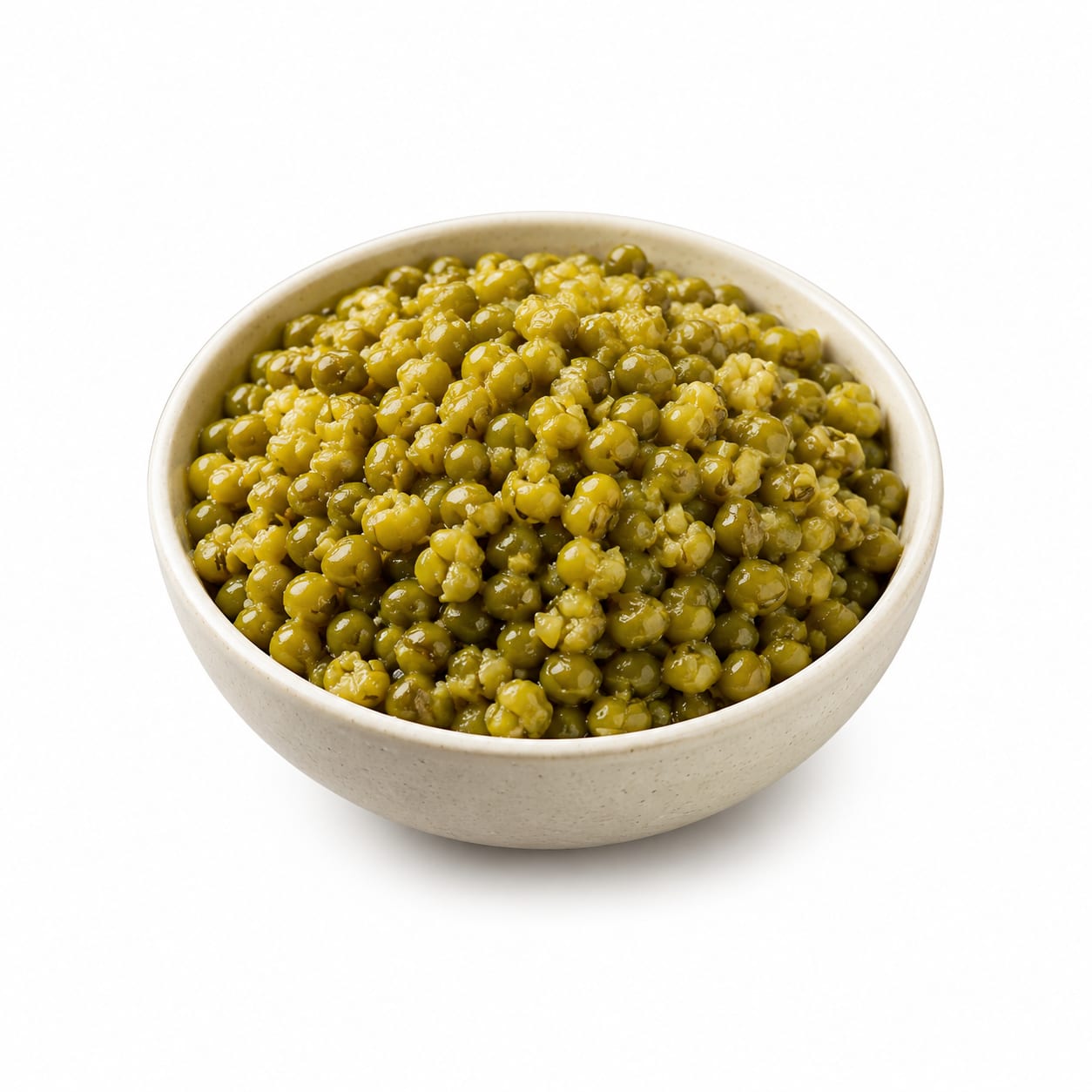
Mung Bean
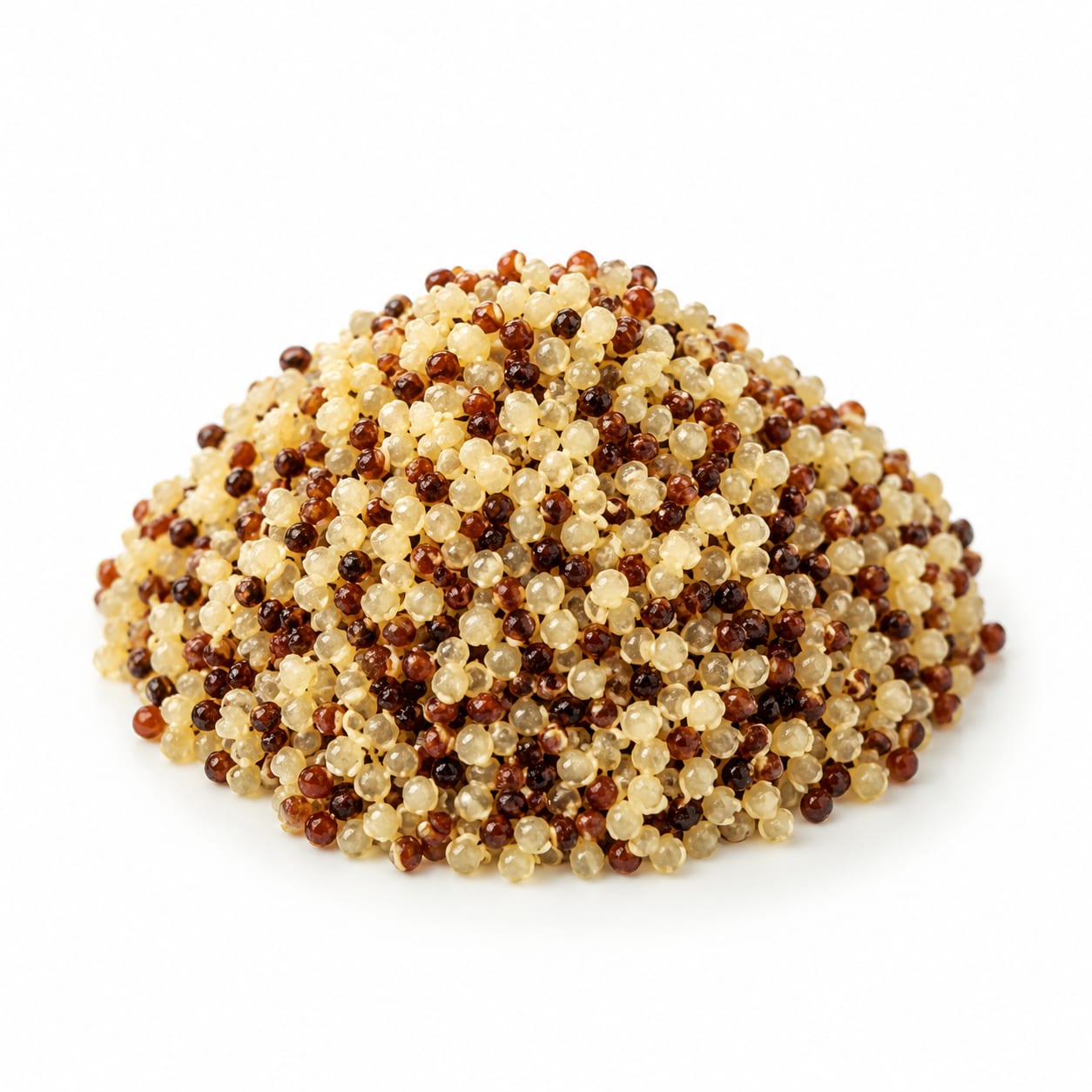
Quinoa
Mung beans deliver more protein and fiber per calorie at a fraction of the cost, but quinoa offers complete amino acids and easier digestion.
Mung beans edge ahead on nutritional density, fiber, and cost, but quinoa's complete protein and digestibility keep it competitive. The right pick depends on your priorities.
Nutritional density and savings versus convenience and protein completeness.
At a glance
Executive summary
Overall
It depends
Healthier
It depends
More practical
Quinoa
Daily use
Mung Bean
Key comparison lenses
plant-based protein source selection
Both are top plant protein picks, but they differ significantly in protein density and amino acid completeness
blood sugar management
Mung beans have far more fiber and resistant starch, making glycemic impact a key differentiator
digestive comfort and tolerance
Beans cause bloating for many, while quinoa is generally easier to digest
budget-conscious meal planning
Mung beans are dramatically cheaper per serving of protein, making cost a real factor
complete amino acid needs
Quinoa is a rare plant complete protein; mung beans fall short on methionine
Best choice for
Mung Bean
- Budget-focused meal preppers
- People managing blood sugar or insulin resistance
- High-fiber diet followers
- Those who eat varied protein sources throughout the day
- Anyone wanting maximum satiety per calorie
Quinoa
- Those relying on a single plant protein source
- People with sensitive digestion who struggle with beans
- Gluten-free eaters wanting a grain alternative
- Busy cooks wanting faster meal prep
- Anyone needing complete amino acids from one food
Least suitable for
Mung Bean
- People prone to bloating or IBS flare-ups from legumes
- Anyone needing quick-cooking weeknight meals
- Those who find bean-heavy meals monotonous
Quinoa
- Tight grocery budgets
- People avoiding higher-fat plant foods
- Those who need very high fiber intake for gut health
Deep comparison
Dimension by dimension
Each lens scores both foods and breaks down who each option suits.
- Dimension 1 · Priority 95It depends
Protein Quantity and Quality
Mung Bean · 82Quinoa · 85Mung beans have more total protein per serving, but quinoa provides all essential amino acids in adequate amounts.
Tradeoff
Raw protein volume versus amino acid completeness.
Why it matters
If mung beans are your only protein source, you may fall short on methionine over time. Paired with grains or seeds, this gap disappears entirely.
Real-world impact
A bowl of mung beans with rice gives you complete protein for pennies. Quinoa does it alone but costs much more.
Mung Bean
- Total protein per dollar spent
- Post-workout recovery when paired with a grain
- Building high-protein meals on a budget
Better for
- Low methionine limits standalone use
- Requires pairing for full amino acid coverage
Worse for
Quinoa
- Solo protein source without needing food combining
- Simpler meal planning for complete amino acids
- Athletes who want one-stop protein
Better for
- Less total protein per serving
- Higher cost per gram of protein
Worse for
- Dimension 2 · Priority 90Mung Bean
Fiber and Satiety
Mung Bean · 92Quinoa · 68Mung beans deliver roughly double the fiber per serving, making them significantly more filling and better for blood sugar control.
Tradeoff
Far superior fullness versus potential digestive discomfort.
Why it matters
High fiber means steadier energy, fewer cravings, and better gut health. But it can also mean gas and bloating if your gut isn't used to it.
Real-world impact
A mung bean lunch keeps you full for hours. A quinoa lunch may leave you snacking sooner.
Mung Bean
- Weight management through natural appetite control
- Blood sugar stability after meals
- Gut microbiome feeding with resistant starch
Better for
- Can cause significant gas and bloating
- Sudden fiber increases may shock an unadapted gut
Worse for
Quinoa
- Easier transition for low-fiber diets
- Less bloating risk for sensitive stomachs
Better for
- Less satiety per calorie eaten
- May not keep hunger at bay as long
Worse for
- Dimension 3 · Priority 88Mung Bean
Blood Sugar Stability
Mung Bean · 90Quinoa · 72Mung beans have a lower glycemic index and more resistant starch, leading to slower glucose release and steadier energy.
Tradeoff
Better glycemic control versus longer cooking and preparation time.
Why it matters
For anyone with insulin resistance, prediabetes, or energy crashes, this difference is meaningful in daily life.
Real-world impact
Mung beans are less likely to cause that afternoon energy dip. Quinoa is still moderate, but less protective.
Mung Bean
- Prediabetes and insulin resistance management
- Avoiding post-meal energy crashes
- Steady energy for long workdays
Better for
- Slower energy availability right after eating
Worse for
Quinoa
- Pre-workout meals where you want faster-available energy
- Those who find very low-GI meals leave them sluggish initially
Better for
- Higher glycemic impact compared to mung beans
- Less protective for metabolic health
Worse for
- Dimension 4 · Priority 82Quinoa
Digestive Tolerance
Mung Bean · 58Quinoa · 82Quinoa is gentler on most digestive systems. Mung beans, like all legumes, can cause bloating and gas.
Tradeoff
Nutritional power versus digestive comfort.
Why it matters
The healthiest food only works if you can actually eat it comfortably. Bean intolerance is extremely common.
Real-world impact
If beans leave you uncomfortably gassy, quinoa is the stress-free choice. Sprouting mung beans helps but adds prep time.
Mung Bean
- Those who tolerate beans well and get no discomfort
- People who gradually adapted to high-legume diets
Better for
- Common bloating and flatulence
- Requires soaking or sprouting for better tolerance
Worse for
Quinoa
- IBS or sensitive digestion sufferers
- Anyone who has abandoned beans due to bloating
- Quick weeknight meals without soaking or sprouting
Better for
- Saponins can irritate if not rinsed properly
Worse for
- Dimension 5 · Priority 78Mung Bean
Cost and Accessibility
Mung Bean · 95Quinoa · 55Mung beans are one of the cheapest protein sources available. Quinoa remains a premium-priced grain.
Tradeoff
Massive savings versus convenience and culinary versatility.
Why it matters
If you're feeding a family or eating on a budget, this difference compounds dramatically over weeks and months.
Real-world impact
Mung beans can cost a third of what quinoa does per serving. Over a year of daily use, that's hundreds of dollars saved.
Mung Bean
- Budget-conscious households
- Bulk meal prepping for the week
- Students and anyone watching grocery spending
Better for
- Less culinary prestige in Western cooking traditions
Worse for
Quinoa
- Those where budget is not a constraint
- Specialty recipes where quinoa's texture is preferred
Better for
- Significantly more expensive per gram of protein and fiber
- Cost limits frequency of use for many households
Worse for
- Dimension 6 · Priority 75It depends
Micronutrient Profile
Mung Bean · 84Quinoa · 80Mung beans excel in folate, potassium, and iron. Quinoa shines in manganese, magnesium, and phosphorus.
Tradeoff
Different micronutrient strengths serve different health priorities.
Why it matters
If you're anemic or need folate, mung beans are superior. For bone health and enzyme function, quinoa has an edge.
Real-world impact
Pregnant women benefit more from mung beans' folate. Active individuals may prefer quinoa's magnesium for muscle recovery.
Mung Bean
- Pregnancy nutrition with high folate
- Iron-deficiency anemia support
- Blood pressure management via potassium
Better for
- Lower in manganese than quinoa
Worse for
Quinoa
- Bone density support with manganese and magnesium
- Athletic recovery with magnesium content
Better for
- Less folate and potassium per serving
Worse for
Timeline
Health impact over time
Short-term
Hours to days
Mung Bean
- Strong satiety that reduces between-meal snacking
- Possible bloating and gas within hours of eating
- Steady energy without sugar crashes
- Slow initial energy availability may feel heavy
Quinoa
- Comfortable digestion with minimal bloating
- Moderate satiety that may require larger portions
- Faster available energy compared to mung beans
- Mild stomach irritation if saponins aren't rinsed
Long-term
Months to years
Mung Bean
- Improved gut microbiome diversity from resistant starch
- Better blood sugar regulation with regular consumption
- Lower food costs enabling consistent healthy eating
- Potential for persistent bloating if gut never adapts
Quinoa
- Reliable complete protein supporting muscle maintenance
- Easier dietary adherence due to better digestibility
- Gluten-free grain alternative reducing inflammation triggers
- Higher long-term grocery costs may limit consistency
Risk profile
Safety & processing
Both are whole, minimally processed foods. Dried mung beans and whole quinoa are about as natural as it gets. The main concern is saponin residue on quinoa, which rinsing resolves.
Mung Bean
Bacterial contamination during sprouting
mediumHome-sprouted mung beans can harbor salmonella or E. coli if hygiene is poor. Cook thoroughly or buy trusted sprouts.
Lectin content in raw beans
mediumRaw or undercooked mung beans contain lectins that can cause nausea. Proper cooking eliminates this risk entirely.
Quinoa
Saponin irritation
lowUnrinsed quinoa has bitter saponins that can cause stomach upset. A quick rinse before cooking resolves this.
Quinoa sensitivity
lowSome people experience digestive discomfort from quinoa even after rinsing, likely due to specific carbohydrate intolerance.
Who wins for whom
Audience fit
Same foods, different winners depending on your goal.
children
QuinoaGentler digestion and complete nutrition make quinoa more practical for kids, many of whom resist bean-heavy meals.
daily consumption
Mung BeanLower cost and higher nutrient density make daily mung bean consumption more sustainable long-term, assuming good digestive tolerance.
diabetes
Mung BeanLower glycemic index and higher resistant starch provide better glucose control and insulin response.
elderly
It dependsMung beans support blood sugar and gut health, but quinoa's easier digestion and complete protein may matter more for reduced digestive capacity.
muscle gain
QuinoaComplete amino acid profile supports muscle protein synthesis more effectively when eaten as a standalone protein source.
weight loss
Mung BeanHigher fiber and protein per calorie create stronger satiety, making it easier to eat less overall without feeling deprived.
Your move
Decision guide
Choose Mung Bean
- You want maximum nutrition per dollar spent
- Blood sugar management is a health priority
- You tolerate beans well and enjoy legume-based meals
- You're meal prepping for the week and want filling staples
- You eat varied protein sources and don't need one complete food
Choose Quinoa
- You want a single food that covers all essential amino acids
- Beans cause you uncomfortable bloating or gas
- You need quick-cooking grains for busy weeknights
- You're eating gluten-free and want a satisfying grain substitute
- Budget is less of a concern than convenience
Either works if
- You rotate between multiple plant protein sources weekly
- You want variety in your grain and legume intake
- Both fit your budget and digestion without issues
Avoid both if
- You have legume and seed sensitivities that trigger both
- You need animal-based complete protein for medical reasons
- Your diet requires very low carbohydrate intake
Final recommendation
Eat both. Mung beans give you unmatched fiber, satiety, and value. Quinoa gives you complete protein and digestive ease. Alternating between them covers each other's weaknesses while keeping meals interesting.
Practical
Consumer tips
- 1
Soak mung beans for 8-12 hours or sprout them to dramatically reduce bloating and improve digestibility
- 2
Always rinse quinoa under running water for 30 seconds to remove bitter saponins
- 3
Pair mung beans with rice, tortillas, or seeds to create a complete amino acid profile cheaply
- 4
Start with small mung bean portions and increase gradually to let your gut adapt to the fiber
- 5
Cook a big batch of mung beans on Sunday and use them in soups, salads, and bowls all week
- 6
Try mung bean pasta or noodles for a high-protein alternative to wheat pasta
- 7
Store both in airtight containers in a cool, dark place — both last months without spoiling