
Nutrition comparison
Mung Beans vs Black Beans: Nutrition, Digestion, and Which Is Better for You
Compare mung beans and black beans side by side. Learn which is easier to digest, higher in protein, better for weight loss, and best for your specific health goals.
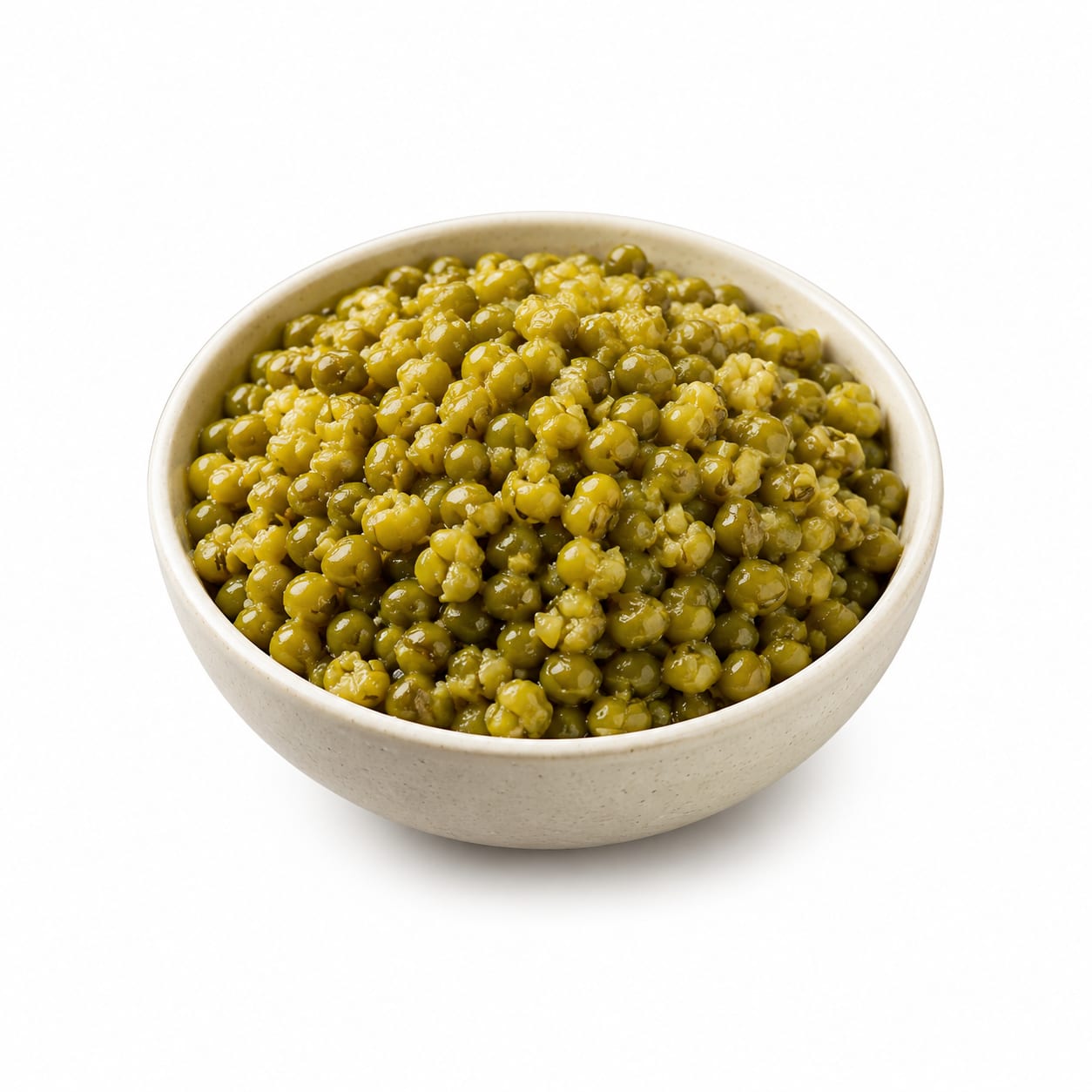
Mung Bean
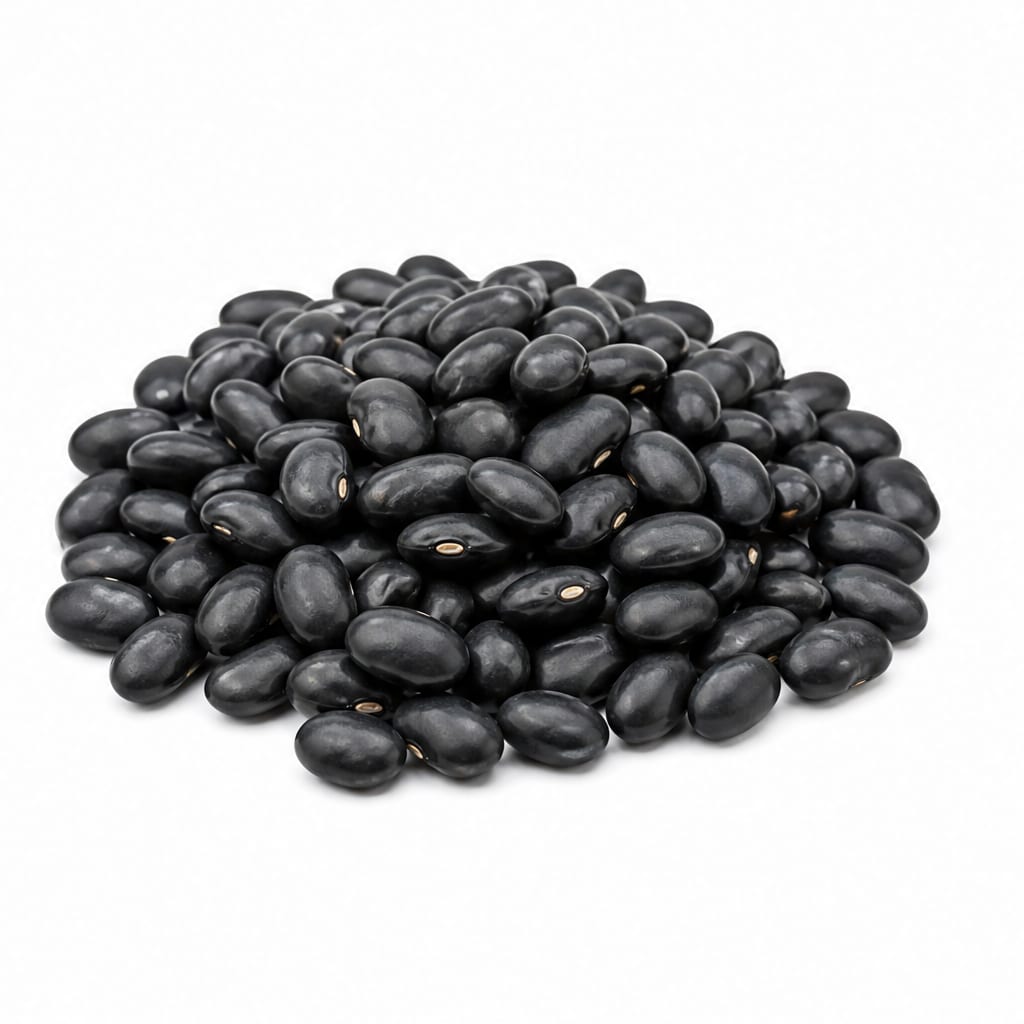
Black Beans
Mung beans win on digestibility and gentle energy; black beans win on protein, fiber, and antioxidant power. Your gut and your goals decide.
Black beans score higher overall due to superior protein, fiber, and antioxidant content. Mung beans remain excellent but are nutritionally lighter, making them better suited as a gentle option rather than a nutritional powerhouse.
Black beans are more nutrient-dense and filling but tougher on digestion. Mung beans are lighter and easier on the stomach but less satisfying per serving.
At a glance
Executive summary
Overall
It depends
Healthier
It depends
More practical
Black Beans
Daily use
It depends
Key comparison lenses
digestive comfort and tolerance
Mung beans are famously easier to digest, while black beans are notorious for causing gas and bloating in sensitive people
protein and fiber density for satiety
Both are protein-fiber powerhouses but black beans deliver more of both per serving, making them more filling
antioxidant profile and long-term disease prevention
Black beans have deep anthocyanin pigments that mung beans lack, giving them a significant antioxidant edge
blood sugar management
Both are low-glycemic but mung beans have a slight edge for steadier blood sugar due to their lighter starch profile
meal versatility and cultural cooking context
Mung beans shine in light soups and sprouts; black beans anchor hearty stews and bowls — different culinary roles entirely
Best choice for
Mung Bean
- People with sensitive digestion or IBS
- Anyone transitioning to plant-based eating who needs a gentle legume
- Light meal preferences like soups and porridges
- Blood sugar management in older adults
- Hot weather or light eating days
Black Beans
- Athletes and active people needing more protein
- Anyone wanting maximum fullness from meals
- Meal prep and batch cooking
- Hearty comfort food lovers
- People focused on antioxidant intake and longevity
Least suitable for
Mung Bean
- Hard-training athletes needing high protein intake
- People who find small legumes unsatisfying alone
- Those wanting maximum nutrient density per calorie
- Heavy meal or comfort food seekers
Black Beans
- People with severe bloating or gas sensitivity
- Those new to high-fiber diets who need gradual introduction
- Anyone wanting a light pre-workout meal
- People with sensitive IBS triggers
Deep comparison
Dimension by dimension
Each lens scores both foods and breaks down who each option suits.
- Dimension 1 · Priority 92Mung Bean
digestive comfort
Mung Bean · 91Black Beans · 58Mung beans are one of the easiest legumes to digest. Black beans are among the hardest, often causing significant gas and bloating.
Tradeoff
You trade nutrient density for comfort. Mung beans feel light in the stomach; black beans can feel heavy and fermentive.
Why it matters
If your gut is sensitive, black beans may discourage you from eating legumes at all. Mung beans keep you in the game.
Real-world impact
After a mung bean soup, you feel comfortable. After a black bean bowl, you might be unbuttoning your jeans.
Mung Bean
- IBS-prone individuals
- Legume beginners
- Light dinner eaters
- People who bloated from black beans before
Better for
- Anyone wanting maximum gut stretch and fullness
Worse for
Black Beans
- People with ironclad digestion
- Those already adapted to high-fiber diets
Better for
- Date nights and social dinners where bloating matters
- Post-workout meals when you need comfort not fermentation
Worse for
- Dimension 2 · Priority 88Black Beans
protein and satiety
Mung Bean · 68Black Beans · 89Black beans deliver roughly 50% more protein per cooked cup and significantly more fiber, making meals far more filling.
Tradeoff
That extra fullness comes with digestive cost. You stay satisfied longer but may pay for it in discomfort.
Why it matters
If you rely on beans as a primary protein source, black beans get you closer to your targets with fewer total calories.
Real-world impact
A black bean bowl keeps you full for 4-5 hours. A mung bean soup might have you snacking again in 2-3 hours.
Mung Bean
- Small frequent meal eaters
- People who prefer lighter meals
Better for
- Hard-training athletes needing high protein
- People who get hungry quickly after light meals
Worse for
Black Beans
- Athletes and lifters
- Weight loss dieters needing satiety
- One-meal-a-day eaters
- Anyone trying to reduce snacking
Better for
- Anyone who finds heavy meals sluggish
Worse for
- Dimension 3 · Priority 85Black Beans
antioxidant and phytonutrient content
Mung Bean · 62Black Beans · 90The dark skin of black beans is packed with anthocyanins — the same compounds in blueberries. Mung beans are pale and far less antioxidant-rich.
Tradeoff
Black beans offer significant long-term disease-fighting potential that mung beans simply cannot match.
Why it matters
Antioxidant variety matters for aging, inflammation, and chronic disease prevention over decades of eating.
Real-world impact
Regular black bean eaters get a daily dose of potent antioxidants with no supplement needed. Mung bean eaters miss this benefit.
Mung Bean
- Those primarily seeking easy digestion over antioxidant power
Better for
- Anyone specifically eating beans for antioxidant benefits
Worse for
Black Beans
- Longevity-focused eaters
- People with inflammatory conditions
- Anyone wanting food-based antioxidant insurance
- Older adults prioritizing disease prevention
Better for
- Dimension 4 · Priority 80Mung Bean
blood sugar stability
Mung Bean · 86Black Beans · 79Both are low-glycemic, but mung beans have a slightly lower glycemic index and gentler impact on blood sugar.
Tradeoff
The difference is modest. Black beans' extra fiber helps too, but their higher starch load creates a slightly larger glucose response.
Why it matters
For diabetics and prediabetics, every point of glycemic impact matters. Mung beans offer a marginally safer choice.
Real-world impact
After mung beans, your energy stays flatter and steadier. After black beans, there is a slightly larger but still gentle rise.
Mung Bean
- Type 2 diabetics
- Prediabetics
- Older adults with glucose concerns
- Anyone monitoring post-meal blood sugar closely
Better for
Black Beans
- Active people who can handle the modest glucose rise
Better for
- Brittle diabetics who need the flattest possible glucose curve
Worse for
- Dimension 5 · Priority 78Black Beans
mineral density and iron
Mung Bean · 65Black Beans · 84Black beans contain significantly more iron, magnesium, phosphorus, and potassium per serving than mung beans.
Tradeoff
Better mineral content but also more phytic acid, which can reduce absorption. Soaking and sprouting help both beans.
Why it matters
For plant-based eaters not taking supplements, black beans are a more meaningful mineral contributor.
Real-world impact
A cup of black beans covers about 20% of daily iron needs versus roughly 12% from mung beans.
Mung Bean
- Those who get minerals from other abundant sources
Better for
- Vegans relying heavily on beans for iron
Worse for
Black Beans
- Plant-based eaters needing iron
- Pregnant women seeking folate and iron
- Anyone at risk of mineral deficiency
Better for
- Dimension 6 · Priority 72Black Beans
cooking convenience and versatility
Mung Bean · 70Black Beans · 78Black beans are a staple in canned form and fit into countless recipes. Mung beans cook faster but have a narrower recipe range in Western cooking.
Tradeoff
Mung beans cook in 20-30 minutes without soaking. Black beans need longer but are more available canned and recipe-ready.
Why it matters
Convenience determines whether you actually eat beans regularly or they sit in your pantry forever.
Real-world impact
Canned black beans are a 2-minute meal upgrade. Mung beans often require more intention and recipe hunting.
Mung Bean
- Quick soup makers
- Sprouting enthusiasts
- Asian cuisine cooks
Better for
- People wanting grab-and-go bean convenience
Worse for
Black Beans
- Meal preppers
- Taco and bowl builders
- Anyone using canned beans for speed
- Batch cooks
Better for
- Anyone without a pressure cooker or time for long cooking
Worse for
Timeline
Health impact over time
Short-term
Hours to days
Mung Bean
- Light comfortable fullness without bloating
- Steady energy with no crash
- Easy digestion even for sensitive stomachs
- May feel less satisfied than heavier legumes
Black Beans
- Strong satiety that reduces snacking for hours
- Possible gas and bloating within 2-4 hours
- More sustained energy from higher protein and fiber
- Heavy feeling in stomach that some find uncomfortable
Long-term
Months to years
Mung Bean
- Consistent gentle fiber intake supports regularity
- Easier long-term adherence for digestion-sensitive people
- Lower antioxidant intake may mean less inflammation protection
- Good blood sugar control reduces diabetes risk
Black Beans
- High antioxidant intake supports cardiovascular and cellular health
- Superior mineral intake supports bone density and blood health
- Higher fiber reduces colorectal cancer risk more significantly
- Gas and bloating may cause some people to abandon bean consumption entirely
Risk profile
Safety & processing
Both mung beans and black beans are whole, minimally processed foods in their dried form. Canned versions may contain added sodium, so rinse before eating or choose low-sodium varieties.
Mung Bean
Raw sprout contamination
mediumMung bean sprouts are often eaten raw and have been linked to salmonella and E. coli outbreaks. Cook sprouts if immunocompromised.
Black Beans
Phytic acid mineral interference
lowBlack beans have higher phytic acid content which can reduce iron and zinc absorption. Soaking, sprouting, or cooking mitigates this significantly.
Lectin content
lowRaw or undercooked black beans contain phytohaemagglutinin, which can cause nausea. Always cook thoroughly — canned beans are already cooked.
Who wins for whom
Audience fit
Same foods, different winners depending on your goal.
children
Mung BeanMung beans are easier for small digestive systems to handle and less likely to cause uncomfortable gas that makes kids refuse beans entirely.
daily consumption
It dependsIf your digestion handles it, black beans offer more daily nutritional value. If you are sensitive, mung beans are the sustainable daily choice you will actually stick with.
diabetes
Mung BeanMung beans have a slightly lower glycemic index and gentler blood sugar impact, making them marginally safer for glucose management.
elderly
Mung BeanOlder adults often have more sensitive digestion and slower gut motility. Mung beans are gentler while still providing solid nutrition.
muscle gain
Black BeansWith roughly 15g protein per cooked cup versus 14g from mung beans and a more complete amino acid contribution in practical meals, black beans better support muscle maintenance and growth.
weight loss
Black BeansBlack beans provide more protein and fiber per calorie, keeping you fuller longer and reducing overall calorie intake throughout the day.
Your move
Decision guide
Choose Mung Bean
- You have IBS, bloating, or sensitive digestion
- You want a light comforting soup or porridge
- You are introducing legumes into your diet for the first time
- You prefer Asian-style cooking and light meals
- You are managing blood sugar closely
- You want to sprout beans at home
Choose Black Beans
- You want maximum protein and fiber from your beans
- Your digestion handles legumes without issues
- You meal prep and want hearty filling bases
- You prioritize antioxidant intake for longevity
- You cook Latin American, Caribbean, or Southwestern food
- You are an active person or athlete needing more sustenance
Either works if
- You simply want more plant-based meals and both sound good
- You rotate beans for nutrient diversity — which is ideal
- You are eating a varied diet with other protein sources
- You want affordable plant-based nutrition
Avoid both if
- You have a diagnosed legume allergy
- You are on a very low-fiber diet for medical reasons
- You have severe FODMAP sensitivity and have not reintroduced legumes yet
Final recommendation
Eat both. Rotate mung beans on days when your stomach needs a break and black beans when you want a hearty, nutrient-packed meal. The best bean is the one you will actually eat consistently. If forced to pick one for daily use and your digestion allows it, black beans give you more per bite. If your gut says no, mung beans are the gentle friend that keeps you in the legume family without the discomfort.
Practical
Consumer tips
- 1
Always soak dried beans overnight and discard the water to reduce gas-causing compounds
- 2
Rinse canned beans thoroughly to remove about 40% of the sodium
- 3
If black beans cause bloating, start with small portions and increase gradually over weeks
- 4
Mung bean sprouts should be cooked for vulnerable populations — raw sprouts carry food safety risks
- 5
Add a strip of kombu seaweed when cooking either bean to further reduce gas-producing oligosaccharides
- 6
Pair both beans with vitamin C sources like tomatoes or bell peppers to boost iron absorption
- 7
Sprouting mung beans at home is easy and increases vitamin C and B-vitamin content dramatically
- 8
Cook black beans with cumin, epazote, or fennel seeds — traditional spices that genuinely help reduce gas