
Nutrition comparison
Mung Beans vs Split Peas: Which Legume Is Better for Your Gut and Goals?
Compare mung beans and split peas on digestion, fiber, protein, blood sugar impact, and cooking convenience. Find out which legume fits your health goals better.
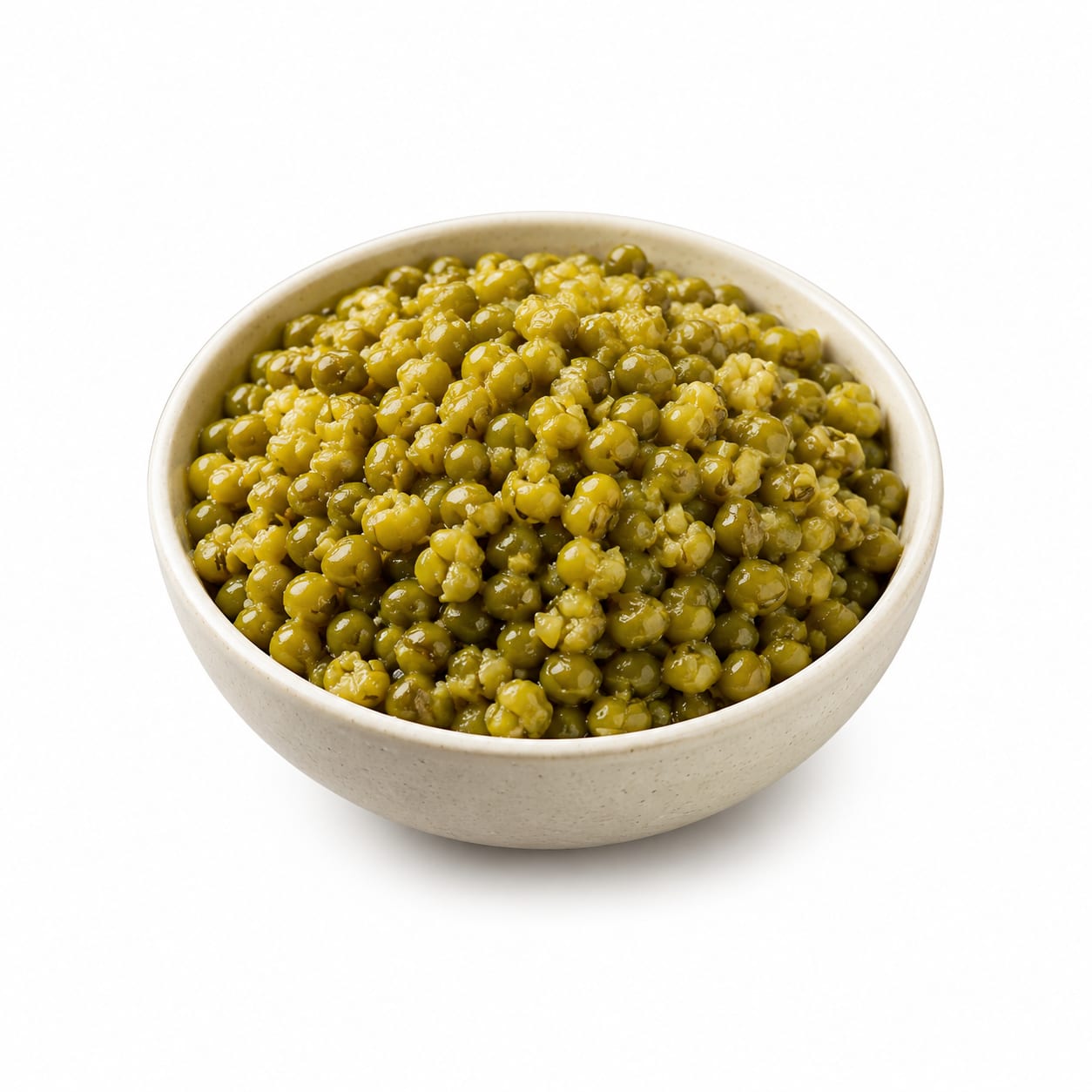
Mung Bean
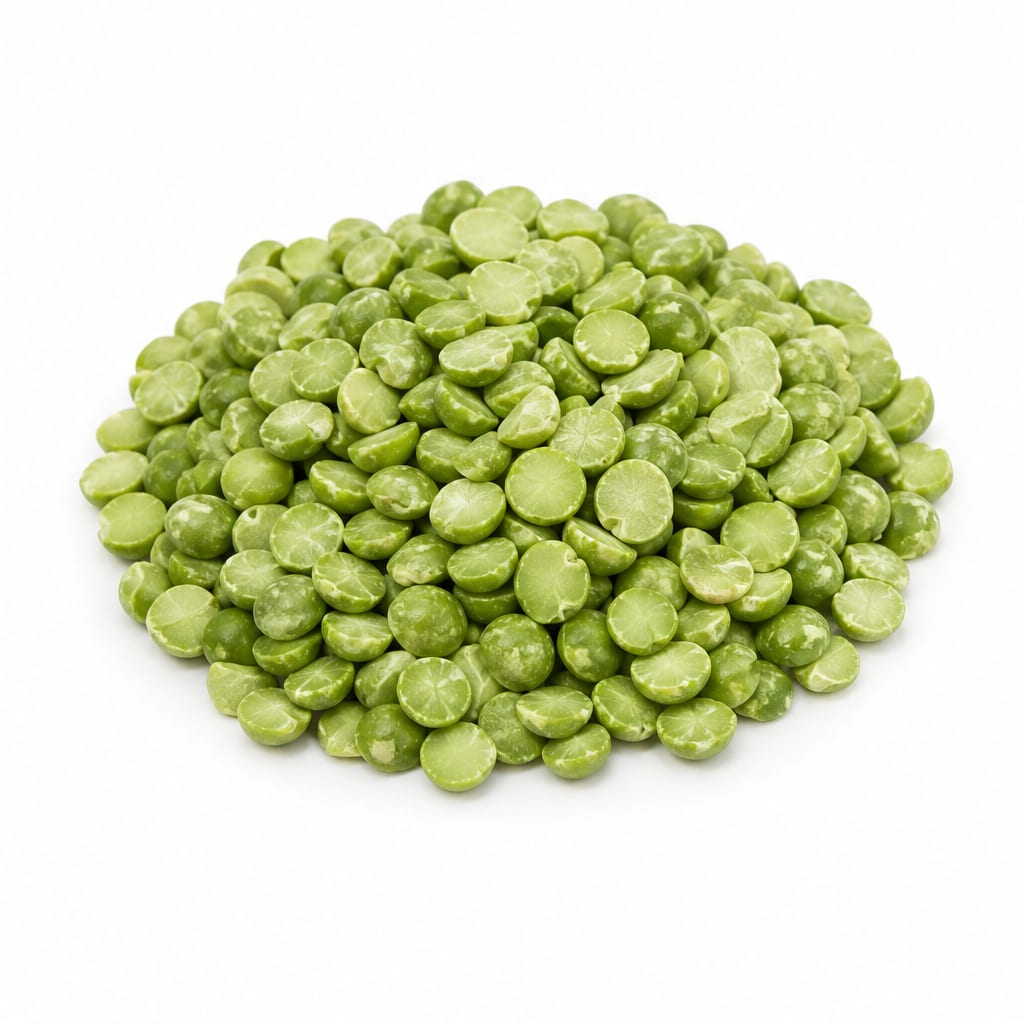
Split Peas
Mung beans win on digestibility and gentle nutrition; split peas win on fiber density and staying power. Your gut and your goals decide the winner.
Mung beans edge ahead due to superior digestibility and cooking versatility, but split peas are nutritionally denser. The close scores reflect that each excels in different real-life contexts.
Mung beans are easier on your stomach and lower in calories, but split peas keep you full longer and deliver nearly double the fiber per serving.
At a glance
Executive summary
Overall
It depends
Healthier
It depends
More practical
Mung Bean
Daily use
Mung Bean
Key comparison lenses
digestive comfort and tolerance
Mung beans are famously easy to digest while split peas are notorious for causing gas and bloating, making this the most practically relevant difference for daily eaters
fiber and satiety comparison
Split peas deliver dramatically more fiber, which directly impacts fullness, gut health, and cholesterol management
blood sugar stability
Both are legumes with different glycemic profiles, critical for diabetes management and steady energy
weight management strategy
Lower calories in mung beans versus higher satiety in split peas creates a meaningful tradeoff for different weight loss approaches
cooking convenience and versatility
Mung beans cook faster and can be sprouted raw, while split peas require longer cooking but shine in soups and stews
Best choice for
Mung Bean
- People with sensitive digestion or IBS
- Anyone prone to bloating from legumes
- Those wanting lower-calorie plant protein
- Meal preppers who want fast-cooking legumes
- Blood sugar management and steady energy
- Raw food enthusiasts who want to sprout
Split Peas
- Heart health and cholesterol management
- People wanting maximum fullness from meals
- Budget-focused shoppers needing hearty meals
- Anyone needing iron and potassium boosts
- Traditional comfort food lovers
- Gut microbiome feeding with resistant starch
Least suitable for
Mung Bean
- Those needing maximum calorie density for weight gain
- People seeking the highest fiber intake possible
- Traditional split pea soup lovers wanting that specific flavor
Split Peas
- People with severe digestive sensitivity
- Anyone who experiences heavy bloating from legumes
- Those wanting quick-cooking weeknight meals
- Raw food or sprouting enthusiasts
Deep comparison
Dimension by dimension
Each lens scores both foods and breaks down who each option suits.
- Dimension 1 · Priority 92Mung Bean
digestive comfort
Mung Bean · 90Split Peas · 55Mung beans are one of the easiest legumes to digest; split peas are among the most gas-producing.
Tradeoff
You get more fiber with split peas, but you may pay for it with bloating and discomfort, especially if your gut is not used to high-fiber legumes.
Why it matters
Digestive comfort determines whether you can actually eat a food regularly. The healthiest legume does nothing for you if you avoid it because it makes you miserable.
Real-world impact
After a mung bean meal, you feel light and comfortable. After a split pea meal, you may feel stuffed and gassy for hours, especially if you are not accustomed to high-fiber foods.
Mung Bean
- Sensitive stomachs and IBS-prone individuals
- People new to eating legumes regularly
- Anyone who has avoided beans due to gas
Better for
- Anyone wanting maximum gut-fill and stool bulk
Worse for
Split Peas
- Those with iron-clad digestion who tolerate fiber well
- People already adapted to high-fiber diets
Better for
- Social situations where bloating is uncomfortable
- Date nights or important meetings after lunch
- New legume eaters who might give up after one try
Worse for
- Dimension 2 · Priority 88Split Peas
fiber and gut health
Mung Bean · 65Split Peas · 92Split peas deliver roughly 60% more fiber per serving, making them a gut microbiome powerhouse.
Tradeoff
More fiber means better cholesterol control and gut health, but also more digestive adjustment time and potential discomfort during transition.
Why it matters
Fiber is the single most underconsumed nutrient in Western diets. Split peas are one of the most efficient ways to close that gap.
Real-world impact
A single bowl of split pea soup can provide over half your daily fiber needs. Mung beans contribute meaningfully but cannot match that density.
Mung Bean
- Gentle fiber introduction for low-fiber diets
- People transitioning from low-fiber eating patterns
Better for
- Reaching fiber targets without eating large volumes
Worse for
Split Peas
- Cholesterol management through soluble fiber
- Feeding beneficial gut bacteria with resistant starch
- Achieving daily fiber goals in fewer servings
Better for
- Sudden fiber increases that shock an unprepared digestive system
Worse for
- Dimension 3 · Priority 82Mung Bean
blood sugar stability
Mung Bean · 84Split Peas · 72Mung beans have a lower glycemic index and cause more gradual blood sugar rises than split peas.
Tradeoff
Split peas provide more sustained energy from higher fiber, but their carbohydrate hits slightly faster initially.
Why it matters
Steady blood sugar means fewer energy crashes, less cravings, and better metabolic health over time.
Real-world impact
Mung beans give you calm, steady energy for hours. Split peas are filling but may cause a quicker initial glucose rise before the fiber kicks in.
Mung Bean
- Diabetics managing post-meal glucose spikes
- Anyone prone to afternoon energy crashes
- Metabolic syndrome and insulin resistance
Better for
- Very active people needing higher caloric density
Worse for
Split Peas
- Sustained energy for physically demanding days
- Athletes who need lasting fuel
Better for
- Those monitoring glycemic responses carefully
Worse for
- Dimension 4 · Priority 78Split Peas
protein quality and density
Mung Bean · 72Split Peas · 80Split peas offer slightly more protein per serving with a marginally better amino acid profile for muscle support.
Tradeoff
The protein difference is modest and both need complementary grains, but split peas give you a bit more building material per calorie.
Why it matters
Plant-based eaters need to maximize protein efficiency from each meal to maintain muscle and satiety.
Real-world impact
Both paired with rice form complete proteins, but split pea soup with bread gets you slightly closer to daily protein targets per bowl.
Mung Bean
- Lighter protein intake for less active days
- Smaller, more frequent meals
Better for
- Hitting higher protein targets without large portions
Worse for
Split Peas
- Plant-based athletes needing more protein per meal
- Recovery meals after strength training
Better for
- Those wanting lighter, less heavy protein meals
Worse for
- Dimension 5 · Priority 75Mung Bean
cooking convenience and versatility
Mung Bean · 88Split Peas · 62Mung beans cook in half the time and can be sprouted raw, while split peas need longer simmering and have fewer preparation options.
Tradeoff
Split peas create richer, heartier dishes but require more planning and cooking time.
Why it matters
Convenience determines whether a healthy food actually makes it into your weekly rotation or sits in your pantry forgotten.
Real-world impact
Mung beans can go from pantry to plate in 20 minutes, or be sprouted overnight for raw salads. Split peas need 45-60 minutes and work best in soups.
Mung Bean
- Busy weeknight cooking
- Raw sprouting for salads and snacks
- Diverse cuisine applications from Indian dal to Korean pancakes
Better for
- Creating thick, creamy soup textures without blending
Worse for
Split Peas
- Weekend meal prep for the week ahead
- Hearty winter soups and stews
- Set-it-and-forget-it slow cooker meals
Better for
- Last-minute meal decisions
- Quick lunch preparation
- Raw food applications
Worse for
- Dimension 6 · Priority 72Split Peas
mineral and micronutrient density
Mung Bean · 68Split Peas · 82Split peas pack more iron, potassium, and thiamine per serving, making them micronutrient powerhouses.
Tradeoff
Mung beans offer unique antioxidants like vitexin, but split peas win on sheer mineral volume.
Why it matters
Mineral deficiencies, especially iron and potassium, are common and have real energy and health consequences.
Real-world impact
Regular split pea consumption better supports iron levels and blood pressure regulation. Mung beans contribute but less dramatically.
Mung Bean
- Antioxidant benefits from vitexin and isovitexin
- Folate intake during pregnancy
Better for
- Closing iron gaps through food alone
Worse for
Split Peas
- Iron-deficient individuals needing plant iron sources
- Blood pressure management through potassium
- B-vitamin support for energy metabolism
Better for
- Those seeking diverse antioxidant profiles beyond standard minerals
Worse for
Timeline
Health impact over time
Short-term
Hours to days
Mung Bean
- Light, comfortable digestion with minimal gas
- Steady energy without blood sugar spikes
- Quick satiety without feeling overly stuffed
- Easy to eat before physical activity without heaviness
Split Peas
- Strong fullness that lasts for hours
- Possible bloating and gas, especially for unaccustomed eaters
- Heavier feeling in the stomach after meals
- Warming, comforting satisfaction from hearty dishes
Long-term
Months to years
Mung Bean
- Consistent legume consumption without digestive aversion
- Gradual improvement in blood sugar regulation
- Sustained plant protein intake for muscle maintenance
- Easier long-term adherence due to comfort and convenience
Split Peas
- Significant cholesterol reduction from soluble fiber
- Improved gut microbiome diversity from resistant starch
- Better iron status and anemia prevention
- Stronger cardiovascular protection from combined fiber and potassium
Risk profile
Safety & processing
Both mung beans and split peas are whole, minimally processed legumes sold essentially as harvested. Neither typically contains additives, preservatives, or artificial ingredients when purchased dried. Canned versions may contain added sodium, so dried is preferred for both.
Mung Bean
Contamination during sprouting
mediumSprouting mung beans at home can harbor Salmonella or E. coli if done in warm, humid conditions without proper hygiene. Use clean equipment and consume sprouts promptly.
Lectin content in raw beans
lowRaw mung beans contain lectins that are neutralized by cooking. Sprouted mung beans have reduced lectin levels and are generally safe, but fully raw beans should be cooked.
Split Peas
Purine content
mediumSplit peas contain moderate purines that can trigger gout flares in susceptible individuals. Those with gout history should moderate intake and stay hydrated.
Phytic acid reducing mineral absorption
lowLike all legumes, split peas contain phytic acid that can reduce iron and zinc absorption. Soaking before cooking significantly reduces this effect.
Who wins for whom
Audience fit
Same foods, different winners depending on your goal.
children
Mung BeanMung beans are gentler on small digestive systems, cook into milder-flavored dishes, and can be sprouted for fun, crunchy snacks kids actually enjoy eating.
daily consumption
Mung BeanDaily eatability favors mung beans because they are easier to digest, faster to cook, and less likely to cause cumulative digestive fatigue from repeated consumption.
diabetes
Mung BeanMung beans have a lower glycemic index and cause more gradual blood sugar rises, making post-meal glucose management easier and more predictable.
elderly
Mung BeanOlder adults often have more sensitive digestion and smaller appetites. Mung beans provide gentle nutrition without the heaviness and bloating risk that split peas can bring.
muscle gain
Split PeasSplit peas provide slightly more protein per serving and pair well with calorie-dense meals needed for building muscle. The extra iron also supports oxygen delivery during training.
weight loss
It dependsMung beans are lower in calories per serving, making them better for calorie counting. Split peas are more filling per serving, making them better for appetite control. Choose based on whether you prefer smaller portions or stronger satiety.
Your move
Decision guide
Choose Mung Bean
- Your stomach is sensitive or you have had bad experiences with beans causing gas
- You want a legume you can cook quickly on busy weeknights
- You are managing blood sugar and want the gentlest glycemic impact
- You enjoy sprouting or want raw legume options in your diet
- You prefer lighter meals that do not leave you feeling weighed down
- You are introducing legumes into your diet for the first time
Choose Split Peas
- You want maximum fiber and cholesterol-lowering power from your meals
- Your digestion handles high-fiber foods without issues
- You love hearty soups and stews, especially in colder months
- You need more iron and potassium in your diet
- You are an athlete or active person needing sustained fuel
- Budget is a priority and you want the most filling meals per dollar
Either works if
- You are a healthy adult wanting more plant protein variety
- You rotate between different legumes throughout the week anyway
- You are cooking for a family with diverse digestive tolerances
- You want to pair legumes with grains for complete proteins
Avoid both if
- You have a diagnosed legume allergy
- You are in an acute gout flare and need to restrict all purines temporarily
- You are on a very low-fiber diet prescribed for a specific medical condition
Final recommendation
Start with mung beans if you are new to legumes or have any digestive concerns. Their gentleness makes them a sustainable entry point. Add split peas once your gut has adapted, or if you specifically need the fiber and mineral density they provide. Both deserve a place in a well-stocked pantry, but mung beans are the safer daily driver while split peas are the high-performance specialist.
Practical
Consumer tips
- 1
Soak split peas for 4-8 hours before cooking to reduce gas-causing compounds and cut cooking time significantly
- 2
Start with small portions of split peas and gradually increase over two weeks to let your gut bacteria adapt
- 3
Mung beans sprout easily at home in just 24-48 hours using a simple jar and mesh lid
- 4
Pair either legume with a vitamin C source like tomatoes or lemon juice to dramatically boost iron absorption
- 5
Rinse both thoroughly before cooking to remove debris and reduce compounds that cause digestive upset
- 6
If split peas cause bloating, try adding kombu seaweed to the cooking water, which contains enzymes that help break down gas-causing oligosaccharides
- 7
Cook a large batch of split pea soup on Sunday and freeze portions for instant hearty meals all week
- 8
Mung beans cook in about 20 minutes without soaking, making them one of the fastest dried legumes to prepare from scratch