
Nutrition comparison
Mung Bean vs Lentils: Nutrition, Digestion, and Best Uses
Comparing Mung Beans and Lentils? Discover which legume is better for protein, digestion, weight loss, and blood sugar to make the healthiest choice for your meals.
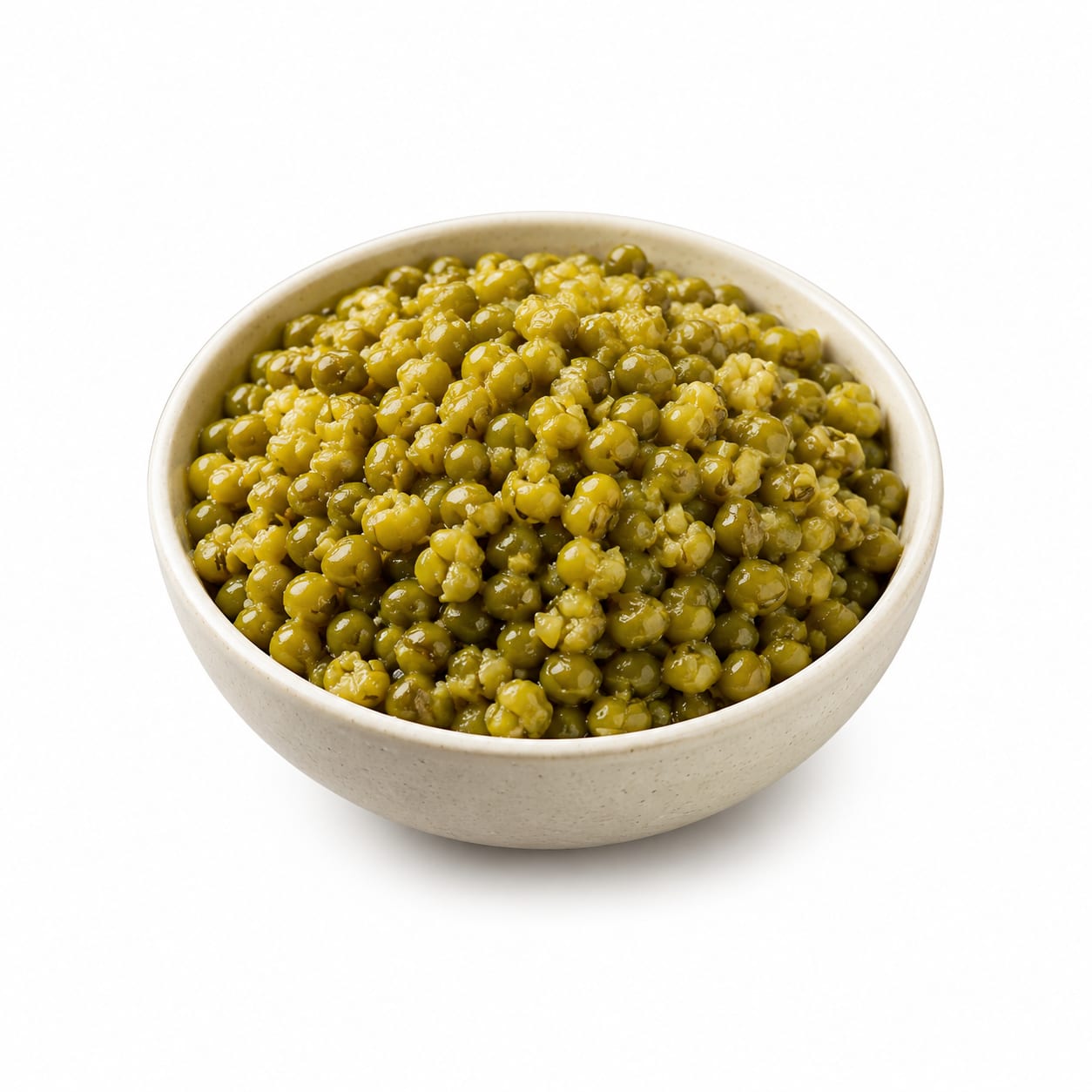
Mung Bean
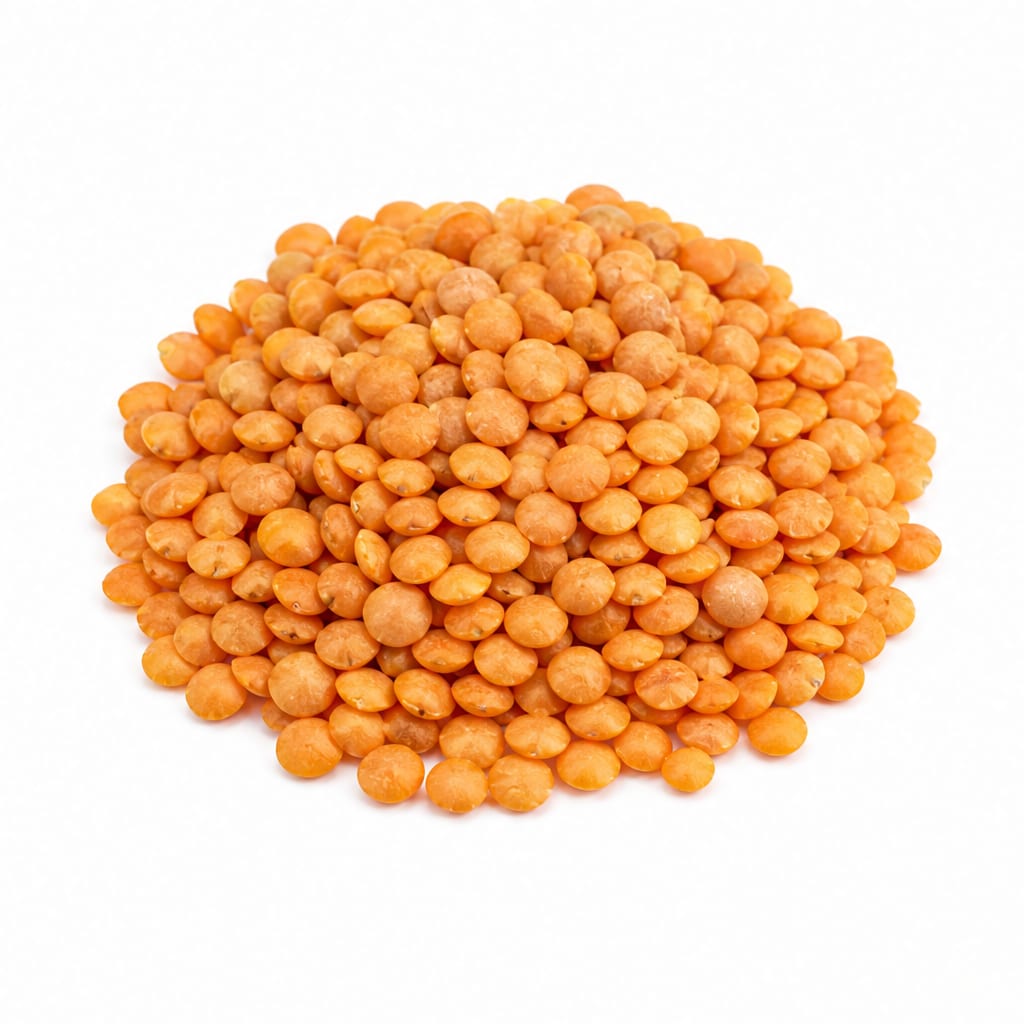
Lentils
Lentils edge out Mung Beans for protein and iron, but Mung Beans are significantly easier to digest and better for sprouting.
Lentils score slightly higher due to superior protein and micronutrient density, making them a more robust daily staple for most people. Mung Beans remain excellent but are slightly less nutrient-dense per serving.
You trade higher protein and iron in Lentils for superior digestive comfort and lower calorie density in Mung Beans.
At a glance
Executive summary
Overall
It depends
Healthier
It depends
More practical
Lentils
Daily use
Lentils
Key comparison lenses
Plant-based protein quality and quantity
Both are staple protein sources in vegetarian and vegan diets, making protein density a primary decision factor.
Digestive tolerance and gas production
Legumes are notorious for causing bloating, and users often choose between these two based on which is gentler on the stomach.
Blood sugar management
Both are complex carbohydrates, but their different fiber profiles impact glucose responses differently.
Cooking convenience and versatility
Preparation time and culinary flexibility heavily influence which legume people actually cook on busy weeknights.
Best choice for
Mung Bean
- People with sensitive stomachs or IBS
- Those who enjoy sprouting their own greens
- Anyone seeking a lighter, cooling legume for hot weather
Lentils
- Athletes and those building muscle
- People needing an iron boost, especially menstruating women
- Meal preppers looking for quick-cooking, hearty staples
Least suitable for
Mung Bean
- Those needing maximum protein per serving
- People looking for quick-cooking whole legumes without soaking
Lentils
- Individuals prone to severe bloating or gas from legumes
- Those following a strict low-FODMAP diet
Deep comparison
Dimension by dimension
Each lens scores both foods and breaks down who each option suits.
- Dimension 1 · Priority 95Lentils
Protein & Satiety
Mung Bean · 75Lentils · 90Lentils provide significantly more protein per calorie, keeping you fuller for longer.
Tradeoff
Choosing Mung Beans means eating slightly more volume to get the same protein as Lentils.
Why it matters
Higher protein intake supports muscle maintenance and reduces cravings between meals.
Real-world impact
A bowl of lentil soup will likely keep you satisfied from lunch until dinner, whereas a mung bean dish might leave you hunting for a snack an hour earlier.
Mung Bean
- Lighter meals where you don't want to feel overly stuffed
Better for
- Heavy lifting phases requiring high protein
Worse for
Lentils
- Post-workout recovery meals
- Making filling meal-prep bowls
Better for
- Days when you want a light, easily digestible dinner
Worse for
- Dimension 2 · Priority 90Mung Bean
Digestive Comfort
Mung Bean · 92Lentils · 70Mung Beans are famously gentle on the digestive system and much less likely to cause gas than Lentils.
Tradeoff
You gain digestive peace with Mung Beans but sacrifice some of the protein density Lentils offer.
Why it matters
Bloating and gas can make healthy eating feel punishing, leading people to abandon legumes entirely.
Real-world impact
Eating Mung Beans for dinner means you can sleep comfortably without a bloated stomach, while Lentils might cause discomfort if you aren't used to the fiber load.
Mung Bean
- People with sensitive digestion
- Introducing legumes to children
Better for
- Situations where maximum nutrient density is required in a small serving
Worse for
Lentils
- Those with iron-clad stomachs used to high-fiber diets
Better for
- First dates or events where bloating is a major concern
Worse for
- Dimension 3 · Priority 85Mung Bean
Blood Sugar Stability
Mung Bean · 88Lentils · 82Both are excellent for blood sugar, but Mung Beans have a slightly lower glycemic load and higher resistant starch when cooled.
Tradeoff
The difference is minor, but Mung Beans offer a slight edge for glucose control, while Lentils provide more sustained energy due to higher protein.
Why it matters
Steady blood sugar prevents the afternoon energy crash and reduces cravings for sugary snacks.
Real-world impact
A mung bean salad will give you a very smooth, jitter-free energy curve, while lentils provide a slightly more robust, long-burning fuel.
Mung Bean
- Diabetics looking for the gentlest blood sugar response
- Those prone to sugar crashes
Better for
- Endurance athletes needing higher caloric density
Worse for
Lentils
- Active individuals needing sustained energy for physical labor
Better for
- Strict glucose management where even minor spikes are a concern
Worse for
- Dimension 4 · Priority 80Lentils
Micronutrient Density
Mung Bean · 78Lentils · 90Lentils are a powerhouse of iron, folate, and magnesium, significantly outpacing Mung Beans in these key nutrients.
Tradeoff
Relying solely on Mung Beans could make it harder to meet daily iron needs without supplementation.
Why it matters
Iron and folate are crucial for energy levels and blood health, especially for women and vegetarians.
Real-world impact
Eating Lentils regularly can help keep your energy up and prevent the pale, sluggish feeling of low iron, whereas Mung Beans alone might not move the needle enough.
Mung Bean
- Getting adequate potassium and copper
Better for
- Those with diagnosed iron deficiency
Worse for
Lentils
- Preventing anemia and supporting prenatal nutrition
Better for
- People with hemochromatosis who need to limit iron
Worse for
- Dimension 5 · Priority 75Lentils
Cooking Convenience & Versatility
Mung Bean · 75Lentils · 85Split lentils cook incredibly fast and adapt to a wider variety of savory dishes, while whole Mung Beans take longer unless sprouted.
Tradeoff
Mung Beans require more planning for best results, whereas red or yellow lentils can be cooked from scratch in 15 minutes.
Why it matters
If a healthy food takes too long to cook, you are more likely to order takeout instead.
Real-world impact
Red lentils are a weeknight hero—toss them in boiling water and dinner is ready in 15 minutes. Whole Mung Beans need a longer simmer or overnight soaking.
Mung Bean
- Making refreshing sprouts for salads and sandwiches
Better for
- Last-minute dinner emergencies
Worse for
Lentils
- Quick weeknight soups, stews, and curries
- Thickening sauces naturally
Better for
- Raw, crunchy salad toppings
Worse for
Timeline
Health impact over time
Short-term
Hours to days
Mung Bean
- Gentle on the stomach with minimal bloating
- Provides steady, calm energy without a food coma
Lentils
- Highly filling, can feel heavy if eaten in large portions
- May cause noticeable gas and bloating if not accustomed to high fiber
Long-term
Months to years
Mung Bean
- Supports a healthy gut microbiome with gentle fiber
- Helps maintain stable blood sugar over the years
Lentils
- Excellent for preventing iron-deficiency anemia
- Supports heart health and sustained muscle mass through high protein and folate
Risk profile
Safety & processing
Both Mung Beans and Lentils are whole, natural foods sold dried or canned with minimal to no additives. Canned versions may contain added sodium, so rinsing is recommended.
Mung Bean
Bacterial growth during sprouting
mediumSprouting Mung Beans at home in warm, humid conditions can breed salmonella or E. coli if not done in a clean environment with proper rinsing.
Lentils
Lectin toxicity if undercooked
mediumRaw or undercooked lentils contain lectins that can cause nausea and vomiting. Thorough boiling completely destroys these lectins.
Who wins for whom
Audience fit
Same foods, different winners depending on your goal.
children
Mung BeanMung Beans are much easier for little digestive systems to process, and their mild flavor is more kid-friendly.
daily consumption
LentilsLentils provide a broader and more dense profile of essential nutrients like iron and folate, making them a stronger daily anchor for overall health.
diabetes
Mung BeanMung Beans have a slightly lower glycemic index and are incredibly gentle on blood sugar, though both are excellent choices.
elderly
Mung BeanAs digestion weakens with age, the gentle nature of Mung Beans makes them a safer, more comfortable staple.
muscle gain
LentilsLentils offer substantially more protein per serving, which is critical for muscle repair and growth.
weight loss
Mung BeanMung Beans are lower in calories and easier to digest, making them a comfortable choice for calorie deficits.
Your move
Decision guide
Choose Mung Bean
- You struggle with bloating or have a sensitive stomach
- You want to start sprouting your own fresh greens
- You are looking for a cooling, light summer meal
Choose Lentils
- You need a robust, high-protein base for meal prep
- You are prone to iron deficiency or are pregnant
- You want a quick-cooking legume for busy weeknights
Either works if
- You just want a healthy, plant-based fiber source
- You are making a large stew where both can be mixed
Avoid both if
- You are in the strict elimination phase of a low-FODMAP diet
Final recommendation
Keep both in your pantry. Use Lentils as your everyday protein and iron workhorse, and turn to Mung Beans when your stomach needs a break or you want something light and refreshing.
Practical
Consumer tips
- 1
Soak both Mung Beans and Lentils for a few hours before cooking to reduce cooking time and improve digestibility.
- 2
If sprouting Mung Beans, rinse them twice a day and keep them out of direct sunlight to avoid bacterial growth.
- 3
Rinse canned lentils thoroughly to remove up to 40% of the added sodium.
- 4
Add a piece of kombu seaweed to the cooking water for either legume; it helps break down gas-causing compounds.