
Nutrition comparison
Mung Beans vs Kidney Beans: Nutrition, Digestion, and Safety Compared
Mung beans are easier to digest and safer to cook, while kidney beans offer more protein and iron. Learn which legume fits your health goals and cooking style.
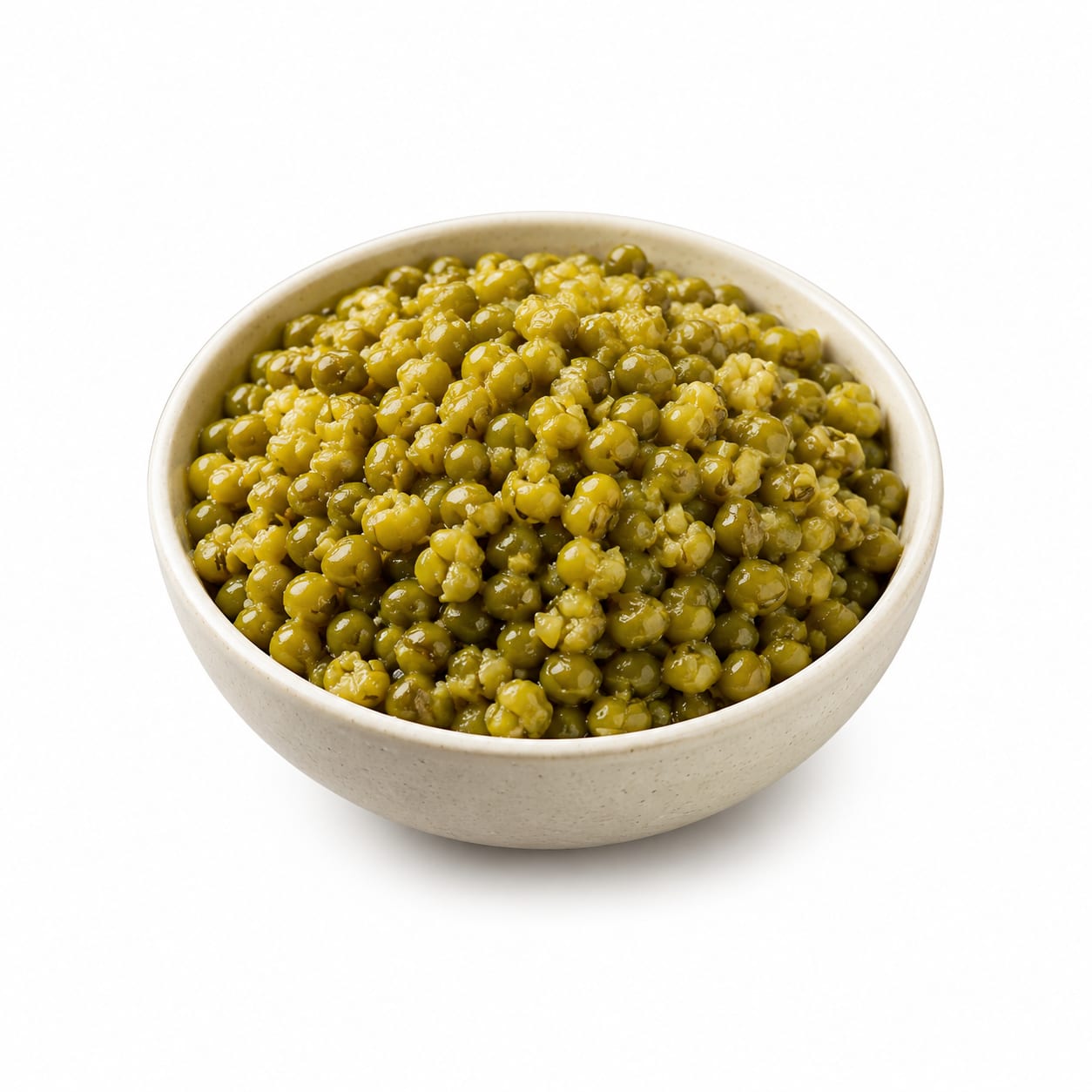
Mung Bean
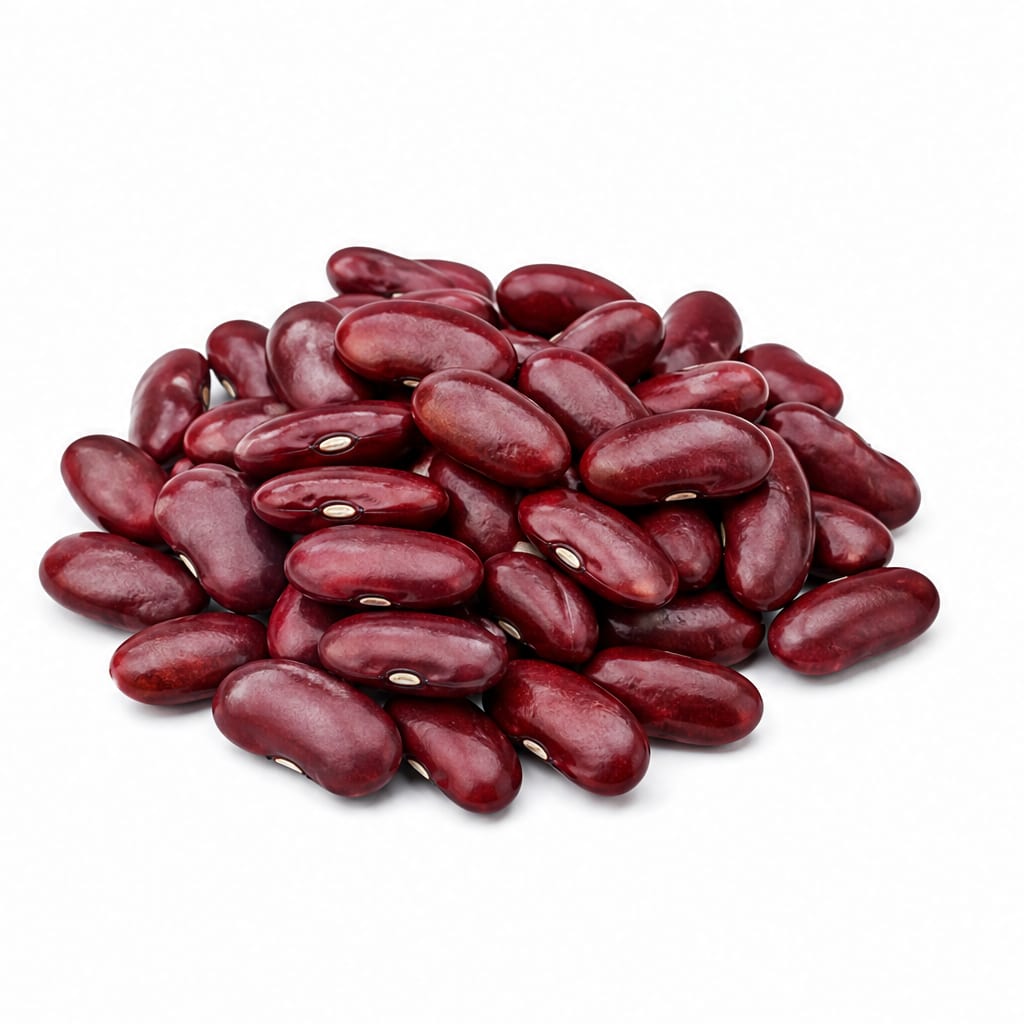
Kidney Beans
Mung beans are easier to digest and safer to prepare, while kidney beans pack more protein and iron per bite.
Mung beans edge ahead due to superior digestibility, faster cooking, and zero toxin risk. Kidney beans score well on protein and iron but lose ground on safety concerns and digestive comfort. The gap is small because both are genuinely healthy whole foods.
Digestive comfort and safety versus higher protein density and mineral content.
At a glance
Executive summary
Overall
It depends
Healthier
It depends
More practical
Mung Bean
Daily use
Mung Bean
Key comparison lenses
digestive comfort and tolerance
Mung beans are famously gentle on the stomach while kidney beans are notorious for causing gas and bloating
safety and proper preparation
Kidney beans contain a natural toxin that can cause serious illness if undercooked, a critical real-world concern
protein and satiety comparison
Both are plant protein staples but kidney beans deliver more protein per serving, affecting fullness and meal planning
blood sugar management
Both are low-glycemic legumes but mung beans have a slight edge for steadier glucose response
everyday cooking convenience
Mung beans cook much faster and have simpler prep requirements than kidney beans
Best choice for
Mung Bean
- People with sensitive digestion or IBS
- Anyone new to cooking legumes at home
- Those seeking a light, comforting meal
- Blood sugar management diets
- Quick weeknight dinners
Kidney Beans
- Athletes and strength trainers needing more protein
- Anyone boosting iron intake naturally
- Hearty stew and chili recipes
- People wanting longer-lasting fullness
- Plant-based eaters maximizing nutrient density per calorie
Least suitable for
Mung Bean
- Those needing maximum protein from legumes
- Recipes requiring firm, hold-their-shape beans
- People looking for iron-rich plant foods
Kidney Beans
- People prone to bloating or gas
- Impatient cooks who skip soaking steps
- Anyone with a history of food preparation mistakes
- Light evening meals before bed
Deep comparison
Dimension by dimension
Each lens scores both foods and breaks down who each option suits.
- Dimension 1 · Priority 92Mung Bean
digestive tolerance
Mung Bean · 90Kidney Beans · 45Mung beans are one of the easiest legumes to digest. Kidney beans are among the most gas-producing.
Tradeoff
You trade protein density for a significantly more comfortable eating experience.
Why it matters
If legumes make you bloated, mung beans are far more likely to become a regular habit instead of a one-off experiment.
Real-world impact
After a mung bean meal you feel light and satisfied. After kidney beans, you may deal with hours of bloating and discomfort, especially if your gut is not used to high-fiber foods.
Mung Bean
- Sensitive stomachs
- IBS-prone individuals
- Introducing legumes to children
- Light dinners before bed
Better for
- Situations where you want dense, heavy satiety from a single bowl
Worse for
Kidney Beans
- People with ironclad digestion who tolerate all beans well
Better for
- Social situations where gas is embarrassing
- First dates or work lunches
- Post-meal comfort and sleep quality
Worse for
- Dimension 2 · Priority 90Mung Bean
safety and preparation risk
Mung Bean · 95Kidney Beans · 55Undercooked kidney beans contain phytohaemagglutinin, a toxin that causes severe nausea and vomiting. Mung beans have no such risk.
Tradeoff
Kidney beans reward careful cooking but punish shortcuts. Mung beans are forgiving even if slightly underdone.
Why it matters
This is not a theoretical risk. Slow cookers commonly fail to reach temperatures needed to destroy the toxin, and outbreaks are documented.
Real-world impact
A rushed cook with kidney beans can mean violent food poisoning within hours. Mung beans simply never carry this danger.
Mung Bean
- Beginner home cooks
- Anyone using a slow cooker without boiling first
- Meal prep in a hurry
- Cooking for children or elderly
Better for
- No meaningful safety downside
Worse for
Kidney Beans
- Experienced cooks who always soak and boil properly
Better for
- Slow cooker recipes without pre-boiling
- Forgetting to soak overnight
- Camping or low-heat cooking scenarios
Worse for
- Dimension 3 · Priority 85Kidney Beans
protein and satiety
Mung Bean · 65Kidney Beans · 85Kidney beans deliver roughly 50% more protein per cooked cup than mung beans, making them more filling per serving.
Tradeoff
More protein means better satiety but also a heavier meal that sits longer in your stomach.
Why it matters
For plant-based eaters, every gram of protein matters. Kidney beans help close that gap more efficiently.
Real-world impact
A kidney bean chili keeps you full for hours. A mung bean soup is satisfying but you may be hungry again sooner.
Mung Bean
- Smaller appetites who prefer lighter meals
- Eating before physical activity
Better for
- Long gaps between meals where sustained energy matters
Worse for
Kidney Beans
- Athletes recovering from training
- Anyone trying to eat less frequently
- Plant-based meal plans needing protein density
Better for
- Hot days when heavy food feels unappealing
- Eating right before exercise
Worse for
- Dimension 4 · Priority 78Mung Bean
blood sugar stability
Mung Bean · 85Kidney Beans · 78Both are low-glycemic, but mung beans have a slightly lower glycemic index and are traditionally used in anti-diabetic diets in Ayurvedic practice.
Tradeoff
The difference is modest. Both are excellent choices compared to grains or starchy sides.
Why it matters
For diabetics, even small glycemic advantages compound over thousands of meals across years.
Real-world impact
Mung beans give a slightly smoother energy curve. Kidney beans are still far better than rice or bread for blood sugar.
Mung Bean
- Type 2 diabetes management
- Insulin resistance patterns
- Steady afternoon energy without crashes
Better for
- No real downside for blood sugar
Worse for
Kidney Beans
- Still a strong choice, just not the absolute best among legumes
Better for
- Very tight glucose control where every point of GI matters
Worse for
- Dimension 5 · Priority 75Kidney Beans
mineral density and micronutrients
Mung Bean · 68Kidney Beans · 82Kidney beans are notably richer in iron, potassium, and phosphorus. Mung beans offer more folate and magnesium.
Tradeoff
Kidney beans are better for anemia prevention. Mung beans support cellular repair and energy metabolism differently.
Why it matters
Iron deficiency is the most common nutrient deficiency worldwide, giving kidney beans a practical edge for many people.
Real-world impact
Regular kidney bean consumption can meaningfully move the needle on iron intake, especially for menstruating women on plant-based diets.
Mung Bean
- Pregnancy nutrition where folate is critical
- Magnesium-deficient diets
- Recovery from illness needing gentle nutrition
Better for
- Anyone specifically targeting iron intake
Worse for
Kidney Beans
- Iron-deficient individuals
- Menstruating women
- Plant-based eaters watching ferritin levels
Better for
- First trimester pregnancy where folate is the priority
Worse for
- Dimension 6 · Priority 75Mung Bean
cooking convenience
Mung Bean · 88Kidney Beans · 55Mung beans cook in 20-30 minutes without soaking. Kidney beans require overnight soaking plus 60-90 minutes of boiling.
Tradeoff
Mung beans fit into spontaneous weeknight cooking. Kidney beans demand planning ahead.
Why it matters
Convenience determines whether a food becomes a habit or stays in the pantry untouched.
Real-world impact
You can decide to make mung bean dal at 6 PM and eat by 7. Kidney beans require remembering to soak them the night before.
Mung Bean
- Last-minute meal decisions
- Weeknight cooking
- Small kitchens without long cooking windows
Better for
- Recipes where a firm, chunky bean texture is essential
Worse for
Kidney Beans
- Weekend meal prep sessions
- Batch cooking for the freezer
Better for
- Spontaneous cooking
- Busy households with limited evening time
Worse for
Timeline
Health impact over time
Short-term
Hours to days
Mung Bean
- Comfortable digestion with minimal gas
- Light, steady energy without heaviness
- Quick preparation reduces decision fatigue around healthy eating
Kidney Beans
- Potential bloating and flatulence, especially if unaccustomed
- Stronger satiety that reduces snacking for hours
- Risk of nausea and vomiting if undercooked due to phytohaemagglutinin
Long-term
Months to years
Mung Bean
- Consistent legume intake without digestive avoidance behavior
- Steady blood sugar support reducing metabolic disease risk
- Gentle fiber intake supporting regular bowel habits
Kidney Beans
- Higher cumulative iron intake supporting prevention of anemia
- Greater protein intake supporting muscle maintenance with aging
- Long-term digestive adaptation if consumed regularly, with initial discomfort period
Risk profile
Safety & processing
Both are whole, dried legumes with essentially identical processing levels. Canned versions of both may contain added sodium, but the dried forms are as natural as food gets.
Mung Bean
Minimal toxin risk
lowMung beans contain negligible levels of lectins and pose no meaningful poisoning risk even if slightly undercooked.
Kidney Beans
Phytohaemagglutinin poisoning from undercooking
highRaw or undercooked kidney beans contain a lectin that causes severe nausea, vomiting, and abdominal pain within 1-3 hours. As few as 4-5 raw beans can trigger symptoms. Slow cookers often fail to reach safe temperatures. Always soak overnight, discard water, and boil vigorously for at least 10 minutes before reducing heat.
Canned kidney bean sodium
mediumCanned versions often contain 400-600mg sodium per serving. Rinsing helps but does not eliminate it entirely. Dried preparation avoids this issue.
Who wins for whom
Audience fit
Same foods, different winners depending on your goal.
children
Mung BeanEasier digestion, milder flavor, faster cooking, and zero toxin risk make mung beans safer and more practical for family meals with young kids.
daily consumption
Mung BeanThe combination of easy digestion, quick cooking, and no safety concerns makes mung beans the more sustainable daily habit for most people.
diabetes
Mung BeanSlightly lower glycemic index and gentler blood sugar response give mung beans a meaningful edge for glucose management, though both are strong choices.
elderly
Mung BeanGentle digestion becomes more important with age. The safety margin with mung beans is also wider for elderly who may have slower cooking habits or reduced stomach acid.
muscle gain
Kidney BeansSignificantly more protein per serving makes kidney beans more efficient for supporting muscle recovery and growth on a plant-based diet.
weight loss
Mung BeanLower calorie density and easier digestion make mung beans more sustainable as a daily staple. Kidney beans are also excellent but their heaviness can feel restrictive.
Your move
Decision guide
Choose Mung Bean
- You have ever avoided beans because of bloating
- You want a legume you can cook on a whim without soaking
- Digestive comfort is a top priority for you
- You are cooking for children or elderly family members
- You follow an Ayurvedic or traditional Asian dietary approach
- You want a light dinner that will not disrupt your sleep
Choose Kidney Beans
- You are an experienced cook who always soaks and boils properly
- Maximizing plant protein intake is your primary goal
- You need to boost iron levels through food
- You are making chili, stew, or another hearty dish where firm beans shine
- You have strong digestion and tolerate all legumes well
- You meal prep on weekends for the week ahead
Either works if
- You simply want more legumes in your diet and will eat what fits the recipe
- You are already eating a varied diet and neither will make or break your nutrition
- You rotate between different beans weekly for diversity
Avoid both if
- You have a diagnosed legume allergy
- You are in an acute flare of severe IBS and need to reduce all fermentable carbohydrates temporarily
- You are on a very low-carb or keto diet restricting all starchy legumes
Final recommendation
Start with mung beans if you are new to cooking legumes or have any digestive sensitivity. Their forgiving nature makes them a gateway bean you will actually keep eating. Choose kidney beans when you need serious protein and iron, and you are confident in your cooking habits. Both deserve a place in a healthy kitchen, but mung beans are the safer daily default.
Practical
Consumer tips
- 1
If using canned kidney beans, always rinse thoroughly to reduce sodium and any residual lectins from the canning liquid.
- 2
Never put raw or soaked kidney beans directly into a slow cooker without boiling them hard for at least 10 minutes first.
- 3
Mung beans sprout easily at home in a jar within 2-3 days, adding fresh crunch to salads and sandwiches.
- 4
Soaking kidney beans overnight and discarding the water reduces gas-producing compounds by up to 75%.
- 5
Add a piece of kombu seaweed when cooking either bean to help reduce gas and add trace minerals.
- 6
Mung beans break down into a creamy texture when cooked longer, making them perfect for soups and stews without needing to blend.
- 7
If kidney beans cause you discomfort, try smaller portions alongside easier-to-digest foods rather than as the main ingredient.