
Nutrition comparison
Mung Beans vs Adzuki Beans: Nutrition, Digestion, and Which to Choose
Compare mung beans and adzuki beans side by side. Learn which is better for digestion, protein intake, weight loss, and daily use with practical expert guidance.
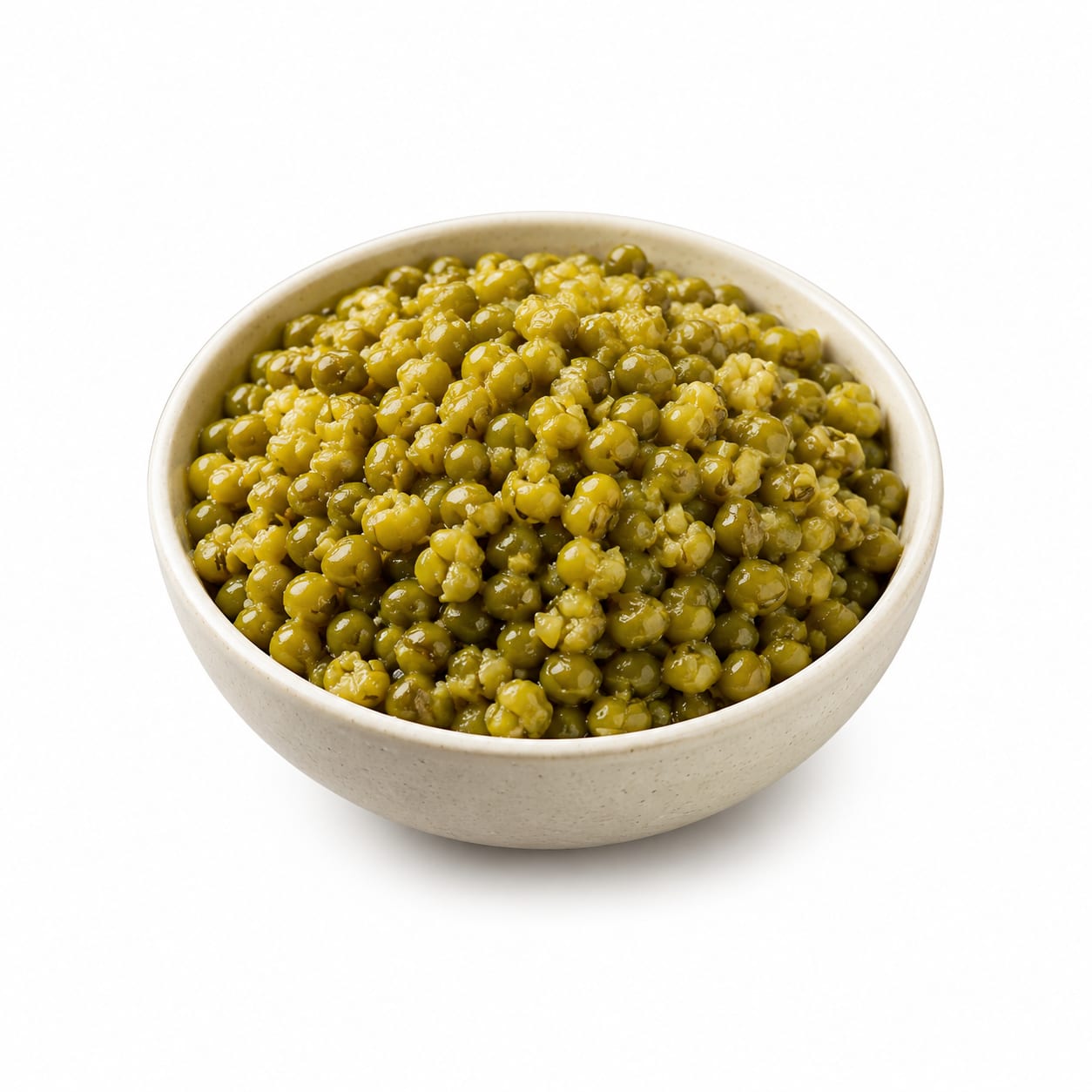
Mung Bean
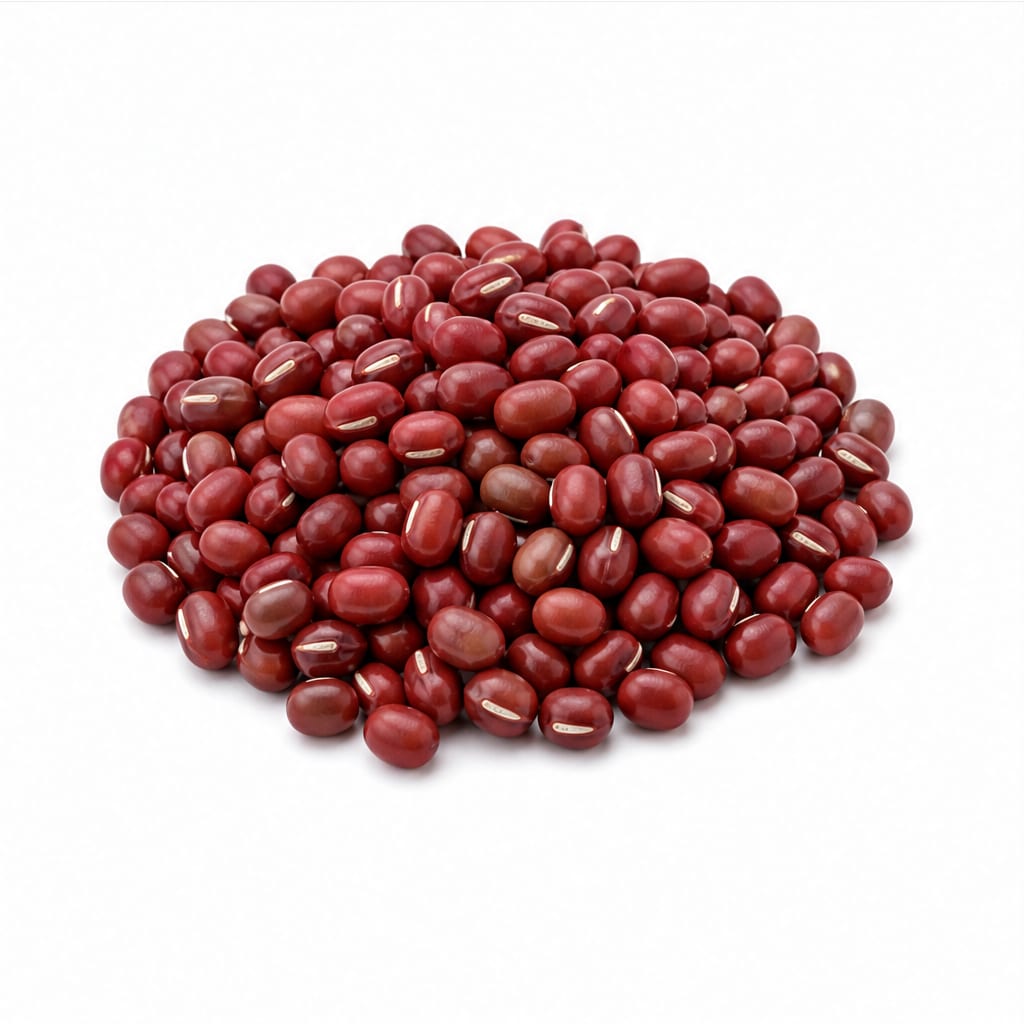
Adzuki Beans
Mung beans win for digestive comfort and lighter meals; adzuki beans win for protein, iron, and antioxidant power.
Adzuki beans score slightly higher due to superior protein, iron, and antioxidant content, but mung beans remain competitive thanks to unmatched digestibility and lower calorie density. The close scores reflect how context-dependent the winner truly is.
Gentle digestibility and lower calories versus higher protein, more iron, and richer antioxidants.
At a glance
Executive summary
Overall
It depends
Healthier
It depends
More practical
Mung Bean
Daily use
Mung Bean
Key comparison lenses
digestive tolerance
Mung beans are famously gentle on the stomach while adzuki can be slightly harder to digest, making this a key differentiator for sensitive eaters
protein and satiety
Adzuki beans pack more protein per serving, which matters for plant-based eaters deciding between these two legumes
antioxidant profile
Adzuki's deep red color signals anthocyanins that mung beans simply lack, creating a meaningful nutritional gap
blood sugar management
Both are low-glycemic but mung beans edge ahead, making this relevant for diabetes-conscious users
weight management
Mung beans offer fewer calories per serving while adzuki provides more fullness — a classic tradeoff
Best choice for
Mung Bean
- People with sensitive digestion or IBS
- Anyone doing a cleanse or light eating phase
- Those wanting a low-calorie protein source
- Hot climate meals where lighter food feels better
- Infants and elderly who need easy-to-digest nutrition
Adzuki Beans
- Plant-based eaters needing more protein and iron
- Anyone focused on antioxidant intake
- Women with higher iron needs
- Athletes seeking muscle-recovery support from legumes
- People wanting longer-lasting fullness from meals
Least suitable for
Mung Bean
- Those needing maximum protein from plant sources
- Anyone looking to boost iron intake significantly
- People wanting the deepest antioxidant protection
Adzuki Beans
- People with severe digestive sensitivity
- Those wanting the lightest possible meal
- Anyone prone to bloating from denser legumes
Deep comparison
Dimension by dimension
Each lens scores both foods and breaks down who each option suits.
- Dimension 1 · Priority 92Mung Bean
digestive_comfort
Mung Bean · 94Adzuki Beans · 72Mung beans are one of the easiest legumes to digest, often recommended as a first food for infants and for recovering digestion. Adzuki beans are moderately digestible but can cause more bloating.
Tradeoff
You gain digestive ease with mung beans but sacrifice some of the denser nutrition that adzuki provides.
Why it matters
If beans typically make you uncomfortable, this difference is night and day — mung beans may be the only legume you tolerate well.
Real-world impact
Mung bean soup feels soothing and light after a heavy day. Adzuki bean stew sits heavier and may require more chewing and slower eating to avoid gas.
Mung Bean
- Post-illness recovery meals
- Sensitive stomachs and IBS
- Light dinners before bed
Better for
- Situations where you want maximum satiety from a small portion
Worse for
Adzuki Beans
- Hearty meals where density is desired
- Active days when you need lasting fuel
Better for
- Days when your digestion feels compromised
- Meals that need to feel light and refreshing
Worse for
- Dimension 2 · Priority 88Adzuki Beans
protein_and_satiety
Mung Bean · 68Adzuki Beans · 85Adzuki beans deliver noticeably more protein per serving, keeping you fuller for longer. Mung beans provide respectable protein but cannot match adzuki's staying power.
Tradeoff
More filling meals with adzuki come at the cost of slightly heavier digestion.
Why it matters
For plant-based eaters, every gram of protein counts. Adzuki beans make it easier to hit daily targets without supplements.
Real-world impact
A bowl of adzuki beans at lunch can carry you to dinner without snacking. Mung beans may leave you reaching for a handful of nuts by mid-afternoon.
Mung Bean
- Light meals where you don't want to feel stuffed
Better for
- Anyone struggling to get enough protein from plants
Worse for
Adzuki Beans
- Post-workout recovery meals
- Plant-based protein optimization
- Busy days with limited eating windows
Better for
- Small frequent meals where lighter portions are preferred
Worse for
- Dimension 3 · Priority 85Adzuki Beans
antioxidant_richness
Mung Bean · 55Adzuki Beans · 88Adzuki beans are rich in anthocyanins and other polyphenols from their dark red pigment. Mung beans have antioxidants but at significantly lower levels.
Tradeoff
Choosing mung beans means missing out on the powerful antioxidant class that gives adzuki its color and protective reputation.
Why it matters
Anthocyanins support heart health, brain function, and cellular defense — benefits that accumulate meaningfully over years of regular consumption.
Real-world impact
Eating adzuki beans regularly is like adding a daily shield for your cells. Mung beans support health but through different, less antioxidant-dense pathways.
Mung Bean
- Situations where cooling, anti-inflammatory properties are prioritized over antioxidant density
Better for
- Anyone specifically targeting high-antioxidant eating patterns
Worse for
Adzuki Beans
- Long-term cellular health strategies
- Cardiovascular protection diets
- Aging-related nutrition planning
Better for
- Acute inflammatory flare-ups where cooling foods are traditionally preferred
Worse for
- Dimension 4 · Priority 80Mung Bean
blood_sugar_stability
Mung Bean · 86Adzuki Beans · 79Both beans are low-glycemic, but mung beans have a slight edge with a lower glycemic index and easier glucose management.
Tradeoff
The difference is modest — both are excellent choices compared to most carbohydrate sources.
Why it matters
For people with diabetes or insulin resistance, even small glycemic differences can matter when a food is eaten daily.
Real-world impact
Mung beans cause a slightly gentler blood sugar rise, making them feel more predictable for glucose monitoring. Adzuki beans are still very safe but require slightly more awareness.
Mung Bean
- Tight blood sugar management
- Pre-diabetic eating patterns
- Evening meals before sleep
Better for
- Situations are rare — mung beans are consistently blood-sugar friendly
Worse for
Adzuki Beans
- Post-exercise meals where some glucose uptake is actually beneficial
Better for
- Very strict glycemic control protocols where every point matters
Worse for
- Dimension 5 · Priority 78Adzuki Beans
iron_and_mineral_density
Mung Bean · 62Adzuki Beans · 84Adzuki beans contain significantly more iron, potassium, and zinc per serving. Mung beans offer decent minerals but cannot compete with adzuki's density.
Tradeoff
Better mineral intake with adzuki requires tolerating its heavier digestive profile.
Why it matters
Iron deficiency is the world's most common nutrient gap, especially for women. Adzuki beans are a meaningful plant-based iron source.
Real-world impact
Regular adzuki consumption can move the needle on iron intake in a way that mung beans alone may not achieve without careful pairing.
Mung Bean
- Situations where mineral density is less critical than digestibility
Better for
- Iron-deficient individuals relying heavily on legumes
Worse for
Adzuki Beans
- Women with heavy menstrual cycles
- Plant-based eaters at risk for iron deficiency
- Anyone needing to boost potassium intake
Better for
- Those with hemochromatosis or iron overload concerns
Worse for
- Dimension 6 · Priority 72It depends
culinary_versatility
Mung Bean · 80Adzuki Beans · 78Mung beans excel in savory dishes, soups, and sprouting. Adzuki beans shine in both sweet and savory applications, especially East Asian desserts.
Tradeoff
Mung beans offer lighter, more neutral versatility while adzuki brings a distinctive earthy sweetness that works uniquely in red bean paste and desserts.
Why it matters
Your cuisine preferences heavily influence which bean feels more useful in your kitchen.
Real-world impact
Mung beans disappear into soups and curries effortlessly. Adzuki beans hold their shape and flavor, making them a statement ingredient rather than a background player.
Mung Bean
- Indian and Southeast Asian cooking
- Sprouting for salads and sandwiches
- Neutral-flavored protein additions to any dish
Better for
- Making traditional East Asian sweets
Worse for
Adzuki Beans
- Japanese and Chinese desserts
- Sweet bean pastes and fillings
- Hearty stews where bean identity matters
Better for
- Light, neutral dishes where bean flavor should be subtle
Worse for
Timeline
Health impact over time
Short-term
Hours to days
Mung Bean
- Quick, light energy without digestive heaviness
- Minimal bloating compared to most legumes
- Gentle blood sugar response after meals
- Comforting and hydrating when cooked as soup
Adzuki Beans
- Stronger satiety that reduces between-meal hunger
- More sustained energy release over several hours
- Possible mild bloating if not soaked adequately
- Heavier post-meal feeling that some find comforting
Long-term
Months to years
Mung Bean
- Consistent digestive regularity with minimal discomfort
- Steady blood sugar management over years
- Moderate protein intake supporting maintenance but not optimal for muscle building alone
- Lower iron accumulation, which may be beneficial or concerning depending on individual needs
Adzuki Beans
- Better long-term iron status, especially important for menstruating women
- Stronger antioxidant protection against cellular aging
- More effective weight maintenance through higher satiety
- Greater support for muscle preservation in aging populations
Risk profile
Safety & processing
Both mung beans and adzuki beans are whole, minimally processed foods when purchased dried. Canned versions may contain added sodium, so always check labels. Neither typically carries concerning additives in their natural dried form.
Mung Bean
Contamination during sprouting
mediumMung bean sprouts are a common vector for Salmonella and E. coli due to warm, humid sprouting conditions. Always source from reputable suppliers and consider cooking sprouts if immune-compromised.
Lectin content if undercooked
lowRaw mung beans contain lectins that are neutralized by proper cooking. Thorough cooking eliminates this concern entirely.
Adzuki Beans
Lectin content if undercooked
lowLike all legumes, adzuki beans should be fully cooked to neutralize lectins. Soaking and boiling makes them completely safe.
Phytic acid reducing mineral absorption
lowAdzuki beans contain phytic acid that can reduce iron and zinc absorption. Soaking before cooking significantly reduces this effect, and vitamin C pairing can overcome remaining interference.
Who wins for whom
Audience fit
Same foods, different winners depending on your goal.
children
Mung BeanMung beans are gentler on developing digestive systems and are traditionally used as one of the first legumes introduced to infants in many Asian cultures.
daily consumption
Mung BeanMung beans' lighter digestive load makes them more sustainable as an everyday staple without accumulating gut fatigue over time.
diabetes
Mung BeanMung beans have a slightly lower glycemic index and are easier to portion-control due to their lighter profile, giving them a modest but meaningful edge for blood sugar management.
elderly
Mung BeanDigestive ease becomes increasingly important with age, and mung beans are less likely to cause discomfort while still providing solid nutrition.
muscle gain
Adzuki BeansAdzuki beans deliver more protein per serving, which is the critical factor for muscle maintenance and growth when eating plant-based.
weight loss
Mung BeanMung beans provide fewer calories per serving while still offering decent protein and excellent fiber, making it easier to maintain a calorie deficit without feeling deprived.
Your move
Decision guide
Choose Mung Bean
- You experience bloating or discomfort from most beans
- You want a light, cleansing meal that won't weigh you down
- You're managing blood sugar closely and want the lowest glycemic option
- You're feeding children or elderly family members with sensitive digestion
- You live in a hot climate and prefer cooling, lighter foods
Choose Adzuki Beans
- You need maximum plant-based protein and iron from your legumes
- You want longer-lasting fullness between meals
- You're focused on antioxidant intake and cellular health
- You enjoy East Asian desserts and want a naturally sweet bean
- You're an active person who benefits from denser, more sustaining fuel
Either works if
- You simply want a nutritious whole-food legume in your diet
- You're building a plant-based pantry and both fit your cooking style
- You rotate between lighter and heavier meals throughout the week
Avoid both if
- You have a diagnosed legume allergy
- You're in an acute gout flare and need to limit purine intake temporarily
- You cannot tolerate any beans even after proper soaking and cooking
Final recommendation
Keep both in your pantry if possible. Use mung beans for light meals, digestive recovery, and hot-weather cooking. Turn to adzuki beans when you need more protein, iron, or a satisfying hearty dish. If you must choose only one, mung beans are the safer daily staple due to their unmatched digestibility, while adzuki beans are the stronger nutritional powerhouse for those who tolerate them well.
Practical
Consumer tips
- 1
Soak both beans for at least 4-8 hours to improve digestibility and reduce cooking time
- 2
Add a piece of kombu seaweed while cooking either bean to further reduce gas-producing compounds
- 3
Pair adzuki beans with vitamin C-rich foods like bell peppers or citrus to boost iron absorption
- 4
If new to legumes, start with mung beans and gradually introduce adzuki as your digestion adapts
- 5
Sprout mung beans at home for a crunchy, nutrient-dense addition to salads — but skip sprouting adzuki as they are not commonly sprouted
- 6
Choose dried beans over canned when possible to control sodium and avoid BPA exposure from can linings
- 7
Store both in airtight containers in a cool, dark place — they stay fresh for up to a year