
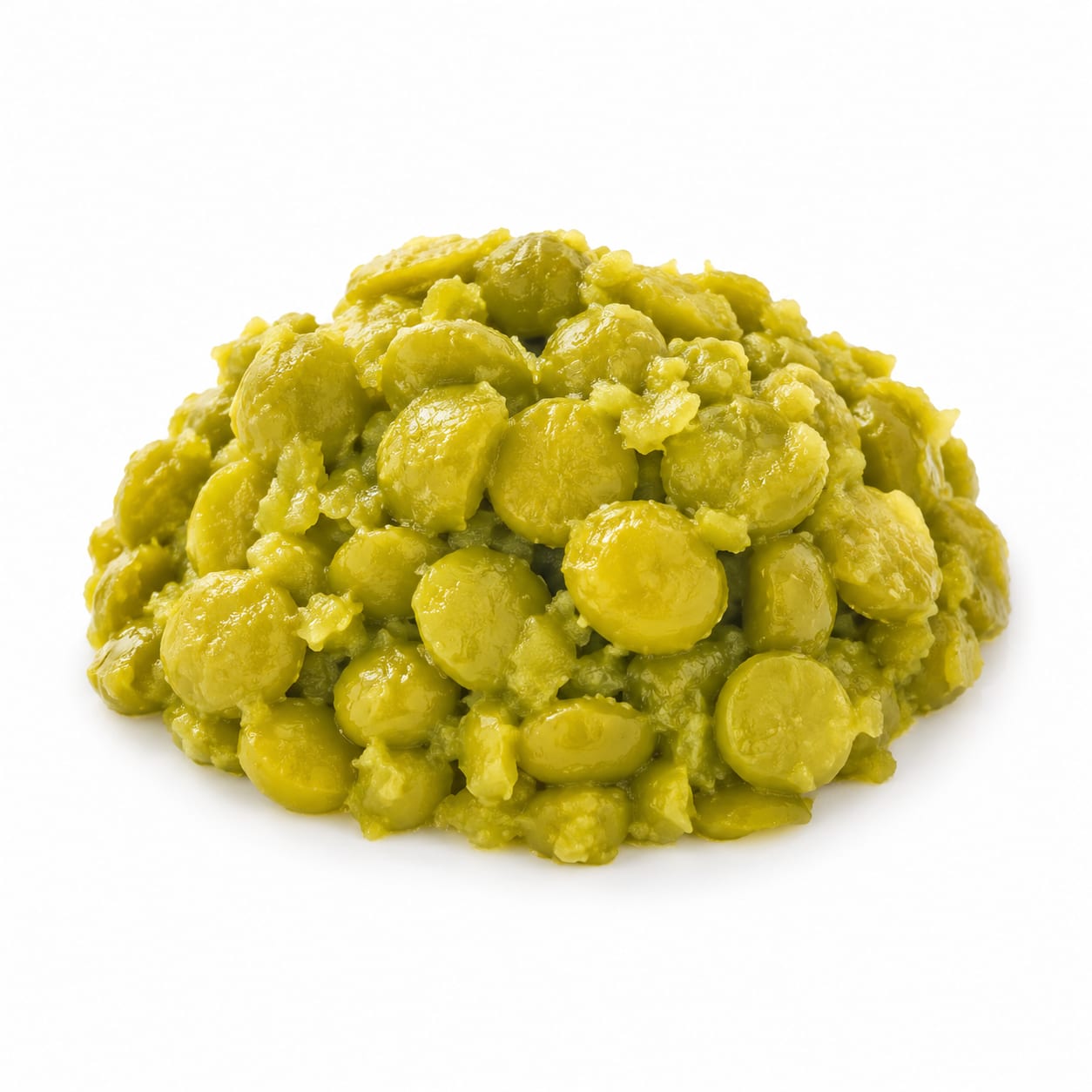
Legume
Marrowfat Pea
Mature, dried green peas with a dense, starchy texture and high protein-fiber ratio.
Mature, dried green peas known for their starchy texture and high fiber content, commonly used to make mushy peas or hearty soups.
high-fiber starchy legume
Typical serving · 100g
Common varieties · traditional marrowfat, carlin peas, maple peas
Overall context score across nutrition, safety, and diet fit
At a glance
Quick facts
Simple indicators based on nutrition, processing, and diet fit.
The story
What makes it unique
Marrowfat peas are the mature seeds of Pisum sativum, left to dry in the field. They digest slowly due to high fiber and resistant starch, promoting prolonged satiety and stable blood glucose. Their macronutrient profile is dominated by complex carbohydrates and plant protein, with minimal fat.
Varieties: traditional marrowfat · carlin peas · maple peas
Per 100g
Nutrition breakdown
Macro balance and key metrics at a glance.
Energy
Density 3.40 kcal/g
Protein
Carbs
Fat
Fiber
Sugar
8 g
Sodium
15 mg
Potassium
900 mg
Glycemic index
30
Glycemic load
10
Water content
10%
Standout compounds
Nutrient highlights
Dietary Fiber
highPromotes satiety and feeds beneficial gut bacteria
Plant Protein
highSupports muscle maintenance and cellular repair
Resistant Starch
moderateImproves insulin sensitivity and acts as a prebiotic
Potassium
moderateHelps regulate blood pressure and fluid balance
Wellness map
Health scores & processing
NOVA processing scale
minimally processed · Whole food
Marrowfat peas are simply mature peas left to dry naturally in the field, requiring no artificial additives or complex processing.
Diet compatibility
- Weight loss
- Muscle gain
- Diabetes
- Gut health
- Low carb
- High protein
- Heart health
Relative standing
Food rankings
Qualitative ranks compared to similar whole foods.
- Satietyexcellent
- Blood sugarexcellent
- Nutrient densitygood
- Fitness fuelgood
- Processing qualityexcellent
Eat with confidence
Food safety profile
Generally very safe. The primary risk is mold and mycotoxin growth if dried peas are stored in damp or poorly ventilated conditions.
Evidence confidence 90%
- Pesticideslow
- Antibioticslow
- Heavy metalslow
- Contaminationlow
Watch for
- mycotoxins from damp storage
Safer choices
Organic varieties to minimize pesticide residue during the growing season.
Prep tips
Rinse thoroughly and soak overnight to reduce phytic acid, improve digestibility, and remove potential surface contaminants before boiling.
Standard agricultural regulations apply; minimal specific concerns for dried legumes.
Deep dive
Health analysis
How this food may fit different goals and preparation choices.
Weight loss
High fiber and protein create strong satiety, though calorie density is high when dry; portion control is essential.
Blood sugar
Low glycemic index due to fiber and resistant starch, preventing sharp blood sugar spikes.
Fitness & energy
Provides slow-releasing complex carbohydrates ideal for sustained endurance activity and glycogen replenishment.
Gut health
Excellent source of prebiotic fiber that feeds beneficial gut bacteria and promotes regular bowel movements.
Processing quality
A whole food with minimal processing, retaining all natural micronutrients and fiber.
Food safety
Very safe when stored properly in dry, cool conditions to prevent mold growth.
Common mistakes
Not soaking or boiling long enough, which can lead to digestive discomfort and poor mineral absorption.
Best preparation
Soak overnight, then boil until tender, or use a pressure cooker to reduce cooking time and improve digestibility.
Practical guide
Best use cases
When and how this food fits real eating patterns.
post-workout recovery
Provides a balanced mix of protein for muscle repair and complex carbs to replenish glycogen.
high-fiber meal base
Acts as a filling foundation for stews and curries to significantly boost daily fiber intake.
plant-based protein source
Offers substantial protein for vegetarian and vegan diets when paired with whole grains.
Balance sheet
Pros & cons
Upsides
- Very high in dietary fiber
- Excellent plant-based protein source
- Low glycemic index stabilizes blood sugar
- Rich in resistant starch for gut health
- Affordable and long shelf life
Trade-offs
- High calorie density when dry requires portion control
- Requires long soaking and cooking times
- Contains phytic acid which can impair mineral absorption
- Can cause bloating or gas in sensitive individuals
Fit check
Who is it for?
Great match
- plant-based diets
- endurance athletes
- blood sugar management
- gut microbiome support
Consider alternatives
- strict low-carb diets
- those with severe legume intolerances
- quick weeknight meals without prep time
Side by side
How it compares
Open the full head-to-head analysis for nutrition, safety, and practical tradeoffs.
This food
Marrowfat Pea
VS85% alike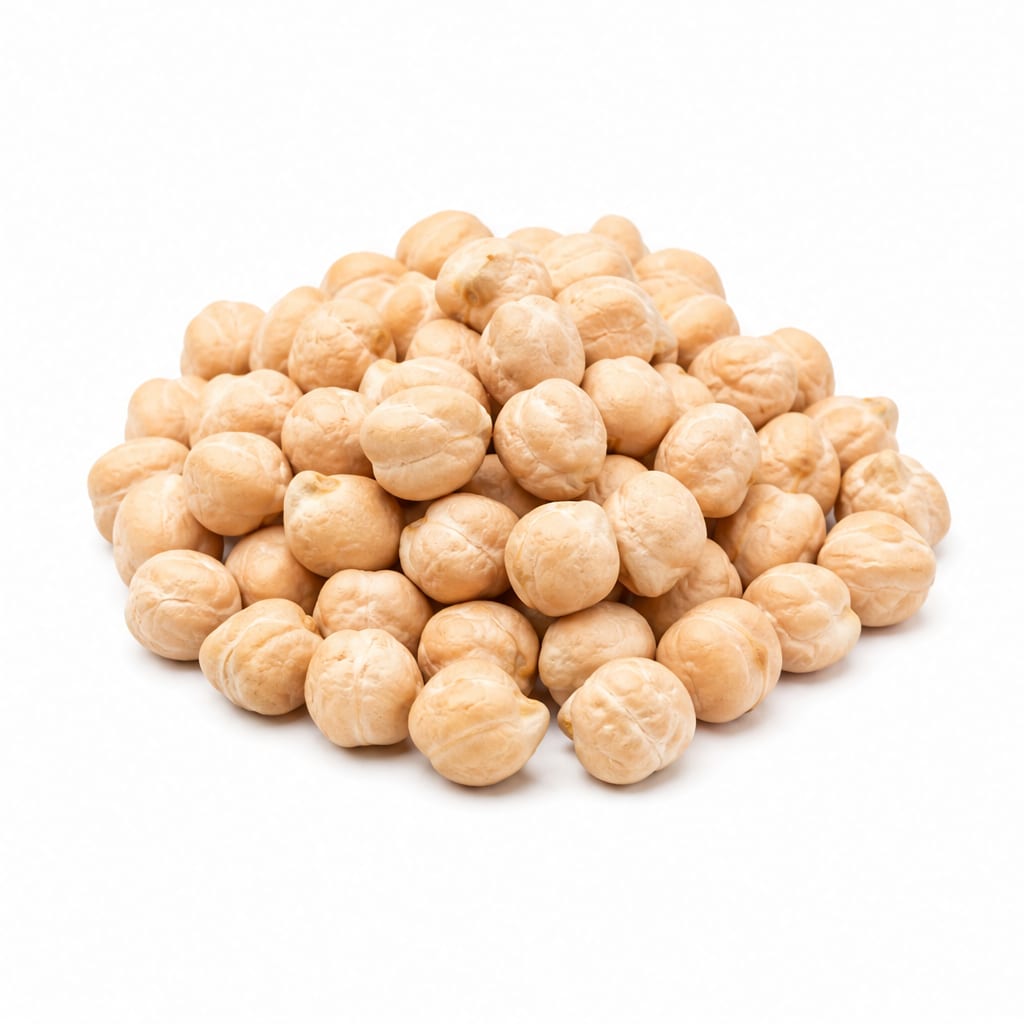
Compare with
Chickpeas
Both are high-fiber legumes, but marrowfat peas are slightly higher in protein and fiber while chickpeas have more fat and a nuttier flavor.
Marrowfat peas offer more protein and fiber for satiety, while chickpeas provide slightly more fat and a versatile texture for fitness meals.
This food
Marrowfat Pea
VS95% alike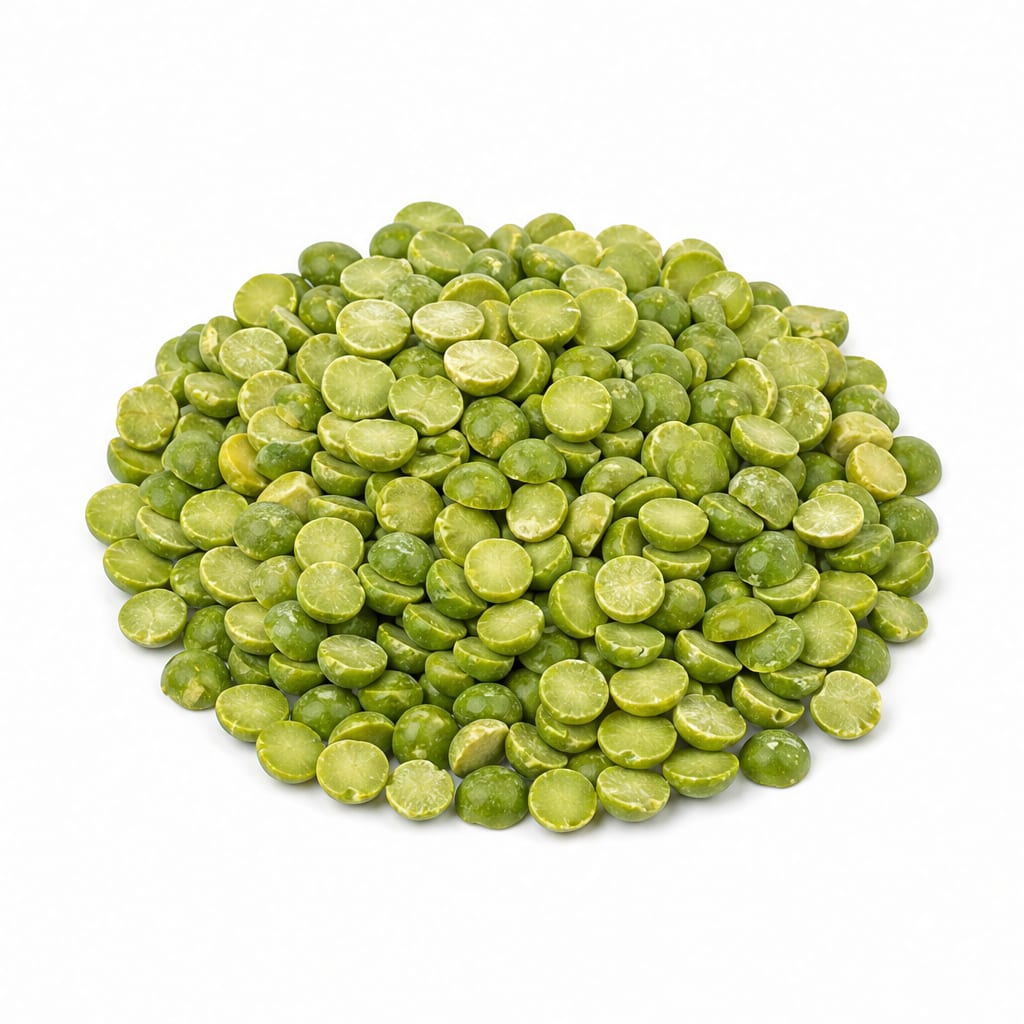
Compare with
Green Split Peas
Nearly identical nutritionally, but split peas cook faster and have a smoother texture when mashed, while marrowfat peas hold their shape better.
Green split peas and marrowfat peas are nutritionally nearly identical, though split peas cook faster and mash smoother.
This food
Marrowfat Pea
VS90% alike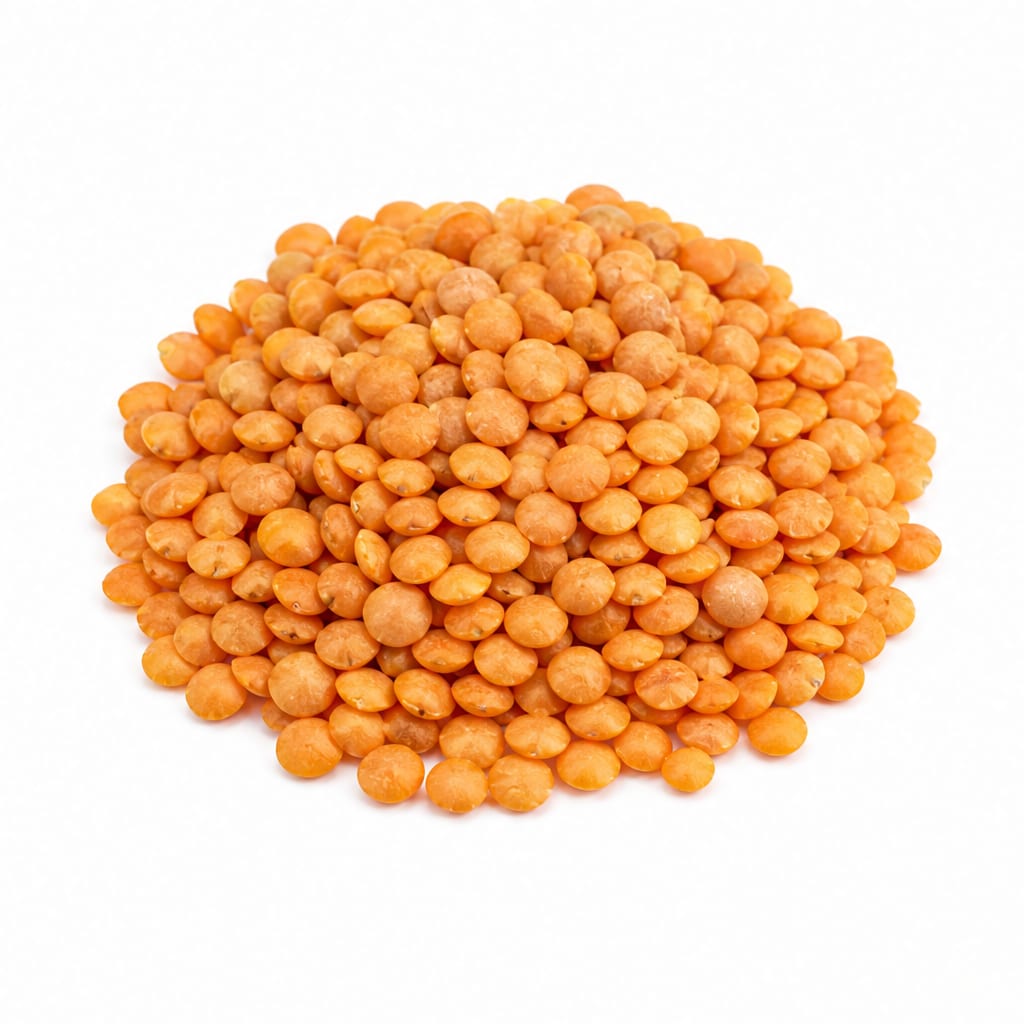
Compare with
Lentils
Lentils cook much faster without soaking and have slightly fewer carbs, while marrowfat peas offer a denser, starchier bite and more resistant starch.
Lentils cook faster and have fewer carbs, while marrowfat peas provide more resistant starch and a denser texture for satiety.
This food
Marrowfat Pea
VS80% alike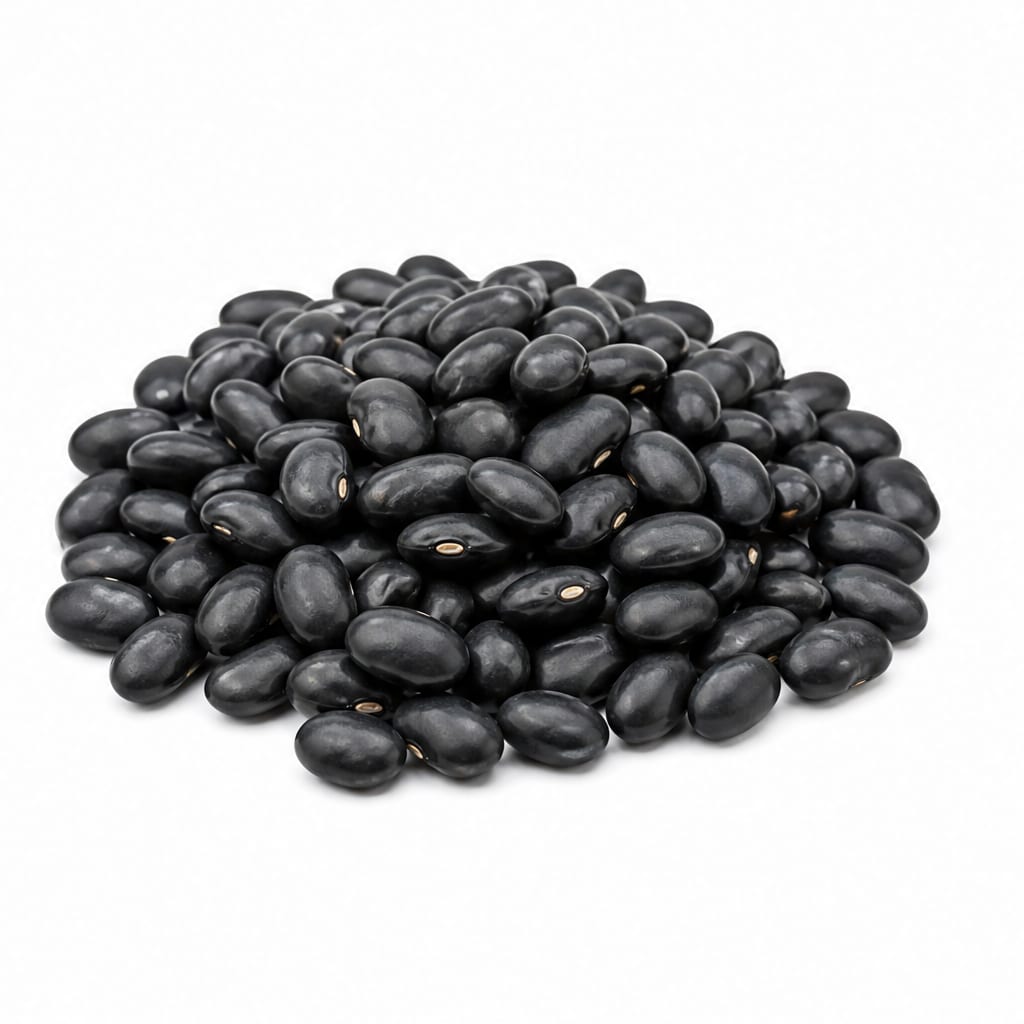
Compare with
Black Beans
Black beans are lower in carbohydrates and higher in antioxidants, while marrowfat peas provide more resistant starch and slightly more protein per calorie.
Black beans are lower in carbs and rich in antioxidants, whereas marrowfat peas are higher in resistant starch and slightly more filling.
This food
Marrowfat Pea
VS75% alike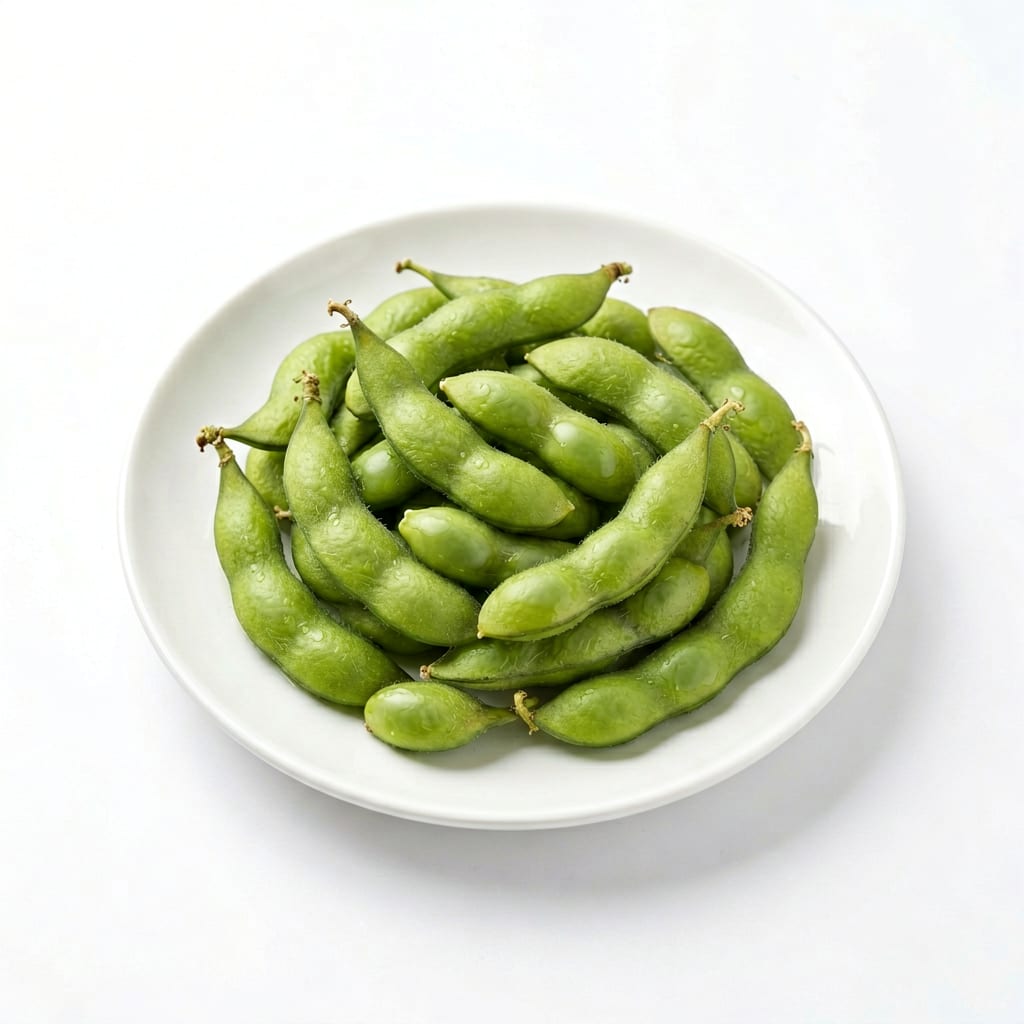
Compare with
Edamame
Edamame is a complete protein and lower in carbs, whereas marrowfat peas are a starchy carb source with incomplete protein.
Edamame provides complete protein and fewer carbs, making it better for blood sugar, while marrowfat peas offer more slow-digesting starch for satiety.
This food
Marrowfat Pea
VS80% alike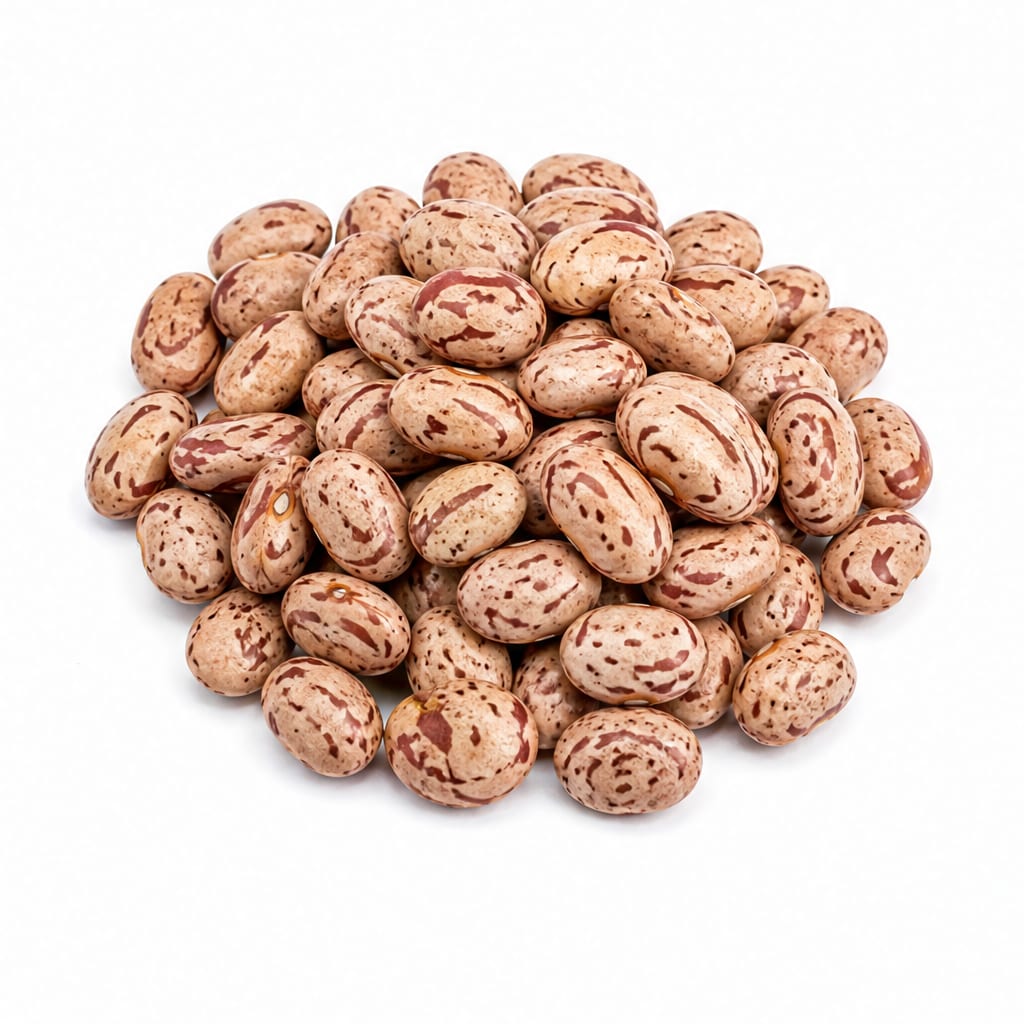
Compare with
Pinto Beans
Pinto beans are creamier and often used in refried dishes, while marrowfat peas hold their shape better and offer more fiber per serving.
Marrowfat peas are higher in fiber and better for blood sugar control, while pinto beans offer a creamier texture for refried dishes.
This food
Marrowfat Pea
VS82% alike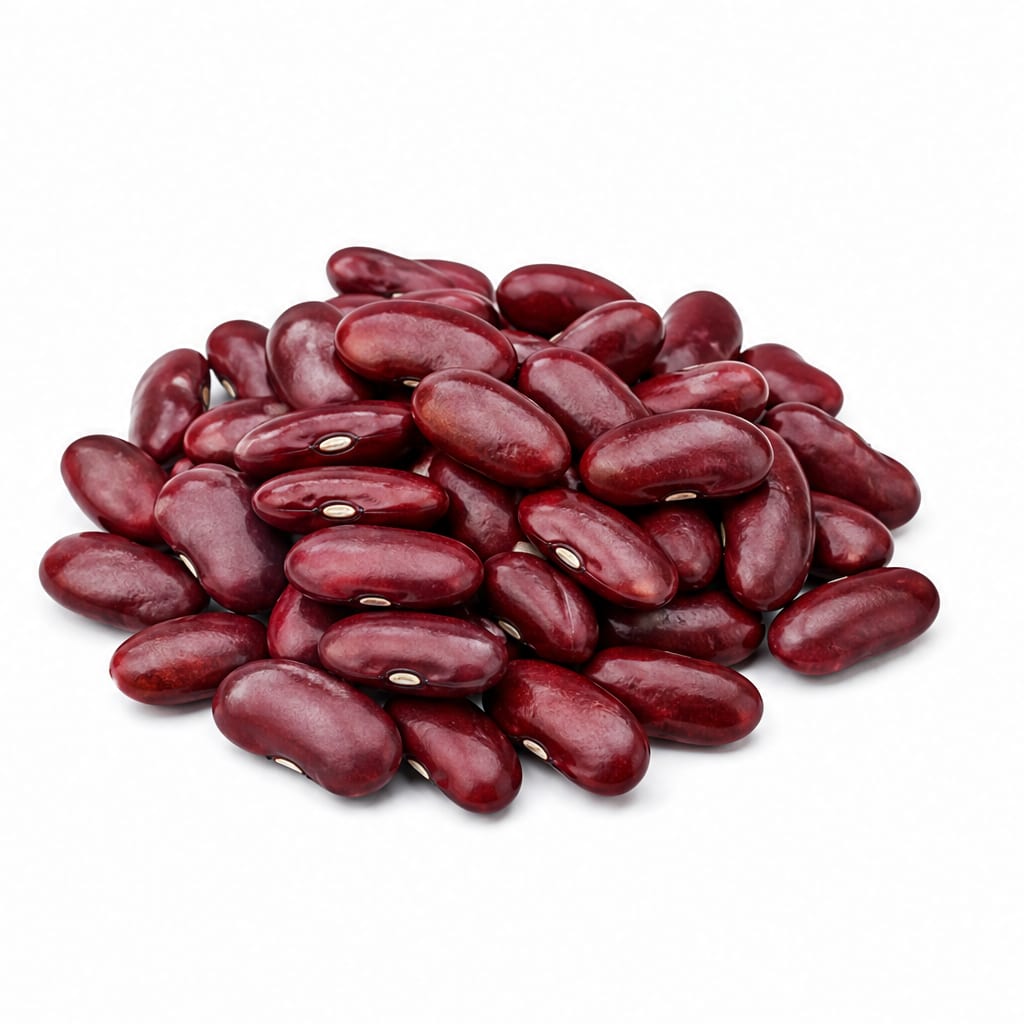
Compare with
Kidney Beans
Kidney beans have a meatier texture and slightly more iron, but marrowfat peas are superior for satiety due to higher fiber content.
Marrowfat peas provide more fiber for fullness and blood sugar control, while kidney beans offer a meatier texture and slightly more iron.
This food
Marrowfat Pea
VS78% alike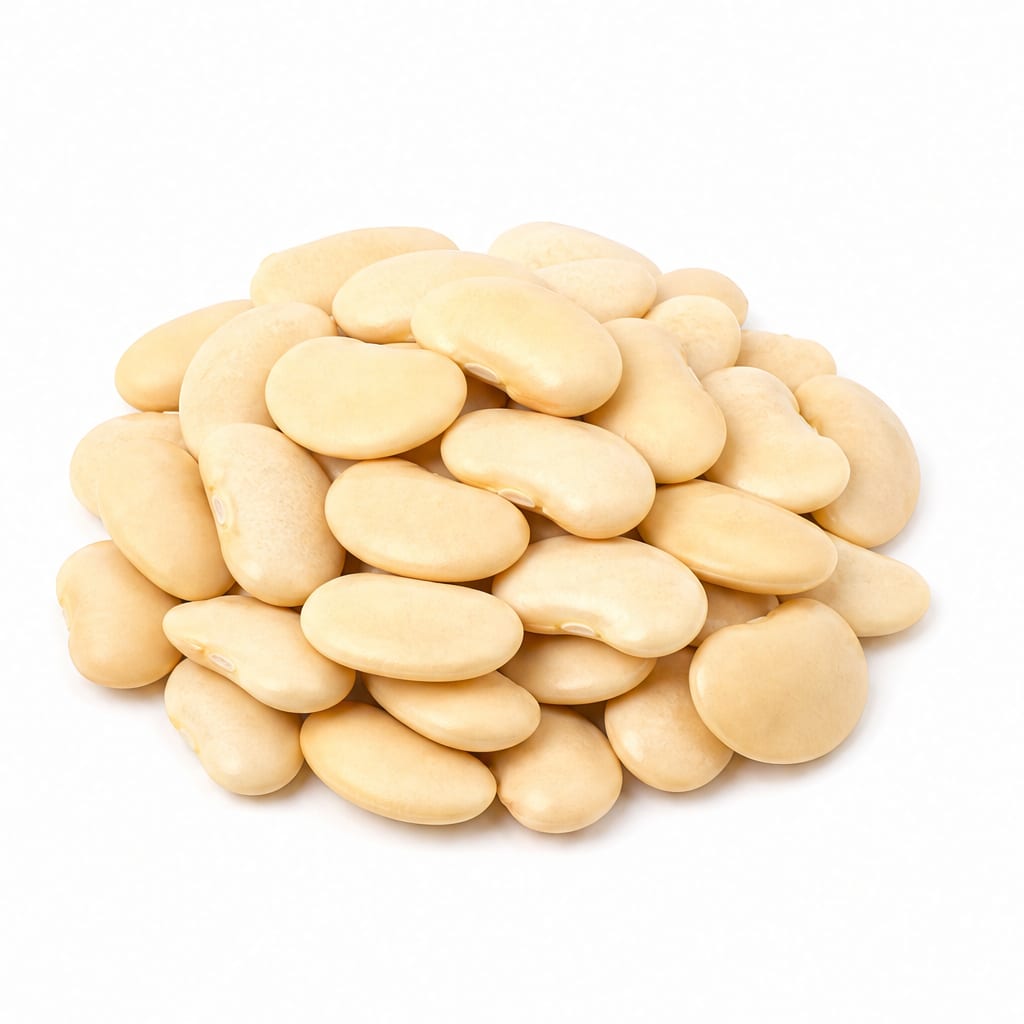
Compare with
Butter Beans
Butter beans (lima beans) are lower in protein and higher in carbs per calorie, making marrowfat peas the better choice for muscle maintenance and satiety.
Marrowfat peas are higher in protein and fiber, making them better for weight loss and blood sugar than butter beans.
This food
Marrowfat Pea
VS80% alike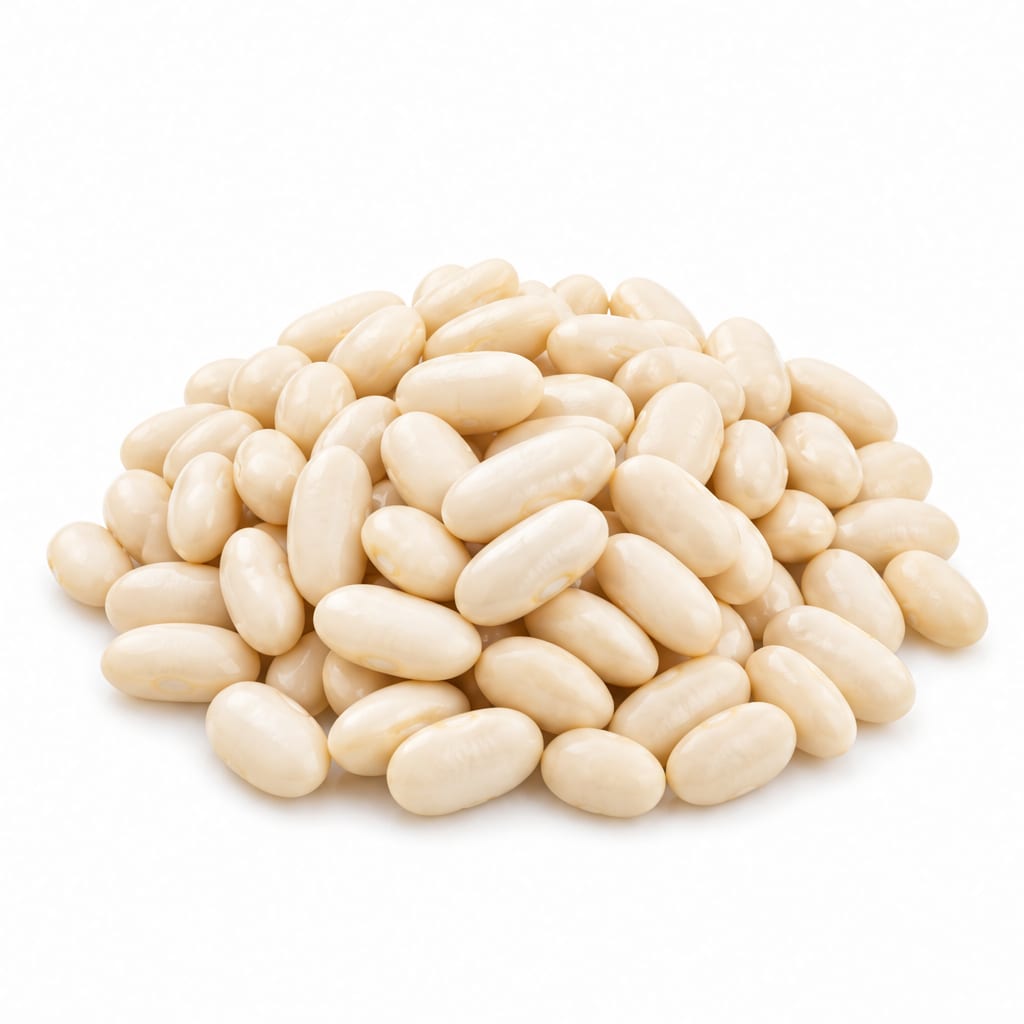
Compare with
Cannellini Beans
Cannellini beans are milder and creamier, while marrowfat peas have an earthier flavor and a much higher fiber content for digestive health.
Marrowfat peas win for fiber and satiety, while cannellini beans offer a creamier texture and milder flavor for culinary versatility.
This food
Marrowfat Pea
VS60% alike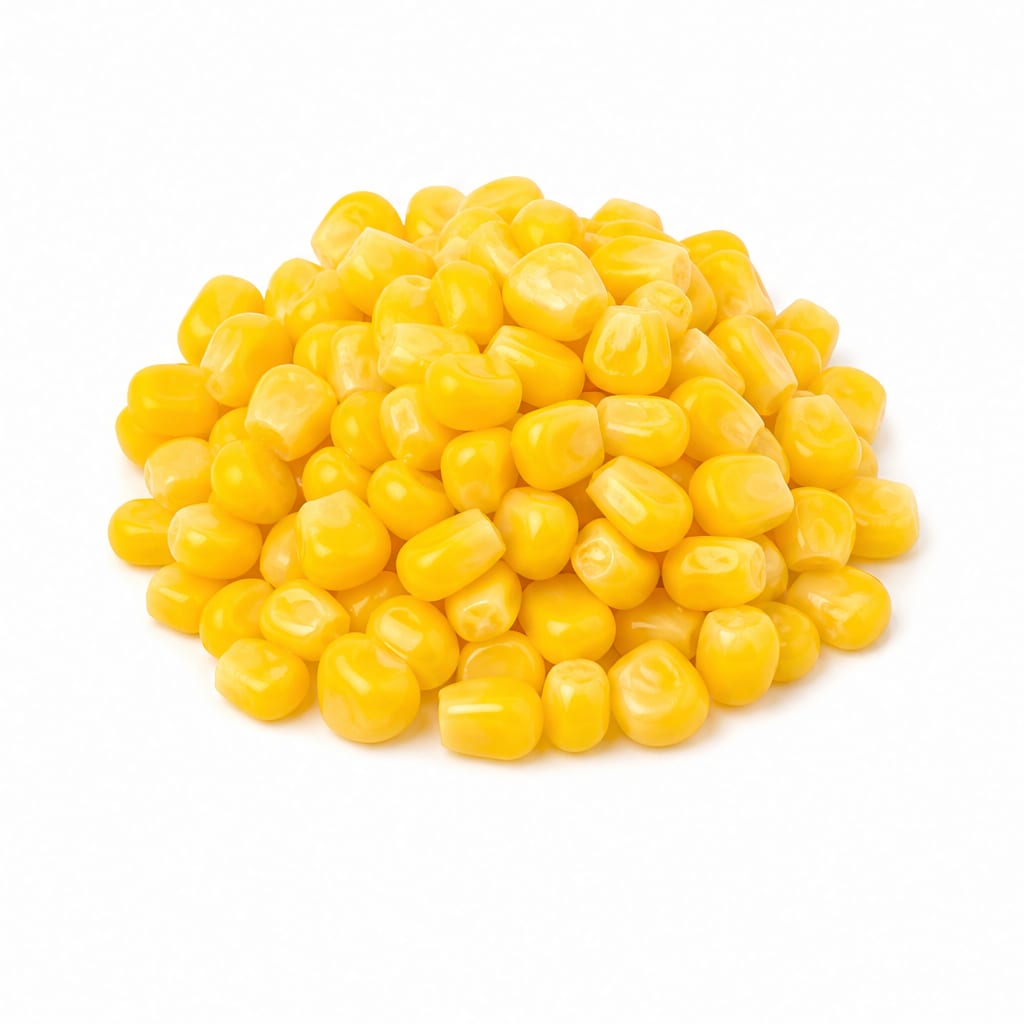
Compare with
Sweetcorn
Sweetcorn is a grain with higher sugar and lower protein, while marrowfat peas are a dense legume offering far more protein and fiber.
Marrowfat peas are much higher in protein and fiber than sweetcorn, making them far better for blood sugar control and satiety.
Common questions
FAQ
Answers aligned with how people search for this food.
Are marrowfat peas good for weight loss?
Yes, their high fiber and protein content increase fullness, helping to reduce overall calorie intake, though portion sizes should be monitored due to their calorie density when dry.
Are marrowfat peas high in protein?
Yes, they provide about 24 grams of protein per 100 grams of dry peas, making them an excellent plant-based protein source.
What is the difference between marrowfat peas and regular peas?
Marrowfat peas are mature, dried green peas with a starchy texture, while regular peas are young, sweet, and eaten fresh or frozen.
Do marrowfat peas need to be soaked before cooking?
Yes, soaking them overnight reduces cooking time and decreases phytic acid, which can block mineral absorption and cause digestive discomfort.
Can diabetics eat marrowfat peas?
Yes, they have a low glycemic index and high fiber content, which helps stabilize blood sugar levels when eaten in appropriate portions.
Why are they called marrowfat peas?
The name comes from the Japanese word 'maro' meaning very tender, and 'fat' referring to the plump, mature size of the pea, not their fat content.
Are mushy peas healthy?
Traditional mushy peas made from whole marrowfat peas are healthy, but some commercial versions contain added sugars, salt, and artificial colors.
Transparency
Data confidence
Estimated confidence for nutrition data, interpretation, safety notes, and comparisons.
Nutrition data
Health analysis
Food safety
Comparisons