
Nutrition comparison
Marrowfat Peas vs Cannellini Beans: Nutrition, Digestion, and Which to Choose
Compare marrowfat peas and cannellini beans on protein, iron, fiber, digestion, and culinary versatility. Find out which legume fits your health goals and cooking style better.
Overall winner · Cannellini Beans
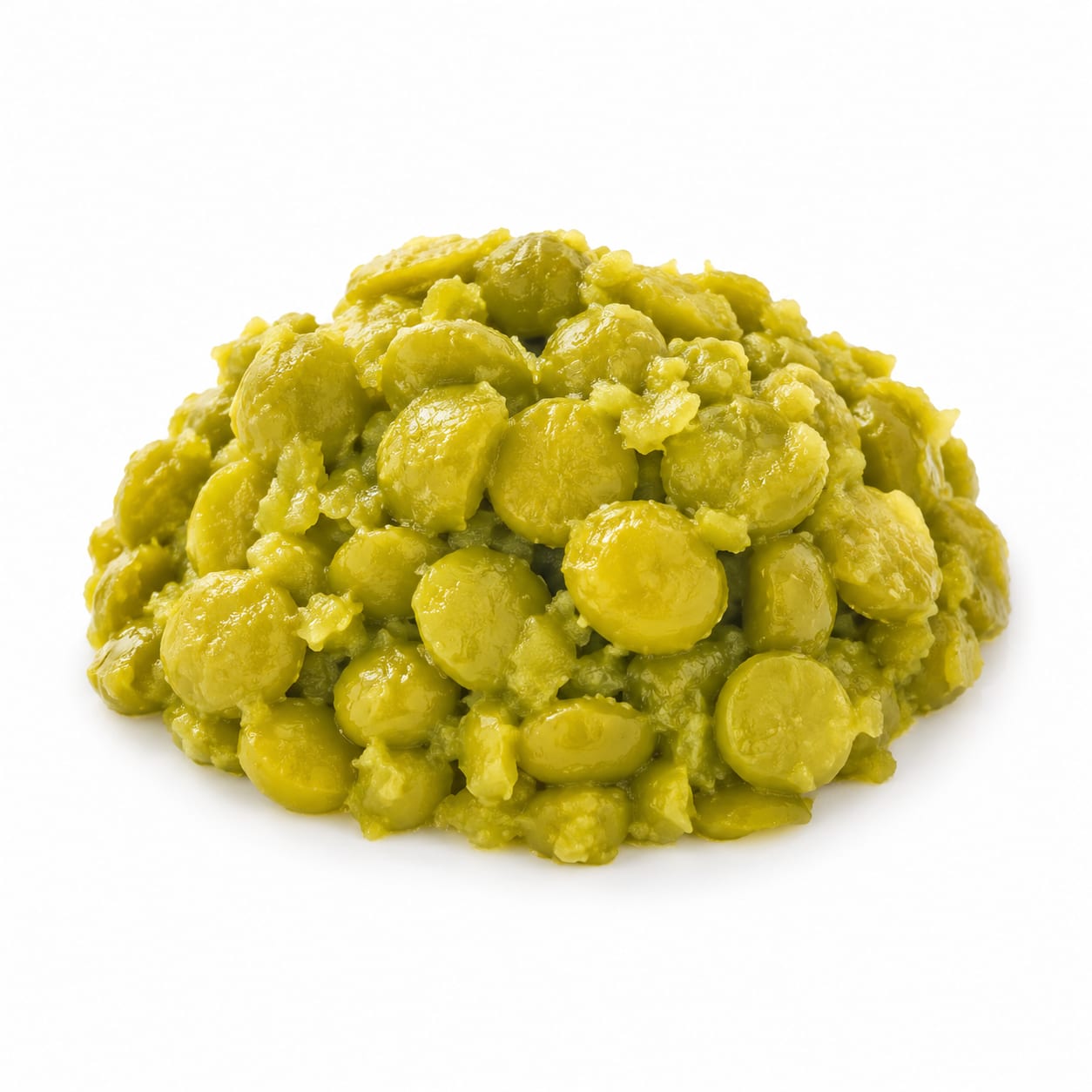
Marrowfat Pea
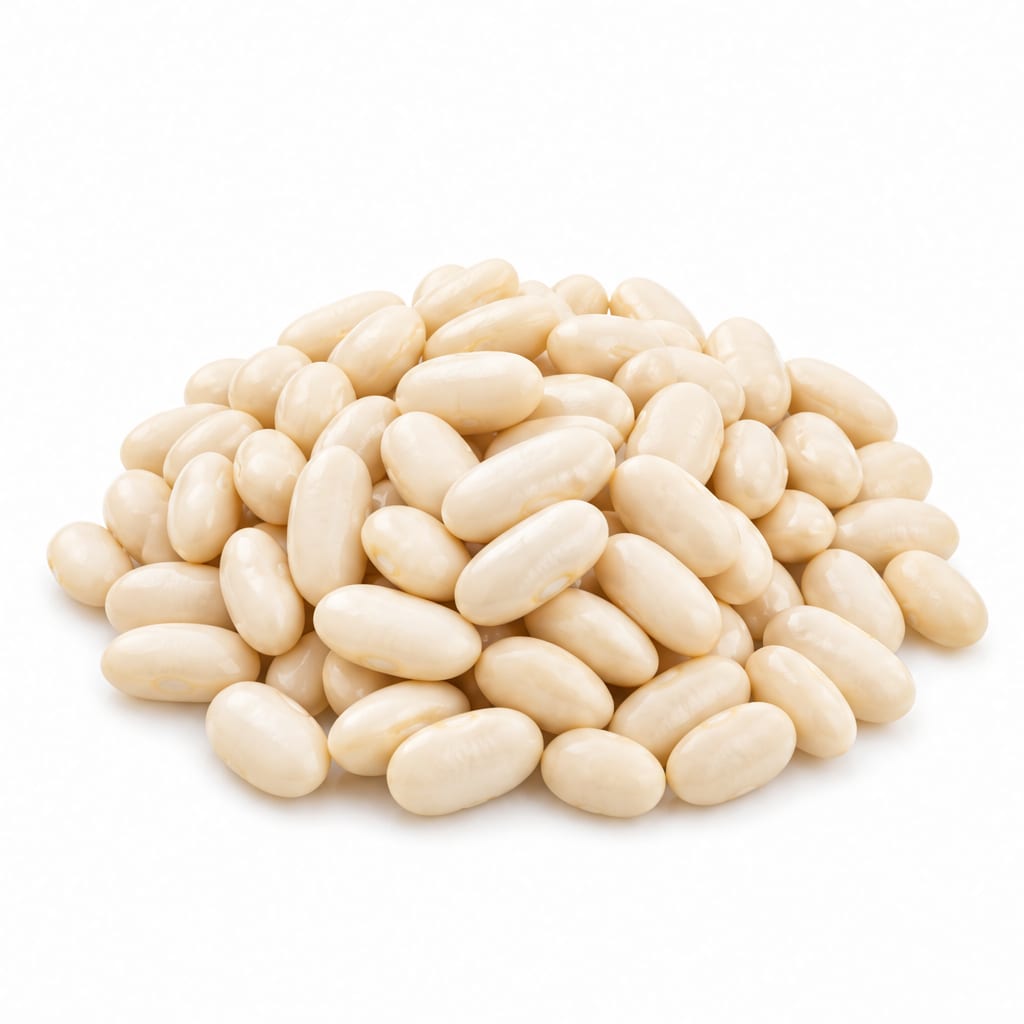
Cannellini Beans
Cannellini beans edge ahead with more protein, iron, and culinary flexibility, but marrowfat peas win on vitamin content and are slightly easier to digest for sensitive stomachs.
Cannellini beans score higher due to superior mineral density, more protein, and greater culinary versatility. Marrowfat peas remain a solid choice but their narrower use and slightly lower nutrient density keep them behind. The gap is meaningful but not dramatic.
Cannellini beans deliver more minerals and protein per bite, while marrowfat peas offer more vitamins and a milder digestive experience at the cost of slightly less nutritional density.
At a glance
Executive summary
Overall
Cannellini Beans
Healthier
Cannellini Beans
More practical
Cannellini Beans
Daily use
Cannellini Beans
Key comparison lenses
plant protein quality and quantity
Both are legume staples chosen primarily for their protein content, so differences in protein density and amino acid profile matter significantly
digestive tolerance and gas production
Legumes are notorious for causing bloating; users want to know which is gentler on the stomach
blood sugar management
Both are carbohydrate-rich legumes, so glycemic impact is a key decision factor for many consumers
meal versatility and culinary fit
Marrowfat peas have a niche British comfort food identity while cannellini beans are Mediterranean-versatile, affecting how often people actually cook with them
mineral density especially iron
Both are relied on as plant-based iron sources, and the difference here can matter for vegetarians and vegans
Best choice for
Marrowfat Pea
- People prone to bloating or IBS who find most beans too harsh
- Anyone wanting more vitamin C and vitamin K from their legumes
- British cuisine traditionalists seeking authentic mushy peas
- Those who prefer a softer, creamier texture without long cooking
Cannellini Beans
- Vegetarians and vegans maximizing iron and protein intake
- Home cooks wanting one bean that works in soups, salads, stews, and dips
- People managing blood sugar who benefit from the lowest glycemic load
- Mediterranean diet followers looking for an authentic staple
Least suitable for
Marrowfat Pea
- Those needing maximum iron absorption from plant sources
- Cooks wanting a bean that blends into diverse international recipes
- Anyone seeking the highest protein-per-calorie ratio from legumes
Cannellini Beans
- People with severe digestive sensitivity to beans
- Those who dislike the slightly chalky texture of white beans
- Anyone needing a quick-cooking legume without soaking
Deep comparison
Dimension by dimension
Each lens scores both foods and breaks down who each option suits.
- Dimension 1 · Priority 92Cannellini Beans
protein density and quality
Marrowfat Pea · 68Cannellini Beans · 82Cannellini beans provide roughly 15-20% more protein per serving than marrowfat peas, making them a more efficient plant protein source.
Tradeoff
You get more protein from cannellini beans but also slightly more calories per serving, so the protein-to-calorie ratio is only marginally better.
Why it matters
For anyone relying on legumes as a primary protein source, that extra 1-2 grams per serving adds up meaningfully over a week.
Real-world impact
A single cannellini bean serving gets you closer to your post-workout protein target without needing an extra snack.
Marrowfat Pea
- Lighter meals where you want some protein but not heaviness
Better for
- Recovery after intense training
Worse for
Cannellini Beans
- Muscle recovery meals
- Plant-based protein stacking
Better for
- Very low-calorie meal plans where every calorie needs careful accounting
Worse for
- Dimension 2 · Priority 88Cannellini Beans
fiber and digestive health
Marrowfat Pea · 72Cannellini Beans · 80Cannellini beans contain slightly more total fiber and notably more resistant starch, which feeds beneficial gut bacteria more effectively.
Tradeoff
More resistant starch means better long-term gut health but can cause more gas initially if your body is not used to it.
Why it matters
Resistant starch acts like a prebiotic, supporting the bacteria that produce anti-inflammatory short-chain fatty acids in your colon.
Real-world impact
Regular cannellini bean eaters often notice improved digestion over weeks, but the first few servings may cause bloating if transitioning from a low-fiber diet.
Marrowfat Pea
- Sensitive digestions that react to high resistant starch
- Gradual fiber introduction after a low-fiber period
Better for
- Maximizing prebiotic fiber intake
Worse for
Cannellini Beans
- Long-term gut microbiome health
- Prebiotic support for existing beneficial bacteria
Better for
- First-time legume eaters unaccustomed to high fiber
Worse for
- Dimension 3 · Priority 75Marrowfat Pea
vitamin content
Marrowfat Pea · 80Cannellini Beans · 62Marrowfat peas retain more vitamin C and vitamin K than cannellini beans, which lose more of these vitamins during processing and storage.
Tradeoff
The vitamin advantage is real but modest in absolute terms since neither food is a primary vitamin source for most people.
Why it matters
Vitamin K supports bone health and blood clotting, and getting it from diverse food sources is smarter than relying on supplements.
Real-world impact
If your diet is low on green vegetables, marrowfat peas contribute a small but useful vitamin K bonus that cannellini beans cannot match.
Marrowfat Pea
- Bone health support through vitamin K
- Supplementing a low-vegetable diet with extra vitamins
Better for
- Folate-heavy nutrition plans
Worse for
Cannellini Beans
- B-vitamin intake, especially folate
Better for
- Diets already marginal in vitamin K
Worse for
- Dimension 4 · Priority 85Cannellini Beans
mineral density especially iron
Marrowfat Pea · 65Cannellini Beans · 84Cannellini beans deliver roughly 50-80% more iron per serving than marrowfat peas, along with more magnesium and phosphorus.
Tradeoff
Both contain phytates that reduce iron absorption, so pairing with vitamin C foods matters more than the raw iron numbers alone.
Why it matters
Iron deficiency is the most common nutrient deficiency worldwide, and plant-based eaters need every advantage they can get.
Real-world impact
A serving of cannellini beans with a squeeze of lemon juice gives you a meaningfully better iron absorption scenario than marrowfat peas alone.
Marrowfat Pea
- Those already meeting iron needs through other sources
Better for
- Plant-based iron optimization
Worse for
Cannellini Beans
- Vegetarians and vegans counting every milligram of iron
- Women of reproductive age with higher iron needs
- Pairing with vitamin C foods for enhanced absorption
Better for
- Situations where you cannot pair with vitamin C
Worse for
- Dimension 5 · Priority 85Cannellini Beans
blood sugar stability
Marrowfat Pea · 70Cannellini Beans · 82Cannellini beans have a lower glycemic index and more resistant starch, resulting in a slower, steadier blood sugar response.
Tradeoff
Marrowfat peas are still a low-glycemic food, so the difference matters most for people actively managing diabetes or insulin resistance.
Why it matters
Steadier blood sugar means fewer energy crashes, less cravings between meals, and better long-term metabolic health.
Real-world impact
A cannellini bean lunch keeps you satisfied and focused longer before hunger returns, compared to the slightly faster energy dip after marrowfat peas.
Marrowfat Pea
- Pre-workout meals where you want moderate energy availability
Better for
- Tight glycemic control needs
Worse for
Cannellini Beans
- Diabetes management
- Insulin resistance reversal
- Sustained energy through long workdays
Better for
- Pre-athletic performance where faster carbohydrate availability helps
Worse for
- Dimension 6 · Priority 80Cannellini Beans
culinary versatility
Marrowfat Pea · 55Cannellini Beans · 88Cannellini beans work effortlessly in Italian, French, American, and Latin dishes, while marrowfat peas are strongly tied to British traditional cooking.
Tradeoff
Marrowfat peas excel at comfort food applications but feel out of place in most other cuisines, limiting how often you reach for them.
Why it matters
The more ways you can cook an ingredient, the more often you actually eat it, and consistency matters more than perfection.
Real-world impact
Cannellini beans can be your soup bean, your salad bean, your dip bean, and your stew bean. Marrowfat peas are mostly your side dish bean.
Marrowfat Pea
- Traditional British meals
- Comfort food nights
- Fish and chip pairings
Better for
- Exploring varied international recipes
Worse for
Cannellini Beans
- Weekly meal prep with diverse recipes
- Minestrone, white bean dip, Tuscan soups
- Bean salads and grain bowls
Better for
- Authentic British pub food experiences
Worse for
- Dimension 7 · Priority 82Cannellini Beans
satiety and fullness
Marrowfat Pea · 73Cannellini Beans · 83The higher protein and resistant starch in cannellini beans create a more prolonged feeling of fullness compared to marrowfat peas.
Tradeoff
That extra fullness can feel heavy if you prefer lighter meals or are eating close to bedtime.
Why it matters
Better satiety means fewer between-meal snacks and easier portion control without willpower battles.
Real-world impact
A cannellini bean salad at noon typically prevents the 3 PM vending machine visit better than a marrowfat pea side dish.
Marrowfat Pea
- Lighter lunches where you do not want to feel stuffed
- Evening meals before an active night
Better for
- Getting through 5-6 hour stretches without snacking
Worse for
Cannellini Beans
- Long gaps between meals
- Weight management through natural appetite control
Better for
- Late dinners close to bedtime
Worse for
Timeline
Health impact over time
Short-term
Hours to days
Marrowfat Pea
- Milder digestive response with less gas than most beans
- Moderate sustained energy from complex carbohydrates
- Comforting and satisfying when served warm as a side dish
Cannellini Beans
- More pronounced fullness that can reduce snacking for hours
- Possible bloating or gas if your gut is not accustomed to high resistant starch
- Steady energy without the spikes and crashes of refined carbs
Long-term
Months to years
Marrowfat Pea
- Decent fiber intake supporting regular digestion
- Vitamin K contribution to bone density maintenance
- Narrower culinary role may lead to less frequent consumption over time
Cannellini Beans
- Superior iron status particularly valuable for plant-based eaters
- Resistant starch feeding gut bacteria linked to reduced colorectal cancer risk
- Consistent use supports steady blood sugar and lower diabetes risk
- High folate intake supporting cardiovascular and cognitive health
Risk profile
Safety & processing
Both marrowfat peas and cannellini beans are whole, minimally processed legumes whether bought dried or canned. Canned versions may contain added salt, so rinsing is recommended. Neither typically contains artificial additives, preservatives, or emulsifiers. The naturalness score is essentially identical.
Marrowfat Pea
Phytohaemagglutinin undercooking
lowMarrowfat peas contain far less of this toxin than red kidney beans, and proper cooking eliminates it entirely. Risk is minimal with normal preparation.
Sodium in canned versions
mediumCanned marrowfat peas can contain significant added salt. Rinsing reduces sodium by roughly 30-40%, but checking labels is still wise.
Cannellini Beans
Phytohaemagglutinin undercooking
mediumCannellini beans are a white kidney bean variety and contain moderate levels of this toxin. Dried beans must be soaked and thoroughly cooked. Canned beans are pre-cooked and safe.
Sodium in canned versions
mediumSimilar to marrowfat peas, canned cannellini beans can be high in sodium. Rinsing helps, and low-sodium or no-salt-added options are widely available.
Who wins for whom
Audience fit
Same foods, different winners depending on your goal.
children
Marrowfat PeaMarrowfat peas are softer, milder in flavor, and easier for young digestive systems to handle. Their gentler fiber profile causes less discomfort in kids new to legumes.
daily consumption
Cannellini BeansCannellini beans fit into more recipes and cuisines, making daily consumption realistic and enjoyable rather than repetitive.
diabetes
Cannellini BeansLower glycemic index and more resistant starch produce a flatter, more predictable blood sugar curve that simplifies glucose management.
elderly
Cannellini BeansOlder adults benefit more from the higher iron, folate, and protein in cannellini beans, which help counter age-related nutrient absorption decline and muscle loss.
muscle gain
Cannellini BeansMore protein per serving and better mineral support for muscle function give cannellini beans the edge for active people building lean mass.
weight loss
Cannellini BeansHigher protein and resistant starch in cannellini beans create stronger satiety signals, making it easier to eat less overall without feeling deprived.
Your move
Decision guide
Choose Marrowfat Pea
- You have a sensitive stomach and most beans cause uncomfortable bloating
- You want a comfort food side dish for traditional British meals
- You are prioritizing vitamin K intake alongside your legume consumption
- You are introducing legumes to children or someone with a cautious palate
Choose Cannellini Beans
- You are plant-based and need to maximize iron and protein from every meal
- You want one versatile legume that works across soups, salads, dips, and stews
- You are managing blood sugar and want the lowest glycemic option
- You meal prep weekly and need an ingredient that never feels repetitive
Either works if
- You simply want a nutritious legume to add fiber and protein to your diet
- You are comfortable cooking both and enjoy variety in your meals
- Your main goal is reducing meat consumption and either legume helps equally
Avoid both if
- You have a diagnosed legume allergy or sensitivity
- You are in the acute phase of a low-FODMAP elimination diet
- You are on a very strict potassium-restricted diet for kidney disease
Final recommendation
Keep cannellini beans as your everyday legume for their nutritional density and recipe flexibility, but stock marrowfat peas for comfort meals and days when your digestion needs something gentler. Both deserve a place in a well-rounded pantry.
Practical
Consumer tips
- 1
Rinse canned versions of both legumes thoroughly to remove roughly a third of the sodium and reduce gassiness
- 2
Soak dried cannellini beans overnight and boil vigorously for at least 10 minutes to destroy phytohaemagglutinin completely
- 3
Pair either legume with a vitamin C source like lemon juice or tomatoes to significantly boost iron absorption
- 4
If cannellini beans cause bloating, start with smaller portions and increase gradually over two weeks to let your gut bacteria adapt
- 5
Marrowfat peas cook faster than cannellini beans from dried, making them more convenient when you forgot to plan ahead
- 6
Blend cannellini beans with garlic and olive oil for a protein-rich dip that rivals hummus for versatility