
Nutrition comparison
Marrowfat Peas vs Edamame: Which Legume Is Healthier?
Compare marrowfat peas and edamame on protein quality, carbs, fat, fiber, cost, and convenience. Find out which legume fits your health goals and lifestyle better.
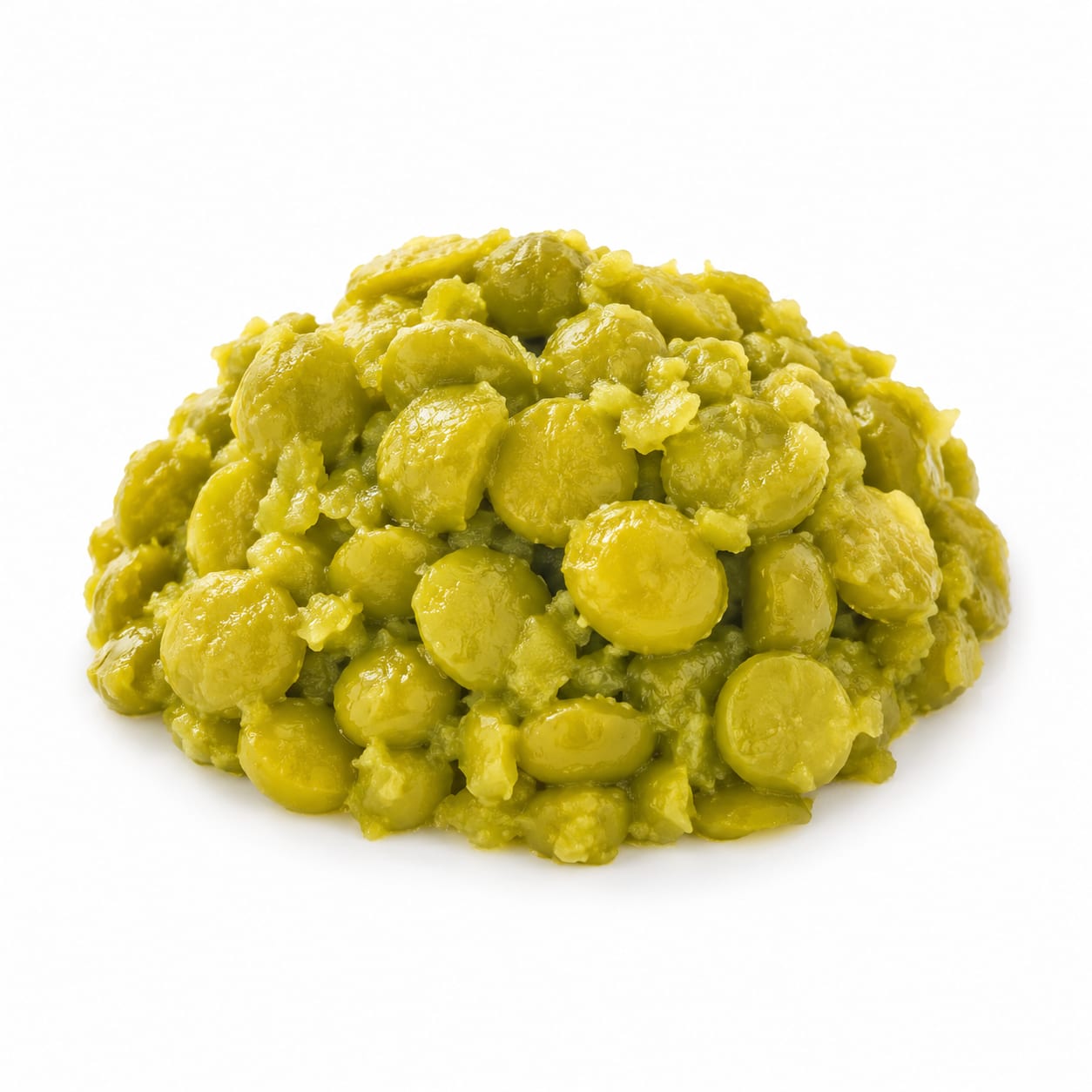
Marrowfat Pea

Edamame
Edamame delivers superior protein quality and healthy fats, making it the stronger standalone snack. Marrowfat peas offer more starch-based energy at a lower cost, excelling as a filling meal base.
Edamame scores notably higher due to its complete amino acid profile, healthy fat content, lower glycemic impact, and convenience. Marrowfat peas remain a solid, affordable starch-and-fiber option but lack the nutritional versatility and ease of use that give edamame its edge.
Complete protein and healthy fats in edamame versus cheaper starch-driven energy and zero soy concerns in marrowfat peas.
At a glance
Executive summary
Overall
It depends
Healthier
Edamame
More practical
Edamame
Daily use
Edamame
Key comparison lenses
protein quality comparison
Edamame offers complete protein with all essential amino acids, while marrowfat peas are protein-rich but incomplete — the most nutritionally consequential difference between these two legumes.
carbohydrate vs fat balance
Marrowfat peas are starch-dominant and very low in fat, whereas edamame provides a meaningful amount of healthy fats alongside lower carbs, shaping how each food affects energy and fullness.
blood sugar and satiety
Users comparing legumes often care about which keeps them fuller longer and causes less of a blood sugar swing — these two diverge meaningfully here.
convenience and preparation
Edamame can be steamed and eaten in minutes; marrowfat peas typically require soaking and long cooking, making everyday practicality a real factor.
allergen and hormonal considerations
Edamame carries soy allergen risks and contains isoflavones with mild estrogenic effects, while marrowfat peas avoid both concerns entirely.
Best choice for
Marrowfat Pea
- People avoiding soy due to allergy or hormonal sensitivity
- Those needing affordable calorie-dense meal bases
- Endurance athletes seeking starch-heavy carb replenishment
- Traditional British and Northern European recipe contexts
Edamame
- Anyone prioritizing complete protein from a plant source
- People wanting a quick, ready-to-eat legume snack
- Those following low-glycemic or moderate-carb eating patterns
- Individuals seeking omega-3 and omega-6 fats from whole food
Least suitable for
Marrowfat Pea
- People wanting a fast-prep side dish or snack
- Anyone strictly limiting starchy carbohydrates
- Those who find gas and bloating from dried legumes intolerable
Edamame
- People with soy allergies or sensitivities
- Those avoiding phytoestrogens for hormonal health reasons
- Budget-conscious shoppers needing large quantities cheaply
Deep comparison
Dimension by dimension
Each lens scores both foods and breaks down who each option suits.
- Dimension 1 · Priority 92Edamame
Protein Quality and Content
Marrowfat Pea · 55Edamame · 90Edamame provides roughly 11g of complete protein per 100g cooked, containing all nine essential amino acids. Marrowfat peas offer around 8g of protein but are deficient in methionine and cysteine.
Tradeoff
Marrowfat peas still contribute meaningful protein at a lower cost per gram, but you would need to pair them with grains or seeds to achieve a complete amino acid profile.
Why it matters
Complete protein supports muscle maintenance, immune function, and satiety more effectively without needing food-combining strategies.
Real-world impact
A bowl of edamame after a workout covers your protein recovery needs on its own. With marrowfat peas, you would want rice or bread alongside to fill the amino acid gaps.
Marrowfat Pea
- Budget-focused meal prep where combining with grains is already planned
Better for
- Situations where marrowfat peas are the sole protein on the plate
Worse for
Edamame
- Standalone post-workout snacking
- Vegetarians needing reliable complete protein sources
- Anyone eating legumes as a primary protein source without side dishes
Better for
- Strict soy-avoidance diets
Worse for
- Dimension 2 · Priority 85Marrowfat Pea
Carbohydrate and Energy Profile
Marrowfat Pea · 82Edamame · 65Marrowfat peas deliver roughly 20g of carbohydrate per 100g cooked, predominantly as slowly digested starch. Edamame provides only about 9g of carbs, with a larger share coming from fiber.
Tradeoff
More starch means more sustained energy for active people, but also a higher glycemic load for those watching blood sugar. Edamame's lower carb count is friendlier to low-carb eaters but less fuel for endurance.
Why it matters
Your carb needs depend heavily on activity level and metabolic goals. The right choice flips depending on whether you are fueling a long run or keeping insulin low.
Real-world impact
A serving of marrowfat peas an hour before a hike gives you steady energy. Edamame works better as a low-carb afternoon snack that will not trigger a sugar crash.
Marrowfat Pea
- Pre-exercise carb loading
- Active individuals needing calorie-dense plant fuel
- Hearty comfort meals where starch provides satisfying bulk
Better for
- Sedentary evenings when excess starch becomes stored fat
- Anyone counting net carbs closely
Worse for
Edamame
- Low-carb or keto-adjacent eaters
- Blood sugar management in diabetes or prediabetes
- Light snacking without carb heaviness
Better for
- Endurance athletes needing glycogen replenishment
Worse for
- Dimension 3 · Priority 78Edamame
Healthy Fat Content
Marrowfat Pea · 20Edamame · 88Edamame contains approximately 5g of fat per 100g cooked, including beneficial omega-3 alpha-linolenic acid. Marrowfat peas are nearly fat-free at under 1g per serving.
Tradeoff
Fat-free sounds healthy but means marrowfat peas lack the anti-inflammatory omega-3s and fat-soluble nutrient absorption boost that edamame naturally provides.
Why it matters
Dietary fat supports hormone production, brain health, and the absorption of fat-soluble vitamins. A legume with built-in healthy fats is nutritionally more self-sufficient.
Real-world impact
Eating edamame with a salad helps you absorb the fat-soluble vitamins in the greens. Marrowfat peas would need olive oil or another fat source added to achieve the same effect.
Marrowfat Pea
- Very low-fat diet protocols under medical supervision
Better for
- Meals where no other fat source is present, reducing nutrient absorption
Worse for
Edamame
- Mediterranean-style eating patterns
- Anyone not adding extra oils and wanting fat built into the base ingredient
- Brain and heart health focused diets
Better for
- Extremely low-fat therapeutic diets
Worse for
- Dimension 4 · Priority 75It depends
Fiber and Digestive Health
Marrowfat Pea · 78Edamame · 76Both are excellent fiber sources. Marrowfat peas provide roughly 8g of fiber per 100g cooked, while edamame delivers about 5g. However, marrowfat peas are higher in resistant starch, which feeds gut bacteria differently.
Tradeoff
More total fiber in marrowfat peas supports bowel regularity strongly, but also increases gas production. Edamame's slightly lower fiber is gentler on digestion while still being substantial.
Why it matters
Fiber quantity matters, but tolerance matters just as much. The best high-fiber food is the one you can actually eat regularly without discomfort.
Real-world impact
A large serving of marrowfat peas can leave you bloated if your gut is not accustomed. Edamame tends to be easier to digest in typical snack-sized portions.
Marrowfat Pea
- Those wanting maximum fiber per serving
- Gut microbiome optimization through resistant starch intake
Better for
- IBS or FODMAP-sensitive individuals
- Social situations where bloating is undesirable
Worse for
Edamame
- Sensitive digestion that struggles with large amounts of legume fiber
- Gradual fiber increase without severe gas
Better for
- Those specifically seeking resistant starch benefits
Worse for
- Dimension 5 · Priority 75Edamame
Convenience and Preparation
Marrowfat Pea · 40Edamame · 88Frozen edamame steams in 3-5 minutes and is ready to eat. Dried marrowfat peas require overnight soaking and 45-60 minutes of cooking. Canned marrowfat peas are faster but mushier and higher in sodium.
Tradeoff
The traditional texture and flavor of properly cooked marrowfat peas is rewarding, but the time investment is real. Edamame wins on speed without sacrificing nutritional quality.
Why it matters
Convenience often determines what you actually eat on a Tuesday night. The healthier food is the one you will realistically prepare.
Real-world impact
Edamame can go from freezer to plate in under five minutes. Marrowfat peas require planning ahead or settling for the canned version with added sodium.
Marrowfat Pea
- Weekend meal prep when time is available
- Slow-cooked stews and soups where long cooking is already happening
Better for
- Last-minute meal needs
- Small households where cooking large batches is impractical
Worse for
Edamame
- Weeknight side dishes
- Quick protein-rich snacking
- Office or travel-friendly eating
Better for
- Traditional recipes specifically calling for dried pea texture
Worse for
- Dimension 6 · Priority 70Edamame
Phytonutrients and Special Compounds
Marrowfat Pea · 60Edamame · 82Edamame contains isoflavones like genistein and daidzein, which have researched benefits for bone density and cardiovascular markers. Marrowfat peas offer saponins and polyphenols but with less clinical evidence behind them.
Tradeoff
Isoflavones are a double-edged sword: beneficial for many people but a concern for those with estrogen-sensitive conditions. Marrowfat peas have a simpler phytonutrient profile with less controversy.
Why it matters
Functional compounds in food can nudge health outcomes over years of regular consumption, but individual hormonal context determines whether that nudge is helpful or not.
Real-world impact
Regular edamame consumption is associated with better bone health in postmenopausal women in many studies. But if you have a history of estrogen-receptor-positive breast cancer, your oncologist may advise limiting soy.
Marrowfat Pea
- People who want phytonutrient benefits without any hormonal activity concerns
- Simpler dietary situations where less controversy is preferred
Better for
- Anyone specifically seeking isoflavone benefits
Worse for
Edamame
- Postmenopausal women seeking natural bone support
- Those wanting cardioprotective isoflavone intake
Better for
- Estrogen-sensitive cancer survivors without medical clearance for soy
- Individuals who experience soy-related thyroid concerns
Worse for
- Dimension 7 · Priority 65Marrowfat Pea
Cost and Accessibility
Marrowfat Pea · 90Edamame · 55Dried marrowfat peas are among the cheapest protein sources available, often costing a fraction per serving compared to frozen edamame. Canned marrowfat peas are also very budget-friendly.
Tradeoff
Lower cost per calorie and per gram of protein makes marrowfat peas a staple food for tight budgets. Edamame's higher price reflects its freshness, processing, and import costs in many regions.
Why it matters
Nutritional superiority only matters if you can afford to eat it regularly. For many households, cost is the deciding factor.
Real-world impact
Feeding a family of four on marrowfat peas costs pennies per serving. Edamame as a regular side dish can add up quickly on the grocery bill.
Marrowfat Pea
- Large families on tight budgets
- Batch cooking and food security planning
- Developing regions where dried legumes are a dietary staple
Better for
- None significant — cost is a clear advantage
Worse for
Edamame
- Smaller households where premium pricing is manageable
- Health-focused budgets that prioritize nutrient density over cost per calorie
Better for
- Budget-constrained households needing affordable protein at scale
Worse for
Timeline
Health impact over time
Short-term
Hours to days
Marrowfat Pea
- Steady energy release from slow-digesting starch keeps you fueled for hours
- High fiber can cause noticeable bloating and gas if portions are large or gut bacteria are unadapted
- Satisfying heaviness that reduces between-meal hunger effectively
Edamame
- Quick satiety from protein and fat combination without feeling overly full
- Minimal blood sugar spike due to low net carb content
- Mild digestive comfort for most people, though soy can cause gas in sensitive individuals
Long-term
Months to years
Marrowfat Pea
- Consistent resistant starch intake supports a diverse and resilient gut microbiome
- Very low fat intake means you must ensure adequate essential fatty acids from other sources
- Affordable long-term staple that makes healthy eating financially sustainable
Edamame
- Isoflavone consumption linked to improved bone mineral density and cardiovascular markers in longitudinal studies
- Complete protein intake supports muscle preservation during aging and calorie restriction
- Soy consumption requires monitoring for those with thyroid conditions or estrogen-sensitive health histories
Risk profile
Safety & processing
Both foods are whole legumes with minimal processing. Dried marrowfat peas are simply harvested and dried. Frozen edamame is typically blanched and frozen with no additives. Canned marrowfat peas are the exception, often containing added salt and sometimes firming agents.
Marrowfat Pea
Sodium from canned varieties
mediumCanned marrowfat peas can contain 300-500mg of sodium per serving. Rinsing helps but does not eliminate it entirely. Dried versions avoid this completely.
Phytic acid reducing mineral absorption
lowLike all dried legumes, marrowfat peas contain phytic acid that can reduce iron and zinc absorption. Soaking before cooking significantly reduces this concern.
Edamame
Soy allergy
highSoy is one of the top eight allergens. Reactions can range from mild hives to anaphylaxis. Anyone with a diagnosed soy allergy must avoid edamame entirely.
Pesticide residue on conventional edamame
mediumSoybeans are frequently treated with pesticides. Choosing organic edamame substantially reduces this exposure, especially important since edamame is often consumed whole with the pod.
GMO concerns in conventional edamame
lowMost edamame sold for human consumption is non-GMO, but verifying labels is wise if this matters to you. Organic certification guarantees non-GMO status.
Who wins for whom
Audience fit
Same foods, different winners depending on your goal.
children
EdamameEdamame is fun to eat, easy to prepare, and provides complete protein for growing bodies. The soy allergen risk should be assessed first. Marrowfat peas are safe but less appealing to most kids texturally.
daily consumption
EdamameEdamame's nutritional completeness and quick preparation make it more practical for daily eating. Marrowfat peas work well as a frequent staple but require more planning and cooking time.
diabetes
EdamameLower carbohydrate content and a lower glycemic load make edamame gentler on blood sugar. Marrowfat peas are still a reasonable choice due to their fiber, but the starch content requires more insulin response.
elderly
EdamameComplete protein and isoflavone benefits for bone density are especially valuable for older adults. The softer texture of edamame is also easier to chew than some preparations of marrowfat peas.
muscle gain
EdamameComplete protein with a strong leucine content makes edamame more effective for muscle protein synthesis. Marrowfat peas would need to be combined with other protein sources to match this benefit.
weight loss
EdamameHigher protein and fat with fewer carbs makes edamame more satiating per calorie, reducing the urge to overeat. The lower energy density supports portion control naturally.
Your move
Decision guide
Choose Marrowfat Pea
- You are avoiding soy for allergy, hormonal, or thyroid reasons
- Budget is a primary concern and you need affordable calories and protein
- You want a starch-heavy base for hearty meals like stews, curries, or pies
- You are an endurance athlete replenishing glycogen after long training sessions
- You enjoy traditional dishes like mushy peas or split pea soup
Choose Edamame
- You want a complete plant protein without food combining
- You need a quick snack or side dish ready in under five minutes
- You are managing blood sugar or following a lower-carb eating pattern
- You want the bone and heart health benefits of soy isoflavones
- You prefer a lighter, fresher-tasting legume experience
Either works if
- You simply want more legumes in your diet and enjoy both
- You are rotating protein sources for dietary diversity
- You are eating a varied diet where the nutritional gaps of one are filled by other foods
Avoid both if
- You have a severe legume allergy that crosses both pea and soy families
- You are in the acute phase of a FODMAP elimination diet and cannot tolerate any legumes
Final recommendation
Choose edamame as your everyday legume for its complete protein, healthy fats, and convenience. Keep marrowfat peas in rotation for affordable meal bases, comfort food recipes, and days when you want starch-driven energy. If soy is off the table for you, marrowfat peas remain a genuinely nutritious choice — just pair them with grains or seeds to round out the amino acid profile.
Practical
Consumer tips
- 1
Buy dried marrowfat peas in bulk for the best value — they store for months in a cool, dry pantry
- 2
Soak marrowfat peas overnight and cook a large batch to freeze in portions, cutting future prep time to near zero
- 3
Choose organic edamame when possible to minimize pesticide exposure, especially if you eat the pods
- 4
Rinse canned marrowfat peas thoroughly to remove roughly 30-40% of the added sodium
- 5
If new to either legume, start with small portions and increase gradually to let your gut adjust and reduce bloating
- 6
Pair marrowfat peas with a grain like rice or quinoa in the same meal to create a complete protein without thinking about amino acid balancing
- 7
Keep a bag of frozen edamame in the freezer for emergencies — it thaws and cooks faster than you can order takeout