
Nutrition comparison
Marrowfat Peas vs Butter Beans: Nutrition, Safety, and Which to Choose
Compare Marrowfat Peas and Butter Beans on protein, fiber, minerals, safety, and satiety. Find out which legume fits your health goals and cooking style.
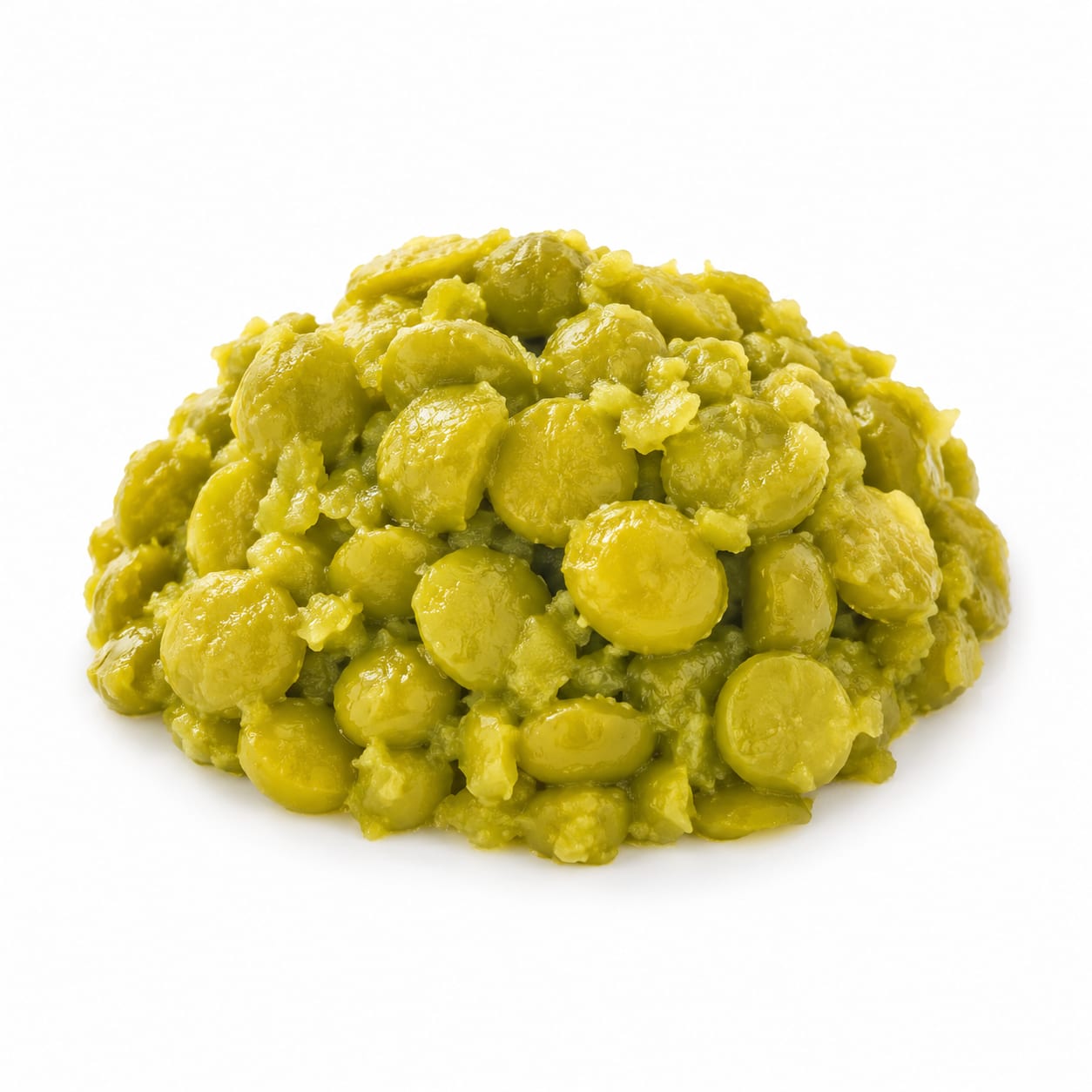
Marrowfat Pea
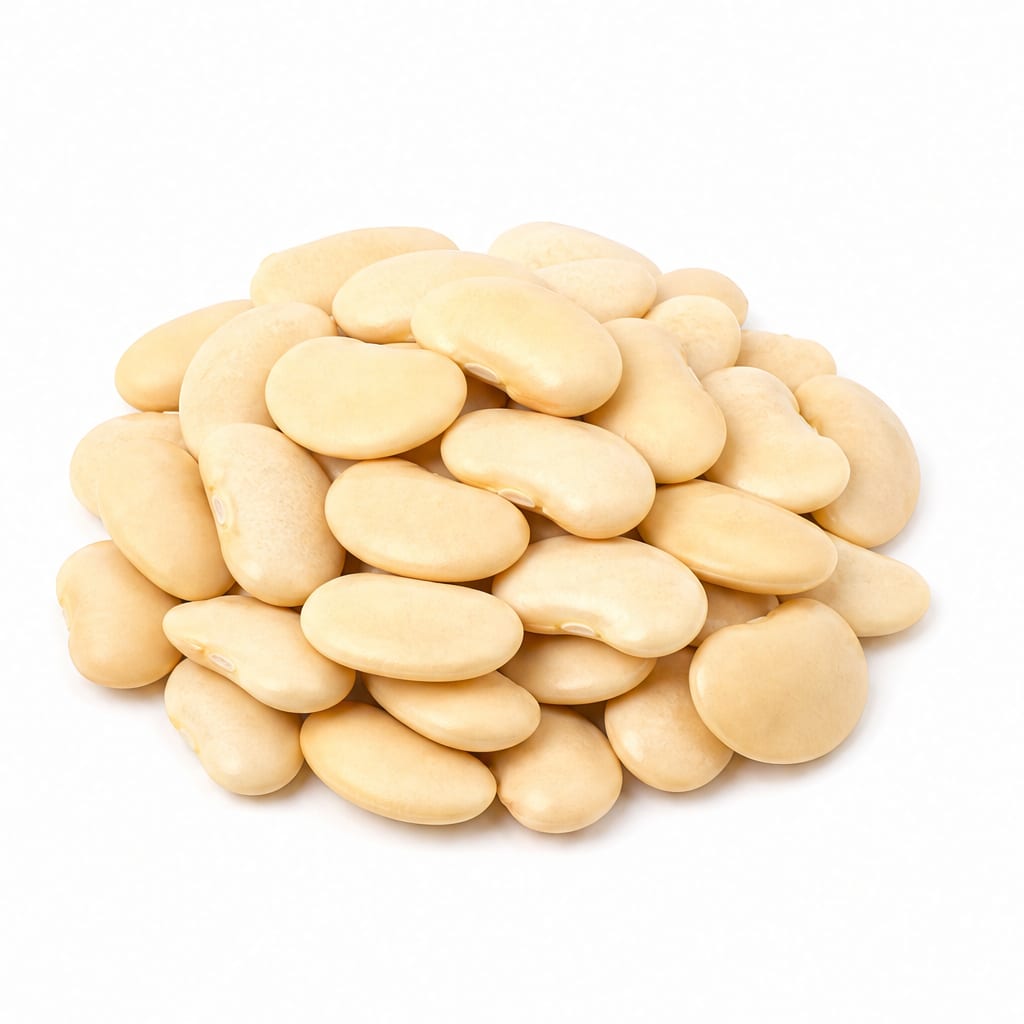
Butter Beans
Butter Beans edge ahead for sustained energy and mineral density, while Marrowfat Peas win for lighter meals and higher protein per calorie.
Butter Beans score slightly higher due to superior mineral density and satiety, but Marrowfat Peas remain competitive with better protein-per-calorie efficiency and easier preparation safety.
Butter Beans deliver more filling power and potassium but come with higher calories and raw-safety concerns. Marrowfat Peas are lighter and safer to prepare but less mineral-rich.
At a glance
Executive summary
Overall
It depends
Healthier
It depends
More practical
Marrowfat Pea
Daily use
Butter Beans
Key comparison lenses
fiber and digestive health
Both are legume powerhouses but differ significantly in fiber type and digestive impact
satiety and weight management
Calorie density and fullness differ enough to sway meal planning decisions
blood sugar control
Different starch profiles and glycemic responses matter for diabetes and energy stability
mineral nutrition
Butter Beans excel in potassium and magnesium while Marrowfat Peas offer more iron and zinc
meal versatility and convenience
Preparation methods and culinary roles differ substantially between these legumes
Best choice for
Marrowfat Pea
- Lighter meals where you want protein without heaviness
- Traditional British dishes like mushy peas or pie toppings
- Quick weeknight sides when using canned varieties
- People watching calorie intake closely
- Anyone wanting more iron and zinc per serving
Butter Beans
- Hearty stews and soups needing creamy body
- Post-workout meals requiring sustained carb energy
- Potassium-boosting diets for blood pressure management
- Meal prep batches that benefit from freezer-friendly legumes
- Anyone prioritizing maximum fullness per meal
Least suitable for
Marrowfat Pea
- Very low-carb or keto eating plans
- Meals requiring a creamy or buttery texture
- People sensitive to higher purine legumes
- Dishes where a neutral-flavored bean is needed
Butter Beans
- Strict calorie-counting diets without portion control
- Raw-food diet adherents due to cyanogenic glycoside risk
- Quick-cooking weeknight meals from dried beans
- People prone to bloating from very high fiber loads
Deep comparison
Dimension by dimension
Each lens scores both foods and breaks down who each option suits.
- Dimension 1 · Priority 92Butter Beans
satiety_and_fullness
Marrowfat Pea · 72Butter Beans · 86Butter Beans keep you fuller longer thanks to higher starch content and denser calorie load per serving.
Tradeoff
That same heaviness can feel sluggish if you need a light meal before activity.
Why it matters
Fullness directly affects snacking behavior and portion control at subsequent meals.
Real-world impact
A Butter Bean lunch likely delays afternoon hunger by 1-2 hours compared to Marrowfat Peas.
Marrowfat Pea
- Light dinners before early bed
- Small frequent meal strategies
Better for
- Long gaps between meals
- High-activity days needing sustained fuel
Worse for
Butter Beans
- One-meal-per-day approaches
- Physically demanding workdays
Better for
- Pre-workout meals within 2 hours
- Hot days when heavy food feels unappealing
Worse for
- Dimension 2 · Priority 85It depends
blood_sugar_stability
Marrowfat Pea · 76Butter Beans · 78Both have low glycemic loads, but Butter Beans digest slightly slower due to denser starch structure.
Tradeoff
Marrowfat Peas cause a marginally quicker glucose rise but also a faster return to baseline.
Why it matters
Slower digestion generally means steadier energy and fewer cravings between meals.
Real-world impact
Diabetics may notice slightly flatter glucose curves with Butter Beans, but both are solid choices.
Marrowfat Pea
- Quick energy recovery after exercise
- Smaller meals where fast glucose normalization is fine
Better for
- Reactive hypoglycemia patterns
- Long sedentary afternoons
Worse for
Butter Beans
- Morning meals setting up stable energy all day
- Pre-bed snacks to avoid overnight lows
Better for
- Immediate post-workout refueling windows
Worse for
- Dimension 3 · Priority 80Butter Beans
mineral_and_micronutrient_density
Marrowfat Pea · 70Butter Beans · 84Butter Beans deliver substantially more potassium, magnesium, and folate per serving.
Tradeoff
Marrowfat Peas counter with more iron and zinc, which matter more for certain demographics.
Why it matters
Potassium and magnesium are chronically underconsumed and directly affect blood pressure and muscle function.
Real-world impact
A single cup of Butter Beans covers roughly 25% of daily potassium needs versus 15% from Marrowfat Peas.
Marrowfat Pea
- Iron-deficient individuals needing plant-based iron
- Zinc-focused immune support protocols
Better for
- Electrolyte replenishment after heavy sweating
- Prenatal mineral needs
Worse for
Butter Beans
- Blood pressure management through potassium
- Pregnancy nutrition needing extra folate
- Cramp-prone athletes seeking magnesium
Better for
- Anemia-focused dietary interventions
Worse for
- Dimension 4 · Priority 78Marrowfat Pea
protein_efficiency
Marrowfat Pea · 80Butter Beans · 72Marrowfat Peas provide more protein per calorie, making them more efficient for protein-targeted eating.
Tradeoff
Butter Beans still offer respectable protein but with more caloric baggage from starch.
Why it matters
Protein-per-calorie ratios determine how easily you hit protein targets without overshooting energy intake.
Real-world impact
On a 2000-calorie diet, choosing Marrowfat Peas over Butter Beans saves roughly 30-40 calories per cup while delivering similar protein.
Marrowfat Pea
- Cutting phases where every calorie matters
- Higher-protein vegetarian meal construction
Better for
- Weight gain protocols needing calorie density
Worse for
Butter Beans
- Bulking phases needing caloric surplus
- Endurance athletes prioritizing carb-protein balance
Better for
- Protein-forward low-calorie meal plans
Worse for
- Dimension 5 · Priority 76Marrowfat Pea
digestive_tolerance
Marrowfat Pea · 74Butter Beans · 65Marrowfat Peas are generally easier on the gut, producing less bloating than Butter Beans in sensitive individuals.
Tradeoff
Butter Beans' higher fiber is beneficial long-term but can cause significant gas during adjustment periods.
Why it matters
Digestive discomfort undermines dietary consistency more than any nutritional shortcoming.
Real-world impact
Someone new to legumes will likely adapt faster starting with Marrowfat Peas than jumping straight to Butter Beans.
Marrowfat Pea
- IBS-prone individuals introducing legumes slowly
- Social situations where bloating is undesirable
Better for
- Severe constipation needing aggressive fiber
Worse for
Butter Beans
- Established high-fiber diets already handling legumes well
- Chronic constipation management
Better for
- FODMAP-sensitive digestion
- First-time legume consumers
Worse for
- Dimension 6 · Priority 73Marrowfat Pea
food_safety_and_preparation
Marrowfat Pea · 88Butter Beans · 68Raw Butter Beans contain cyanogenic glycosides that require thorough cooking to neutralize, while Marrowfat Peas pose no such risk.
Tradeoff
Canned Butter Beans are pre-cooked and safe, but dried varieties demand careful preparation.
Why it matters
Improperly cooked Butter Beans can cause cyanide poisoning symptoms including dizziness and nausea.
Real-world impact
Home cooks using dried Butter Beans must boil at least 10 minutes after soaking; skipping this step is a real health risk.
Marrowfat Pea
- Inexperienced home cooks
- Camping or off-grid cooking with limited fuel
- Quick-soak or speed-cooking scenarios
Better for
- Situations where raw safety is irrelevant because both are canned
Worse for
Butter Beans
- Canned-bean users who skip raw preparation entirely
- Slow-cooker meal prep with adequate time and temperature
Better for
- Raw-food diet practitioners
- Impatient cooks who underboil dried beans
Worse for
Timeline
Health impact over time
Short-term
Hours to days
Marrowfat Pea
- Moderate satiety without heaviness within 30 minutes of eating
- Mild gas possible if unaccustomed to pea fiber
- Steady energy without significant blood sugar spikes
Butter Beans
- Strong fullness that may feel heavy within the first hour
- Noticeable bloating or flatulence in fiber-sensitive people
- Sustained energy release over 3-4 hours post-meal
Long-term
Months to years
Marrowfat Pea
- Consistent iron and zinc intake supports immune resilience over months
- Lower calorie load aids gradual weight management without deliberate restriction
- Regular pea consumption associates with modest LDL cholesterol reduction
Butter Beans
- Superior potassium intake contributes to measurably lower blood pressure over time
- High folate supports cardiovascular and cognitive health in aging populations
- Dense fiber intake promotes diverse gut microbiome with regular consumption
Risk profile
Safety & processing
Both are whole-food legumes in their natural state. Canned versions may contain added salt, but dried varieties are essentially unprocessed. Neither carries significant additive concerns when purchased dried or low-sodium canned.
Marrowfat Pea
Purine content
lowModerate purine levels may concern gout sufferers, but typically only at high consumption frequencies.
Canned sodium
lowCanned Marrowfat Peas can contain 300-500mg sodium per serving; rinsing reduces this significantly.
Butter Beans
Cyanogenic glycosides in raw beans
highRaw Butter Beans contain linamarin that releases cyanide when ingested. Must be soaked and boiled at least 10 minutes. Slow cookers alone may not reach safe temperatures.
Canned sodium
mediumCanned Butter Beans often pack 400-600mg sodium per serving, higher than many other canned legumes.
Lectin content
mediumUndercooked Butter Beans retain significant lectin activity, causing nausea and gastrointestinal distress. Thorough cooking eliminates this risk.
Who wins for whom
Audience fit
Same foods, different winners depending on your goal.
children
Marrowfat PeaMilder flavor, softer texture when mashed, and no raw-bean safety concerns make it more kid-friendly.
daily consumption
Butter BeansBroader micronutrient coverage and stronger satiety make it a more complete daily staple when portions are managed.
diabetes
Butter BeansSlightly slower glucose release and higher fiber create flatter post-meal blood sugar curves.
elderly
Butter BeansHigher potassium and folate address common age-related deficiencies, and the creamy texture is easy to chew.
muscle gain
Butter BeansMore total calories and carbohydrates support training energy and recovery alongside adequate protein.
weight loss
Marrowfat PeaFewer calories per cup with comparable protein makes it easier to maintain a deficit while staying satisfied.
Your move
Decision guide
Choose Marrowfat Pea
- You want a lighter legume that does not dominate the plate
- Calorie efficiency matters more than maximum fullness
- You are cooking for children or legume newcomers
- You need iron and zinc more than potassium and magnesium
- Safety simplicity matters — no special cooking precautions required
Choose Butter Beans
- Hearty, filling meals are your priority
- Blood pressure management through diet is a goal
- You meal-prep in batches and want freezer-friendly portions
- You are comfortable with proper dried-bean preparation techniques
- Potassium and folate intake need boosting
Either works if
- You are rotating legume varieties for gut microbiome diversity
- Both fit within your calorie and macro targets
- You use canned versions and rinse before eating
- Neither is a dietary staple — just occasional variety
Avoid both if
- You have a diagnosed legume allergy
- Strict low-carb protocols prohibit starchy beans
- Severe FODMAP intolerance makes all legumes problematic during elimination phases
Final recommendation
Keep both in rotation. Marrowfat Peas suit lighter meals and simpler prep, while Butter Beans deliver deeper nutrition when you have time to cook properly. Variety between them gives you the broadest mineral coverage and keeps meals interesting.
Practical
Consumer tips
- 1
If buying canned Butter Beans, rinse thoroughly to remove roughly 40% of added sodium.
- 2
Soak dried Butter Beans overnight and boil vigorously for at least 10 minutes — never use a slow cooker alone for unsoaked beans.
- 3
Marrowfat Peas mash beautifully with a little lemon and mint for a fresh side dish.
- 4
Freeze cooked Butter Beans in portioned bags for instant meal-prep protein that reheats in minutes.
- 5
If transitioning to more legumes, start with Marrowfat Peas for the first two weeks to let your gut adapt before introducing Butter Beans.