
Nutrition comparison
Marrowfat Peas vs Lentils: Which Legume Is Better for Protein, Energy, and Everyday Nutrition?
Compare marrowfat peas and lentils on protein, iron, blood sugar impact, cooking convenience, and satiety. Find out which legume deserves a daily spot in your meals.
Overall winner · Lentils
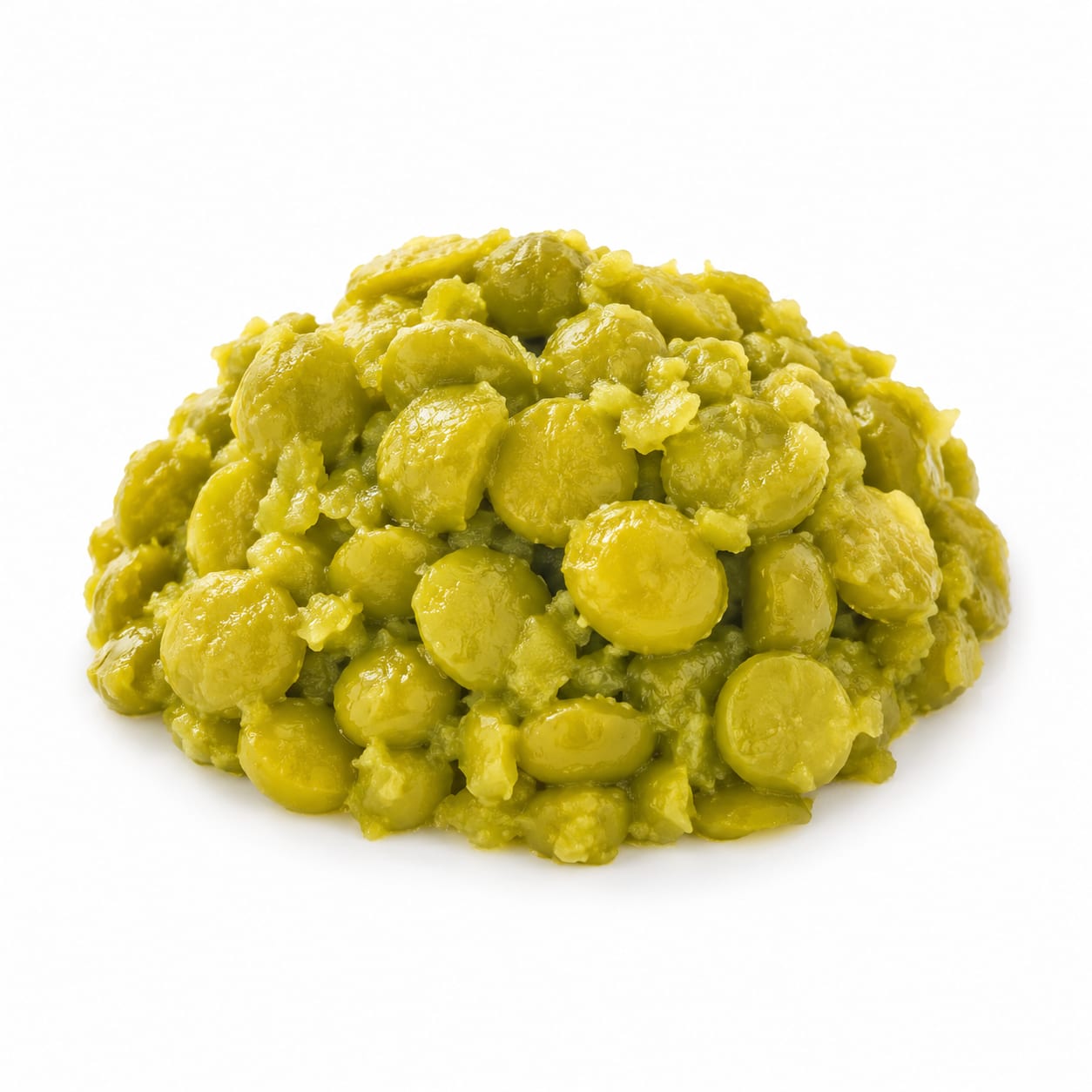
Marrowfat Pea
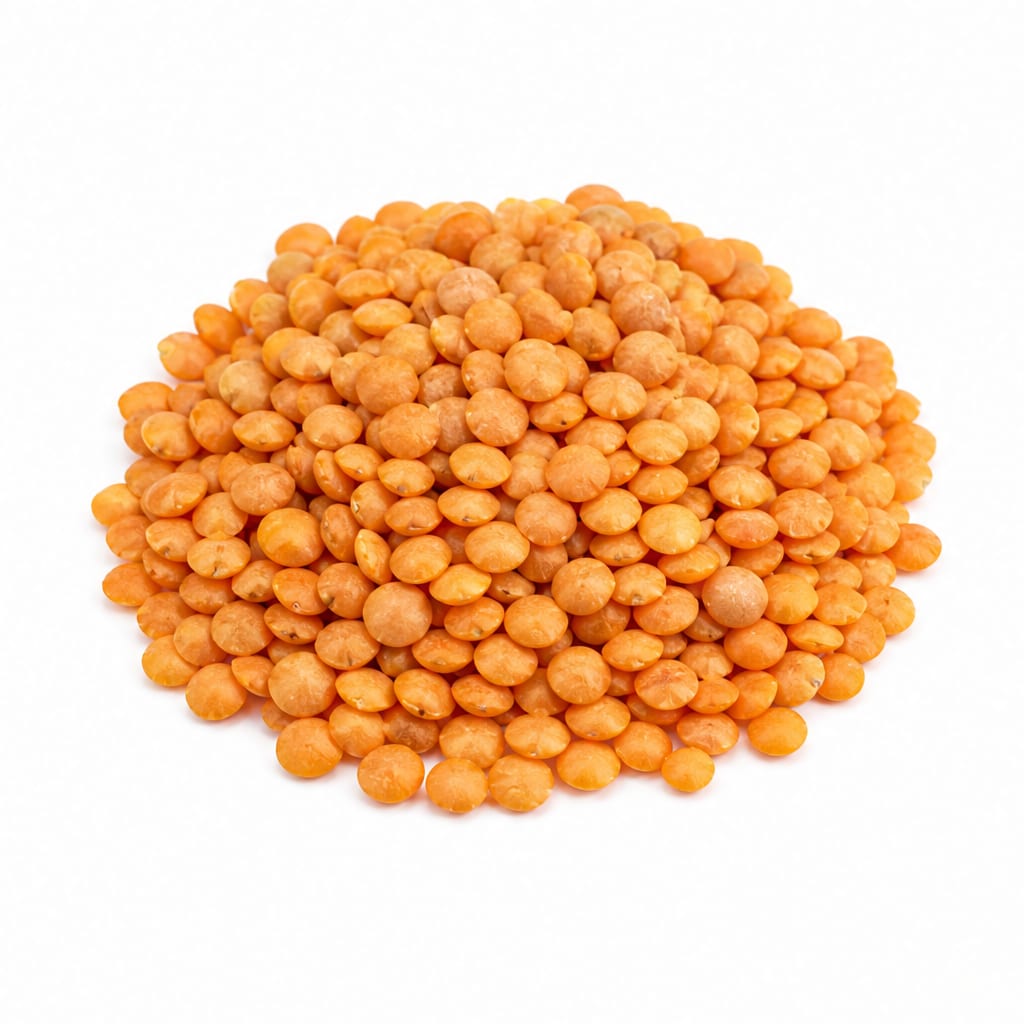
Lentils
Lentils outperform marrowfat peas on protein, iron, blood sugar stability, and versatility, making them the stronger everyday choice for most people.
Lentils score notably higher due to superior protein content, better glycemic profile, richer micronutrient density, and greater cooking versatility. Marrowfat peas remain a valid choice but are more limited nutritionally and practically.
Marrowfat peas offer a creamier, more comforting texture and cultural familiarity, but sacrifice protein density and micronutrient breadth compared to lentils.
At a glance
Executive summary
Overall
Lentils
Healthier
Lentils
More practical
Lentils
Daily use
Lentils
Key comparison lenses
plant protein comparison for meal planning
Both are staple legumes, but lentils deliver significantly more protein per calorie, making this the central decision factor
blood sugar management and glycemic control
Lentils have a notably lower glycemic index, which matters deeply for diabetes and sustained energy
everyday cooking convenience and versatility
Lentils cook faster and work in far more dishes, while marrowfat peas are more niche and often require soaking
iron and micronutrient density
Lentils provide substantially more iron and folate, critical for vegetarians and pregnant women
digestive tolerance and gut comfort
Both can cause bloating, but lentils have varieties that are easier to digest, while marrowfat peas are starchier and heavier
Best choice for
Marrowfat Pea
- Traditional British comfort meals
- Those seeking a creamier, starchier side dish
- People who find lentils texturally unpleasant
- Cultural or nostalgic eating occasions
Lentils
- Plant-based protein needs
- Blood sugar management
- Iron-deficient individuals
- Budget-friendly high-nutrition meal prep
- Athletes and active people needing recovery protein
Least suitable for
Marrowfat Pea
- High-protein dietary requirements
- Diabetes or insulin resistance management
- Those needing iron-rich foods
- Quick weeknight cooking
Lentils
- People with severe lentil intolerance or allergy
- Those specifically wanting a mushy, creamy pea texture
- Traditional English fish and chip pairings
Deep comparison
Dimension by dimension
Each lens scores both foods and breaks down who each option suits.
- Dimension 1 · Priority 95Lentils
Protein Density and Quality
Marrowfat Pea · 48Lentils · 88Lentils deliver roughly 50% more protein per serving than marrowfat peas, making them far more effective for muscle maintenance and satiety.
Tradeoff
Marrowfat peas still provide decent protein for a vegetable, but cannot compete with lentils for anyone prioritizing protein intake.
Why it matters
Protein is the most satiating macronutrient and critical for preserving lean mass, especially on plant-based diets where hitting protein targets requires intentionality.
Real-world impact
A lentil-based lunch keeps you full for hours longer. A marrowfat pea side leaves you reaching for a snack sooner.
Marrowfat Pea
- Lighter meals where lower protein is acceptable
Better for
- Athletes and active individuals
- Elderly needing muscle-sparing protein
Worse for
Lentils
- Post-workout recovery
- Plant-based meal planning
- Anyone tracking protein macros
Better for
- Those specifically limiting protein intake due to kidney concerns
Worse for
- Dimension 2 · Priority 88Lentils
Blood Sugar Stability
Marrowfat Pea · 55Lentils · 82Lentils have a significantly lower glycemic index (around 32) compared to marrowfat peas (around 50-60), resulting in steadier blood sugar and fewer energy crashes.
Tradeoff
Marrowfat peas are not terrible for blood sugar, but their higher starch content creates a faster glucose rise that lentils avoid.
Why it matters
Stable blood sugar means fewer afternoon energy dips, less cravings, and better long-term metabolic health.
Real-world impact
After a lentil bowl, you feel steady for hours. After marrowfat peas, you might notice a quicker energy rise and dip.
Marrowfat Pea
- Those wanting faster energy before physical activity
Better for
- Insulin-resistant individuals
- People prone to energy crashes
Worse for
Lentils
- Diabetes and prediabetes management
- Sustained energy through long workdays
- Reducing sugar cravings
Better for
- Endurance athletes needing quick carbohydrate fuel
Worse for
- Dimension 3 · Priority 78Lentils
Iron and Micronutrient Density
Marrowfat Pea · 50Lentils · 85Lentils provide roughly double the iron of marrowfat peas and significantly more folate, magnesium, and zinc, making them a micronutrient powerhouse.
Tradeoff
Marrowfat peas offer some B vitamins and potassium but cannot match the overall mineral density lentils bring.
Why it matters
Iron deficiency is the world's most common nutrient gap, and folate is essential for cell repair and pregnancy. Getting more from a staple food matters.
Real-world impact
Regular lentil eaters are less likely to need iron supplements. Marrowfat pea eaters may need to source iron elsewhere.
Marrowfat Pea
- Mild potassium supplementation through food
Better for
- Anemic individuals
- Pregnant women needing folate
Worse for
Lentils
- Vegetarians and vegans needing plant iron
- Pregnant women requiring folate
- Anyone recovering from illness needing nutrient density
Better for
- People with hemochromatosis who must limit iron
Worse for
- Dimension 4 · Priority 82Lentils
Cooking Convenience and Versatility
Marrowfat Pea · 45Lentils · 85Red lentils cook in 15 minutes with no soaking. Marrowfat peas typically require overnight soaking and longer cooking, limiting spontaneous meal prep.
Tradeoff
Canned marrowfat peas are convenient but saltier and softer. Dried lentils offer the best balance of convenience and nutrition across varieties.
Why it matters
Foods that are easier to cook get cooked more often. Convenience directly impacts how consistently you eat well.
Real-world impact
Lentils can be a last-minute dinner decision. Marrowfat peas require planning ahead or settling for the canned version.
Marrowfat Pea
- Slow-cooked comfort meals planned in advance
- Traditional recipes where the specific texture is irreplaceable
Better for
- Busy professionals with limited prep time
- Spontaneous cooking
Worse for
Lentils
- Quick weeknight dinners
- Meal prep batching on weekends
- Diverse cuisines from Indian dal to Mediterranean salads
Better for
- Recipes specifically requiring a mushy pea texture
Worse for
- Dimension 5 · Priority 72It depends
Digestive Tolerance
Marrowfat Pea · 60Lentils · 65Both foods can cause bloating and gas, but red lentils are generally easier to digest than marrowfat peas, which are starchier and heavier on the gut.
Tradeoff
Some people tolerate marrowfat peas better due to familiarity, while others find lentils gentler, especially split and red varieties.
Why it matters
A nutritious food you cannot digest comfortably is not a good choice for you personally, regardless of its theoretical benefits.
Real-world impact
Start with small portions of either and increase gradually. Soaking and rinsing both reduces gas-causing compounds.
Marrowfat Pea
- People accustomed to pea-based dishes who have adapted gut bacteria
Better for
- People with sensitive digestion unaccustomed to high-starch legumes
Worse for
Lentils
- Those who choose red or split lentils, which are easier to break down
- Gradual introduction to legumes for sensitive stomachs
Better for
- Those with specific lentil sensitivity or IBS triggered by galactans
Worse for
- Dimension 6 · Priority 80Lentils
Satiety and Fullness
Marrowfat Pea · 60Lentils · 82Lentils keep you fuller longer due to their higher protein and fiber combination, while marrowfat peas provide a heavier but less sustained fullness.
Tradeoff
Marrowfat peas feel more immediately filling from starch bulk, but that fullness fades faster than the protein-driven satiety from lentils.
Why it matters
The difference between feeling stuffed for 30 minutes and feeling satisfied for 3 hours determines whether you overeat later.
Real-world impact
A lentil soup at noon holds you until dinner. Marrowfat peas as a side might leave you hungry again by mid-afternoon.
Marrowfat Pea
- Large meals where immediate physical fullness is desired
Better for
- Those trying to reduce overall calorie intake
Worse for
Lentils
- Weight management through sustained satiety
- Long gaps between meals
- Preventing evening snacking
Better for
- People who dislike feeling too full for extended periods
Worse for
Timeline
Health impact over time
Short-term
Hours to days
Marrowfat Pea
- Quick energy from starchier carbohydrate content
- Moderate satiety that may fade within 2-3 hours
- Potential bloating if not accustomed to high-fiber legumes
- Comforting, satisfying mouthfeel that feels like a proper meal
Lentils
- Sustained energy with minimal blood sugar spikes
- Longer-lasting fullness from higher protein and fiber
- Possible gas during adjustment period for new legume eaters
- Steady mental clarity without the post-meal sluggishness
Long-term
Months to years
Marrowfat Pea
- Decent fiber intake supporting gut health
- Adequate but not optimal protein for muscle maintenance
- Lower iron intake may contribute to deficiency if not compensated elsewhere
- Heart-healthy benefits from fiber and potassium
Lentils
- Strong protection against iron deficiency anemia
- Better long-term blood sugar regulation reducing diabetes risk
- Higher protein intake supports muscle preservation with aging
- Folate intake supports cellular health and pregnancy outcomes
- Consistent fiber intake linked to lower colorectal cancer risk
Risk profile
Safety & processing
Both marrowfat peas and lentils are whole, minimally processed foods in their dried form. However, canned marrowfat peas often contain added salt and sometimes sugar, while canned lentils typically have only salt added. Choose dried or low-sodium canned versions of either for the cleanest option.
Marrowfat Pea
Added sodium in canned varieties
mediumCanned marrowfat peas often contain 400-600mg sodium per serving. Rinse thoroughly or choose dried to avoid this.
Pesticide residue on conventionally grown peas
lowPeas generally have lower pesticide loads than many crops, but organic options further reduce exposure.
Lentils
Added sodium in canned varieties
lowCanned lentils contain sodium but typically less than canned marrowfat peas. Rinsing removes roughly 40% of added sodium.
Lectin content in undercooked lentils
mediumRaw or undercooked lentils contain lectins that can cause digestive distress. Fully cooking eliminates this concern entirely.
Who wins for whom
Audience fit
Same foods, different winners depending on your goal.
children
LentilsRed lentils cook to a soft, mild puree that most children accept easily, while providing iron and folate critical for growth.
daily consumption
LentilsLentils offer broader nutrition, faster cooking, and more recipe variety, making them easier to eat daily without fatigue.
diabetes
LentilsLentils have a significantly lower glycemic index and cause slower, more manageable blood sugar rises than marrowfat peas.
elderly
LentilsHigher protein and iron content in lentils helps counteract age-related muscle loss and anemia, both common concerns in older adults.
muscle gain
LentilsWith roughly 50% more protein per serving, lentils are clearly the better choice for supporting muscle repair and growth.
weight loss
LentilsLentils provide more protein and fiber per calorie, keeping you satisfied longer and reducing the urge to snack between meals.
Your move
Decision guide
Choose Marrowfat Pea
- You are making traditional British dishes like mushy peas or pie and mash
- You prefer a creamier, starchier texture in your side dishes
- You find lentils unappealing and need a legume you actually enjoy eating
- You want a comforting carbohydrate-forward accompaniment to a protein main
Choose Lentils
- You want maximum nutrition per calorie from a staple food
- You are managing blood sugar, iron levels, or protein intake
- You need quick-cooking legumes for busy weeknights
- You want one versatile ingredient that works across many cuisines
- You are meal prepping for the week and need reliable satiety
Either works if
- You simply want more legumes in your diet and enjoy both
- You are rotating plant protein sources for gut microbiome diversity
- You are cooking a mixed legume stew or soup where both work well
Avoid both if
- You have a severe legume allergy
- You are in an acute IBS flare and cannot tolerate high-fiber foods
- You are on a very low-carb or ketogenic diet
Final recommendation
Make lentils your everyday legume. They deliver more protein, more iron, steadier energy, and cook faster. Keep marrowfat peas as an occasional comfort food when the dish specifically calls for them, but do not rely on them as your primary plant protein source.
Practical
Consumer tips
- 1
Buy dried lentils in bulk for the best value and longest shelf life
- 2
Red lentils cook in just 15 minutes and need no soaking, perfect for beginners
- 3
Rinse canned marrowfat peas thoroughly to remove up to 40% of added sodium
- 4
Soak dried marrowfat peas overnight and discard the water to reduce gas-causing compounds
- 5
Add a splash of lemon juice or vinegar to lentil dishes to boost iron absorption
- 6
Start with small portions of either legume and increase gradually over two weeks to let your gut adjust
- 7
Keep both in your pantry: lentils for daily meals, marrowfat peas for nostalgic comfort dishes