
Nutrition comparison
Marrowfat Peas vs Pinto Beans: Nutrition, Digestion, and Which to Choose
Compare marrowfat peas and pinto beans on protein, fiber, digestion, and calories. Find out which legume fits your health goals, cooking style, and stomach better.
Overall winner · Pinto Beans
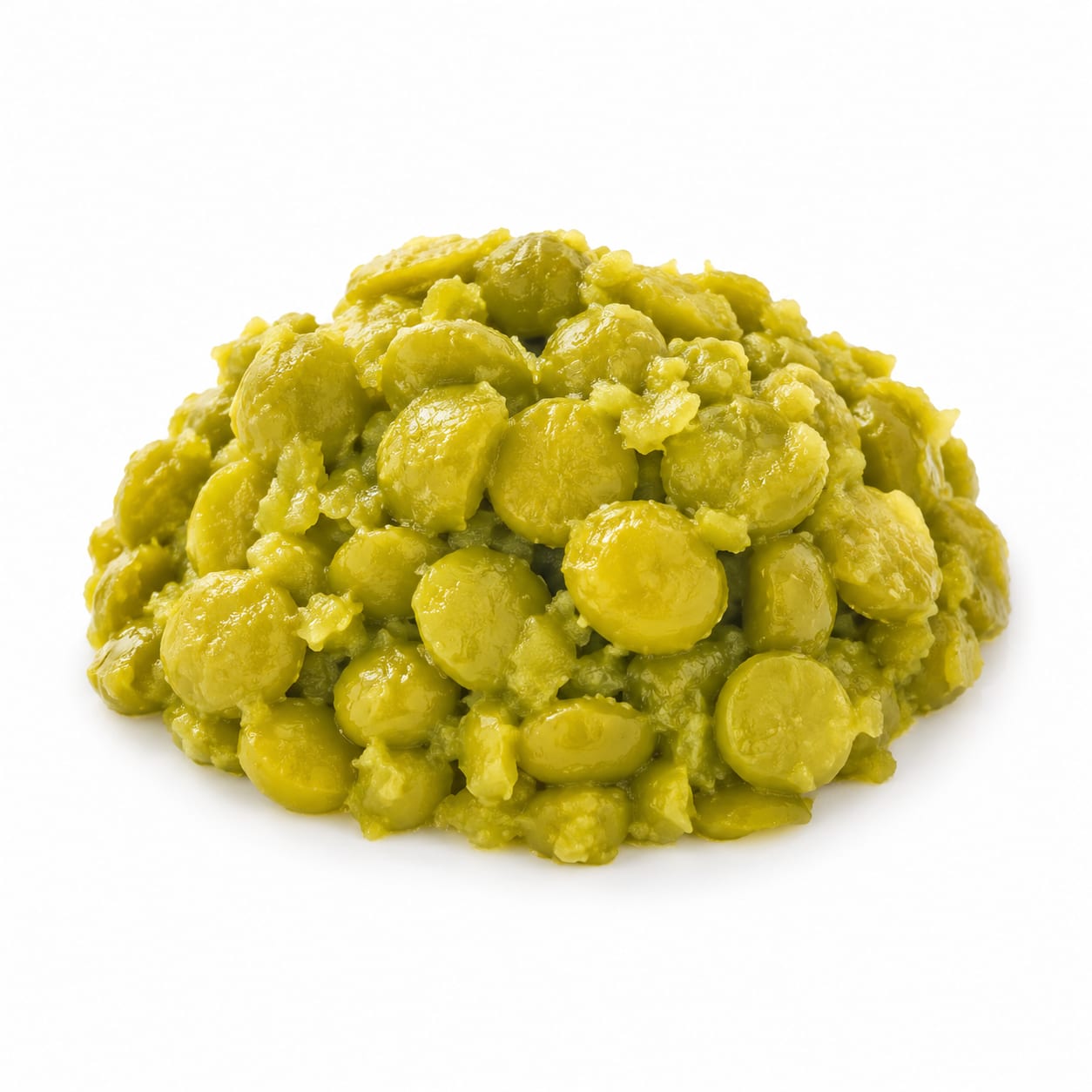
Marrowfat Pea
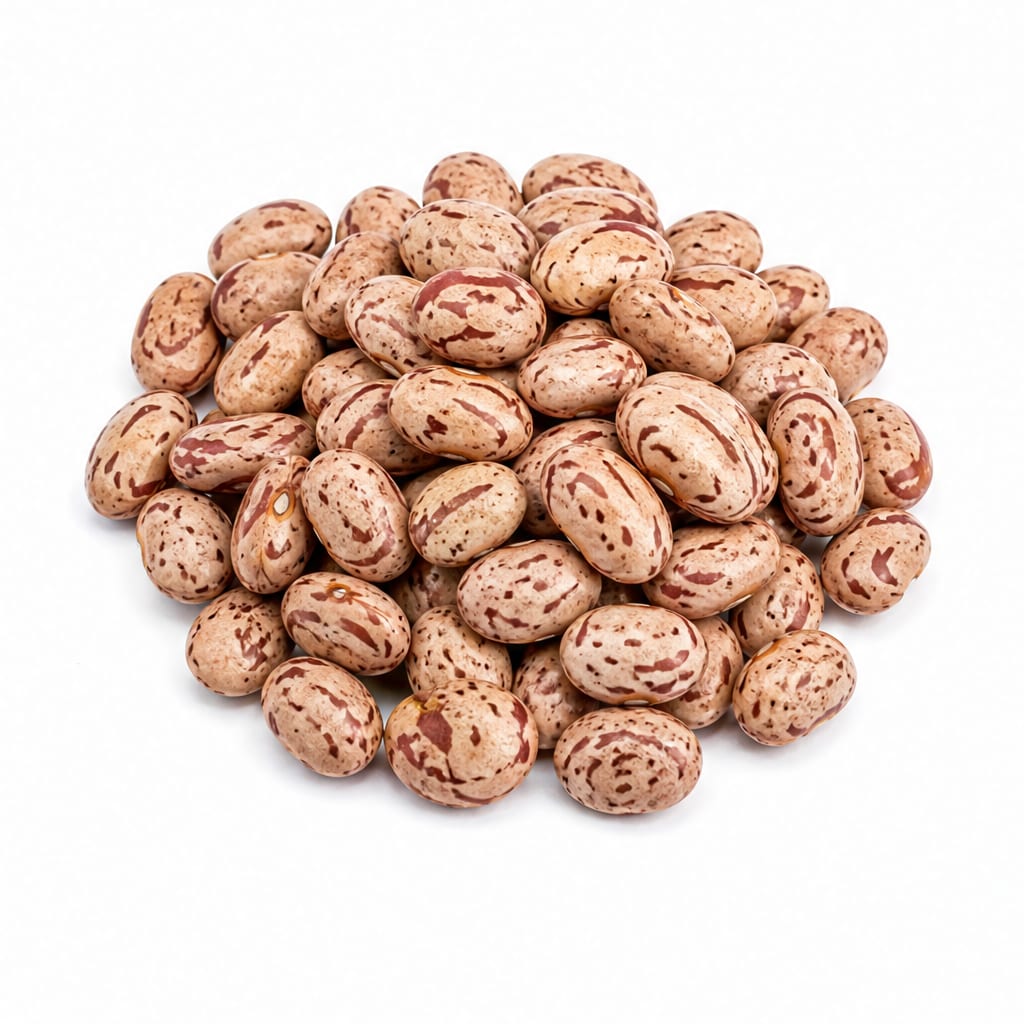
Pinto Beans
Pinto beans win on pure nutrition, delivering more protein, fiber, folate, and iron per calorie. Marrowfat peas are the lighter, gentler option when you want something less heavy.
Pinto beans score significantly higher due to superior fiber, protein, folate, and mineral content. Marrowfat peas remain a solid choice but cannot match the nutritional breadth. The 16-point gap reflects real differences in daily nutritional impact.
Pinto beans give you more of everything good but feel heavier and take longer to cook. Marrowfat peas are easier on the stomach and lower in calories but nutritionally thinner.
At a glance
Executive summary
Overall
Pinto Beans
Healthier
Pinto Beans
More practical
Pinto Beans
Daily use
Pinto Beans
Key comparison lenses
nutritional density
Both are legumes but pinto beans deliver significantly more fiber, folate, and minerals per serving, making nutrient density the core differentiator
digestive tolerance
Legume comparisons always hinge on gas and bloating concerns, and these two differ noticeably in how they sit in the stomach
weight management
Marrowfat peas are lighter in calories while pinto beans are more filling, creating a real tradeoff for weight-conscious eaters
blood sugar control
Both are low-glycemic legumes, but fiber content differences affect how steadily they release energy
culinary versatility
Pinto beans appear in far more recipes globally, while marrowfat peas are more niche, affecting how easily people can incorporate them
Best choice for
Marrowfat Pea
- People with sensitive digestion who find most beans too heavy
- Lighter meals where you want legume benefits without fullness
- British-style dishes like mushy peas or pie accompaniments
- Those counting calories who still want plant protein
Pinto Beans
- Anyone prioritizing maximum nutrition per calorie
- Meal preppers wanting a versatile, filling base ingredient
- Plant-based eaters needing reliable protein and iron
- Folks managing blood sugar who need extra fiber
Least suitable for
Marrowfat Pea
- Those needing high protein intake from plant sources
- Anyone anemic or folate-deficient
- People wanting a single legume that does everything well
- Those unfamiliar with British cuisine who lack recipe ideas
Pinto Beans
- People with severe IBS who react to high-fiber legumes
- Those wanting a light side dish rather than a hearty base
- Quick weeknight cooking when you forgot to soak beans
Deep comparison
Dimension by dimension
Each lens scores both foods and breaks down who each option suits.
- Dimension 1 · Priority 90Pinto Beans
protein_content
Marrowfat Pea · 62Pinto Beans · 78Pinto beans provide roughly 25% more protein per serving, making them a more reliable plant protein source.
Tradeoff
Marrowfat peas still offer decent protein but not enough to serve as a primary protein source in a meal.
Why it matters
Protein drives fullness, muscle maintenance, and metabolic health. The gap here means pinto beans can anchor a meal more effectively.
Real-world impact
A pinto bean bowl keeps you full for hours. A marrowfat pea side dish leaves you looking for something else within two.
Marrowfat Pea
- Lighter meals where high protein feels heavy
Better for
- Body recomposition phases
- Athletic performance eating
Worse for
Pinto Beans
- Post-workout recovery meals
- Plant-based dinner mains
- Anyone tracking protein macros
Better for
- Small appetites who feel uncomfortably full easily
Worse for
- Dimension 2 · Priority 88Pinto Beans
fiber_content
Marrowfat Pea · 55Pinto Beans · 85Pinto beans deliver nearly double the fiber of marrowfat peas, which dramatically affects satiety and gut health.
Tradeoff
That extra fiber means more gas and bloating risk for sensitive digesters. Marrowfat peas are gentler while still providing moderate fiber.
Why it matters
Fiber is the single most underconsumed nutrient in Western diets. Pinto beans are one of the best sources available.
Real-world impact
Regular pinto bean eaters tend to have better digestion long-term but may need a transition period. Marrowfat peas offer a softer entry point.
Marrowfat Pea
- Transitioning to high-fiber diets without shocking your system
- Days when your stomach already feels sensitive
Better for
- Anyone struggling to hit 25g+ fiber daily
Worse for
Pinto Beans
- Gut microbiome health
- Cholesterol management
- Long-term digestive regularity
Better for
- First-time legume eaters unaccustomed to high fiber
Worse for
- Dimension 3 · Priority 82Pinto Beans
mineral_density
Marrowfat Pea · 52Pinto Beans · 82Pinto beans dominate on iron, magnesium, potassium, and especially folate, which is nearly 6 times higher than in marrowfat peas.
Tradeoff
Marrowfat peas offer more vitamin K and some B vitamins, but the mineral gap is substantial.
Why it matters
Folate supports cell repair and heart health. Iron deficiency is the world's most common nutrient shortfall. Pinto beans meaningfully address both.
Real-world impact
Eating pinto beans regularly can move the needle on bloodwork. Marrowfat peas contribute but cannot carry the same load.
Marrowfat Pea
- Those specifically seeking vitamin K for bone health
Better for
- Prenatal nutrition planning
- Anemia management diets
Worse for
Pinto Beans
- Pregnant women needing folate
- Vegetarians and vegans at risk for iron deficiency
- Anyone with low magnesium or potassium
Better for
- People on blood thinners who must limit vitamin K
Worse for
- Dimension 4 · Priority 76Marrowfat Pea
calorie_efficiency
Marrowfat Pea · 80Pinto Beans · 68Marrowfat peas deliver reasonable nutrition at roughly 75% of the calories of pinto beans per serving.
Tradeoff
Lower calories also means less of everything beneficial. You eat fewer calories but get fewer nutrients too.
Why it matters
For calorie-counters, every bit helps. But nutrient density per calorie still favors pinto beans overall.
Real-world impact
If you are strictly cutting calories, marrowfat peas let you keep legumes on the plate with less budget impact. But you may need to eat more to feel satisfied.
Marrowfat Pea
- Strict calorie restriction phases
- Light lunches on sedentary days
Better for
- Recovery from illness when nutrient density matters most
Worse for
Pinto Beans
- Active days requiring sustained energy
- Bulking or muscle-building phases
Better for
- Aggressive weight loss protocols
Worse for
- Dimension 5 · Priority 80Marrowfat Pea
digestive_comfort
Marrowfat Pea · 75Pinto Beans · 55Marrowfat peas are noticeably easier on the digestive system, producing less gas and bloating than pinto beans.
Tradeoff
The comfort comes from less fiber and resistant starch, which are precisely what make pinto beans so beneficial long-term.
Why it matters
Many people abandon legumes entirely because of gas. A gentler option can keep someone eating legumes who might otherwise quit.
Real-world impact
Marrowfat peas are a realistic starting point for people convinced they cannot tolerate beans. Pinto beans reward persistence but demand it first.
Marrowfat Pea
- IBS or sensitive digestion
- Introducing legumes to skeptical eaters
- Social situations where gas is unacceptable
Better for
- Those who need maximum gut microbiome feeding
Worse for
Pinto Beans
- Adapted digestive systems that handle fiber well
- Long-term gut health optimization
Better for
- First month of legume adoption
- Work-from-home days are better for the adjustment period
Worse for
- Dimension 6 · Priority 72Pinto Beans
culinary_versatility
Marrowfat Pea · 45Pinto Beans · 85Pinto beans appear in burritos, soups, stews, dips, salads, and casseroles across multiple cuisines. Marrowfat peas are largely confined to British traditional dishes.
Tradeoff
Marrowfat peas have a unique creamy texture when mashed that is hard to replicate, but their recipe repertoire is narrow.
Why it matters
People eat what they can cook easily. Limited recipe options mean marrowfat peas get boring faster.
Real-world impact
You can eat pinto beans five different ways in a week without repeating. Marrowfat peas challenge your creativity after day two.
Marrowfat Pea
- Authentic British cuisine enthusiasts
- Mashed or pureed side dish applications
Better for
- Anyone lacking British recipe familiarity
Worse for
Pinto Beans
- Meal prep variety
- Mexican, Southwestern, and Latin American cooking
- Bean dips and spreads
Better for
- Traditional British pub food purists
Worse for
- Dimension 7 · Priority 78Pinto Beans
blood_sugar_stability
Marrowfat Pea · 70Pinto Beans · 82Both are low-glycemic, but pinto beans' higher fiber and protein create steadier, longer-lasting blood sugar control.
Tradeoff
Marrowfat peas still beat most non-legume carb sources handily. The difference matters most for diabetics and prediabetics.
Why it matters
Post-meal energy crashes destroy productivity and cravings. The right legume choice can eliminate afternoon slumps.
Real-world impact
A pinto bean lunch keeps energy stable until dinner. Marrowfat peas do well but may need a protein companion to match that effect.
Marrowfat Pea
- Smaller meals where moderate carbs are sufficient
Better for
- Blood sugar conditions requiring maximum fiber
Worse for
Pinto Beans
- Type 2 diabetes management
- Prediabetes intervention
- Eliminating afternoon energy crashes
Better for
- Low-carb diet followers who limit all legumes
Worse for
Timeline
Health impact over time
Short-term
Hours to days
Marrowfat Pea
- Moderate satiety without heaviness
- Mild blood sugar stabilization
- Less gas and bloating than most legumes
- Comforting texture when mashed or cooked soft
Pinto Beans
- Strong fullness that reduces snacking for hours
- Very stable blood sugar with minimal spikes
- Noticeable gas and bloating during first weeks of regular consumption
- Heavier feeling in the stomach that some find uncomfortable initially
Long-term
Months to years
Marrowfat Pea
- Decent fiber intake but may need supplementation from other sources
- Moderate protection against heart disease and diabetes
- Adequate but not outstanding mineral status
- Easier long-term adherence for digestion-sensitive people
Pinto Beans
- Significantly improved cholesterol profiles from high soluble fiber
- Better blood sugar regulation reducing diabetes risk
- Stronger folate and iron status, especially important for women of childbearing age
- Gut microbiome shifts toward healthier bacterial populations with consistent consumption
Risk profile
Safety & processing
Both foods are whole, minimally processed legumes when bought dried. Canned versions may contain added sodium, but rinsing removes most of it. Neither carries meaningful additive concerns in their natural form.
Marrowfat Pea
Canned sodium content
mediumCanned marrowfat peas often contain significant added salt. Rinsing helps but does not eliminate it entirely.
Purine content
lowModerate purine levels may concern those with severe gout, though less than many other legumes.
Pinto Beans
Raw kidney bean toxin cross-contamination concern
lowPinto beans are in the same family as kidney beans, which contain phytohaemagglutinin. Pinto beans have much lower levels but should still be cooked thoroughly.
Canned sodium content
mediumSame as marrowfat peas, canned pinto beans often carry heavy sodium loads. Rinsing is essential.
Purine content
mediumSlightly higher purine levels than marrowfat peas, worth monitoring for gout sufferers.
Who wins for whom
Audience fit
Same foods, different winners depending on your goal.
children
Pinto BeansPinto beans' higher folate and iron support growing bodies, and their milder flavor in familiar dishes like burritos increases acceptance.
daily consumption
Pinto BeansBroader nutrient coverage and culinary versatility make pinto beans easier to eat daily without fatigue or nutritional gaps.
diabetes
Pinto BeansSuperior fiber and protein content creates more reliable blood sugar stabilization, which is critical for diabetes management.
elderly
It dependsPinto beans offer more nutrition per bite for diminished appetites, but marrowfat peas are gentler on aging digestive systems. Prioritize based on individual tolerance.
muscle gain
Pinto BeansHigher protein content and more calories make pinto beans a better building block for muscle-focused nutrition.
weight loss
It dependsMarrowfat peas win for calorie restriction, but pinto beans win for satiety-driven approaches. Choose based on whether you prefer eating more volume at lower calories or fewer calories with stronger fullness.
Your move
Decision guide
Choose Marrowfat Pea
- Your digestive system struggles with most beans and legumes
- You want a lighter legume option that does not dominate the plate
- You cook British-style comfort food regularly
- You are counting calories strictly and need every gram to count less
Choose Pinto Beans
- You want maximum nutritional return from every meal
- You are plant-based and need reliable protein, iron, and folate
- You enjoy Mexican, Southwestern, or Latin American cooking
- You are managing blood sugar, cholesterol, or heart health risks
- You meal prep and want one versatile ingredient for multiple dishes
Either works if
- You simply want to eat more legumes and both are available
- You are rotating legume types for microbiome diversity
- You are building a grain bowl and either works as the protein base
Avoid both if
- You have a diagnosed legume allergy
- You are in an acute gout flare and your doctor has restricted purines
- You are on a strict very-low-carb or ketogenic protocol
Final recommendation
Make pinto beans your default legume. They deliver more nutrition, more versatility, and better long-term health outcomes. Keep marrowfat peas in rotation for lighter meals, digestive rest days, or when you crave that specific creamy texture. If pinto beans cause you persistent discomfort even after a transition period, marrowfat peas are a legitimate alternative that still outperforms most non-legume sides.
Practical
Consumer tips
- 1
If switching to pinto beans, start with small servings and increase gradually over two to three weeks to reduce gas
- 2
Rinsing canned legumes removes roughly 30-40% of added sodium
- 3
Soaking dried pinto beans overnight and discarding the water reduces oligosaccharides that cause gas
- 4
Marrowfat peas mash beautifully with a little butter and mint for a quick side
- 5
Pinto beans freeze well after cooking, so make large batches and portion for convenience
- 6
Adding a small amount of vinegar or lemon juice to legume cooking water can further reduce gas-producing compounds
- 7
Both foods pair well with vitamin C sources like tomatoes or bell peppers to boost iron absorption