
Nutrition comparison
Marrowfat Peas vs Green Split Peas: Nutrition, Protein, Fiber & Health Comparison
Which pea is healthier? Compare marrowfat peas vs green split peas on protein, fiber, sodium, blood sugar impact, and cooking convenience. Expert breakdown with real-world recommendations.
Overall winner · Green Split Peas
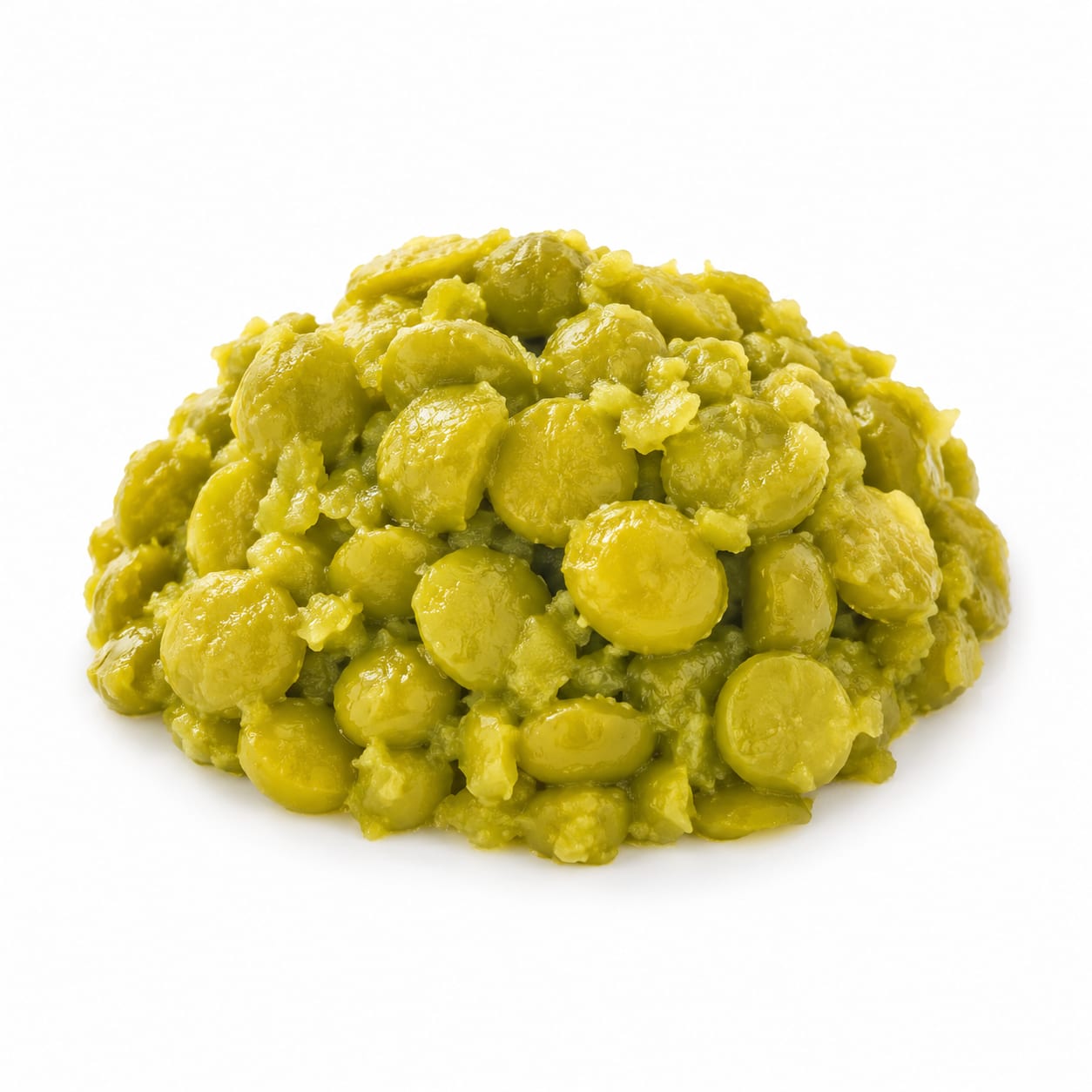
Marrowfat Pea
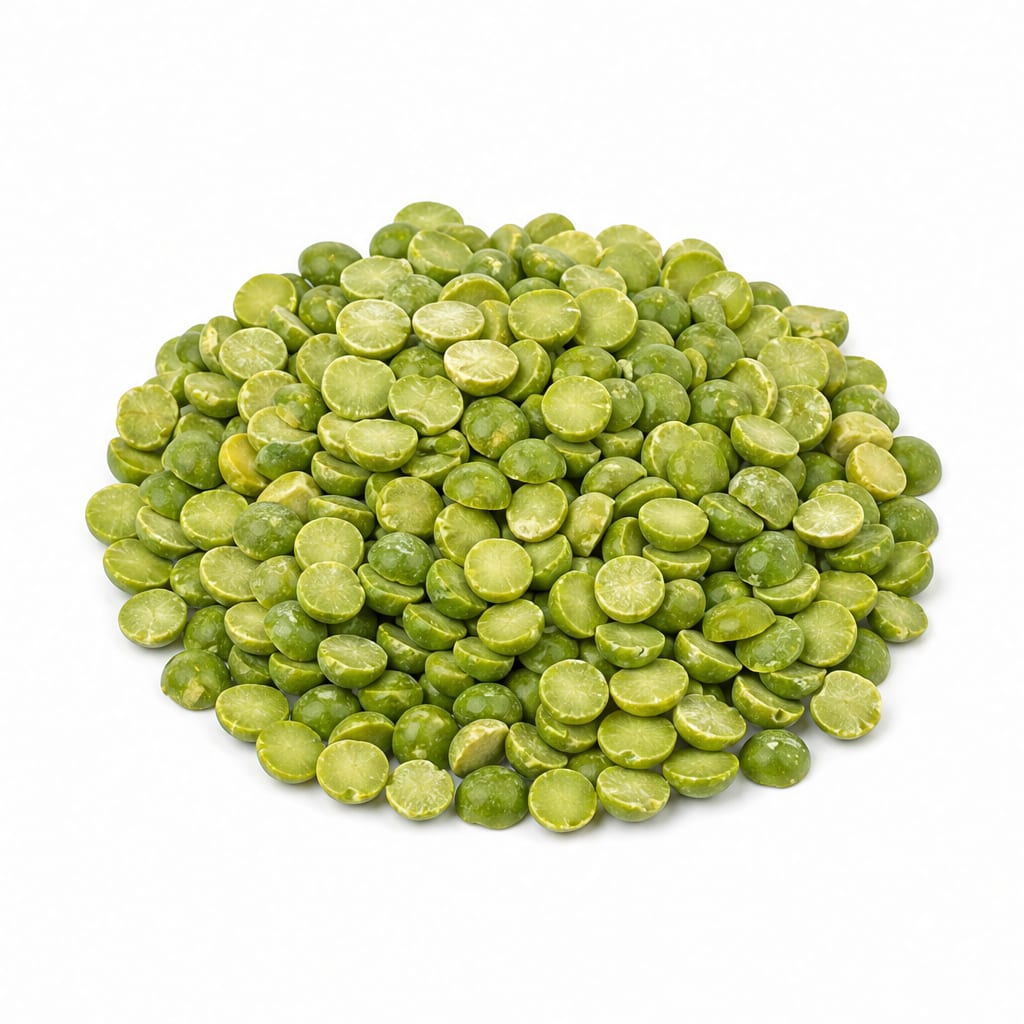
Green Split Peas
Green Split Peas edge ahead with more protein, higher fiber, faster cooking, and less sodium risk, though Marrowfat Peas offer a creamier texture and cultural comfort factor.
Green Split Peas score noticeably higher due to superior protein, fiber, cooking convenience, and lower sodium risk. Marrowfat Peas remain nutritionally respectable but lose ground on practicality and micronutrient density.
You trade the creamy, starchy satisfaction of Marrowfat Peas for the nutritional density and convenience of Green Split Peas.
At a glance
Executive summary
Overall
Green Split Peas
Healthier
Green Split Peas
More practical
Green Split Peas
Daily use
Green Split Peas
Key comparison lenses
protein quality and quantity for plant-based diets
Both are legume staples often chosen by vegetarians and vegans seeking protein, making this the primary decision driver
fiber and digestive health benefits
These peas are commonly eaten for gut health and regularity, so fiber differences matter significantly
blood sugar management and satiety
Both foods are carbohydrate-rich legumes where glycemic impact and fullness duration are real concerns
cooking convenience and meal preparation
Split peas require no soaking while marrowfat peas often need overnight prep, affecting daily usability
sodium and processing concerns in common forms
Marrowfat peas are frequently sold canned with added salt, while split peas are typically sold dry with no additives
Best choice for
Marrowfat Pea
- Traditional British dishes like mushy peas and pie shops
- Comfort food cravings where creaminess matters more than macros
- Side dishes where a starchy, velvety texture is desired
- People who prefer softer, less fibrous mouthfeel
Green Split Peas
- Hearty soups and stews as a nutritional base
- Plant-based meal prep focused on protein intake
- Weight management due to higher fiber and protein per calorie
- Anyone watching sodium who wants a no-soak legume option
Least suitable for
Marrowfat Pea
- Low-sodium diets when using canned varieties
- Quick weeknight cooking due to soaking requirements
- Those seeking maximum protein per serving from legumes
- People sensitive to added sugars found in some canned versions
Green Split Peas
- Recipes specifically calling for whole pea texture
- Traditional British comfort food authenticity
- Those who find split pea soup texture unappealing
- People wanting a creamier, less grainy side dish
Deep comparison
Dimension by dimension
Each lens scores both foods and breaks down who each option suits.
- Dimension 1 · Priority 92Green Split Peas
Protein Content and Quality
Marrowfat Pea · 68Green Split Peas · 84Green Split Peas deliver roughly 25% more protein per serving, making them a more reliable plant-based protein source.
Tradeoff
Marrowfat Peas sacrifice some protein density for a starchier, creamier composition that feels more filling in the moment but sustains energy less effectively.
Why it matters
For vegetarians and vegans, every gram of protein counts. Green Split Peas help close the gap more efficiently.
Real-world impact
A bowl of split pea soup keeps you full longer after lunch than the same volume of mushy peas, with less temptation to snack before dinner.
Marrowfat Pea
- Those who prioritize eating pleasure over macro optimization
- Meals where protein comes from other components on the plate
Better for
- Bodybuilders or athletes needing high protein intake
- People trying to minimize carb-to-protein ratio
Worse for
Green Split Peas
- Plant-based eaters relying on legumes as a primary protein source
- Athletes needing efficient post-workout recovery protein
- Anyone tracking macros who wants more protein per calorie
Better for
- Those who find high-protein legumes too filling before workouts
Worse for
- Dimension 2 · Priority 88Green Split Peas
Fiber and Digestive Health
Marrowfat Pea · 70Green Split Peas · 86Green Split Peas contain significantly more fiber, especially soluble fiber, which supports gut health and cholesterol management.
Tradeoff
Higher fiber means more initial digestive adjustment. Split peas can cause more bloating if your gut is not used to them, while Marrowfat Peas are gentler due to their starchier, lower-fiber profile.
Why it matters
Most people fall short on fiber. Green Split Peas make a meaningful dent in daily requirements with a single serving.
Real-world impact
Regular split pea consumption leads to more consistent digestion and steadier blood sugar over weeks, though the first few days may involve some gassiness.
Marrowfat Pea
- People with sensitive digestion who need gentler fiber sources
- Those transitioning to high-fiber diets who need a stepping stone
Better for
- Constipation-prone individuals needing maximum fiber intake
Worse for
Green Split Peas
- Anyone struggling to hit 25-30g fiber daily
- People managing cholesterol through diet
- Those wanting more regular, satisfying bowel movements
Better for
- People with IBS who are sensitive to fermentable fibers
- Those unaccustomed to legumes who need gradual introduction
Worse for
- Dimension 3 · Priority 85Green Split Peas
Blood Sugar Stability and Satiety
Marrowfat Pea · 65Green Split Peas · 80Green Split Peas have a lower effective glycemic impact thanks to more fiber and protein slowing carbohydrate absorption.
Tradeoff
Marrowfat Peas are starchier and digest faster, giving quick comfort but less sustained energy. The creamy texture feels satisfying immediately but fades sooner.
Why it matters
Steadier blood sugar means fewer afternoon energy crashes and less craving cycles throughout the day.
Real-world impact
A split pea lunch keeps you focused through a 3pm meeting. Mushy peas with your pie might leave you reaching for a biscuit by 2:30.
Marrowfat Pea
- Post-exercise meals where faster carbohydrate availability helps recovery
- Underweight individuals needing easier calorie absorption
Better for
- Insulin-resistant individuals who need slow-digesting carbs
- Frequent snackers trying to break craving cycles
Worse for
Green Split Peas
- Prediabetics or diabetics managing blood glucose
- Office workers wanting sustained afternoon energy
- Anyone trying to reduce between-meal snacking
Better for
- Endurance athletes needing faster glycogen replenishment during events
Worse for
- Dimension 4 · Priority 78Green Split Peas
Cooking Convenience and Practicality
Marrowfat Pea · 55Green Split Peas · 85Green Split Peas require no soaking and cook in 30-45 minutes. Dried Marrowfat Peas need overnight soaking and longer cooking times.
Tradeoff
Canned Marrowfat Peas are convenient but come with added sodium and sometimes sugar. Dried split peas offer convenience without the sodium penalty.
Why it matters
The easier a healthy food is to prepare, the more likely you will actually eat it regularly instead of reaching for processed alternatives.
Real-world impact
You can decide to make split pea soup at 5pm and eat by 6pm. Marrowfat peas require planning the night before or settling for the canned version.
Marrowfat Pea
- Quick side dishes when using canned varieties
- Traditional recipes where soaking is part of the ritual
Better for
- Spontaneous cooking without overnight prep
- Anyone trying to reduce canned food consumption
Worse for
Green Split Peas
- Weeknight meal prep with minimal planning
- Batch cooking soups and stews on busy schedules
- Camping or travel cooking where soaking is impractical
Better for
- Recipes specifically requiring whole pea visual appeal
Worse for
- Dimension 5 · Priority 72Green Split Peas
Sodium and Additive Exposure
Marrowfat Pea · 50Green Split Peas · 90Green Split Peas are almost always sold dry with zero additives. Marrowfat Peas are frequently canned with significant sodium and sometimes added sugar.
Tradeoff
Choosing dried Marrowfat Peas eliminates the sodium concern but reintroduces the soaking inconvenience. Canned versions save time but cost you sodium control.
Why it matters
A single serving of canned mushy peas can contain 300-500mg of sodium, which is a substantial portion of daily limits for blood pressure management.
Real-world impact
Someone with hypertension eating canned marrowfat peas twice weekly could easily exceed sodium targets without realizing it, while split pea soup made from scratch has essentially zero added sodium.
Marrowfat Pea
- Home cooks willing to use dried marrowfat peas and soak them
- Occasional use where sodium from one serving fits daily budget
Better for
- Daily consumers of canned marrowfat peas
- People on low-sodium diets for heart or kidney conditions
Worse for
Green Split Peas
- Sodium-sensitive individuals and those with high blood pressure
- Clean-eating advocates avoiding all additives
- Parents controlling sodium intake for children
Better for
- Those who never cook from scratch and rely on canned goods
Worse for
- Dimension 6 · Priority 70Green Split Peas
Culinary Versatility
Marrowfat Pea · 60Green Split Peas · 78Green Split Peas work in soups, stews, curries, dips, and even veggie burgers. Marrowfat Peas shine in their niche but have fewer applications.
Tradeoff
Marrowfat Peas excel at being Marrowfat Peas — their unique creamy texture is hard to replicate. But that specificity limits how often you reach for them.
Why it matters
A versatile pantry staple gets used more often and wasted less, making it a better investment for health and budget.
Real-world impact
A bag of split peas can become soup on Monday, curry on Wednesday, and veggie burger binder on Friday. Marrowfat peas are mostly mushy peas or a side.
Marrowfat Pea
- British pub-style cooking and cultural food traditions
- Side dishes where a creamy, starchy element is the goal
Better for
- Cooks who want one legume that does everything
- International recipe adaptation
Worse for
Green Split Peas
- Global cuisine exploration from Indian dals to Mediterranean stews
- Meal preppers wanting one ingredient for multiple recipes
- Budget-conscious cooks maximizing pantry flexibility
Better for
- Traditional British recipes where authenticity matters
Worse for
Timeline
Health impact over time
Short-term
Hours to days
Marrowfat Pea
- Quick comfort from starchy carbohydrates provides immediate satisfaction
- Canned versions may cause bloating from sodium-related water retention
- Gentler on digestion initially due to lower fiber content
Green Split Peas
- High fiber can cause temporary gas and bloating if unaccustomed
- More sustained fullness reduces between-meal hunger within hours
- Steadier energy prevents the post-meal crash common with starchier alternatives
Long-term
Months to years
Marrowfat Pea
- Regular consumption of canned versions may contribute to elevated blood pressure from sodium
- Moderate fiber intake supports basic digestive health but may not optimize it
- Starch-heavy profile could challenge insulin sensitivity if eaten frequently in large portions
Green Split Peas
- Consistent fiber intake significantly improves cholesterol levels and gut health over months
- Higher protein supports muscle maintenance, especially important for aging adults
- Lower glycemic impact reduces long-term diabetes and metabolic syndrome risk
Risk profile
Safety & processing
Green Split Peas are typically sold as a single-ingredient dried product with nothing added. Marrowfat Peas, especially canned, often contain added salt, sugar, and sometimes firming agents or color preservatives. Dried marrowfat peas exist but are harder to find and require the soaking commitment that drives most consumers toward the canned option.
Marrowfat Pea
Sodium overload from canned varieties
mediumCanned marrowfat peas can contain 300-600mg sodium per serving, which is 13-26% of the daily recommended limit. Regular consumption compounds this significantly.
Added sugars in some brands
lowSome canned marrowfat peas include sugar for flavor balance, adding unnecessary refined carbohydrates to a food that is naturally sweet enough.
BPA exposure from can linings
lowMost canned goods historically used BPA in linings. While many brands have moved away from it, trace exposure remains a consideration with frequent canned food consumption.
Green Split Peas
Pesticide residue on conventional crops
lowDried split peas are tested regularly and typically show low pesticide residues, but organic options exist for those concerned.
Mycotoxin contamination from improper storage
lowLike all dried legumes, split peas stored in humid conditions can develop mold toxins. Proper dry storage eliminates this risk almost entirely.
Who wins for whom
Audience fit
Same foods, different winners depending on your goal.
children
Marrowfat PeaThe creamier, milder texture of marrowfat peas is more kid-friendly. Split peas can be texturally challenging for picky eaters, though blending into soup helps.
daily consumption
Green Split PeasBetter nutritional density, lower sodium risk, and cooking convenience make split peas more sustainable as a daily staple without accumulating health tradeoffs.
diabetes
Green Split PeasLower effective glycemic load from higher fiber and protein helps stabilize blood sugar. Canned marrowfat peas with added sugar are particularly unsuitable.
elderly
Green Split PeasHigher protein helps prevent age-related muscle loss, and superior fiber addresses constipation, which is a common concern in older adults.
muscle gain
Green Split PeasHigher protein content per serving makes split peas a more efficient muscle-supporting legume, though neither compares to animal proteins or soy for this goal.
weight loss
Green Split PeasMore protein and fiber per calorie means greater satiety with fewer calories consumed overall. The slower digestion reduces snacking urges between meals.
Your move
Decision guide
Choose Marrowfat Pea
- You are making traditional British dishes and authenticity matters
- You want a creamy, comforting side dish and are tracking your sodium elsewhere
- You are feeding children who reject grainy textures
- You can find and commit to dried marrowfat peas with overnight soaking
- Comfort and enjoyment are higher priorities than nutritional optimization
Choose Green Split Peas
- You want maximum protein and fiber from a budget-friendly legume
- You are managing blood sugar, cholesterol, or blood pressure
- You need a no-soak, weeknight-friendly pantry staple
- You meal prep soups, stews, or curries regularly
- You are trying to reduce sodium and additive intake from canned foods
Either works if
- You simply want a plant-based protein source and both are available
- You rotate legumes for dietary diversity and gut microbiome variety
- Calorie and macronutrient differences are negligible for your current goals
Avoid both if
- You have a diagnosed legume allergy or pea protein sensitivity
- You are in the acute phase of a low-FODMAP elimination diet
- You experience severe digestive distress from all legumes despite gradual introduction
Final recommendation
Green Split Peas are the stronger everyday choice for most health-conscious eaters. They deliver more protein, more fiber, better blood sugar stability, and zero sodium concerns in their standard form. Marrowfat Peas earn their place as a cultural comfort food worth enjoying occasionally, especially if you seek out dried versions and soak them yourself. For daily nutrition, split peas win. For a Saturday pie shop treat, marrowfat peas are perfectly fine.
Practical
Consumer tips
- 1
If you love marrowfat peas but want to reduce sodium, seek out dried versions and soak them overnight. The texture is even better than canned.
- 2
Rinse canned marrowfat peas thoroughly before serving to remove up to 30% of the added sodium.
- 3
Introduce split peas gradually if you are not used to high-fiber foods. Start with half-cup servings and increase over two weeks to minimize bloating.
- 4
Add a pinch of baking soda to split pea cooking water to speed up softening and reduce cooking time by about 10 minutes.
- 5
Blend split pea soup with an immersion blender for a creamy texture that rivals marrowfat peas while keeping the nutritional advantage.
- 6
Store both dried legumes in airtight containers away from light and moisture. They stay good for over a year, making them excellent bulk-buy options.
- 7
Freeze cooked split peas in portion-sized bags for instant meal starters that reheat in minutes.