
Nutrition comparison
Marrowfat Peas vs Kidney Beans: Nutrition, Safety, and Digestion Compared
Marrowfat Peas are gentler on digestion and safer to cook, while Kidney Beans deliver more protein, iron, and fiber. Learn which legume fits your health goals and cooking habits.
Overall winner · Kidney Beans
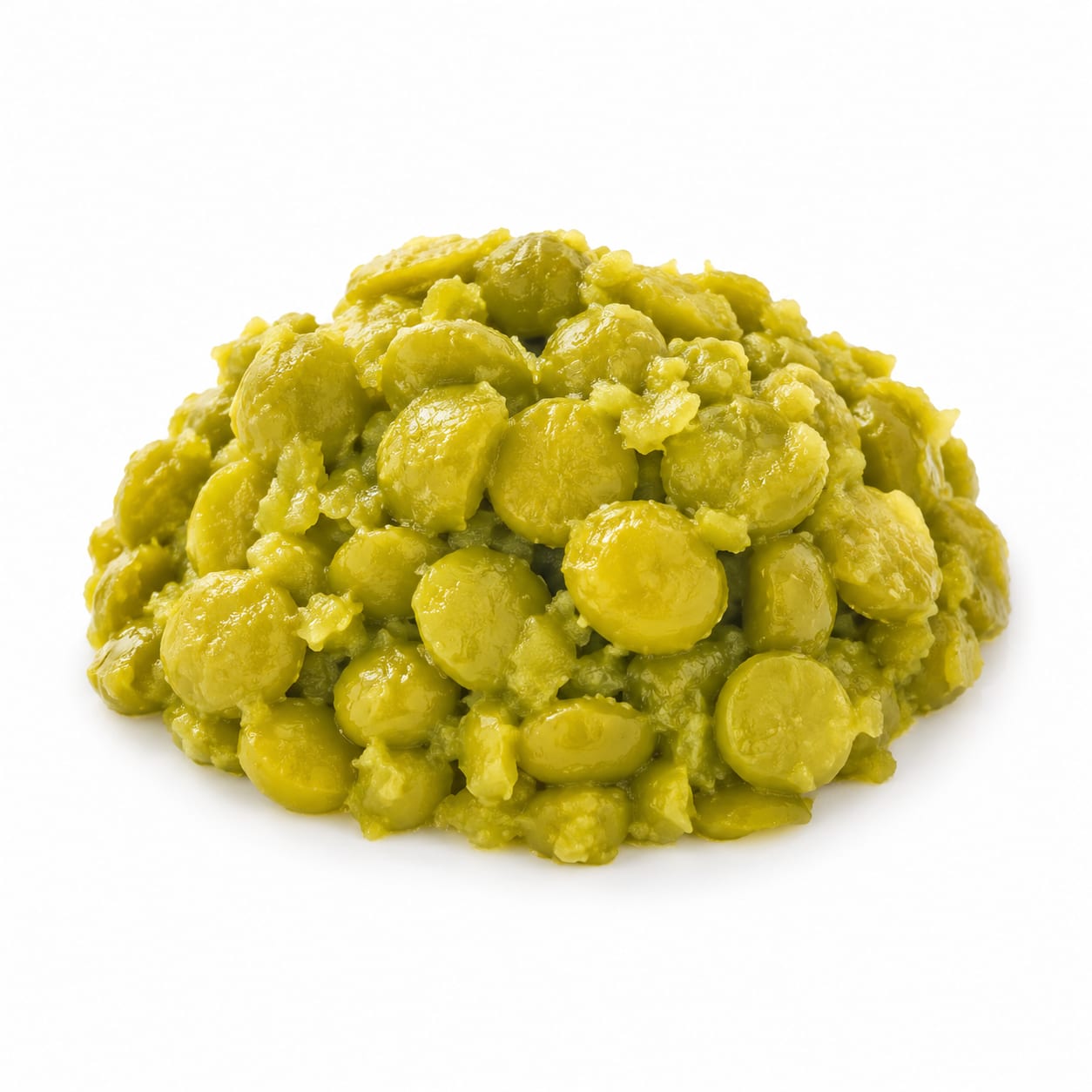
Marrowfat Pea
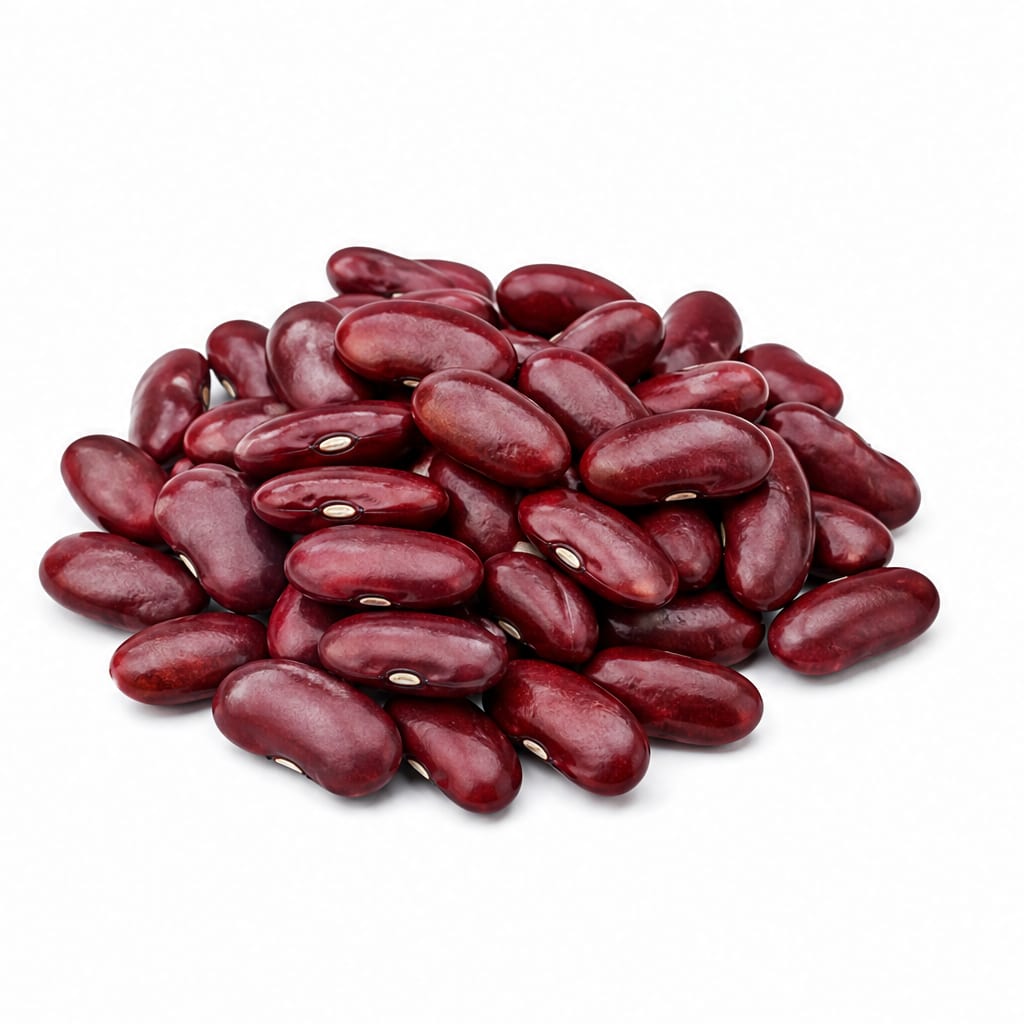
Kidney Beans
Kidney Beans deliver more protein, fiber, and minerals per serving, but Marrowfat Peas are gentler on digestion and carry zero toxin risk.
Kidney Beans score higher due to superior protein, fiber, iron, and mineral content. Marrowfat Peas close the gap with easier digestion, faster cooking, and no toxin risk. The 10-point gap reflects that nutrition usually drives legume choices, but comfort and safety keep Marrowfat Peas competitive.
Nutritional density versus digestive comfort and safety simplicity. Kidney Beans win on raw nutrition; Marrowfat Peas win on ease and peace of mind.
At a glance
Executive summary
Overall
Kidney Beans
Healthier
Kidney Beans
More practical
Marrowfat Pea
Daily use
It depends
Key comparison lenses
plant protein quality and quantity
Both are legumes chosen primarily for protein, so differences in protein content and amino acid profile matter greatly
food safety and preparation risk
Kidney beans carry a unique toxin risk if undercooked, making safety a critical differentiator
digestive tolerance and gas production
Legumes are notorious for causing bloating and digestive discomfort, and tolerance varies significantly between types
blood sugar management
Both are starchy legumes often used as carb sources, so glycemic impact is a key decision factor
mineral density for anemia and bone health
Iron, magnesium, and potassium content differ meaningfully and affect long-term health outcomes
Best choice for
Marrowfat Pea
- People with sensitive digestion or IBS
- Anyone wanting quick, worry-free cooking
- Older adults who need softer, easier-to-chew foods
- Those new to legumes who want a gentle entry point
Kidney Beans
- Athletes and strength trainers needing more protein
- Anyone managing iron deficiency or anemia risk
- People seeking maximum fullness per calorie
- Meal preppers who cook large batches weekly
Least suitable for
Marrowfat Pea
- Those needing high protein intake from plant sources
- Anyone counting on legumes as their primary iron source
- People wanting maximum nutrient density per serving
Kidney Beans
- Anyone prone to skipping the boil step or rushing cooking
- People with severe digestive sensitivity to legumes
- Children who might eat undercooked beans from a salad bar
Deep comparison
Dimension by dimension
Each lens scores both foods and breaks down who each option suits.
- Dimension 1 · Priority 95Kidney Beans
Protein Content and Quality
Marrowfat Pea · 55Kidney Beans · 82Kidney Beans provide roughly 50% more protein per serving than Marrowfat Peas, making them a stronger plant protein source.
Tradeoff
You get more muscle-fueling protein from Kidney Beans, but the difference shrinks if you already eat protein from other sources throughout the day.
Why it matters
For vegetarians and vegans, every gram of protein counts. Kidney Beans make hitting daily targets noticeably easier.
Real-world impact
A single cup of Kidney Beans covers about 30% of daily protein needs versus roughly 20% from Marrowfat Peas. That gap adds up over a week.
Marrowfat Pea
- Lighter meals where you want less protein bulk
- Side dishes accompanying animal protein mains
Better for
- Body recomposition phases requiring high protein
- Plant-based athletes needing efficient protein sources
Worse for
Kidney Beans
- Vegan and vegetarian main dishes
- Post-workout recovery meals
- Anyone trying to reduce meat while maintaining protein
Better for
- Small children who need moderate protein portions
- Meals where protein already comes from other components
Worse for
- Dimension 2 · Priority 90Kidney Beans
Fiber and Satiety
Marrowfat Pea · 62Kidney Beans · 80Kidney Beans offer more total fiber and a better soluble-to-insoluble ratio, keeping you fuller for longer.
Tradeoff
Greater fullness from Kidney Beans comes with more gas potential. Marrowfat Peas are filling enough for most people but less likely to cause bloating.
Why it matters
Fiber drives satiety, gut health, and blood sugar control. The difference here affects how long lunch keeps you going.
Real-world impact
Kidney Beans at lunch can easily keep you full until dinner. Marrowfat Peas might leave you reaching for a snack by mid-afternoon.
Marrowfat Pea
- Smaller appetites who find high-fiber meals uncomfortably heavy
- Evening meals where you want lighter digestion before bed
Better for
- Long workdays without snack access
- Appetite control during calorie deficits
Worse for
Kidney Beans
- Weight loss diets where maximum satiety per calorie matters
- Anyone trying to reduce between-meal snacking
- Gut microbiome optimization with diverse fiber
Better for
- Date nights or social events where bloating is unwelcome
- Back-to-back meetings where digestive discomfort is distracting
Worse for
- Dimension 3 · Priority 88Kidney Beans
Blood Sugar Stability
Marrowfat Pea · 65Kidney Beans · 78Both are low-glycemic legumes, but Kidney Beans have a slightly lower glycemic index and more fiber to slow glucose absorption.
Tradeoff
The glycemic difference is modest. Both are excellent choices compared to grains or potatoes. Kidney Beans edge ahead mainly through higher fiber content.
Why it matters
Steadier blood sugar means fewer energy crashes, better focus, and less craving-driven eating.
Real-world impact
After a Kidney Bean meal, you are less likely to experience that 2pm energy dip. With Marrowfat Peas, the dip might arrive slightly sooner and feel slightly stronger.
Marrowfat Pea
- Pre-workout meals where you want available energy without a spike
- Lighter breakfasts paired with healthy fats
Better for
- Diabetic meal planning where every glycemic point counts
- Metabolic syndrome dietary protocols
Worse for
Kidney Beans
- Type 2 diabetes management
- PCOS-related insulin resistance patterns
- Sedentary workdays with minimal glucose demand
Better for
- Endurance athletes who need faster-available carbohydrate energy
Worse for
- Dimension 4 · Priority 82Kidney Beans
Mineral Density
Marrowfat Pea · 52Kidney Beans · 84Kidney Beans are significantly richer in iron, magnesium, potassium, and zinc. Marrowfat Peas lag noticeably in mineral content.
Tradeoff
Kidney Beans function almost like a natural mineral supplement. Marrowfat Peas provide some minerals but not enough to rely on as a primary source.
Why it matters
Iron deficiency is the world's most common nutrient shortfall. Magnesium supports sleep, stress resilience, and muscle recovery. These minerals matter.
Real-world impact
Regularly choosing Kidney Beans can meaningfully improve iron status over months. Marrowfat Peas contribute but cannot carry this responsibility alone.
Marrowfat Pea
- Diets already rich in red meat or iron supplements where excess iron is a concern
- People monitoring potassium intake for kidney conditions
Better for
- Plant-based eaters not supplementing iron
- Anyone relying on legumes as a mineral cornerstone
Worse for
Kidney Beans
- Menstruating women with higher iron needs
- Vegans and vegetarians at risk for mineral shortfalls
- Older adults needing magnesium for bone and sleep support
Better for
- Hemochromatosis carriers who must limit iron intake
- Renal patients restricting potassium
Worse for
- Dimension 5 · Priority 86Marrowfat Pea
Digestive Comfort and Tolerance
Marrowfat Pea · 82Kidney Beans · 55Marrowfat Peas are softer, produce less gas, and are easier on sensitive stomachs. Kidney Beans are tougher and more likely to cause bloating.
Tradeoff
Comfort comes at the cost of nutrition. You feel better after Marrowfat Peas but get less from them. Kidney Beans deliver more but may make you pay in gas.
Why it matters
The healthiest food only works if you can actually eat it regularly without discomfort. Digestive tolerance determines long-term adherence.
Real-world impact
Marrowfat Peas are a realistic daily legume for sensitive stomachs. Kidney Beans often require portion control or gradual introduction to avoid social discomfort.
Marrowfat Pea
- IBS sufferers exploring legume tolerance
- Office workers who cannot afford afternoon bloating
- Legume beginners building gut bacteria gradually
Better for
- Anyone wanting to maximize nutrient extraction per meal
Worse for
Kidney Beans
- Established legume eaters with adapted gut microbiomes
- High-fiber diets where the body has adjusted to fermentation
Better for
- Social situations where flatulence is embarrassing
- First week of a plant-based diet transition
Worse for
- Dimension 6 · Priority 90Marrowfat Pea
Food Safety and Preparation Risk
Marrowfat Pea · 92Kidney Beans · 50Kidney Beans contain phytohaemagglutinin, a natural toxin that causes severe food poisoning if beans are not boiled for at least 10 minutes. Marrowfat Peas carry no such risk.
Tradeoff
Kidney Beans require strict cooking discipline. One shortcut can lead to nausea, vomiting, and diarrhea. Marrowfat Peas are forgiving and safe even with imperfect cooking.
Why it matters
This is not a theoretical risk. Undercooked Kidney Beans in slow cookers have caused real outbreaks. Safety matters, especially for families.
Real-world impact
Slow-cooking Kidney Beans at low heat without pre-boiling can make an entire household sick within hours. Marrowfat Peas have zero such risk regardless of cooking method.
Marrowfat Pea
- Slow cooker and instant pot users who skip boiling steps
- Families with children who might eat undercooked beans
- Anyone who tends to rush cooking or multitask in the kitchen
Better for
- No meaningful safety downside
Worse for
Kidney Beans
- Disciplined cooks who always soak and boil properly
- Meal preppers using canned Kidney Beans which are pre-cooked safely
Better for
- Camping or dorm cooking with limited boiling capability
- Cold salads using home-cooked beans where thorough boiling is uncertain
Worse for
Timeline
Health impact over time
Short-term
Hours to days
Marrowfat Pea
- Mild, comfortable fullness without heaviness
- Minimal gas and bloating compared to most legumes
- Steady energy without sugar crashes
- Easy digestion suitable for sensitive stomachs
Kidney Beans
- Strong satiety that can feel heavy if overeaten
- Noticeable gas and bloating, especially for unaccustomed eaters
- Very stable energy lasting several hours
- Risk of nausea and vomiting if undercooked due to phytohaemagglutinin
Long-term
Months to years
Marrowfat Pea
- Moderate improvement in fiber intake and gut health
- Some cardiovascular benefit from regular legume consumption
- Lower mineral intake may require supplementation in plant-based diets
- Comfortable daily consumption supports long-term adherence to healthy eating
Kidney Beans
- Significant improvement in iron status and anemia prevention
- Stronger cardiovascular protection from higher fiber and mineral content
- Better blood sugar regulation reducing diabetes risk over time
- Adapted gut microbiome with improved fermentation tolerance over weeks
Risk profile
Safety & processing
Both Marrowfat Peas and Kidney Beans are whole, minimally processed foods in their dried form. Canned versions may contain added sodium, but rinsing removes most of it. Neither carries meaningful additive concerns when purchased as plain dried or canned legumes.
Marrowfat Pea
Minimal contamination risk
lowMarrowfat Peas are dried and stored similarly to other legumes. Proper storage prevents mold, and cooking eliminates any minor bacterial concerns.
Kidney Beans
Phytohaemagglutinin toxicity from undercooking
highRaw or undercooked Kidney Beans contain phytohaemagglutinin, a lectin that causes severe nausea, vomiting, and diarrhea within 1-3 hours. Slow cookers often fail to reach temperatures high enough to destroy this toxin. Always boil Kidney Beans for at least 10 minutes before slow cooking or consuming.
Canned sodium content
mediumCanned Kidney Beans often contain 400-500mg sodium per serving. Rinsing reduces this by roughly 40%, but sodium-conscious individuals should check labels or use dried beans.
Who wins for whom
Audience fit
Same foods, different winners depending on your goal.
children
Marrowfat PeaMarrowfat Peas are softer, milder in flavor, and carry no toxin risk from undercooking. Kidney Beans pose a real safety concern if a child eats partially cooked beans.
daily consumption
It dependsKidney Beans win on nutrition for those with adapted digestion and disciplined cooking habits. Marrowfat Peas win for consistency and comfort in daily use without planning effort.
diabetes
Kidney BeansKidney Beans have a lower glycemic index and more fiber to slow glucose absorption, providing marginally better blood sugar control.
elderly
Marrowfat PeaSofter texture, easier digestion, and zero toxin risk make Marrowfat Peas more suitable for older adults with reduced digestive capacity and cooking vigilance.
muscle gain
Kidney BeansWith roughly 50% more protein per serving, Kidney Beans better support muscle repair and growth, especially in plant-based diets.
weight loss
Kidney BeansKidney Beans provide more fiber and protein per calorie, creating stronger satiety that reduces overall food intake throughout the day.
Your move
Decision guide
Choose Marrowfat Pea
- You have IBS, sensitive digestion, or are new to eating legumes regularly
- You use a slow cooker and sometimes skip pre-boiling steps
- You want a lighter legume that does not dominate the meal with heaviness
- You are cooking for children or elderly family members
- You prefer mushy peas or British-style comfort dishes
Choose Kidney Beans
- You are vegan or vegetarian and need maximum protein and iron from plant sources
- You are an athlete or strength trainer prioritizing muscle recovery
- You always soak and boil your beans properly or use canned varieties
- You want the most filling, nutrient-dense legume for weight management
- You regularly meal prep and can batch-cook beans safely
Either works if
- You eat a varied diet with multiple protein and mineral sources
- You rotate legumes weekly for microbiome diversity
- You are healthy, have no digestive issues, and cook diligently
Avoid both if
- You have a diagnosed legume allergy
- You are in an acute flare of severe IBS and cannot tolerate any fermentable fiber
- You are on a very low-carb or ketogenic diet requiring strict carbohydrate limits
Final recommendation
For most people seeking maximum nutrition, Kidney Beans are the stronger choice, provided you always boil them thoroughly or use canned versions. If digestive comfort, cooking simplicity, or child safety are higher priorities, Marrowfat Peas are the smarter daily legume. The best approach for long-term health is rotating both: Kidney Beans for nutrient density on days you cook properly, Marrowfat Peas for easy comfort when you want something gentler.
Practical
Consumer tips
- 1
Always boil Kidney Beans for at least 10 minutes before slow cooking. Slow cookers alone do not reach safe temperatures to destroy phytohaemagglutinin.
- 2
Canned Kidney Beans are pre-cooked and safe to use directly. Rinse them to remove about 40% of added sodium.
- 3
If legumes cause you gas, start with small portions of Marrowfat Peas and gradually increase over two weeks. Your gut bacteria will adapt.
- 4
Soaking dried legumes overnight and discarding the water reduces gas-producing oligosaccharides by up to 75%.
- 5
Pair either legume with vitamin C-rich foods like bell peppers or tomatoes to boost iron absorption by 2-3x.
- 6
Marrowfat Peas mash beautifully into dips and spreads, making them more versatile than most people realize.
- 7
Rotate between different legumes weekly to feed your gut microbiome a diverse fiber portfolio.