
Nutrition comparison
Marrowfat Peas vs Black Beans: Nutrition, Fiber, Protein and Health Comparison
Compare Marrowfat Peas and Black Beans side by side. Discover which legume offers more protein, fiber, iron, and antioxidants for your health goals.
Overall winner · Black Beans
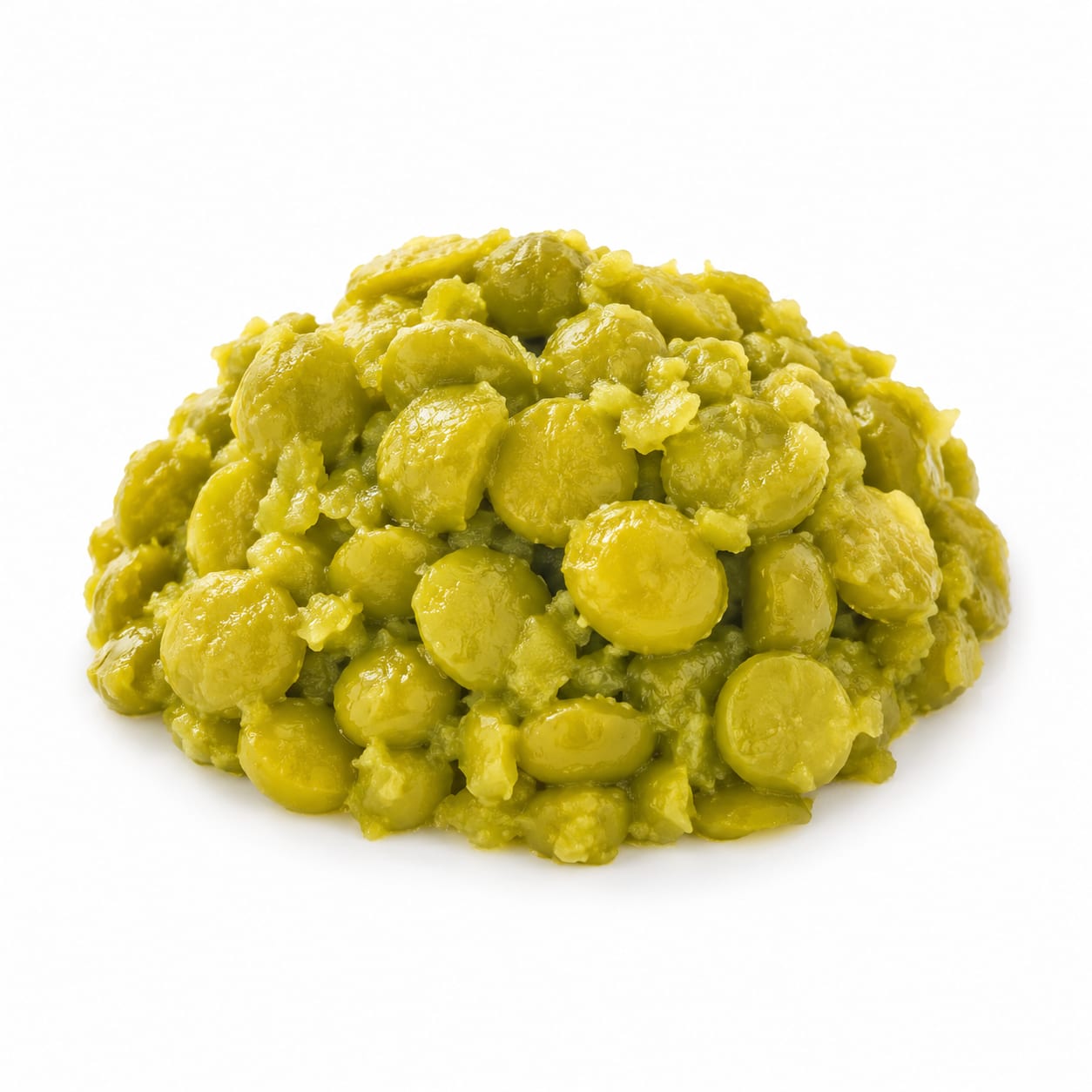
Marrowfat Pea
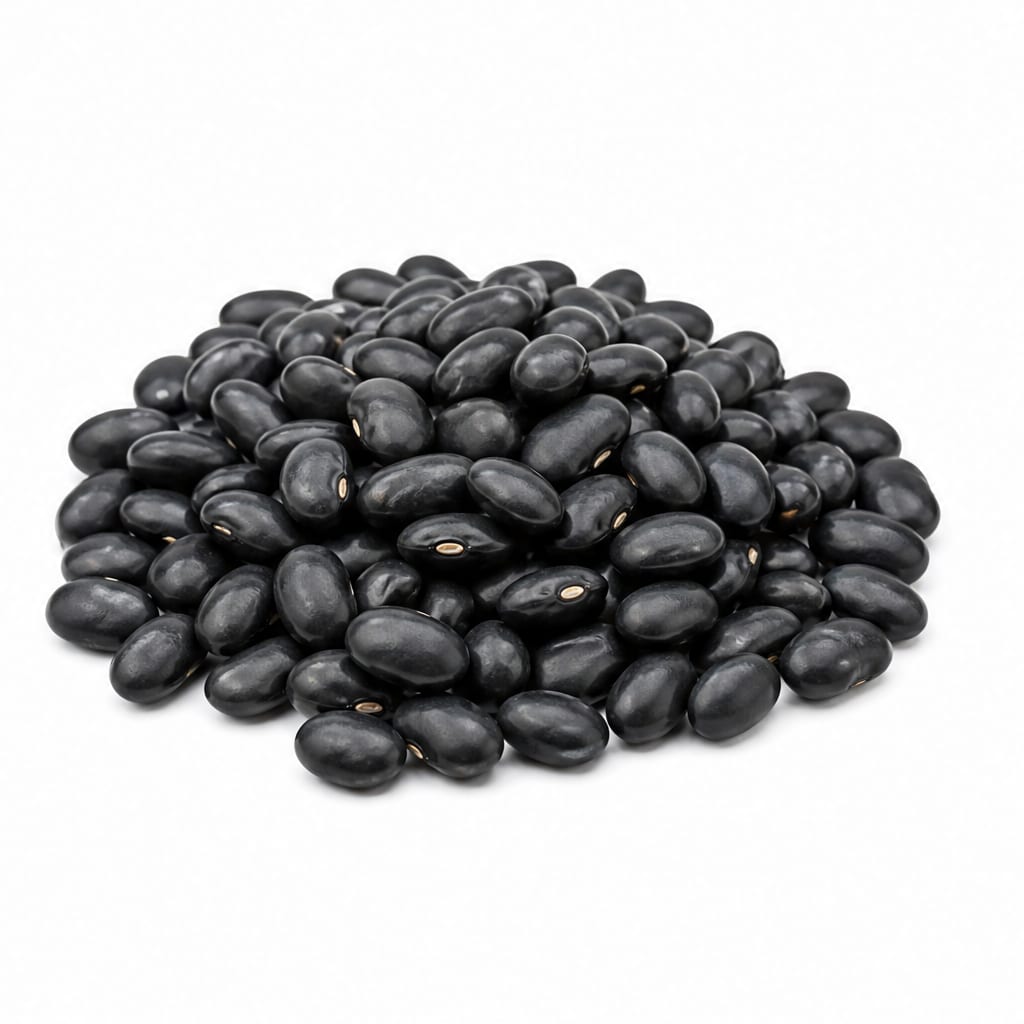
Black Beans
Black Beans edge ahead with more protein, far more fiber, and a superior antioxidant profile, though Marrowfat Peas remain a solid, comforting legume choice with slightly fewer calories.
Black Beans score notably higher due to superior fiber, protein, iron, folate, and antioxidant content. Marrowfat Peas are nutritionally respectable but less dense across most metrics that matter for daily health decisions.
You trade a lighter, softer-textured pea with slightly lower calories for the denser nutrition, higher fiber, and deeper antioxidant power of Black Beans.
At a glance
Executive summary
Overall
Black Beans
Healthier
Black Beans
More practical
It depends
Daily use
Black Beans
Key comparison lenses
plant-based protein quality comparison
Both are legumes relied on for protein, so amino acid profile and protein density matter deeply
fiber type and digestive impact
Fiber content and type differ significantly, affecting satiety, digestion, and gut health outcomes
antioxidant and micronutrient density
Black beans bring anthocyanins; marrowfat peas offer different phytonutrients — this shapes long-term health value
blood sugar management and glycemic load
Both are starchy legumes, but their glycemic responses differ enough to matter for diabetics and energy stability
culinary versatility and meal integration
How easily each fits into everyday meals determines whether people actually eat them consistently
Best choice for
Marrowfat Pea
- Lighter meals where lower calorie density matters
- Traditional British dishes like mushy peas or pie accompaniments
- People who find darker legumes harder to digest
- Those wanting a softer, creamier texture without extended cooking
Black Beans
- Plant-based eaters maximizing protein and iron intake
- Anyone prioritizing gut health and digestive regularity
- Latin American and Caribbean cuisine integration
- Long-term disease prevention through antioxidant intake
Least suitable for
Marrowfat Pea
- Those needing high fiber intake for digestive regularity
- People managing diabetes who need very low glycemic loads
- Anyone seeking maximum micronutrient density per calorie
Black Beans
- People sensitive to higher fiber loads who experience bloating
- Those wanting a milder, less earthy flavor profile
- Quick-cook meal scenarios where soaking time is impractical
Deep comparison
Dimension by dimension
Each lens scores both foods and breaks down who each option suits.
- Dimension 1 · Priority 92Black Beans
Protein Density and Quality
Marrowfat Pea · 62Black Beans · 78Black Beans deliver roughly 25% more protein per serving, making them more reliable for muscle maintenance and satiety on plant-based diets.
Tradeoff
Marrowfat Peas still provide decent protein but require larger portions to match Black Beans gram-for-gram.
Why it matters
For vegetarians and vegans, every gram of protein counts. Black Beans close the gap more efficiently.
Real-world impact
A single cup of Black Beans gets you notably closer to your daily protein target than the same volume of Marrowfat Peas.
Marrowfat Pea
- Meals where protein is already supplied by another source
Better for
- Body recomposition phases where protein efficiency matters
Worse for
Black Beans
- Plant-based main dishes relying on legumes as the primary protein
- Post-workout recovery meals
- Anyone tracking protein macros closely
Better for
- Meals where you want a lighter protein presence
Worse for
- Dimension 2 · Priority 88Black Beans
Fiber Content and Gut Health
Marrowfat Pea · 55Black Beans · 85Black Beans contain roughly 50% more fiber per serving, dramatically supporting digestive regularity and gut microbiome health.
Tradeoff
That extra fiber can mean more bloating initially if your body is not accustomed to high-fiber foods.
Why it matters
Most people fall far short of daily fiber recommendations. Black Beans are one of the most efficient ways to close that gap.
Real-world impact
Regular Black Bean consumption tends to improve bowel regularity noticeably within days. Marrowfat Peas help, but less dramatically.
Marrowfat Pea
- People with sensitive digestion who need moderate fiber
- Transitioning to higher fiber diets gradually
Better for
- Those specifically trying to increase daily fiber intake
Worse for
Black Beans
- Anyone struggling with constipation or irregularity
- Gut microbiome optimization through prebiotic fiber
- Appetite management between meals
Better for
- Sudden introduction without gradual adaptation can cause discomfort
Worse for
- Dimension 3 · Priority 85Black Beans
Antioxidant and Phytonutrient Profile
Marrowfat Pea · 45Black Beans · 88The dark seed coat of Black Beans is packed with anthocyanins — the same antioxidant family found in blueberries — giving them a major edge in cellular protection.
Tradeoff
Marrowfat Peas offer some carotenoids and phenolic compounds but at significantly lower concentrations.
Why it matters
Chronic disease prevention is largely driven by consistent antioxidant intake over years, not single meals.
Real-world impact
Regularly choosing Black Beans over lighter-colored legumes is a small but meaningful investment in long-term inflammation control.
Marrowfat Pea
- Situations where antioxidant density is not a priority
Better for
- Those specifically seeking high-antioxidant foods
Worse for
Black Beans
- Long-term cardiovascular and cancer risk reduction
- Anti-inflammatory eating patterns
- Anyone with family history of chronic disease
Better for
- Not applicable — this is a clear strength
Worse for
- Dimension 4 · Priority 82Black Beans
Micronutrient Density
Marrowfat Pea · 58Black Beans · 84Black Beans dominate in iron, folate, magnesium, and potassium — all nutrients where most diets fall short.
Tradeoff
Marrowfat Peas offer decent B vitamins and some potassium but cannot match the mineral breadth of Black Beans.
Why it matters
Folate is critical for cell repair and pregnancy. Iron deficiency is the world's most common nutrient shortfall.
Real-world impact
A cup of Black Beans provides roughly 40% of daily folate needs. Marrowfat Peas cover less than half that.
Marrowfat Pea
- Casual side dish use where micronutrient density is less critical
Better for
- Those relying on a single legume for broad mineral coverage
Worse for
Black Beans
- Pregnant women or those planning pregnancy needing folate
- Anyone at risk of iron deficiency
- Electrolyte replenishment through potassium and magnesium
Better for
- Not applicable — micronutrient density is a clear strength
Worse for
- Dimension 5 · Priority 80Black Beans
Blood Sugar Stability
Marrowfat Pea · 64Black Beans · 79Both legumes have moderate glycemic loads, but Black Beans' higher fiber and protein content slows glucose absorption more effectively.
Tradeoff
Marrowfat Peas are still far better than most starches for blood sugar, just not quite as stabilizing as Black Beans.
Why it matters
Steadier blood sugar means fewer energy crashes, reduced cravings, and better metabolic health over time.
Real-world impact
After a Black Bean-based meal, you are less likely to feel hungry again within two hours compared to Marrowfat Peas.
Marrowfat Pea
- Lighter meals where you want moderate but not heavy satiety
Better for
- Those needing maximum glycemic control
Worse for
Black Beans
- Diabetes management and insulin sensitivity
- Sustained energy through long workdays
- Preventing afternoon energy crashes
Better for
- Not applicable — blood sugar stability is a strength
Worse for
- Dimension 6 · Priority 72Marrowfat Pea
Calorie Efficiency
Marrowfat Pea · 76Black Beans · 68Marrowfat Peas offer slightly fewer calories per serving while still providing reasonable nutrition, making them marginally better for calorie-conscious eating.
Tradeoff
The calorie difference is modest — you save roughly 15-20 calories per cup but sacrifice significant fiber and micronutrients.
Why it matters
For strict calorie counters, every saved calorie creates room elsewhere in the budget.
Real-world impact
The difference is real but small. Over a week it amounts to roughly 100-140 calories saved — meaningful only in aggressive cutting phases.
Marrowfat Pea
- Strict calorie-counting phases
- Weight loss plans where every calorie matters
Better for
- Those who would overeat later due to lower satiety
Worse for
Black Beans
- Situations where calorie density is less important than nutrient density
- Active individuals needing more food energy
Better for
- Very low-calorie diet protocols
Worse for
- Dimension 7 · Priority 75It depends
Culinary Versatility and Convenience
Marrowfat Pea · 70Black Beans · 72Black Beans integrate into more global cuisines and dish types, but Marrowfat Peas offer unique comfort food appeal and faster cooking from dried.
Tradeoff
Black Beans require longer soaking and cooking, while Marrowfat Peas can be prepared more quickly and have a softer, more comforting texture.
Why it matters
The best legume nutritionally is the one you actually enjoy and cook regularly.
Real-world impact
If you love Latin flavors, Black Beans are effortless to include daily. If British pub fare is your comfort zone, Marrowfat Peas feel more natural.
Marrowfat Pea
- British and Northern European recipe traditions
- Quick-cook dried legume needs
- Comfort food textures — soft, creamy, mild
Better for
- Recipes requiring a firm, intact bean texture
Worse for
Black Beans
- Latin American, Caribbean, and South Asian cuisines
- Soups, stews, burritos, bowls, and salads
- Dishes where the bean should hold its shape firmly
Better for
- Dishes needing a soft, mushy, or creamy consistency
Worse for
Timeline
Health impact over time
Short-term
Hours to days
Marrowfat Pea
- Moderate satiety from protein and starch combination
- Gentle on digestion for most people due to lower fiber load
- Steady but slightly faster energy release compared to Black Beans
Black Beans
- Strong satiety that can suppress hunger for hours
- Potential gas and bloating if introduced too quickly
- Very stable energy with minimal blood sugar spikes
Long-term
Months to years
Marrowfat Pea
- Decent cardiovascular support from fiber and potassium
- Moderate contribution to digestive health
- Some chronic disease risk reduction but less than darker legumes
Black Beans
- Significant cardiovascular protection from soluble fiber and antioxidants
- Robust gut microbiome support through high prebiotic fiber
- Meaningful reduction in oxidative stress and inflammation markers
- Strong association with longevity in Blue Zones dietary research
Risk profile
Safety & processing
Both Marrowfat Peas and Black Beans are whole, minimally processed foods when bought dried or canned with minimal ingredients. Watch for added salt in canned versions of either — rinsing reduces sodium by roughly 40%.
Marrowfat Pea
Added sodium in canned versions
mediumCanned marrowfat peas often contain significant added salt. Rinsing helps, but choosing dried or low-sodium canned options is better.
Pesticide residue on conventionally grown crops
lowPeas are not among the highest pesticide-residue crops, but organic options reduce exposure further.
Black Beans
Added sodium in canned versions
mediumCanned Black Beans frequently contain 400-500mg sodium per serving. Rinsing or choosing no-salt-added versions mitigates this.
Phytic acid reducing mineral absorption
lowAll legumes contain phytic acid, which can reduce iron and zinc absorption. Soaking and cooking largely deactivates it.
Pesticide residue on conventionally grown crops
lowBlack Beans are typically low on pesticide concern lists, though organic options exist for the cautious.
Who wins for whom
Audience fit
Same foods, different winners depending on your goal.
children
Marrowfat PeaMarrowfat Peas have a milder flavor and softer texture that children often accept more readily than the earthier, firmer Black Beans.
daily consumption
Black BeansThe broader micronutrient profile and higher fiber make Black Beans a more complete daily staple for long-term health.
diabetes
Black BeansHigher fiber content slows glucose absorption more aggressively, leading to flatter blood sugar curves after meals.
elderly
Black BeansOlder adults benefit most from the superior folate, iron, and fiber in Black Beans, supporting cardiovascular health and digestion.
muscle gain
Black BeansMore protein per serving and better iron availability support muscle repair and growth more effectively.
weight loss
Black BeansHigher fiber and protein in Black Beans create stronger satiety signals, making it easier to eat less overall despite slightly more calories per serving.
Your move
Decision guide
Choose Marrowfat Pea
- You prefer milder flavors and softer textures in your meals
- You are cooking British-inspired dishes where Marrowfat Peas are traditional
- You are gradually increasing fiber intake and need a gentler starting point
- You are in a strict calorie-cutting phase and every calorie matters
- You want a legume that cooks faster from dried
Choose Black Beans
- You want maximum nutritional return per serving
- Gut health and digestive regularity are priorities
- You eat Latin American, Caribbean, or plant-forward cuisines regularly
- You are managing blood sugar, iron levels, or cardiovascular risk
- You want the strongest satiety to reduce snacking between meals
Either works if
- You simply want a healthy legume to add to soups or stews
- You are rotating through different legumes for dietary diversity
- Both are available and you want variety in your week
Avoid both if
- You have a diagnosed legume allergy
- You are in an acute flare of IBS and your dietitian has recommended temporary legume restriction
- You are on a very low-carb or ketogenic diet that cannot accommodate starchy legumes
Final recommendation
Make Black Beans your default legume for daily nutrition — their fiber, protein, iron, folate, and antioxidant advantages are too significant to ignore. Keep Marrowfat Peas in rotation for comfort meals, lighter dishes, and culinary variety. The best approach is eating both across the week, but if you must choose one staple, Black Beans give you more health value per bite.
Practical
Consumer tips
- 1
Buy dried versions of both when possible — they are cheaper, lower in sodium, and have better texture than canned
- 2
If using canned, always rinse thoroughly to remove roughly 40% of the added sodium
- 3
Soak dried Black Beans overnight to reduce cooking time and phytic acid content
- 4
Marrowfat Peas cook faster than Black Beans from dried — roughly 45 minutes versus 90 minutes without soaking
- 5
Add a strip of kombu seaweed when cooking either legume — it helps reduce gas-causing oligosaccharides
- 6
Freeze cooked batches in portion-sized containers for instant meal prep throughout the week
- 7
Pair either legume with a vitamin C source like bell peppers or tomatoes to dramatically boost iron absorption