
Nutrition comparison
Marrowfat Peas vs Chickpeas: Nutrition, Protein, and Which Is Better for You
Compare marrowfat peas and chickpeas side by side. Find out which legume has more protein, fewer calories, better fiber, and which fits your diet goals best.
Overall winner · Chickpeas
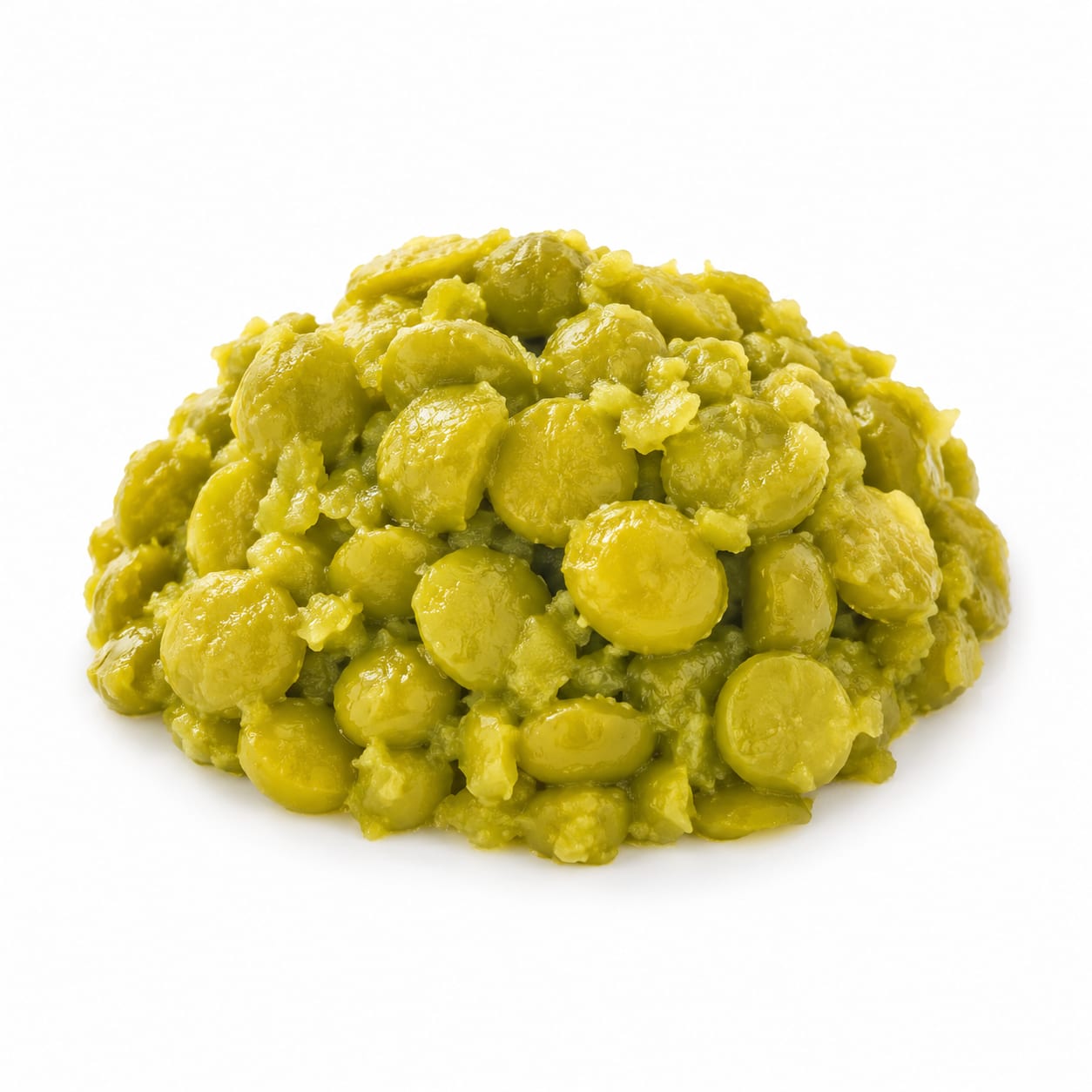
Marrowfat Pea
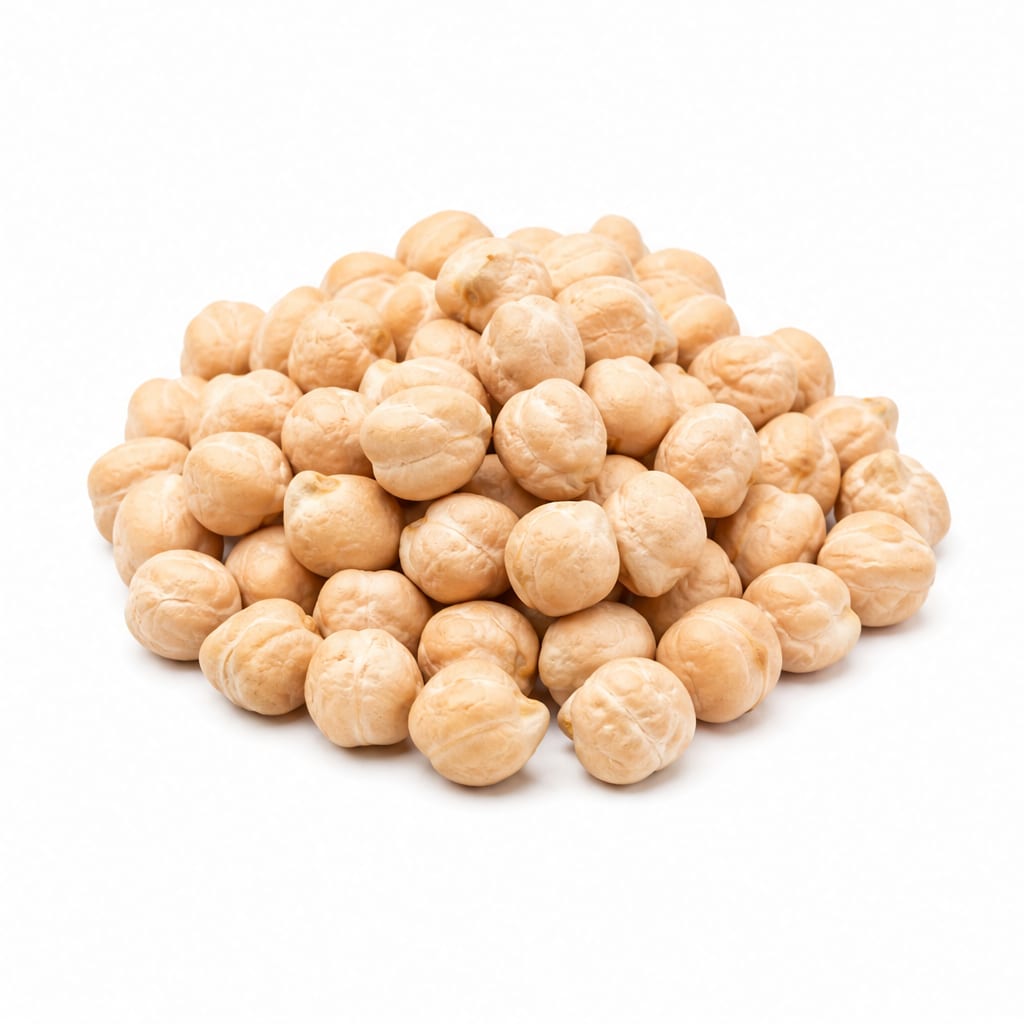
Chickpeas
Chickpeas win on protein, fiber, and versatility, but marrowfat peas are the lighter, lower-calorie option when you want something filling without the energy load.
Chickpeas score notably higher due to superior protein, fiber, micronutrient density, and unmatched culinary versatility. Marrowfat peas remain a solid choice for lower-calorie contexts but lack the all-round nutritional punch and recipe flexibility.
Chickpeas deliver more nutrition per bite but at nearly double the calories. Marrowfat peas are gentler on your calorie budget but less protein-dense.
At a glance
Executive summary
Overall
Chickpeas
Healthier
Chickpeas
More practical
Chickpeas
Daily use
Chickpeas
Key comparison lenses
protein quality and quantity for plant-based meals
Both are staple legumes often chosen as protein sources in vegetarian and vegan diets, so protein content and completeness matters deeply
calorie density and weight management suitability
Marrowfat peas are significantly lower in calories per serving, making this a key decision factor for calorie-conscious eaters
digestive tolerance and gas production
Legumes are notorious for causing bloating, and users want to know which is gentler on the stomach
culinary versatility and meal integration
Chickpeas appear in everything from hummus to curries to salads, while marrowfat peas are more niche, affecting how easily people can incorporate them
blood sugar stability
Both are carbohydrate-rich legumes, so glycemic impact is a real concern for diabetics and energy-sensitive users
Best choice for
Marrowfat Pea
- People counting calories who still want filling meals
- Those preferring a lighter, less dense legume side dish
- Traditional British cuisine enthusiasts making mushy peas or pie accompaniments
- Anyone finding chickpeas too heavy or bloating
Chickpeas
- Plant-based eaters needing reliable protein intake
- Meal preppers wanting one versatile legume for multiple recipes
- Active people needing sustained energy and muscle support
- Anyone building balanced bowls, curries, or dips
Least suitable for
Marrowfat Pea
- Athletes or bodybuilders needing high protein from legumes
- People wanting one staple legume for diverse recipes
- Those unfamiliar with British-style pea preparations
Chickpeas
- Strict calorie restrictors finding legumes too energy-dense
- People with severe chickpea-specific sensitivities or allergies
- Those wanting a very light side dish without heaviness
Deep comparison
Dimension by dimension
Each lens scores both foods and breaks down who each option suits.
- Dimension 1 · Priority 92Chickpeas
Protein Content and Quality
Marrowfat Pea · 55Chickpeas · 82Chickpeas deliver roughly 50% more protein per serving, making them a far more reliable plant-based protein anchor.
Tradeoff
You get more protein with chickpeas but also more calories. Marrowfat peas offer less protein per bite but a better protein-to-calorie ratio if you are strictly watching intake.
Why it matters
For vegetarians and vegans, every gram of protein counts. Chickpeas make hitting daily targets noticeably easier.
Real-world impact
A cup of chickpeas gets you close to 15g of protein versus roughly 8-9g from marrowfat peas. That difference compounds across a week of meals.
Marrowfat Pea
- Lower calorie protein source for light meals
Better for
- Muscle-building phases requiring high protein
Worse for
Chickpeas
- Post-workout recovery meals
- Building satisfying plant-based main dishes
- Hitting higher daily protein targets
Better for
- Very low-calorie diet phases
Worse for
- Dimension 2 · Priority 85Chickpeas
Fiber and Digestive Health
Marrowfat Pea · 70Chickpeas · 84Chickpeas provide more fiber per serving, supporting better gut health and longer-lasting fullness.
Tradeoff
More fiber means better satiety but also more potential for gas and bloating, especially if your body is not used to high-fiber legumes.
Why it matters
Fiber is the unsung hero of metabolic health, blood sugar control, and appetite regulation. Chickpeas simply deliver more of it.
Real-world impact
Chickpeas can keep you full for 3-4 hours after a meal. Marrowfat peas are satisfying too, but hunger tends to creep back sooner.
Marrowfat Pea
- Those transitioning to high-fiber diets who need a gentler starting point
Better for
- Chronic constipation or low fiber intake needing correction
Worse for
Chickpeas
- Improving gut microbiome diversity
- Managing appetite between meals
- Supporting regular digestion long-term
Better for
- Sensitive digestive systems prone to bloating from high fiber
Worse for
- Dimension 3 · Priority 85Marrowfat Pea
Calorie Density and Weight Management
Marrowfat Pea · 84Chickpeas · 62Marrowfat peas are roughly half the calories per cup compared to chickpeas, making them the better choice when calories are the priority.
Tradeoff
Fewer calories means less energy and less protein per serving. You may need larger portions or additional protein sources to feel satisfied.
Why it matters
For anyone tracking calories, this difference is substantial. You could eat nearly twice the volume of marrowfat peas for the same calorie cost.
Real-world impact
A full cup of marrowfat peas runs about 80-100 calories versus 160-180 for chickpeas. That margin matters when you are cutting.
Marrowfat Pea
- Calorie-deficit diets where volume eating helps
- Light lunches that should not leave you sluggish
Better for
- Endurance athletes needing calorie-dense fuel
Worse for
Chickpeas
- Active days needing more fuel
- Bulking phases where calorie density is an advantage
Better for
- Weight loss phases requiring strict calorie control
Worse for
- Dimension 4 · Priority 78Chickpeas
Micronutrient Density
Marrowfat Pea · 65Chickpeas · 80Chickpeas offer more iron, folate, manganese, and copper per serving, giving them a clear micronutrient edge.
Tradeoff
Marrowfat peas still provide decent B vitamins and iron but at lower absolute amounts due to their lower calorie and overall nutrient density.
Why it matters
Micronutrient gaps are common in plant-based diets. Chickpeas help close those gaps more effectively per serving.
Real-world impact
A serving of chickpeas covers about 25% of your daily iron needs versus roughly 15% from marrowfat peas. Over time, that difference affects energy levels.
Marrowfat Pea
- Those already eating a varied nutrient-rich diet
Better for
- Anyone relying heavily on legumes for iron and B vitamins
Worse for
Chickpeas
- Plant-based eaters at risk of iron and folate deficiency
- Pregnant women needing folate support
Better for
- People already meeting micronutrient needs through other foods
Worse for
- Dimension 5 · Priority 78Chickpeas
Culinary Versatility
Marrowfat Pea · 45Chickpeas · 90Chickpeas are one of the most versatile legumes on earth. Marrowfat peas are more limited in how they are typically used.
Tradeoff
Chickpeas can become hummus, falafel, curry, soup, salad topping, or roasted snack. Marrowfat peas shine in fewer contexts, mostly traditional British dishes.
Why it matters
Versatility determines whether you actually eat the food regularly or it sits in your pantry unused.
Real-world impact
Most people can find 5-10 easy chickpea recipes they enjoy. Marrowfat peas often require more effort to integrate into varied meals.
Marrowfat Pea
- Traditional British recipes and comfort food nights
Better for
- Anyone wanting one legume that works in many dishes
Worse for
Chickpeas
- Meal prep with multiple recipe variations
- Exploring global cuisines from Middle Eastern to Indian
- Quick weeknight cooking with pantry staples
Better for
- Authentic British pub-style dishes
Worse for
- Dimension 6 · Priority 75It depends
Blood Sugar Stability
Marrowfat Pea · 74Chickpeas · 76Both have low glycemic index scores thanks to their fiber and protein content. Chickpeas edge slightly ahead due to higher protein slowing glucose absorption more.
Tradeoff
The difference is small. Both are excellent choices compared to refined carbs. Portion size matters more than which legume you pick.
Why it matters
Steady blood sugar means fewer energy crashes and less cravings between meals.
Real-world impact
Either legume will give you steadier energy than rice, bread, or pasta. The practical difference between them is minimal for most people.
Marrowfat Pea
- Smaller meals where you want gentle energy without heaviness
Better for
- Meals needing long-lasting satiety to prevent snacking
Worse for
Chickpeas
- Larger meals where sustained energy over hours matters more
Better for
- Small snacks where the calorie load feels excessive
Worse for
Timeline
Health impact over time
Short-term
Hours to days
Marrowfat Pea
- Lighter post-meal feeling with less digestive heaviness
- Moderate satiety that may require sooner snacking
- Lower risk of bloating compared to chickpeas for sensitive individuals
Chickpeas
- Stronger and longer-lasting fullness after meals
- Higher chance of gas or bloating if you are not used to the fiber load
- More sustained energy for 3-4 hours after eating
Long-term
Months to years
Marrowfat Pea
- Decent fiber intake supporting gut health, though less than chickpeas
- Lower calorie intake contributing to easier weight maintenance
- Adequate but not outstanding micronutrient support
Chickpeas
- Superior gut microbiome support from higher fiber diversity
- Better iron and folate status reducing fatigue risk
- Stronger cardiovascular benefits from higher soluble fiber intake
Risk profile
Safety & processing
Both marrowfat peas and chickpeas are whole, minimally processed legumes when bought dried or canned with just water and salt. Canned versions may contain added sodium, so rinsing is recommended for both. Neither raises ultra-processing concerns.
Marrowfat Pea
Sodium in canned versions
mediumCanned marrowfat peas can contain 300-500mg sodium per serving. Rinsing reduces this significantly. Choose reduced-sodium options when possible.
Pesticide residue on conventionally grown peas
lowDried legumes generally have lower pesticide residues than fresh produce. Washing and cooking further reduce any remaining traces.
Chickpeas
Sodium in canned chickpeas
mediumSimilar to marrowfat peas, canned chickpeas can pack 400-600mg sodium per cup. Rinsing removes about 35-40% of the sodium.
Lectin content in undercooked chickpeas
mediumRaw or undercooked chickpeas contain lectins that can cause digestive distress. Thorough cooking eliminates this risk entirely.
Pesticide residue on conventionally grown chickpeas
lowChickpeas are not typically high on pesticide concern lists. Drying and cooking processes minimize residues.
Who wins for whom
Audience fit
Same foods, different winners depending on your goal.
children
ChickpeasChickpeas are more nutrient-dense per bite, which matters for growing bodies with smaller appetites. Hummus is also a kid-friendly entry point.
daily consumption
ChickpeasChickpeas offer more nutritional return per serving and fit into a wider range of daily meals, making them easier to eat consistently without boredom.
diabetes
ChickpeasBoth have low glycemic loads, but chickpeas have slightly more protein and fiber to slow glucose absorption, giving a marginal edge for blood sugar stability.
elderly
ChickpeasHigher protein and micronutrient density helps counter age-related muscle loss and nutrient absorption decline. The fiber also supports regularity.
muscle gain
ChickpeasChickpeas deliver significantly more protein per serving and pair better with higher-calorie muscle-building diets.
weight loss
Marrowfat PeaMarrowfat peas provide filling fiber and protein at roughly half the calorie cost of chickpeas, making it easier to stay in a deficit while feeling satisfied.
Your move
Decision guide
Choose Marrowfat Pea
- You are actively cutting calories and want volume without the energy load
- You find chickpeas too heavy or bloating for regular meals
- You love traditional British dishes like mushy peas or pie and mash
- You want a lighter legume side that does not dominate the plate
Choose Chickpeas
- You are plant-based and need reliable, higher protein from legumes
- You want one versatile legume for meal prep across multiple recipes
- You are active and need calorie-dense fuel that keeps you full
- You want to maximize fiber and micronutrient intake per serving
Either works if
- You simply want a healthy legume to replace refined carbs in meals
- You are mixing legumes into soups or stews where either works
- You are already eating a varied diet and the difference is marginal
- You want better blood sugar control compared to grains or bread
Avoid both if
- You have a diagnosed legume allergy
- You are in an acute flare of IBS and your dietitian has paused legumes
- You cannot tolerate any FODMAPs temporarily
Final recommendation
Chickpeas are the stronger all-round choice for most people thanks to higher protein, fiber, and unmatched recipe versatility. But marrowfat peas deserve a real place in your rotation if you want something lighter on the stomach and the calorie count. The best approach is keeping both in your pantry: chickpeas for main meals and protein-forward dishes, marrowfat peas for lighter sides and calorie-conscious days.
Practical
Consumer tips
- 1
Rinse canned versions of both legumes thoroughly to remove about 35-40% of the sodium
- 2
If bloating is an issue, start with smaller portions and gradually increase over two weeks to let your gut adapt
- 3
Soak dried chickpeas for 8-12 hours before cooking to reduce cooking time and improve digestibility
- 4
Marrowfat peas cook faster than chickpeas from dried, making them more convenient for last-minute meals
- 5
Add a splash of lemon juice or vinegar to legume dishes to improve iron absorption by up to 6 times
- 6
Roast chickpeas with spices for a crunchy snack that replaces processed chips
- 7
Freeze cooked legumes in portion-sized bags for instant meal additions without the wait
- 8
Pair either legume with a grain like rice or quinoa to form a complete protein profile