
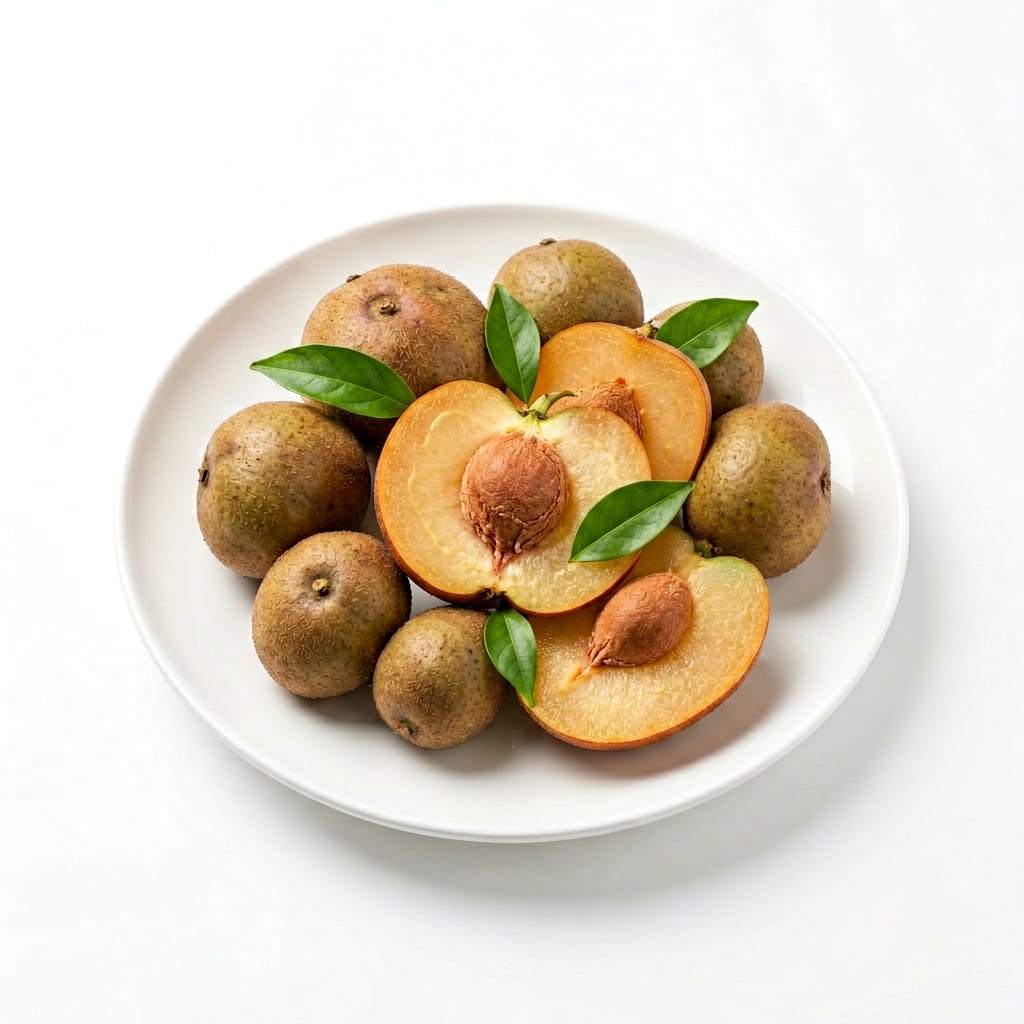
Tropical Fruit
Mangrove Fruit
A fibrous, astringent tropical fruit from coastal mangrove trees, known for its high antioxidant and fiber content.
Edible fruit produced by mangrove trees, commonly found in coastal regions of Southeast Asia, often consumed raw, pickled, or processed into juice and jam.
high-fiber low-glycemic tropical fruit
Typical serving · 100g
Common varieties · Sonneratia (Pedada), Bruguiera (Lindur), Rhizophora (Bakau), Avicennia (Api-api)
Overall context score across nutrition, safety, and diet fit
At a glance
Quick facts
Simple indicators based on nutrition, processing, and diet fit.
The story
What makes it unique
Mangrove fruit is a low-calorie, high-fiber tropical fruit with astringent properties due to tannins. It digests slowly, promoting prolonged satiety and stable blood sugar levels. Its macronutrient profile is dominated by complex carbohydrates and fiber, with minimal fat or protein.
Varieties: Sonneratia (Pedada) · Bruguiera (Lindur) · Rhizophora (Bakau) · Avicennia (Api-api)
Per 100g
Nutrition breakdown
Macro balance and key metrics at a glance.
Energy
Density 0.45 kcal/g
Protein
Carbs
Fat
Fiber
Sugar
3 g
Sodium
15 mg
Potassium
180 mg
Glycemic index
30
Glycemic load
3
Water content
85%
Standout compounds
Nutrient highlights
Dietary Fiber
highPromotes satiety and supports digestive regularity
Tannins
highProvides antioxidant and anti-inflammatory properties
Vitamin C
moderateSupports immune function and collagen synthesis
Flavonoids
moderateHelps reduce oxidative stress and cellular damage
Wellness map
Health scores & processing
NOVA processing scale
Minimally processed · Whole food
Typically consumed raw, pickled, or juiced without industrial processing when sourced directly from the tree.
Diet compatibility
- Weight loss
- Muscle gain
- Diabetes
- Gut health
- Low carb
- High protein
- Heart health
Relative standing
Food rankings
Qualitative ranks compared to similar whole foods.
- Satietygood
- Blood sugarexcellent
- Nutrient densitygood
- Fitness fuelpoor
- Processing qualityexcellent
Eat with confidence
Food safety profile
Mangrove fruits grow in coastal intertidal zones, meaning they can filter and accumulate heavy metals or pollutants from the water. Sourcing from clean, unpolluted waters is essential.
Evidence confidence 65%
- Pesticideslow
- Antibioticslow
- Heavy metalsmoderate
- Contaminationmoderate
Watch for
- Heavy metals (lead, mercury)
- Waterborne pollutants
- Sediment microbes
Safer choices
Commercially packaged mangrove fruit products from verified clean regions
Prep tips
Wash thoroughly under running water to remove sediment and salt. Boiling or soaking can reduce tannin content and potential surface contaminants.
Harvested from coastal ecosystems which may accumulate environmental pollutants; limited commercial regulation compared to standard agricultural crops.
Deep dive
Health analysis
How this food may fit different goals and preparation choices.
Weight loss
Low energy density and high fiber content create a strong satiety response, helping to reduce overall calorie intake.
Blood sugar
Low glycemic index and high fiber slow glucose absorption, preventing sharp blood sugar spikes.
Fitness & energy
Provides slow-releasing carbohydrates suitable for light activity, but lacks the quick energy or protein needed for intense workouts.
Gut health
Dietary fiber supports healthy bowel movements and feeds gut microbiota, though excessive tannins may have an astringent, constipating effect.
Processing quality
Usually consumed in its natural state or traditionally preserved, retaining its native nutrient profile.
Food safety
Primary concern is the bioaccumulation of heavy metals from coastal waters; sourcing from clean environments is critical.
Common mistakes
Eating large quantities raw due to the high tannin content, which can cause severe digestive upset.
Best preparation
Soaking in saltwater or boiling to reduce astringency and tannins, or processing into jams and juices.
Practical guide
Best use cases
When and how this food fits real eating patterns.
High-volume low-calorie eating
Provides physical fullness with minimal caloric load due to high water and fiber content.
Blood sugar friendly snacking
Low glycemic impact makes it a safe fruit choice for glucose management.
Traditional culinary ingredient
Used in pickles, jams, and syrups in coastal tropical cuisines.
Balance sheet
Pros & cons
Upsides
- Low calorie density supports weight management
- High fiber slows digestion and stabilizes blood sugar
- Rich in antioxidants like tannins and flavonoids
- Minimal processing retains natural nutrient profile
Trade-offs
- High tannin content can cause nausea or constipation if overconsumed
- Astringent taste is unappealing to many palates
- Risk of heavy metal accumulation from coastal growing environments
- Limited availability outside of tropical regions
Fit check
Who is it for?
Great match
- blood sugar control
- high-volume eating
- antioxidant supplementation
Consider alternatives
- muscle building
- quick pre-workout energy
- those with sensitive digestion to tannins
Side by side
How it compares
Open the full head-to-head analysis for nutrition, safety, and practical tradeoffs.
This food
Mangrove Fruit
VS85% alike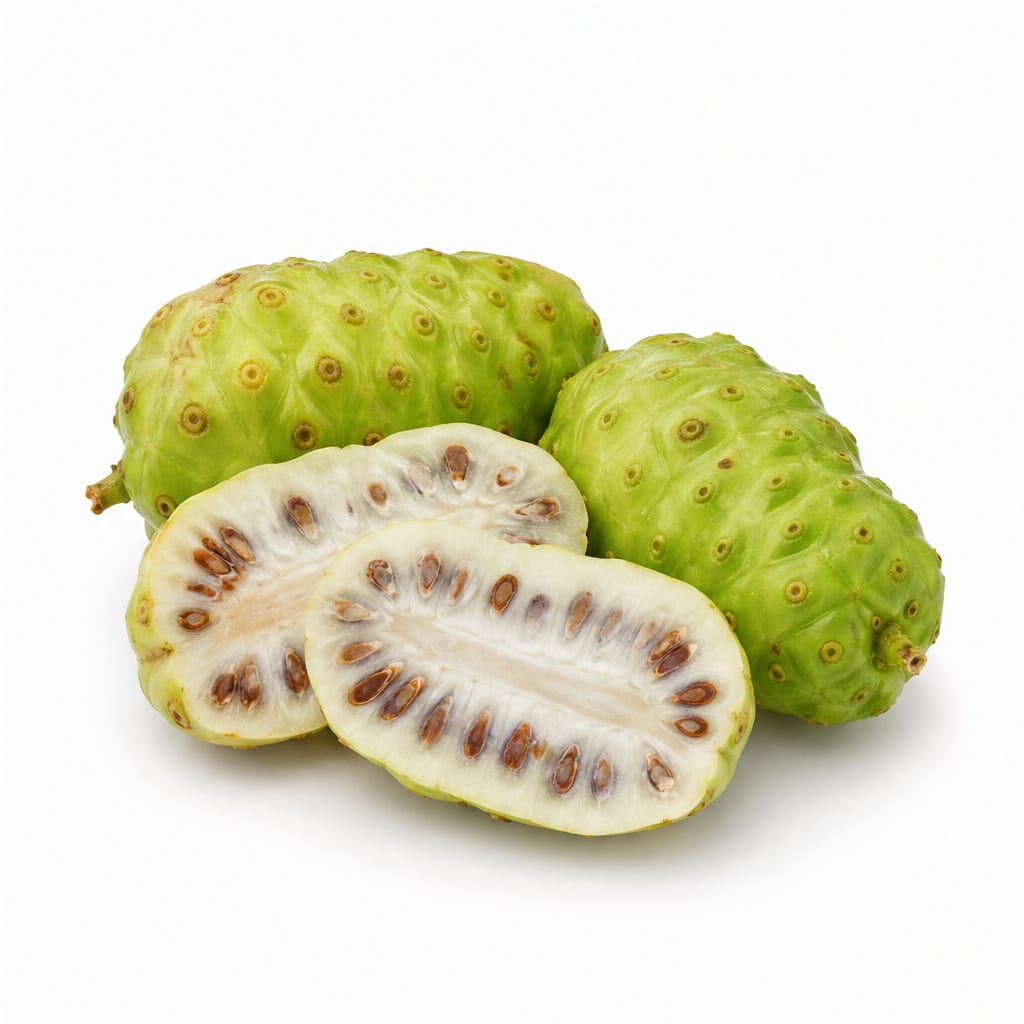
Compare with
Noni Fruit
Mangrove fruit is more fibrous and less pungent than noni, making it easier to consume in culinary dishes.
Mangrove fruit offers more fiber and better satiety than noni fruit, while both provide strong antioxidant benefits.
This food
Mangrove Fruit
VS80% alike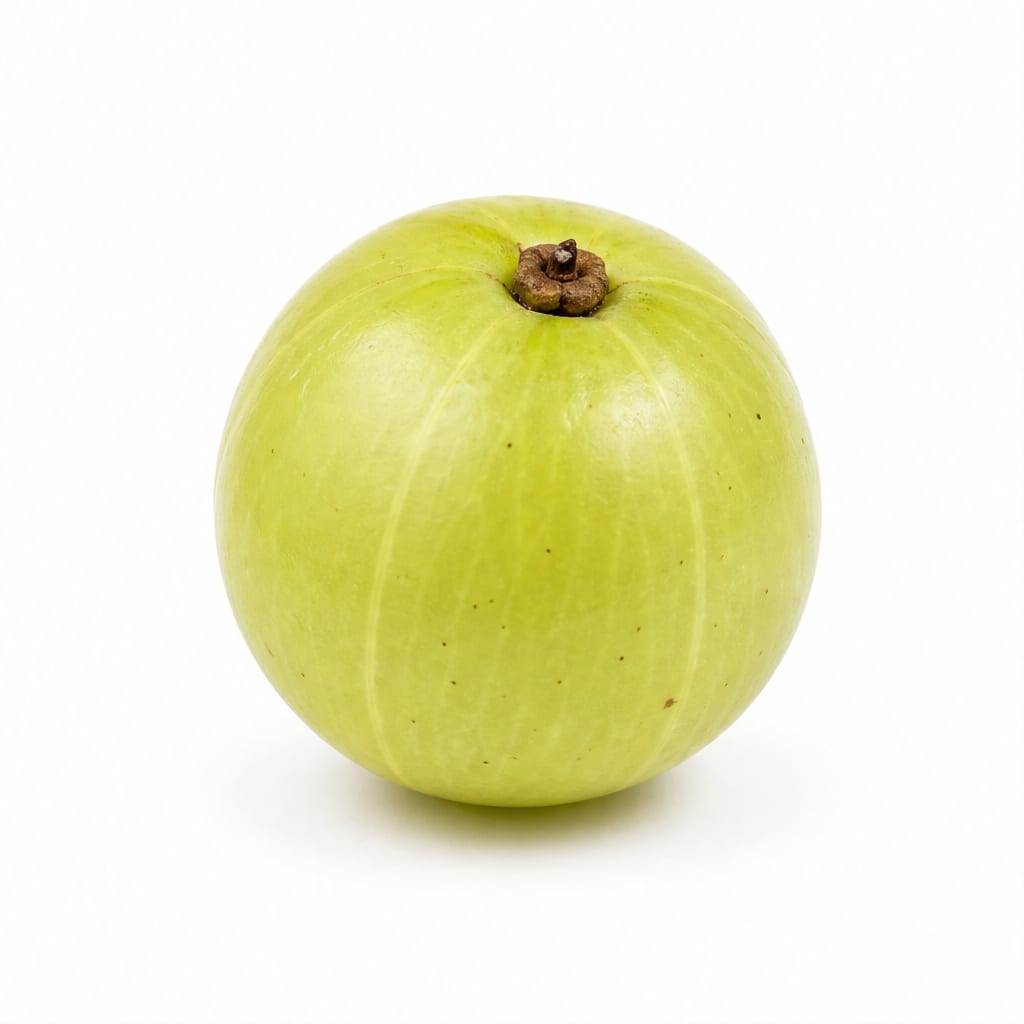
Compare with
Amla
Amla provides vastly more Vitamin C, while mangrove fruit offers slightly better fiber for digestion.
Amla is a superior source of Vitamin C, whereas mangrove fruit provides more dietary fiber for gut health.
This food
Mangrove Fruit
VS75% alike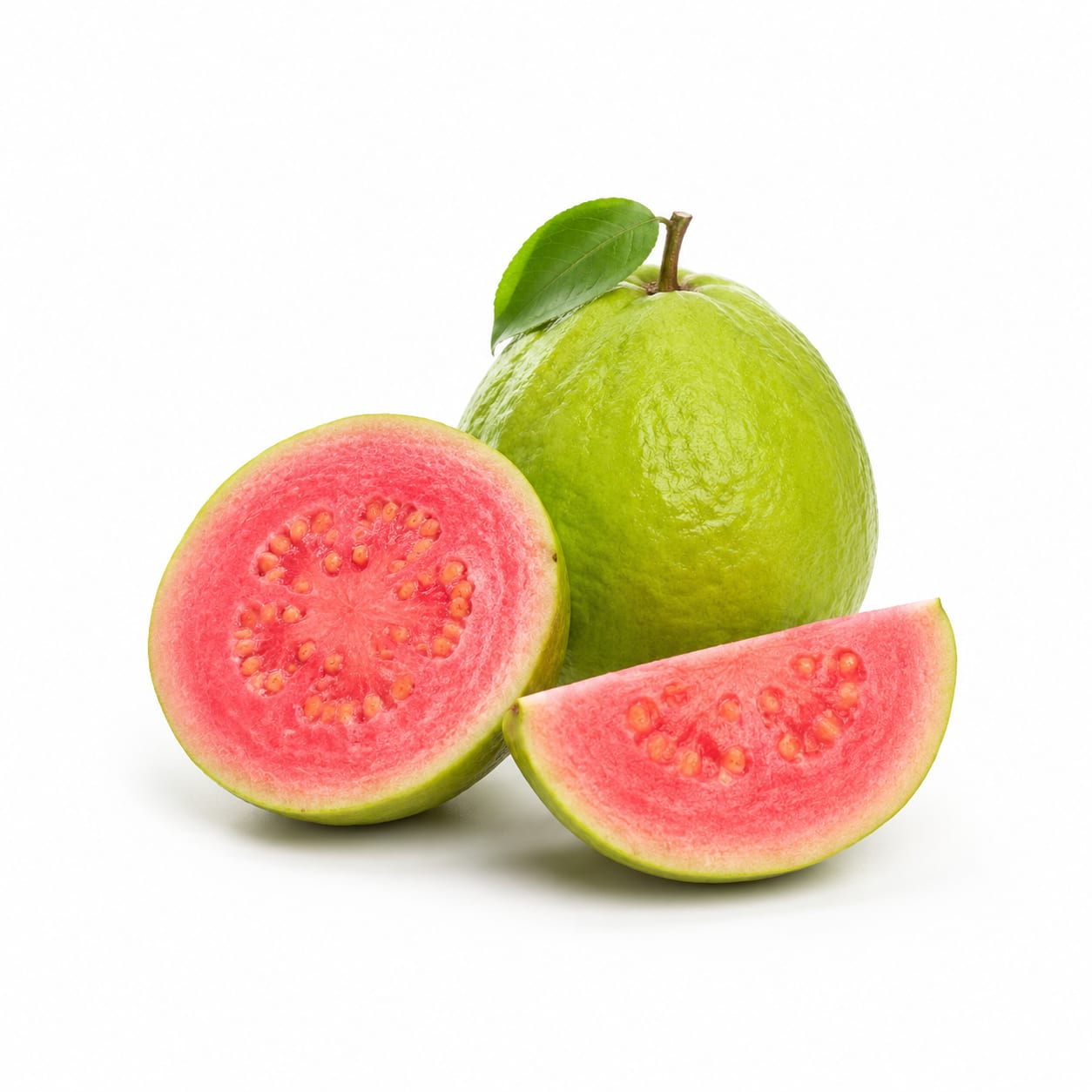
Compare with
Guava
Guava is sweeter, more protein-rich, and more widely available, while mangrove fruit is lower in sugar.
Guava offers more protein and sweetness, while mangrove fruit is lower in sugar and calories for stricter diets.
This food
Mangrove Fruit
VS70% alike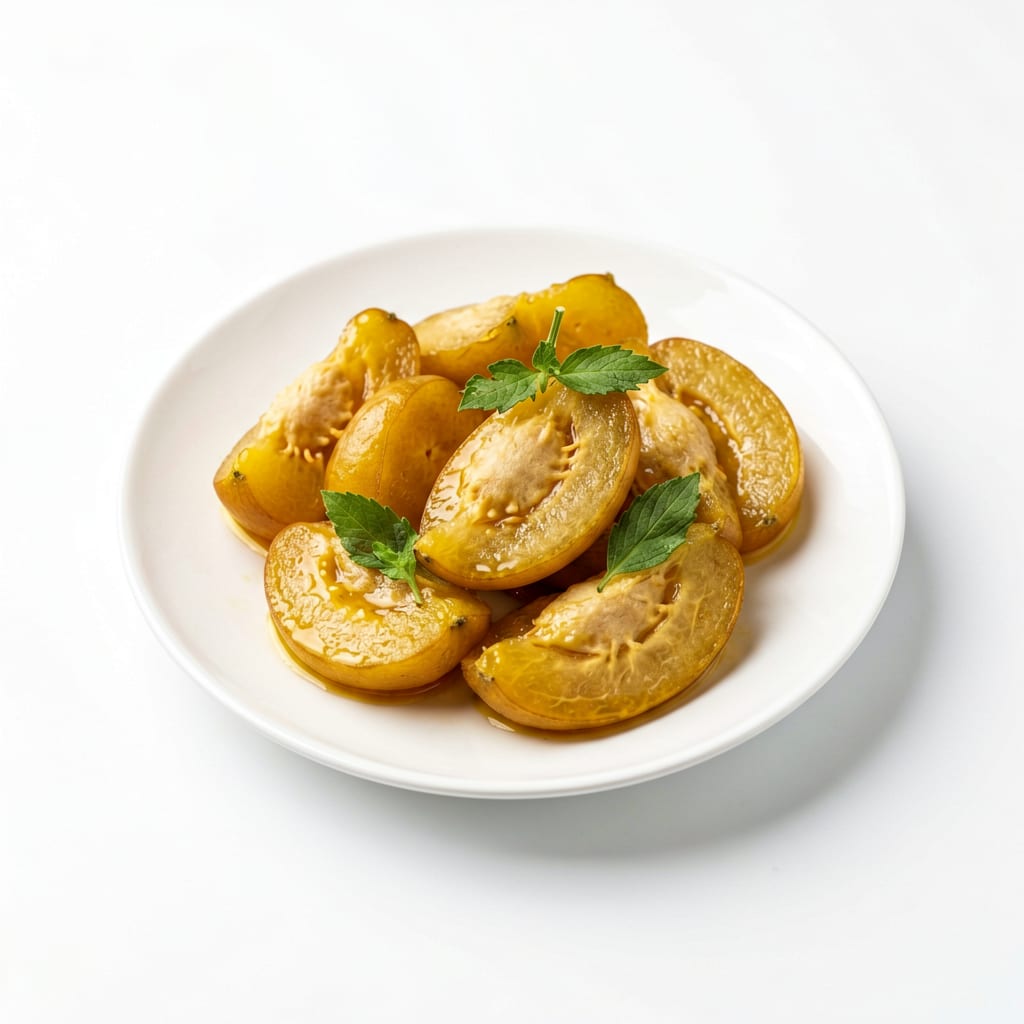
Compare with
Tamarind
Tamarind is much higher in sugar and calories, whereas mangrove fruit is a lighter, low-glycemic choice.
Mangrove fruit is significantly lower in sugar and calories than tamarind, making it better for blood sugar control.
This food
Mangrove Fruit
VS65% alike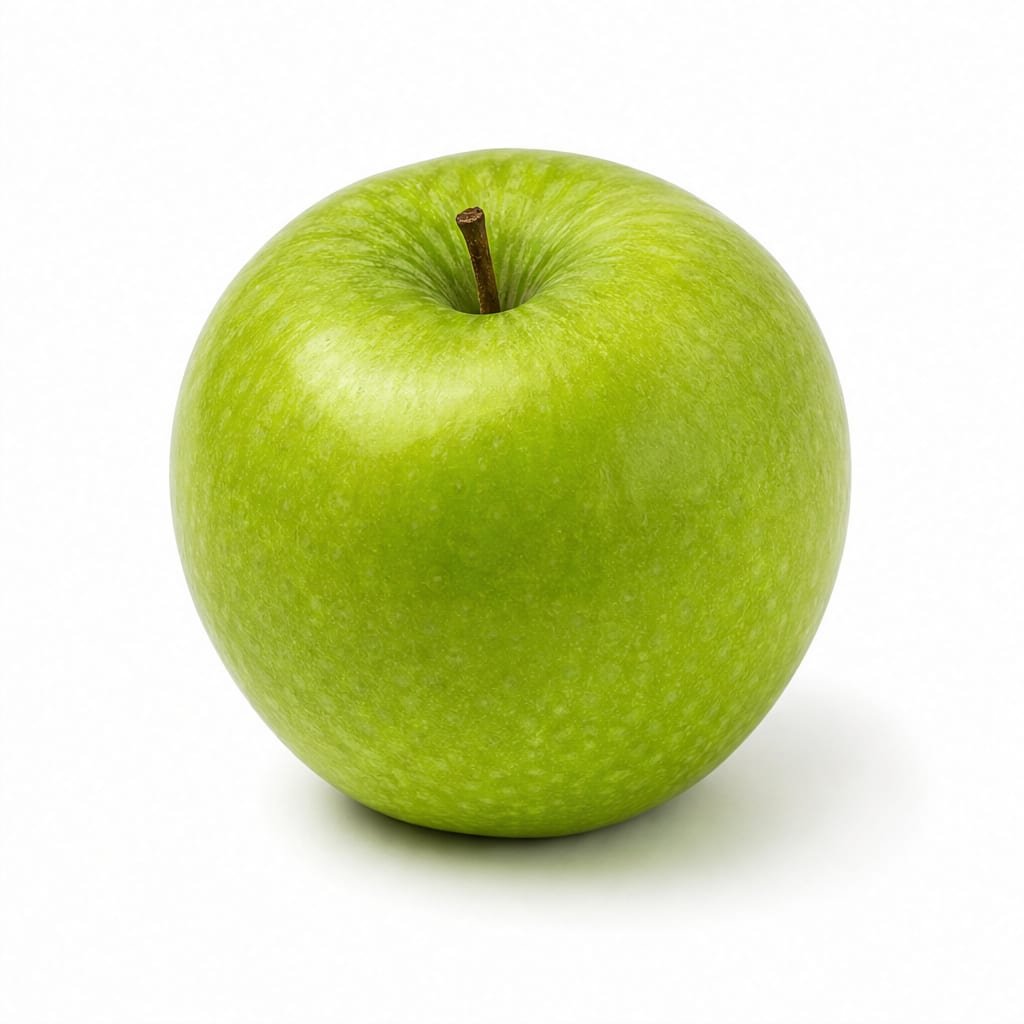
Compare with
Green Apple
Green apple is more accessible and crisp, while mangrove fruit has a lower glycemic index and higher antioxidant tannins.
Green apples are crunchier and more accessible, but mangrove fruit offers a lower glycemic impact for diabetics.
This food
Mangrove Fruit
VS65% alike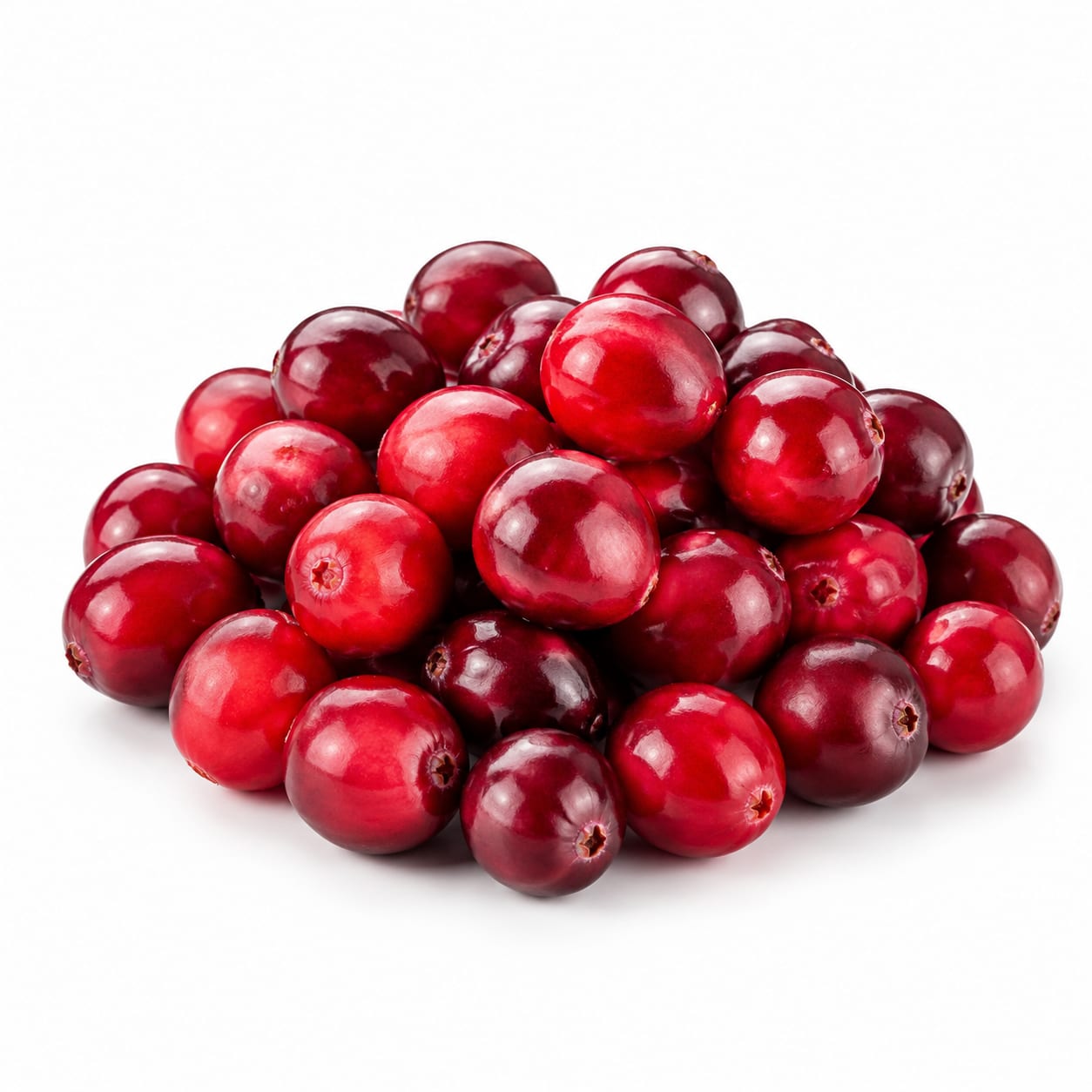
Compare with
Cranberry
Both are tart and antioxidant-rich, but cranberries are typically consumed dried with added sugar, making fresh mangrove fruit lower in calories.
Fresh mangrove fruit is lower in sugar than typically consumed cranberry products, offering better weight loss support.
This food
Mangrove Fruit
VS60% alike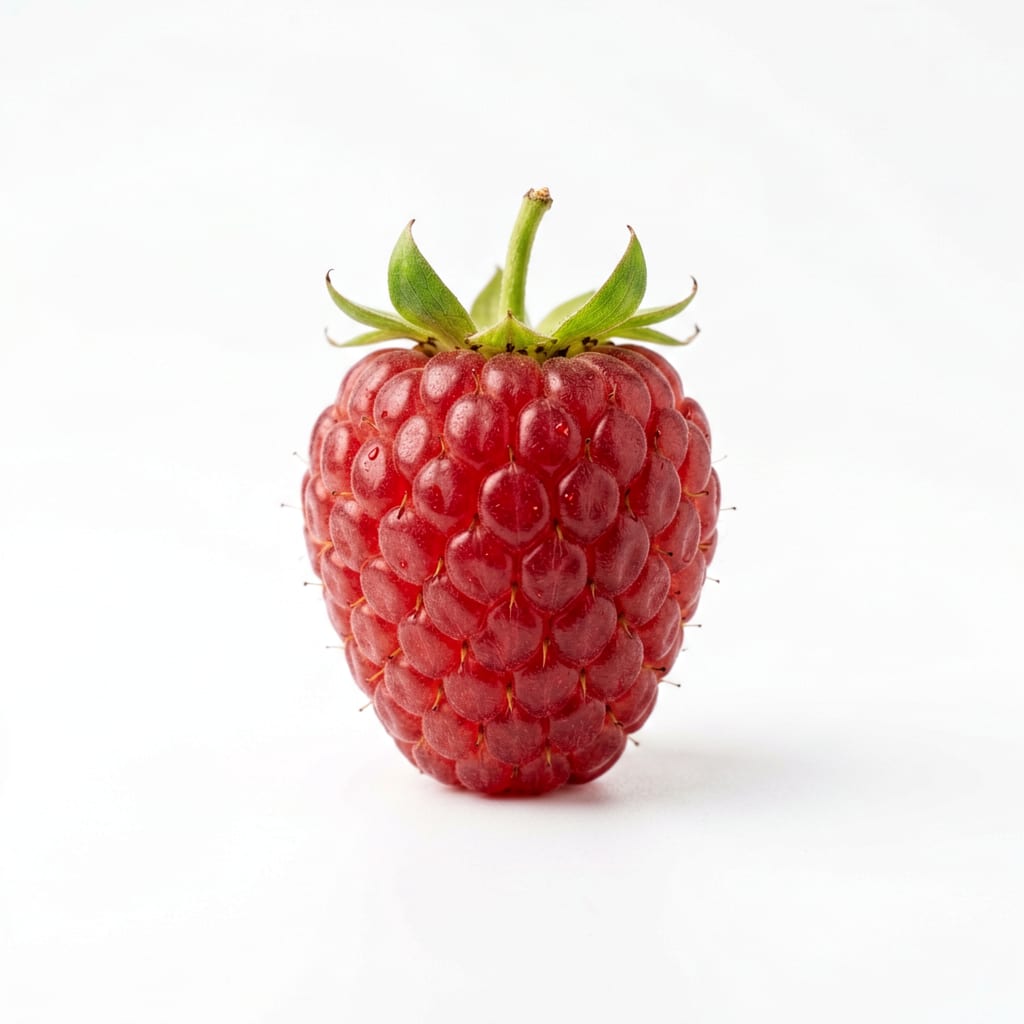
Compare with
Raspberry
Raspberries are sweeter and more widely available, while mangrove fruit offers unique coastal antioxidants.
Raspberries and mangrove fruit are both excellent high-fiber, low-calorie choices, but raspberries are far more accessible.
This food
Mangrove Fruit
VS50% alike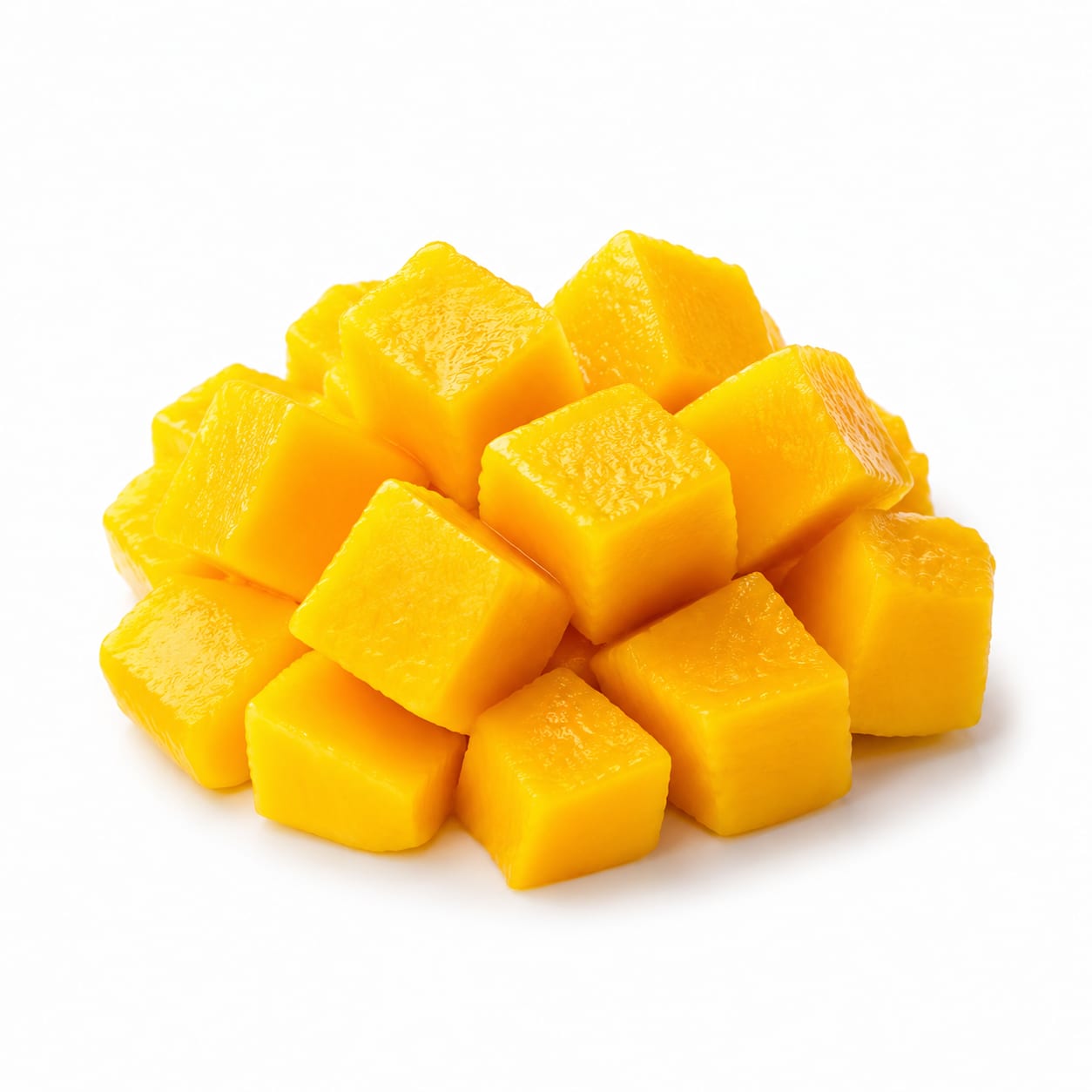
Compare with
Mango
Mango is high in sugar and calories, whereas mangrove fruit is a low-sugar, high-fiber alternative.
Mangrove fruit is a much better choice than mango for blood sugar control and low-calorie diets due to its low sugar content.
This food
Mangrove Fruit
VS45% alike
Compare with
Banana
Bananas provide quick energy and potassium, while mangrove fruit provides fiber and low-glycemic benefits.
Bananas are better for quick workout fuel, but mangrove fruit is superior for weight loss and blood sugar management.
This food
Mangrove Fruit
VS40% alike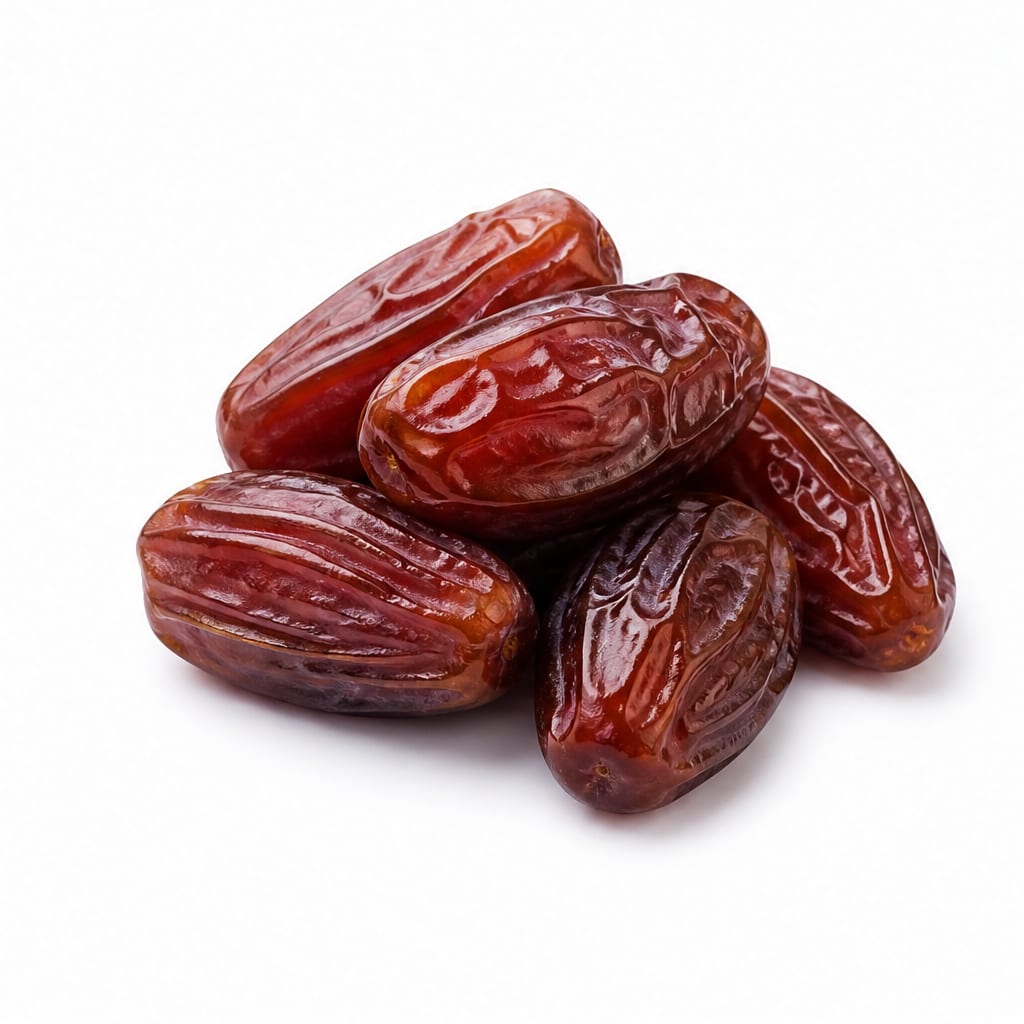
Compare with
Dates
Dates are extremely high in sugar and calories, whereas mangrove fruit is a low-energy, high-fiber food.
Mangrove fruit is drastically lower in sugar and calories compared to dates, making it ideal for weight loss over energy loading.
Common questions
FAQ
Answers aligned with how people search for this food.
Is mangrove fruit edible?
Yes, several varieties like Sonneratia and Bruguiera are edible and commonly consumed in Southeast Asia.
What does mangrove fruit taste like?
It has an astringent, sour, and slightly sweet taste with a fibrous texture.
Can diabetics eat mangrove fruit?
Yes, its low glycemic index and high fiber content make it suitable for blood sugar control.
How do you prepare mangrove fruit?
It is often soaked or boiled to reduce astringency, then eaten raw, pickled, or made into juice and jam.
Is mangrove fruit good for weight loss?
Yes, it is low in calories and high in fiber, which helps increase feelings of fullness.
Are there any side effects of eating mangrove fruit?
Eating large amounts raw can cause digestive upset due to high tannin content.
Where can I buy mangrove fruit?
It is rarely found in standard supermarkets but may be available in local Southeast Asian markets or specialized online stores.
Does mangrove fruit contain heavy metals?
Because mangroves filter coastal water, they can accumulate heavy metals, so sourcing from clean waters is important.
Transparency
Data confidence
Estimated confidence for nutrition data, interpretation, safety notes, and comparisons.
Nutrition data
Health analysis
Food safety
Comparisons