
Nutrition comparison
Mangrove Fruit vs Noni Fruit: Safety, Taste, and Health Benefits Compared
Comparing Mangrove Fruit and Noni Fruit for safety, medicinal value, and everyday usability. Learn which tropical fruit is better for daily use and what risks to watch for.
Overall winner · Mangrove Fruit
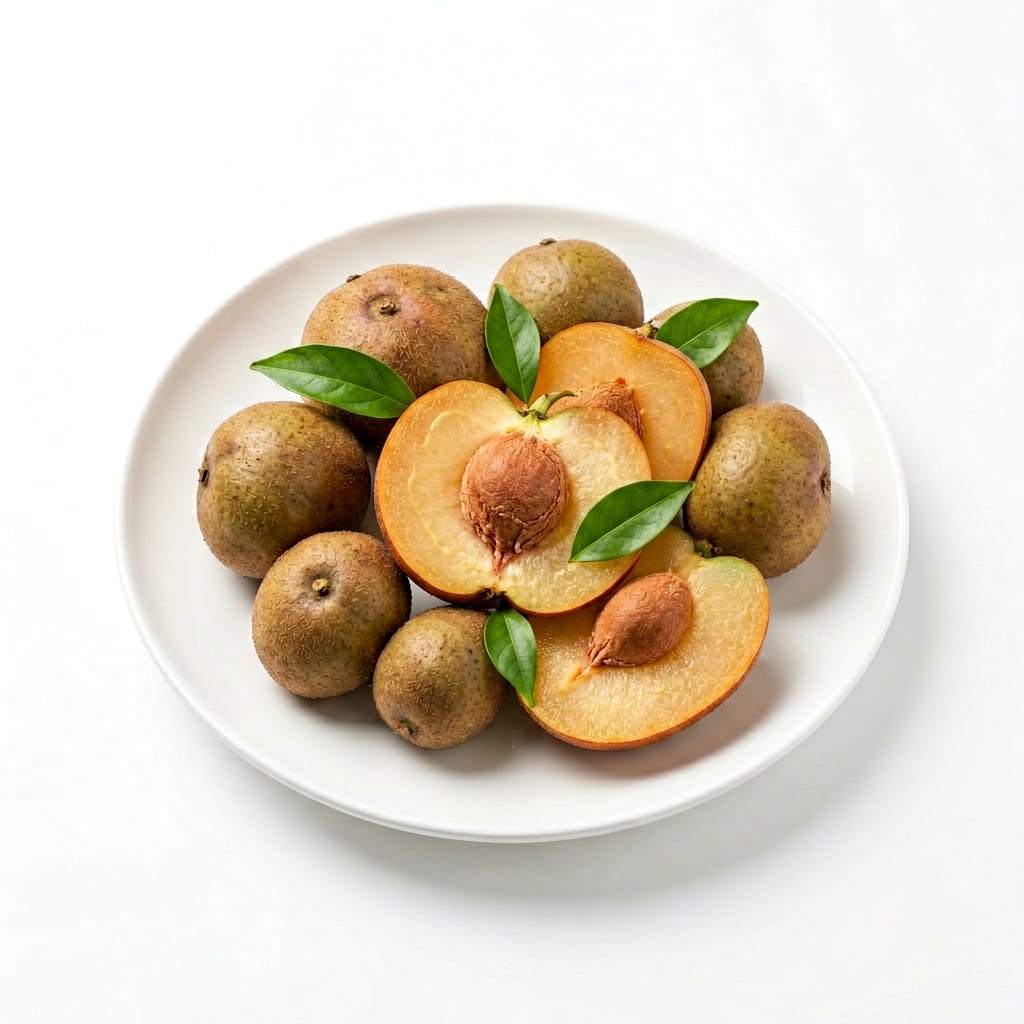
Mangrove Fruit
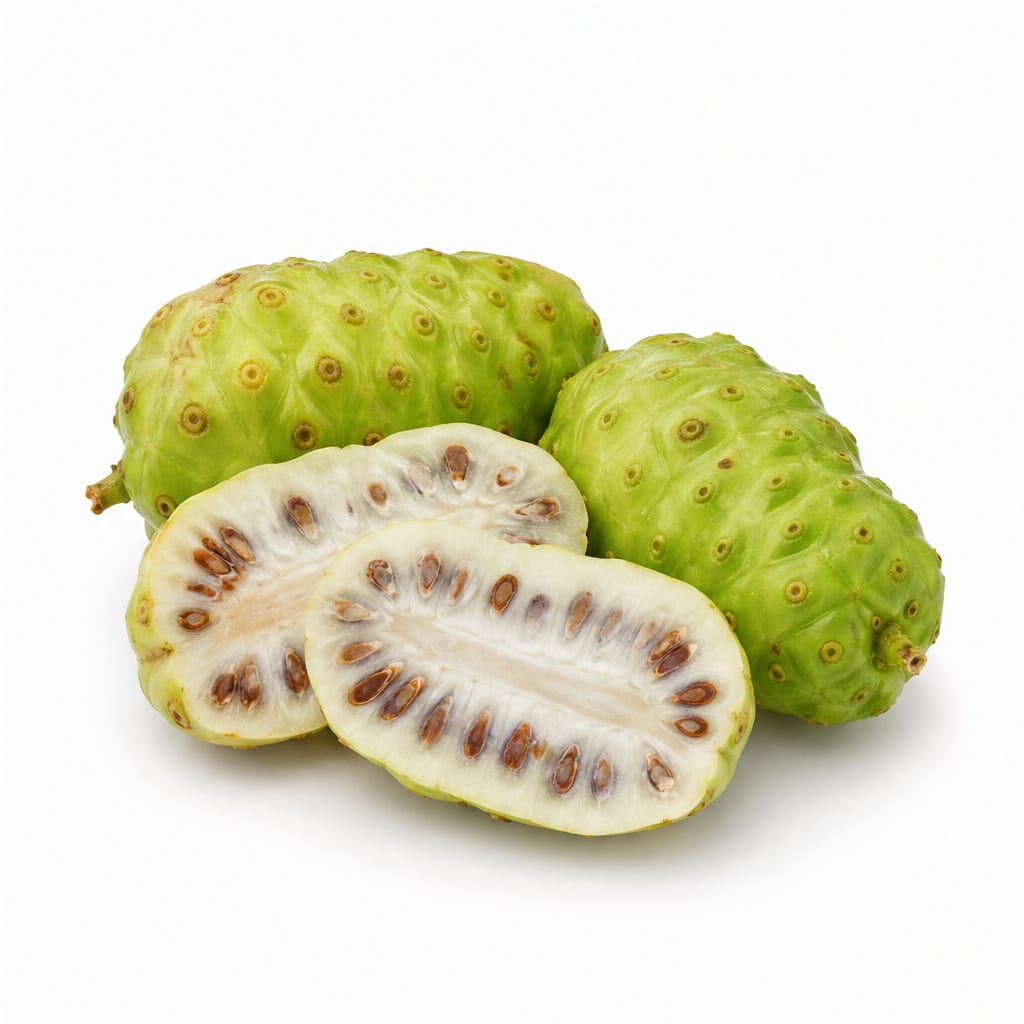
Noni Fruit
Mangrove Fruit is the safer, more palatable choice for regular consumption, while Noni Fruit offers stronger medicinal potential but carries real safety tradeoffs.
Mangrove Fruit scores higher primarily due to better safety and palatability, but both fruits lose points for limited nutritional research. Noni's liver safety concerns significantly reduce its score despite stronger medicinal reputation.
Noni Fruit delivers more documented therapeutic compounds but at the cost of unpleasant taste and potential liver strain, whereas Mangrove Fruit is gentler and easier to eat but less studied for specific health benefits.
At a glance
Executive summary
Overall
Mangrove Fruit
Healthier
Mangrove Fruit
More practical
Mangrove Fruit
Daily use
Mangrove Fruit
Key comparison lenses
safety and toxicity concerns
Noni Fruit has documented liver toxicity concerns at high doses, making safety the primary decision factor between these two tropical fruits
traditional medicinal value
Both fruits are primarily consumed for traditional health benefits rather than culinary pleasure, so medicinal credibility matters
palatability and real world usability
Noni is notoriously unpleasant to consume raw, while Mangrove Fruit is milder and easier to incorporate into meals
antioxidant and anti inflammatory potential
Both are sought for their phytochemical content, so comparing actual antioxidant value is relevant
digestive tolerance
Noni can cause gastrointestinal distress, while Mangrove Fruit is generally gentler on the stomach
Best choice for
Mangrove Fruit
- People wanting a safe, gentle tropical fruit for regular consumption
- Those with sensitive digestion who cannot tolerate strong or bitter flavors
- Anyone concerned about liver health who still wants antioxidant benefits
- Coastal communities seeking a locally foraged food source
Noni Fruit
- People targeting specific inflammatory or immune conditions under practitioner guidance
- Those willing to tolerate unpleasant taste for stronger medicinal effects
- Individuals using it short-term as a supplement rather than a food
Least suitable for
Mangrove Fruit
- People seeking a well-researched medicinal supplement with clinical backing
- Those wanting maximum antioxidant potency per serving
Noni Fruit
- Anyone with existing liver conditions or on hepatotoxic medications
- Pregnant or breastfeeding women due to insufficient safety data
- Children who would struggle with the harsh flavor and potential GI upset
- People looking for a pleasant everyday fruit to enjoy
Deep comparison
Dimension by dimension
Each lens scores both foods and breaks down who each option suits.
- Dimension 1 · Priority 95Mangrove Fruit
safety_and_toxicity
Mangrove Fruit · 78Noni Fruit · 38Mangrove Fruit has no significant toxicity reports, while Noni has been linked to liver injury in multiple case reports.
Tradeoff
Noni's therapeutic potency comes with a real risk of hepatotoxicity that Mangrove Fruit simply does not carry.
Why it matters
Liver damage is serious and can be irreversible. Even rare adverse effects matter when choosing a daily-use food.
Real-world impact
If you have any liver vulnerability or take medications processed by the liver, Noni is a genuine risk. Mangrove Fruit lets you get tropical fruit benefits without that worry.
Mangrove Fruit
- Long-term daily consumption without medical supervision
- People on multiple medications
- Anyone with elevated liver enzymes
Better for
- Those wanting a clinically validated therapeutic agent
Worse for
Noni Fruit
- Short-term targeted use under practitioner monitoring
Better for
- Anyone with liver conditions, heavy alcohol consumers, elderly with reduced liver function
Worse for
- Dimension 2 · Priority 85Mangrove Fruit
palatability_and_ease_of_consumption
Mangrove Fruit · 72Noni Fruit · 22Mangrove Fruit has a mild, slightly sour flavor that works in dishes. Noni emits a strong cheese-like odor and bitter taste that most people find repulsive.
Tradeoff
You can actually enjoy eating Mangrove Fruit, while Noni is typically forced down as medicine or masked in juice blends.
Why it matters
If you cannot stand eating something, you will not stick with it regardless of health benefits.
Real-world impact
Mangrove Fruit can be incorporated into chutneys, pickles, and stews naturally. Noni almost always requires willpower or heavy sweetening to consume.
Mangrove Fruit
- People who want food they actually enjoy eating
- Families looking for a novel tropical ingredient
- Anyone who has tried Noni and could not continue
Better for
- Those seeking a strong-flavored traditional remedy experience
Worse for
Noni Fruit
- People who prioritize therapeutic effect over taste experience
Better for
- Children, picky eaters, anyone with nausea sensitivity to strong smells
Worse for
- Dimension 3 · Priority 88Noni Fruit
medicinal_and_therapeutic_potential
Mangrove Fruit · 45Noni Fruit · 74Noni has far more published research on anti-inflammatory, immune-modulating, and analgesic properties. Mangrove Fruit's medicinal profile is largely unexplored.
Tradeoff
Noni's stronger evidence base for specific health conditions comes with the safety caveats mentioned above.
Why it matters
If you are choosing between these specifically for a health condition, Noni has more data supporting its use.
Real-world impact
Someone dealing with chronic inflammation may find Noni more effective, but must weigh that against liver monitoring needs.
Mangrove Fruit
- General wellness without targeting a specific condition
- Preventive antioxidant intake without therapeutic expectations
Better for
- Those wanting evidence-based treatment for a specific condition
Worse for
Noni Fruit
- Targeted anti-inflammatory support
- Immune system modulation under guidance
- Traditional pain management approaches
Better for
- People who assume more medicinal means safer to consume freely
Worse for
- Dimension 4 · Priority 78Noni Fruit
antioxidant_capacity
Mangrove Fruit · 52Noni Fruit · 71Noni contains higher concentrations of documented antioxidants including scopoletin, damnacanthal, and various iridoids. Mangrove Fruit has antioxidants but with less characterization.
Tradeoff
More antioxidants in Noni are valuable, but the body can only use so much, and excessive intake does not equal better outcomes.
Why it matters
Antioxidant content drives much of the interest in both fruits, so the difference matters for health-conscious consumers.
Real-world impact
For antioxidant purposes, Noni delivers more per serving, but you can get comparable benefits from common fruits like berries without the taste and safety drawbacks.
Mangrove Fruit
- Gentle antioxidant support without overdoing it
- Those who also eat other antioxidant-rich foods regularly
Better for
- Those relying on one fruit as their primary antioxidant source
Worse for
Noni Fruit
- Maximum antioxidant density in a single tropical fruit source
- People with limited diet variety who need concentrated sources
Better for
- People already taking antioxidant supplements who risk excess
Worse for
- Dimension 5 · Priority 72Mangrove Fruit
digestive_tolerance
Mangrove Fruit · 75Noni Fruit · 35Mangrove Fruit is generally well-tolerated and even used traditionally for digestive complaints. Noni commonly causes nausea, bloating, and diarrhea, especially when consumed raw.
Tradeoff
A fruit that upsets your stomach undermines the very health benefits you are seeking from it.
Why it matters
Gastrointestinal side effects are the most common reason people abandon functional foods.
Real-world impact
Starting with Noni on an empty stomach often leads to nausea. Mangrove Fruit can be eaten more freely without worrying about digestive fallout.
Mangrove Fruit
- People with sensitive stomachs or IBS tendencies
- Those new to tropical functional fruits
- Anyone who has experienced GI upset from Noni
Better for
- Those specifically seeking a laxative or detoxifying effect
Worse for
Noni Fruit
- People with robust digestion who tolerate strong foods well
Better for
- Anyone with GERD, gastritis, or frequent nausea
Worse for
- Dimension 6 · Priority 65Noni Fruit
availability_and_practicality
Mangrove Fruit · 30Noni Fruit · 58Noni products including juices, powders, and capsules are widely available globally. Mangrove Fruit is extremely niche and rarely found outside coastal Southeast Asian communities.
Tradeoff
You can actually buy Noni products easily, but Mangrove Fruit may be impossible to source unless you live near mangrove forests.
Why it matters
The best fruit for you is one you can actually obtain.
Real-world impact
Most people reading this comparison will find Noni juice at a health food store but will never encounter fresh Mangrove Fruit in person.
Mangrove Fruit
- Coastal residents of Southeast Asia with local access
- Travelers visiting mangrove regions who can try it fresh
Better for
- Nearly everyone outside Southeast Asia
- Those wanting a reliable, repeatable supply
Worse for
Noni Fruit
- Anyone shopping online or at health food stores worldwide
- People who want a standardized product with dosage consistency
Better for
- People who prefer whole fresh fruit over processed products
Worse for
Timeline
Health impact over time
Short-term
Hours to days
Mangrove Fruit
- Mild blood sugar support from natural fruit sugars with fiber buffering
- Gentle digestive aid without cramping or urgency
- Refreshing hydration from high water content
Noni Fruit
- Noticeable nausea or stomach upset in many first-time consumers
- Possible laxative effect that can be uncomfortable if overconsumed
- Quick antioxidant delivery but often accompanied by bitter aftertaste lingering for hours
Long-term
Months to years
Mangrove Fruit
- Sustained gentle antioxidant intake without organ stress
- Potential metabolic benefits from regular whole fruit consumption
- Minimal risk of accumulation-related side effects
Noni Fruit
- Possible liver enzyme elevation with prolonged high-dose use
- Potential anti-inflammatory benefits if tolerated well and dosed appropriately
- Risk of potassium overload if consuming large amounts of Noni juice alongside other high-potassium foods
Risk profile
Safety & processing
Mangrove Fruit is typically eaten fresh or simply preserved. Noni is almost always consumed as processed juice, powder, or capsules, which introduces concerns about added sugars in juices, pasteurization effects on active compounds, and quality control in the supplement market.
Mangrove Fruit
Coastal contamination exposure
mediumMangrove ecosystems can accumulate heavy metals and pollutants from coastal waters, so sourcing from clean areas matters.
Limited safety data
lowWhile no toxicity has been reported, the absence of extensive study means rare effects cannot be ruled out.
Noni Fruit
Hepatotoxicity
highMultiple case reports link Noni consumption to liver injury, including some requiring hospitalization. People with liver conditions should avoid it entirely.
Hyperkalemia risk
mediumNoni is very high in potassium, which is dangerous for people with kidney disease who cannot properly excrete it.
Adulteration in supplements
mediumThe Noni supplement market has quality control issues, with some products containing less actual Noni than claimed or undeclared additives.
Drug interactions
mediumNoni may interact with blood pressure medications, blood thinners, and drugs metabolized by the liver.
Who wins for whom
Audience fit
Same foods, different winners depending on your goal.
children
Mangrove FruitMangrove Fruit is milder and safer for developing bodies. Noni's taste is off-putting to children, and the liver and GI risks make it inappropriate for kids without medical supervision.
daily consumption
Mangrove FruitDaily use requires safety over long periods. Mangrove Fruit's clean safety profile makes it suitable for ongoing consumption, while Noni should be cycled or limited to avoid cumulative liver stress.
diabetes
Mangrove FruitMangrove Fruit has a gentler impact on blood sugar with fiber content slowing absorption. Noni juice, especially commercial varieties, can spike blood sugar, and the liver concerns are amplified for diabetics who may already have compromised liver function.
elderly
Mangrove FruitOlder adults often have reduced liver function and take multiple medications, making Noni's hepatotoxicity and drug interaction risks particularly concerning. Mangrove Fruit is the gentler, safer option.
muscle gain
It dependsNeither fruit is relevant for muscle gain. Both provide minimal protein. Choose based on other health priorities instead.
weight loss
Mangrove FruitMangrove Fruit is lower in calories and easier to eat in moderation. Noni juice products often contain added sugars, and the harsh taste rarely leads to overconsumption but the processed forms can be calorie-dense.
Your move
Decision guide
Choose Mangrove Fruit
- You want a tropical fruit you can actually enjoy eating
- Safety is your top priority, especially if you have any liver concerns
- You plan to consume it regularly as part of your diet rather than as medicine
- You have a sensitive stomach or are prone to nausea
- You take medications that stress the liver
Choose Noni Fruit
- You are working with a healthcare practitioner on a specific inflammatory or immune condition
- You want the most researched medicinal tropical fruit and accept the taste and safety tradeoffs
- You are using it short-term as a supplement rather than a daily food
- You have tried it before and tolerate it well without side effects
Either works if
- You are simply curious about tropical functional fruits and want to experiment
- You live in a region where both are locally available and affordable
Avoid both if
- You are looking for a common, well-studied everyday fruit with clear nutritional data
- You have severe allergies to tropical fruits
- You need precise macronutrient tracking for medical reasons, as both fruits have inconsistent nutritional profiles in available data
Final recommendation
For most people, Mangrove Fruit is the wiser choice. It is safer, more pleasant to eat, and gentler on your body. Noni Fruit has legitimate medicinal value but carries real risks that demand caution and professional guidance. If you are drawn to Noni for a specific health concern, use it under supervision and monitor your liver enzymes. If you simply want a nutritious tropical fruit experience, Mangrove Fruit delivers without the drama.
Practical
Consumer tips
- 1
If trying Noni for the first time, start with a very small amount and never on an empty stomach to reduce nausea risk
- 2
Request liver enzyme tests from your doctor if you consume Noni products regularly for more than a month
- 3
Be skeptical of Noni marketing claims that sound too good to be true, as the supplement industry often overstates benefits
- 4
If you cannot find fresh Mangrove Fruit, look for it in traditional Southeast Asian pickled or preserved forms at specialty markets
- 5
Both fruits are best sourced from clean, unpolluted coastal areas, so ask about origin when buying
- 6
Consider that common fruits like blueberries, pomegranate, and citrus deliver comparable or better antioxidant benefits with far more safety data