
Nutrition comparison
Mangrove Fruit vs Green Apple: Nutrition, Safety, and Which to Choose
Compare Mangrove Fruit and Green Apple on nutrition, sodium, safety, and daily usability. Green Apple wins for most people due to availability and lower contamination risk.
Overall winner · Green Apple
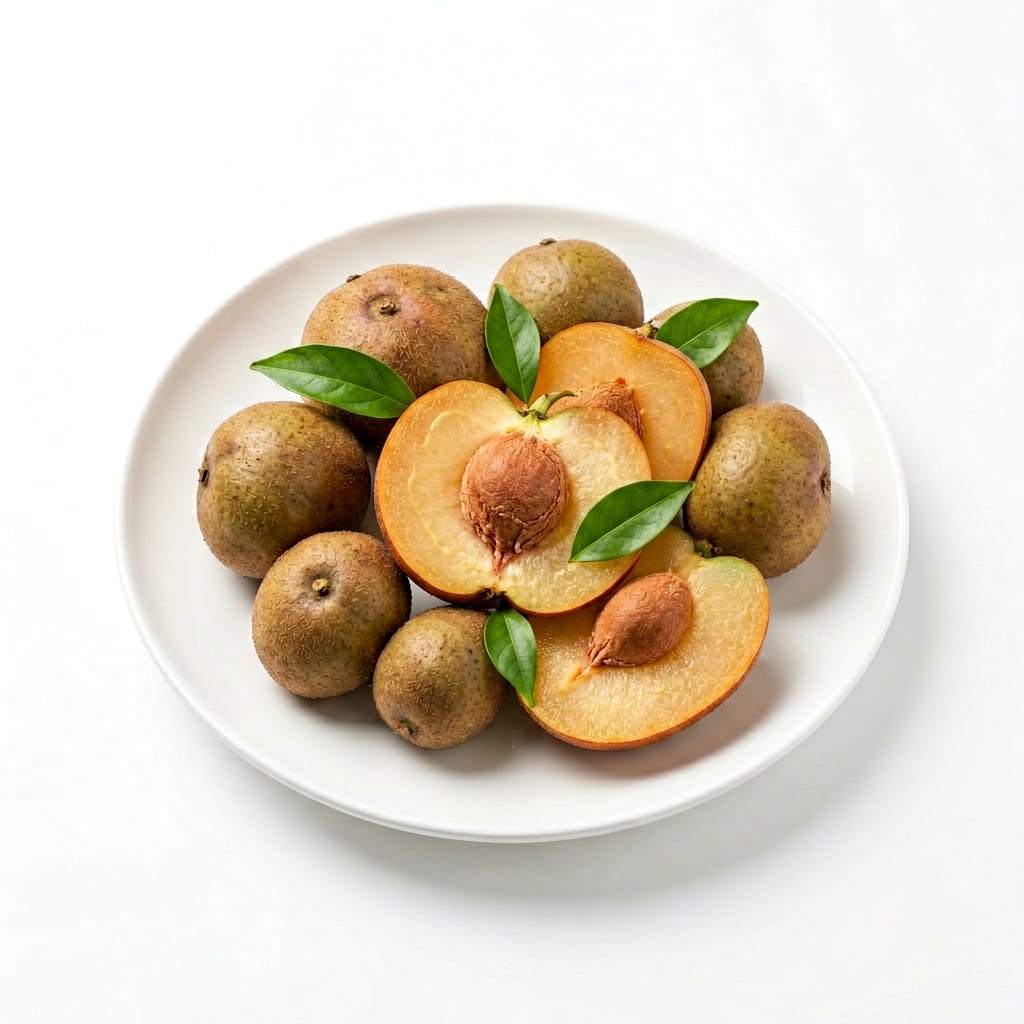
Mangrove Fruit
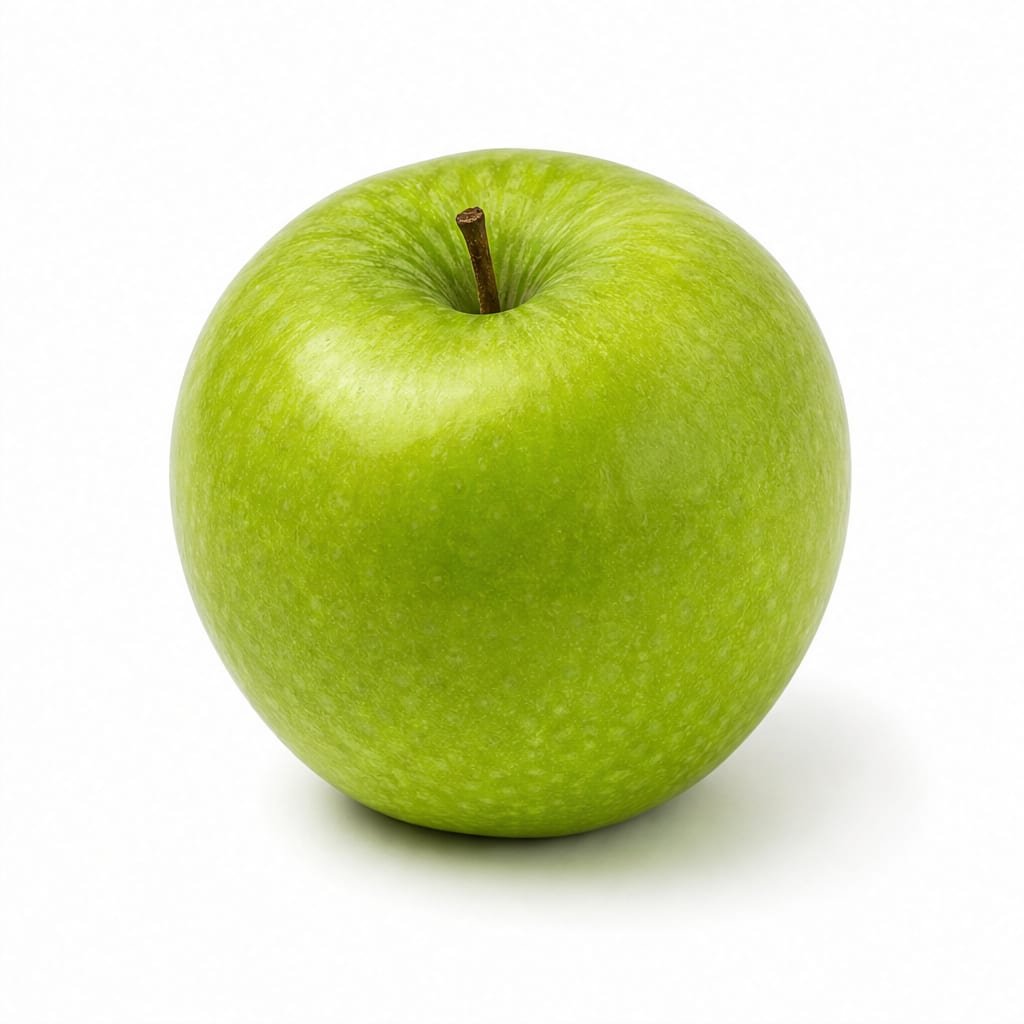
Green Apple
Green Apple is the safer, more practical choice for daily eating. Mangrove Fruit is an interesting coastal foraged food but carries contamination risks and is hard to find.
Green Apple scores significantly higher due to safety, accessibility, and research-backed nutrition. Mangrove Fruit loses ground on contamination risk, sodium content, and near-impossible grocery availability. The confidence score is moderate because Mangrove Fruit nutritional data is limited and variable by species and location.
Mangrove Fruit offers a unique mineral-dense, low-sugar profile but comes with sodium load and coastal pollutant concerns. Green Apple delivers reliable fiber, steady energy, and grocery-store convenience.
At a glance
Executive summary
Overall
Green Apple
Healthier
Green Apple
More practical
Green Apple
Daily use
Green Apple
Key comparison lenses
Everyday snack suitability and accessibility
Green Apple is a grocery staple while Mangrove Fruit is a niche foraged food with limited availability
Safety and contamination risk
Mangrove Fruit grows in coastal saltwater environments with potential heavy metal and pollutant exposure
Blood sugar and metabolic impact
Both are low-sugar fruit options likely chosen by people managing glucose
Sodium and mineral load
Mangrove Fruit absorbs salt from its environment, making sodium a key differentiator
Long-term dietary sustainability
One food is easy to eat daily, the other is difficult to source consistently
Best choice for
Mangrove Fruit
- Foragers and coastal communities with access to clean mangrove stands
- Those seeking extremely low-sugar fruit alternatives
- Adventurous eaters exploring traditional coastal cuisines
- People wanting mineral-dense wild foods from trusted sources
Green Apple
- Everyday snackers wanting a reliable low-calorie fruit
- People managing blood sugar who need predictable nutrition
- Anyone prioritizing food safety and consistent quality
- Families needing affordable, widely available fruit
Least suitable for
Mangrove Fruit
- People on sodium-restricted diets
- Anyone concerned about heavy metal or coastal pollutant exposure
- Those without reliable access to clean foraging sources
- Children and pregnant women due to contamination uncertainty
Green Apple
- People with severe apple or birch pollen allergies
- Those who find tart flavors unpalatable
- Anyone seeking exotic or novel nutrient profiles
Deep comparison
Dimension by dimension
Each lens scores both foods and breaks down who each option suits.
- Dimension 1 · Priority 90Green Apple
Blood Sugar Stability
Mangrove Fruit · 72Green Apple · 82Both are low-sugar options, but Green Apple has a well-documented low glycemic index around 36. Mangrove Fruit is likely even lower in sugar but lacks reliable glycemic data.
Tradeoff
Mangrove Fruit probably has less sugar overall, but Green Apple's pectin fiber slows glucose absorption in a proven, predictable way.
Why it matters
For anyone watching blood sugar, predictability matters more than theoretical advantages.
Real-world impact
Green Apple gives you a steady, crash-free energy boost. Mangrove Fruit might do the same, but you cannot count on it without verified data.
Mangrove Fruit
- Very low carbohydrate diets
- Situations where minimal sugar intake is critical
Better for
- Anyone needing predictable insulin dosing
- People who track macros precisely
Worse for
Green Apple
- Diabetics needing reliable glycemic responses
- Pre-workout fuel without spikes
- Consistent daily blood sugar management
Better for
- Those sensitive to even moderate fructose levels
Worse for
- Dimension 2 · Priority 85Green Apple
Sodium and Mineral Balance
Mangrove Fruit · 40Green Apple · 85Mangrove Fruit absorbs salt from its coastal environment and can be surprisingly high in sodium. Green Apple is naturally very low in sodium.
Tradeoff
Mangrove Fruit offers more trace minerals from seawater but brings a sodium load most people do not expect from fruit. Green Apple keeps sodium minimal.
Why it matters
Most people already consume too much sodium. Getting it from fruit is an unwelcome surprise, especially for blood pressure management.
Real-world impact
Eating Mangrove Fruit could add hidden sodium to your day. Green Apple lets you control salt intake elsewhere without worry.
Mangrove Fruit
- Endurance athletes who need sodium replenishment
- People in hot climates losing salt through sweat
Better for
- Hypertension patients
- Kidney disease management
- Anyone already exceeding daily sodium limits
Worse for
Green Apple
- Anyone monitoring blood pressure
- Low-sodium diets
- Kidney health management
Better for
- Severe sodium depletion scenarios
Worse for
- Dimension 3 · Priority 82Green Apple
Fiber and Digestive Health
Mangrove Fruit · 55Green Apple · 80Green Apple provides about 2.5g of fiber per medium fruit, heavily pectin-based, which feeds gut bacteria and supports digestion. Mangrove Fruit has some fiber but less data.
Tradeoff
Green Apple's pectin is a proven prebiotic. Mangrove Fruit's fiber profile is undocumented and likely less impressive.
Why it matters
Pectin from apples is one of the best-studied soluble fibers for gut health and cholesterol management.
Real-world impact
A Green Apple a day genuinely supports digestion and fullness. Mangrove Fruit's fiber contribution is a guess at best.
Mangrove Fruit
- Variety in fiber sources for gut microbiome diversity
Better for
- Reliance on unverified fiber claims
Worse for
Green Apple
- Constipation relief
- Cholesterol management
- Sustained fullness between meals
Better for
- Those with fructose malabsorption where fiber worsens bloating
Worse for
- Dimension 4 · Priority 92Green Apple
Food Safety and Contamination
Mangrove Fruit · 30Green Apple · 88Mangrove Fruit grows in coastal intertidal zones that can concentrate heavy metals, microplastics, and industrial runoff. Green Apple from regulated agriculture has established safety standards.
Tradeoff
Wild foraged Mangrove Fruit may be more natural but carries unknown contamination risk. Green Apple has pesticide residue concerns that are at least measurable and regulated.
Why it matters
You cannot see heavy metals or industrial pollutants. Coastal environments near human activity are notorious contamination zones.
Real-world impact
A Green Apple from the store has known, manageable risks. A Mangrove Fruit from an unknown coastal area is a gamble.
Mangrove Fruit
- Fruit harvested from pristine, remote mangrove forests far from industry
Better for
- Heavy metal accumulation risk
- Microplastic ingestion from coastal waters
- Industrial and agricultural runoff exposure
- No regulatory oversight for foraged foods
Worse for
Green Apple
- Consistent safety testing
- Organic options that reduce pesticide concerns
- Regulated supply chains with traceability
Better for
- Pesticide residue on conventionally grown apples
- Wax coatings on store-bought apples
Worse for
- Dimension 5 · Priority 88Green Apple
Practicality and Availability
Mangrove Fruit · 15Green Apple · 95Green Apple is available year-round in virtually every grocery store worldwide. Mangrove Fruit is a specialty foraged item most people will never encounter.
Tradeoff
Nutrition only matters if you can actually get the food. Mangrove Fruit's unique profile is irrelevant if you cannot source it.
Why it matters
The best food for you is the one you can consistently eat. Accessibility drives dietary success.
Real-world impact
Green Apple is a grab-and-go snack anywhere. Mangrove Fruit requires coastal access, foraging knowledge, and seasonal timing.
Mangrove Fruit
- Coastal communities with traditional foraging practices
- Culinary professionals seeking unique ingredients
Better for
- Inland residents
- People without foraging expertise
- Anyone needing consistent meal planning
Worse for
Green Apple
- Busy professionals
- Families doing weekly grocery runs
- Anyone who values convenience
- Travel and on-the-go snacking
Better for
- Remote areas without cold chain distribution
Worse for
- Dimension 6 · Priority 70It depends
Antioxidant and Phytonutrient Profile
Mangrove Fruit · 68Green Apple · 72Green Apple offers quercetin, catechin, and chlorogenic acid with solid research behind them. Mangrove Fruit likely contains unique tannins and coastal plant compounds but lacks human studies.
Tradeoff
Green Apple has proven antioxidants. Mangrove Fruit may have novel ones, but that is speculative and unresearched.
Why it matters
Proven antioxidants with clinical data beat theoretical ones from understudied foods.
Real-world impact
Green Apple's antioxidants are linked to real outcomes like reduced inflammation. Mangrove Fruit's are an interesting unknown.
Mangrove Fruit
- Those seeking novel phytonutrients not found in common fruits
- Ethnobotanical research interest
Better for
- Anyone acting on unproven antioxidant claims
Worse for
Green Apple
- Evidence-based anti-inflammatory diets
- Long-term disease risk reduction
- Proven skin and cellular health benefits
Better for
- Those wanting maximum antioxidant diversity from less common sources
Worse for
Timeline
Health impact over time
Short-term
Hours to days
Mangrove Fruit
- Unexpected sodium intake may cause bloating or thirst
- Possible digestive adjustment if unused to tannin-rich wild fruit
- Fullness from fiber but with an unfamiliar taste profile
Green Apple
- Quick satisfying crunch with steady energy
- Mild blood sugar stabilization from pectin fiber
- Hydration boost from high water content
Long-term
Months to years
Mangrove Fruit
- Potential heavy metal accumulation if consumed regularly from contaminated areas
- Sodium contribution could impact blood pressure over time
- Possible trace mineral benefits from coastal growing environment
- Unknown long-term effects due to lack of dietary studies
Green Apple
- Consistent fiber intake supports gut health and cholesterol management
- Quercetin and apple polyphenols linked to reduced chronic disease risk
- Low calorie density supports healthy weight maintenance
- Well-established safety profile from decades of population research
Risk profile
Safety & processing
Both foods are whole, unprocessed fruits. Mangrove Fruit is arguably more natural as a foraged wild food, but that does not make it safer. Green Apple may have wax or pesticide residue depending on sourcing, but organic options eliminate most concerns.
Mangrove Fruit
Heavy metal contamination
highMangrove roots filter coastal water and can accumulate lead, cadmium, and arsenic from industrial runoff. Fruit from polluted areas is risky.
Microplastic ingestion
mediumCoastal intertidal zones are hotspots for microplastic concentration, which can be absorbed by mangrove plants.
Pathogen exposure
mediumForaged fruit from tidal areas may contact contaminated water, especially near urban coastlines.
Misidentification
mediumMultiple mangrove species exist and not all fruit is edible. Incorrect identification could cause illness.
Green Apple
Pesticide residue
mediumApples consistently rank high on the Dirty Dozen list. Washing helps but does not remove all residue. Organic reduces this significantly.
Wax coating ingestion
lowConventional apples are often coated with shellac or carnauba wax. Food-safe but unappealing to some consumers.
Who wins for whom
Audience fit
Same foods, different winners depending on your goal.
children
Green AppleGreen Apple is kid-friendly, safe, and widely available. Mangrove Fruit's contamination risks and unknown safety profile make it inappropriate for children.
daily consumption
Green AppleGreen Apple is easy to find, affordable, and safe to eat every day. Mangrove Fruit is too hard to source and too uncertain for daily use.
diabetes
Green AppleGreen Apple has a well-documented low glycemic index and pectin fiber that slows sugar absorption predictably.
elderly
Green AppleOlder adults need sodium restriction and food safety. Green Apple supports both. Mangrove Fruit works against sodium goals.
muscle gain
Green AppleNeither fruit is a protein source, but Green Apple provides more reliable pre-workout carbs without sodium bloat.
weight loss
Green AppleGreen Apple is low in calories, high in fiber, and easy to portion control. Mangrove Fruit's sodium content may increase thirst and cravings.
Your move
Decision guide
Choose Mangrove Fruit
- You live in a coastal community with access to clean, verified mangrove stands
- You are an experienced forager who can identify safe species and locations
- You want a sodium-rich food for endurance activities in heat
- You are specifically exploring traditional coastal diets with local guidance
Choose Green Apple
- You want a reliable daily fruit with proven health benefits
- You are managing blood sugar, blood pressure, or weight
- You need something affordable and available at any grocery store
- You prioritize food safety and consistent nutritional data
- You are packing snacks for work, school, or travel
Either works if
- You want a low-sugar fruit option and have access to both
- You are focused on whole-food snacking without processed alternatives
- You enjoy trying diverse fruit flavors and textures
Avoid both if
- You have severe fructose intolerance or malabsorption
- You are on a strict very-low-carb ketogenic diet
- You have birch pollen allergy with oral allergy syndrome to apples and cannot verify mangrove fruit tolerance
Final recommendation
Choose Green Apple for virtually all everyday situations. It is safer, more available, better researched, and easier to incorporate into daily life. Mangrove Fruit is a culturally interesting foraged food best enjoyed occasionally and only from verified clean sources. Do not treat it as a staple.
Practical
Consumer tips
- 1
Buy organic Green Apples if pesticide residue concerns you. The price difference is small and the risk reduction is meaningful.
- 2
Wash Green Apples thoroughly under running water and rub the skin to remove wax and residue. Peeling removes most pesticides but also half the fiber.
- 3
If you forage Mangrove Fruit, only harvest from areas far from industrial activity, urban runoff, or agricultural discharge. Check local water quality advisories first.
- 4
Never eat Mangrove Fruit without confident species identification. Consult local foraging experts or indigenous knowledge holders.
- 5
Pair Green Apple with a handful of nuts or nut butter for a balanced snack that adds protein and healthy fat to the fiber and carbs.
- 6
Store Green Apples in the refrigerator to maintain crispness and nutrient content for weeks. Room temperature apples soften and lose vitamin C faster.
- 7
If you have hypertension or kidney issues, avoid Mangrove Fruit entirely due to its sodium content and contamination uncertainty.