
Nutrition comparison
Mangrove Fruit vs Amla: Which Traditional Fruit Actually Delivers Health Benefits?
Compare mangrove fruit and amla head-to-head on Vitamin C, antioxidants, safety, and daily practicality. Discover which traditional superfood is worth your money and which carries hidden risks.
Overall winner · Amla
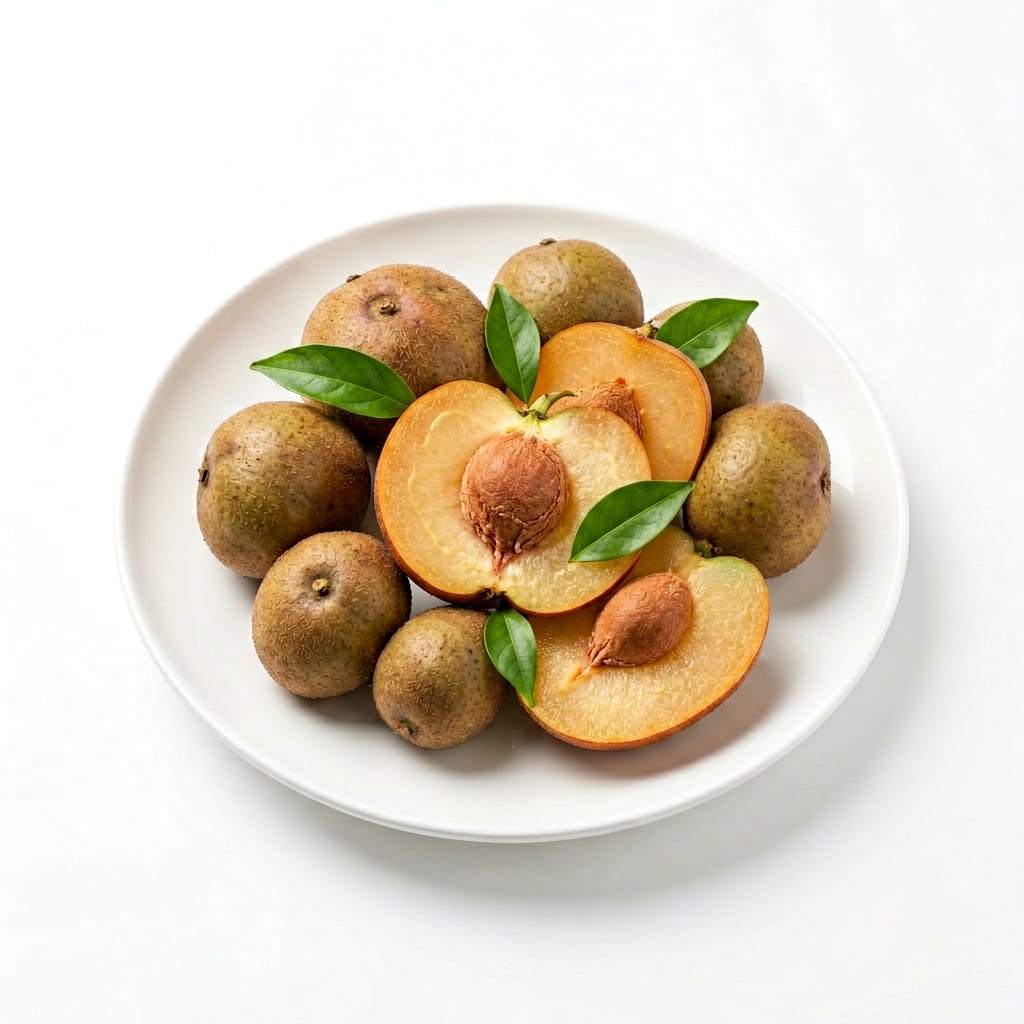
Mangrove Fruit
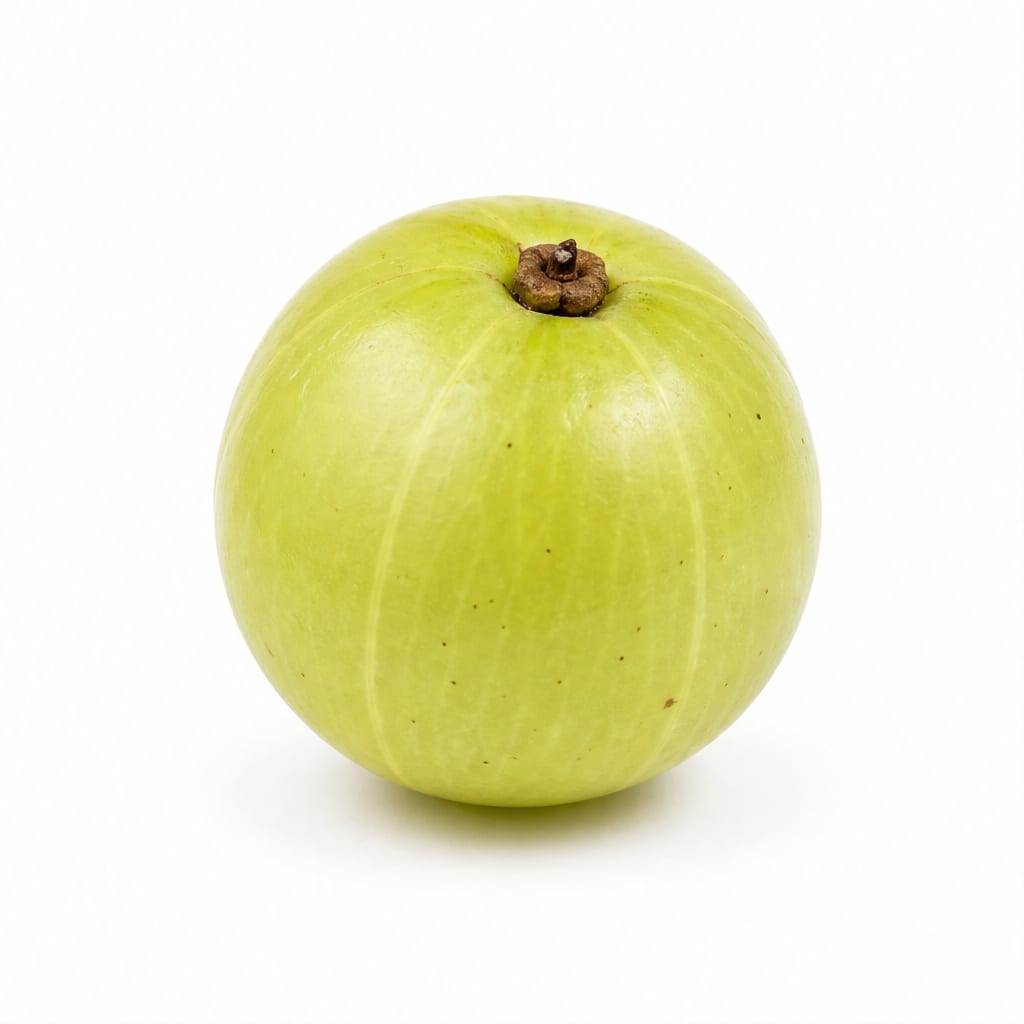
Amla
Amla dominates this comparison with vastly more Vitamin C, stronger clinical evidence, and far better availability for regular use.
Amla scores significantly higher due to its exceptional Vitamin C content, extensive research base, and global availability. Mangrove Fruit is not inherently bad but suffers from limited nutritional data, contamination risks from its growing environment, and poor accessibility. The confidence score is moderate because mangrove fruit nutritional science is still sparse.
Mangrove Fruit offers a unique coastal foraging experience and regional cultural value, but Amla delivers proven, measurable health benefits you can actually rely on daily.
At a glance
Executive summary
Overall
Amla
Healthier
Amla
More practical
Amla
Daily use
Amla
Key comparison lenses
antioxidant and vitamin c potency
Amla is legendary for its Vitamin C concentration; comparing this against mangrove fruit's lesser-known antioxidant profile is the central question
traditional medicine credibility
Both have deep roots in traditional healing but Amla has far more documented clinical backing
accessibility and everyday practicality
Amla is widely available globally in multiple forms while mangrove fruit is regionally restricted and hard to source
safety and contamination risk
Mangrove fruit grows in brackish coastal water raising heavy metal and salinity concerns that Amla largely avoids
immune and skin health support
Both are used for immunity and skin but the evidence gap between them is significant
Best choice for
Mangrove Fruit
- Coastal foraging enthusiasts seeking wild food experiences
- People in Southeast Asian mangrove regions with traditional access
- Those curious about rare, under-researched botanicals
Amla
- Anyone seeking a proven Vitamin C and antioxidant boost
- People wanting immune support with real clinical backing
- Those looking for an affordable, accessible daily superfood
Least suitable for
Mangrove Fruit
- People concerned about heavy metal or salt exposure
- Anyone without reliable regional access to fresh mangrove fruit
- Those wanting well-documented, predictable health outcomes
Amla
- People sensitive to very sour or astringent flavors
- Those on blood-thinning medications without medical consultation
Deep comparison
Dimension by dimension
Each lens scores both foods and breaks down who each option suits.
- Dimension 1 · Priority 95Amla
Vitamin C and Antioxidant Power
Mangrove Fruit · 30Amla · 96Amla is one of the most concentrated natural Vitamin C sources on earth, far exceeding mangrove fruit.
Tradeoff
Mangrove Fruit contains some antioxidants from tannins but the levels are poorly quantified and likely modest compared to Amla's well-documented potency.
Why it matters
Vitamin C directly supports immune function, collagen production, and iron absorption — benefits you can feel in fewer sick days and better skin.
Real-world impact
A single Amla fruit can deliver 20x the Vitamin C of an orange. Mangrove fruit simply cannot compete on this metric.
Mangrove Fruit
- predictable antioxidant dosing
- measurable immune benefit
Worse for
Amla
- immune resilience
- skin elasticity
- iron absorption from meals
Better for
- Dimension 2 · Priority 88Amla
Scientific Evidence and Clinical Backing
Mangrove Fruit · 15Amla · 85Amla has hundreds of peer-reviewed studies supporting its health claims. Mangrove Fruit has minimal formal research.
Tradeoff
Mangrove Fruit may hold undiscovered benefits, but without evidence you are guessing. Amla lets you make informed health decisions.
Why it matters
When you invest in a food for health reasons, evidence determines whether that investment actually pays off.
Real-world impact
Amla's effects on blood sugar, cholesterol, and liver health have been measured in human trials. Mangrove fruit benefits remain mostly anecdotal.
Mangrove Fruit
- any condition requiring proven interventions
Worse for
Amla
- evidence-based supplementation
- predictable health outcomes
Better for
- Dimension 3 · Priority 82Amla
Availability and Practical Daily Use
Mangrove Fruit · 12Amla · 78Amla is available worldwide as fresh fruit, powder, juice, and supplements. Mangrove Fruit is regionally limited and rarely sold commercially.
Tradeoff
You can buy Amla powder at most health food stores or online today. Finding fresh mangrove fruit requires living near or visiting specific coastal regions.
Why it matters
A superfood you cannot access consistently provides zero benefit regardless of its theoretical value.
Real-world impact
Amla powder can be stirred into water every morning. Mangrove fruit is a novelty you might try once while traveling.
Mangrove Fruit
- anyone outside Southeast Asian coastal areas
- regular supplementation
Worse for
Amla
- consistent daily routines
- easy online ordering
- multiple convenient forms
Better for
- Dimension 4 · Priority 78Amla
Safety and Contamination Profile
Mangrove Fruit · 35Amla · 80Mangrove fruit grows in brackish, potentially polluted coastal water. Amla grows on clean inland trees with minimal contamination risk.
Tradeoff
Mangrove ecosystems filter water and can accumulate heavy metals, microplastics, and high salt. Amla cultivated from reputable sources avoids most of these concerns.
Why it matters
A health food that introduces contaminants works against your goals. Source safety matters as much as nutrient content.
Real-world impact
Regular consumption of mangrove fruit from polluted waterways could introduce more toxins than antioxidants. Amla from trusted suppliers carries low risk.
Mangrove Fruit
- heavy metal exposure
- excess sodium intake
- microplastic ingestion
Worse for
Amla
- long-term daily use
- vulnerable populations
- pregnant women seeking safe Vitamin C
Better for
- Dimension 5 · Priority 70Amla
Digestive and Gut Health
Mangrove Fruit · 40Amla · 75Amla is a proven digestive aid used in Ayurveda for centuries. Mangrove fruit has some traditional use but high tannins can irritate sensitive stomachs.
Tradeoff
Amla supports healthy gut bacteria and regularity. Mangrove fruit's astringency and salt content may cause discomfort in some people.
Why it matters
If a food upsets your stomach, you will not keep eating it regardless of its theoretical benefits.
Real-world impact
Amla after meals can reduce bloating and improve digestion. Mangrove fruit might cause stomach upset if consumed in larger amounts.
Mangrove Fruit
- sensitive stomachs
- those prone to constipation from astringent foods
Worse for
Amla
- post-meal digestion
- reducing bloating
- gut microbiome support
Better for
- Dimension 6 · Priority 60Amla
Culinary Versatility and Taste
Mangrove Fruit · 35Amla · 65Neither food wins on taste alone — both are intensely tart and astringent. But Amla has more established culinary traditions and recipes.
Tradeoff
Amla can be made into pickles, chutneys, jams, and candies that mellow its sourness. Mangrove fruit has fewer established culinary pathways.
Why it matters
You need ways to actually enjoy a food to eat it regularly. Bitterness without recipe solutions leads to abandonment.
Real-world impact
Amla pickle and Amla murabba are beloved staples in Indian kitchens. Mangrove fruit preparations remain niche and regional.
Mangrove Fruit
- limited recipe options
- unfamiliar flavor for most palates
Worse for
Amla
- pickling and preserving
- blending into smoothies as powder
- traditional recipe ecosystems
Better for
Timeline
Health impact over time
Short-term
Hours to days
Mangrove Fruit
- Possible digestive adjustment due to high tannin content
- Mild diuretic effect from salt content in some varieties
- Astringent mouthfeel may reduce appetite temporarily
Amla
- Noticeable energy lift from concentrated Vitamin C
- Improved digestion after meals when consumed regularly
- Tart taste may cause mild throat sensation in sensitive individuals
Long-term
Months to years
Mangrove Fruit
- Potential heavy metal accumulation if sourced from polluted mangroves
- Antioxidant benefits possible but unquantified
- Risk of excessive sodium intake with regular consumption
Amla
- Strengthened immune resilience with fewer and shorter colds
- Improved skin texture and reduced oxidative stress markers
- Better blood sugar regulation and liver enzyme profiles
- Potential interaction with blood thinners at high doses
Risk profile
Safety & processing
Both foods are whole, natural fruits when consumed fresh. Amla powder is simply dehydrated and ground fruit with no additives in quality products. Mangrove fruit is typically eaten as-is or in traditional preparations. The naturalness is comparable, though Amla's supply chain is more transparent and regulated.
Mangrove Fruit
Heavy metal contamination
highMangrove root systems filter coastal water and can accumulate lead, cadmium, and arsenic from industrial runoff. Fruit from unknown waterways carries real risk.
Excessive sodium intake
mediumGrowing in saltwater environments means mangrove fruit can contain elevated sodium levels compared to inland fruits, concerning for blood pressure management.
Microplastic exposure
mediumCoastal waters increasingly contain microplastics that mangrove ecosystems may concentrate, potentially transferring to fruit tissue.
Misidentification
mediumSome mangrove species produce toxic fruit. Without expert knowledge, foraging carries risk of consuming inedible or harmful varieties.
Amla
Blood thinner interaction
mediumHigh doses of Amla may enhance the effect of anticoagulant medications. Consult a doctor if taking blood thinners regularly.
Gastrointestinal irritation at high doses
lowExcessive Amla consumption can cause acidity or loose stools in sensitive individuals, especially on an empty stomach.
Added sugar in processed Amla products
lowAmla murabba and some commercial juices contain significant added sugar. Choose unsweetened powder or fresh fruit when possible.
Who wins for whom
Audience fit
Same foods, different winners depending on your goal.
children
AmlaAmla in moderate amounts (as juice or small quantities) is safe and beneficial for kids' immunity. Mangrove fruit's contamination risks and intense astringency make it inappropriate for children.
daily consumption
AmlaAmla has centuries of daily-use tradition in Ayurveda and modern safety data supporting regular consumption. Mangrove fruit lacks both the evidence and the supply chain for reliable daily use.
diabetes
AmlaAmla has human studies showing improved fasting blood sugar and HbA1c. Mangrove fruit has no such evidence and its sodium load is counterproductive for diabetic cardiovascular risk.
elderly
AmlaAmla supports bone density, eye health, and immune function — all critical for aging adults. Mangrove fruit's sodium and contamination profile poses unnecessary risk for seniors.
muscle gain
It dependsNeither food is a significant protein source. Amla's Vitamin C helps with collagen synthesis for joint health during training, but neither moves the needle meaningfully for muscle building.
weight loss
AmlaAmla is very low in calories, may improve metabolism, and has evidence supporting blood sugar regulation. Mangrove fruit's sodium content can cause water retention.
Your move
Decision guide
Choose Mangrove Fruit
- You live in a coastal region with clean mangrove forests and traditional knowledge of safe species
- You are a wild food enthusiast who values the experience over proven health outcomes
- You want to explore under-researched botanicals and accept the uncertainty
Choose Amla
- You want a proven, measurable Vitamin C and antioxidant boost
- You are building a daily health routine with evidence-based foods
- You want immune, skin, or digestive support you can actually count on
- You need something affordable and easy to find online or at health stores
Either works if
- You are simply curious about traditional fruits from different cultures
- You want to add variety to your diet beyond common supermarket options
Avoid both if
- You are on blood thinners and have not consulted your doctor about high-Vitamin C foods
- You have severe acid reflux and cannot tolerate tart, astringent fruits
Final recommendation
Amla is the clear choice for anyone seeking real, repeatable health benefits. Its Vitamin C content, research backing, and global availability make it a practical daily superfood. Mangrove Fruit is an interesting cultural and foraging experience but carries contamination risks and lacks the evidence to recommend it as a health food. If you encounter fresh mangrove fruit from a trusted clean source, enjoy it as a novelty — but build your wellness routine around Amla.
Practical
Consumer tips
- 1
Start with Amla powder — half a teaspoon in warm water each morning is the easiest entry point
- 2
Amla murabba is delicious but often loaded with sugar; check labels or make your own with less sweetener
- 3
If you try mangrove fruit, only source it from verified clean waterways and confirm the species with a local expert
- 4
Amla's tartness fades when paired with honey or blended into a smoothie with banana
- 5
Store Amla powder in a cool, dark place — Vitamin C degrades with heat and light exposure
- 6
Never forage mangrove fruit yourself unless you have expert guidance — toxic lookalikes exist