
Nutrition comparison
Mangrove Fruit vs Guava: Nutrition, Safety, and Which Tropical Fruit Wins
Compare mangrove fruit and guava on vitamin C, fiber, safety, and daily usability. Guava dominates nutritionally, but mangrove fruit offers unique cultural value for informed foragers.
Overall winner · Guava
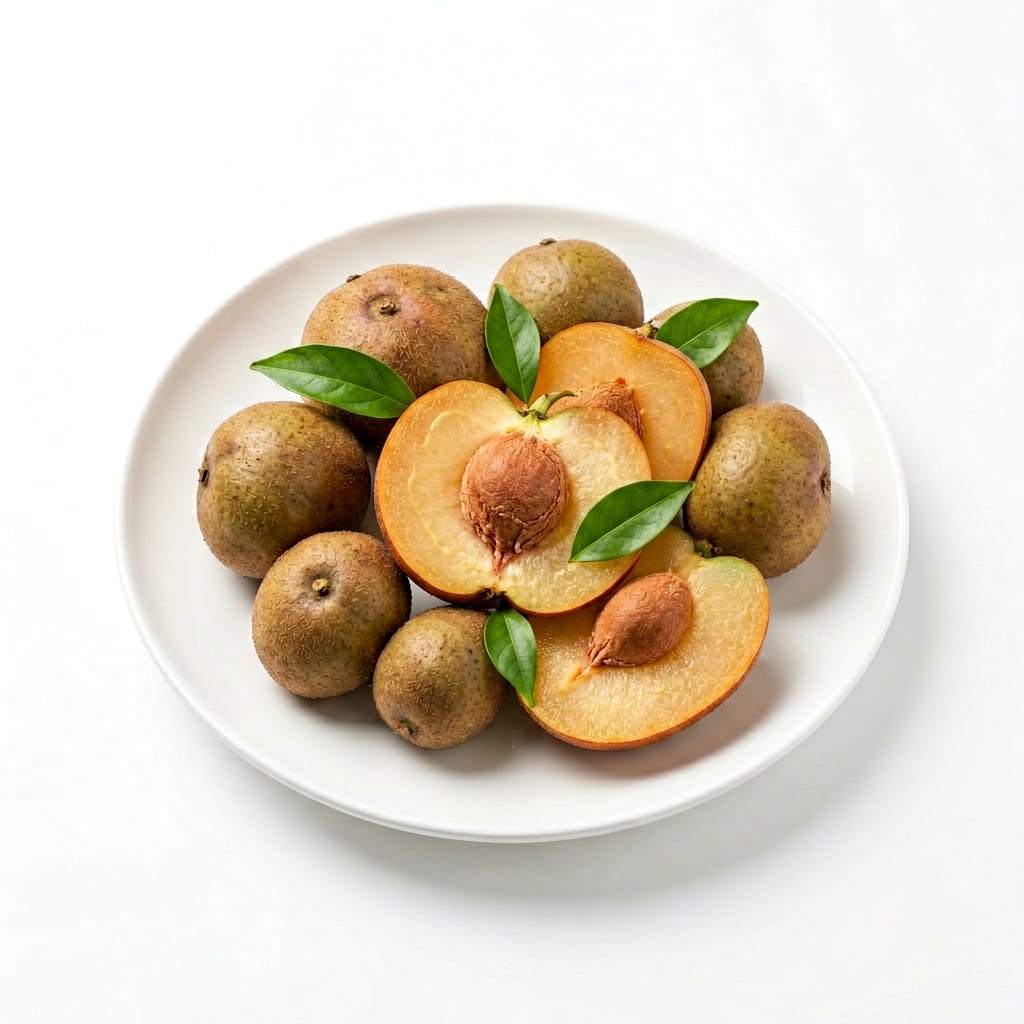
Mangrove Fruit
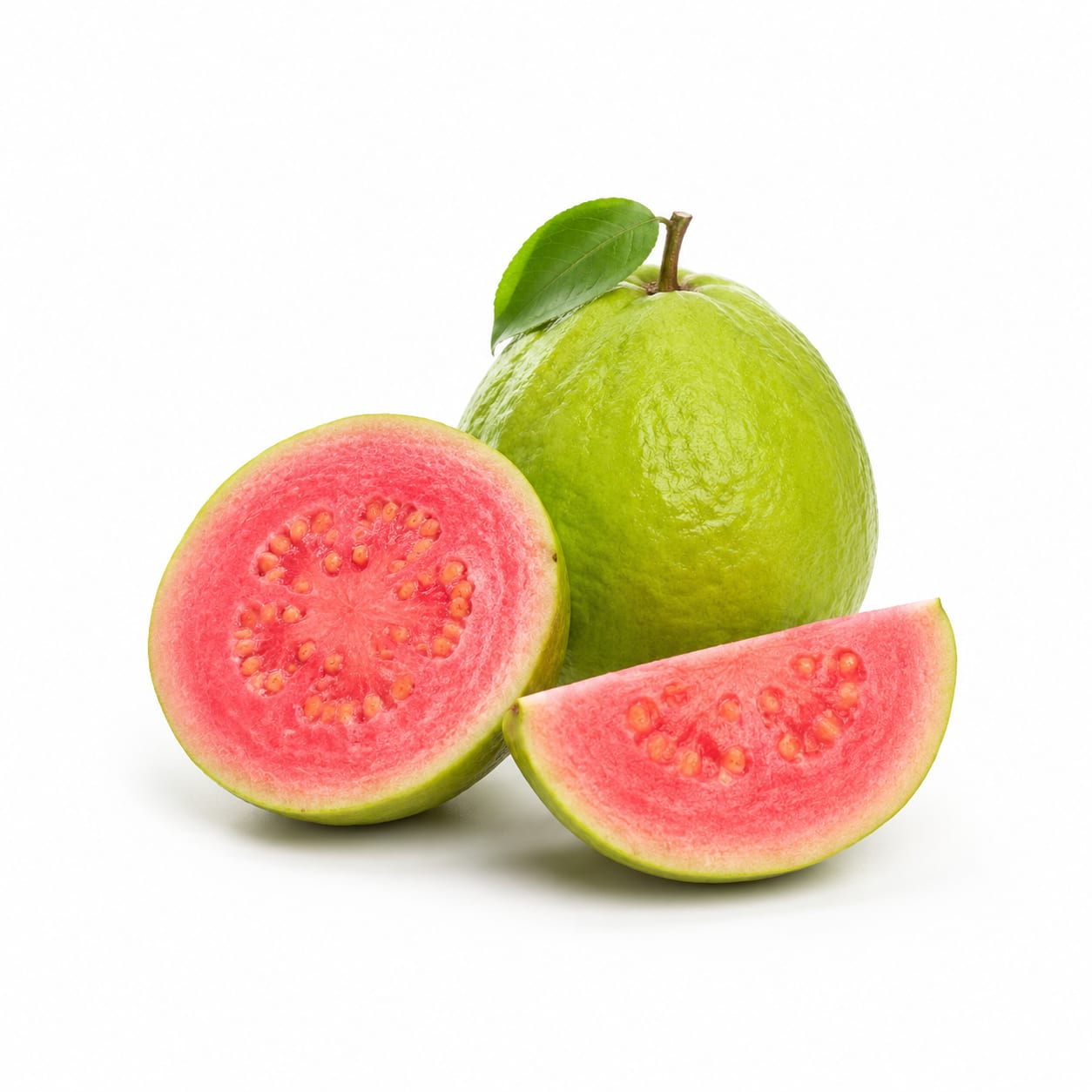
Guava
Guava dominates on nutrition, safety, and accessibility. Mangrove fruit is a niche foraging choice with cultural value but significant practical drawbacks.
Guava scores dramatically higher due to superior documented nutrition, safety, and accessibility. Mangrove fruit loses ground on limited nutritional data, preparation risks, and near-zero commercial availability. Confidence is moderate because mangrove fruit nutritional science is underresearched.
Mangrove fruit offers cultural novelty and coastal foraging appeal but requires careful preparation and delivers uncertain nutrition. Guava provides reliable, exceptional nutrient density with zero preparation risk.
At a glance
Executive summary
Overall
Guava
Healthier
Guava
More practical
Guava
Daily use
Guava
Key comparison lenses
nutritional density comparison
Guava is famously nutrient-dense while mangrove fruit has limited nutritional documentation, making this the most critical differentiator
safety and preparation concerns
Mangrove fruit requires careful preparation and some species carry toxicity risks, whereas guava is generally safe to eat raw
accessibility and practicality
Guava is widely available in markets worldwide while mangrove fruit is extremely niche and region-specific
vitamin C and antioxidant priority
Guava is one of the richest vitamin C sources on earth, making this a standout comparison point
traditional vs mainstream food choice
Users comparing these are likely weighing culinary adventure against reliable nutrition
Best choice for
Mangrove Fruit
- Adventurous eaters exploring traditional coastal cuisines
- People living in mangrove-rich tropical regions with local knowledge
- Foragers interested in wild food traditions
Guava
- Anyone prioritizing immune support and vitamin C intake
- Families wanting a safe, kid-friendly tropical fruit
- People seeking reliable daily fiber and antioxidant benefits
Least suitable for
Mangrove Fruit
- Children and pregnant women due to preparation toxicity risks
- Anyone without expert knowledge of mangrove species identification
- People seeking consistent, well-documented nutritional benefits
Guava
- People with strict low-sugar diets who need berries instead
- Those in cold climates where fresh guava is unavailable or expensive
Deep comparison
Dimension by dimension
Each lens scores both foods and breaks down who each option suits.
- Dimension 1 · Priority 95Guava
Vitamin C and Antioxidant Power
Mangrove Fruit · 30Guava · 97Guava delivers roughly 228mg of vitamin C per 100g, over four times your daily needs. Mangrove fruit contains some antioxidants but data is sparse and unimpressive by comparison.
Tradeoff
Choosing mangrove fruit means missing out on one of nature's most concentrated vitamin C sources. The antioxidant gap is substantial and well-documented.
Why it matters
Vitamin C directly supports immune function, collagen production, and iron absorption. This is not a marginal difference — it is dramatic.
Real-world impact
Eating one guava can cover your vitamin C for the day. You would need multiple servings of mangrove fruit with uncertain results to approach the same benefit.
Mangrove Fruit
- Those seeking novel tannin-based antioxidants found in mangrove species
Better for
- Reliance on mangrove fruit for vitamin C would likely leave you deficient
Worse for
Guava
- Immune support during cold season
- Post-workout recovery needing antioxidant protection
- Anyone wanting maximum vitamin C per calorie
Better for
- People with oxalate sensitivity may need to moderate intake
Worse for
- Dimension 2 · Priority 85Guava
Dietary Fiber and Digestive Health
Mangrove Fruit · 40Guava · 88Guava provides about 5.4g of fiber per 100g, much of it soluble fiber from seeds and flesh. Mangrove fruit contains fiber but amounts vary wildly by species and preparation.
Tradeoff
Guava gives you predictable, effective fiber that supports gut health daily. Mangrove fruit fiber content is a gamble depending on which species you encounter.
Why it matters
Consistent fiber intake regulates digestion, feeds gut bacteria, and stabilizes blood sugar. Predictability matters for daily health.
Real-world impact
Two guavas a day meaningfully move your fiber intake toward the 25-30g target. Mangrove fruit cannot be counted on the same way.
Mangrove Fruit
- Traditional preparations like fermented mangrove fruit drinks may offer prebiotic benefits
Better for
- Inconsistent fiber means inconsistent digestive results
Worse for
Guava
- Reliable constipation relief
- Steady blood sugar support after meals
- Predictable gut health maintenance
Better for
- Some people find guava seeds irritating if they have diverticulitis
Worse for
- Dimension 3 · Priority 92Guava
Safety and Preparation Requirements
Mangrove Fruit · 25Guava · 95Guava can be bitten into directly with near-zero risk. Mangrove fruit requires species identification, proper preparation, and sometimes soaking or cooking to remove tannins and potential toxins.
Tradeoff
The convenience and safety gap here is enormous. One is grab-and-go; the other demands knowledge and caution.
Why it matters
Food safety is non-negotiable. Incorrectly prepared mangrove fruit can cause nausea, vomiting, or worse depending on species.
Real-world impact
A child can safely pick and eat a guava. The same child handling raw mangrove fruit without guidance could become seriously ill.
Mangrove Fruit
- Experienced foragers who know their local mangrove species well
Better for
- Misidentification risk with toxic lookalikes
- Tannin overload causing digestive distress if underprepared
- Potential parasitic contamination from coastal water exposure
Worse for
Guava
- Families with children
- Pregnant women needing safe fruit options
- Anyone without specialized botanical knowledge
Better for
- Minimal — guava is among the safest fruits to consume raw
Worse for
- Dimension 4 · Priority 88Guava
Availability and Practical Daily Use
Mangrove Fruit · 15Guava · 82Guava is sold in stores across tropical and subtropical regions globally. Mangrove fruit is essentially unavailable commercially and restricted to coastal foraging communities.
Tradeoff
You can build a daily habit around guava. Mangrove fruit is a rare experience, not a staple.
Why it matters
Nutrition only works if you can access it consistently. The best food is one you can actually eat regularly.
Real-world impact
Most people reading this have never seen mangrove fruit for sale. Guava appears in grocery stores, farmers markets, and even frozen form year-round in many regions.
Mangrove Fruit
- Coastal dwellers in Southeast Asia or Pacific Islands with direct access
Better for
- Essentially impossible to source for 99% of consumers
- No frozen, canned, or processed versions available commercially
Worse for
Guava
- Urban consumers needing reliable fruit access
- Meal preppers wanting consistent ingredients
- Anyone outside tropical coastal zones
Better for
- Fresh guava has short shelf life and bruises easily during transport
Worse for
- Dimension 5 · Priority 75Guava
Mineral Content and Micronutrient Breadth
Mangrove Fruit · 35Guava · 80Guava supplies meaningful potassium, folate, vitamin A, and lycopene especially in pink varieties. Mangrove fruit mineral content is poorly documented and likely modest.
Tradeoff
Guava functions almost like a natural multivitamin. Mangrove fruit is a nutritional question mark with limited study.
Why it matters
Broad micronutrient coverage from a single food reduces the need for supplementation and supports overall health effortlessly.
Real-world impact
Pink guava provides lycopene for heart health, folate for cell repair, and potassium for blood pressure — all in one handful of fruit.
Mangrove Fruit
- Some mangrove species may concentrate trace minerals from coastal soils, but this is speculative
Better for
- Cannot be relied upon for any specific micronutrient target
Worse for
Guava
- Pregnant women needing folate
- People managing blood pressure through potassium intake
- Anyone wanting lycopene without eating tomatoes
Better for
- Not a significant iron or calcium source
Worse for
Timeline
Health impact over time
Short-term
Hours to days
Mangrove Fruit
- Potential nausea or digestive upset if improperly prepared
- Astringent mouth-puckering sensation from tannins in raw fruit
- Mild satiety from fiber content but unpredictable
Guava
- Quick energy lift from natural sugars paired with fiber for steadier absorption
- Immediate vitamin C boost supporting alertness and immune readiness
- Satisfying fullness that curbs snacking for 1-2 hours
Long-term
Months to years
Mangrove Fruit
- Repeated consumption of properly prepared fruit may offer coastal-diet antioxidant benefits seen in traditional communities
- Risk accumulates if preparation is inconsistent or species identification is wrong
- Nutritional benefits remain uncertain due to lack of long-term studies
Guava
- Consistent vitamin C intake reduces chronic disease risk and supports skin health over decades
- Regular fiber intake lowers colorectal cancer risk and improves cholesterol profiles
- Lycopene from pink guava accumulates as cardioprotective benefit over time
Risk profile
Safety & processing
Both foods are whole, unprocessed fruits in their natural state. Neither carries additive concerns. The difference is that guava reaches consumers as a clean whole food, while mangrove fruit may undergo traditional processing like soaking or fermentation that alters its composition.
Mangrove Fruit
Species misidentification and toxicity
highSome mangrove species produce fruit that is toxic when raw. Without expert identification, consumers risk ingesting harmful compounds causing vomiting, diarrhea, or neurological symptoms.
Tannin overload from improper preparation
mediumHigh tannin content in raw mangrove fruit can cause severe digestive distress, kidney strain, and reduced nutrient absorption if not leached through soaking or cooking.
Coastal water contamination
mediumMangrove fruit grows in brackish coastal waters that may contain heavy metals, pollutants, or pathogens from runoff, especially near developed coastlines.
Guava
Pesticide residue on conventionally grown guava
lowGuava is typically low on pesticide concern lists but washing is still recommended, especially for non-organic sources.
Seed-related digestive irritation
lowGuava seeds are generally safe but can aggravate diverticulitis or sensitive bowels in susceptible individuals.
Who wins for whom
Audience fit
Same foods, different winners depending on your goal.
children
GuavaGuava is safe, sweet, and nutrient-packed for growing kids. Mangrove fruit carries preparation risks that make it inappropriate for children without expert adult handling.
daily consumption
GuavaGuava is accessible, safe, and nutritionally consistent enough to eat every day. Mangrove fruit is a rare experience, not a daily staple.
diabetes
GuavaGuava has a low glycemic index and its fiber slows sugar absorption. Studies suggest guava may improve blood sugar control. Mangrove fruit effects on blood sugar are undocumented.
elderly
GuavaGuava supports immune health, digestion, and blood pressure management — all critical for older adults. Mangrove fruit safety concerns are amplified for frail or immunocompromised seniors.
muscle gain
GuavaNeither fruit is a protein source, but guava offers vitamin C which supports collagen synthesis for tissue repair after training.
weight loss
GuavaGuava provides high fiber and volume with moderate calories, creating lasting fullness. Mangrove fruit cannot be relied on for consistent weight management nutrition.
Your move
Decision guide
Choose Mangrove Fruit
- You live in a mangrove-rich region and have generational knowledge of safe harvesting and preparation
- You are a culinary explorer seeking rare traditional flavors and accept the preparation responsibility
- You want to connect with coastal food heritage and understand the risks fully
Choose Guava
- You want maximum nutritional return from every bite of fruit you eat
- You need a safe, family-friendly fruit that requires zero preparation knowledge
- You are building a daily fruit habit for immune support, digestion, or chronic disease prevention
- You value lycopene, vitamin C, and fiber from a single convenient source
Either works if
- You enjoy tropical fruits and want variety in your diet — both offer unique flavor experiences
- You are interested in traditional food systems and biodiversity in your diet
Avoid both if
- You have severe tropical fruit allergies or oral allergy syndrome
- You are on a strict very-low-carb or ketogenic diet that limits all fruit
Final recommendation
Guava is the clear choice for health, safety, and practicality. It delivers exceptional vitamin C, solid fiber, and meaningful micronutrients in every serving with no preparation risk. Mangrove fruit is fascinating as a cultural and foraging experience but should only be consumed with expert guidance. For daily nutrition, guava wins decisively. If you encounter properly prepared mangrove fruit from a trusted source, enjoy it as an adventure — but do not treat it as a nutritional substitute for guava.
Practical
Consumer tips
- 1
Choose pink or red guava over white varieties for significantly more lycopene
- 2
If you ever try mangrove fruit, ensure it has been prepared by someone with local expertise — never eat it raw from the tree
- 3
Ripe guava should yield slightly to pressure like a ripe peach; rock-hard guava needs a few days at room temperature
- 4
Frozen guava retains most of its vitamin C and is a practical option where fresh is unavailable
- 5
Wash guava thoroughly even if you plan to peel it, to avoid transferring surface contaminants to the flesh
- 6
If you have diverticulitis, strain out guava seeds before eating to avoid intestinal irritation