
Nutrition comparison
Mangrove Fruit vs Cranberry: Nutrition, Benefits, and Safety Compared
Compare Mangrove Fruit and Cranberry to discover which offers better antioxidants, UTI prevention, and safety. Learn the nutritional tradeoffs and practical uses of each.
Overall winner · Cranberry
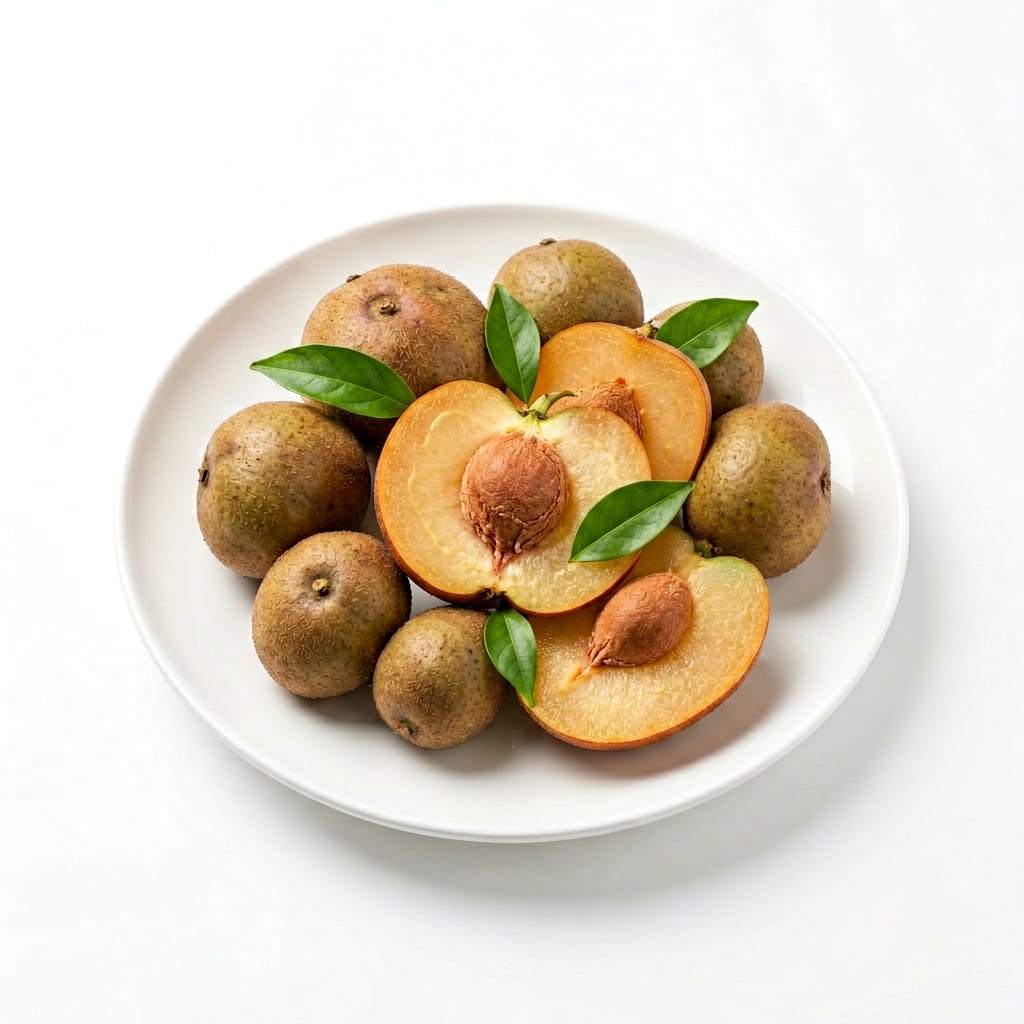
Mangrove Fruit
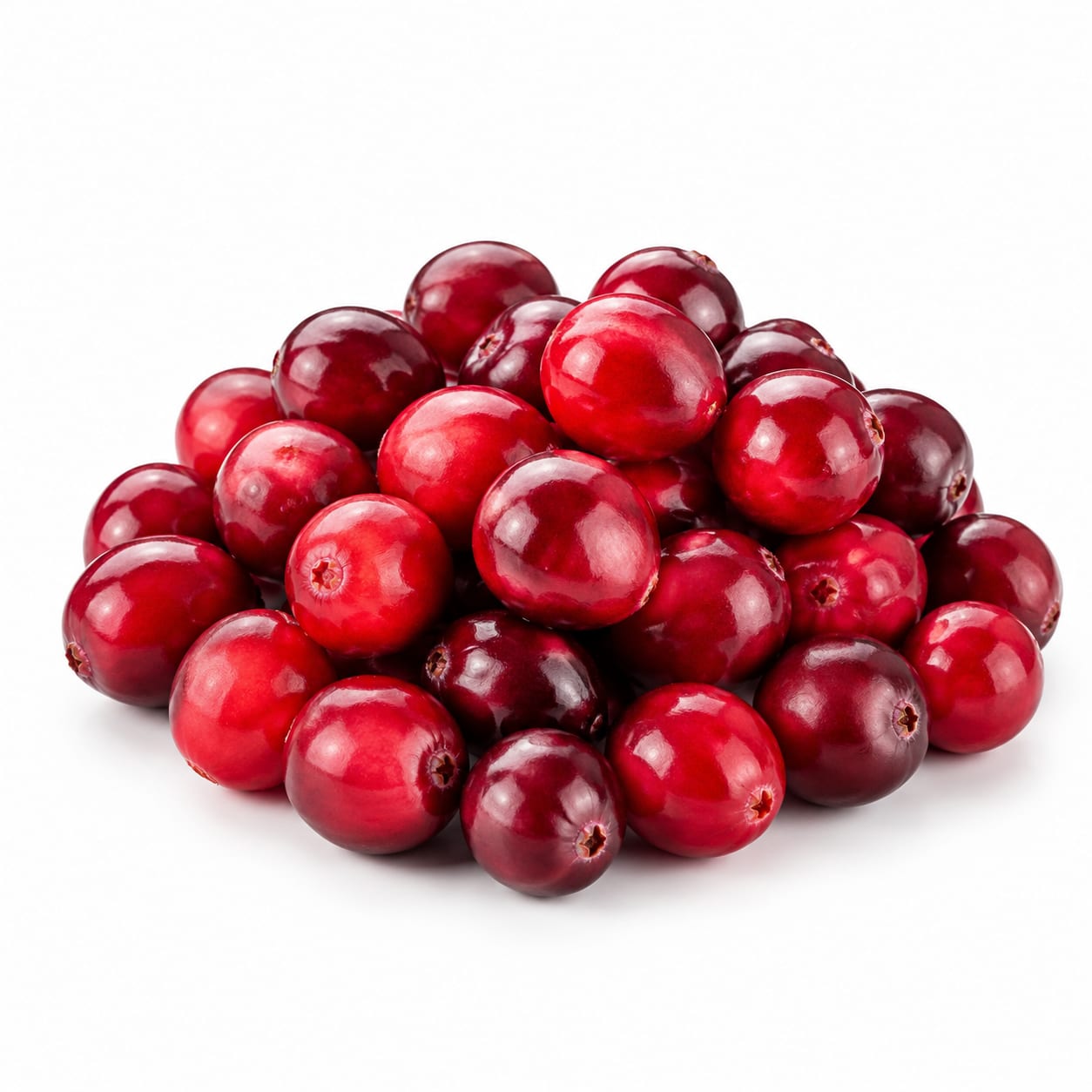
Cranberry
Cranberry offers proven, accessible health benefits like UTI prevention, while Mangrove Fruit is a rare, wild-harvested food with traditional uses but limited modern research.
Cranberry scores higher due to extensive research, proven specific benefits, and global availability, while Mangrove Fruit loses points for rarity, lack of clinical data, and potential coastal contamination risks.
Proven, convenient health benefits versus exotic, localized traditional nutrition with sourcing challenges.
At a glance
Executive summary
Overall
Cranberry
Healthier
Cranberry
More practical
Cranberry
Daily use
Cranberry
Key comparison lenses
Accessibility and everyday practicality
Cranberry is a global supermarket staple, whereas Mangrove Fruit is a rare, localized wild food, making daily integration vastly different.
Antioxidant and medicinal value
Both foods are prized for unique phytonutrients, but Cranberry has extensive clinical backing while Mangrove Fruit relies on traditional use.
Preparation and sugar impact
Cranberries are notoriously tart and usually require sweetening, while Mangrove Fruit is typically used in savory or pickled preparations.
Environmental and safety risks
Mangrove Fruit carries coastal contamination risks, while Cranberry farming involves well-documented pesticide concerns.
Best choice for
Mangrove Fruit
- Foragers in tropical coastal regions
- People seeking traditional coastal remedies
- Adventurous eaters exploring rare botanicals
Cranberry
- UTI prevention
- Everyday antioxidant boost
- Accessible superfruit integration
Least suitable for
Mangrove Fruit
- People far from tropical coasts
- Those needing well-documented nutritional data
- Individuals avoiding wild-harvested foods due to contamination risks
Cranberry
- People strictly avoiding added sugars (if consuming dried or juiced forms)
- Those on blood-thinning medications like warfarin
Deep comparison
Dimension by dimension
Each lens scores both foods and breaks down who each option suits.
- Dimension 1 · Priority 90Cranberry
Antioxidant Power & Specific Benefits
Mangrove Fruit · 70Cranberry · 92Cranberry's proanthocyanidins are uniquely proven to prevent UTIs, whereas Mangrove Fruit's antioxidants are promising but lack clinical backing.
Tradeoff
You get proven, targeted benefits with Cranberry, while Mangrove Fruit offers broader, less understood traditional medicinal properties.
Why it matters
Targeted health outcomes are easier to rely on when backed by science.
Real-world impact
Reaching for Cranberry extract or fruit can actively prevent recurrent infections; Mangrove Fruit is more of a general wellness gamble.
Mangrove Fruit
- Broad traditional remedy use
Better for
- Lacks clinical validation
Worse for
Cranberry
- Targeted UTI prevention
- Clinically proven anti-adhesion properties
Better for
- Benefits often come with added sugar in commercial forms
Worse for
- Dimension 2 · Priority 95Cranberry
Availability & Practicality
Mangrove Fruit · 20Cranberry · 95Cranberries are a staple in global supermarkets, while Mangrove Fruits are highly localized and hard to find.
Tradeoff
Convenience and consistency versus rare, exotic novelty.
Why it matters
A food can't improve your health if you can't reliably buy or eat it.
Real-world impact
You can grab Cranberries or supplements any day; finding fresh Mangrove Fruit requires living in or visiting specific tropical coastal regions.
Mangrove Fruit
- Locally sourced for coastal foragers
Better for
- Almost impossible to find commercially
- No standardized supply chain
Worse for
Cranberry
- Global supermarket availability
- Year-round access in fresh, frozen, or dried forms
Better for
- May require sweetening to be palatable
Worse for
- Dimension 3 · Priority 85Mangrove Fruit
Sugar & Palatability
Mangrove Fruit · 80Cranberry · 55Mangrove Fruit is naturally tart but usually prepared in savory or pickled dishes, avoiding added sugars, whereas Cranberries are so tart they are almost always sweetened.
Tradeoff
Natural low-sugar preparation versus the need to mask extreme tartness with sugar.
Why it matters
How you prepare a food drastically changes its metabolic impact.
Real-world impact
Eating Cranberry products often means consuming hidden sugars, while Mangrove Fruit fits naturally into low-sugar savory meals.
Mangrove Fruit
- Naturally low-sugar culinary uses
- Savory flavor integration
Better for
- Astringent and unpalatable raw for many
Worse for
Cranberry
- Familiar sweet-tart flavor profile in baked goods
Better for
- High sugar content in most commercial forms
Worse for
- Dimension 4 · Priority 80Cranberry
Environmental & Safety Risks
Mangrove Fruit · 45Cranberry · 75Mangrove Fruits grow in coastal estuaries that can accumulate heavy metals and pollutants, while Cranberries are farmed but carry pesticide residue risks.
Tradeoff
Wild-harvested contamination uncertainty versus conventional farming pesticide concerns.
Why it matters
Coastal plants act as filters for their environment, which can pass toxins up the food chain.
Real-world impact
Eating Mangrove Fruit from unknown waters carries heavy metal risks; Cranberries can be chosen organic to mitigate pesticide issues.
Mangrove Fruit
- Wild-harvested, no agricultural chemicals
Better for
- Risk of heavy metals from estuary water
- Microplastic exposure in coastal zones
Worse for
Cranberry
- Regulated farming practices
- Organic options widely available
Better for
- Pesticide residue on conventional crops
Worse for
Timeline
Health impact over time
Short-term
Hours to days
Mangrove Fruit
- May offer astringent digestive effects
- Provides a unique savory culinary experience
Cranberry
- Can help flush out early UTI symptoms
- Provides a quick Vitamin C boost
Long-term
Months to years
Mangrove Fruit
- Potential antioxidant support from tannins
- Possible exposure to coastal environmental toxins if sourced poorly
Cranberry
- Consistent UTI prevention
- Improved gut health from fiber if consuming whole fruit
- Risk of blood sugar issues if consuming sweetened dried cranberries regularly
Risk profile
Safety & processing
Mangrove Fruit is typically consumed in its natural or pickled state, while the Cranberry market is dominated by sweetened dried fruits and juices, moving it away from its raw natural state.
Mangrove Fruit
Heavy metal accumulation
highMangroves filter estuary water and can accumulate lead, cadmium, and arsenic in their tissues.
Microplastic ingestion
mediumCoastal environments are heavily polluted with microplastics, which can adhere to or be absorbed by the fruit.
Cranberry
Pesticide residue
mediumConventional cranberries are often treated with pesticides; checking the EWG list is advised.
Medication interaction
mediumHigh consumption of cranberry can interact with blood thinners like warfarin, increasing bleeding risk.
Who wins for whom
Audience fit
Same foods, different winners depending on your goal.
children
CranberryCranberry is far safer and more palatable for kids, whereas Mangrove Fruit's sourcing risks and astringency make it unsuitable.
daily consumption
CranberryCranberry is easy to find, well-studied, and safe for daily use in moderation, while Mangrove Fruit lacks the data for safe daily consumption.
diabetes
Mangrove FruitMangrove Fruit's savory culinary role avoids the blood sugar spikes associated with sweetened Cranberry products.
elderly
CranberryCranberry's proven UTI prevention is highly beneficial for older adults, provided they don't have blood thinner interactions.
muscle gain
It dependsNeither fruit is a significant protein source; both are irrelevant for direct muscle gain.
weight loss
Mangrove FruitMangrove Fruit is used in savory, low-sugar preparations, avoiding the calorie-dense added sugars found in most Cranberry products.
Your move
Decision guide
Choose Mangrove Fruit
- You live in a tropical coastal region with safe, clean foraging access
- You want a low-sugar, savory botanical ingredient
- You are exploring traditional Southeast Asian remedies
Choose Cranberry
- You want proven UTI prevention
- You need a reliable, easy-to-find antioxidant source
- You enjoy tart flavors and want a versatile kitchen staple
Either works if
- You are looking to diversify your antioxidant intake
- You want to add more plant variety to your diet
Avoid both if
- You are looking for a high-protein or high-calorie food for energy
- You have severe gastrointestinal sensitivity to acidic or tannin-rich foods
Final recommendation
Choose Cranberry for a practical, scientifically backed daily health boost, especially for UTI prevention. Opt for Mangrove Fruit only if you have safe, local access and want to explore rare, savory traditional foods, but be mindful of coastal contamination risks.
Practical
Consumer tips
- 1
If buying Cranberries, choose fresh or unsweetened frozen over dried to avoid added sugars.
- 2
If foraging Mangrove Fruit, ensure the water source is free from industrial runoff and heavy metal pollution.
- 3
Cranberry supplements can provide UTI benefits without the sugar load of juice or dried fruit.
- 4
When preparing Mangrove Fruit, traditional soaking or boiling can help reduce harsh tannins and astringency.