
Nutrition comparison
Mangrove Fruit vs Banana: Which Is Better for Blood Sugar, Satiety, and Daily Use?
Compare mangrove fruit and banana on sugar content, glycemic impact, convenience, and safety. Learn which fruit fits your health goals and lifestyle better.
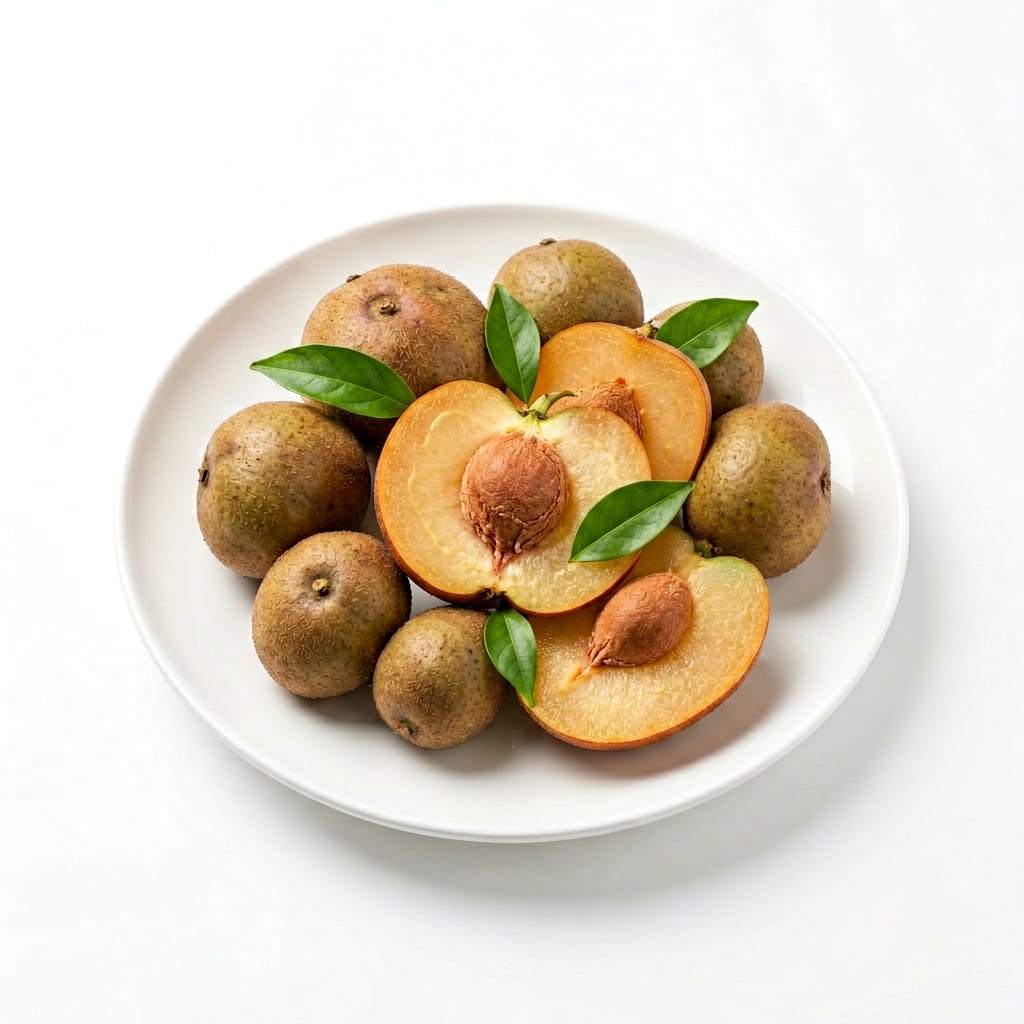
Mangrove Fruit

Banana
Bananas win on convenience and familiarity, but mangrove fruit offers steadier energy and lower sugar for those who can access and prepare it properly.
Banana scores higher primarily due to accessibility, safety, and ease of use. Mangrove fruit has compelling nutritional advantages but significant practical barriers that reduce its real-world score. Confidence is moderate because mangrove fruit nutritional data is less established than banana data.
Instant palatability and global availability versus gentler blood sugar impact and novel phytonutrients with extra prep work.
At a glance
Executive summary
Overall
It depends
Healthier
Mangrove Fruit
More practical
Banana
Daily use
Banana
Key comparison lenses
Blood sugar impact and glycemic load
Bananas are known for quick sugar hits while mangrove fruits are traditionally lower in sugar, making this the most actionable difference for daily energy management
Accessibility and practical everyday use
Bananas are universally available while mangrove fruits are regionally limited and unfamiliar to most consumers, heavily influencing real-world adoption
Satiety and craving control
The tannin content and lower sugar in mangrove fruit may dampen appetite differently than the quick satisfaction from a banana
Safety and preparation requirements
Mangrove fruit often requires soaking or cooking to reduce tannins and potential toxins, while bananas are ready to eat raw
Micronutrient density comparison
Bananas offer well-documented potassium and B6 while mangrove fruit has less studied but potentially unique antioxidant compounds
Best choice for
Mangrove Fruit
- People managing blood sugar who want a fruit option
- Coastal communities with traditional knowledge of preparation
- Adventurous eaters seeking novel antioxidant sources
- Those wanting lower-sugar fruit alternatives
Banana
- Athletes needing quick pre-workout fuel
- Busy people wanting grab-and-go nutrition
- Children and elderly who need gentle, familiar foods
- Anyone needing reliable potassium on a budget
Least suitable for
Mangrove Fruit
- People unfamiliar with proper preparation methods
- Anyone needing immediate ready-to-eat food
- Children who may reject unfamiliar bitter flavors
- Those with sensitive digestion unaccustomed to tannins
Banana
- People strictly limiting carbohydrate or sugar intake
- Those with ripe banana sensitivity or latex-fruit allergy
- Diabetics seeking low-glycemic fruit options
- Anyone trying to reduce cravings triggered by sweet foods
Deep comparison
Dimension by dimension
Each lens scores both foods and breaks down who each option suits.
- Dimension 1 · Priority 92Mangrove Fruit
Blood Sugar Stability
Mangrove Fruit · 78Banana · 45Mangrove fruit delivers steadier energy with less sugar and a gentler glycemic impact than banana.
Tradeoff
You avoid the sugar spike but sacrifice the instant energy boost that makes bananas popular before workouts.
Why it matters
Ripe bananas can cause a quick blood sugar rise followed by a crash, leaving you hungry again within an hour. Mangrove fruit's lower sugar content means fewer cravings later.
Real-world impact
A banana at 3pm may leave you reaching for another snack by 4pm. Mangrove fruit is less likely to trigger that cycle.
Mangrove Fruit
- Steady afternoon energy without crashes
- Diabetics seeking lower-glycemic fruit
- People prone to sugar-triggered cravings
Better for
- Situations requiring rapid energy replenishment
Worse for
Banana
- Quick fuel before exercise
- Recovering from low blood sugar episodes
- Morning energy when you need fast carbs
Better for
- Sustained focus during long work sessions
- Blood sugar management for prediabetics
Worse for
- Dimension 2 · Priority 88Banana
Convenience and Accessibility
Mangrove Fruit · 20Banana · 95Bananas are one of the most convenient foods on earth. Mangrove fruit requires sourcing effort and preparation.
Tradeoff
You gain nutritional uniqueness with mangrove fruit but lose the ability to just grab something and eat it on the way out the door.
Why it matters
The best food for you is the one you actually eat consistently. Bananas require zero prep, zero cooking, and are available everywhere.
Real-world impact
You can buy bananas at any grocery store and eat them immediately. Mangrove fruit may require specialty sourcing, soaking, or boiling before it is safe and palatable.
Mangrove Fruit
- Cultural contexts where it is traditionally prepared
- Culinary exploration as a weekend project
Better for
- Any situation requiring immediate consumption
- People without time for food preparation
Worse for
Banana
- Commuting and on-the-go eating
- Office snacks with no kitchen access
- Travel and backpacking
- Quick breakfast before early meetings
Better for
- None significant for convenience
Worse for
- Dimension 3 · Priority 80Mangrove Fruit
Satiety and Fullness
Mangrove Fruit · 74Banana · 55Mangrove fruit's tannins and fiber profile promote longer-lasting fullness compared to the faster-digesting banana.
Tradeoff
You feel fuller longer with mangrove fruit but may find the astringent mouthfeel less pleasant than a banana's creamy sweetness.
Why it matters
If a snack does not keep you full, you end up eating more calories overall. The tannin content in mangrove fruit naturally slows digestion and signals satisfaction earlier.
Real-world impact
A mangrove fruit snack at lunch may keep you satisfied until dinner. A banana might only buy you 45 minutes before hunger returns.
Mangrove Fruit
- Weight management through natural appetite suppression
- Long gaps between meals
- People who snack out of habit rather than hunger
Better for
- Those who find astringent flavors make eating unpleasant
Worse for
Banana
- Post-workout when you need food that digests quickly
- People with poor appetite who need easy calories
Better for
- Anyone trying to reduce overall calorie intake through better satiety
Worse for
- Dimension 4 · Priority 75Banana
Safety and Preparation Risk
Mangrove Fruit · 40Banana · 90Bananas are among the safest fruits globally with minimal preparation risk. Mangrove fruit requires knowledge to prepare safely.
Tradeoff
Mangrove fruit offers a novel food experience but carries real preparation risks if handled incorrectly.
Why it matters
Incorrectly prepared mangrove fruit can deliver unpleasant tannin overload or mild toxicity. Bananas are essentially foolproof.
Real-world impact
Eating an unripe or improperly treated mangrove fruit can cause nausea or severe mouth astringency. A banana just tastes less sweet when underripe.
Mangrove Fruit
- Communities with generational knowledge of safe preparation
Better for
- First-time foragers or consumers
- People with compromised digestion
Worse for
Banana
- Children and elderly with sensitive digestion
- Anyone without traditional preparation knowledge
- Travelers trying new foods cautiously
Better for
- Those with latex-fruit syndrome (rare but real)
Worse for
- Dimension 5 · Priority 65It depends
Micronutrient and Antioxidant Profile
Mangrove Fruit · 68Banana · 70Banana offers well-documented potassium and B6. Mangrove fruit provides unique polyphenols and tannins with less studied but potentially significant antioxidant value.
Tradeoff
Banana gives you proven, measurable nutrients. Mangrove fruit offers promising but less validated compounds that may have outsized benefits we do not fully understand yet.
Why it matters
Potassium from bananas directly supports heart rhythm and muscle function. Mangrove fruit tannins may offer anti-inflammatory and antimicrobial properties but the evidence base is thinner.
Real-world impact
A banana reliably helps with cramps and electrolyte balance. Mangrove fruit might offer long-term anti-inflammatory benefits but you cannot count on it the same way.
Mangrove Fruit
- People seeking diverse polyphenol sources
- Diets already rich in potassium needing variety
- Anti-inflammatory eating patterns
Better for
- Situations requiring proven, measurable nutrient delivery
Worse for
Banana
- Athletes needing reliable electrolyte replenishment
- Pregnant women needing folate and B6
- Anyone with documented potassium needs
Better for
- Those wanting broad antioxidant diversity from fruit
Worse for
Timeline
Health impact over time
Short-term
Hours to days
Mangrove Fruit
- May cause mouth dryness or astringency if not properly prepared
- Slower digestion providing extended satiety
- Unlikely to cause blood sugar spikes
- Possible mild stomach discomfort for unaccustomed consumers
Banana
- Quick energy boost within 15 to 30 minutes of eating
- Possible blood sugar spike followed by mild crash with very ripe bananas
- Gentle on the stomach for most people
- Immediate craving satisfaction from natural sweetness
Long-term
Months to years
Mangrove Fruit
- Potential anti-inflammatory benefits from regular tannin consumption
- Lower cumulative sugar exposure compared to sweeter fruits
- Possible gut microbiome benefits from unique polyphenols
- Risk of tannin-related nutrient absorption interference if consumed excessively
Banana
- Consistent potassium intake supporting cardiovascular health
- Well-established digestive regularity from pectin and fiber
- Possible contribution to sugar dependency if over-relied upon as primary fruit
- Resistant starch in greener bananas may support gut health
Risk profile
Safety & processing
Both foods are whole, unprocessed plant foods in their natural state. Neither carries concerns about artificial additives. The key difference is that mangrove fruit often requires traditional processing like soaking or boiling at home, while bananas are eaten as-is.
Mangrove Fruit
Tannin toxicity from improper preparation
mediumHigh tannin consumption from inadequately prepared mangrove fruit can cause nausea, digestive distress, and reduced iron absorption over time.
Contamination from coastal water
mediumMangrove fruits grow in brackish coastal waters that may carry heavy metals, pollutants, or microorganisms depending on local water quality.
Allergic or sensitivity reactions
lowAs an unfamiliar food, first-time consumers may experience unexpected allergic responses or digestive sensitivity.
Banana
Pesticide residue on conventionally grown bananas
lowWhile the thick peel reduces exposure, conventional bananas can carry pesticide residues. Washing or choosing organic mitigates this.
Latex-fruit syndrome cross-reaction
lowPeople with latex allergies may experience itching or swelling from bananas due to shared proteins. This is uncommon but well-documented.
Sugar overconsumption when eaten frequently
lowEating multiple ripe bananas daily can contribute significant sugar intake, especially concerning for those managing metabolic conditions.
Who wins for whom
Audience fit
Same foods, different winners depending on your goal.
children
BananaBananas are sweet, soft, easy to digest, and universally loved by kids. Mangrove fruit's astringency and preparation requirements make it impractical for children.
daily consumption
BananaConsistent availability, ease of use, and well-understood nutritional benefits make bananas the more sustainable daily choice for most people globally.
diabetes
Mangrove FruitThe lower sugar content and gentler glycemic impact make mangrove fruit safer for blood sugar management, though portion control still matters for both.
elderly
BananaSoft texture, proven potassium benefits for heart health, and zero preparation risk make bananas far more suitable for older adults.
muscle gain
BananaBananas provide fast-digesting carbs and potassium that directly support workout performance and recovery, making them a staple for athletes.
weight loss
Mangrove FruitLower sugar, higher satiety from tannins, and slower digestion make mangrove fruit more compatible with calorie control, assuming you can access and prepare it properly.
Your move
Decision guide
Choose Mangrove Fruit
- You have access to properly prepared mangrove fruit and know how to handle it
- Blood sugar management is your top dietary priority
- You want to explore traditional coastal foodways and novel flavors
- You are seeking lower-sugar fruit options for weight management
Choose Banana
- You need reliable, affordable, grab-and-go nutrition
- You are an athlete or active person needing quick energy
- You want a gentle food for sensitive digestion
- You are feeding children or elderly family members
- Consistency and habit-building matter more than novelty
Either works if
- You simply want whole fruit as part of a balanced diet
- You are meeting daily fruit intake recommendations
- Neither food is a dietary staple for you but an occasional addition
Avoid both if
- You have specific fruit sugar restrictions advised by a doctor
- You are on a strict very-low-carb or ketogenic protocol
- You have known allergies to either food
Final recommendation
For most people, bananas remain the smarter daily choice because consistency beats novelty in nutrition. However, if you live in a region where mangrove fruit is traditionally available and you know how to prepare it, incorporating it as a lower-sugar alternative a few times per week can add valuable diversity to your fruit intake. Do not chase mangrove fruit as a superfood if it means skipping the banana you would actually eat. The best fruit is always the one you will consistently reach for.
Practical
Consumer tips
- 1
If trying mangrove fruit for the first time, source it from someone with traditional preparation knowledge rather than foraging it yourself
- 2
Soak or boil mangrove fruit as traditionally recommended to reduce tannin content before eating
- 3
Choose slightly green bananas for more resistant starch and less sugar impact if blood sugar is a concern
- 4
Pair bananas with a protein or fat source like nut butter to slow sugar absorption and extend satiety
- 5
Do not assume mangrove fruit is automatically healthier just because it is less common. Its advantages are specific and situational.
- 6
If you have latex allergy, be cautious with bananas and consult your doctor about cross-reactivity risks
- 7
Rotate your fruit choices weekly rather than relying on any single fruit for all your nutritional needs