
Nutrition comparison
Mangrove Fruit vs Mango: Nutrition, Safety, and Which to Choose
Compare mangrove fruit and mango on sugar content, vitamins, safety, and practicality. Learn which tropical fruit fits your health goals and lifestyle.
Overall winner · Mango
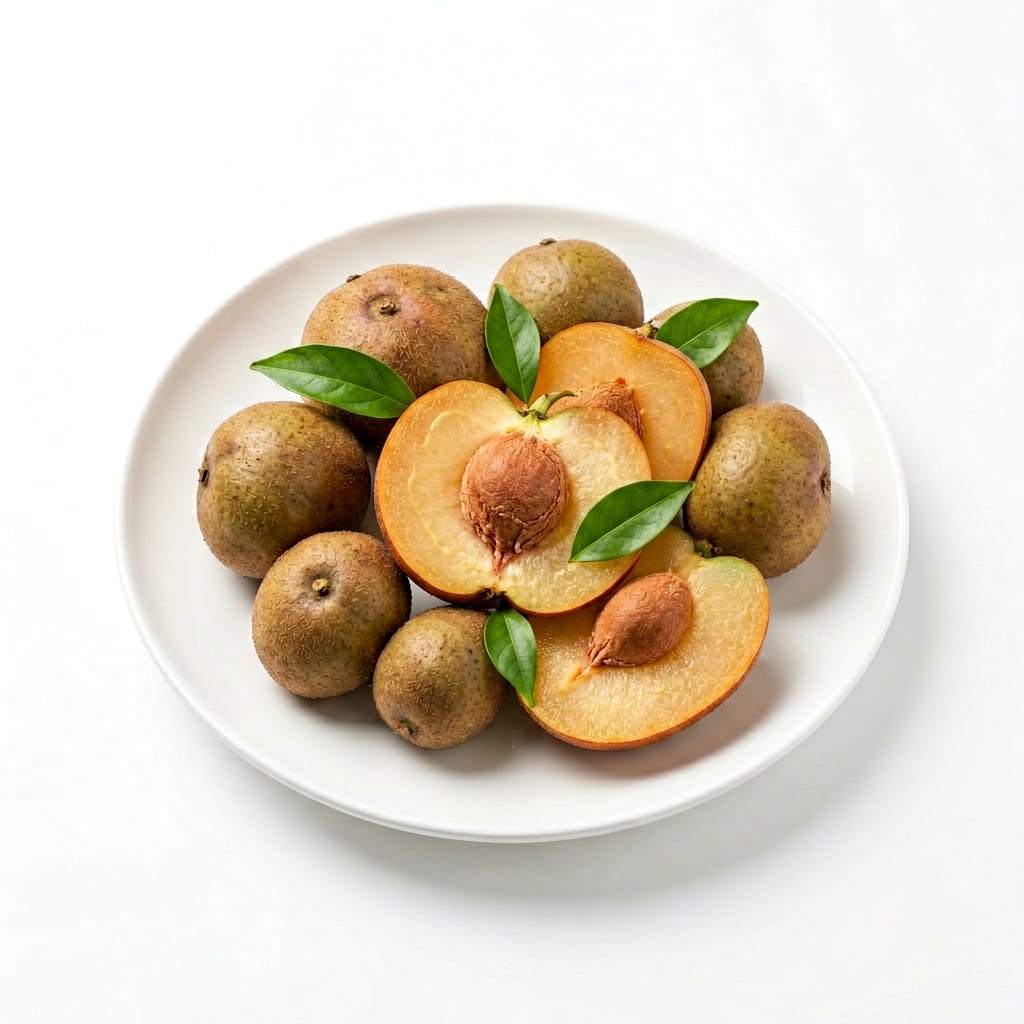
Mangrove Fruit
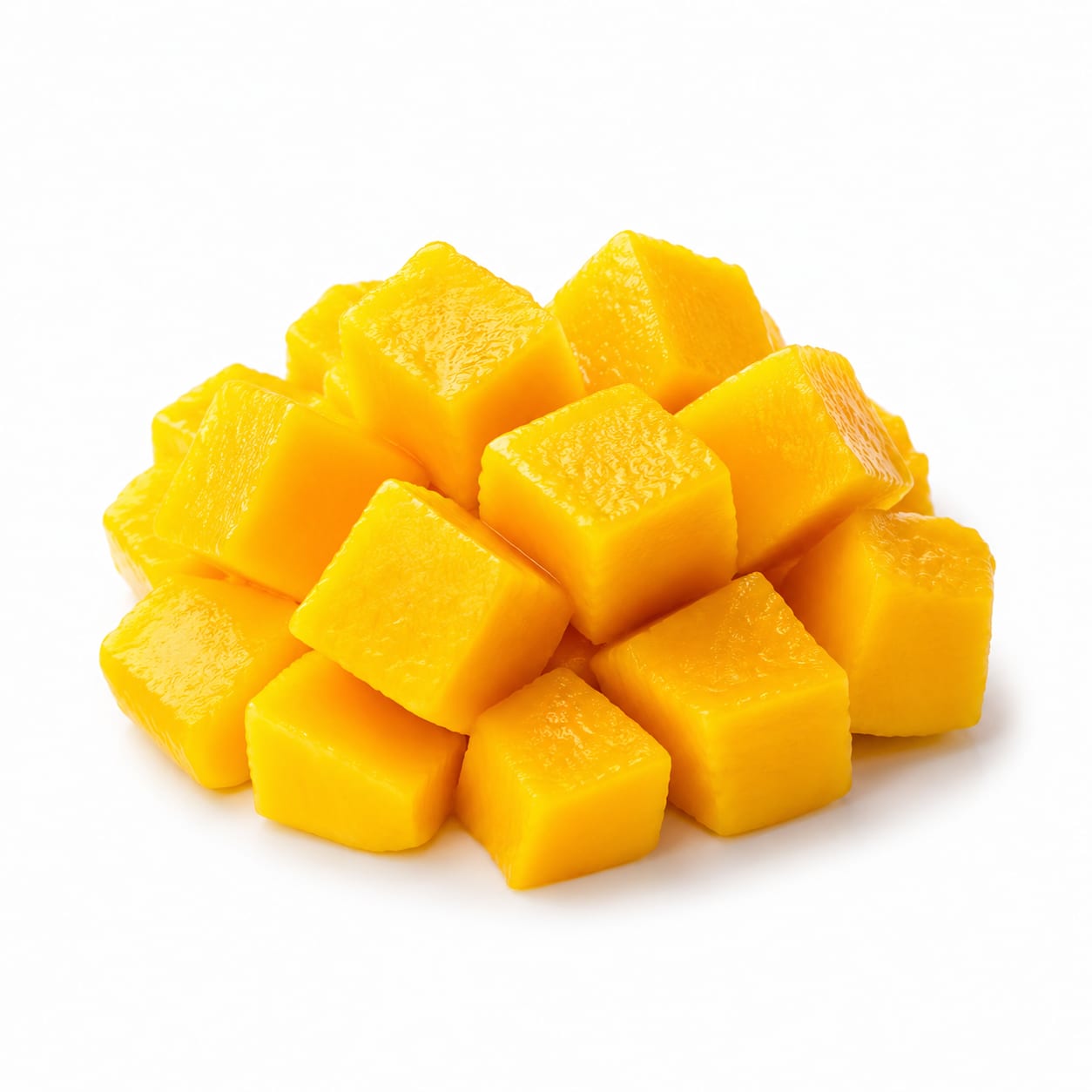
Mango
Mango wins for nutrition, safety, and everyday practicality. Mangrove fruit is a fascinating traditional food but requires careful preparation and offers limited availability.
Mango scores significantly higher due to superior vitamin content, widespread availability, and safety. Mangrove fruit loses ground on accessibility, preparation complexity, and limited nutritional documentation. Confidence is moderate because mangrove fruit nutritional data is less well-established than mango.
Mango gives you proven vitamins and easy enjoyment, while mangrove fruit offers lower sugar and higher fiber at the cost of availability, palatability, and preparation effort.
At a glance
Executive summary
Overall
Mango
Healthier
Mango
More practical
Mango
Daily use
Mango
Key comparison lenses
Nutritional accessibility and practicality
Mango is a globally available supermarket staple while mangrove fruit is a niche, regionally foraged food with limited commercial access
Safety and preparation requirements
Mangrove fruit often requires soaking or boiling to remove tannins and potential toxins, while mango is typically eaten raw with minimal risk
Sugar and glycemic impact
Mango is notably sweet with higher sugar content; mangrove fruit is far more astringent and lower in sugar, making glycemic response a key differentiator
Culinary versatility and enjoyment
Mango is universally loved and versatile in sweet and savory dishes; mangrove fruit is an acquired taste with limited culinary applications
Vitamin density and antioxidant profile
Mango delivers exceptional vitamin A and C content; mangrove fruit has a different, less documented micronutrient profile
Best choice for
Mangrove Fruit
- People seeking extremely low-sugar fruit options
- Those interested in traditional or foraged foods
- Individuals managing blood sugar who tolerate astringent flavors
- Coastal communities with local mangrove access
Mango
- Anyone wanting reliable vitamin A and C intake
- Families looking for a kid-friendly fruit
- Active people needing quick natural energy
- Everyday consumers wanting accessible, proven nutrition
Least suitable for
Mangrove Fruit
- Children unaccustomed to bitter or astringent flavors
- People without access to coastal foraging regions
- Anyone unfamiliar with proper tannin-removal preparation
- Those wanting a convenient grab-and-go snack
Mango
- People strictly limiting sugar intake
- Those with mango allergy (urushiol sensitivity)
- Individuals managing severe diabetes who need low-glycemic options
Deep comparison
Dimension by dimension
Each lens scores both foods and breaks down who each option suits.
- Dimension 1 · Priority 90Mango
Vitamin and Micronutrient Density
Mangrove Fruit · 30Mango · 88Mango delivers outstanding vitamin C and beta-carotene. Mangrove fruit has minerals like manganese and iron but far less documented vitamin content.
Tradeoff
Mango gives you proven, measurable vitamin boosts. Mangrove fruit may offer unique trace minerals from its coastal habitat but lacks robust nutritional data.
Why it matters
Consistent vitamin intake from familiar fruits supports immune function and skin health reliably.
Real-world impact
Eating a mango noticeably boosts your vitamin C for the day. Mangrove fruit's contribution is harder to quantify and likely more modest.
Mangrove Fruit
- Trace mineral intake from coastal growing conditions
Better for
- Lacks the well-documented vitamin profile most people expect from fruit
Worse for
Mango
- Vitamin A support for vision and skin
- Vitamin C for immune function
- Documented, reliable micronutrient delivery
Better for
- Higher sugar partially offsets vitamin benefits for some users
Worse for
- Dimension 2 · Priority 85Mangrove Fruit
Sugar Content and Glycemic Impact
Mangrove Fruit · 78Mango · 42Mangrove fruit is low in sugar and notably astringent. Mango contains 14-15g of sugar per 100g, creating a moderate glycemic load.
Tradeoff
Choosing mangrove fruit spares your blood sugar but sacrifices taste enjoyment. Mango tastes delicious but can spike glucose if eaten in large quantities.
Why it matters
For people managing diabetes, insulin resistance, or sugar cravings, this difference is decisive.
Real-world impact
A mango can cause a noticeable blood sugar rise on an empty stomach. Mangrove fruit would barely register on a glucose monitor.
Mangrove Fruit
- Blood sugar management
- Low-carb and keto-adjacent diets
- Avoiding sugar-driven cravings
Better for
- Unsatisfying as a sweet treat or dessert alternative
Worse for
Mango
- Pre- or post-workout energy replenishment
- Active people needing quick carbohydrate fuel
Better for
- Can trigger overeating due to sweetness
- Less suitable for glucose-sensitive individuals
Worse for
- Dimension 3 · Priority 75Mangrove Fruit
Fiber and Digestive Satiety
Mangrove Fruit · 72Mango · 60Mangrove fruit is denser in insoluble fiber and more filling per calorie. Mango provides respectable fiber but less satiety per serving.
Tradeoff
Mangrove fruit keeps you fuller longer but with a tougher, less pleasant mouthfeel. Mango goes down easier but leaves you hungry sooner.
Why it matters
Fiber density affects how long you stay satisfied and how much you eat overall.
Real-world impact
A small serving of mangrove fruit feels heavy in the stomach. A mango feels lighter and may leave you reaching for more food within an hour.
Mangrove Fruit
- Prolonged fullness between meals
- Lower calorie intake through natural appetite suppression
Better for
- Can feel harsh or overly fibrous in the digestive tract
Worse for
Mango
- Gentler digestive experience
- More comfortable for sensitive stomachs
Better for
- Less satiety per calorie consumed
Worse for
- Dimension 4 · Priority 88Mango
Safety and Preparation Requirements
Mangrove Fruit · 25Mango · 85Mangrove fruit often requires soaking, boiling, or fermentation to reduce tannins and potential anti-nutritional compounds. Mango is safely eaten raw after peeling.
Tradeoff
Mango is peel-and-eat simple. Mangrove fruit demands knowledge, time, and careful handling to avoid digestive distress.
Why it matters
Improperly prepared mangrove fruit can cause nausea, constipation, or worse. This is not a casual food.
Real-world impact
You can hand a mango to a child safely. Handing someone raw mangrove fruit without preparation guidance could make them sick.
Mangrove Fruit
- None significant for safety — preparation is a burden, not a benefit
Better for
- Risk of tannin toxicity if underprepared
- Requires traditional knowledge to consume safely
- Not suitable for casual or inexperienced consumers
Worse for
Mango
- Safe raw consumption
- No special knowledge required
- Suitable for all ages without preparation concerns
Better for
- Skin contains urushiol which causes reactions in sensitive individuals
Worse for
- Dimension 5 · Priority 82Mango
Availability and Practical Convenience
Mangrove Fruit · 10Mango · 90Mango is available year-round in most grocery stores worldwide. Mangrove fruit is foraged regionally and virtually absent from commercial markets.
Tradeoff
Mango is always accessible. Mangrove fruit is essentially unavailable unless you live in specific coastal tropical regions.
Why it matters
Nutrition only works if you can actually get the food. A theoretically healthy food you cannot buy is not practically useful.
Real-world impact
You can buy a mango on any Tuesday in any city. Most people will never encounter a fresh mangrove fruit in their lifetime.
Mangrove Fruit
- Free if you forage in mangrove ecosystems
Better for
- Essentially impossible to find commercially
- No standardized supply chain
Worse for
Mango
- Global supermarket availability
- Consistent quality and ripeness standards
- Easy to incorporate into meal planning
Better for
- Cost can be high outside tropical regions
Worse for
- Dimension 6 · Priority 78Mango
Taste and Eating Enjoyment
Mangrove Fruit · 22Mango · 92Mango is one of the most beloved fruits on earth — sweet, aromatic, and juicy. Mangrove fruit is astringent, bitter, and an acquired taste even when properly prepared.
Tradeoff
Mango makes healthy eating feel like a treat. Mangrove fruit makes healthy eating feel like a chore.
Why it matters
Enjoyment drives consistency. People eat what tastes good repeatedly, which matters more than occasional perfect nutrition.
Real-world impact
Mango is the kind of fruit you look forward to. Mangrove fruit is the kind you eat out of necessity or cultural tradition, not craving.
Mangrove Fruit
- Appeals to people who enjoy bitter, complex flavors
Better for
- Most people find it unpalatable without significant preparation
- Unlikely to replace sweeter fruits in a regular diet
Worse for
Mango
- Universally appealing sweetness
- Works in smoothies, desserts, salsas, and savory dishes
- Encourages consistent fruit consumption through enjoyment
Better for
- Sweetness can encourage overconsumption
Worse for
Timeline
Health impact over time
Short-term
Hours to days
Mangrove Fruit
- Likely minimal blood sugar impact after eating
- Possible digestive discomfort if tannins are not fully removed
- Astringent mouthfeel may reduce desire to overeat
Mango
- Quick energy boost from natural sugars
- Noticeable vitamin C refresh effect
- Possible blood sugar spike if eaten in large amounts on empty stomach
Long-term
Months to years
Mangrove Fruit
- Potential trace mineral benefits from coastal soil composition
- Very low sugar intake supports metabolic health long-term
- High fiber may support bowel regularity if tolerated well
Mango
- Consistent beta-carotene intake supports eye and skin health over time
- Regular vitamin C supports collagen and immune resilience
- Daily mango consumption without portion control could contribute to excess sugar intake
Risk profile
Safety & processing
Both foods are whole, unprocessed plant foods. Mangrove fruit is as natural as it gets — a foraged wild food. Mango is cultivated but still a whole fruit. Neither contains artificial additives in its raw form.
Mangrove Fruit
Tannin toxicity
mediumRaw mangrove fruit contains high tannin levels that can cause nausea, constipation, and reduced nutrient absorption. Proper soaking or boiling is essential.
Coastal contaminant exposure
mediumMangroves grow in brackish water that may contain heavy metals, microplastics, or pollutants from coastal runoff. Source matters significantly.
Misidentification
highMultiple mangrove species exist and not all fruits are equally safe for consumption. Incorrect identification could lead to ingestion of toxic varieties.
Mango
Urushiol skin contact
lowMango skin contains urushiol, the same compound as poison ivy. Sensitive individuals may develop contact dermatitis from handling the peel.
Pesticide residue
mediumConventionally grown mangoes may carry pesticide residues on the skin, which is less concerning since the peel is discarded but still worth washing.
Sulfite sensitivity from dried forms
lowDried mango is often treated with sulfites. This is not relevant to fresh mango but matters for processed versions.
Who wins for whom
Audience fit
Same foods, different winners depending on your goal.
children
MangoMango is sweet, safe, and easy to eat — perfect for kids. Mangrove fruit's bitterness, tannin risks, and preparation demands make it inappropriate for children.
daily consumption
MangoMango is accessible, enjoyable, and well-tolerated for daily eating. Mangrove fruit cannot realistically be consumed daily by most people due to availability and preparation barriers.
diabetes
Mangrove FruitMangrove fruit's minimal sugar content makes it far safer for blood glucose management. Mango can be enjoyed in small portions but requires more caution.
elderly
MangoMango is soft, easy to digest, and rich in vitamins that support aging bodies. Mangrove fruit's tough fiber and safety concerns make it less suitable.
muscle gain
MangoMango provides quicker carbohydrates that support glycogen replenishment after training. Mangrove fruit lacks the readily available energy muscles need post-workout.
weight loss
Mangrove FruitMangrove fruit's low sugar, high fiber, and astringent taste naturally limit calorie intake. Mango is healthy but easy to overeat due to its sweetness.
Your move
Decision guide
Choose Mangrove Fruit
- You live in a coastal region with access to properly identified mangrove species
- You are strictly limiting sugar and want an ultra-low-glycemic fruit
- You have traditional knowledge of mangrove fruit preparation
- You are seeking novel fiber sources and can tolerate astringent flavors
Choose Mango
- You want a delicious, vitamin-rich fruit available at any grocery store
- You need quick natural energy before or after physical activity
- You are feeding a family and want something everyone enjoys
- You value convenience and proven nutritional benefits
Either works if
- You want a whole-food, unprocessed fruit snack
- You are avoiding artificial ingredients and ultra-processed foods
- You want plant-based antioxidants in your diet
Avoid both if
- You have a severe fructose intolerance
- You are on a strict very-low-carb diet and cannot accommodate any fruit sugar
- You have oral allergy syndrome triggered by tropical fruits
Final recommendation
For nearly everyone, mango is the clear practical choice — it delivers proven vitamins, tastes excellent, and is easy to find. Mangrove fruit is an interesting traditional food with genuine low-sugar benefits, but its limited availability, preparation demands, and safety considerations make it a niche option rather than a dietary staple. If you have access to properly prepared mangrove fruit and enjoy its flavor, it can complement a low-sugar eating pattern, but it should not replace the reliable nutrition mango provides.
Practical
Consumer tips
- 1
Wash mangoes thoroughly before cutting, even though you discard the peel, to avoid transferring urushiol or pesticides to the flesh
- 2
If you encounter mangrove fruit, never eat it raw — always confirm the species is edible and follow traditional preparation methods involving soaking or boiling
- 3
For blood sugar management, pair mango with a protein or fat source like Greek yogurt or nuts to slow glucose absorption
- 4
Frozen mango retains most of its vitamin content and is often more affordable than fresh — excellent for smoothies
- 5
If interested in mangrove fruit, seek guidance from local coastal communities who have generational knowledge of safe preparation