
Nutrition comparison
Mangrove Fruit vs Dates: Which Is Healthier for Daily Snacking?
Compare mangrove fruit and dates on sugar content, blood sugar impact, calories, and practical use. Find out which whole-food snack fits your health goals better.
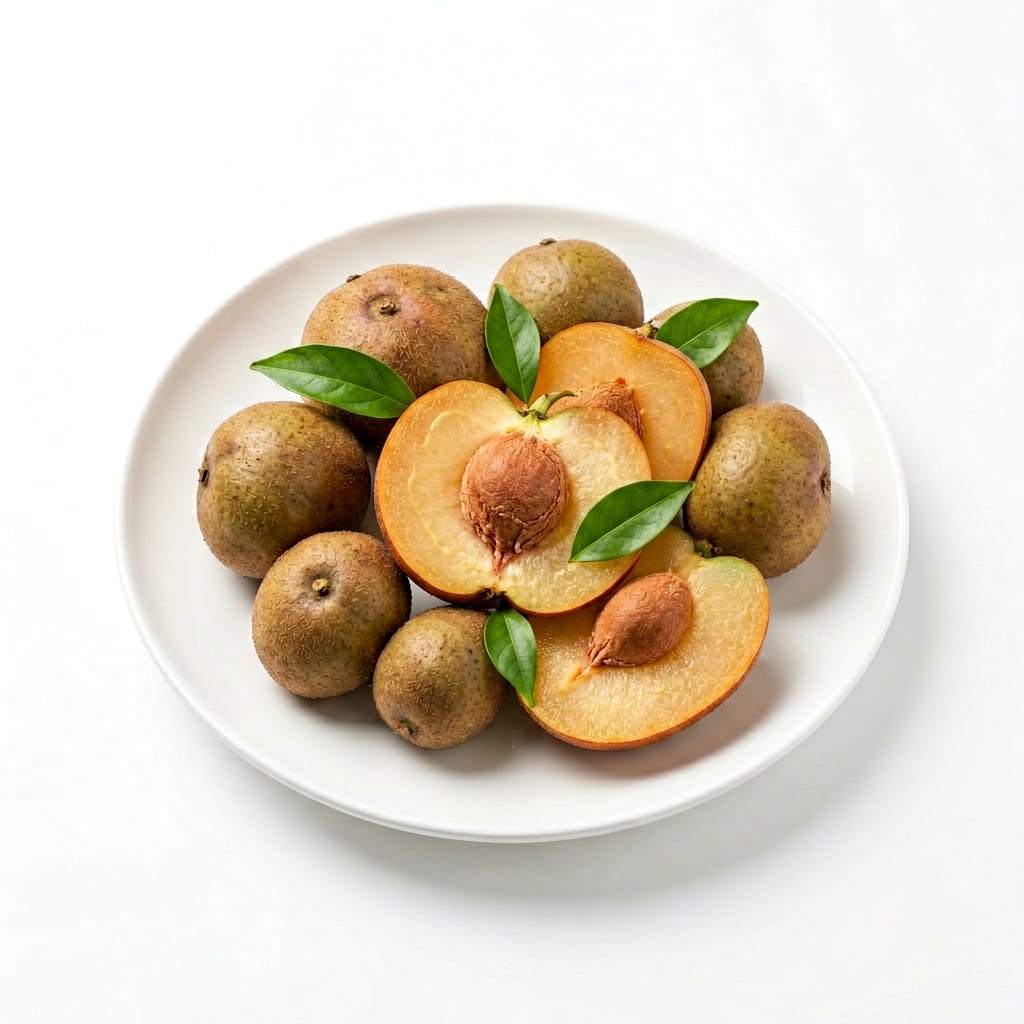
Mangrove Fruit
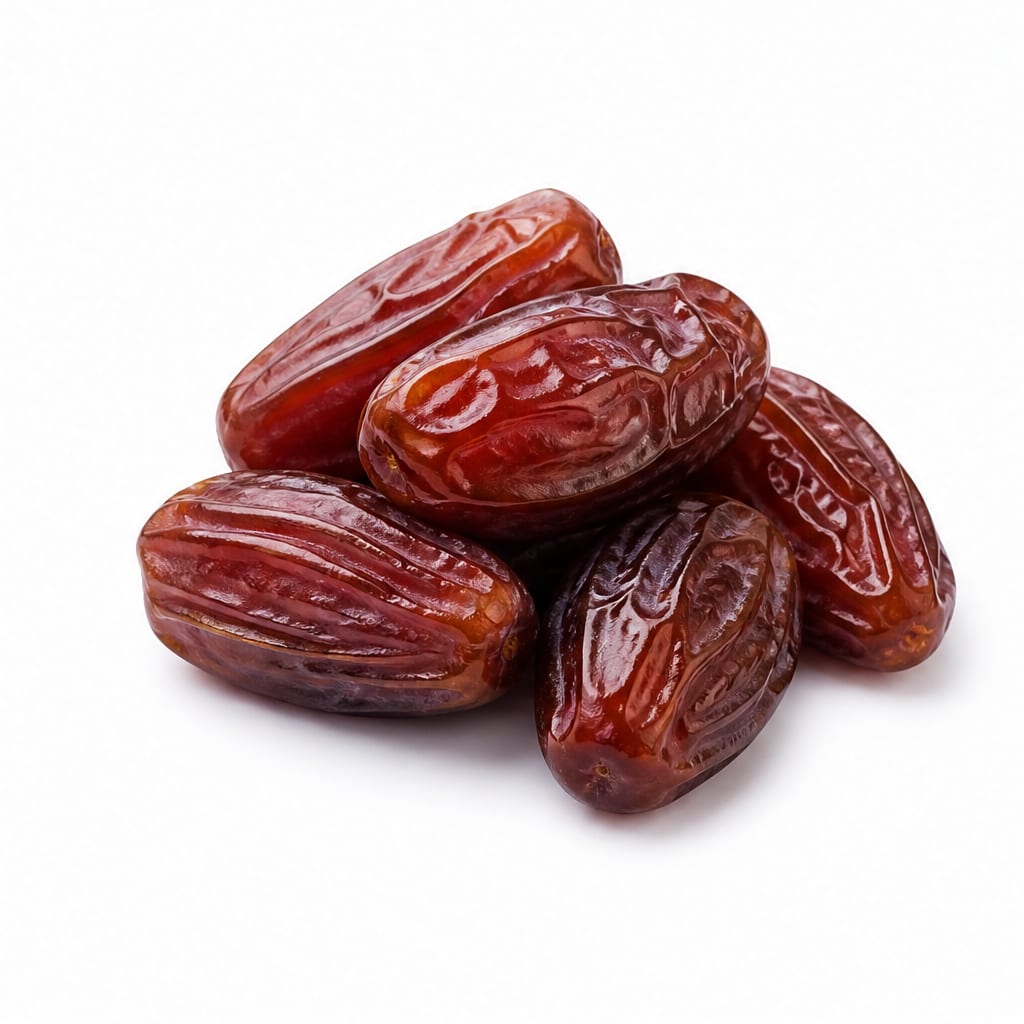
Dates
Dates deliver concentrated sweetness and quick energy but come with a heavy sugar load. Mangrove fruit offers a lighter, steadier option but is harder to find and less familiar.
Mangrove fruit edges ahead on metabolic health and lower sugar impact, but dates score strongly on practicality, calorie density, and established nutritional data. Limited research on mangrove fruit reduces confidence in the gap.
Instant satisfying sweetness and calories from dates versus lower sugar and gentler blood sugar impact from mangrove fruit
At a glance
Executive summary
Overall
It depends
Healthier
Mangrove Fruit
More practical
Dates
Daily use
It depends
Key comparison lenses
blood sugar and glycemic impact
Dates are extremely high in natural sugars while mangrove fruit is significantly lower, making this the most critical differentiator for most users
weight management and calorie density
Calorie density differs dramatically between these foods, directly affecting portion control and satiety
practical availability and everyday usability
Dates are globally available while mangrove fruit is regionally limited, heavily influencing real-world choices
energy profile and sustained fuel
Quick sugar rush from dates versus steadier energy from mangrove fruit is a key daily-life tradeoff
naturalness and traditional food heritage
Both are traditional whole foods but come from very different ecosystems and cultural contexts
Best choice for
Mangrove Fruit
- People managing blood sugar concerns
- Those seeking lower-calorie whole food snacks
- Anyone wanting sustained energy without a crash
- Coastal communities with traditional access
Dates
- Endurance athletes needing quick fuel
- People looking for natural sweetener alternatives
- Those recovering from illness and needing calorie density
- Anyone wanting an energy-dense portable snack
Least suitable for
Mangrove Fruit
- People without regional access or supply
- Anyone needing quick calorie replenishment
- Those unfamiliar with preparation methods
Dates
- People with diabetes or insulin resistance
- Anyone actively trying to lose weight
- Those sensitive to high-sugar foods
- People prone to sugar cravings and overeating
Deep comparison
Dimension by dimension
Each lens scores both foods and breaks down who each option suits.
- Dimension 1 · Priority 95Mangrove Fruit
blood sugar stability
Mangrove Fruit · 78Dates · 32Mangrove fruit has far less sugar and a gentler effect on blood glucose. Dates cause rapid spikes due to their high glucose and fructose content.
Tradeoff
You gain metabolic steadiness with mangrove fruit but lose the instant energy hit that dates provide
Why it matters
Blood sugar crashes after eating dates can trigger hunger, fatigue, and irritability within an hour or two
Real-world impact
A handful of dates can feel energizing for 30 minutes then leave you reaching for more food. Mangrove fruit keeps you on a more even keel.
Mangrove Fruit
- Steady afternoon energy without crashes
- Managing prediabetes or insulin resistance
- Avoiding the sugar-hunger cycle
Better for
- Situations requiring immediate energy replenishment
Worse for
Dates
- Quick pre-workout fuel when you need fast carbs
- Recovering from hypoglycemic episodes
Better for
- Sitting at a desk all day with minimal activity
- Late-night snacking that disrupts sleep quality
- Anyone counting carbs for diabetes management
Worse for
- Dimension 2 · Priority 88Mangrove Fruit
calorie density and weight management
Mangrove Fruit · 74Dates · 38Mangrove fruit is significantly lower in calories per serving. Dates are calorie-dense and easy to overeat due to their sweet taste and small size.
Tradeoff
Lower calories mean you can eat more volume with mangrove fruit, but dates pack more energy per bite when you genuinely need it
Why it matters
It is very easy to consume 200+ calories of dates in minutes without feeling full, which can silently undermine weight goals
Real-world impact
Five dates is roughly 330 calories — equivalent to a small meal — but rarely feels like one. Mangrove fruit lets you snack with less calorie risk.
Mangrove Fruit
- Mindful snacking without calorie anxiety
- Weight loss diets where volume matters
- Grazing throughout the day
Better for
- When you are genuinely calorie-depleted and need to refuel fast
Worse for
Dates
- Hikers and endurance athletes burning thousands of calories
- Underweight individuals needing to gain
- Replacing processed sweets with a whole-food alternative
Better for
- Emotional eating patterns where sweetness triggers overconsumption
- Sedentary lifestyles with low calorie needs
Worse for
- Dimension 3 · Priority 72Dates
nutrient density and micronutrients
Mangrove Fruit · 55Dates · 70Dates offer solid amounts of potassium, magnesium, vitamin B6, and iron. Mangrove fruit has useful nutrients but less documented and studied nutritional profiles.
Tradeoff
Dates have proven micronutrient content backed by extensive research, while mangrove fruit likely has unique phytonutrients but limited data
Why it matters
Reliable nutritional information helps you plan meals with confidence rather than guessing
Real-world impact
You can count on dates for a meaningful potassium boost. With mangrove fruit, the nutrient contribution is more of a pleasant bonus than a planned input.
Mangrove Fruit
- Potential unique antioxidants from coastal plant compounds
- Tannins and polyphenols that may support gut health
Better for
- Anyone tracking specific micronutrient intake precisely
Worse for
Dates
- Reliable potassium for muscle and nerve function
- Documented iron and magnesium contributions
- Proven B-vitamin content for energy metabolism
Better for
- People already meeting mineral needs through other foods who do not need the extra sugar
Worse for
- Dimension 4 · Priority 82Dates
practicality and availability
Mangrove Fruit · 25Dates · 92Dates are available in nearly every grocery store worldwide. Mangrove fruit is regionally limited and rarely found in mainstream markets.
Tradeoff
Dates win on convenience and access, but mangrove fruit connects you to a unique local food tradition if you live in or visit coastal tropical regions
Why it matters
The healthiest food in the world is useless if you cannot reliably buy or prepare it
Real-world impact
You can grab dates at any supermarket on any day. Mangrove fruit requires specialty sourcing, travel, or foraging knowledge.
Mangrove Fruit
- Coastal communities with traditional harvesting access
- Adventurous eaters exploring regional cuisine while traveling
Better for
- Urban dwellers far from tropical coastlines
- Anyone needing a reliable weekly food staple
Worse for
Dates
- Weekly grocery shopping anywhere in the world
- Consistent meal prep routines
- Emergency snack stashes for bags and cars
Better for
- Communities seeking food sovereignty outside global supply chains
Worse for
- Dimension 5 · Priority 68Mangrove Fruit
digestive tolerance and gut effects
Mangrove Fruit · 72Dates · 55Mangrove fruit contains tannins and astringent compounds that may support gut health in moderation. Dates are high in fiber but their sugar content can ferment and cause bloating in sensitive people.
Tradeoff
Mangrove fruit may be gentler on digestion for sugar-sensitive guts, but its tannins can be astringent and drying in excess. Dates provide excellent fiber but can cause gas if eaten in quantity.
Why it matters
Digestive discomfort after snacking defeats the purpose of choosing a healthy food
Real-world impact
Eating several dates at once can leave you bloated and uncomfortable. Mangrove fruit is less likely to cause that heavy fermenting feeling.
Mangrove Fruit
- People with IBS who react to high-sugar foods
- Those who get bloated from dried fruit
Better for
- Excessive consumption may cause dry mouth or constipation from tannins
Worse for
Dates
- Anyone needing help with constipation — dates are reliably effective
- People tolerating fiber well who want gut regularity
Better for
- Fructose-sensitive individuals
- FODMAP-restricted diets
Worse for
- Dimension 6 · Priority 70Mangrove Fruit
emotional eating and cravings
Mangrove Fruit · 68Dates · 35Dates are intensely sweet and can trigger the same reward pathways as candy, making portion control difficult. Mangrove fruit is mildly flavored and less likely to activate cravings.
Tradeoff
Dates satisfy sweet cravings in the moment but may reinforce the desire for more sweets. Mangrove fruit breaks the sweet-reward cycle but will not satisfy a sugar craving.
Why it matters
Foods that trigger overeating undermine health goals regardless of their nutrient content
Real-world impact
Opening a bag of dates often leads to eating far more than planned. Mangrove fruit is self-limiting — you eat what you need and stop naturally.
Mangrove Fruit
- Breaking the sweet snack addiction loop
- Mindful eating practices
- People who struggle with portion control
Better for
- Moments when only something sweet will feel satisfying
Worse for
Dates
- Replacing processed desserts with something whole and natural
- Satisfying a genuine sweet tooth without turning to candy
Better for
- Late-night kitchen raids where one date becomes ten
- Anyone working on reducing sugar dependence
Worse for
Timeline
Health impact over time
Short-term
Hours to days
Mangrove Fruit
- Mild steady energy without a sugar rush
- Light satiety from fiber and astringent compounds
- Possible slight dry mouth from tannins if eaten in quantity
Dates
- Rapid energy spike within 15-20 minutes
- Quick satisfaction of sweet cravings
- Potential bloating or gas if eating more than 3-4 at once
- Possible blood sugar dip 45-60 minutes after eating
Long-term
Months to years
Mangrove Fruit
- Better blood sugar regulation with regular consumption
- Potential antioxidant benefits from unique coastal plant compounds
- Low risk of weight gain from overconsumption
- Limited research means some long-term effects are unknown
Dates
- Consistent daily intake may contribute to elevated fasting blood sugar over time
- Reliable fiber intake supports long-term digestive regularity
- Potassium and magnesium contribute to cardiovascular health
- Risk of gradual weight gain if portions are not managed
Risk profile
Safety & processing
Both foods are whole and minimally processed when sourced traditionally. Some commercial dates are treated with sulfur dioxide or coated in syrup, so checking labels matters. Mangrove fruit is typically consumed close to its natural state but preparation methods vary by region.
Mangrove Fruit
Tannin overconsumption
lowExcessive intake of astringent compounds may cause constipation or reduce iron absorption. Moderate consumption is not concerning.
Contamination from coastal water
mediumMangrove ecosystems filter pollutants and can accumulate heavy metals or contaminants from nearby water. Source quality matters significantly.
Incorrect species identification
mediumNot all mangrove species produce edible fruit. Foraging without expert knowledge carries risk of consuming inedible or mildly toxic varieties.
Dates
Sulfur dioxide sensitivity
lowSome commercially dried dates are treated with sulfites to preserve color. Can trigger reactions in sensitive individuals.
Syrup coating and added sugars
mediumLower-quality dates may be glazed with sugar syrup, increasing calorie content and misleading consumers about natural sweetness.
Mold and mycotoxins
lowImproperly stored dates can develop mold. Visually inspect before eating and store in cool dry conditions.
Who wins for whom
Audience fit
Same foods, different winners depending on your goal.
children
DatesChildren generally accept sweet foods more readily, and dates provide reliable energy and minerals for growing bodies in small portions
daily consumption
It dependsDates are more practical for daily use due to availability, but mangrove fruit is metabolically safer for daily consumption if you can source it consistently
diabetes
Mangrove FruitSignificantly lower sugar content and gentler glycemic impact make mangrove fruit the safer choice for blood sugar management
elderly
It dependsDates offer easy chewing and useful potassium for blood pressure, but their sugar content may conflict with common age-related metabolic concerns. Mangrove fruit may be harder to obtain but metabolically gentler.
muscle gain
DatesDates provide fast-digesting carbs ideal for post-workout glycogen replenishment and calorie surplus needs
weight loss
Mangrove FruitLower calorie density and less sugar make mangrove fruit easier to incorporate without exceeding daily calorie targets
Your move
Decision guide
Choose Mangrove Fruit
- You are managing blood sugar, prediabetes, or insulin resistance
- You want a low-sugar whole food snack that does not trigger cravings
- You live in or visit coastal tropical regions where it is accessible
- You are trying to break a dependence on sweet foods
Choose Dates
- You need quick energy before or after intense physical activity
- You want a natural whole-food sweetener for recipes and smoothies
- You are trying to gain weight healthily or recover from illness
- You want a reliable snack you can buy anywhere
Either works if
- You are simply looking for whole-food alternatives to processed snacks
- You value traditional and cultural food practices
- You want to rotate between different whole food options for variety
Avoid both if
- You have severe fructose intolerance or malabsorption
- You are on a very low-carb or ketogenic diet
- You need high-protein snacks — neither food is a meaningful protein source
Final recommendation
If metabolic health is your priority and you can source mangrove fruit, it is the safer daily choice. If you need practical, available energy and can manage portions, dates are a solid whole-food option — just treat them like nature's candy rather than a free-pass snack.
Practical
Consumer tips
- 1
Limit dates to 2-3 per sitting to avoid blood sugar spikes and calorie overload
- 2
Pair dates with a protein or fat source like nuts to slow sugar absorption
- 3
If buying dates, look for varieties without added syrup or sulfites — Medjool and Deglet Noor are widely available in pure form
- 4
When trying mangrove fruit, source from reputable harvesters in clean coastal areas to avoid water contamination concerns
- 5
Use dates as a recipe sweetener rather than a standalone snack to spread their sugar impact across a meal
- 6
If you have access to mangrove fruit, try it as a light savory snack or in traditional preparations rather than expecting it to replace sweet foods