
Nutrition comparison
Mangrove Fruit vs Raspberry: Nutrition, Safety, and Which to Choose
Compare mangrove fruit and raspberry for antioxidants, fiber, safety, and daily practicality. Learn which fruit fits your health goals and lifestyle.
Overall winner · Raspberry
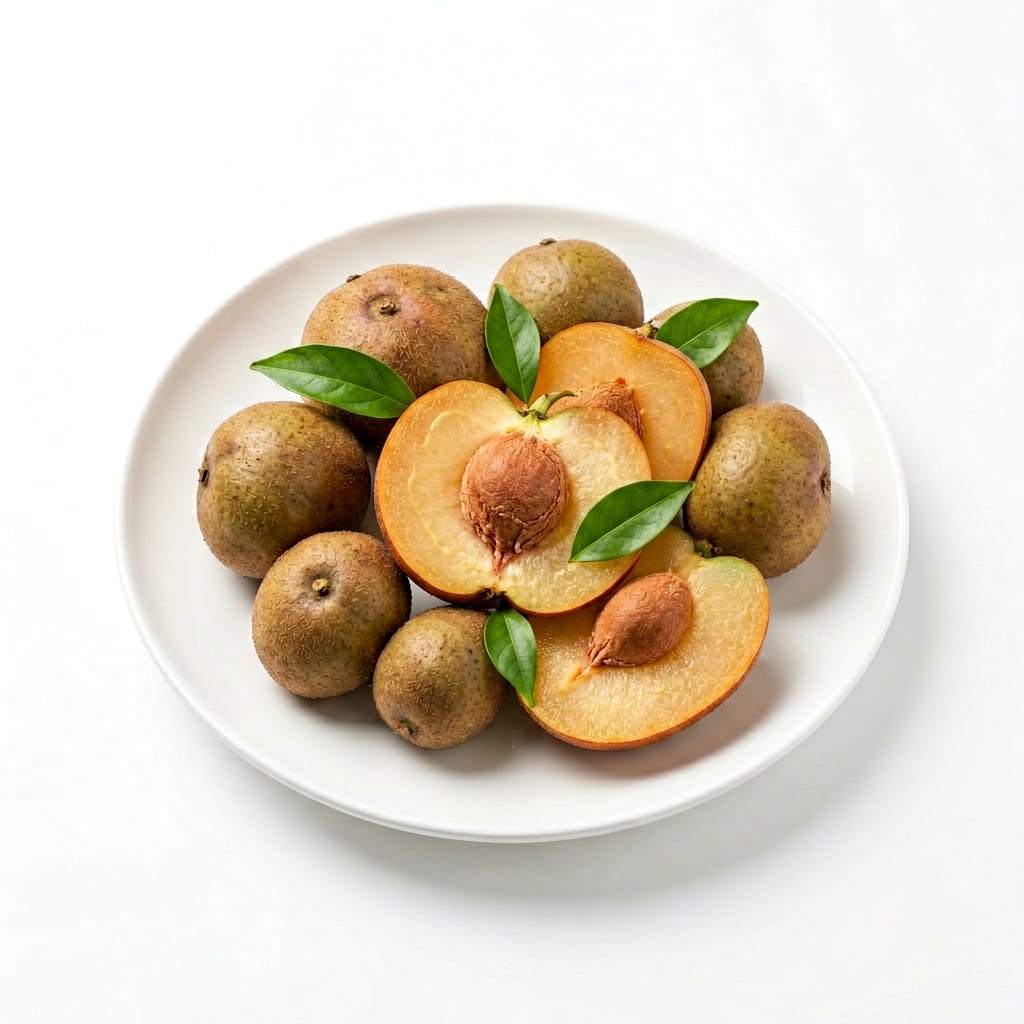
Mangrove Fruit
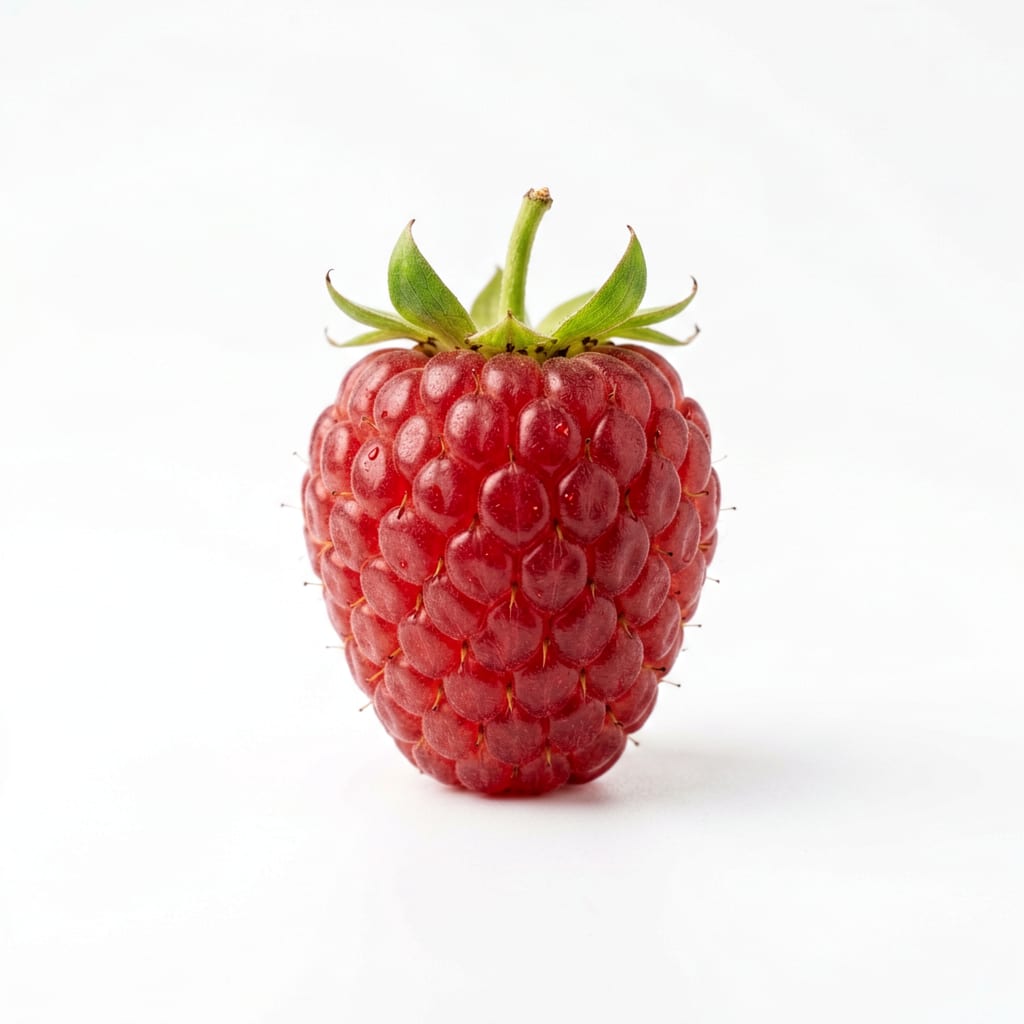
Raspberry
Raspberries win on accessibility, taste, and research-backed health benefits, but mangrove fruits offer unique coastal phytonutrients you cannot get elsewhere.
Raspberries score significantly higher due to proven health benefits, wide availability, and culinary appeal. Mangrove fruits lose ground on accessibility, safety uncertainty, and limited nutritional research. The confidence score reflects that mangrove fruit nutrition data is less established than raspberry data.
Raspberries give you a proven, delicious daily superfruit; mangrove fruits give you rare antioxidants from an extreme environment but with higher effort and safety uncertainty.
At a glance
Executive summary
Overall
Raspberry
Healthier
Raspberry
More practical
Raspberry
Daily use
Raspberry
Key comparison lenses
nutritional accessibility and everyday practicality
Raspberries are widely available in grocery stores worldwide while mangrove fruits are niche, foraged, or region-specific, making accessibility the dominant real-world factor
antioxidant diversity and phytochemical profile
Both foods carry unusual antioxidant compounds but from completely different plant families, creating meaningful tradeoffs in what health benefits they deliver
safety and contamination risk
Mangrove fruits grow in coastal brackish waters with potential heavy metal exposure, while raspberries are among the most pesticide-contaminated conventional fruits
culinary versatility and taste satisfaction
Raspberries are sweet-tart and universally appealing; mangrove fruits are often astringent, bitter, or require processing, affecting long-term enjoyment
Best choice for
Mangrove Fruit
- Coastal communities with traditional foraging knowledge
- People seeking novel phytonutrients not found in common fruits
- Adventurous eaters exploring underutilized wild foods
- Researchers studying extremophile plant compounds
Raspberry
- Everyday consumers wanting reliable antioxidant intake
- People managing blood sugar or weight
- Families needing kid-friendly fruit options
- Anyone meal-prepping with readily available produce
Least suitable for
Mangrove Fruit
- Children due to tannin content and potential contamination
- Pregnant women due to insufficient safety data
- People without reliable foraging expertise or trusted sources
- Anyone with sensitivities to astringent, tannin-rich foods
Raspberry
- People with salicylate sensitivity
- Those allergic to Rosaceae family fruits
- Individuals strictly avoiding even trace pesticide residues unless organic
Deep comparison
Dimension by dimension
Each lens scores both foods and breaks down who each option suits.
- Dimension 1 · Priority 90It depends
antioxidant diversity
Mangrove Fruit · 72Raspberry · 78Raspberries offer well-studied ellagic acid and anthocyanins; mangrove fruits provide rare tannins and flavonoids shaped by salt-stress adaptation.
Tradeoff
Raspberries give you antioxidants with strong clinical evidence; mangrove fruits give you unique compounds with promising but preliminary science.
Why it matters
Antioxidant diversity from different plant families may complement each other better than loading up on one type.
Real-world impact
Eating raspberries regularly likely reduces inflammation measurably; mangrove fruits might offer unique protection but you cannot verify the benefit easily.
Mangrove Fruit
- People already eating common berries who want phytochemical variety
- Those interested in salt-stress plant compounds
Better for
- People who want proven, measurable health outcomes
- Those unfamiliar with proper preparation methods
Worse for
Raspberry
- Anyone wanting clinically-studied anti-inflammatory benefits
- People who need reliable, repeatable antioxidant intake
Better for
- People seeking completely novel nutrient profiles
- Those with berry fatigue wanting something different
Worse for
- Dimension 2 · Priority 82Raspberry
fiber and digestive health
Mangrove Fruit · 55Raspberry · 88Raspberries are among the highest-fiber common fruits at roughly 6.5g per cup; mangrove fruits contain fiber but often less and with more tannins that can irritate sensitive stomachs.
Tradeoff
Raspberries deliver gentle, prebiotic fiber that feeds gut bacteria comfortably; mangrove fruit fiber comes bundled with astringent tannins that may cause digestive discomfort.
Why it matters
Fiber quality matters as much as quantity—tolerance and gut-friendly prebiotics make a real daily difference.
Real-world impact
A cup of raspberries with breakfast keeps you regular and full; mangrove fruit might leave you bloated if you are not used to tannins.
Mangrove Fruit
- People with iron-deficiency anemia who benefit from low-fiber fruit options
Better for
- People prone to constipation
- Those with sensitive stomachs who react to tannins
Worse for
Raspberry
- Anyone needing more daily fiber effortlessly
- People managing IBS-C or sluggish digestion
- Those wanting prebiotic benefits without supplements
Better for
- People already exceeding fiber targets who want lower-fiber fruit
Worse for
- Dimension 3 · Priority 95Raspberry
accessibility and reliability
Mangrove Fruit · 15Raspberry · 92Raspberries are available year-round in most grocery stores; mangrove fruits are rarely sold commercially and require foraging or specialty sourcing.
Tradeoff
You can build a consistent raspberry habit; mangrove fruit consumption will always be sporadic and uncertain.
Why it matters
Health benefits from food require consistency—foods you cannot access regularly cannot deliver reliable outcomes.
Real-world impact
You can grab raspberries any day of the week; finding mangrove fruit requires coastal travel, foraging skill, or expensive specialty ordering.
Mangrove Fruit
- Coastal residents with direct mangrove access and traditional knowledge
Better for
- Anyone living inland
- People without foraging experience
- Those who need reliable weekly meal planning
Worse for
Raspberry
- Urban and suburban dwellers
- Anyone who shops at regular grocery stores
- People who value consistency in their diet
Better for
- People in remote areas without refrigerated supply chains
Worse for
- Dimension 4 · Priority 78Raspberry
taste and culinary satisfaction
Mangrove Fruit · 35Raspberry · 85Raspberries are sweet, tart, and universally appealing; mangrove fruits are often bitter, astringent, and require soaking, fermenting, or cooking to become palatable.
Tradeoff
Raspberries are a pleasure to eat raw; mangrove fruits are an acquired taste that demands preparation effort.
Why it matters
Foods that taste good get eaten consistently; foods that feel like a chore get abandoned regardless of health value.
Real-world impact
Raspberries disappear from the fridge because everyone snacks on them; mangrove fruit sits unused because preparation feels like work.
Mangrove Fruit
- Adventurous eaters who enjoy bitter, complex flavors
- People who value traditional food preparation rituals
Better for
- Picky eaters
- People who want grab-and-go convenience
- Anyone sensitive to bitter or astringent flavors
Worse for
Raspberry
- Families with children
- Anyone who wants fruit to be enjoyable, not effortful
- People who snack on fruit raw throughout the day
Better for
- People who find raspberries too tart
- Those bored with common berry flavors
Worse for
- Dimension 5 · Priority 68Mangrove Fruit
mineral density and electrolyte content
Mangrove Fruit · 75Raspberry · 50Mangrove fruits naturally accumulate minerals from their saline environment, offering more sodium, potassium, and trace minerals; raspberries provide modest potassium but are mineral-light overall.
Tradeoff
Mangrove fruits deliver a broader mineral spectrum from their harsh growing conditions; raspberries keep sodium negligible but offer fewer trace minerals.
Why it matters
People eating mostly land-grown produce may miss coastal mineral diversity, especially iodine and trace elements.
Real-world impact
After physical activity in heat, mangrove fruit could offer useful electrolyte replenishment; raspberries will not move the needle on sodium or trace minerals.
Mangrove Fruit
- Athletes needing natural electrolyte replenishment
- People with low sodium intake who could benefit from mineral-rich fruit
Better for
- People on sodium-restricted diets
- Those concerned about heavy metal co-accumulation
Worse for
Raspberry
- People watching sodium intake
- Those who get minerals from other reliable dietary sources
Better for
- People relying heavily on fruit for mineral intake
Worse for
Timeline
Health impact over time
Short-term
Hours to days
Mangrove Fruit
- May cause mouth dryness or astringency from tannins
- Could provide quick electrolyte replenishment after sweating
- Possible mild digestive discomfort if unaccustomed to tannin-rich foods
Raspberry
- Quick satiety from high fiber and water content
- Gentle blood sugar stabilization after meals
- Immediate refreshing hydration with minimal caloric load
Long-term
Months to years
Mangrove Fruit
- Potential heavy metal accumulation if sourced from polluted coastal waters
- Tannin exposure may reduce iron absorption over time with heavy consumption
- Unique antioxidant compounds could offer novel cellular protection mechanisms
Raspberry
- Consistent anti-inflammatory effects from ellagic acid and anthocyanins
- Improved gut microbiome diversity from prebiotic fiber
- Better long-term blood sugar management and cardiovascular markers
Risk profile
Safety & processing
Both foods are whole, unprocessed fruits in their natural state. Mangrove fruits are essentially wild-foraged with virtually no industrial processing. Raspberries are cultivated but still sold as whole fruit. The bigger concern for raspberries is pesticide residue from conventional farming, not processing.
Mangrove Fruit
heavy metal contamination
highMangroves grow in estuarine sediments that accumulate mercury, lead, and cadmium from industrial runoff. Fruit from untested areas carries real contamination risk.
tannin overexposure
mediumHigh tannin intake can impair iron absorption and cause nausea or digestive upset, especially in people with sensitive stomachs or low iron stores.
misidentification during foraging
mediumWithout expert knowledge, foragers could confuse edible mangrove species with inedible or toxic lookalikes in coastal zones.
Raspberry
pesticide residue
mediumRaspberries consistently rank in the EWG Dirty Dozen for pesticide residues. Organic options significantly reduce this concern.
mold and spoilage
lowRaspberries are fragile and mold quickly, sometimes harboring mycotoxins if consumed past freshness.
salicylate sensitivity reaction
lowRaspberries contain moderate salicylates that can trigger reactions in sensitive individuals, though this is uncommon.
Who wins for whom
Audience fit
Same foods, different winners depending on your goal.
children
RaspberryRaspberries are sweet, safe, and nutrient-dense for kids. Mangrove fruits carry tannin concerns and lack pediatric safety data.
daily consumption
RaspberryRaspberries are easy to find, enjoyable to eat, and well-tolerated daily. Mangrove fruits lack the accessibility and safety profile for reliable everyday use.
diabetes
RaspberryRaspberries have a lower glycemic load and more fiber to slow sugar absorption, making them safer for blood sugar management.
elderly
RaspberryRaspberries support cardiovascular and cognitive health with strong evidence, and their soft texture suits aging digestive systems better than astringent mangrove fruit.
muscle gain
It dependsNeither fruit is a protein source. Mangrove fruit offers slightly more minerals useful for recovery, but the difference is negligible for muscle building.
weight loss
RaspberryRaspberries provide more fiber and volume per calorie, keeping you fuller longer with minimal energy density.
Your move
Decision guide
Choose Mangrove Fruit
- You live in a coastal region with safe, tested mangrove fruit access
- You want to explore traditional or indigenous food systems
- You already eat common berries and want phytochemical diversity
- You are working with a practitioner familiar with coastal wild foods
Choose Raspberry
- You want a proven, delicious daily superfruit
- You are managing weight, blood sugar, or inflammation
- You need fiber and antioxidants from a reliable grocery staple
- You are feeding a family and need kid-friendly options
Either works if
- You want to rotate antioxidant sources for broader coverage
- You enjoy both common and wild fruits as part of a diverse diet
Avoid both if
- You have salicylate sensitivity that reacts to berries
- You are on a strict low-fiber diet for acute digestive conditions
- You cannot verify the source of either fruit for contamination
Final recommendation
Make raspberries your everyday fruit for consistent, evidence-backed health benefits. If you have safe access to mangrove fruit and enjoy its unique flavor, treat it as an occasional addition for nutrient diversity—not a replacement for the reliable nutrition raspberries deliver.
Practical
Consumer tips
- 1
Buy organic raspberries whenever possible—they are among the most pesticide-contaminated fruits when conventionally grown
- 2
If foraging mangrove fruit, only harvest from areas tested for heavy metals and away from industrial runoff
- 3
Soak or ferment mangrove fruit before eating to reduce tannin astringency and improve digestibility
- 4
Freeze raspberries in bulk when in season—they retain nutrients well and save money
- 5
Never eat mangrove fruit raw without confirming the exact species and traditional preparation methods
- 6
Pair raspberries with a fat source like nuts or yogurt to absorb their fat-soluble antioxidants more effectively