
Fruit
Lychee
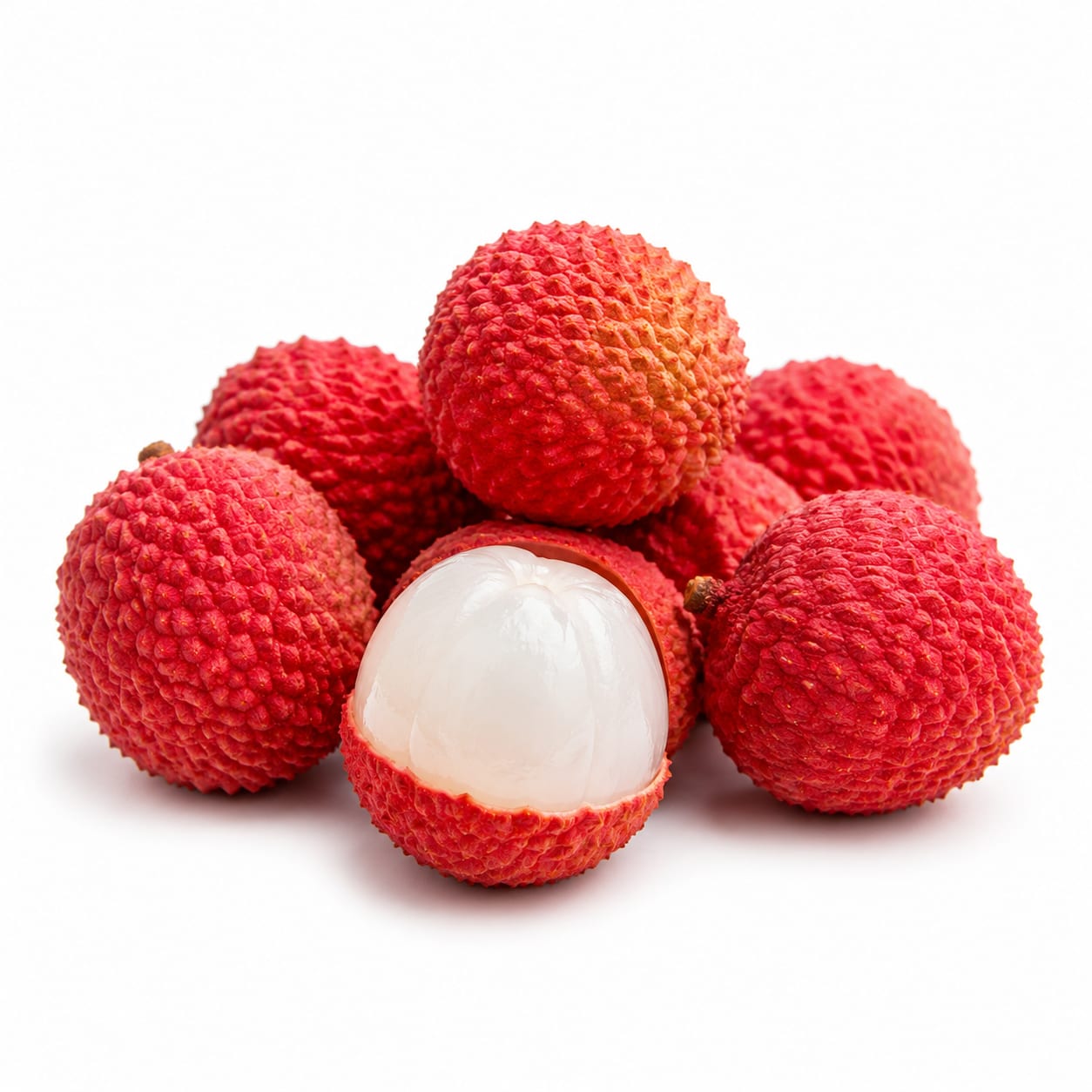
A sweet, fragrant tropical fruit with a rough red shell and juicy translucent flesh.
A tropical fruit with a rough, reddish-pink outer skin, sweet and fragrant translucent white flesh, and a large inedible seed.
fast-digesting high-sugar fruit
Typical serving · 100g
Common varieties · mauritius, brewster, hak ip, sweet cliff, emperor
Overall context score across nutrition, safety, and diet fit
At a glance
Quick facts
Simple indicators based on nutrition, processing, and diet fit.
The story
What makes it unique
Lychee is a fast-digesting carbohydrate source primarily composed of simple sugars and water. It provides moderate satiety due to low fiber content relative to its sugar load. The macronutrient profile is dominated by carbohydrates with negligible protein and fat. As a raw whole food, it is minimally processed.
Varieties: mauritius · brewster · hak ip · sweet cliff · emperor
Per 100g
Nutrition breakdown
Macro balance and key metrics at a glance.
Energy
Density 0.66 kcal/g
Protein
Carbs
Fat
Fiber
Sugar
15.2 g
Sodium
1 mg
Potassium
171 mg
Glycemic index
55
Glycemic load
11
Water content
81%
Standout compounds
Nutrient highlights
Vitamin C
highSupports immune system and collagen synthesis
Copper
moderateAssists in iron metabolism and energy production
Potassium
moderateHelps regulate blood pressure and fluid balance
Oligonol
moderateAntioxidant that may reduce inflammation and improve circulation
Wellness map
Health scores & processing
NOVA processing scale
minimally processed · Whole food
Fresh lychee is an unprocessed whole fruit. Canned lychee is often processed with added sugar syrup.
Diet compatibility
- Weight loss
- Muscle gain
- Diabetes
- Gut health
- Low carb
- High protein
- Heart health
Relative standing
Food rankings
Qualitative ranks compared to similar whole foods.
- Satietymoderate
- Blood sugarpoor
- Nutrient densitymoderate
- Fitness fuelgood
- Processing qualityexcellent
Eat with confidence
Food safety profile
Fresh lychee is generally safe for healthy adults. Unripe lychees contain toxins that can cause severe hypoglycemia in undernourished children if consumed in large quantities on an empty stomach. Washing is recommended to remove potential pesticide residues from the skin.
Evidence confidence 90%
- Pesticidesmoderate
- Antibioticslow
- Heavy metalslow
- Contaminationlow
Watch for
- pesticide residues
- hypoglycin A (unripe)
Safer choices
Organic lychee to reduce pesticide exposure; fully ripe lychees
Prep tips
Wash the outer shell thoroughly before peeling to prevent transferring dirt or pesticides to the flesh. Only consume fully ripe fruit.
Unripe lychees contain hypoglycin A and MCPG, which have been linked to acute encephalitis syndrome in malnourished children who consume them on an empty stomach.
Deep dive
Health analysis
How this food may fit different goals and preparation choices.
Weight loss
Low energy density helps with fullness, but high sugar content relative to fiber makes it easy to overconsume calories if portion control is ignored.
Blood sugar
High sugar content and moderate glycemic index can cause blood sugar spikes, making portion control important for diabetics.
Fitness & energy
Provides quick-digesting carbohydrates and natural sugars ideal for a rapid pre-workout energy boost.
Gut health
Contains a small amount of fiber, but the high sugar-to-fiber ratio offers minimal prebiotic benefit compared to lower-sugar fruits.
Processing quality
Excellent when consumed fresh; avoid canned lychee packed in heavy syrup which drastically increases sugar content and processing level.
Food safety
Safe for healthy adults when ripe. Unripe lychees pose a toxicity risk for undernourished individuals or children on empty stomachs.
Common mistakes
Eating canned lychee in syrup assuming it has the same nutritional profile as fresh, or consuming large quantities on an empty stomach.
Best preparation
Peel and eat fresh, add to fruit salads, or use as a natural sweetener in water or teas.
Practical guide
Best use cases
When and how this food fits real eating patterns.
pre-workout energy boost
Fast-digesting sugars provide quick fuel for high-intensity exercise.
vitamin C supplementation
Provides over 100% of the daily value for vitamin C per 100g to support immune function.
natural sweet treat
Satisfies sweet cravings with a whole-food, minimally processed option instead of candy.
Balance sheet
Pros & cons
Upsides
- Excellent source of vitamin C
- Provides quick-digesting carbohydrates for energy
- Naturally low in fat and sodium
- Contains beneficial antioxidants like oligonol
- Hydrating due to high water content
Trade-offs
- High sugar content relative to fiber
- Can spike blood sugar levels
- Unripe fruit poses toxicity risk for undernourished individuals
- Canned varieties often contain added syrups
- Short shelf life when fresh
Fit check
Who is it for?
Great match
- pre-workout fuel
- vitamin C boost
- natural sweet craving satisfaction
Consider alternatives
- strict low-carb diets
- blood sugar management
- high-volume binge eating
Side by side
How it compares
Open the full head-to-head analysis for nutrition, safety, and practical tradeoffs.
This food
Lychee
VS95% alike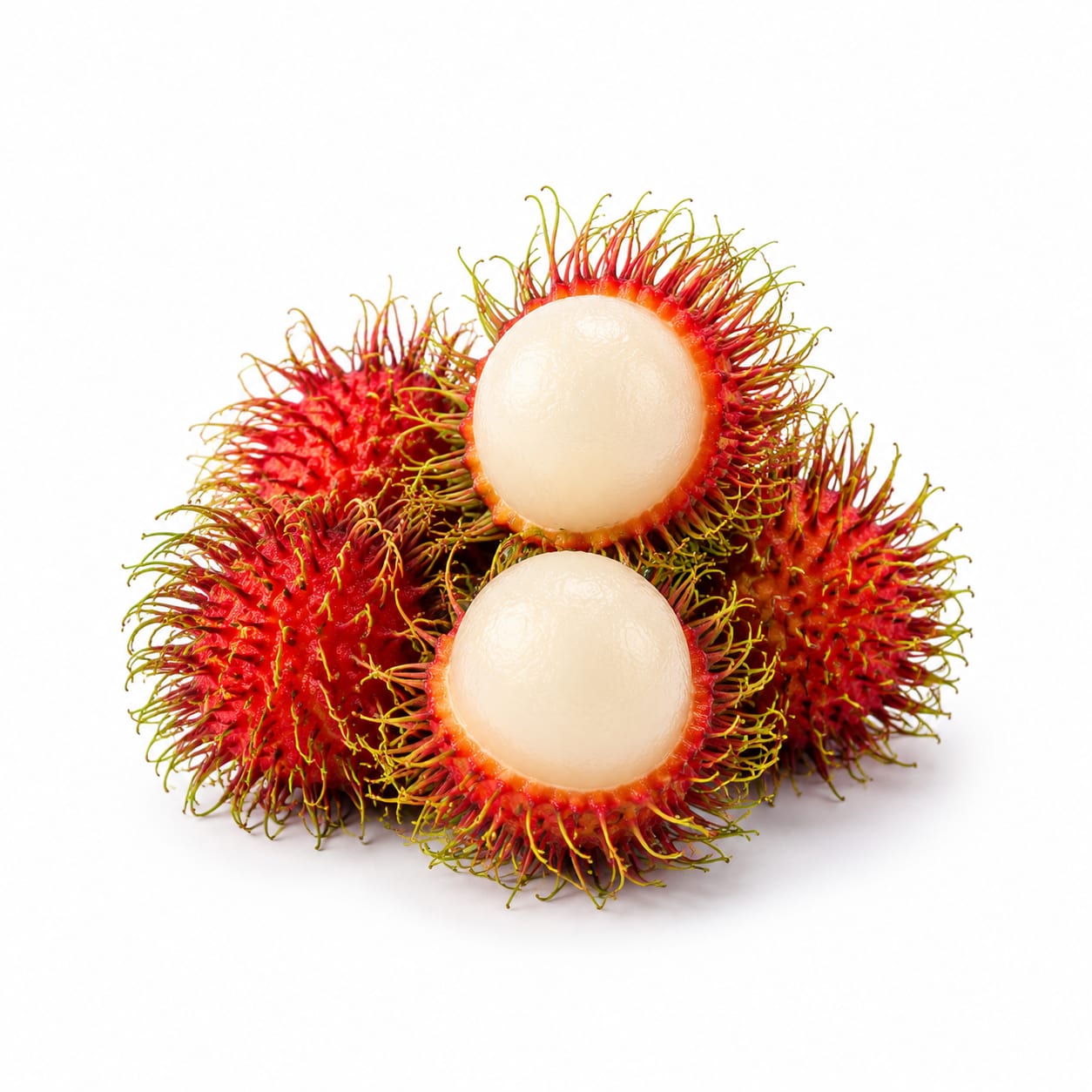
Compare with
Rambutan
Lychee provides a slightly sweeter taste and softer texture, while rambutan offers slightly more fiber and protein. Both are high-sugar tropical fruits.
Lychee is sweeter and softer, while rambutan offers slightly more fiber and protein for better satiety.
This food
Lychee
VS90% alike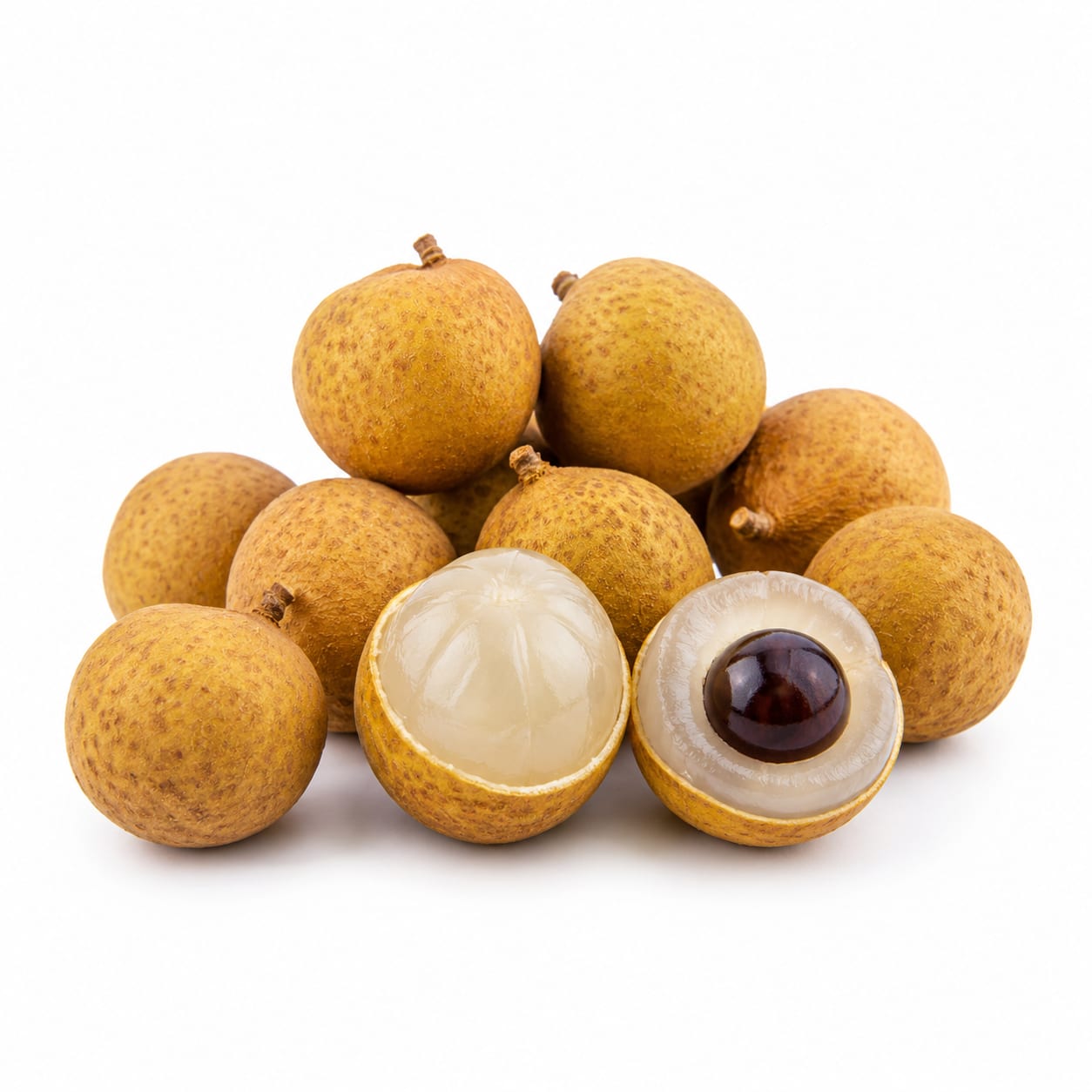
Compare with
Longan
Lychee is juicier and sweeter, whereas longan has a more subtle, musky flavor and slightly fewer calories per gram.
Longan is lower in calories and sugar than lychee, making it a better choice for weight loss and blood sugar control.
This food
Lychee
VS80% alike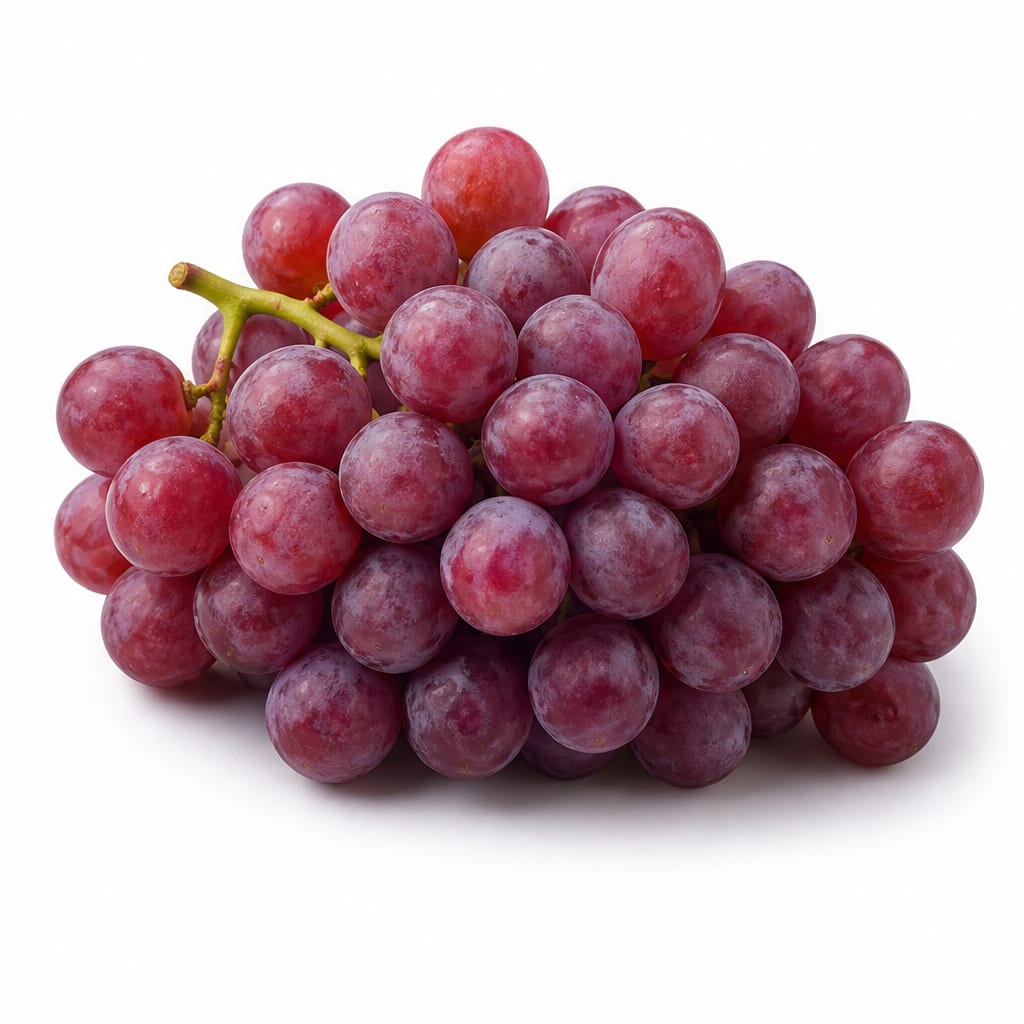
Compare with
Grapes
Lychee offers more vitamin C per calorie, while grapes are more convenient to eat and slightly lower in sugar.
Grapes are slightly lower in sugar and easier to snack on, while lychee provides a stronger vitamin C boost.
This food
Lychee
VS75% alike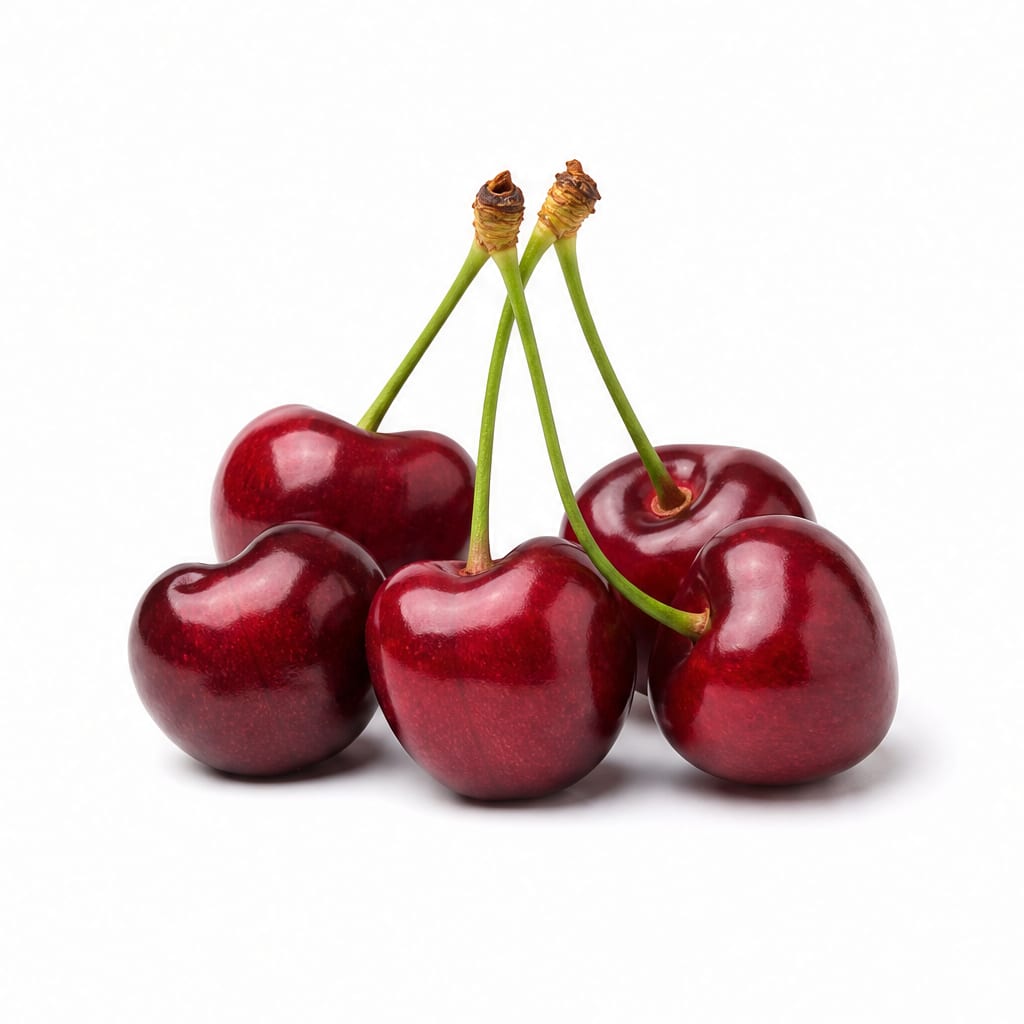
Compare with
Cherries
Cherries are richer in antioxidants and lower in sugar, while lychee provides more vitamin C and a tropical flavor profile.
Cherries are lower in sugar and higher in antioxidants, while lychee is higher in vitamin C and calories.
This food
Lychee
VS70% alike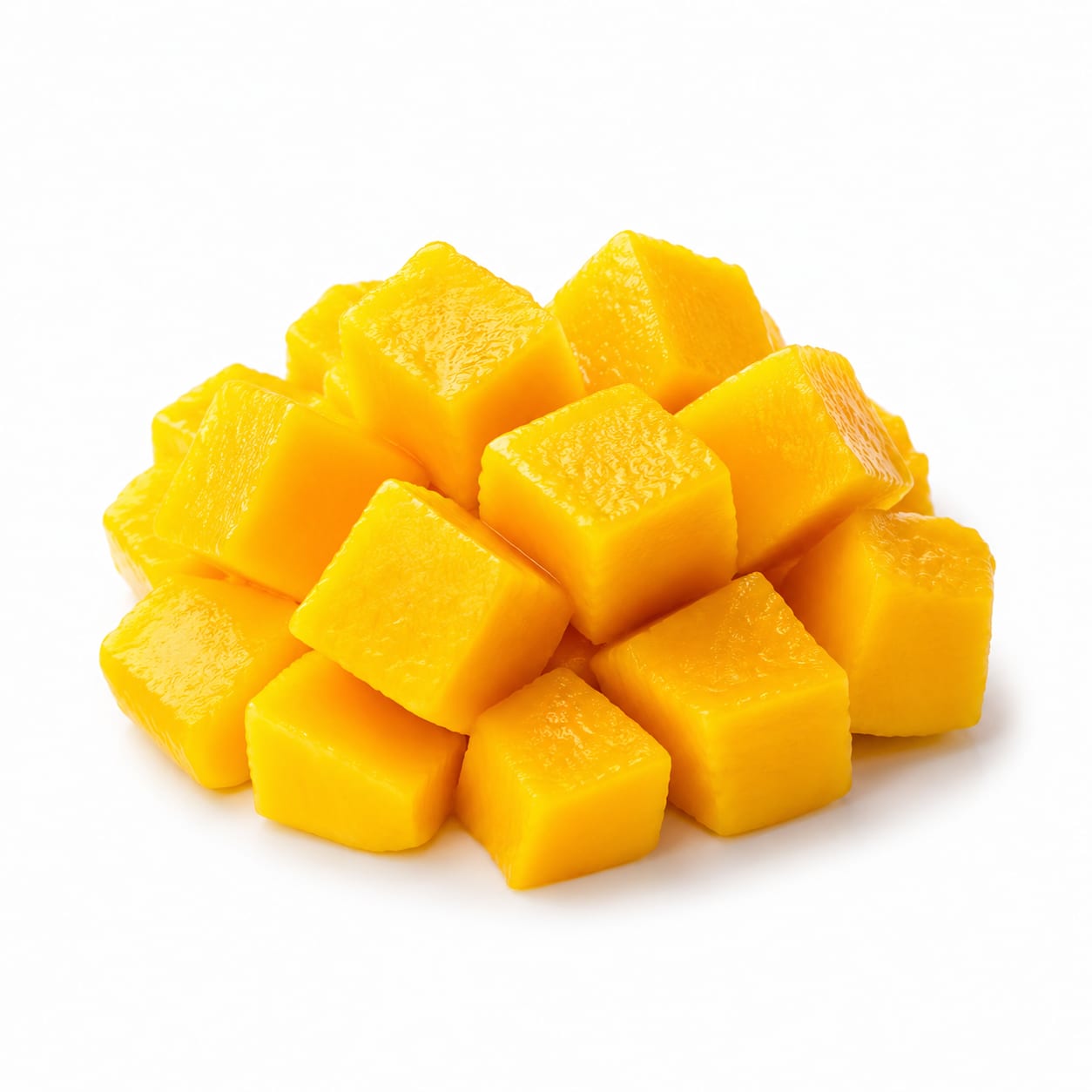
Compare with
Mango
Mango provides more vitamin A and fiber, while lychee is lower in calories and higher in vitamin C.
Lychee is lower in calories than mango, but mango offers more fiber and vitamin A for better satiety.
This food
Lychee
VS65% alike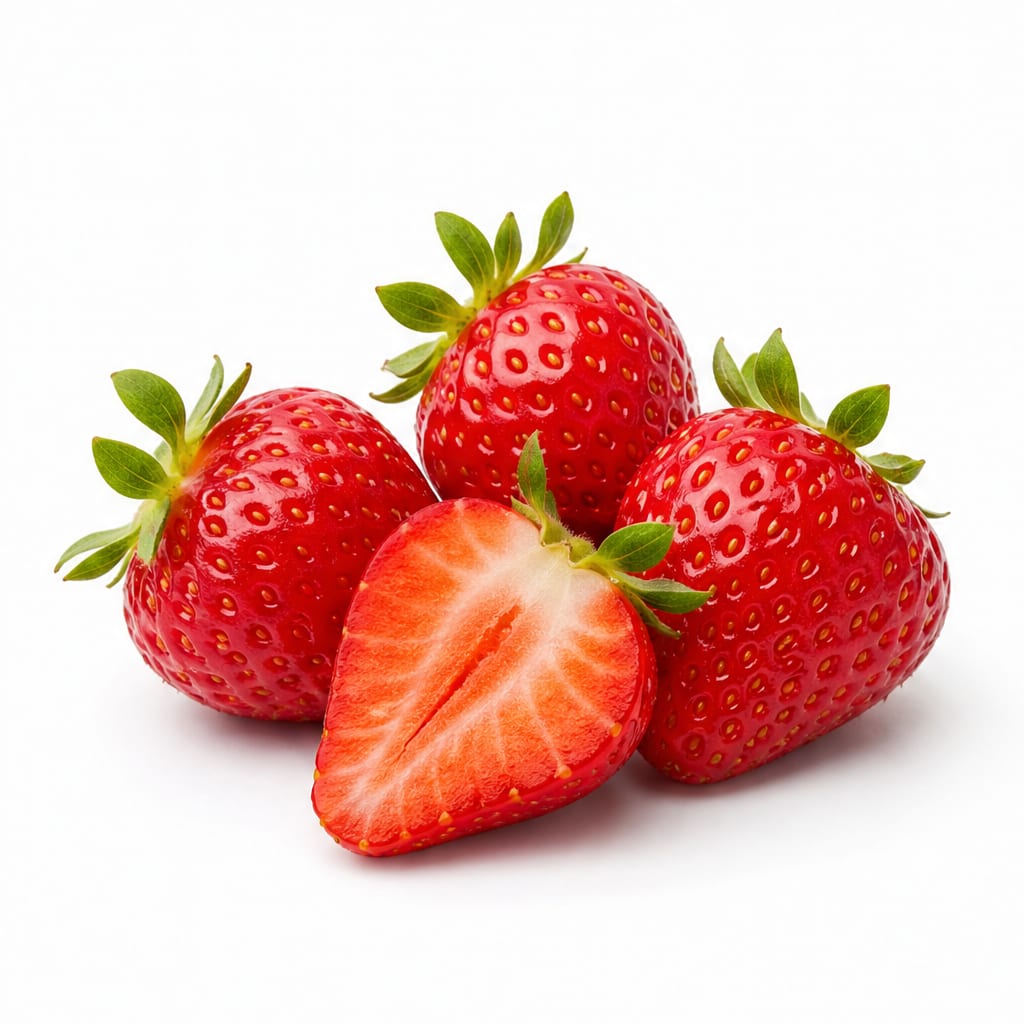
Compare with
Strawberries
Strawberries are significantly lower in sugar and calories and higher in fiber, making them much better for weight loss and blood sugar control than lychee.
Strawberries crush lychee for weight loss and blood sugar control due to much lower sugar and higher fiber.
This food
Lychee
VS60% alike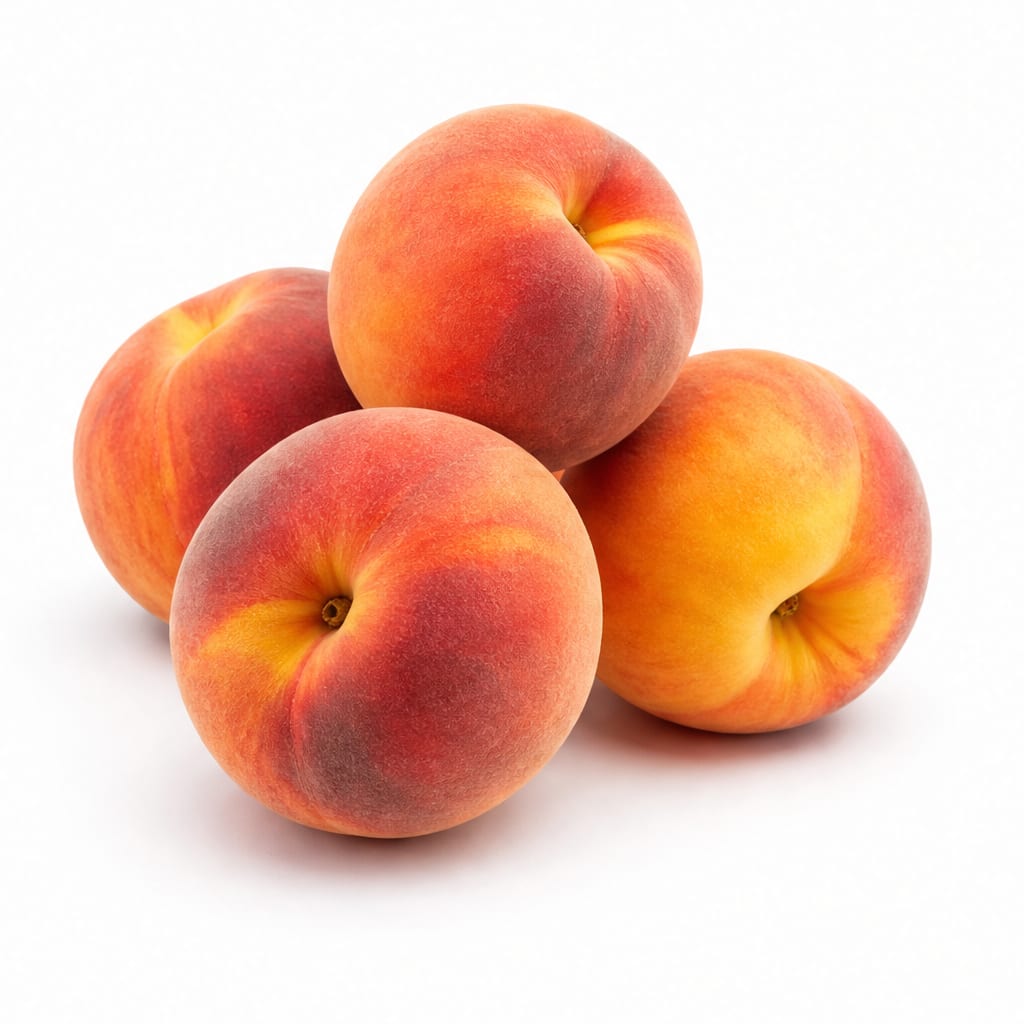
Compare with
Peaches
Peaches are lower in sugar and higher in fiber than lychee, while lychee provides a more concentrated source of vitamin C.
Peaches are lower in sugar and higher in fiber than lychee, making them a safer bet for diabetics.
This food
Lychee
VS60% alike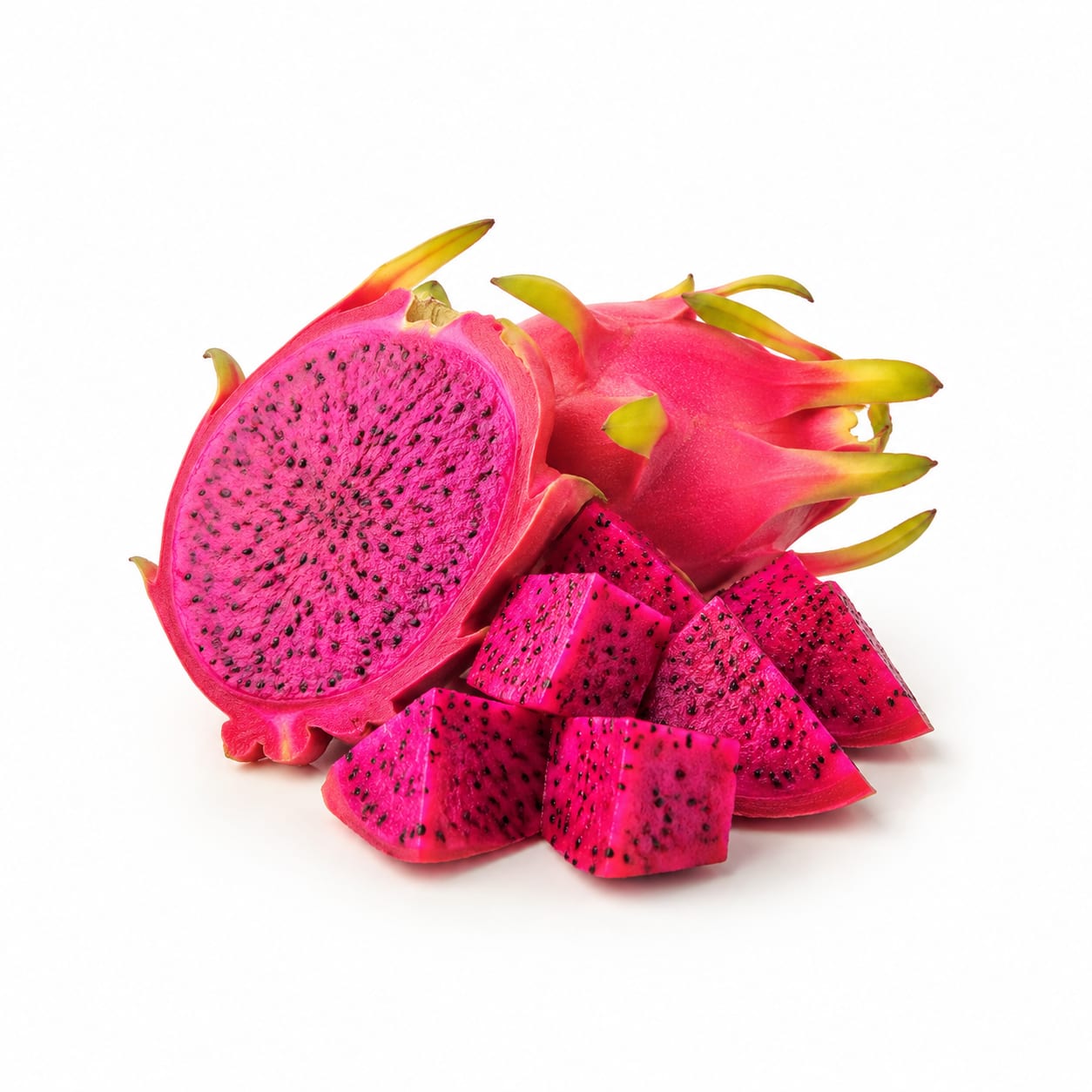
Compare with
Dragon Fruit
Lychee is much sweeter and higher in sugar, while dragon fruit is lower in calories and sugar with a milder taste.
Dragon fruit is lower in sugar and calories, while lychee provides a stronger sweet flavor and more vitamin C.
This food
Lychee
VS55% alike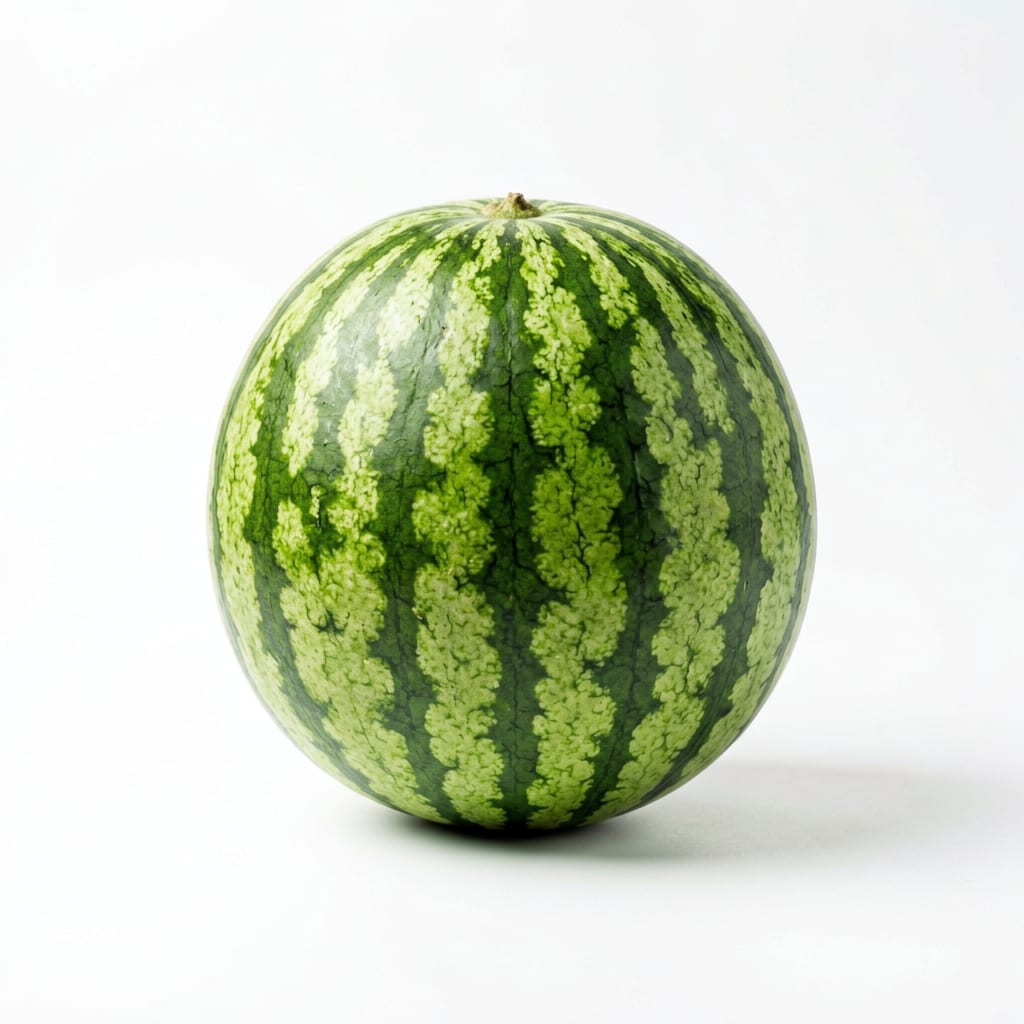
Compare with
Watermelon
Watermelon is lower in calories and sugar per 100g, while lychee is more nutrient-dense in vitamins and minerals.
Watermelon is lower in calories and sugar per serving, while lychee packs more vitamins and a sweeter bite.
This food
Lychee
VS55% alike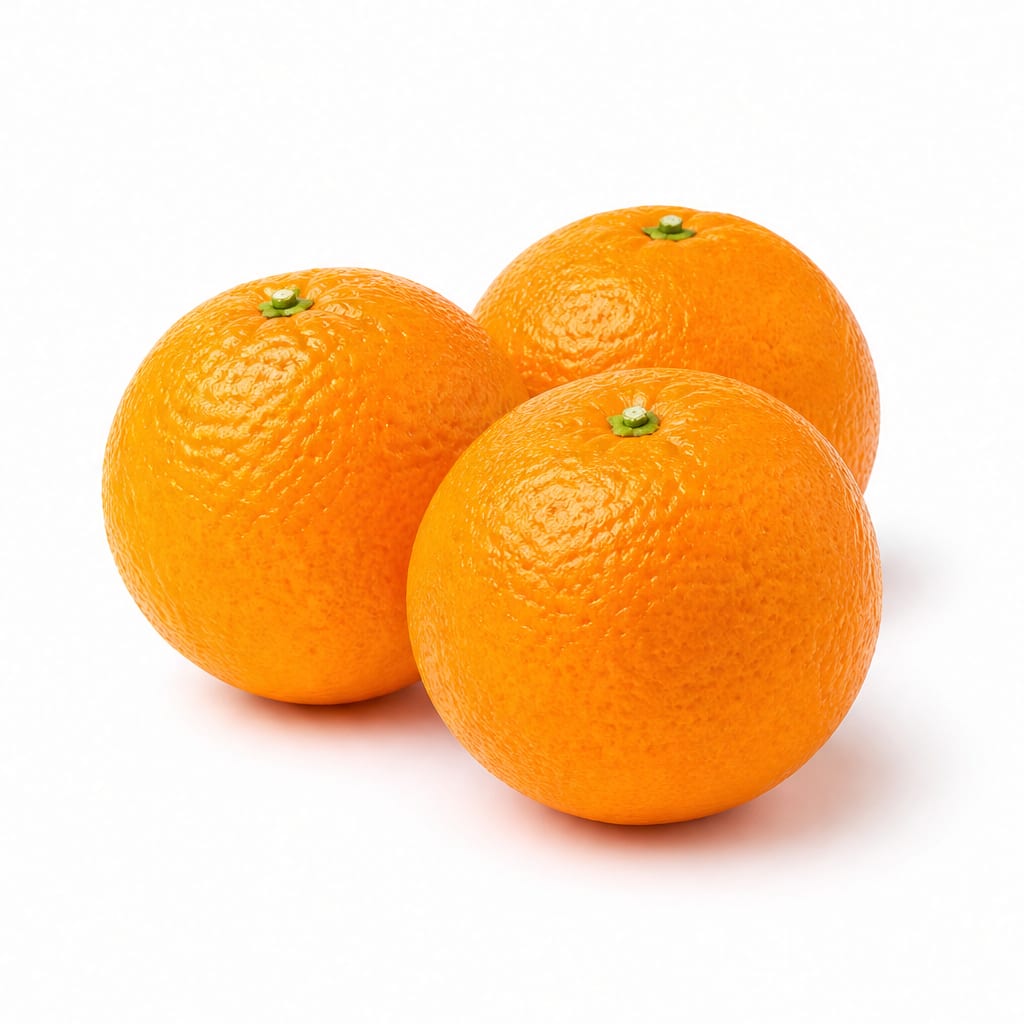
Compare with
Oranges
Oranges provide more fiber and a lower sugar density, while lychee offers a softer texture and different antioxidant profile.
Oranges are higher in fiber and lower in sugar density than lychee, offering better satiety and blood sugar control.
Common questions
FAQ
Answers aligned with how people search for this food.
Is lychee good for weight loss?
Lychee is low in calories but high in sugar, so it can be included in a weight loss diet in moderation, but portion control is essential to avoid excess sugar intake.
Can diabetics eat lychee?
Diabetics should eat lychee with caution due to its high sugar content and moderate glycemic index. Pairing it with protein or fat can help slow sugar absorption.
Is lychee high in sugar?
Yes, lychee is relatively high in sugar compared to other fruits, containing about 15 grams of sugar per 100 grams.
Why is unripe lychee dangerous?
Unripe lychee contains hypoglycin A and MCPG, which can severely drop blood sugar levels and cause encephalitis in malnourished children if eaten on an empty stomach.
How many lychees can I eat a day?
A typical moderate serving is about 5-6 lychees, which provides a sweet treat without excessive sugar intake.
Is lychee a good pre-workout snack?
Yes, the fast-digesting carbohydrates and natural sugars in lychee make it a good quick-energy snack before a workout.
Is canned lychee healthy?
Canned lychee is often packed in heavy syrup, which drastically increases its sugar and calorie content, making it much less healthy than fresh lychee.
What is the difference between lychee and rambutan?
While similar in taste and nutrition, rambutan has a hairy red exterior, whereas lychee has a rough, bumpy red skin. Rambutan is slightly higher in fiber and protein.
Transparency
Data confidence
Estimated confidence for nutrition data, interpretation, safety notes, and comparisons.
Nutrition data
Health analysis
Food safety
Comparisons