
Nutrition comparison
Lychee vs Cherries: Which Fruit Is Healthier for Daily Eating?
Compare lychee and cherries on sugar, antioxidants, safety, and daily health benefits. Cherries win for anti-inflammatory support and blood sugar stability. Learn the key tradeoffs.
Overall winner · Cherries
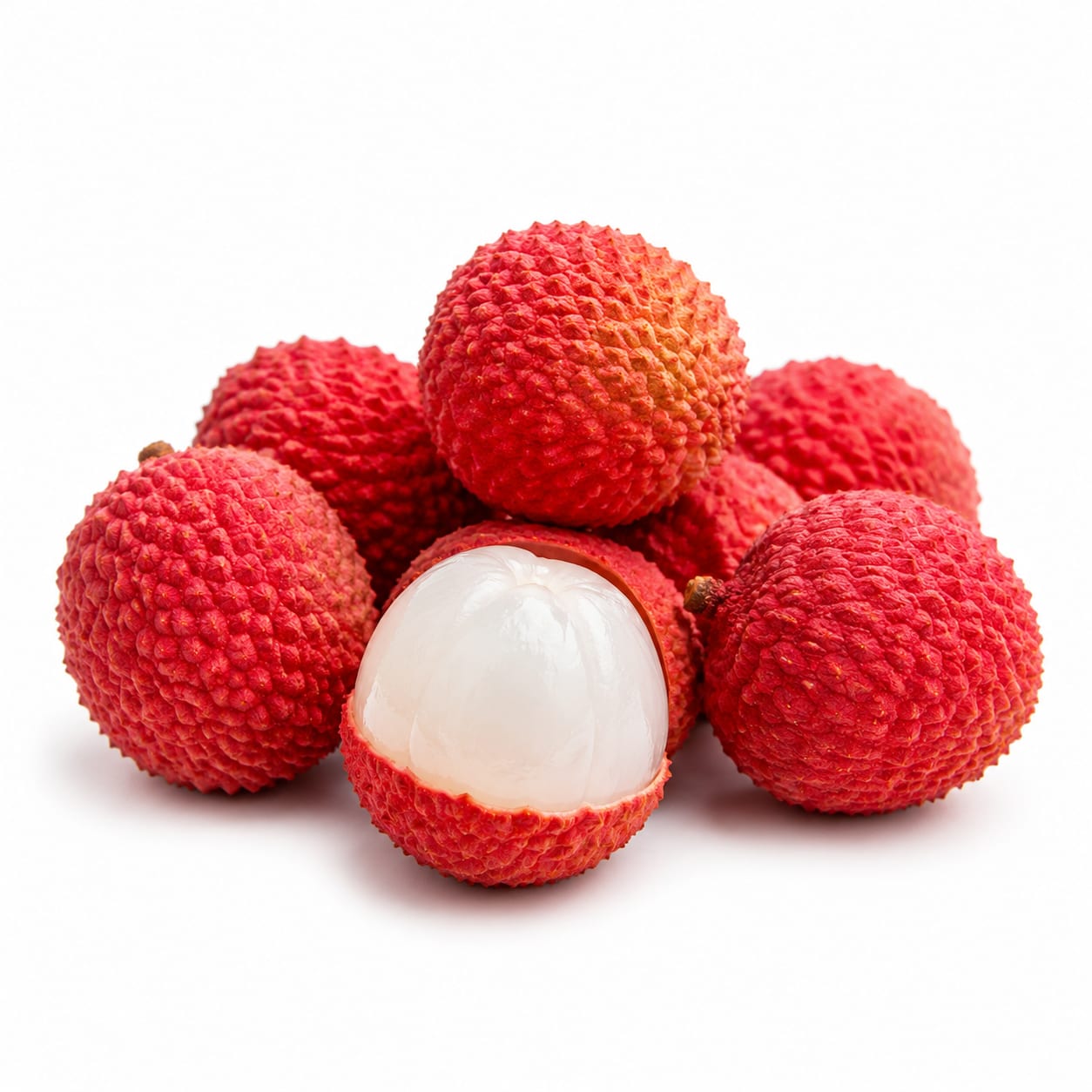
Lychee
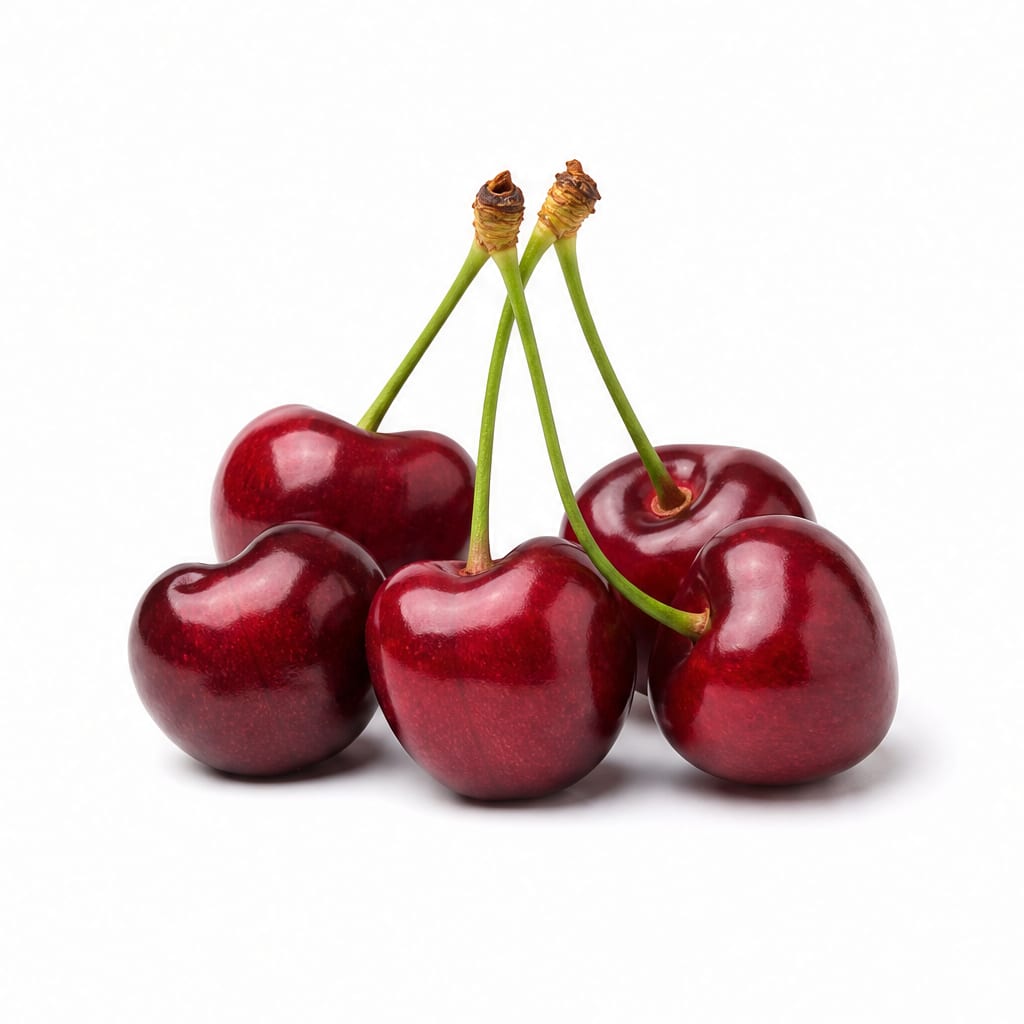
Cherries
Cherries win for daily eating thanks to lower sugar, stronger anti-inflammatory benefits, and better safety profile. Lychee is a delicious occasional treat with superior vitamin C but carries higher sugar and unique toxicity risks.
Cherries score notably higher due to lower sugar, stronger anti-inflammatory properties, melatonin content, and a cleaner safety profile. Lychee remains a respectable choice for occasional vitamin C intake but its sugar load and hypoglycin risk pull its score down for regular consumption.
Lychee gives you more vitamin C and a tropical flavor experience, but Cherries give you steadier energy, inflammation-fighting anthocyanins, and safer everyday snacking.
At a glance
Executive summary
Overall
Cherries
Healthier
Cherries
More practical
Cherries
Daily use
Cherries
Key comparison lenses
sugar impact and cravings
Lychee is notably higher in sugar per serving, making blood sugar and overeating risk a central concern
antioxidant and anti inflammatory value
Cherries are renowned for anthocyanins and inflammation reduction, a key differentiator
everyday practicality and availability
Fresh lychee has limited seasonal availability while cherries are more accessible in various forms year-round
safety and toxicity concerns
Lychee carries unique hypoglycin risks when consumed unripe or in excess, especially for children
vitamin C and immune support
Lychee delivers significantly more vitamin C, making it a stronger immune-boosting option
Best choice for
Lychee
- Vitamin C boost during cold season
- Tropical fruit lovers seeking variety
- Occasional dessert fruit with high antioxidant vitamin content
Cherries
- Daily anti-inflammatory support
- Post-workout recovery snacking
- Better blood sugar management
- Sleep support from natural melatonin
Least suitable for
Lychee
- People managing diabetes or insulin resistance
- Children in areas with malnutrition risk
- Anyone tracking daily sugar intake strictly
Cherries
- People with cherry allergies or birch pollen syndrome
- Those avoiding fructose entirely
Deep comparison
Dimension by dimension
Each lens scores both foods and breaks down who each option suits.
- Dimension 1 · Priority 92Cherries
sugar_and_blood_stability
Lychee · 40Cherries · 70Lychee packs roughly 15g of sugar per 100g compared to cherries at around 8-10g, making cherries significantly easier on blood sugar.
Tradeoff
Lychee's sweetness is part of its appeal but makes portion control critical. Cherries let you eat more volume for less glycemic impact.
Why it matters
A bowl of lychee can spike blood sugar fast, leading to an energy crash and renewed cravings within an hour.
Real-world impact
Eating 10-12 lychees feels light but delivers the sugar of a candy bar. A similar portion of cherries feels just as satisfying with half the metabolic hit.
Lychee
- Quick energy before intense physical activity
Better for
- Late-night snacking
- Fasting blood sugar management
Worse for
Cherries
- Steady afternoon snacking without crashes
- Managing prediabetes or insulin resistance
- Reducing sugar-driven cravings
Better for
- Situations demanding rapid carbohydrate refueling
Worse for
- Dimension 2 · Priority 88Cherries
anti_inflammatory_and_recovery
Lychee · 50Cherries · 88Cherries are among the most anti-inflammatory fruits available, backed by extensive research on tart and sweet varieties. Lychee has antioxidants but far less evidence for inflammation reduction.
Tradeoff
If reducing joint pain, muscle soreness, or systemic inflammation is a priority, cherries are in a different league entirely.
Why it matters
Chronic inflammation drives aging, joint issues, and disease. Daily cherry consumption has been shown to lower inflammatory markers in multiple studies.
Real-world impact
Athletes who drink tart cherry juice recover faster. People with arthritis often notice less stiffness. Lychee simply cannot match this benefit.
Lychee
- General antioxidant variety in a mixed diet
Better for
- Chronic inflammatory conditions
Worse for
Cherries
- Post-exercise muscle recovery
- Joint stiffness and arthritis management
- Reducing systemic inflammation long-term
- Gout flare prevention
Better for
- Dimension 3 · Priority 72Lychee
vitamin_and_mineral_density
Lychee · 82Cherries · 68Lychee delivers over 70mg of vitamin C per 100g, exceeding cherries by a wide margin. It also provides more copper and B vitamins.
Tradeoff
For immune support and collagen production, lychee is clearly superior. But cherries offer more potassium, which supports blood pressure and hydration.
Why it matters
A single serving of lychee covers most of your daily vitamin C needs, making it an efficient immune-boosting food when eaten in season.
Real-world impact
During cold season, a handful of lychee can supplement your vitamin C more effectively than an equivalent amount of cherries.
Lychee
- Immune system support during illness
- Collagen and skin health
- Iron absorption enhancement when paired with iron-rich meals
Better for
- Potassium-focused dietary needs
Worse for
Cherries
- Blood pressure regulation through potassium
- Electrolyte balance after exercise
Better for
- High vitamin C requirements
Worse for
- Dimension 4 · Priority 70Cherries
sleep_and_mood_support
Lychee · 35Cherries · 80Cherries are one of the few natural food sources of melatonin and have demonstrated sleep-improving effects in clinical trials.
Tradeoff
Eating cherries in the evening may genuinely improve sleep onset and quality. Lychee offers no comparable benefit and its sugar could disrupt sleep.
Why it matters
Sleep quality affects everything from appetite regulation to immune function. A food that actively supports sleep is rare and valuable.
Real-world impact
A small bowl of cherries after dinner can help you fall asleep faster. Tart cherry juice is used clinically for insomnia. Lychee at night may do the opposite by spiking blood sugar.
Lychee
- Late-night eating
Worse for
Cherries
- Evening snacking that supports sleep
- Managing mild insomnia naturally
- Shift workers needing circadian rhythm support
Better for
- Dimension 5 · Priority 75Cherries
safety_and_toxicity
Lychee · 45Cherries · 82Unripe lychee contains hypoglycin A, which has caused outbreaks of acute encephalitis in malnourished children. Cherries carry no such unique toxicity risk.
Tradeoff
For healthy adults eating ripe lychee in moderation, risk is low. But the danger is real for children and in regions where undernutrition is common.
Why it matters
This is not a theoretical concern. Outbreaks in India and Vietnam have hospitalized hundreds of children. Awareness matters.
Real-world impact
Never let children eat large quantities of unripe lychee on an empty stomach. Cherries have no equivalent toxicity risk, making them safer for families.
Lychee
- Children snacking unattended
- Fasting or undernourished individuals
Worse for
Cherries
- Households with young children
- People in tropical regions where unripe lychee is sold
- Anyone concerned about food safety margins
Better for
- Dimension 6 · Priority 68Cherries
availability_and_convenience
Lychee · 40Cherries · 78Fresh lychee has a very short season and limited geographic availability. Cherries are available fresh, frozen, dried, and as juice year-round in most markets.
Tradeoff
If you live outside tropical Asia, fresh lychee is a seasonal luxury. Canned lychee exists but is typically packed in heavy syrup, negating health benefits.
Why it matters
A food you cannot reliably find cannot become a dietary staple. Practicality shapes long-term habits more than nutrition facts alone.
Real-world impact
You can buy frozen cherries at nearly any grocery store and add them to smoothies, oatmeal, or yogurt year-round. Fresh lychee requires specialty stores and perfect timing.
Lychee
- Tropical regions during peak season
- Specialty culinary experiences
Better for
- Meal planning that requires reliability
- Budget-conscious weekly shopping
Worse for
Cherries
- Year-round meal prep and smoothies
- Frozen fruit convenience
- Consistent grocery access
Better for
Timeline
Health impact over time
Short-term
Hours to days
Lychee
- Rapid blood sugar spike from high sugar content
- Quick vitamin C immune boost
- Possible digestive upset if eaten in large quantities on empty stomach
- Energy crash within 60-90 minutes of eating a large portion
Cherries
- Steadier energy with less glycemic volatility
- Mild anti-inflammatory effect even after a single serving
- Potential drowsiness from melatonin if eaten in evening
- Reliable satiety from fiber and moderate sugar
Long-term
Months to years
Lychee
- Risk of elevated fasting blood sugar if consumed frequently in large portions
- Strong vitamin C status supporting immune and skin health
- Potential contribution to sugar-dependent cravings and overeating patterns
Cherries
- Reduced inflammatory markers with regular consumption
- Improved sleep quality over weeks to months
- Lower risk of gout flares in susceptible individuals
- Better long-term blood sugar stability compared to higher-sugar fruits
Risk profile
Safety & processing
Both fruits are whole, minimally processed foods when eaten fresh. However, canned lychee is commonly preserved in heavy sugar syrup, which dramatically changes its nutritional profile. Frozen and dried cherries are widely available without added sugar, giving cherries an edge in convenient whole-food forms.
Lychee
Hypoglycin A toxicity from unripe fruit
highUnripe lychee contains hypoglycin A, which can cause dangerously low blood sugar and acute encephalitis, especially in malnourished children. Always eat fully ripe lychee and never on an empty stomach in large amounts.
Sulfur dioxide preservative on dried or canned varieties
mediumSome dried and canned lychee products use sulfur dioxide as a preservative, which can trigger reactions in sensitive individuals, particularly those with asthma.
Pesticide residue on conventionally grown imports
mediumLychee is often imported from regions with less stringent pesticide regulation. Washing thoroughly or choosing organic reduces exposure.
Cherries
Pesticide residue on conventional cherries
mediumCherries consistently appear on the EWG Dirty Dozen list for pesticide residue. Organic is strongly recommended when available.
Cherry pit ingestion hazard
lowPits contain amygdalin, which releases cyanide when crushed. Swallowing a whole pit is harmless, but cracked pits in blended preparations pose a small risk.
Birch pollen cross-reactivity
lowSome individuals with birch pollen allergy experience oral allergy syndrome with fresh cherries. Cooking usually eliminates this reaction.
Who wins for whom
Audience fit
Same foods, different winners depending on your goal.
children
CherriesCherries carry no hypoglycin risk and their moderate sweetness is easier to moderate. Lychee poses a documented safety concern for children, especially when unripe.
daily consumption
CherriesCherries offer a safer, more sustainable daily fruit choice with cumulative anti-inflammatory and sleep benefits. Lychee is best enjoyed as an occasional seasonal treat.
diabetes
CherriesCherries have a lower glycemic load and will not spike blood sugar as aggressively. Lychee's high sugar content makes it risky for blood sugar management.
elderly
CherriesAnti-inflammatory benefits, sleep support, and joint health properties make cherries particularly valuable for aging bodies. Lower sugar also supports metabolic health in older adults.
muscle gain
CherriesCherries reduce exercise-induced inflammation and muscle soreness, supporting more consistent training. Neither fruit is a significant protein source.
weight loss
CherriesCherries provide more satiety per sugar gram and are harder to overeat. Lychee's sweetness and low fiber-to-sugar ratio make portion control difficult.
Your move
Decision guide
Choose Lychee
- You want a vitamin C boost and already eat low-sugar foods throughout the day
- You live in a region where fresh ripe lychee is in season and affordable
- You are treating it as a dessert replacement rather than a daily snack
- You have no blood sugar concerns and eat moderate portions naturally
Choose Cherries
- You want a daily fruit that supports recovery, sleep, and inflammation control
- You are managing weight, blood sugar, or metabolic health
- You have children and want a safer everyday fruit option
- You need a fruit that is easy to find year-round in frozen or fresh form
- You struggle with joint pain, gout, or muscle soreness
Either works if
- You simply want fruit variety and eat both in moderation
- You have no specific health conditions driving your fruit choice
- You enjoy both flavors and rotate them seasonally
Avoid both if
- You are on a strict very-low-carb or ketogenic diet
- You have a severe fructose intolerance
- You are eliminating all fruit sugar for a defined therapeutic protocol
Final recommendation
Make cherries your everyday fruit. Their anti-inflammatory power, sleep support, and safer sugar profile make them one of the best daily fruits available. Save lychee for special occasions when you can enjoy its tropical flavor and vitamin C boost without the daily sugar load. If you do eat lychee, stick to ripe fruit, watch your portions, and never serve large amounts to children on an empty stomach.
Practical
Consumer tips
- 1
Choose organic cherries whenever possible since they rank high for pesticide residue
- 2
Buy frozen cherries for smoothies and oatmeal — they retain nutrients and are available year-round
- 3
If buying canned lychee, look for versions packed in water or light syrup, not heavy syrup
- 4
Always eat lychee fully ripe — the skin should be entirely red or pink with no green patches
- 5
Avoid giving lychee to children before meals or in large quantities, especially if they are undernourished
- 6
Tart cherry juice concentrate is a practical way to get anti-inflammatory and sleep benefits without eating large fruit volumes
- 7
Pit cherries before freezing to make them ready for smoothies and baking