
Nutrition comparison
Lychee vs Mango: Which Tropical Fruit is Healthier?
Compare Lychee vs Mango for nutrition, sugar, and safety. Discover why Mango is better for daily eating and the hidden risks of eating Lychee on an empty stomach.
Overall winner · Mango
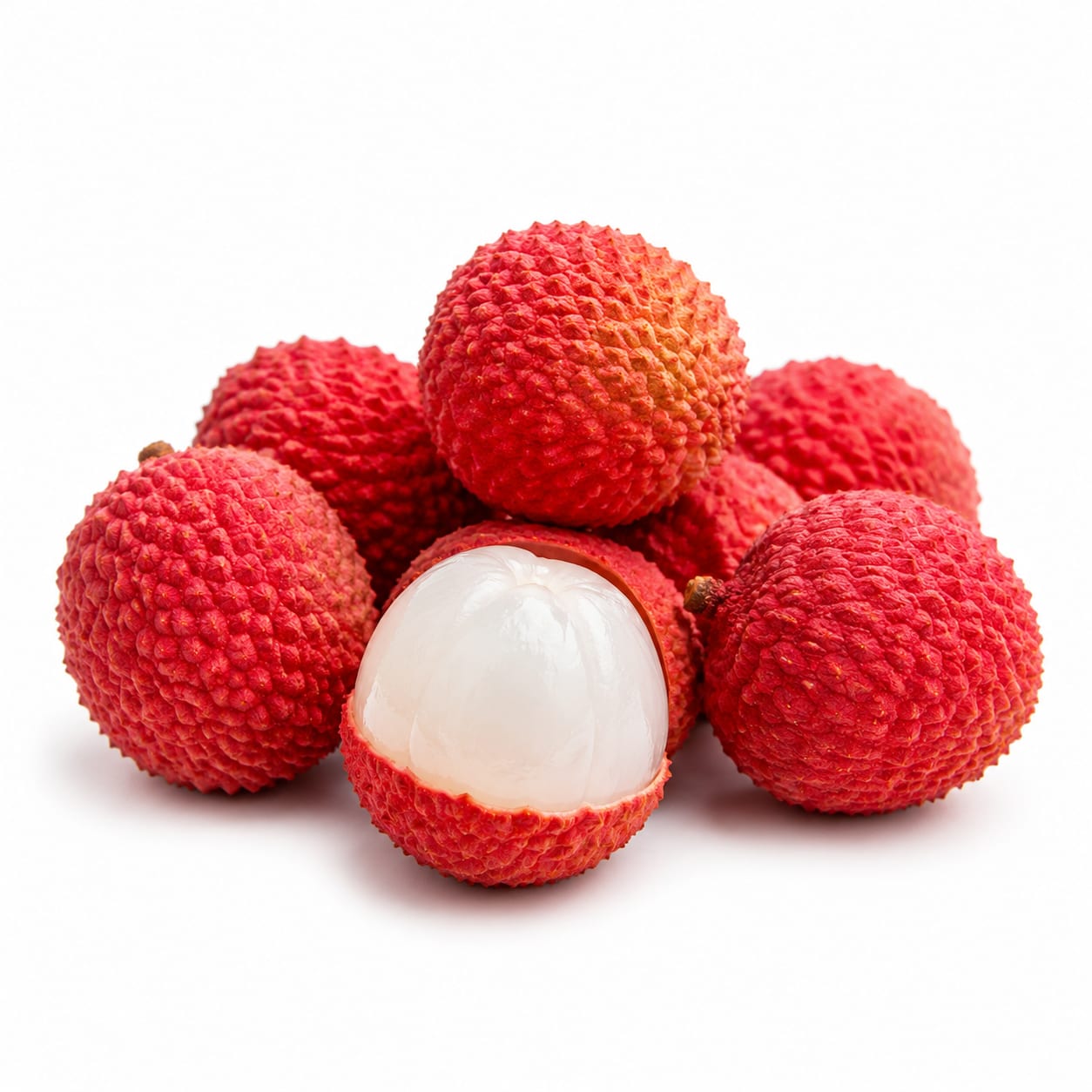
Lychee
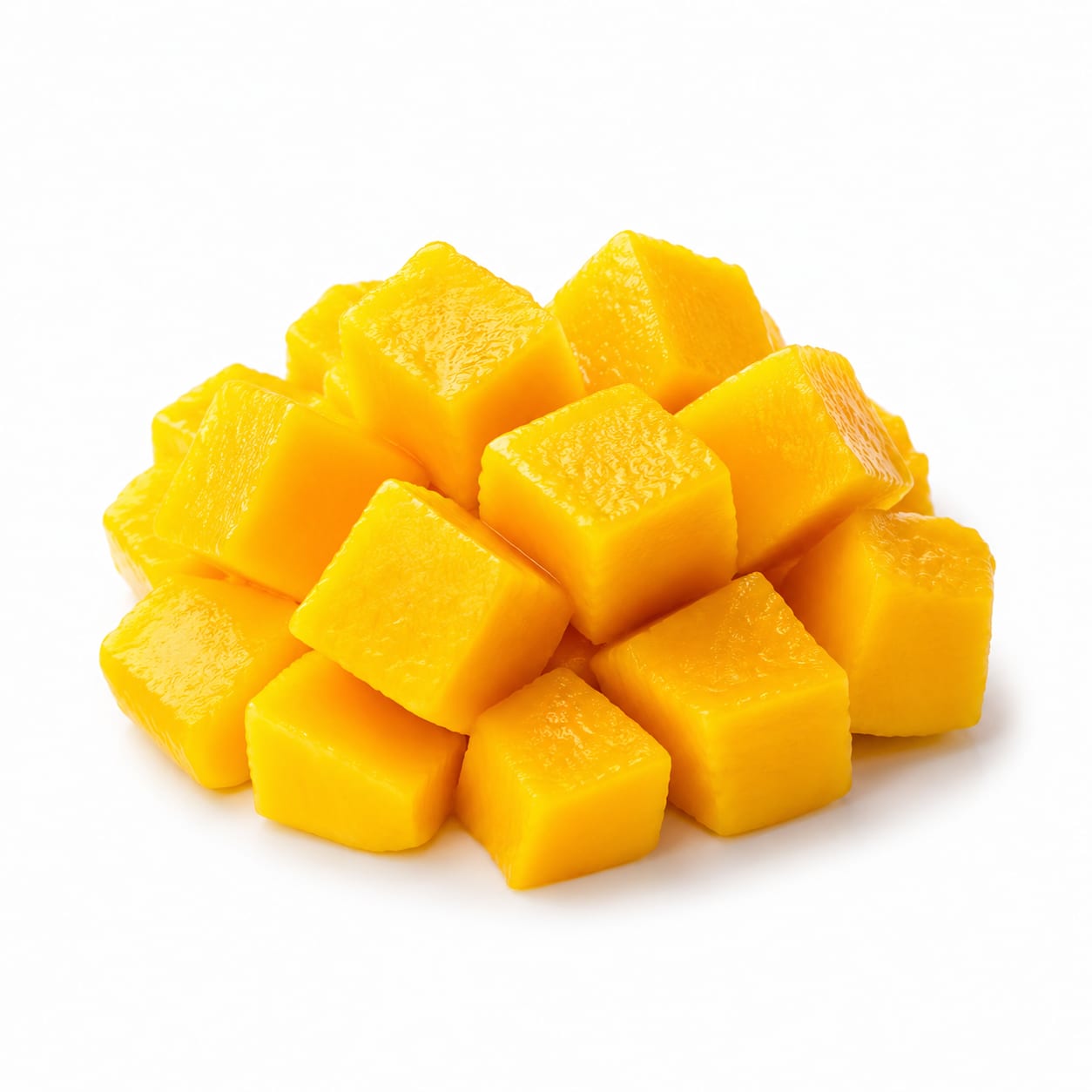
Mango
Mango is the more balanced daily fruit with better fiber, safer blood sugar impact, and crucial Vitamin A. Lychee is a delicious but sugary treat with a surprising safety catch.
Mango scores higher due to its superior fiber content, safer sugar profile, and lack of toxicity concerns. Lychee loses points for its high sugar density, overeating potential, and the rare but serious risk of hypoglycin toxicity.
Lychee offers a Vitamin C boost and unique flavor but brings higher sugar and a rare toxicity risk. Mango trades that Vitamin C for Vitamin A, more fiber, and safer everyday eating.
At a glance
Executive summary
Overall
Mango
Healthier
Mango
More practical
Mango
Daily use
Mango
Key comparison lenses
Sugar impact and blood sugar control
Both are sweet tropical fruits, but Lychee is exceptionally high in sugar and easy to overeat, making blood sugar response a primary concern.
Safety and toxicity risks
Lychee contains hypoglycin, which can cause severe hypoglycemia if eaten in large amounts on an empty stomach, a unique risk not present in Mango.
Overeating and portion control
Lychee behaves like natural candy—small, bite-sized, and hard to stop eating—whereas Mango has a built-in portion limit due to its size and fiber.
Vitamin profile tradeoffs
Lychee excels in Vitamin C, while Mango provides massive amounts of Vitamin A, forcing a choice based on specific nutritional goals.
Best choice for
Lychee
- Vitamin C supplementation
- Exotic dessert toppings
- Quick natural energy spikes
Mango
- Daily fruit intake
- Eye health and immunity
- Digestive regularity
Least suitable for
Lychee
- People with diabetes or insulin resistance
- Fasting states or empty stomachs due to hypoglycin risk
- Strict low-carb dieters
Mango
- Severe oral allergy syndrome sufferers
- Very low fructose diets
Deep comparison
Dimension by dimension
Each lens scores both foods and breaks down who each option suits.
- Dimension 1 · Priority 90Mango
Blood Sugar & Satiety
Lychee · 45Mango · 70Mango provides steadier energy thanks to more fiber and a slightly lower sugar density. Lychee digests quickly, acting almost like fruit candy.
Tradeoff
You get a quicker sugar rush from Lychee, but it crashes faster and leaves you hungry sooner.
Why it matters
Rapid blood sugar spikes from Lychee can trigger cravings and fatigue, making it harder to control overall calorie intake.
Real-world impact
Eating a bowl of Lychee feels light in the moment but often leads to reaching for more food an hour later. A mango slice is more filling.
Lychee
- Quick pre-workout energy
Better for
- Managing diabetes
- Controlling sugar cravings
Worse for
Mango
- Sustained afternoon energy
- Preventing the 3 PM crash
Better for
- Needing immediate fast-burning fuel
Worse for
- Dimension 2 · Priority 80It depends
Micronutrient Density
Lychee · 75Mango · 85Mango dominates with Vitamin A, while Lychee provides more Vitamin C. Mango offers broader overall nutrition.
Tradeoff
Choose Lychee for immune support and collagen synthesis; choose Mango for vision, skin health, and antioxidant coverage.
Why it matters
Vitamin A deficiency is more common globally, making Mango a highly impactful fruit for eye and skin health.
Real-world impact
Eating Mango regularly can literally help you see better at night and keep skin glowing, whereas Lychee is more like a cold-fighting boost.
Lychee
- Fighting off a cold
- Collagen support
Better for
- Correcting Vitamin A deficiency
Worse for
Mango
- Eye health
- Skin clarity
- Broad antioxidant coverage
Better for
- High-dose Vitamin C therapy
Worse for
- Dimension 3 · Priority 85Mango
Overeating & Portion Control
Lychee · 35Mango · 75Lychee is bite-sized and incredibly easy to overeat. Mango requires active cutting and is naturally self-limiting.
Tradeoff
Lychee's convenience makes it a binge-risk, while Mango's preparation acts as a natural speed bump.
Why it matters
Unconscious overeating of high-sugar fruit can easily derail weight management and blood sugar goals.
Real-world impact
You can easily peel and eat 20 Lychees before realizing it. Eating an entire large Mango is possible but feels much more substantial and satisfying.
Lychee
- Party snacking convenience
Better for
- Portion control
- Calorie tracking
Worse for
Mango
- Mindful eating
- Weight management
Better for
- Grab-and-go convenience
Worse for
- Dimension 4 · Priority 85Mango
Safety & Toxicity
Lychee · 55Mango · 95Lychee contains hypoglycin, a toxin that can cause dangerously low blood sugar if eaten on an empty stomach. Mango is widely safe.
Tradeoff
Lychee's exotic appeal comes with a rare but serious health warning that Mango simply does not carry.
Why it matters
For undernourished individuals or children, eating unripe or large amounts of Lychee without other food has caused encephalitis outbreaks.
Real-world impact
Never eat Lychee as a breakfast substitute on an empty stomach. Mango is safe to eat anytime, even fasting.
Lychee
- No distinct safety advantages over Mango
Better for
- Empty stomach snacking
- Malnourished children
Worse for
Mango
- Safe fasting-state eating
- Children's lunchboxes
Better for
- No significant safety drawbacks
Worse for
Timeline
Health impact over time
Short-term
Hours to days
Lychee
- Quick energy spike followed by a potential crash
- High Vitamin C absorption for immediate immune support
- Risk of nausea or hypoglycemia if eaten in excess on an empty stomach
Mango
- Comfortable, steady energy
- Digestive relief from enzymes and fiber
- Satiety that reduces snacking urges
Long-term
Months to years
Lychee
- Potential weight gain if overeaten regularly due to high sugar
- Better skin elasticity from consistent Vitamin C intake
- Risk of metabolic strain if used as a daily staple
Mango
- Improved vision and eye health from high beta-carotene
- Better digestive regularity from fiber
- Sustained skin health and immune resilience
Risk profile
Safety & processing
Both are whole, raw fruits when purchased fresh. However, canned Lychee is common and often packed in heavy syrup, drastically altering its health profile. Always choose fresh or jarred in water.
Lychee
Hypoglycin toxicity
highUnripe Lychee contains toxins that drop blood sugar dangerously low, especially in malnourished children or fasting adults. Always eat ripe and with other food.
Sulfur dioxide preservatives
mediumDried or canned Lychee is often treated with sulfites to preserve color, which can trigger asthma in sensitive individuals.
Mango
Oral allergy syndrome
mediumMango skin contains urushiol, and the flesh can trigger pollen-related allergies in some, causing mouth itching.
Pesticide residue
lowConventionally grown Mangoes are generally low in pesticide residue due to the thick peel, but washing is still recommended.
Who wins for whom
Audience fit
Same foods, different winners depending on your goal.
children
MangoMango is safer and easier to digest. Lychee poses a rare but severe risk of hypoglycemia in undernourished or fasting children.
daily consumption
MangoMango's nutritional breadth and safety profile make it a reliable daily staple. Lychee is better reserved as an occasional treat.
diabetes
MangoMango has a lower glycemic load per typical serving and more fiber to slow sugar absorption, whereas Lychee acts too quickly on blood sugar.
elderly
MangoMango is gentler on blood sugar, easier to digest, and provides crucial Vitamin A for aging eyes.
muscle gain
MangoMango provides more steady carbohydrates and digestive enzymes that support nutrient absorption for muscle recovery.
weight loss
MangoMango's higher fiber and self-limiting portion size make it much easier to integrate into a calorie-controlled diet without overeating.
Your move
Decision guide
Choose Lychee
- You want a quick Vitamin C boost or are fighting a cold
- You need fast-acting carbs right before a workout
- You are serving an exotic dessert and can control portions
Choose Mango
- You want a satisfying, daily fruit that won't spike your blood sugar
- Eye health and Vitamin A intake are priorities
- You tend to overeat sweet foods and need built-in portion control
- You are packing fruit for children
Either works if
- You just want a refreshing tropical snack on a hot day
- You are mixing fruit into a smoothie with protein and fat to buffer sugar
Avoid both if
- You are on a strict ketogenic diet
- You have severe fructose intolerance
Final recommendation
Make Mango your everyday tropical fruit. It is safer, more filling, and nutritionally well-rounded. Enjoy Lychee mindfully as a special treat—never on an empty stomach, and always watching your portion size.
Practical
Consumer tips
- 1
Never eat Lychee on an empty stomach, especially if you haven't eaten a meal recently.
- 2
Avoid canned Lychee in heavy syrup; it essentially doubles the sugar content.
- 3
Cut Mango away from the pit in a hedgehog pattern for easy, bite-sized cubes.
- 4
If Mango makes your mouth itch, try microwaving it for 30 seconds to break down the allergen proteins, or simply avoid the skin.
- 5
Freeze Mango chunks for a naturally sweet, ice cream-like summer snack.